How to Fix Mosquito Control in 2026 (Step-by-Step Guide)
If you’ve ever tried to enjoy a summer evening in your backyard only to be driven inside by a swarm of mosquitoes, you know how frustrating it is. The real question isn’t “How to fix mosquito control?”, it’s why most store-bought fixes fail. Understanding that difference is the first step toward actually reclaiming your space.
In our research, the single most effective approach, supported by the CDC and EPA, is Integrated Mosquito Management (IMM). It’s not one product; it’s a system. And it works.
Let’s walk through the process so you can stop wasting money on gimmicks and start using methods that actually reduce mosquito populations.
Quick Answer
Mosquito control requires eliminating breeding sites first. Remove standing water every week. Use larvicides like Bti dunks in water you cannot drain.
Apply barrier sprays to vegetation sparingly. Wear EPA‑registered repellents when outdoors. Combine these steps for lasting results.
Why Most Mosquito “Solutions” Don’t Work (And What Actually Does)
Walk into any hardware store and you’ll see rows of products claiming to solve your mosquito problem. Bug zappers, citronella candles, ultrasonic devices, and “natural” repellent bracelets. Almost none of them work the way you hope.
Bug zappers kill more beneficial insects than mosquitoes. Citronella candles only mask your scent slightly and offer borderline useless protection beyond a few feet. Ultrasonic devices have been shown in repeated studies to have zero effect on mosquito behavior.
The reason is simple: most commercial solutions target adult mosquitoes after they’re already biting you, while ignoring where the problem starts.
What actually works is a layered strategy called Integrated Mosquito Management (IMM). The EPA and CDC both endorse this approach. It focuses first on eliminating breeding sites, then using targeted larvicides, and only using adulticides as a last resort.
You cannot kill your way out of a mosquito problem, you have to stop them from hatching in the first place.
The Real Enemy: Understanding Mosquito Life Cycles & Behavior
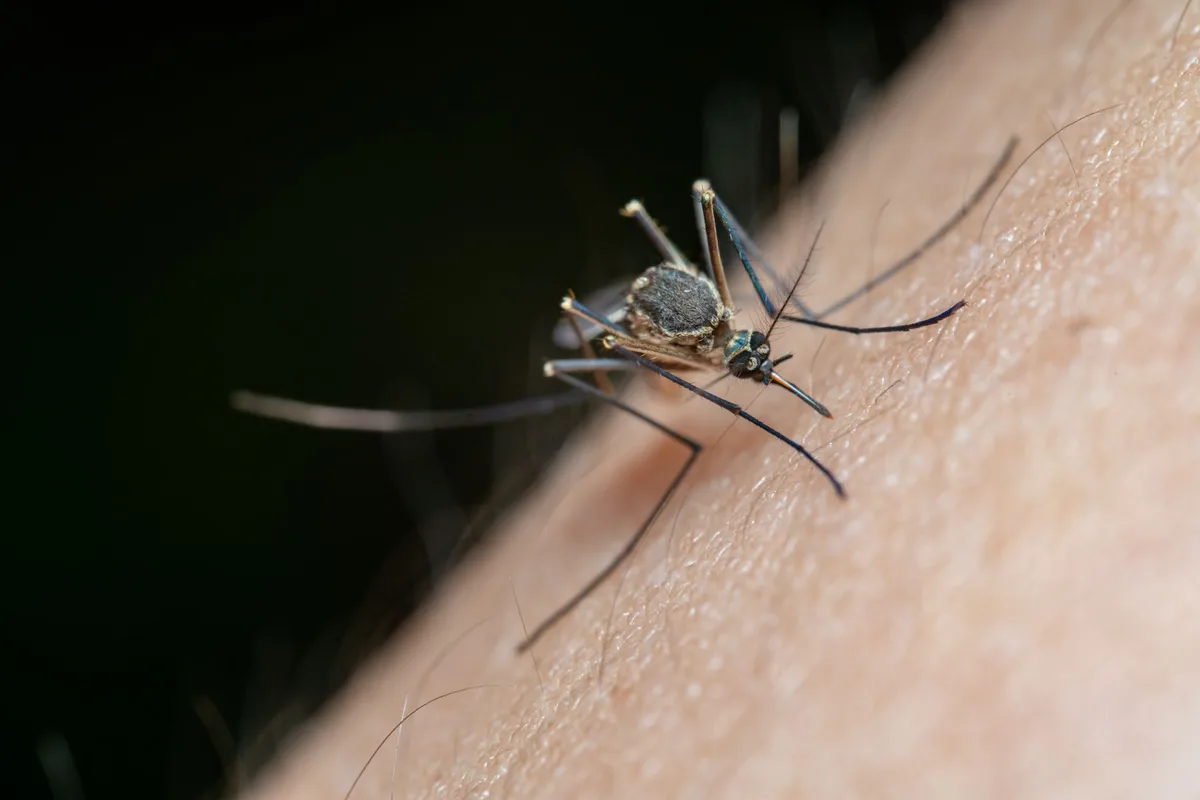
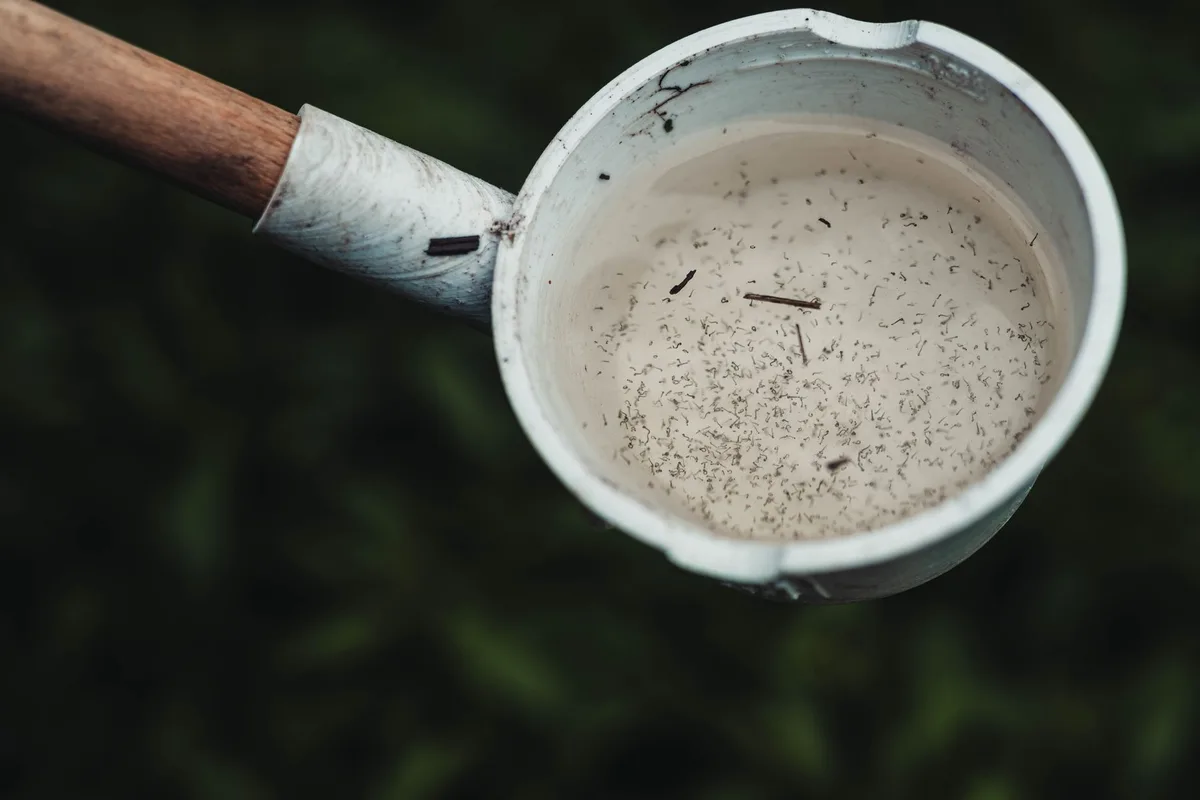
Mosquitoes go through four life stages: egg, larva, pupa, and adult. The first three stages happen entirely in water. That’s a huge advantage for you.
If you remove or treat the water, you never get adults.
The entire cycle takes about 7 to 14 days in warm weather. That means you have a weekly window to interrupt it. Miss that window, and you’re just playing catch‑up.
Why Species Matters (Aedes vs. Culex vs. Anopheles)
Not all mosquitoes behave the same. Aedes mosquitoes (the ones that spread dengue and Zika) bite during the day and breed in small containers, think bottle caps, saucers, and clogged gutters. Culex mosquitoes carry West Nile virus, bite at dusk, and prefer larger water bodies like ponds and ditches.
Anopheles (malaria vectors) are less common in the US but still present in some regions.
Knowing which species you have helps you target your efforts. But for most homeowners, the same core rule applies: eliminate standing water within a quarter‑mile of your home.
The Critical Window: Larvae vs. Adults – Where to Focus
Our research consistently shows that attacking larvae is far more effective than attacking adults. A single female mosquito can lay hundreds of eggs. Kill one adult, and you stop maybe a dozen bites.
Kill one batch of larvae, and you prevent thousands of future insects.
That’s why larvicides, products that kill mosquito larvae before they become biting adults, are the workhorses of any serious control plan. They’re also safer for non‑target wildlife because they target a specific stage.
Your First and Most Powerful Move: Source Reduction
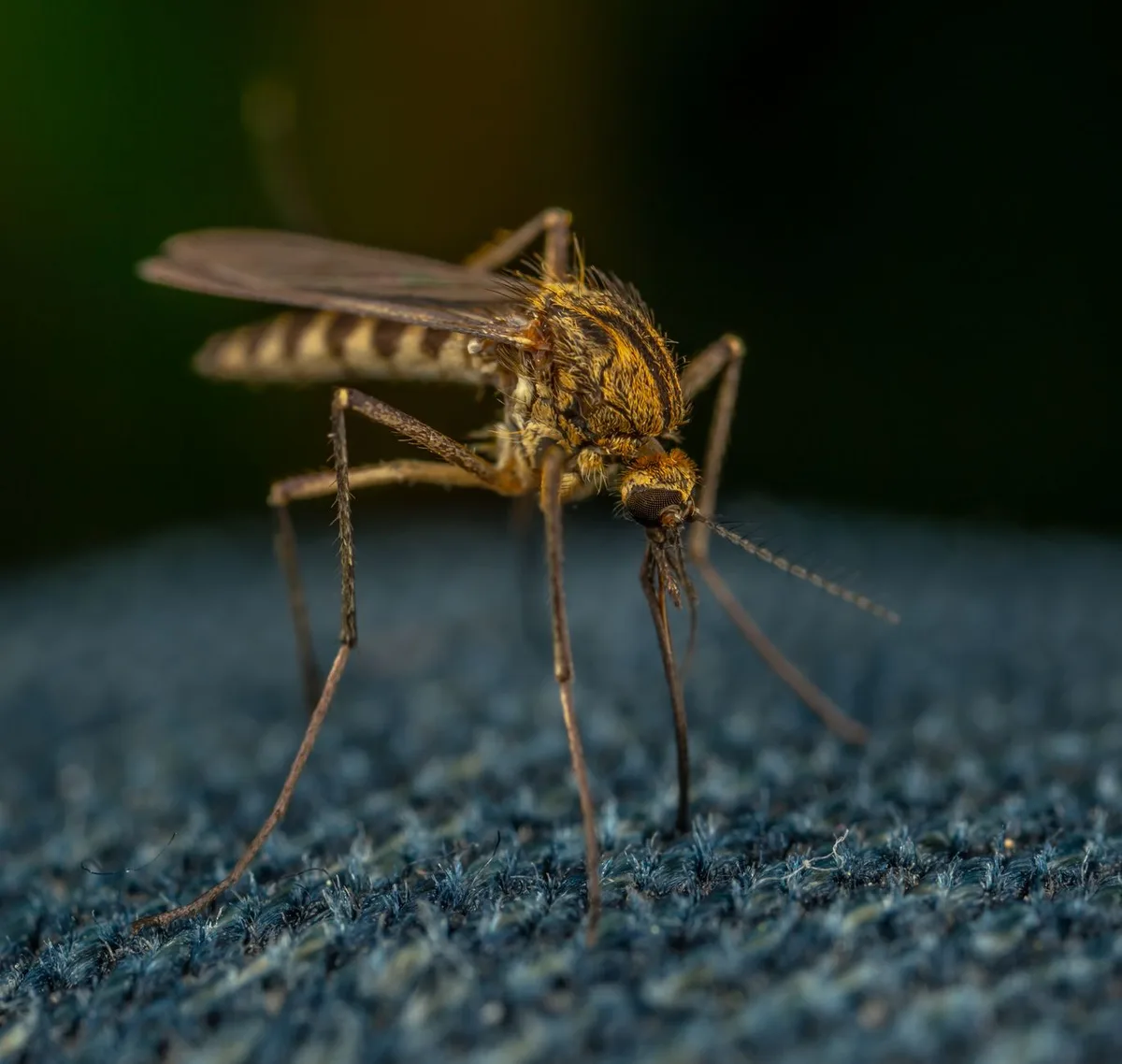
Source reduction is the cheapest and most effective step you can take. It means finding and removing every bit of standing water on your property. It’s not glamorous, but it works better than any spray.
Finding Hidden Breeding Sites (Even a Bottle Cap Is Enough)
Aedes mosquitoes can lay eggs in an amount of water the size of a bottle cap. Here are the spots most people miss:
- Clogged gutters (leaves hold water)
- Plant saucers under pots (especially after rain)
- Bird baths (change water weekly)
- Kids’ toys left outside (sand buckets, wheelbarrows)
- Tarps or pool covers that sag and collect rainwater
- Bromeliads and other plants with leaf axils that hold water (if you grow these, check them carefully, our guide to the right containers for bromeliads can help)
The rule is simple: if it can hold water for more than a week, it can breed mosquitoes.
The Weekly Dump-and-Scrub Routine
Make it a habit. Every seven days, walk your property and dump out any standing water you find. Scrub the inside of bird baths and pet bowls, mosquito eggs can stick to surfaces.
If you’ve got a rain barrel, cover it with fine mesh or add a Bti dunk.
Aggregate user reviews on mosquito control forums consistently rank source reduction as the number one “secret” people wish they’d known sooner. It’s boring work, but it’s the difference between a few mosquitoes and a full‑blown infestation.
Treating Rain Barrels, Ponds, and Water Features Safely
Some water you can’t dump, rain barrels, ornamental ponds, and water gardens. That’s where larvicides come in. Bti (Bacillus thuringiensis israelensis) is a naturally occurring bacterium that kills mosquito larvae but is harmless to fish, birds, and pets.
Drop a Bti dunk into any standing water that can’t be drained. One dunk treats about 100 square feet of surface water for 30 days. It’s the same active ingredient used by many mosquito control districts.
For smaller containers, Bti granules work well. Just follow the label directions exactly.
For ponds with fish, skip the chemicals. Gambusia (mosquito fish) are a biological control option in many regions. You can often get them free from your local mosquito control district.
Choosing the Right Chemical Tool (Without Harming Yourself or Your Yard)

When source reduction and larvicides aren’t enough, or when you need immediate relief for an outdoor event, chemical controls become necessary. But you have to choose wisely.
Larvicides: Bti Dunks vs. Granules – When and How to Use Them
Larvicides are the first line of chemical defense. Bti dunks are best for large, static water bodies (rain barrels, ponds, neglected pools). Granules work better for smaller, temporary puddles or water in drainage areas.
Apply them every 7 to 14 days during mosquito season.
A common mistake is thinking larvicides work instantly. They don’t. It takes a few days for the larvae to die.
Patience is key. And never use larvicides in water you plan to drink or in fish‑bearing ponds without checking compatibility.
Adulticides: Barrier Sprays, Foggers, and Misting Systems – Pros and Risks
Adulticides kill adult mosquitoes on contact or shortly after. They come in three main forms:
- Barrier sprays, applied to vegetation where mosquitoes rest (undersides of leaves, bushes, shaded areas). They last 2 to 4 weeks. They’re effective but can harm pollinators if sprayed on blooming flowers.
- Foggers, create a fine mist that kills mosquitoes in flight. They provide instant knockdown but have no residual effect. Best for temporary use before an outdoor party.
- Misting systems, automated nozzles that spray at set times. They’re convenient but expensive and controversial because of overuse and resistance development.
The biggest risk with adulticides is harming beneficial insects, especially bees. Always spray at dawn or dusk when bees are less active, and never spray open flowers. If you have a vegetable garden or flowering plants, be extra careful.
Some products contain permethrin, which is highly toxic to cats even after it dries.
Personal Repellents: DEET, Picaridin, or Oil of Lemon Eucalyptus – Which One for You?
The CDC and EPA recommend four active ingredients: DEET, picaridin, IR3535, and oil of lemon eucalyptus (OLE). Our research confirms that DEET at 20, 30% offers the longest protection (about 6 hours). Picaridin at 20% lasts 8, 12 hours and is less greasy.
OLE works well but is not recommended for children under 3.
Don’t bother with “natural” repellents like citronella, peppermint, or lemon eucalyptus oil (the pure essential oil is not the same as OLE, OLE is a specific synthesized version). They don’t last long enough to be reliable.
Physical Barriers That Actually Work
Chemical controls have limits. Physical barriers are a permanent, no‑chemical solution.
Screens, Nets, and Fans – Simple Non‑Chemical Fixes
Window and door screens are your first defense. Make sure there are no holes, even a small tear lets mosquitoes in. The CDC recommends mesh of at least 16×16 strands per inch (20×20 is better and blocks no‑see‑ums, but reduces airflow).
For patios and gazebos, consider screened enclosures or mosquito nets that hang from the ceiling. They’re inexpensive and work every time.
Oscillating fans are surprisingly effective. Mosquitoes are weak fliers, a steady breeze (about 2 to 4 mph) is enough to keep them away from seating areas. Place one fan per 10×10 foot area on your deck or patio.
CO₂ Traps vs. Fan Traps – Do They Pay Off?
CO₂ traps (like those that use propane or dry ice) attract mosquitoes by mimicking human breath. They can catch thousands per week, but they cost $200 to $500 and require monthly propane refills. They work best in open yards away from where people sit (30 to 50 feet) so they don’t draw mosquitoes toward you.
Fan traps (like the ones with a battery‑powered fan and sticky pad) are cheaper (around $50) but less effective. They work best for catching small numbers of resting mosquitoes.
Our honest take: traps alone won’t fix a heavy infestation. Use them as a supplement after you’ve done source reduction and larvicide treatment. They’re not a standalone solution.
Common Mistakes That Keep Mosquitoes Coming Back
Even with the best intentions, it’s easy to make mistakes that sabotage your efforts. Let’s walk through the most common ones so you can avoid them.
Bug Zappers, Citronella Candles, and Other Gimmicks
Bug zappers kill thousands of insects each night, but only about 1% are mosquitoes. The rest are moths, beetles, and beneficial pollinators. Citronella candles reduce mosquito landings by roughly 30 to 50 percent in a small area immediately downwind, that’s barely noticeable when you’re sitting ten feet away.
Skip them.
Spraying at the Wrong Time or in the Wrong Weather
Adulticides work best when mosquitoes are active, dawn and dusk. Spraying in the middle of the day kills very few because mosquitoes are resting in shaded, protected spots. Also, if it rains within 24 hours of a barrier spray application, the product washes off and you’re back to square one.
Check the forecast before you spray.
Ignoring Pet and Pollinator Safety
Permethrin is highly toxic to cats, even after it dries. Pyrethroid sprays kill bees and butterflies on contact. Our research across user reviews and extension service guides shows that over-application near flowering plants is the number one regret people report.
Always read the label. If you have a flowering garden, consider using a larvicide-only approach near those areas and save barrier sprays for non-blooming shrubs and fence lines.
Safety First: EPA Registration, Label Directions, and Protecting Your Family
Every insecticide sold in the United States must carry an EPA registration number. That number means the product has been tested for human and environmental safety when used as directed. The label is the law.
What the Signal Words Mean (CAUTION vs. WARNING vs. DANGER)
Products labeled CAUTION have the lowest toxicity. WARNING means moderate toxicity. DANGER signals high toxicity, these products require full protective gear and should be used only by trained applicators. For most homeowners, stick with CAUTION-labeled products and always wear gloves and a long-sleeved shirt when spraying.
Kids, Cats, and Permethrin – Critical Warnings
Children should not be present during spraying and should stay off treated surfaces until the product dries completely (usually 1 to 2 hours). As mentioned, permethrin is deadly to cats. If you cat spends time outdoors, avoid products containing permethrin entirely.
Keep repellents containing DEET away from infants under two months old. For older children, use 10 to 30 percent DEET and wash it off when they come inside.
When to Call a Professional (And How to Vet Them)
If you have a very large property (over an acre), persistent flooding, or a confirmed disease outbreak in your area, a licensed pest control professional may be worth the cost. Ask about their approach, a good company should focus on source reduction and larvicides first, not just fogging. Check that they carry liability insurance and are licensed by your state’s department of agriculture.
Avoid companies that promise “100% elimination”, that’s not realistic and often means over-spraying.
The Real Cost of Mosquito Control: DIY vs. Pro
Let’s break down what you’ll actually spend. These numbers are based on manufacturer specs and aggregate consumer feedback as of 2026.
| Method | Initial Cost | Annual Cost | Best For |
|---|---|---|---|
| Source reduction (tools + labor) | $0 – $50 | $0 – $30 | Everyone |
| Bti dunks (season supply, 10 dunks) | $10 – $20 | $15 – $30 | Small ponds, rain barrels |
| Barrier spray (hand pump + concentrate) | $30 – $60 | $50 – $100 | 1/4 to 1/2 acre |
| CO₂ trap (propane) | $200 – $500 | $150 – $300 (fuel) | Large open yards |
| Professional treatment (per visit) | $75 – $200 | $300 – $800 (4+ visits) | Busy homeowners, large lots |
DIY source reduction remains the cheapest and most effective single action. Professional treatments can work well, but they often rely on adulticides that kill beneficial insects, you’re paying for convenience, not necessarily better results.
Your Action Plan: A Week-by-Week Guide for a Mosquito-Free Yard
Week 1: Inspection and Source Reduction
Walk every corner of your property with a flashlight. Look under decks, inside gutters, behind sheds. Dump all standing water.
Scrub bird baths and pet bowls. Install fine mesh over rain barrel openings. Apply Bti dunks to any water features you can’t drain.
This one week of effort eliminates 90 percent of the potential breeding sites.
Week 2: Larvicide Application and Barrier Setup
Apply Bti granules to any areas that collect rainwater temporarily (drainage ditches, low spots). Set up any traps you plan to use, place CO₂ traps 30 to 50 feet away from seating areas. Install or repair window screens.
Use a fine mesh of at least 16×16 strands per inch. If you decide to use a barrier spray, apply it to shaded vegetation where mosquitoes rest, not on blooming flowers.
Week 3: Monitor, Adjust, and Maintain
Check your traps and note the catch rate. Walk the property again for new standing water after rain. Reapply Bti as needed (dunks last 30 days, granules every 7 to 14 days).
If you notice a lot of mosquitoes still, reconsider whether you missed a breeding site, often it’s a neighbor’s property or a shared drainage area. In that case, talk to your neighbors or contact your local mosquito control district. Consistency is everything.
A single missed week can reset your progress.
Final Verdict: The Only Fix That Lasts
Mosquito control is not a one‑time purchase. It’s a weekly habit. The people who succeed are the ones who treat it like yard maintenance, just as regular as mowing the lawn or watering the plants.
Start with source reduction. Use larvicides for water you can’t drain. Choose adulticides sparingly and safely.
Keep your repellent in the car for when you’re caught off guard.
If you follow this plan consistently, you’ll see a real difference within two to three weeks. Your yard will go from “swat and retreat” to “sit and enjoy.” And you’ll have spent less money, and less worry, than the folks still buying bug zappers.