Guide to Lawn Grubs Vs Alternatives in 2026 (Simple Steps)
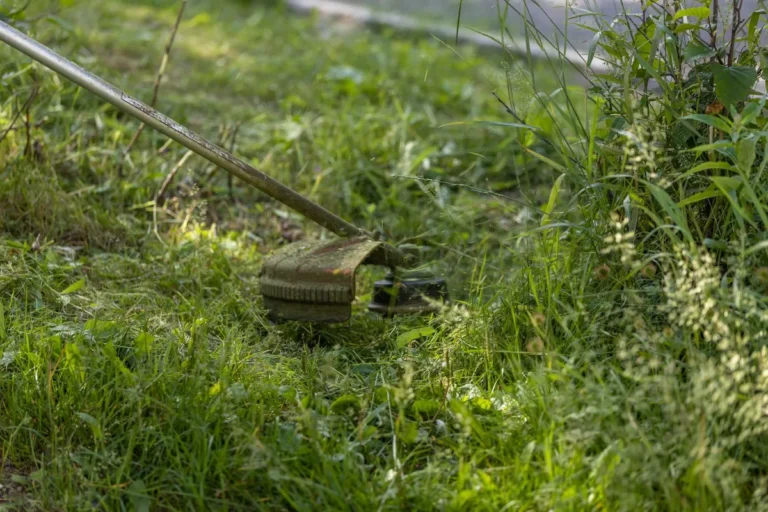
If you've noticed patches of brown, dying grass that peel back like a loose rug, you've probably got grubs. The question is: should you reach for a chemical grub killer or try natural alternatives? That's the lawn grubs vs alternatives debate, and the right answer depends on your specific situation.
Per university turfgrass extension guidelines, a count of 10 or more white grubs per square foot justifies treatment. Below that, your lawn can tolerate them. Here's how to decide which approach fits your lawn's needs and your own priorities.
Quick Answer
Lawn grubs vs alternatives comes down to speed vs safety. Chemical insecticides kill fast and last long. Natural controls like nematodes are safer for pets and pollinators.
Choose chemical for severe outbreaks. Choose natural for ongoing prevention. Always confirm you have grubs first.
Why This Comparison Actually Matters
Grub damage doesn't announce itself politely. One week your lawn looks fine. The next, entire sections are brown, spongy, and peeling away from the soil like carpet.
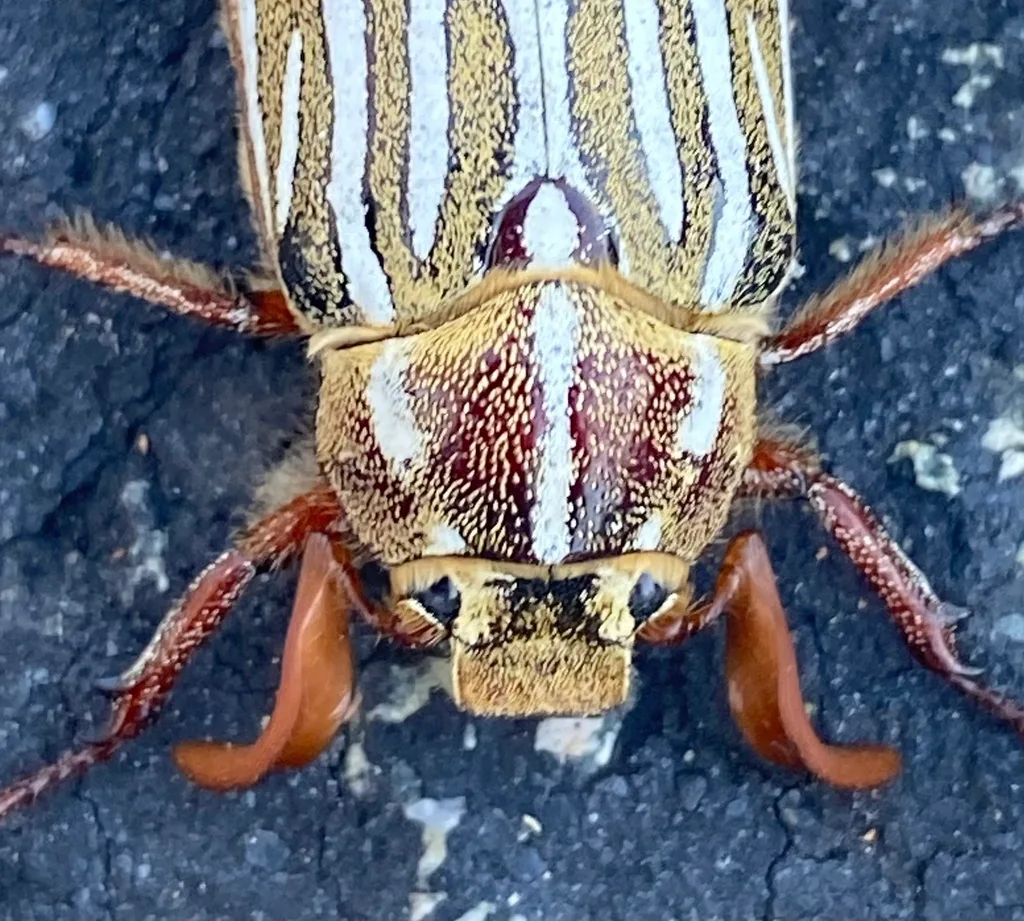
Raccoons and skunks tear it up at night looking for a snack. By the time you see the damage, the grubs have been feeding on roots for weeks.
The core decision between chemical and natural treatments isn't just about philosophy. It's about timing, budget, family safety, and long-term lawn health. If you pick the wrong option for your situation, you either waste money on a slow-acting natural product when you need a quick kill, or you spray a broad-spectrum chemical that wipes out beneficial soil life when your infestation is mild.
That's why this comparison matters. Getting it right the first time saves your lawn, your wallet, and your peace of mind.
The Two Big Camps: Synthetic Insecticides vs Natural Controls
Let's break down the main options you'll encounter.
Synthetic insecticides fall into two subcategories:
- Preventive: applied before grubs hatch, usually in mid-summer. Active ingredients like imidacloprid and clothianidin remain in the soil for months, killing young grubs as they feed.
- Curative: applied after you spot damage. Trichlorfon and carbaryl work fast, killing grubs within 24, 72 hours. But they have a short residual window and can affect non-target insects.
Natural alternatives include:
- Beneficial nematodes (Heterorhabditis bacteriophora): microscopic worms that enter grubs and release bacteria. They kill within a few days but need moist soil and cool temperatures.
- Milky Spore (Paenibacillus popilliae): a bacterial disease specific to Japanese beetle grubs. Once established in soil, it can last a decade or more. But it takes years to build up.
- BtG (Bacillus thuringiensis galleriae): a bacterial toxin that kills grubs quickly (48, 72 hours) and is safe for bees and pets. It's relatively new to the home lawn market but works well for curative control.
The choice isn't just about "natural vs synthetic." It's about matching the tool to the job.
How Chemical Grub Killers Work – Preventive vs Curative
Chemical grub killers work by interfering with the grub's nervous system or growth processes. The most common preventive ingredient, imidacloprid, is a neonicotinoid. It's absorbed by grass roots and moves into the leaves.
When a young grub feeds on the roots, it ingests the chemical and dies within a week.
Preventive chemicals are best applied from mid-July to early August, just after eggs hatch. You water them in with half an inch of water. They stay active for 60 to 120 days.
That means one application can cover the entire grub season.
Curative chemicals like trichlorfon work on contact. They kill larger, older grubs that are already causing damage. You see results in 24 hours.
But they break down in 7 to 10 days. If new grubs move in, you need another treatment.
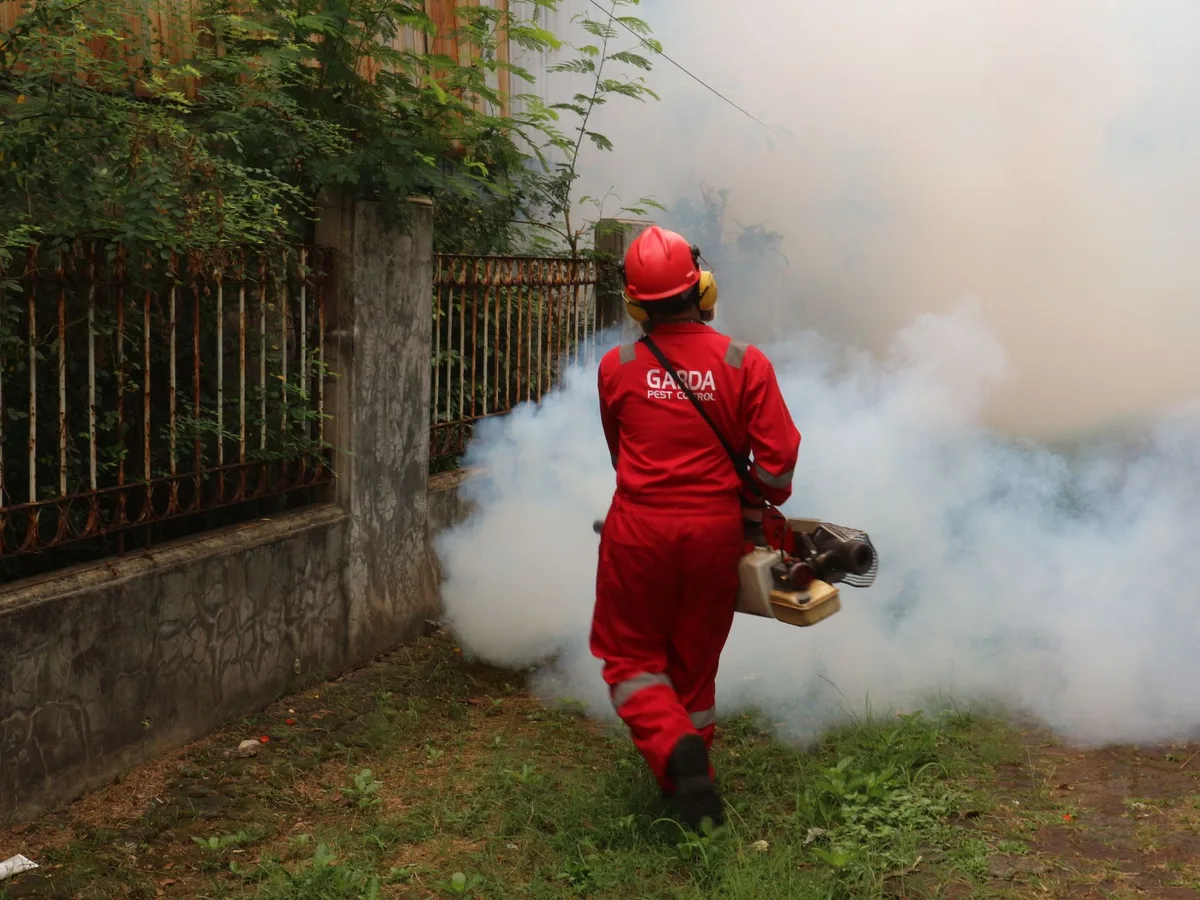
The downside: these chemicals don't discriminate. They kill beneficial insects in the soil, including earthworms and ground beetles. Neonicotinoids are especially harmful to bees if applied to flowering weeds.
Some states have restricted homeowner use of these products as of 2026. Check local regulations before buying.
How Natural Alternatives Work – Nematodes, Milky Spore, and BtG
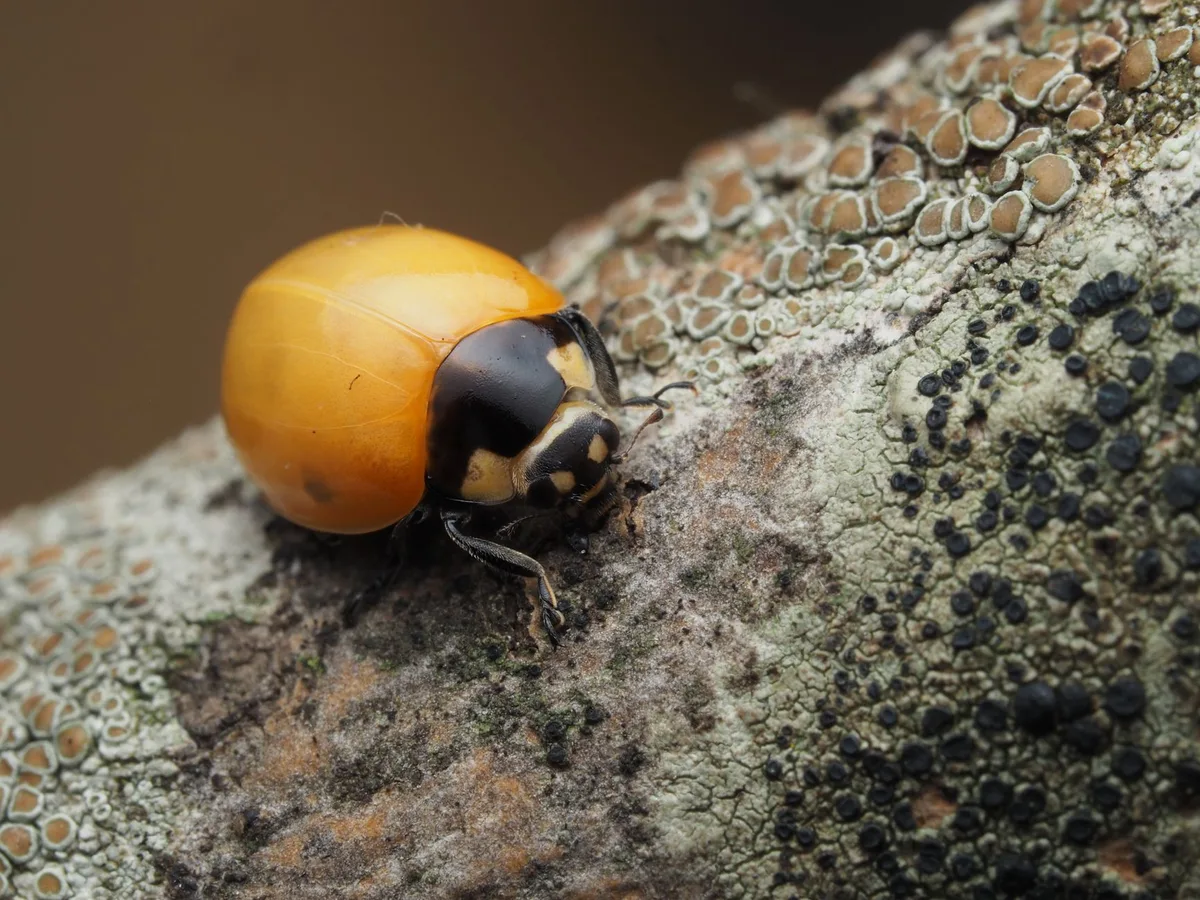
Natural alternatives work through biological mechanisms rather than synthetic chemistry.
Beneficial nematodes are living organisms. They need to be stored in a refrigerator and applied when the soil temperature is between 50°F and 85°F. They're mixed with water and sprayed onto moist grass.
They hunt down grubs, enter their bodies, and release bacteria that kill the host within 48 hours. The nematodes reproduce inside the dead grub and continue hunting. They're completely safe for pets, kids, and earthworms.
The main catch: the soil must stay moist for two weeks after application. Dry conditions kill them.
Milky Spore is a powder made from bacterial spores. It only works on Japanese beetle grubs. You apply it in a grid pattern and water it in.
The spores germinate inside the grub's gut and multiply, eventually killing it. As grubs die, they release more spores into the soil. Over two to three years, the spore population builds to a level that can suppress future generations.
Once established, it's self-sustaining for 10 to 20 years. It won't work for other grub species like European chafer or June beetles.
BtG is a bacterial toxin that stops grubs from feeding. They die within a few days. It's applied as a spray and needs to be ingested by the grub.
BtG is selective: it targets scarab beetle larvae but has minimal impact on beneficial insects. It's a good middle ground between the speed of chemicals and the safety of nematodes.
Side-by-Side: Chemical vs Natural at a Glance
Let's put the key differences in a table.
| Feature | Chemical (Preventive) | Chemical (Curative) | Nematodes | Milky Spore | BtG |
|---|---|---|---|---|---|
| Speed | 1–2 weeks | 24–72 hours | 2–7 days | Months–years | 2–3 days |
| Duration | 2–4 months | 7–10 days | 7–14 days (live cycles) | 10+ years (once established) | 7–14 days |
| Target grubs | All common species | All common species | All common species | Japanese beetle only | Scarab beetles (incl. Japanese beetle) |
| Pet/child safe | Moderate | Moderate | Yes | Yes | Yes |
| Bee safe | No (if applied to flowers) | No | Yes | Yes | Yes |
| Cost per 10k sq ft | $18–25 | $15–20 | $40–70 | $50–70 | $30–50 |
| Soil temperature requirement | None | None | 50–85°F | 60–80°F | 50–90°F |
| Water requirement | Must water in immediately | Must water in immediately | Keep moist 2 weeks | Water in once | Water in once |
This table makes the trade-offs clear. If you need immediate knockdown and have a serious infestation, curative chemicals win. If you want long-term prevention without chemicals, a combination of nematodes (for this season) and Milky Spore (for future years) is the most sustainable route.
One more thing: natural options often require more careful timing and site preparation. But they don't carry the risk of pollinator harm or groundwater contamination. For lawns with heavy pet or kid traffic, that peace of mind is worth the extra upfront cost.
In the next section, we'll dive into specific use cases: prevention, active infestations, and pet-friendly yards. But for now, you have the foundation to start weighing your options.
Best for Prevention: What to Use Before You See Damage
If your lawn has a history of grub damage, prevention is the smart play. You don't wait for the brown patches. You stop the grubs before they start feeding.
For chemical prevention, imidacloprid is the standard choice. Apply it from mid-July to early August, just after the eggs hatch but before the grubs grow large enough to cause real damage. Water it in with half an inch of water.
One application covers the entire hatch window.
For natural prevention, you have two solid options. Milky Spore works as a long-term investment. Apply it once and it builds in the soil over two to three years.
After that, you get a decade or more of suppression. It only targets Japanese beetle grubs, so confirm that's your species first. Beneficial nematodes work as a seasonal preventive.
Apply them in late summer when grubs are small and near the surface. Keep the soil moist for two weeks. You'll need to reapply each year.
Our research suggests a combined approach for heavy grub pressure. Use a preventive chemical for the first season to knock down the population. Then switch to nematodes and Milky Spore for ongoing natural prevention.
This gives you fast results while building long-term soil health. Remember to address other lawn stress factors too. A healthy lawn tolerates grubs better, so proper feeding and irrigation make a difference.
Choosing the right fertilizer for your grass type also supports root recovery after grub feeding.
Best for Active Infestations: Which Method Kills Fastest
You notice the brown patches. You peel back the turf and find a dozen grubs in a single square foot. Now you need fast action.
Curative chemicals are the speed champions. Trichlorfon kills grubs within 24 to 72 hours. Carbaryl works almost as fast.
These products are contact killers. They don't need to be absorbed by roots. You apply them directly to the affected area and water them in.
Within three days, the grubs stop feeding and die.
Natural curative options exist but work more slowly. BtG is the fastest natural choice, killing grubs within 48 to 72 hours. Nematodes take a few days longer but keep hunting for weeks.
If you have a severe infestation with visible damage spreading daily, a curative chemical is the better call. The grubs will keep eating roots while you wait for natural products to work.
Use the action threshold to decide. University extension guidelines say 10 or more grubs per square foot requires treatment. At 5 to 9 per square foot, your lawn can handle it with good care.
At 15 or more, don't hesitate. Use a curative chemical this season and plan a preventive strategy for next year.
Best for Pet Owners, Kids, and Pollinators
This is where natural alternatives really shine. If your lawn is a playground for children or dogs, you want the safest option available.
Nematodes and Milky Spore are the safest choices. Both are OMRI-listed for organic use. They pose no risk to humans, pets, or wildlife.
Nematodes only target soil-dwelling insects. Milky Spore only affects Japanese beetle grubs. Neither harms earthworms, birds, or beneficial insects.
BtG is a close second. It targets scarab beetle larvae specifically. It does not harm bees, butterflies, or other pollinators.
Our research shows BtG is a strong middle ground for families who want speed without synthetic chemicals.
Chemical concerns are real. Neonicotinoids like imidacloprid can persist in soil and water. They have been linked to bee colony decline.
Some states restrict homeowner use of these products. Even curative chemicals like trichlorfon can harm beneficial insects if applied broadly. Check your local regulations before buying any synthetic insecticide.
For a pollinator-friendly yard, stick with natural options. You can also plant flowering borders to attract beneficial insects. Choosing the right flowers and planting them well helps support a healthy garden ecosystem alongside your lawn care.
Common Mistakes People Make (Timing, Product Choice, Grub ID)
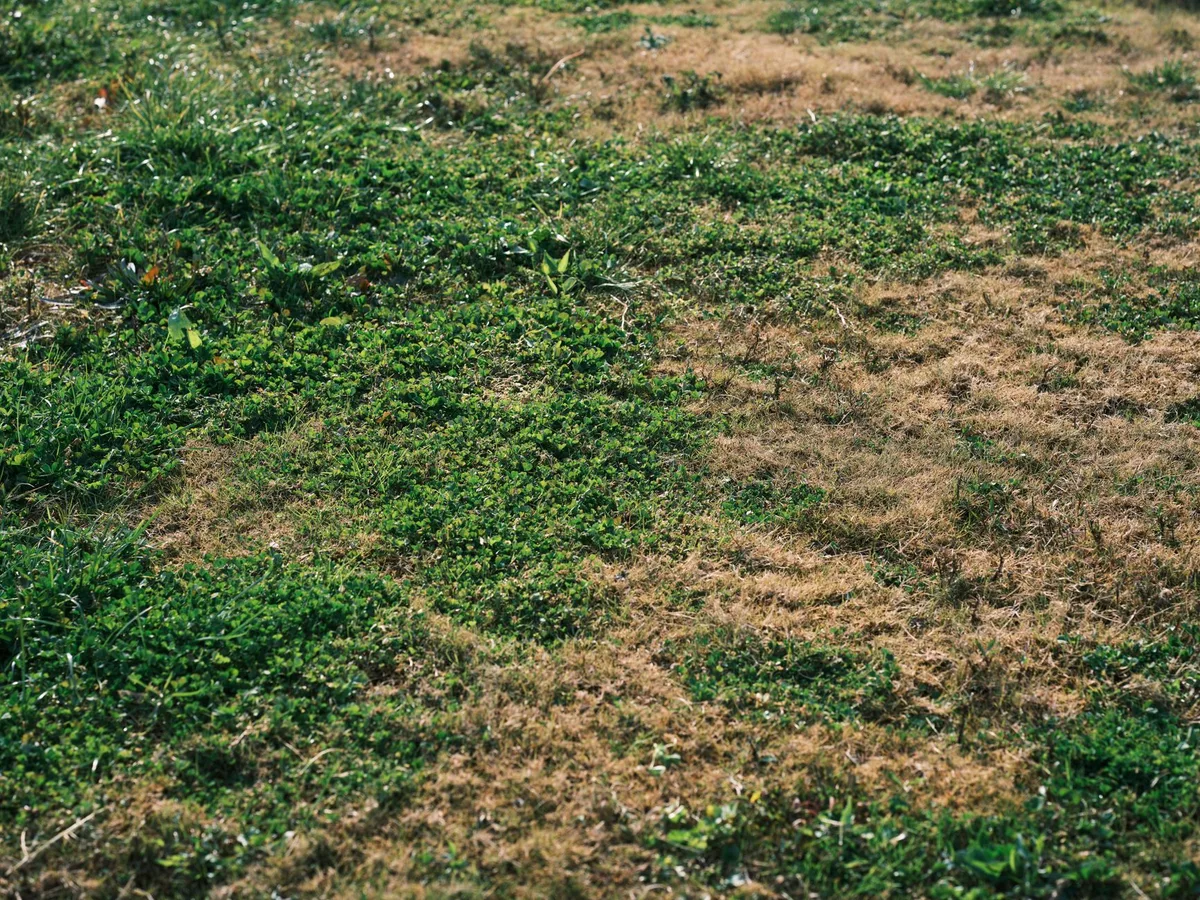
Mistake 1: Treating without confirming grubs. That brown patch could be drought stress, fungal disease, or chinch bugs. Pull back the turf at the edge of the damage. Count the grubs in the top two inches of soil.
If you see fewer than five per square foot, grubs aren't your problem. Look at other causes like compacted soil or poor drainage. A fungicide might be needed instead of an insecticide.
Mistake 2: Applying at the wrong time. Preventive chemicals applied in spring or fall miss the hatch window entirely. You waste the product and get no control. Curative treatments applied in early summer when grubs are deep and feeding slowly may not work effectively.
Match the product to the grub life stage.
Mistake 3: Not watering in properly. Both chemical and natural products need water to reach the grubs. Granular chemicals need half an inch of water immediately. Nematodes need consistently moist soil for two weeks.
Dry soil kills nematodes within hours.
Mistake 4: Using the wrong product for the grub species. Milky Spore only works on Japanese beetle grubs. If you have European chafer, June beetle, or masked chafer grubs, you get zero control. Identify the grub species by looking at the pattern of hairs on the underside of the tail end (the raster pattern).
Cooperative extension offices can help with identification.
Mistake 5: Ignoring the threshold. Many homeowners treat for grubs when only a few are present. This wastes money and adds unnecessary chemicals to the soil. Only treat when the count exceeds 10 per square foot.
Below that, focus on lawn health. A thick, well-fed lawn can tolerate moderate grub feeding without visible damage.
Real Costs: What You'll Spend Per Lawn
Cost is a major factor in the lawn grubs vs alternatives decision. Let's break down what each option actually costs for a typical 10,000 square foot lawn.
Chemical preventive (imidacloprid) runs $18 to $25 per application. One application per season is usually enough. No special equipment needed beyond a spreader.
Total annual cost: $18 to $25.
Chemical curative (trichlorfon) costs $15 to $20 per treatment. You may need two applications if grubs keep appearing. Annual cost: $30 to $40.
Beneficial nematodes cost $40 to $70 per pack. You need to reapply every season. Refrigeration and timing add some hassle.
Annual cost: $40 to $70.
Milky Spore is $50 to $70 for a bag that covers the whole lawn. It works for 10 to 20 years. You may need initial booster applications for the first two years.
Amortized annual cost: $5 to $10.
BtG costs $30 to $50 per treatment. You may need one to two applications per season. Annual cost: $30 to $100.
Here is the long-term cost picture. Over five years, a chemical preventive strategy costs about $100 to $125. Milky Spore costs about $70 to $100 total and then nothing.
Nematodes cost $200 to $350 over five years. Curative chemicals cost $150 to $200 depending on infestation frequency.
For budget-conscious homeowners, a hybrid approach works well. Use a preventive chemical for the first year to establish control. Then switch to Milky Spore for long-term, low-cost prevention.
This gives you fast results at a reasonable total cost. Make sure your spreader is in good working order before applying any granular product. Proper maintenance of your lawn equipment ensures even coverage and accurate application rates.
Safety, Regulations, and Bee-Friendly Options
Safety concerns are driving more homeowners toward natural alternatives. Chemical grub killers, especially neonicotinoids, carry real risks. They persist in soil and can leach into groundwater.
They also harm pollinators when applied to flowering weeds in the lawn.
Some states have restricted homeowner use of neonicotinoids. New York, Vermont, and Maine lead the way. As of 2026, check your state's pesticide regulations before buying.
The EPA requires pollinator protection labels on all products containing imidacloprid, clothianidin, or thiamethoxam.
If you want to protect bees and beneficial insects, natural options are the clear choice. Nematodes, Milky Spore, and BtG have zero impact on pollinators. They target only soil-dwelling grubs.
For the safest approach, apply any treatment in the evening when bees are less active. Mow flowering weeds before application. This keeps your lawn safe for kids, pets, and local wildlife.
The Final Verdict – Which One Should You Use?
Here is the simple decision framework.
Use chemical preventives (imidacloprid) if: you have a history of heavy grub damage, you want one application per season, and you don't have pollinator concerns. Best for large lawns where cost matters most.
Use curative chemicals (trichlorfon) if: you have active damage with 10 or more grubs per square foot. Fast knockdown is your priority. Apply it only to affected areas, not the whole lawn.
Use nematodes if: you want the safest option for pets and kids, and you can commit to proper timing and moisture management. Best for small to medium lawns where you can hand-water the treated areas.
Use Milky Spore if: you have confirmed Japanese beetle grubs and want a permanent solution. It takes time but pays off for years. Combine with nematodes for the first season while Milky Spore establishes.
Use BtG if: you want natural control with fast results. It kills faster than nematodes but costs more. Good for moderate infestations where you want to avoid synthetic chemicals.
Our research points to a hybrid strategy for most homeowners. Use a curative chemical for any active infestation this season. Then switch to nematodes or Milky Spore for long-term prevention.
This gives you immediate relief without committing to annual chemical use.
Frequently Asked Questions
How do I know if I have grubs?
Pull back a square foot of brown turf at the edge of the damage. Count the white C-shaped grubs in the top two inches of soil. If you find 10 or more, treatment is warranted.
Below that, your lawn can recover on its own.
Can I use nematodes and Milky Spore together?
Yes, they work well together. Nematodes provide immediate control for the current season. Milky Spore builds long-term suppression for future years.
Apply nematodes in late summer and Milky Spore in spring or fall.
When is the best time to treat for grubs?
Preventive treatments go down in mid-July to early August. Curative treatments work best in late August through September when grubs are small and near the surface. Spring treatments are rarely effective.
Are chemical grub killers safe for my dog?
Curative chemicals like trichlorfon can cause mild stomach upset if ingested. Preventive chemicals like imidacloprid are less toxic but still carry risk. Keep pets off the lawn until the product is watered in and dry.
Natural options are safer for pets.
How long does Milky Spore take to work?
Milky Spore takes two to three years to build effective populations in the soil. It works by infecting and killing grubs, then releasing more spores. After that, it becomes self-sustaining for 10 to 20 years.
Be patient with this method.