Guide to Is Lawn Grubs Safe (2026) — Beginner-Friendly Guide
You’re asking whether lawn grubs are safe, and the honest answer is more complicated than a simple yes or no. The grubs themselves are not toxic to humans or pets, but the treatments you might use to get rid of them can pose real risks. That’s the part most people overlook when they grab a bag of insecticide at the hardware store.
According to the National Pesticide Information Center (NPIC), more than half of all pesticide exposure calls involving children happen in the home garden. As of 2026, many common lawn insecticides still carry re-entry intervals of 12 to 24 hours, meaning the lawn isn’t safe for kids or pets during that window. That’s the kind of detail that makes “Is lawn grubs safe” a question worth slowing down for.
Quick Answer
Lawn grubs themselves are not poisonous. The real danger comes from the chemicals used to kill them. Safe practices include correct identification, threshold testing, and following label re-entry times.
Organic options like nematodes and milky spore pose almost no risk. Always keep children and pets off treated grass until it’s dry and the re-entry interval has passed.
What “Safety” Really Means for Lawns, Kids, and Pets
When we talk about safety, we have to separate two things: the grubs themselves and the treatments. A white grub is just a beetle larva. It won’t bite, sting, or poison anyone.
If your dog eats one, it might cause mild stomach upset, but that’s about it.
The chemicals are where the risk lives. Most granular grub killers contain neonicotinoids like imidacloprid or clothianidin. These are neurotoxins designed to kill insects.
Mammals are less sensitive, but they aren’t immune. In high enough doses, they can cause drooling, vomiting, tremors, and worse. The EPA sets re-entry intervals based on how long it takes the residue to dry and degrade to a safe level.
But there’s another layer. Even if you never use chemicals yourself, your lawn might have been treated by a previous owner or a professional service. Without a treatment history, you’re flying blind.
That’s why the first step in any safety assessment is figuring out what’s actually in your soil.
We wrote a detailed guide on applying a lawn insecticide safely, including proper timing and watering, in our article about best insecticides for carpenter ants. The principles are the same.
Core Facts: What’s in Your Lawn and How It Affects You
Let’s break down the players. The most common grub species in North America is the Japanese beetle larva. Others include European chafer, June beetle, and billbug.
All of them look similar: C-shaped, off-white, with a brown head capsule. They live in the top few inches of soil and feed on grass roots.
Now, the treatments. Here’s a quick reference table of the active ingredients you’re most likely to encounter in lawn grub products:
| Active Ingredient | Type | Oral LD50 (rat, mg/kg) | Typical REI | Notes |
|---|---|---|---|---|
| Imidacloprid | Neonicotinoid | ~450 | 12–24 hours | Highly toxic to bees; persistent in soil |
| Chlorantraniliprole | Anthranilic diamide | >5000 | 4–12 hours | Low mammalian toxicity, but long soil half-life |
| Carbaryl | Carbamate | ~300 | 12–24 hours | Can cause nerve effects in mammals at high doses |
| Trichlorfon | Organophosphate | ~630 | 24 hours | More toxic to mammals; restricted in some states |
| Bt galleriae | Bacterial toxin | >5000 | 0 hours (safe after dry) | Organic; only affects certain beetle larvae |
| Beneficial nematodes | Live organisms | N/A | 0 hours | Completely safe for humans and pets |
The key takeaway is that preventive products (applied in spring) are often less toxic than curative ones (applied after grubs appear). Curative products like trichlorfon pack a stronger punch. If you have a vegetable garden nearby, you also need to check the pre-harvest interval (PHI) on the label.
Some products forbid harvesting vegetables for up to 14 days after application.
Our guide on organic fertilizer for fruit trees covers how to build healthy soil without relying on harsh chemicals. It’s worth a read if you’re leaning toward natural lawn care.
Risk Factors: Who’s Actually at Risk and When
Risk isn’t equal. Here’s who needs the most caution:
- Toddlers and crawling babies. They put everything in their mouths. If a child picks up a granule or licks grass, even a small dose of a neurotoxic insecticide can be dangerous. The risk is highest immediately after application and until the product is watered in and dried.
- Dogs that dig or eat grass. Dogs are often the first to show symptoms because they’re closer to the ground. A dog that rolls on treated grass or licks its paws can absorb chemicals through skin or ingestion. Watch for drooling, vomiting, or lethargy.
- Edible gardens next to treated turf. Runoff can carry pesticides into raised beds. Even if you’re careful, heavy rain can move residues. Always leave a buffer zone of at least 10 feet between treated lawn and vegetables.
- Children with asthma or allergies. Some pesticide formulations include inert ingredients that can trigger respiratory reactions. Keep kids indoors during application and until the area is dry.
The worst-case scenario happens when someone applies a curative product without reading the label, then lets their toddler play on the lawn an hour later. That’s a call to poison control waiting to happen. If you’re using a lawn fungicide for a different problem, the same re-entry rules apply.
Our best fungicide for lawns article explains how to apply those safely too.
Safe Practices: How to Handle Grubs Without Hurting Anyone
Here’s a step-by-step process that keeps your family safe and still kills grubs.
- Confirm you actually have grubs. Don’t treat based on brown patches alone. Dig a one‑foot by one‑foot square of sod and count the grubs. The damage threshold is 10 or more per square foot for cool‑season grasses. For warm‑season grasses, it’s around 15.
- Choose your control method. If you’re below threshold, do nothing. If you’re above, decide between organic and chemical. Nematodes and milky spore are excellent for dogs and kids. They’re completely non‑toxic to mammals. If you must use a chemical, pick a preventive product with lower mammalian toxicity (like chlorantraniliprole) over a curative one.
- Read the entire label. This is non‑negotiable. Find the REI, PHI, and any warnings about children and pets. The EPA requires this information on every registered pesticide.
- Apply at the right time. Preventive products go down in late spring when grubs are small and near the surface. Curative products work best in late summer when grubs are still small. Applying too late (when grubs are deep) means you’ll need a second application, doubling exposure.
- Water it in immediately. Most granular products require half an inch of water within 24 hours. This washes the chemical into the soil where grubs live and reduces surface residue. That step alone cuts down a lot of the contact risk.
- Keep everyone off the lawn. Set a timer based on the REI. Even if the grass looks dry, the residue can still be active. Use a sign or a strip of flagging tape to remind yourself and family members.
- After the interval, let the grass dry fully before letting pets out. If you’re unsure, wait an extra day. Better safe than sorry.
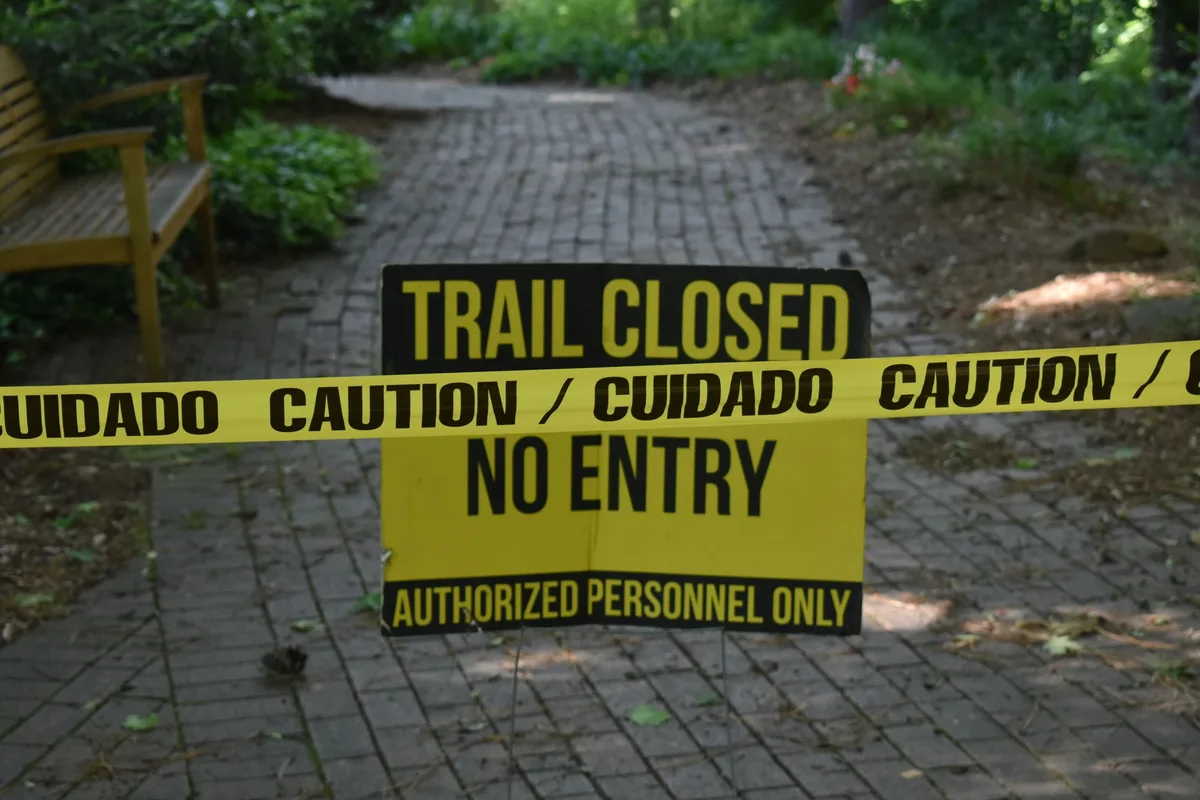
If you have a dog that loves to dig, consider treating only the affected patches rather than the whole lawn. This reduces the total chemical load. You can also overseed with a resistant grass variety, which we talk about in our article on best plants for hot dry climates.
Healthy lawns are less attractive to grubs in the first place.
A quick note on nematodes: they’re live organisms that need to be kept cool and applied at dusk. They’ll die in direct sunlight or dry soil. But they’re 100% safe for kids and pets the moment they’re watered in.
That’s a huge advantage if you have a crawling baby or a curious dog.