How to Crabgrass 2026
You’ve tried pulling it, spraying it, and maybe even ignoring it. Yet every summer, those ugly clumps of crabgrass are back before you know it. Figuring out how to crabgrass control actually works can feel like a losing battle.
The reason is simple: most people fight it at the wrong time.
Crabgrass seeds start germinating when the soil temperature hits 55°F at a four-inch depth. That single number changes everything about when and how you apply products. Once you understand that trigger, the whole approach shifts.
So let’s walk through exactly what to do, step by step.
Quick Answer
Apply a pre-emergent herbicide before crabgrass seeds sprout. Check soil temperature daily in early spring. Apply when it reaches 55°F for three consecutive days.
Use a post-emergent spot spray on young plants only. Keep your lawn thick and healthy to crowd out future weeds.
The Real Problem: Why Crabgrass Keeps Coming Back No Matter What You Try
Crabgrass isn’t a perennial weed. It dies every winter. So why does it return year after year?
The answer is in the seed bank.
A single crabgrass plant can produce 150,000 seeds in one season. Those seeds fall into the soil and wait. Some stay viable for five years or more.
When conditions are right, they germinate. If you kill the plant but don’t stop the seeds, you’re just buying time.
Timing is the missing piece for most homeowners. They wait until they see crabgrass in July, then spray. By then, the plant is mature and hard to kill.
The seeds have already been set for next year. You’re always playing catch-up.
The real solution is prevention. It’s stopping those seeds from ever sprouting. That’s where pre-emergents come in.
And that’s also where most people make their first mistake.
Quick Decision Guide: What to Do Based on Your Lawn’s Situation Right Now
Your next move depends on three things: the time of year, whether crabgrass has already sprouted, and your lawn’s overall health. Here’s a simple way to figure out which branch to take.
It’s early spring (soil below 55°F)
- You plan to overseed this spring → skip pre-emergent or use a product safe for seeding
- You have a thick, established lawn → apply granular pre-emergent now
- You want an organic option → apply corn gluten meal before germination
It’s late spring or summer (crabgrass is visible)
- Plants are small (under 4 tillers) → spot spray with a selective post-emergent
- Plants are mature with seed heads → hand pull or mow with a bagger; focus on fall cleanup
- Your lawn has bare soil patches → kill the crabgrass, then plan a fall overseeding
It’s fall (crabgrass is dying or dead)
- Focus on lawn renovation: aerate, dethatch, and overseed
- Mow with a bagger to collect seeds before they drop
- Apply a pre-emergent for next year? Not yet. Wait for early spring.
If you’re still unsure, check your soil temperature first. That’s the single most reliable guide.
The Two Windows of Attack: Pre-Emergent vs. Post-Emergent (And Why Timing Is Everything)
These two product types work completely differently. Mixing them up is a common mistake.
Pre-emergents create a chemical barrier in the top layer of soil. When a crabgrass seed germinates, it hits that barrier and dies before it ever breaks the surface. The key word is “before.” Once the plant is visible, a pre-emergent does nothing.
Post-emergents kill plants that are already growing. They absorb through the leaves and work their way down to the roots. They’re for visible crabgrass only.
Apply them when the plants are young and actively growing.
Aggregate reviews from university extension services confirm this: pre-emergents stop about 80 to 95 percent of crabgrass when timed correctly. Post-emergents are your backup for the ones that slip through.
How to choose? Ask yourself one question: has the soil reached 55°F yet? If no, you’re in the pre-emergent window.
If yes, and you already see seedlings, you need a post-emergent.
Step 1 – Check Your Soil Temperature (This Is the Only Reliable Clock)
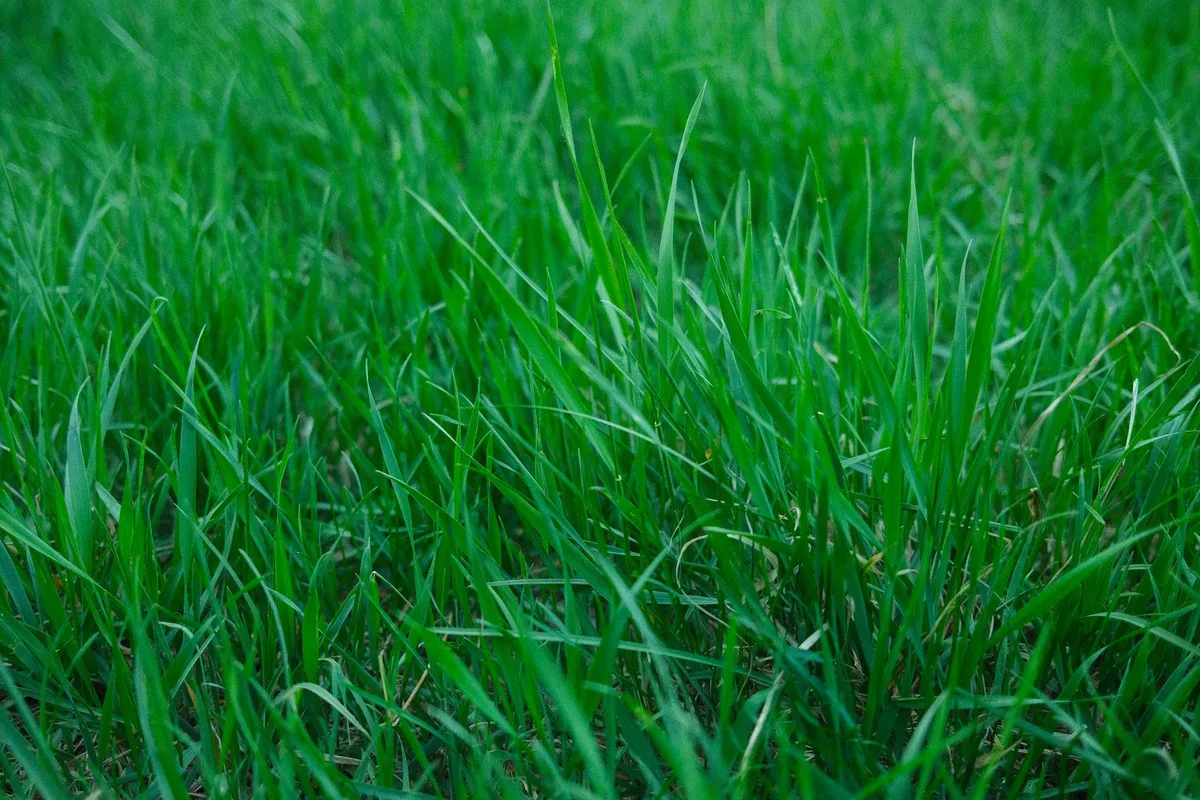
Don’t rely on the calendar. A warm March or a cold April can shift the germination window by weeks. Soil temperature is your real trigger.
Grab a simple soil thermometer. Push it four inches deep into the ground. Take the reading in the morning before the sun heats the surface.
Do this for a few days in a row.
When the temperature hits 55°F and stays there for three straight days, it’s time to apply your pre-emergent. That usually falls between mid-March and early May, depending on where you live. In northern zones, aim for late March to mid-April.
In southern zones, you might need to apply as early as February.
A common mistake is applying too early. If you put down pre-emergent in February and we get a cold snap, the product can break down before the seeds germinate. You’ll need a second application.
Applying too late means seeds have already sprouted, and pre-emergent won’t help.
Here’s a quick reference for general timing by region:
| Region | Typical pre-emergent window | Soil temp tip |
|---|---|---|
| Northern (Zones 3–5) | Mid-March to mid-April | Wait for consistent 55°F |
| Transition (Zones 6–7) | Late February to late March | Watch forecasts closely |
| Southern (Zones 8–10) | Early February to early March | Can be earlier near coast |
Manufacturer specifications indicate that most granular pre-emergents provide 8 to 12 weeks of control. That’s usually enough to cover the main germination period. A single application is often sufficient for cool-season lawns.
Warm-season lawns might need a split application.
Step 2 – Identify Your Grass Type (Cool-Season, Warm-Season, or Mixed – It Changes the Answer)
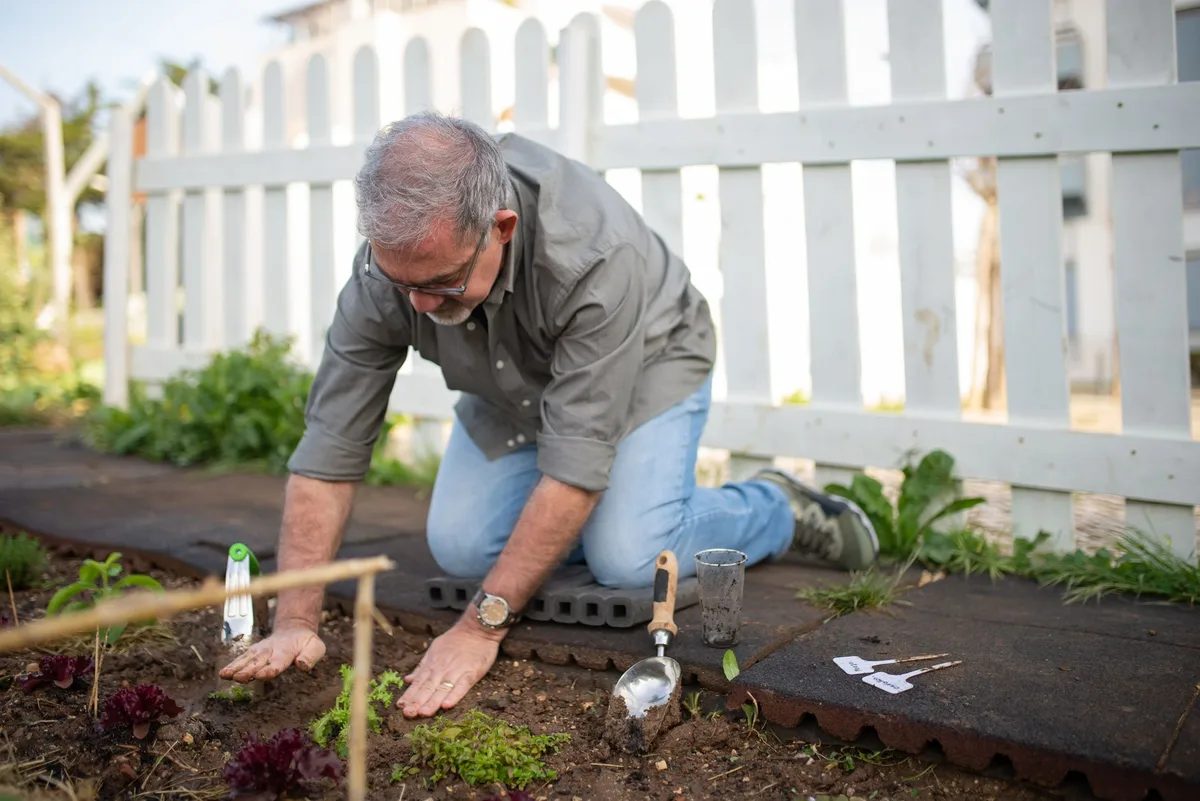
Not all herbicides work on all grass types. Using the wrong post-emergent can kill your lawn along with the crabgrass. This is where a lot of people cause real damage.
Cool-season grasses (fescue, bluegrass, ryegrass) are more sensitive to some post-emergent ingredients. Quinclorac is generally safe for these, but check the label. Fenoxaprop can also work but may cause temporary yellowing.
Avoid products with 2,4-D and dicamba in high heat on fescue lawns.
Warm-season grasses (Bermuda, Zoysia, St. Augustine) are more tolerant of many post-emergents. Quinclorac is usually safe for Bermuda and Zoysia but can damage St.
Augustine. Mesotrione is safe for most warm-season types when used correctly.
Mixed lawns (common in transition zones) require extra caution. You might have a fescue lawn with Bermuda patches. If you spray a product safe for Bermuda but not fescue, you’ll thin out the fescue.
The best approach is spot-spraying only the crabgrass clumps with a selective product that’s safe for your dominant grass type.
If you don’t know your grass type, take a sample to your local extension office. They can identify it for free in many cases. Or search online for guides from state universities.
The wrong product can cost you an entire lawn renovation.
Aggregate reviews confirm that choosing a post-emergent labeled for your specific grass type is the single most important safety step. Skip this step, and you’re gambling with your entire lawn.
Step 3 – The Decision Branches
Your next move depends on where you are in the season and what the crabgrass is actually doing. Follow the branch that matches your current situation.
Branch A – It’s Early Spring (Before Germination)
If soil temperature is still below 55°F and you see zero crabgrass, you’re in the prevention zone. This is the best time to act.
- You have a thick, established lawn. Apply a granular pre-emergent with prodiamine or dithiopyr. Water it in with about half an inch of rain or irrigation. One application usually holds for 8 to 12 weeks.
- You plan to overseed this spring. Standard pre-emergents block grass seed from germinating too. You need a product labeled safe for seeding, like mesotrione (Tenacity) or a reduced-rate application of dithiopyr after the new grass is established. Or skip pre-emergent entirely and rely on fall renovation.
- You want an organic option. Corn gluten meal can suppress crabgrass by about 60 to 70 percent when applied correctly. But it’s less consistent than synthetic products. Apply it at the same soil temperature trigger, and reapply every 4 to 6 weeks through early summer.
Branch B – Crabgrass Has Already Sprouted (Late Spring / Summer)
Now you’re dealing with visible plants. The size of the plant determines your best approach.
- Small plants (fewer than 4 tillers). Spot spray with a selective post-emergent containing quinclorac or mesotrione. Make sure the product is labeled for your grass type. Spray on a calm day when temperatures are between 60 and 85°F for best uptake. You should see results within 7 to 14 days.
- Mature plants with seed heads. Post-emergents are much less effective on large, established crabgrass. Hand pulling is actually faster at this stage. Pull the whole clump, including the roots. Bag the plants so the seeds don’t spread. Mow with a bagger to capture any seed heads you missed.
- Your lawn is thin with bare spots. Kill or remove the crabgrass, but know that bare soil invites more seeds. Plan a full renovation in early fall: dethatch, aerate, and overseed thickly to crowd out future weeds.

Branch C – It’s Late Summer or Fall
Crabgrass is an annual. It dies with the first hard frost. But dead plants still leave seeds behind.
Your job now is damage control and next year’s prevention.
- Crabgrass is turning brown or purple. Let it die naturally. Focus on lawn health instead. Rake or mow the dead clumps to expose soil for fall overseeding.
- Still green and shedding seeds. Mow with a bagger. Every seed you collect is one less in the bank for spring. Don’t let the plants go to seed if you can help it.
- Prepping for next year. This is the single most important window for long-term control. Aerate compacted soil, overseed thin areas with a dense turfgrass variety, and apply a slow-release fertilizer to strengthen the lawn. A thick lawn in spring is your best pre-emergent.
Common Mistakes That Wreck Your Crabgrass Control (And What to Do Instead)
Even with good intentions, small errors can undo all your work. Here are the ones we see most often.
Applying pre-emergent too early.
You put it down in February because the calendar said “early spring.” Then a cold, wet March arrives, and the product breaks down before the seeds germinate. By May, you have crabgrass. Do this instead: wait for three consecutive days of 55°F soil temperature at four inches deep.
Using the wrong post-emergent for your grass type.
A product that kills crabgrass on Bermuda grass can damage or kill a fescue lawn. Always read the label for your specific grass species. If you’re unsure, test a small patch first.
Mowing too low.
Crabgrass loves short, stressed lawns. Mowing below three inches lets sunlight reach the soil surface, which triggers more germination. Keep cool-season grasses at 3.5 to 4 inches during summer.
Warm-season grasses can go lower, but don’t scalp them.
Ignoring bare spots.
Every patch of bare soil is a future crabgrass colony. Overseed those spots in fall or early spring. A thick lawn blocks sunlight and prevents seeds from getting the signal to sprout.
Not bagging clippings when crabgrass is seeding.
If you mow over seed heads and let the clippings fall, you’re spreading seeds across the lawn. Bag those clippings until the crabgrass dies off.
Product Choices: Granular vs. Liquid Pre-Emergents – Which One Fits Your Workflow
Both work. But they suit different situations. Here’s how to choose.
Granular pre-emergents come as small pellets you spread with a broadcast or drop spreader. They’re easy to apply, especially on large lawns. You water them in after spreading.
They last 8 to 12 weeks per application. The main downside: you need a spreader, and uneven application can leave streaks of bare ground or missed spots.
Liquid pre-emergents come as concentrates you mix with water and spray. They offer more precise coverage, especially around flower beds and tree roots. They also penetrate thatch better.
But they require a sprayer and careful calibration. Spray drift can damage nearby plants.
Quick comparison table
| Factor | Granular | Liquid |
|---|---|---|
| Ease of application | Very easy with spreader | Requires sprayer, more setup |
| Coverage precision | Good on open lawns | Better for edges and small areas |
| Thatch penetration | Moderate | Better |
| Risk of drift | None | Can drift in wind |
| Cost per 5,000 sq ft | $15–$25 | $20–$40 (sprayer not included) |
Which one should you pick? If you have a large open lawn and already own a spreader, go granular. If you have tight spaces, flower beds, or a thatchy lawn, liquid is the smarter choice.
Aggregate reviews show both are equally effective when applied correctly.
Spot-Spraying Post-Emergent: How to Kill Crabgrass Without Damaging Your Good Grass
Once crabgrass is visible, spot-spraying is your best bet. But you have to do it right.
First, identify the product. Look for a selective post-emergent labeled for crabgrass and safe for your grass type. Quinclorac is the most common active ingredient.
Mesotrione works well too, especially on cool-season lawns.
Mix the concentrate according to the label. Use a hand pump sprayer or a hose-end sprayer set to a narrow cone pattern. Aim at the center of the crabgrass clump.
Wet the leaves thoroughly, but avoid drenching the surrounding lawn.
Spray on a dry, sunny day with no rain forecast for at least 24 hours. Temperatures between 60 and 85°F give the best results. Hotter than 85°F can stress the grass and reduce herbicide effectiveness.
You should see yellowing and wilting within 7 to 14 days. If the crabgrass doesn’t die completely, you can reapply after two weeks. Don’t apply more than twice per season to the same spot.
One important note: post-emergents work best on young plants with fewer than four tillers. Once crabgrass forms seed heads, spraying is much less effective. At that point, hand pulling or mowing with a bagger is your best option.
The Fall Recovery Playbook: Aeration, Overseeding, and Building a Crabgrass-Proof Lawn
Fall is the season that sets you up for success next year. This is when you fix the underlying problems that allowed crabgrass to take over.
Step 1: Dethatch if needed.
If your lawn has more than half an inch of thatch, rent a power rake or dethatcher. Thatch blocks water, air, and herbicide from reaching the soil. Removing it lets grass seed make direct contact with the ground.
Step 2: Aerate compacted soil.
Core aeration pulls plugs of soil out of the ground. It relieves compaction, improves root growth, and gives new seed a perfect bed. Do this in early fall for cool-season lawns, late spring for warm-season.
Step 3: Overseed thin areas.
Spread a high-quality turfgrass seed that matches your existing lawn. Use a drop spreader for even coverage. Lightly rake the seed into the soil.
Water lightly twice a day until the new grass is about two inches tall.
Step 4: Fertilize for density.
Apply a slow-release fertilizer with a 3-1-2 or 4-1-2 ratio (nitrogen-phosphorus-potassium). This feeds the new grass and encourages the existing lawn to thicken up before winter. A dense lawn next spring will crowd out crabgrass seeds naturally.
Step 5: Keep mowing.
Don’t stop mowing just because it’s cooler. Continue at your normal height until the grass stops growing. Bag the clippings if any crabgrass seed heads remain.
After this renovation, your lawn will be thicker, healthier, and far less inviting to crabgrass. Combine that with a well-timed pre-emergent next spring, and you’ll break the cycle for good.
Real-World Example: Walking Through Two Lawn Scenarios Step by Step
Scenario 1: Northern cool-season lawn in April.
You check soil temperature. It’s 57°F for three days straight. No crabgrass visible.
You apply a granular pre-emergent with prodiamine. You water it in. Result: less than 5 percent crabgrass all summer.
One follow-up spot spray in July handles the rest.
Scenario 2: Transition zone lawn in June with visible crabgrass.
You missed the spring window. Plants are small, under four tillers. You spot spray with quinclorac.
Within 10 days the crabgrass turns yellow and dies. In fall you aerate and overseed with tall fescue. Next spring you apply pre-emergent on time.
The second year shows 90 percent less crabgrass.
Quick-Reference Table: Soil Temperature, Grass Type, and Your Next Move
| Soil temp | Grass type | Your action |
|---|---|---|
| Below 55°F | Any | Wait. Apply pre-emergent only at 55°F. |
| 55°F–60°F | Cool-season | Apply granular pre-emergent. |
| 55°F–60°F | Warm-season | Apply pre-emergent. Can split into two apps. |
| Above 60°F, no crabgrass visible | Cool-season | Pre-emergent still works if seeds haven’t sprouted. |
| Above 60°F, crabgrass visible | Cool-season | Spot spray with quinclorac or mesotrione. |
| Above 60°F, crabgrass visible | Warm-season | Spot spray with quinclorac (check label for St. Augustine). |
When to Say No to Chemicals (And Still Win the War)
You don’t have to use synthetic herbicides. A thick, healthy lawn is your best long-term defense. Focus on proper mowing height, deep watering, and annual overseeding.
Fertilize with slow-release nitrogen in fall for cool-season grasses. Hand pull small infestations early. Corn gluten meal can suppress about 60 percent of crabgrass if applied at the right time.
It takes more effort, but it works for many homeowners who prefer organic methods.
Your Seasonal Crabgrass Cheat Sheet – A One-Page Calendar to Follow
Early spring (soil 55°F): Apply pre-emergent. Late spring: Spot spray any survivors. Summer: Mow high at 3.5 to 4 inches. Water deeply once a week. Early fall: Aerate, dethatch if needed, overseed, fertilize. Late fall: Mow with bagger to collect seeds. Winter: Rest. Plan next year’s timing.
Frequently Asked Questions
What kills crabgrass permanently?
No single treatment kills it forever because seeds stay in the soil for years. A combination of pre-emergent in spring, post-emergent spot sprays, and a thick lawn through overseeding is the closest thing to permanence. Consistency across seasons is the key.
Can I just pull crabgrass by hand?
Yes, for small infestations. Pull the whole root system. Do it after rain when the soil is soft.
Bag the plants to prevent seeds from spreading. Hand pulling works best on young plants before they set seed.
When is the best time to apply pre-emergent?
Apply it when the soil temperature reaches 55°F at a four-inch depth for three consecutive days. That’s usually mid-March to mid-April in northern zones. Earlier in the South.
Use a soil thermometer, not a calendar.
Will pre-emergent kill my grass seed?
Yes, most pre-emergents block grass seed from germinating too. If you plan to overseed in spring, use a product labeled safe for seeding, like mesotrione. Or skip pre-emergent in spring and rely on fall overseeding instead.
How do I identify crabgrass vs. other weeds?
Crabgrass has broad, flat blades that grow in a star-shaped clump. The stems are light green and often reddish near the base. It spreads outward along the ground.
Compare with quackgrass which has a darker color and a more upright growth habit.