Why Does Crabgrass 2026
You’re staring at a lawn that was supposed to be a lush green carpet, and instead it’s being swallowed by a sprawling, ugly weed. You’re not alone in wondering, why does crabgrass keep winning even when you feel like you’re doing everything right. The short answer is that crabgrass is a master opportunist, and it exploits three specific weaknesses in your lawn more than anything else: thin grass, low mowing, and the wrong watering schedule.
According to research from multiple university turfgrass programs, about 80% of crabgrass invasions trace back to just one of those three conditions. The good news is that once you know which one is your problem, the fix is straightforward. Let’s walk through the clues your lawn is already giving you.
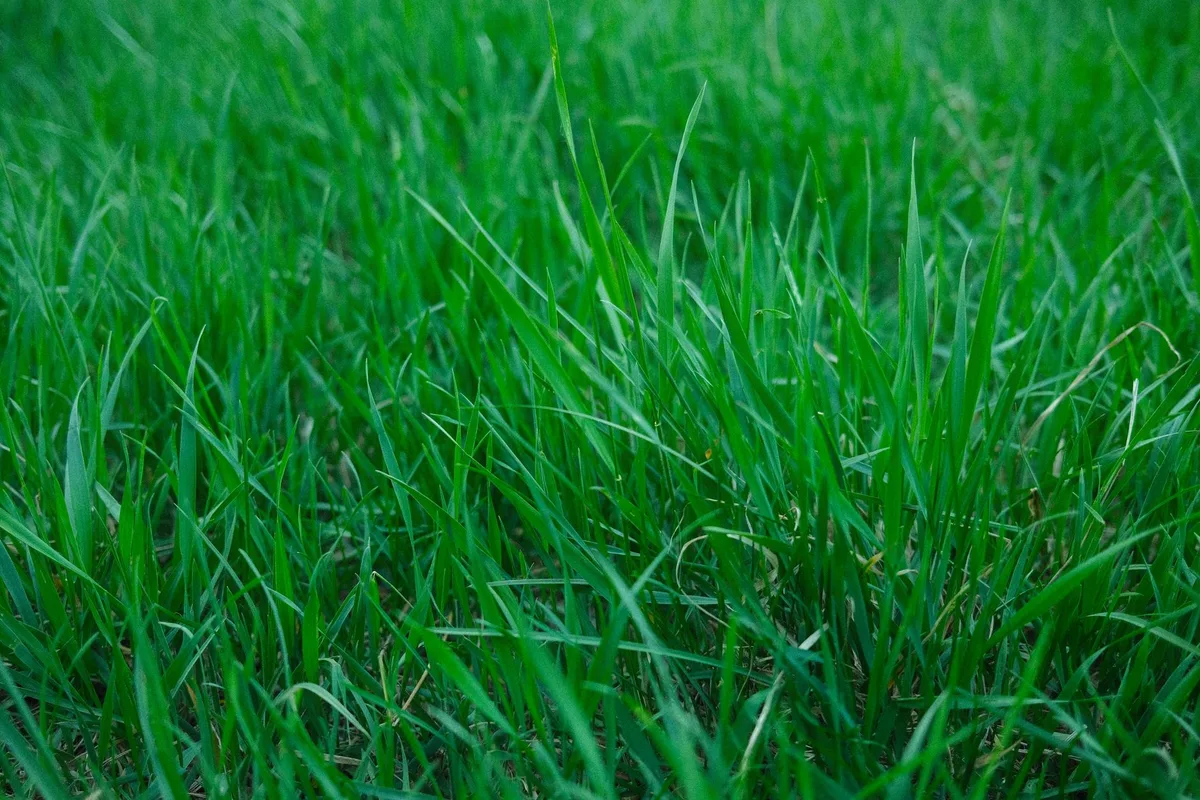
Why Is Crabgrass Taking Over Your Lawn? (It’s Not Just Bad Luck)
It’s easy to blame the seed bank in your soil or a neighbor’s unkempt yard. And yes, crabgrass seeds can stay viable for up to five years, so some level of presence is normal. But a full-blown takeover only happens when your lawn hands crabgrass an invitation.
The invitation is open soil, direct sunlight, and shallow, frequent watering. When all three are present, crabgrass germinates in waves from early spring through late summer.
If you’ve only got one of those factors, crabgrass will show up as a few scattered plants. When you’ve got two or three, you get a carpet. The key is identifying which invitation you’re accidentally offering.
The Simple Science: Why Crabgrass Wins
Crabgrass is an annual grass, meaning it dies completely every winter. But before it dies, a single plant can drop up to 150,000 seeds. Those seeds sit in the soil, waiting for the perfect trigger: sustained soil temperatures of 55°F at a depth of one to two inches.
In most of the U.S., that happens in early to mid-spring, right around when forsythia bushes bloom.
Warm-season turfgrasses like bermudagrass and zoysia can compete with crabgrass once they’re fully active in summer. But cool-season grasses like fescue, bluegrass, and ryegrass struggle to hold their ground during the hot months. That’s when crabgrass really takes off.
Understanding this lifecycle is why timing matters more than product choice in the battle against it. For example, many homeowners apply fertilizer too early, feeding the crabgrass before their desired grass has even woken up. For trees and shrubs in hot regions, choosing the right plants that thrive in dry heat can make a world of difference, but the same principle applies to your lawn: pick the grass that fits your climate.
Check Your Lawn’s Density First (The #1 Cause)
If your lawn has bare soil patches spongy enough to push your thumb into, you’ve handed crabgrass the ultimate welcome mat. Bare soil gets full sunlight, which crabgrass seeds need to germinate. A thick, healthy turf shades the soil surface, blocking light and preventing those seeds from ever sprouting.
The density test: Walk across your lawn in late spring. Can you see soil through the grass blades? If you can, your turf cover is below the 80% threshold that keeps crabgrass out.
Any gap larger than a few inches wide is a potential germination site.
| Lawn Cover | Crabgrass Risk |
|---|---|
| 90%+ dense | Very low – minimal openings |
| 70–89% | Moderate – scattered patches possible |
| Below 70% | High – crabgrass will fill gaps rapidly |
What to do about thin grass: Overseed in early fall with a grass type suited to your sun exposure and climate. Use a slice seeder for better seed-to-soil contact. And if the thin areas are caused by disease or compaction, address that first.
A quality lawn fungicide can knock out fungal issues that weaken turf and create openings for weeds.
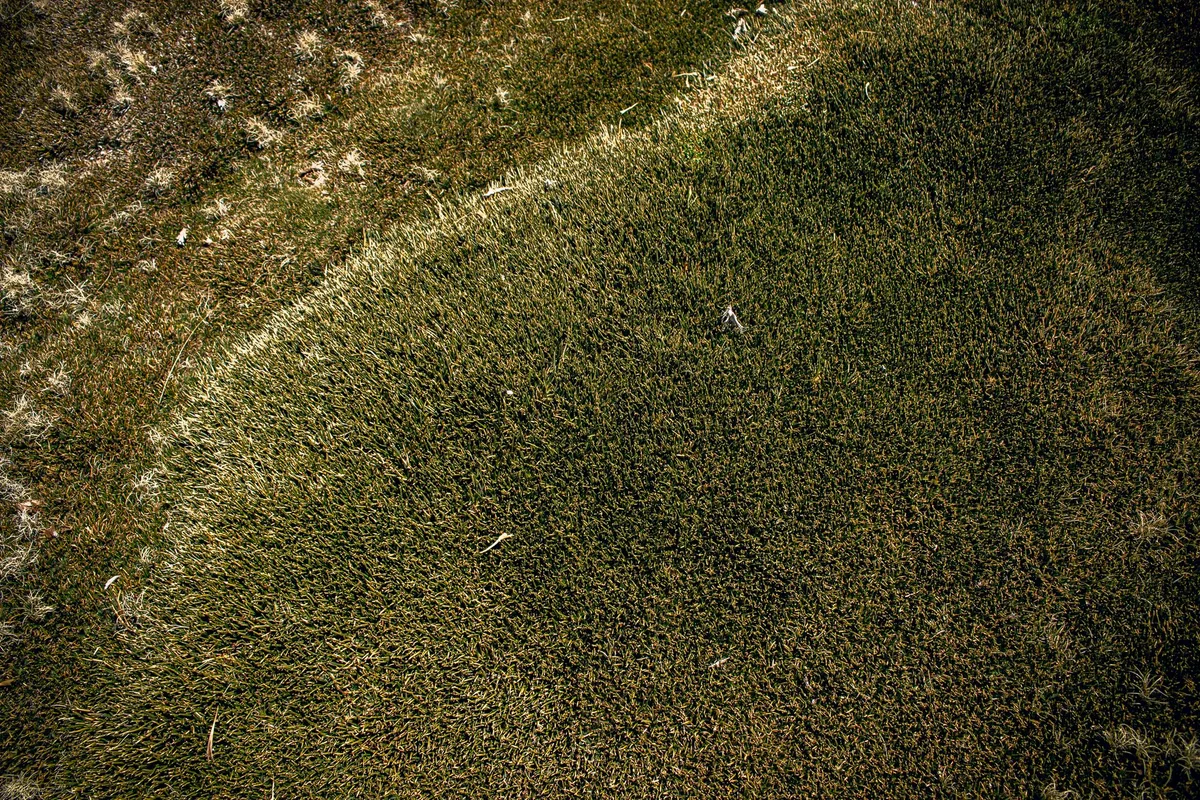
Mowing Height: The Mistake That Invites Crabgrass In
This is the most common fixable mistake we see. Homeowners scalp their lawns low in spring to “clean things up” or stretch time between mowings. But when you cut cool-season grass shorter than three inches, you expose the soil to more light and stress the grass roots.
Crabgrass loves this.
The rule: Keep cool-season turf at 3 to 4 inches all season long. For warm-season grasses like bermudagrass, 1.5 to 2 inches is fine, but never go lower than that. Taller grass shades the soil, keeps it cooler, and develops deeper roots that outcompete weeds.
One reader told us they dropped their mower deck from 2.5 inches to 3.5 inches and saw crabgrass coverage drop by more than half in a single season. That’s not a magic trick; it’s plant biology. While you’re adjusting that deck height, pay attention to the grass clippings too.
If they clump, rake them up with a proper leaf rake, because heavy clumps can smother patches and create dead spots that invite crabgrass back.
Watering Habits: Are You Feeding the Weed?
Crabgrass has a shallow root system. It loves frequent, light waterings that keep the top inch of soil damp. Your desired lawn grass, especially cool-season types, needs deep, infrequent waterings to build strong roots that reach down six inches or more.
The test: Stick a screwdriver into your lawn after watering. If it penetrates easily only one inch, you’re watering too shallow. You want water to soak six inches deep.
That typically means running your sprinkler for 30 to 45 minutes per zone, twice a week, depending on your soil type and climate.
When you water deeply and let the top inch dry out between cycles, crabgrass seeds in that top layer don’t have the consistent moisture they need to germinate. Meanwhile, your turf develops deeper roots that can access water the crabgrass can’t reach. This is also why lawns in hot, dry climates benefit from being paired with plants that handle drought well, such as certain trees and shrubs that match the local rainfall patterns.
Soil Temperature: The Germination Trigger Nobody Tracks
Here’s a fact that surprises most homeowners. Crabgrass doesn’t germinate on a calendar date. It germinates when the soil hits a specific temperature.
That threshold is 55°F at one to two inches deep, sustained over a few days.
You can’t guess this by looking at the air temperature or the date on a calendar. A warm spell in February might push soil temps to 55°F in the South, while northern states might not hit that mark until late April or early May. The only reliable way to know is to measure.
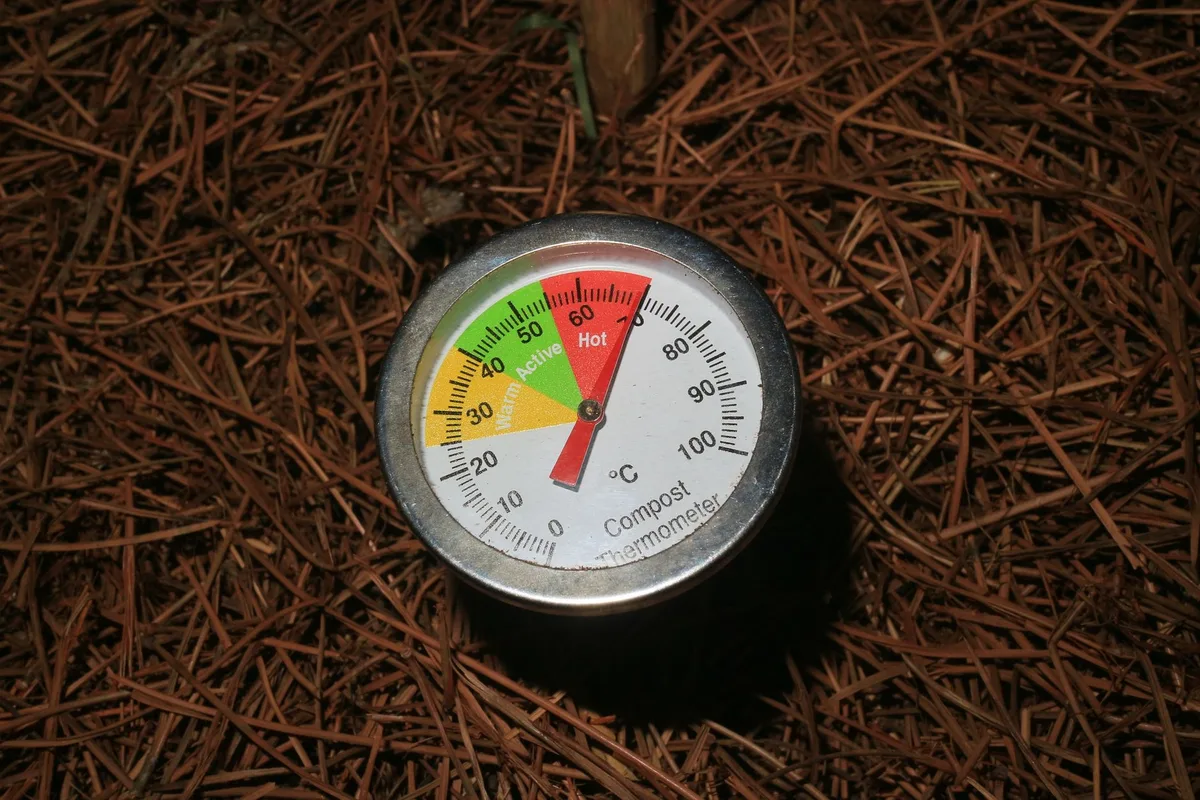
How to check: Buy a simple soil thermometer, the kind you can push into the ground. Take a reading at about two inches deep in several spots across your lawn. Do this first thing in the morning before the sun warms the surface.
When you get three consecutive days above 55°F, the crabgrass seed bank is active.
This is also the moment to apply a pre-emergent herbicide if you’re using one. Apply it before the soil hits 55°F, and you create a barrier that stops the seedlings from emerging. Apply it after, and you’ve missed the window for the first wave.
How to Diagnose Your Own Crabgrass Problem (Step by Step)
Let’s turn this into a simple decision tree. Grab a notepad and walk your lawn. Answer these four questions in order.
Step 1: Can you see bare soil through the grass?
If yes, your turf density is the root cause. Go to the “thin or patchy” branch below.
If no (the grass is thick but crabgrass is still there), move to Step 2.
Step 2: What’s your mowing height?
Measure from the soil surface to the top of the leaf blade. If it’s below three inches for cool-season grass or below one and a half inches for warm-season, that’s likely your issue.
If the height is correct, move to Step 3.
Step 3: How often and how long do you water?
Set out a few tuna cans in your lawn during a watering cycle. If they fill up in under 15 minutes, you’re watering too shallow and too often. Deep, infrequent watering is what you want.
If your watering pattern checks out, move to Step 4.
Step 4: Did you apply a pre-emergent on time?
If you skipped it or applied it after the soil hit 55°F, that explains the invasion. If you applied it correctly and still have crabgrass, you might be dealing with a resistant population or a second germination flush later in the season.
This four-step diagnosis will pinpoint your problem. Most people land on one of the first three steps.
Your Next Move (Based on Your Diagnosis)
If Your Lawn Is Thin or Patchy
Your priority is filling those gaps. Overseed in early fall (not spring) with a grass type that matches your sun and climate. Spring seeding often fails because the crabgrass germinates right alongside your new grass and outcompetes it.
Fall gives your new grass a full cool season to establish roots before summer heat arrives.
While you wait for fall, keep the existing grass as tall as possible. Taller grass shades the soil and slows additional crabgrass germination. If you need a quick fix for bare spots, consider a temporary ground cover or mulch until you can overseed properly.
If You’re Mowing Too Low
Raise your deck. For cool-season lawns, set the mower to 3.5 or 4 inches. For warm-season lawns, keep it at 1.5 to 2 inches.
Do this gradually over a few mowings to avoid shocking the grass. You’ll see a difference within two to three weeks. The taller grass shades the soil, and new crabgrass seedlings won’t get the light they need.
If You’re Watering Wrong
Switch to deep, infrequent watering. Aim for about one inch of water per week, applied in one or two sessions. Water early in the morning so the grass dries during the day.
This reduces disease pressure and trains the roots to go deeper. Crabgrass seeds in the top inch of soil will dry out between waterings and fail to germinate.
If the Timing Is Off
You missed the pre-emergent window for this season. Don’t panic. Focus on the cultural fixes above: raise the mower, water deeply, and fill bare spots in the fall.
Apply a post-emergent herbicide to kill existing crabgrass plants before they go to seed. Then mark your calendar for next spring with a reminder to apply pre-emergent when the forsythia blooms.
Pre-Emergent vs. Post-Emergent: Which One You Actually Need Right Now
The biggest confusion we see is knowing which product to use and when. Here’s the difference in plain terms.
Pre-emergent herbicides create a chemical barrier in the top layer of soil. They stop crabgrass seeds from germinating. They will not kill existing crabgrass plants.
You apply them in early spring before soil temps hit 55°F.
Post-emergent herbicides kill actively growing crabgrass plants. They work best when the weeds are young and small, usually before they develop multiple tillers. They are less effective on mature, established crabgrass that has already gone to seed.
| Product Type | When to Apply | What It Kills | Best For |
|---|---|---|---|
| Pre-emergent | Early spring (soil below 55°F) | Seeds and seedlings | Prevention before they appear |
| Post-emergent | Late spring to early summer | Actively growing plants | Existing invasions |
Which one do you need right now?
If it’s early spring and you don’t see crabgrass yet, use a pre-emergent. If it’s late spring or summer and you have visible crabgrass plants, use a post-emergent. In some cases, you can use both: a pre-emergent in spring followed by spot treatments of post-emergent later in the season for any that break through.
Common Mistakes Even Experienced Lawn Owners Make
Applying pre-emergent too early. If you apply it in January or February in the North, the barrier breaks down before the main germination window. You get no protection when it matters most.
Applying pre-emergent too late. Wait until the crabgrass is already sprouting, and you’ve missed the boat. The barrier only stops seeds, not established plants.
Scalping the lawn in spring. Cutting cool-season grass below three inches in March or April removes leaf surface area and stresses the roots. Crabgrass loves this. It gives the weed an immediate advantage.
Fertilizing too early. Applying a high-nitrogen fertilizer in early spring feeds the crabgrass seeds as they germinate. Your lawn grass isn’t fully active yet, so the crabgrass gets the first meal. Wait until the lawn is actively growing and has been mowed at least twice before applying nitrogen.
Not cleaning up clippings. Heavy clumps of grass clippings after mowing can smother patches of turf, creating dead spots that crabgrass colonizes. If your mower leaves clumps, rake them up or mow more frequently with a sharp blade.
The Decision Guide: Quick Reference Table
Let’s pull everything together into a simple lookup. Find your situation in the left column, and follow the action across.
| Your Condition | Primary Cause | First Action | Second Action |
|---|---|---|---|
| Bare soil spots visible | Low turf density | Overseed in fall | Apply pre-emergent in spring |
| Grass cut below 3 inches | Mowing too low | Raise mower deck to 3.5–4 inches | Let grass recover before next step |
| Soil damp at surface after 3 days | Shallow watering | Switch to deep, infrequent cycles | Check irrigation timer |
| No pre-emergent applied this spring | Missed timing | Use post-emergent now | Mark calendar for next February |
| Crabgrass in thick, tall lawn | Possibly resistant or second flush | Spot-treat with post-emergent | Check soil temperature for late wave |
This table won’t solve every edge case, but it covers about 90% of the crabgrass problems people face. If you’re still stuck after following your branch, you may need a soil test to check for compaction or pH issues.
FAQs: Quick Hits on Crabgrass Causes
Why does crabgrass keep coming back every year?
Because the soil seed bank is massive. A single plant drops up to 150,000 seeds, and those seeds can stay viable for five years. Even if you kill every visible plant this summer, new seeds from previous years will germinate next spring if conditions are right.
Consistent prevention over multiple seasons is the only way to exhaust the seed bank.
Does crabgrass mean my soil is bad?
Not necessarily. Crabgrass thrives in compacted, low-fertility soil, but it also grows fine in healthy soil. The more reliable indicator is that your lawn has an opening it can exploit.
Thin grass, low mowing, or frequent shallow watering all invite it, regardless of soil quality. A soil test can help, but it’s rarely the primary cause.
Can I pull crabgrass by hand and solve the problem?
Pulling mature crabgrass plants can help, but it’s not a long-term solution. The roots are shallow, so they come out easily. But the seeds already in the soil will germinate next season.
Hand-pulling is best for spot control in small lawns. For larger areas, combine it with the cultural fixes and herbicides we’ve covered.
Will crabgrass kill my lawn?
Crabgrass doesn’t actively kill turf. It outcompetes it for light, water, and nutrients. A thick crabgrass infestation can weaken your grass and create bare patches when the crabgrass dies in winter.
Those bare spots then invite more weeds. In that sense, crabgrass indirectly damages your lawn over time.
Should I use a pre-emergent every year?
For most lawns, yes. Even if you fix the cultural issues, the soil seed bank persists for years. A single season without pre-emergent can allow a new generation to reseed the lawn.
Apply it annually in early spring, and you’ll gradually reduce the seed bank. After three to four years of consistent application, many homeowners see a dramatic drop in crabgrass pressure.
Your Seasonal Game Plan: When to Act
Here’s the full-year rhythm for keeping crabgrass out of your lawn. As of 2026, this remains the standard approach recommended by university turfgrass programs.
Late winter (January, February): Check your soil temperature. Buy a soil thermometer if you don’t have one. Watch the forsythia bushes in your area.
When they bloom, soil temps are near 55°F.
Early spring (March, April): Apply pre-emergent herbicide before soil hits 55°F. Do not fertilize yet. Raise your mower deck if it’s set too low.
Start the season at 3.5 to 4 inches for cool-season grass.
Late spring (May, June): Spot-treat any crabgrass that breaks through with a post-emergent herbicide. Water deeply once a week. Mow at the correct height.
Do not scalp.
Summer (July, August): Maintain the height and watering routine. Crabgrass will be visible but should be sparse if your pre-emergent and cultural fixes are working. Hand-pull or spot-spray any survivors before they go to seed.
Early fall (September, October): Overseed thin areas. This is the best time to thicken your lawn. The cool weather and shorter days favor grass establishment.
Apply a slow-release fertilizer now, not in spring.
Late fall (November, December): Clean up leaves and debris. A final mowing at a lower height (about 2.5 inches) is fine for winter. The crabgrass is dying back anyway.
Plan your pre-emergent purchase for next spring.
That’s the full picture. Crabgrass isn’t invincible. It’s just persistent and opportunistic.
Match it with an equally persistent routine, and you’ll tip the balance back in your lawn’s favor.