When Should You Lawn Fertilizer for 2026: Step-by-Step Guide
When should you lawn fertilizer? That question trips up more homeowners than almost any other lawn care decision. Most people guess based on what month it is or when their neighbor spreads something green.
That approach usually leads to wasted money, burned grass, or a lawn that never quite looks right.
The truth is simpler. Your lawn tells you exactly when it needs food if you know what to look for. As of 2026, university turfgrass research from programs like those at Oregon State and Texas A&M confirms that timing based on grass type and soil temperature beats any calendar-based schedule.
Let's walk through exactly how to read those signals.
Quick Answer
Fertilize cool-season grass in early fall and late spring. Fertilize warm-season grass in late spring and summer. Always check soil temperature first.
Cool-season grass needs feeding when soil hits 55°F. Warm-season grass needs feeding when soil hits 65°F. Never fertilize dormant grass.
That is the whole system in five sentences.
Why Most People Get Lawn Fertilizer Timing Wrong
The biggest mistake is treating your lawn like it follows a human calendar. People fertilize in early spring because they see green shoots and think "time to grow." But cool-season grasses are actually building roots in early spring. They don't need heavy nitrogen yet.
Feeding them too early feeds the weeds instead.
Warm-season grass owners make the opposite error. They wait until summer is in full swing. By then the grass is already stressed from heat.
Fertilizer during a heat wave burns leaf tissue and invites disease.
The second common mistake is skipping a soil test entirely. Manufacturer specifications for fertilizers assume average conditions. Your yard is not average.
Soil pH, existing nutrient levels, and organic matter all affect when and how much you should apply. A simple soil test from your local extension office costs around $15 and saves you from guessing.
Another hidden issue is that same bag of fertilizer gets used year round. Fertilizer formulations exist for a reason. A spring blend has more nitrogen for growth.
A fall blend has more potassium for root health. Using a single all-purpose product across every season misses the entire point of timing.
The Two Things That Actually Control When You Should Fertilize
Only two variables determine the right timing for your lawn. First is your grass type. Second is your soil temperature.
Everything else is secondary.
Grass type tells you which season your lawn is built for. Cool-season grasses like Kentucky bluegrass, tall fescue, and perennial ryegrass grow most actively in spring and fall. They slow down in summer heat.
Warm-season grasses like bermudagrass, zoysia, and St. Augustine grow fastest in late spring and summer. They go dormant in winter.
Soil temperature tells you when that growth window actually opens. Cool-season grass roots start taking up nutrients when soil temperature reaches 50 to 55°F at a four-inch depth. Warm-season grass needs 60 to 65°F.
These numbers are not suggestions. They are biological triggers.
Think of it this way. You can fertilize on the perfect calendar date. If the soil is still too cold, the grass will not absorb those nutrients.
They will wash away or feed the weeds. That is why calendar-based schedules fail so often.
Step 1: Is Your Grass Cool-Season or Warm-Season?
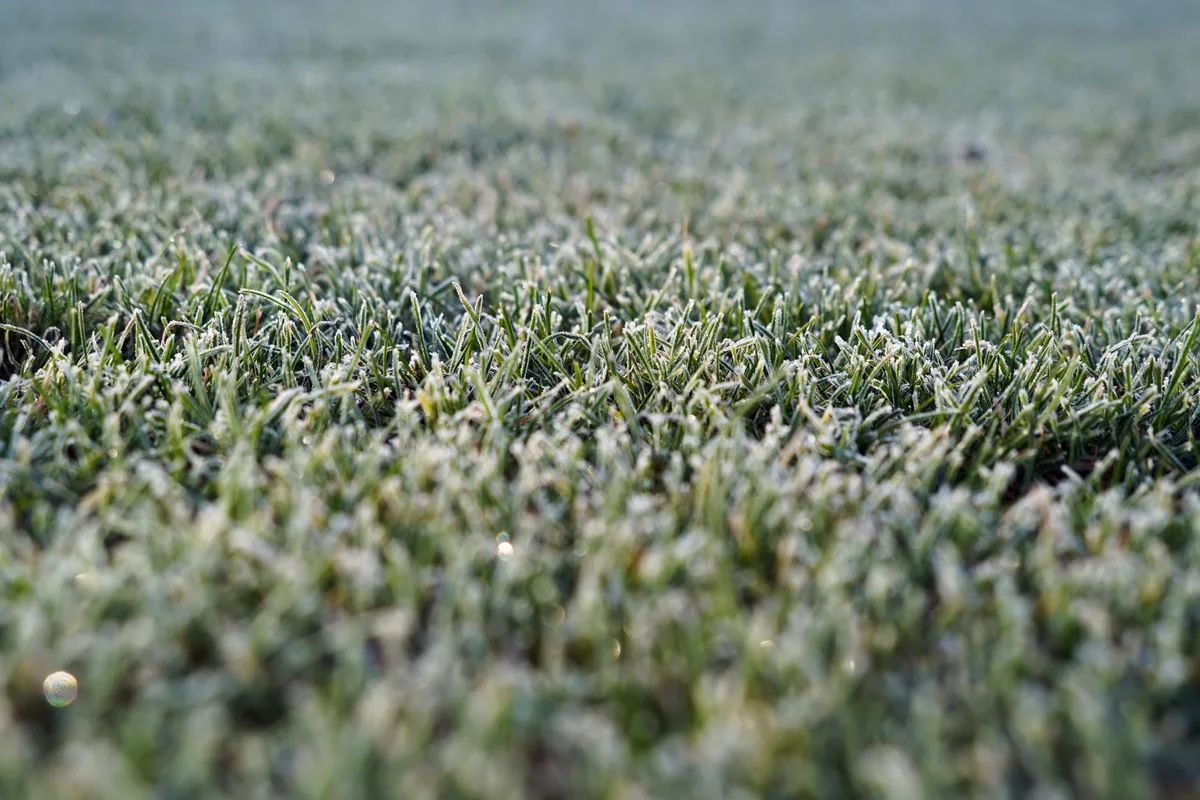
This is the first fork in the decision tree. You need to know what you are growing. Check your lawn in early spring.
If it greens up quickly when temperatures hit the 40s and 50s, you have cool-season grass. If it stays brown until late spring when soil warms past 60°F, you have warm-season grass.
Cool-season grasses have narrower blades and grow in dense clusters. They thrive in northern climates and transition zones. Think of the lawns you see in the Northeast, Midwest, and Pacific Northwest.
Popular varieties include Kentucky bluegrass, tall fescue, fine fescue, and perennial ryegrass. Many northern lawns are a blend of two or three types.
Warm-season grasses have thicker blades and spread through stolons or rhizomes. They handle heat and drought better. You find them in the Southeast, Southwest, and parts of the transition zone.
Bermudagrass is the most common. Zoysia, St. Augustine, centipede, and bahia are other major types.
If you do not know what you have, here is a simple test. Pull a single blade and look at the tip. Cool-season blades typically taper to a point like a canoe.
Warm-season blades often have a more rounded or blunt tip. Or just ask a neighbor who has been in the area for a few years. Local knowledge counts here.
For those in the transition zone, you might have a mix. That complicates timing. In that case, lean toward the cool-season schedule but apply lighter rates.
You can also overseed with a compatible variety. Check guides on simple DIY repairs if your lawn looks patchy from the wrong approach.
Step 2: Check Your Soil Temperature, Not the Calendar
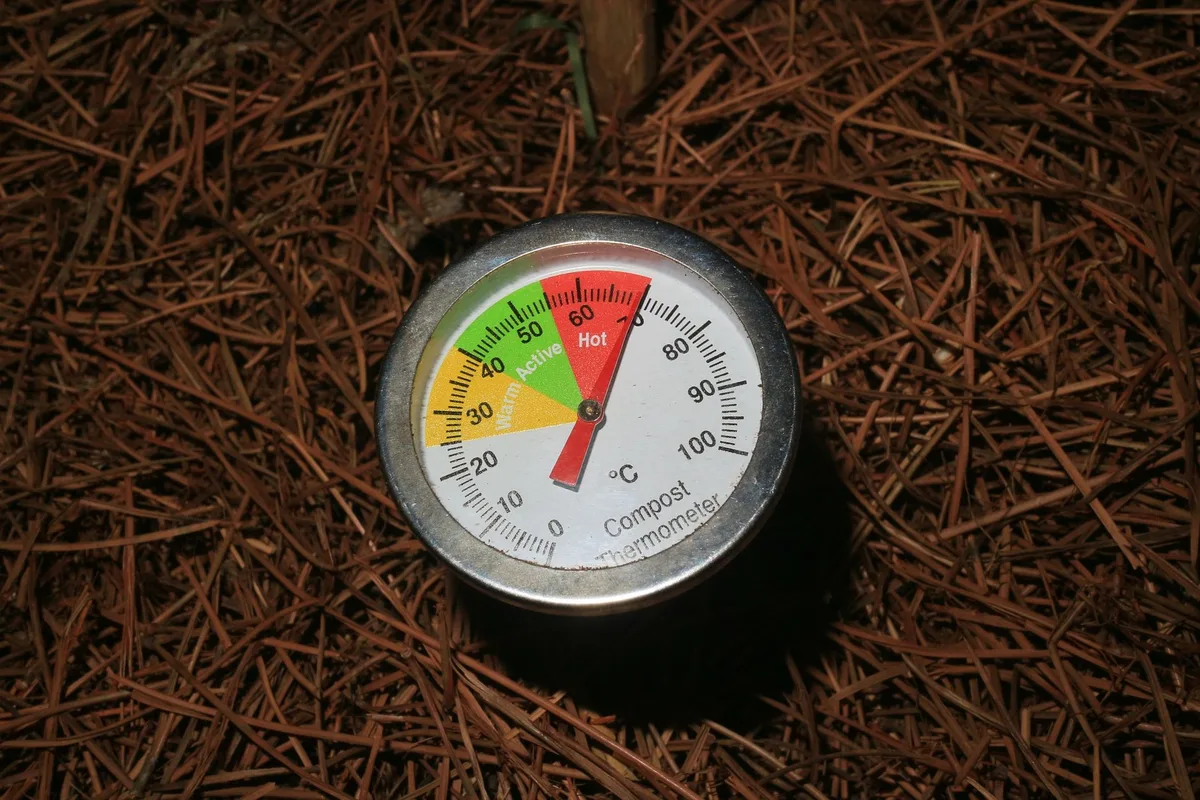
A soil thermometer costs about $10 at any garden center. It is the single best tool for timing your fertilizer applications. Do not rely on air temperature.
Air warms and cools much faster than soil. The ground holds temperature changes over days or weeks.
Insert the thermometer four inches deep. Take the reading at mid-morning after the sun has been up for a few hours. Do this three mornings in a row and average the results.
Soil temperature fluctuates less than air temperature, but it still shifts from day to day.
For cool-season grass, your first feeding window opens when the average soil temperature reaches 55°F. That usually happens in early fall for the main feeding. In spring, wait until soil hits 50°F at minimum.
Fertilizing before that point means the nitrogen sits in cold soil where roots cannot access it.
For warm-season grass, wait until soil temperature reaches 65°F consistently. That typically falls in late April or May across the South. If you fertilize warm-season grass while soil is still in the 50s, you waste the product and risk runoff into local waterways.
Many states have phosphorus restrictions specifically because of this.
The second application window for both grass types happens when soil temperatures drop back through those same thresholds in autumn. Cool-season grass gets its most important feeding in fall when soil is around 55°F. Warm-season grass gets its final feeding in late summer when soil starts to cool from its peak.
You can find soil temperature maps online from your state extension service or the USDA. But a $10 thermometer in your own yard is more accurate. Local microclimates vary significantly.
Step 3: Match the Fertilizer to the Season and Your Goal
Not all fertilizer is the same. The NPK ratio on the bag tells you what that product is designed to do. Nitrogen promotes leaf and blade growth.
Phosphorus supports root development. Potassium strengthens cell walls and helps the plant handle stress.
Early spring for cool-season grass calls for a balanced or slightly nitrogen-heavy blend like 20-5-10. The grass needs nitrogen for greening but still needs phosphorus and potassium for root support. Avoid high-nitrogen quick-release products in early spring.
They cause a flush of growth that looks great for two weeks then fades.
Late spring for cool-season grass means a lighter application. Use a slow-release nitrogen source. The grass is slowing down for summer.
Heavy feeding now forces tender growth that burns easily in July heat. Products with a high water-insoluble nitrogen percentage, often labeled WIN, release slowly over weeks.
Early summer for warm-season grass is prime time. Use a nitrogen-heavy blend like 30-0-10. Warm-season grass eats nitrogen during its active growth phase.
Split the total annual nitrogen into three or four applications spaced four to six weeks apart. Do not exceed one pound of nitrogen per thousand square feet per application.
Fall is the most important window for cool-season grass. Use a winterizer blend with higher potassium. The potassium helps roots store energy for winter dormancy and early spring regrowth.
A ratio around 24-0-12 works well. Apply when soil temperature hits 55°F and grass is still growing but slowing down.
For warm-season grass in late summer, switch to a lower-nitrogen blend. You want to avoid pushing new growth that will not harden off before dormancy. A 15-0-15 or similar balanced low-nitrogen product is ideal.
If you also manage flower beds or trees, remember that lawn fertilizer is formulated for grass. Using it on flowers or shrubs can cause problems. Check our guide on the best slow release fertilizer for flowers if you need separate feeding for ornamentals.
Step 4: The Decision Tree for Your Exact Situation
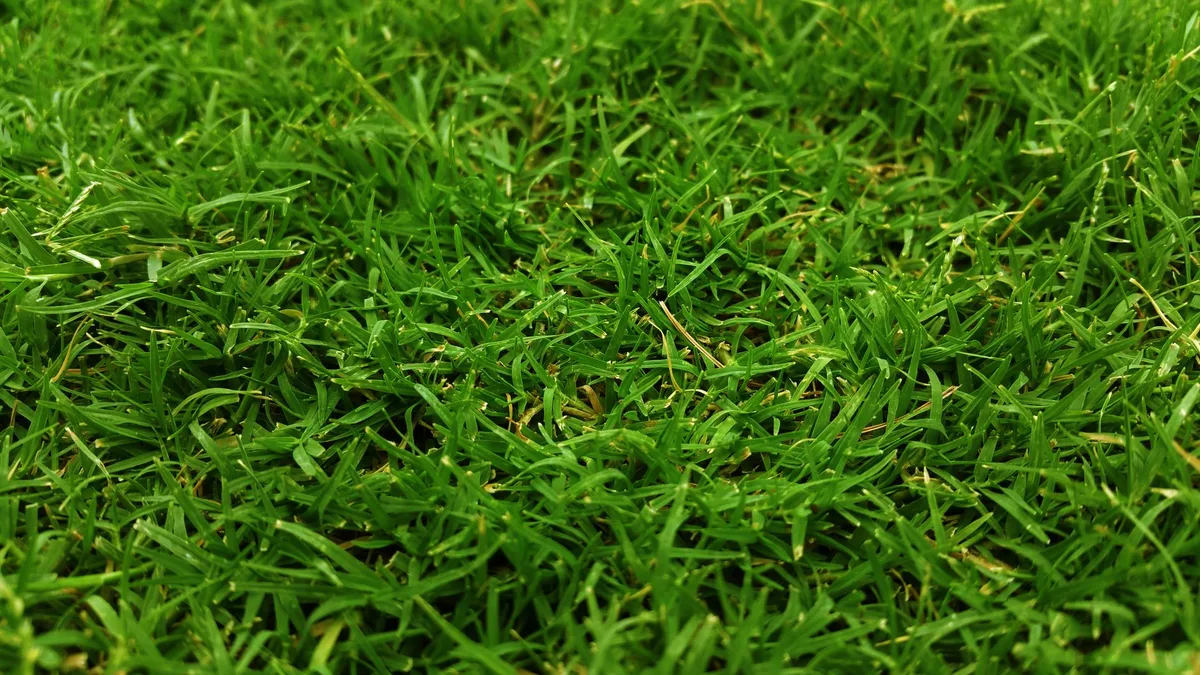
Here is the practical decision tree that ties everything together. Start at the top and follow the branch that fits your lawn.
If your grass is cool-season:
- Is soil temperature at four inches 55°F or above? Yes: Apply a balanced or fall-specific fertilizer. No: Wait and check again in one week.
- Is it early spring and soil is barely 50°F? Apply a light feeding with slow-release nitrogen only. Do not use quick-release.
- Is it late spring and soil is above 60°F? Skip the heavy nitrogen. Apply a minimal dose or wait for fall.
- Is it early fall with soil at 55°F? This is your most important feeding. Use a winterizer blend.
- Is it late fall with soil below 45°F? Stop. The grass is going dormant. Fertilizer will not be absorbed.
If your grass is warm-season:
- Is soil temperature at four inches 65°F or above? Yes: Apply a nitrogen-heavy feed. No: Wait until soil warms.
- Is it early summer? This is your main growth period. Apply every four to six weeks through July.
- Is it late summer and soil is still above 70°F? Continue feeding but switch to a lower-nitrogen blend.
- Is it early fall with soil dropping below 70°F? Apply one final light feed. Do not push new growth.
- Is it fall with soil below 60°F? Stop completely. The grass is preparing for dormancy.
If you have a mixed lawn (transition zone):
Follow the cool-season schedule but use lighter rates. Warm-season patches in a cool-season lawn will still go dormant naturally. They will wake up in spring when soil warms.
Focus on the cool-season grass for the majority of your lawn.
This decision tree applies to established lawns only. If you are planting new seed or laying sod, you need starter fertilizer at planting time regardless of the season. Starter fertilizers have high phosphorus to support root development.
Follow the product label directions for new lawns.
The Four Application Windows Every Lawn Owner Should Know
For each grass type, there are exactly four windows that matter. Missing one is fine. Missing all four means your lawn will struggle.
Cool-season grass windows:
- Early spring (soil 50 to 55°F), light, slow-release nitrogen
- Late spring (soil 55 to 60°F), optional light feeding if needed
- Early fall (soil 55 to 60°F), main feeding, full rate
- Late fall (soil 45 to 50°F), winterizer, high potassium
Warm-season grass windows:
- Late spring (soil 65°F), first feeding, nitrogen-heavy
- Early summer, second feeding, four weeks later
- Mid-summer, third feeding, four weeks later
- Late summer (soil above 70°F), final feeding, lower nitrogen
Do not exceed the annual nitrogen total for your grass type. Cool-season lawns need three to four pounds of nitrogen per thousand square feet per year. Warm-season lawns need two to three pounds.
Split that total across your windows. Overfeeding causes thatch buildup and invites fungal disease.
The One Window Most People Miss That Makes the Biggest Difference
The late fall feeding for cool-season grass is the most undervalued application in lawn care. People stop thinking about their lawn after September. That is exactly when cool-season grass needs its most important meal.
Here is why it works. Grass stores carbohydrates in its roots over winter. Those reserves fuel the spring green-up.
If you apply a winterizer fertilizer with high potassium and moderate nitrogen in late fall, the grass moves those nutrients into the root system. Come spring, your lawn greens up faster and thicker without needing heavy early nitrogen.
The timing matters. Apply when the grass has stopped growing tall but is still green. That is usually after the last mowing of the season.
Soil temperature should be around 50 to 55°F. If you wait too long and the ground freezes, you waste the product.
Warm-season grass does not have an equivalent window. Its dormant period is winter, and feeding then is useless. But cool-season lawns that get a proper winterizer feeding outperform lawns that skip it every single time.
Fertilizer Timing Mistakes That Cost You Time and Money
The most expensive mistake is fertilizing right before a heavy rain. A forecast of rain should delay your application. Nitrogen dissolves quickly and runs off bare soil or saturated lawns.
You pay for product that ends up in the storm drain.
Fertilizing wet grass causes leaf burn. Granules stick to wet blades and release concentrated nutrients onto the leaf surface. That creates brown spots that look like scorch marks.
Always apply to dry grass and water in immediately afterward.
Using the wrong spreader setting is another common error. A broadcast spreader throws granules unevenly if you do not calibrate it. Test your spreader on a driveway or clean pavement first.
Measure how much product covers a measured area. Adjust the dial until the output matches the bag rate.
Skipping the soil test leads to phosphorus buildup. Many soils already have enough phosphorus from years of balanced fertilizer use. Adding more does nothing for the grass and runs off into local waterways.
Some states ban phosphorus fertilizer unless a soil test shows a deficiency.
Applying too much nitrogen per application causes a growth surge that requires more mowing and more water. It also weakens the grass. Fast growth produces thin cell walls that cannot handle heat or disease pressure.
One pound of nitrogen per thousand square feet per application is the ceiling. Half a pound is often better.
Overlapping passes with a spreader doubles the rate in some areas. Use a pattern that avoids overlap or use a drop spreader for precision. Striped patches of dark green followed by light green are a sign of uneven application.
What to Do If You Fertilized at the Wrong Time
If you already fertilized too early in spring, do not panic. The grass will not absorb much of the nitrogen if soil is cold. Water the lawn lightly to move the granules off the leaf surface and into the soil.
Then wait. The nitrogen will stay in the soil until roots wake up. You just need to skip your next scheduled feeding to avoid overloading the lawn.
If you fertilized during a heat wave, water deeply to dilute the concentration around the roots. Do this early in the morning. Apply about half an inch of water.
You cannot reverse burn damage, but you can prevent it from spreading. Keep the lawn watered for the next few days to help the grass recover.
If you fertilized dormant warm-season grass in winter, do nothing. The product will sit in the soil until spring. You lose some nitrogen to volatilization, but most will stay available.
Just skip your first spring feeding to balance the total.
If you spilled fertilizer in a pile or missed a spot, rake the excess onto unaffected areas or sweep it up. A concentrated pile will kill grass within days. Water the spill area heavily to dilute the concentration.
For lawns already showing signs of fungal disease from overfeeding, you may need to treat the issue separately. Check our guide on the best fungicide for lawns to address disease pressure before it spreads.
Your Personalized Fertilizer Calendar by Grass Type and Zone
This table gives you specific months for each major region. Adjust by two weeks earlier or later based on your local soil temperature readings.
| Region | Cool-Season Grass | Warm-Season Grass |
|---|---|---|
| Northeast | April, September, November | Not applicable |
| Midwest | April, October, November | Not applicable |
| Pacific Northwest | March, September, November | Not applicable |
| Southeast | Not applicable | April, May, June, August |
| Southwest | Not applicable | April, June, August |
| Transition Zone | March, September, November | May, June, August |
| Upper South | March, October, November | May, July, August |
For cool-season grass in the transition zone, follow the cool-season column. For warm-season grass in the same zone, follow the warm-season column. If you have a mixed lawn, fertilize on the cool-season schedule at lighter rates.
Do not fertilize during drought conditions. Stressed grass cannot use the nutrients. Wait until the lawn gets rain or irrigation for at least two weeks before applying.
A lawn that is brown and crispy is dormant. Feeding it will not bring it back. Water first, then fertilize when growth resumes.
Frequently Asked Questions
Can I fertilize my lawn in winter?
No. Cool-season grass is semi-dormant. Warm-season grass is fully dormant.
Neither can absorb nutrients. You waste the product and risk runoff. Wait until soil temperature reaches the correct threshold for your grass type.
Should I fertilize before or after rain?
Fertilize when rain is not expected for at least 24 hours. Light rain after application helps move nutrients into the soil. Heavy rain washes granules off your lawn.
Check the forecast before you spread.
How often should I fertilize my lawn?
Cool-season grass needs two to three feedings per year. Warm-season grass needs three to four feedings per year. Do not exceed the annual nitrogen limit.
More frequent applications at lower rates work better than one heavy feeding.
What happens if I fertilize too early in spring?
The nitrogen sits in cold soil. Grass roots cannot access it. Weeds feed on it instead.
You also risk runoff into waterways. Wait until soil temperature reaches the correct threshold even if your neighbor already spread.
Do I need different fertilizer for different seasons?
Yes. Spring blends have more nitrogen for growth. Fall blends have more potassium for root health.
Using a spring fertilizer in fall misses the point of each product. Read the NPK numbers on the bag. Match them to your season.
Can I use the same fertilizer on my flower beds?
Not ideally. Lawn fertilizer is formulated for grass. It often has high nitrogen that pushes leaf growth on flowers instead of blooms.
Use a separate product for flowers and shrubs. Check our guide on the best plant fertilizer for indoor plants if you also grow houseplants.
The Four Application Windows Every Lawn Owner Should Know
For each grass type, exactly four windows matter. Missing one is fine. Missing all four means your lawn will struggle to build roots and density.
Cool-season grass windows:
- Early spring (soil 50 to 55°F): light, slow-release nitrogen only.
- Late spring (soil 55 to 60°F): optional light feeding if the lawn looks pale.
- Early fall (soil 55 to 60°F): main feeding at full rate.
- Late fall (soil 45 to 50°F): winterizer with high potassium.
Warm-season grass windows:
- Late spring (soil 65°F): first feeding, nitrogen-heavy blend.
- Early summer: second feeding, four weeks later.
- Mid-summer: third feeding, four weeks later.
- Late summer (soil above 70°F): final feeding with lower nitrogen.
Do not exceed the annual nitrogen total. Cool-season lawns need three to four pounds of nitrogen per thousand square feet per year. Warm-season lawns need two to three pounds.
Split that total across your windows. Overfeeding causes thatch buildup and invites fungal disease.
The One Window Most People Miss That Makes the Biggest Difference
The late fall feeding for cool-season grass is the most undervalued application in lawn care. People stop thinking about their lawn after September. That is exactly when cool-season grass needs its most important meal.
Here is why it works. Grass stores carbohydrates in its roots over winter. Those reserves fuel the spring green-up.
A winterizer fertilizer with high potassium and moderate nitrogen moves nutrients into the root system. Come spring, your lawn greens up faster without needing heavy early nitrogen.
Apply when the grass has stopped growing tall but is still green. That is usually after the last mowing of the season. Soil temperature should be around 50 to 55°F.
If you wait until the ground freezes, you waste the product.
Warm-season grass does not have an equivalent window. Its dormant period is winter, and feeding then is useless. But cool-season lawns that get a proper winterizer feeding outperform lawns that skip it every single time.
Fertilizer Timing Mistakes That Cost You Time and Money
Fertilizing right before heavy rain tops the list. Nitrogen dissolves quickly and runs off saturated lawns. You pay for product that ends up in the storm drain.
Fertilizing wet grass causes leaf burn. Granules stick to wet blades and release concentrated nutrients onto the leaf surface. Always apply to dry grass and water in immediately afterward.
Skipping the soil test leads to phosphorus buildup. Many soils already have enough phosphorus from years of balanced fertilizer use. Adding more does nothing for the grass and runs off into local waterways.
Some states ban phosphorus fertilizer unless a soil test shows a deficiency.
Applying too much nitrogen per application causes a growth surge. That requires more mowing and more water. It also weakens the grass.
Fast growth produces thin cell walls that cannot handle heat or disease pressure.
What to Do If You Fertilized at the Wrong Time
If you fertilized too early in spring, do not panic. Water the lawn lightly to move granules off the leaf surface. The nitrogen will stay in the soil until roots wake up.
Just skip your next scheduled feeding to avoid overloading the lawn.
If you fertilized during a heat wave, water deeply to dilute the concentration around roots. Apply about half an inch of water early in the morning. You cannot reverse burn damage, but you can prevent it from spreading.
If you fertilized dormant warm-season grass in winter, do nothing. The product will sit in the soil until spring. Skip your first spring feeding to balance the total.
If you spilled fertilizer in a concentrated pile, rake the excess onto unaffected areas. A concentrated pile will kill grass within days. Water the spill area heavily to dilute.
For lawns showing fungal disease from overfeeding, you may need to treat it separately. Check our guide on the best fungicide for lawns for addressing disease pressure.
Your Personalized Fertilizer Calendar by Grass Type and Zone
This table gives specific months for each major region. Adjust by two weeks earlier or later based on your local soil temperature readings.
| Region | Cool-Season Grass | Warm-Season Grass |
|---|---|---|
| Northeast | April, September, November | Not applicable |
| Midwest | April, October, November | Not applicable |
| Pacific Northwest | March, September, November | Not applicable |
| Southeast | Not applicable | April, May, June, August |
| Southwest | Not applicable | April, June, August |
| Transition Zone | March, September, November | May, June, August |
| Upper South | March, October, November | May, July, August |
For cool-season grass in the transition zone, follow the cool-season column. For warm-season grass, follow the warm-season column. If you have a mixed lawn, fertilize on the cool-season schedule at lighter rates.
Do not fertilize during drought conditions. Stressed grass cannot use the nutrients. Wait until the lawn gets rain or irrigation for at least two weeks.
A brown crispy lawn is dormant. Water first, then fertilize when growth resumes.
Frequently Asked Questions About Fertilizer Timing
Can I fertilize my lawn in winter?
No. Cool-season grass is semi-dormant. Warm-season grass is fully dormant.
Neither can absorb nutrients. You waste the product and risk runoff. Wait until soil temperature reaches the correct threshold for your grass type.
Should I fertilize before or after rain?
Fertilize when rain is not expected for at least 24 hours. Light rain after application helps move nutrients into the soil. Heavy rain washes granules off your lawn.
Check the forecast before you spread.
How often should I fertilize my lawn?
Cool-season grass needs two to three feedings per year. Warm-season grass needs three to four feedings per year. Do not exceed the annual nitrogen limit.
More frequent applications at lower rates work better than one heavy feeding.
What happens if I fertilize too early in spring?
The nitrogen sits in cold soil. Grass roots cannot access it. Weeds feed on it instead.
You also risk runoff into waterways. Wait until soil temperature reaches the correct threshold even if your neighbor already spread.
Do I need different fertilizer for different seasons?
Yes. Spring blends have more nitrogen for growth. Fall blends have more potassium for root health.
Using a spring fertilizer in fall misses the point of each product. Read the NPK numbers on the bag. Match them to your season.
Can I use the same fertilizer on my flower beds?
Not ideally. Lawn fertilizer is formulated for grass. It often has high nitrogen that pushes leaf growth on flowers instead of blooms.
Use a separate product for flowers and shrubs. Check our guide on the best plant fertilizer for indoor plants if you also grow houseplants.