Why Are Flies in My Home 2026
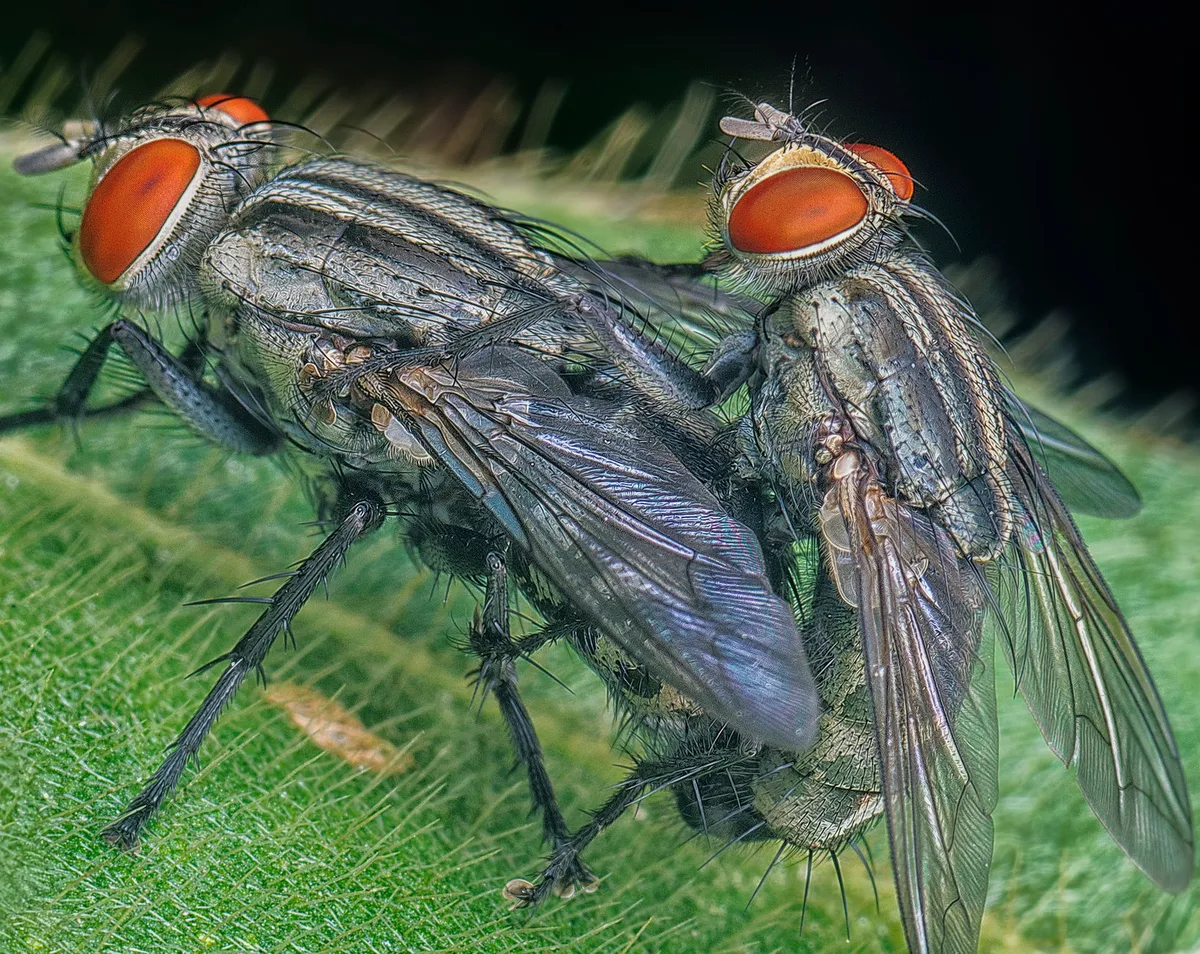
You walk into your kitchen, and there they are, tiny flies hovering around the fruit bowl, buzzing near the sink, or drifting lazily by the window. If you’ve been asking yourself “Why are flies in my home”, you’re not alone. It’s one of the most common household frustrations, and the answer almost always comes down to one thing: a breeding site somewhere nearby that you haven’t found yet.
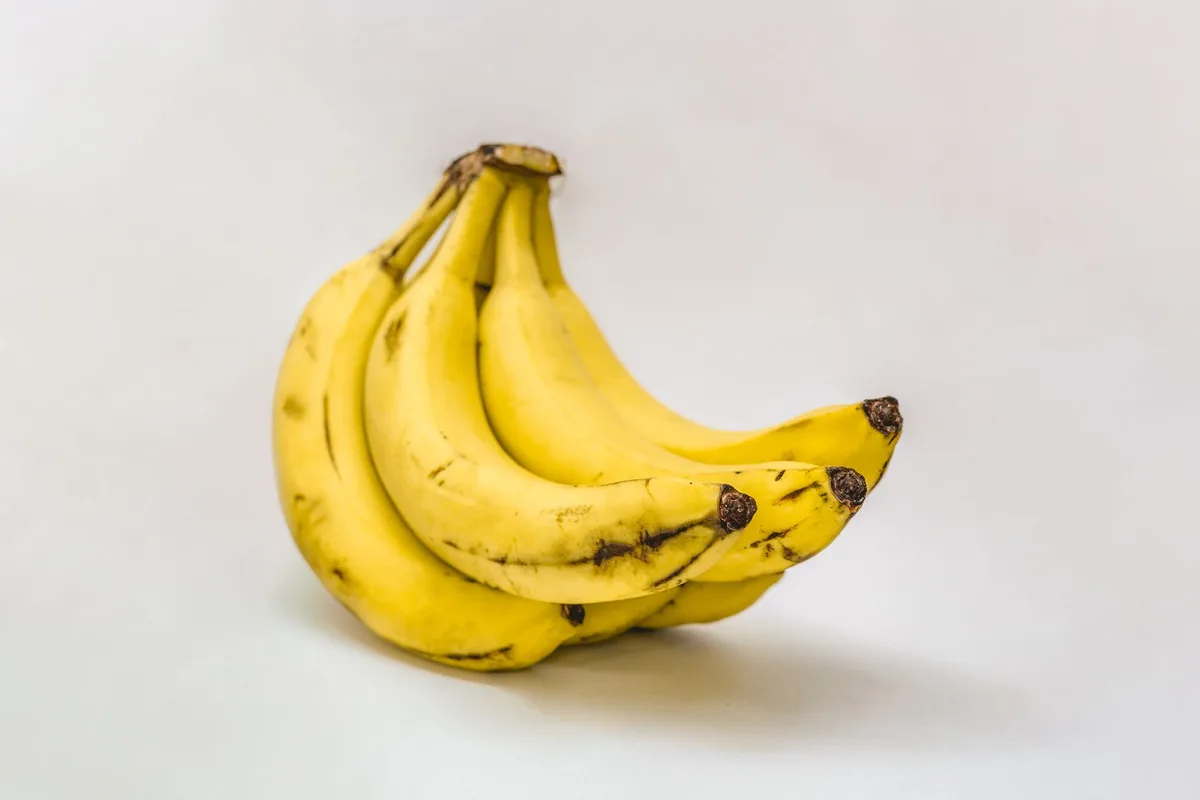
Different types of flies need different conditions to reproduce. Fruit flies, for instance, can complete their life cycle from egg to adult in just 8 to 10 days at room temperature. A single overlooked banana peel or a splash of juice under the fridge can sustain an entire population.
And as of 2026, pest control professionals still point to the same root cause, we bring the problem in, or we create the conditions for it to thrive. The good news? Once you know exactly what you’re dealing with, you can shut it down in under a week.
Quick Answer
Flies enter homes because they smell food, moisture, or decaying matter. They breed in hidden spots: drains, trash, plant soil, or dead animals. Most fly problems are solved by finding and removing the breeding source.
Clean and dry affect areas. Use traps only after removing the source. That stops the cycle permanently.
The First Thing You Need to Know (It’s Not Random)
Flies don’t just appear out of thin air. They come from somewhere, and that somewhere is almost always inside your home. Unlike mosquitoes that fly in through an open door, most indoor fly infestations start when a few adults find a spot to lay eggs.
Once those eggs hatch, you see the swarm.
This is why spraying adult flies never works long-term. You kill a few, but the eggs and larvae are still tucked away in a drain, a garbage can, or the soil of your overwatered houseplant. Within days, more adults emerge.
The only way to win is to remove the breeding source.
The three most common indoor fly types are fruit flies, drain flies, and fungus gnats. Each one behaves differently and requires a different approach. Mistaking one for the other is the number one reason people waste time and money on ineffective solutions.
Step One: Catch One and Look at It — Here’s What to Check
Before you do anything, trap a single fly and examine it. You don’t need a magnifying glass, just your eyes and a few seconds of attention. Here’s what to look for:
- Size. Is it tiny (about 1/8 inch) or larger (1/4 inch or more)? Tiny flies are likely fruit flies, drain flies, or fungus gnats. Larger flies are usually house flies or blow flies.
- Wings. Are the wings pointed and held out to the sides (drain flies) or rounded and held over the back (fruit flies)? Fungus gnats have long, slender wings that fold flat.
- Color. Fruit flies are tan with bright red eyes. Drain flies are gray or brown and look fuzzy because of hair on their wings. Fungus gnats are dark gray or black with long legs.
- Behavior. Do they hover near the sink drain? Walk slowly on plant soil? Stay near the fruit bowl? Each tells you where the breeding site is.
If you can’t get a clear look, use a clear jar or a piece of tape to catch one. You can also place a sticky yellow trap near the area, it’ll catch a sample for you to examine.
Branch 1: Tiny Flies Around Fruit or Trash — Fruit Flies
If the flies are tiny, tan, and hovering around your fruit bowl, trash can, recycling bin, or compost container, you’re dealing with fruit flies. They have those unmistakable red eyes and a slow, looping flight pattern.
Where they breed. Fruit flies lay eggs on the surface of fermenting fruit or vegetables. They’re also attracted to anything sugary or acidic, spilled juice, soda cans, wine bottles, even the damp sponge in your sink. The eggs hatch into larvae that feed on the rotting material.
How to get rid of them. Remove all ripe or overripe produce. Throw out any fruit that has bruises, soft spots, or mold. Take out the trash and recycling, don’t let bags sit overnight.
Wipe down counters, clean under the fridge, and rinse out cans and bottles before tossing them in the bin.
Set a simple trap: pour a little apple cider vinegar into a bowl, add a drop of dish soap, and cover it tightly with plastic wrap. Poke a few small holes in the top. The flies will crawl in and drown.
Replace the trap every couple of days until you see no new flies.
Prevention. Store fruit in the fridge when possible. Keep a lid on your compost bin. Clean up spills immediately.
If you bring home produce from a farmers’ market or garden, wash it and check for bruises before putting it in the bowl.
For a more complete solution, consider the best indoor fly traps available, they work well as a backup after you’ve cleaned the source.
Branch 2: Tiny Flies Hovering Near the Sink — Drain Flies
Drain flies look different. They’re smaller than fruit flies, with a fuzzy, moth-like appearance. Their wings are broad and pointed, and they tend to stay near sinks, drains, or other damp areas like shower drains or basement floor drains.
They don’t fly quickly, you’ll often see them standing still on the wall near the sink.
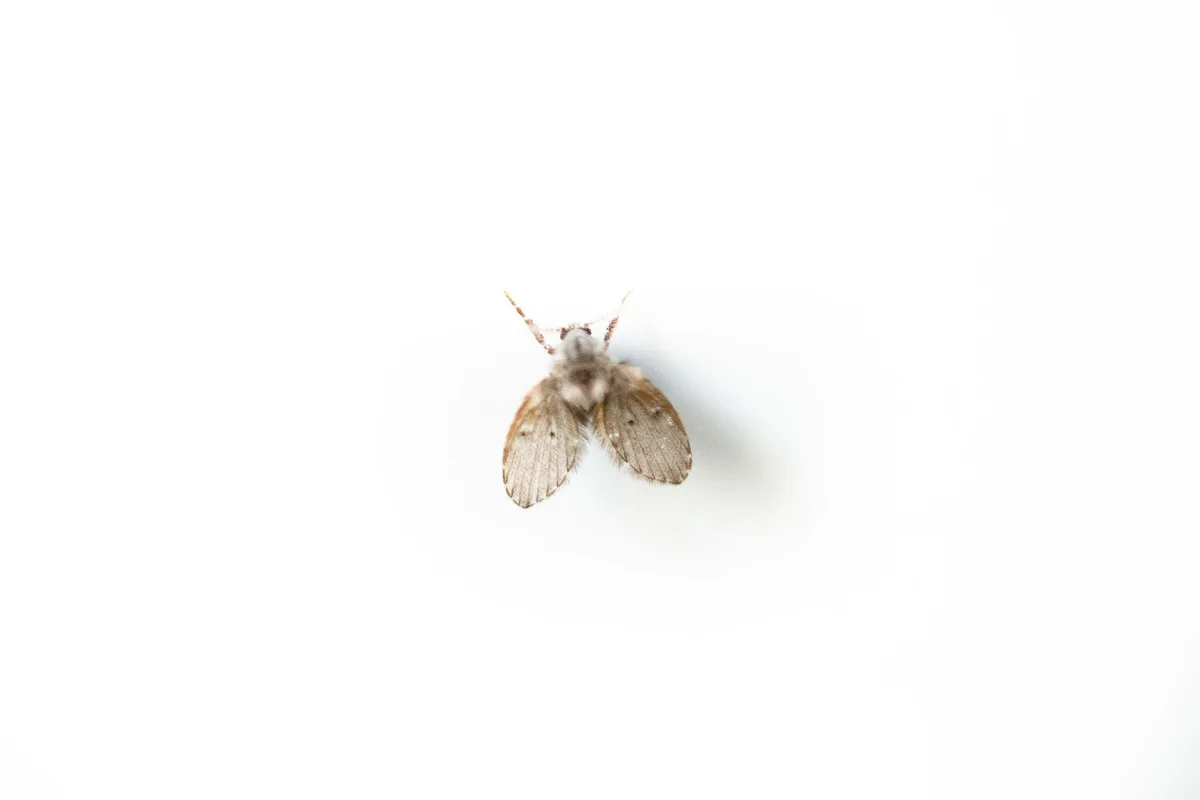
Where they breed. Drain flies live and breed in the organic sludge that builds up inside your drain pipes. That slimy film is their nursery. They don’t need standing water, just a moist, dark surface coated with bacteria, soap scum, and food particles.
How to get rid of them. You have to clean the drain physically. Pouring bleach or boiling water alone won’t remove the gunk, it just kills the top layer. The right approach is to scrub the inside of the drain pipe with a stiff brush or a drain snake.
After that, use an enzymatic drain cleaner that eats organic material. Follow the product instructions: typically you pour it in at night and let it sit overnight. Repeat every 3 to 5 days for two weeks to break the breeding cycle.
Prevention. Run your sink regularly to keep water moving. Once a week, pour a mix of baking soda and vinegar down the drain, let it fizz for 15 minutes, then flush with hot water. Fix any leaky pipes that stay damp.
Drain flies are stubborn. If you still see them after two weeks of treatment, you may have a break in the pipe or a clogged vent that needs a plumber. But for most homes, consistent cleaning does the job.
Branch 3: Tiny Flies Around Houseplants — Fungus Gnats
Fungus gnats look a lot like fruit flies at first glance, but they’re darker, almost black, and have long legs. They move slowly and seem to drift rather than dart. You’ll see them crawling on the soil surface of your houseplants or hovering just above the pot.
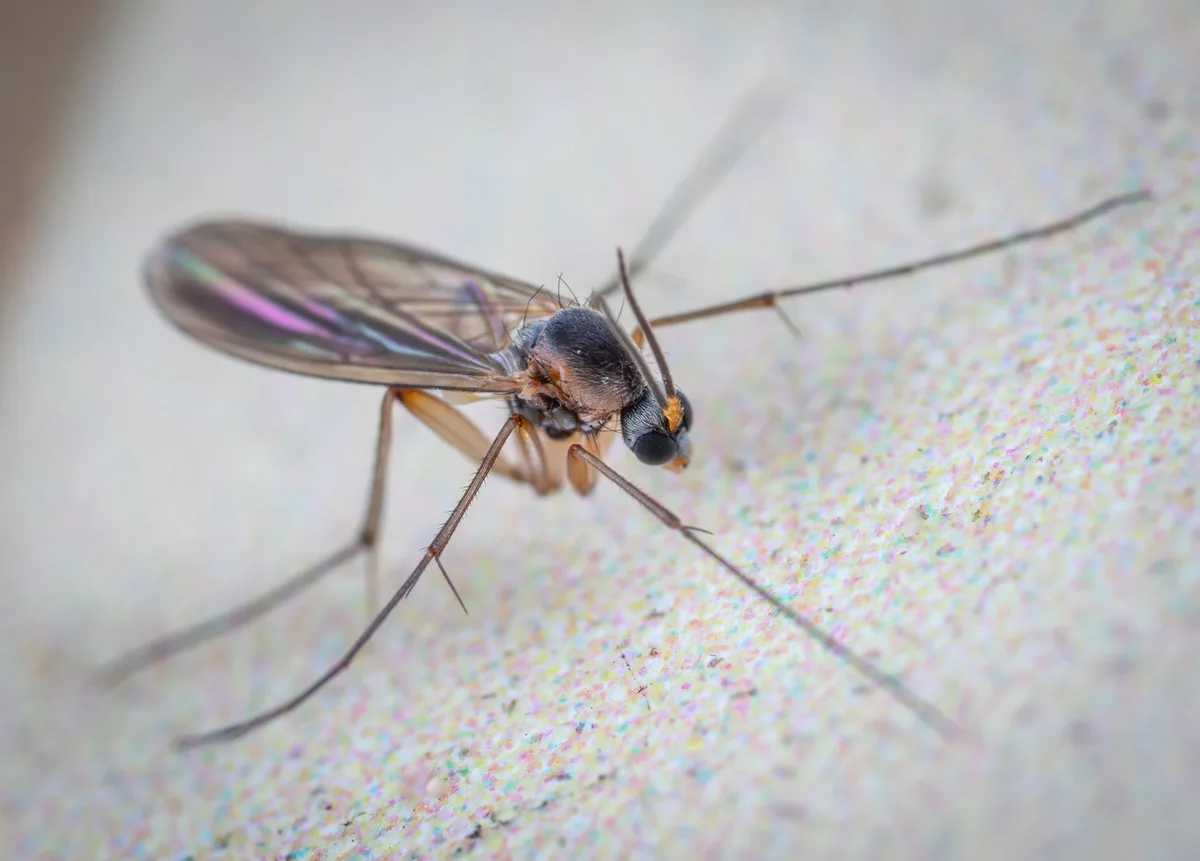
Where they breed. Fungus gnats lay their eggs in moist, organic soil. Overwatering your plants creates the perfect environment. The larvae feed on fungus and organic matter in the soil, and they can damage plant roots if the population gets large.
How to get rid of them. The most effective method is to let the soil dry out between waterings. Gnats can’t survive in dry soil. For potted plants, water only when the top inch of soil feels dry.
For larger plants, use a moisture meter to avoid overwatering.
Add a layer of sand or fine gravel (1/2 inch thick) on top of the soil. This blocks adults from laying new eggs and prevents larvae from emerging. You can also use yellow sticky traps stuck into the pot.
They catch adults and help you monitor the population.
If the infestation is heavy, drench the soil with a solution of 1 part hydrogen peroxide to 4 parts water. This kills larvae without harming most plants. Repeat weekly for three weeks.
Prevention. Choose potting soil that drains well. Avoid keeping saucers full of water under pots. If you bring new plants home, keep them separate for a few weeks and watch for gnats.
Good quality indoor plant fertilizer can also help keep soil healthy and less attractive to fungus.
Fungus gnats are common for anyone who keeps a lot of houseplants. The good news is they’re mostly a nuisance, not a health risk. Once you adjust your watering routine, they usually disappear within a couple of weeks.
We’ll continue with the remaining TOC sections in the full article.