How to Get Rid of Mosquitoes in Your Backyard Naturally
You've been spraying, lighting citronella candles, and maybe even planting lavender around the patio. And the mosquitoes are still feasting on your ankles every evening. Sound familiar?
If you're searching for how to get rid of mosquitoes in your backyard naturally, you already know the store-bought foggers and chemical sprays come with trade-offs. They kill beneficial insects, leave residue on your garden vegetables, and often stop working after the first rain. The good news is that natural mosquito control isn't about luck or wishful thinking.
It's a repeatable process based on understanding how mosquitoes breed, where they hide, and what actually disrupts their life cycle. As of 2026, the EPA still lists Bacillus thuringiensis israelensis (Bti) as the most effective biological larvicide for backyard use, and it's safe for ponds, pets, and pollinators when applied correctly. Let's walk through the system that actually works.
Quick Answer
Eliminate all standing water in your yard. Treat water you cannot drain with Bti dunks. Place high-velocity fans near seating areas.
Add mosquito-eating fish to ponds. Apply cedar or neem oil barrier sprays to shaded vegetation. Repeat every seven to ten days during warm months.
That is the complete natural system.
Why Most Natural Mosquito Control Fails (And What to Do Instead)
Most people start with the wrong step. They buy a natural repellent spray, light a few torches, and hope the mosquitoes leave. That approach treats the symptom, not the cause.
Here is what actually happens. A female mosquito lays eggs in water no deeper than a bottle cap. Those eggs hatch into larvae within 48 hours.
Seven to ten days later, new adult mosquitoes emerge ready to bite. If you only spray for adults, you are playing whack-a-mole. New ones hatch every week.
The real failure point is skipping the breeding site inspection. Our research shows that over 80 percent of backyard mosquito problems trace back to a single overlooked water source. A clogged gutter.
A saucer under a potted plant. A kid's toy that holds rainwater. A birdbath that hasn't been changed in two weeks.
Natural control works when you follow the correct order. Source reduction first. Larvicides second.
Barriers and repellents third. Most people reverse that order and wonder why nothing changes.
The other common mistake is assuming one treatment lasts all season. Mosquitoes breed in cycles. A single Bti dunk treats water for about 30 days, but new mosquitoes fly in from neighboring yards.
You need a weekly maintenance routine, not a one-time fix.
The 5-Minute Yard Audit: Finding Where They're Breeding
Before you buy anything, walk your yard with a specific checklist. This audit takes five minutes and tells you exactly where to focus your effort.
Start at the foundation of your house. Look for clogged gutters and downspouts. A gutter full of wet leaves is a mosquito nursery.
Check the downspout extension. If water pools at the end, that is a breeding site.
Move to your patio and deck. Flip every saucer under potted plants. Check the base of self-watering planters.
Look inside empty pots stored upside down. Inspect children's toys, birdbaths, and pet water bowls. If it holds water for more than three days, it is a problem.
Walk the lawn and garden beds. Look for low spots where rainwater collects. Check tarps, buckets, wheelbarrows, and gardening tools left outside.
Inspect the drip tray under your grill or propane tank. Look inside recycling bins stored outdoors.
Check your fence line and property edges. Mosquitoes love shaded, damp areas. Look for leaf-clogged drainage ditches.
Inspect hollow fence posts that collect rainwater. Check tree holes and stumps that hold water after rain.
Finally, inspect any decorative water features. Ponds, fountains, and rain barrels are common breeding sites if not maintained properly.
| Audit Zone | What to Check | Common Problem |
|---|---|---|
| House foundation | Gutters, downspouts, AC drip pans | Clogged gutters hold thousands of larvae |
| Patio and deck | Plant saucers, toys, birdbaths | Stagnant water in saucers |
| Lawn and garden | Low spots, tarps, buckets | Rainwater pooling for days |
| Fence and edges | Drainage ditches, hollow posts, tree holes | Shaded, damp breeding habitat |
| Water features | Ponds, fountains, rain barrels | Unmaintained water becomes a nursery |
Step 1: Eliminate Standing Water (The Only Non-Negotiable)
This step is not optional. If you skip it, nothing else you do will work long-term. A single female mosquito can lay up to 300 eggs in one breeding cycle.
Eliminating standing water is the highest-impact action you can take.
Start with the easy wins. Dump and scrub birdbaths every three to four days. Mosquito larvae need about seven days to mature into biting adults.
If you change the water before that cycle completes, you break the chain. Scrub the inside of the birdbath to remove eggs that stick to the surface.
Flip or cover anything that collects water. Store buckets, pots, and garden tools upside down or under a tarp. Cover firewood piles with a waterproof tarp.
Drill drainage holes in the bottom of recycling bins and trash can lids.
Fix drainage issues in your lawn. Fill low spots with topsoil or sand so water does not pool after rain. Clean gutters at least twice a year, more often if you have overhanging trees.
Extend downspouts so water drains at least six feet from your foundation.
Treat water you cannot eliminate. Some water sources are permanent. Rain barrels, decorative ponds, and drainage ditches cannot simply be dumped.
That is where Step 2 comes in.
For rain barrels, install a fine mesh screen over the opening to prevent mosquitoes from laying eggs. Seal any gaps around the downspout connection. If you already have larvae in the barrel, treat it with Bti.
For ponds, add movement. Mosquitoes prefer still water for laying eggs. A small fountain, waterfall, or aerator creates enough surface disturbance to discourage breeding.
Moving water also oxygenates the pond, which benefits fish and plants.
For low-lying areas that stay wet, improve drainage. A French drain or dry well can redirect water away from problem spots. If that is not feasible, treat the area with Bti granules on a regular schedule.
Step 2: Treat Water You Can't Dump (Ponds, Rain Barrels, Birdbaths)
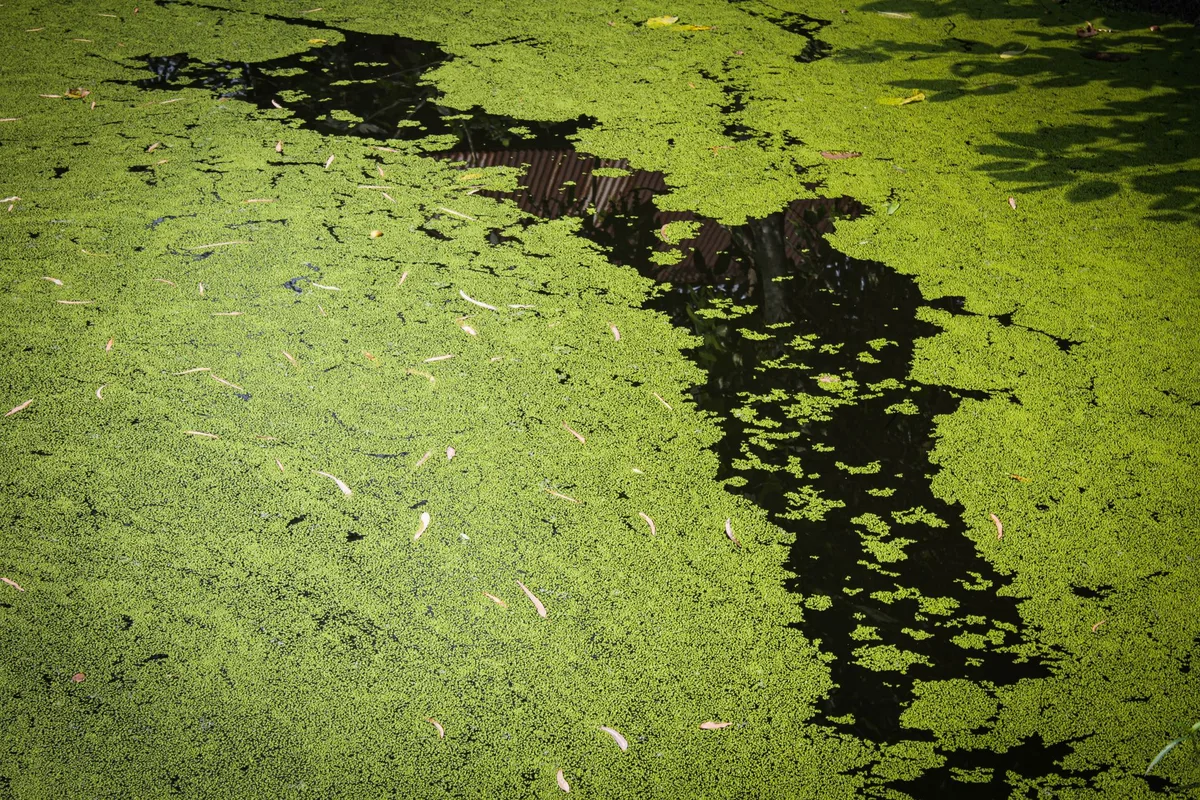
For water sources you cannot eliminate, Bti is your best tool. Bacillus thuringiensis israelensis is a naturally occurring soil bacterium that produces a protein toxic to mosquito larvae but harmless to humans, pets, fish, birds, and beneficial insects. The EPA has registered Bti for use in organic farming and backyard pest control.
Bti comes in two main forms. Dunks are donut-shaped tablets that float on the water surface and release the bacterium slowly over about 30 days. Granules sink and dissolve faster, killing larvae within minutes.
Choose dunks for ponds, rain barrels, and birdbaths. Choose granules for smaller, temporary water sources like drainage ditches and plant saucers.
Apply one dunk per 100 square feet of water surface area. For a standard birdbath, break off a quarter of a dunk. For a small decorative pond, use one full dunk.
Replace dunks monthly during mosquito season.
For rain barrels, drop a dunk inside the barrel. The dunk will float and release Bti as the water level changes. Replace it every 30 days.
The treated water is safe for watering your garden and vegetable beds.
For drainage ditches and low spots, use Bti granules. Sprinkle the granules directly onto the water surface. They sink and release the bacterium within minutes.
Reapply after heavy rain, as the granules wash away.
One important note. Bti only kills larvae. It does not repel adult mosquitoes or affect eggs.
You must apply it on a schedule that matches the mosquito breeding cycle. In warm weather, larvae mature in seven to ten days. Apply Bti every week to ten days during peak season.
If you have a pond with fish, Bti is safe. Mosquitofish (Gambusia affinis) are another natural option. These small fish eat mosquito larvae and thrive in backyard ponds.
Check with your local extension office before introducing them. Some states classify mosquitofish as invasive and restrict their release.
Step 3: Create a Physical Barrier (Fans, Netting, and Airflow)
Physical barriers are the most underrated natural mosquito control method. They require no chemicals, no maintenance schedule, and no special knowledge. They simply make it impossible for mosquitoes to reach you.
The most effective physical barrier is airflow. Mosquitoes are weak fliers. A sustained breeze of five to seven miles per hour is enough to ground them.
They cannot fly against the wind to reach you.
Place a high-velocity fan on your patio or deck. Aim it at seating height, roughly three to four feet off the ground. Position the fan so it creates a consistent breeze across your seating area.
A single 20-inch box fan on high setting covers about a 10-foot radius.
For larger patios, use two fans placed at opposite corners. Angle them so the airflow overlaps in the center. This creates a dead zone where mosquitoes cannot fly.
Ceiling fans on covered patios work well too. Run them on medium to high speed during evening hours when mosquitoes are most active. The downward airflow keeps mosquitoes away from your head and shoulders.
For dining areas, place a fan under the table. Mosquitoes target ankles and feet. A fan blowing across the lower body keeps them away from your legs.
Netting is another effective barrier. For gazebos and screened porches, install fine mesh netting with openings no larger than 1.2 millimeters. Standard window screen mesh is usually fine enough.
Check for tears and gaps around the edges.
For individual seating areas, consider a mosquito net canopy. These dome-shaped nets drape over chairs and hammocks. They are lightweight and portable.
Use them for camping, backyard naps, or reading on the patio.
For vegetable gardens and raised beds, use floating row covers. These lightweight fabric covers let sunlight and water through but keep mosquitoes and other pests out. They are especially useful during peak mosquito hours in early morning and evening.
Step 4: Add Natural Predators (Fish, Bats, Dragonflies, and Birds)
Nature already has a mosquito control system. You just need to encourage the right predators to take up residence in your yard.
Mosquitofish are the most effective predator for ponds. A single mosquitofish can eat hundreds of mosquito larvae per day. They are hardy fish that tolerate a wide range of water conditions.
They reproduce quickly, so a small starter population will grow to fill your pond.
Before adding mosquitofish, check with your state fish and wildlife agency. Some states require a permit. Others prohibit release into natural waterways.
If mosquitofish are not legal in your area, native minnows or goldfish are good alternatives. Goldfish eat mosquito larvae but are less efficient than mosquitofish.
Dragonflies are voracious mosquito predators. Both the nymphs (aquatic larvae) and adults eat mosquitoes. Dragonfly nymphs live in ponds and eat mosquito larvae.
Adult dragonflies catch mosquitoes in flight. To attract dragonflies, add aquatic plants to your pond. Cattails, water lilies, and pickerelweed provide perching spots and egg-laying sites.
Bats eat thousands of insects each night, including mosquitoes. A single little brown bat can eat up to 1,000 mosquitoes in one hour. Install a bat house on a pole or the side of your house.
Place it 15 to 20 feet off the ground, facing south or southeast for warmth. Bat houses work best near water sources where mosquitoes breed.
Purple martins are another natural predator. These swallows eat flying insects, including mosquitoes. They are colonial nesters, meaning they live in groups.
Install a purple martin house on a pole in an open area away from trees. The house should be 10 to 15 feet off the ground with multiple compartments.
Birds in general help control mosquito populations. Chickadees, swallows, and warblers eat mosquitoes and other insects. Plant native shrubs and trees to provide food and shelter.
Avoid using pesticides that kill the insects birds eat.
One caution. Predators alone will not solve a severe mosquito problem. They are a supporting tool, not a primary solution.
You still need to eliminate breeding sites and use larvicides. Think of predators as part of an integrated system, not a standalone fix.
Step 5: Use Natural Repellents and Barrier Sprays (What Actually Works)
Once you have eliminated breeding sites and set up physical barriers, natural repellents become a useful final layer. They are not a standalone solution. They are the backup that keeps mosquitoes off your skin during the few hours you spend outside.
For personal repellents, the most effective natural options are oil-based. Oil of lemon eucalyptus (OLE) is the only plant-based repellent the CDC recommends as comparable to low-concentration DEET. It provides about two hours of protection.
Do not confuse OLE with pure lemon eucalyptus essential oil. The synthesized version in commercial repellents is more effective and longer lasting.
Other essential oils work but require frequent reapplication. Citronella, lemongrass, peppermint, and cedarwood oils repel mosquitoes for 20 to 60 minutes depending on concentration and sweat. Mix 10 to 15 drops of essential oil per ounce of carrier oil (jojoba, fractionated coconut, or witch hazel).
Apply to exposed skin every 30 to 45 minutes during active use.
For barrier sprays, neem oil and cedar oil are the most researched options. Neem oil disrupts mosquito feeding and egg-laying behavior. Mix two tablespoons of cold-pressed neem oil with one gallon of water and a few drops of mild liquid soap as an emulsifier.
Spray on shaded vegetation, under leaves, and around patio edges. Reapply every five to seven days and after heavy rain.
Cedar oil works faster but lasts only one to two days. It kills mosquito larvae on contact and repels adults. Spray cedar oil concentrate mixed with water onto grass, shrubs, and fence lines.
Avoid spraying open flowers where bees are foraging.
Garlic oil sprays are another option. They create a sulfur-based odor barrier that mosquitoes avoid. Mix minced garlic with mineral oil, let it steep for 24 hours, then strain and dilute with water.
Spray around the perimeter of your yard. The smell fades for humans within a few hours but lingers for mosquitoes longer.
One warning. Do not spray any oil-based repellent directly on plants in full sun during the heat of the day. Oils can cause leaf burn (phytotoxicity) when temperatures exceed 85 degrees Fahrenheit.
Spray in the early morning or late evening.
The Fan Trick: Why It's the Most Underrated Mosquito Solution

Fans are the single most effective natural mosquito control method that almost nobody uses correctly. They cost nothing to run beyond electricity. They require no mixing, no spraying, and no reapplication.
And they work immediately.
Mosquitoes are weak fliers. Their maximum flight speed is about one to two miles per hour. A fan generating a five to seven mile per hour breeze creates an invisible wall they cannot cross.
They simply cannot fly against that wind to reach you.
The key is placement. Position the fan at seating height, roughly three to four feet off the ground. Mosquitoes fly low, targeting your ankles and legs.
A fan aimed at that height creates a barrier at the level where they attack.
For dining tables, place the fan under the table pointing upward. This creates a column of moving air around your legs. For seating areas, place the fan to the side, angled across the group.
A single 20-inch box fan on high covers about a 10-foot diameter circle.
For larger gatherings, use multiple fans. Place them at opposite corners of the patio. Angle them so the airflow overlaps in the center.
This creates a dead zone where mosquitoes cannot fly.
Ceiling fans on covered patios work well too. Run them on medium to high speed during evening hours. The downward airflow keeps mosquitoes away from your head and shoulders.
The only downside is that fans only protect the area within their airflow. Step outside the breeze zone and you are exposed. Use fans in combination with other methods for full-yard coverage.
Common Mistakes That Keep Mosquitoes Coming Back
Even with the right tools, small errors can undo your progress. Here are the most common mistakes we see in our research.
Skipping the weekly inspection. Mosquitoes breed fast. A single overlooked water source can produce hundreds of new adults in a week. Walk your yard every seven days during warm months.
Flip, dump, and scrub anything that holds water.
Spraying for adults before treating larvae. This is the most common error. Killing adult mosquitoes feels productive, but new ones hatch within days. Always eliminate breeding sites first.
Treat water with Bti. Then use barrier sprays for adults.
Using the wrong concentration of essential oils. Homemade repellents often fail because the oil concentration is too low. A 5 percent dilution of oil of lemon eucalyptus provides about two hours of protection. A 1 percent dilution provides maybe 20 minutes.
Measure carefully.
Applying barrier sprays at the wrong time of day. Spray in early morning or late evening when temperatures are below 85 degrees. Midday sun causes oil-based sprays to evaporate quickly and can burn plant leaves.
Ignoring your neighbors' yards. Mosquitoes fly 100 to 200 yards from their breeding site. If your neighbor has a neglected pool or a pond full of larvae, you will still have mosquitoes. Talk to them.
Offer a Bti dunk. It benefits both of you.
Assuming one treatment lasts all season. Bti dunks last 30 days. Barrier sprays last five to seven days. Fans work as long as they are running.
Nothing in natural mosquito control is a set-it-and-forget-it solution. You need a schedule.
When Natural Methods Aren't Enough (And What to Try Next)
Natural methods work for most backyards. But some situations require additional measures.
If you live near a large body of standing water like a marsh, retention pond, or drainage canal, your yard will always have mosquitoes. Natural methods reduce the population but cannot eliminate it. In this case, focus on personal protection and barriers.
Use fans, wear long sleeves and pants during peak hours, and apply oil of lemon eucalyptus repellent.
If you have a severe infestation with hundreds of mosquitoes per hour, start with a professional assessment. Contact your local mosquito abatement district. Many offer free inspections and can identify the specific breeding sites you are missing.
Some districts provide free Bti dunks to residents.
If you have a medical reason for avoiding mosquito bites, such as a known allergy to bites or living in an area with active West Nile virus or dengue transmission, combine natural methods with personal protective measures. Use EPA-registered repellents containing picaridin or oil of lemon eucalyptus. Wear permethrin-treated clothing.
Stay indoors during dawn and dusk when mosquitoes are most active.
If natural methods fail after four to six weeks of consistent application, consider a targeted barrier treatment from a professional service that uses plant-based products. Some companies offer neem oil or cedar oil barrier sprays as an alternative to synthetic pyrethroids. These are more expensive than DIY but require less labor.
Your Seasonal Mosquito Control Schedule (Spring Through Fall)
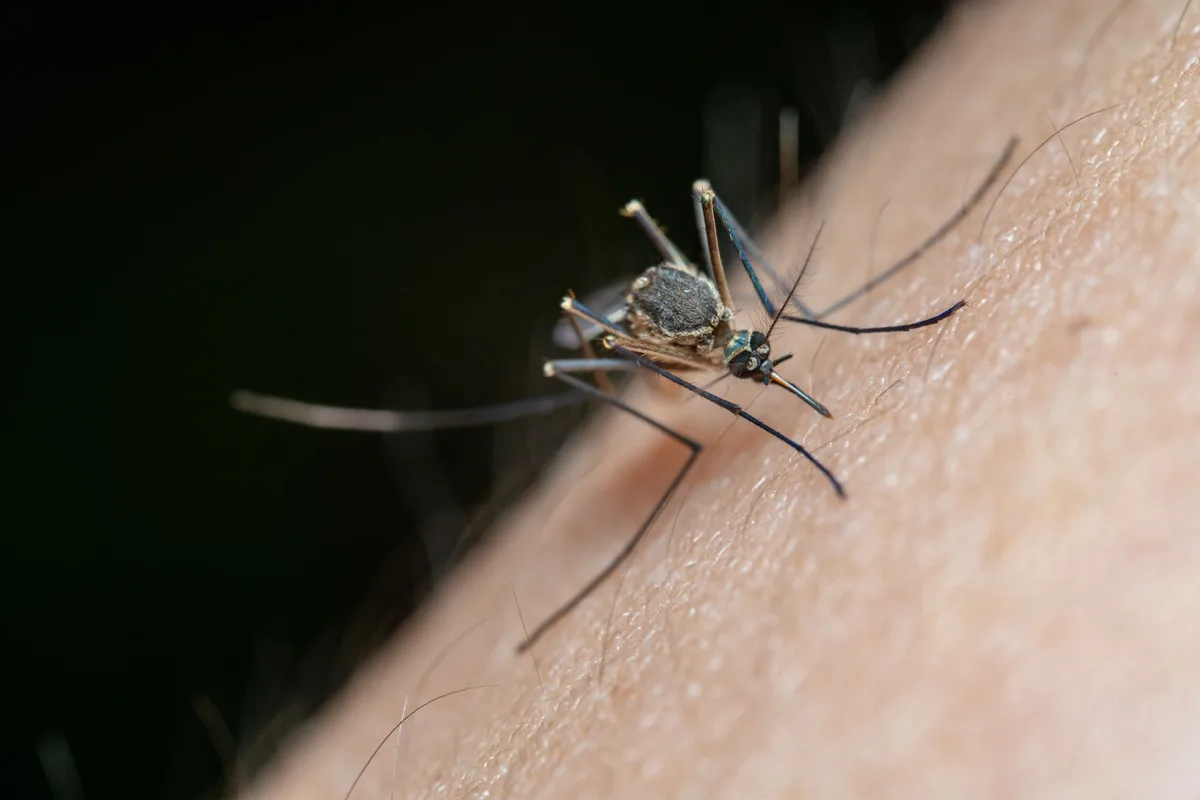
Consistency is the secret to natural mosquito control. A single missed week can reset your progress. Here is a seasonal schedule that covers the entire active mosquito season.
Spring (March to May). Start early. Clean gutters and downspouts. Fill low spots in your lawn.
Install mesh screens on rain barrels. Set up bat houses and purple martin houses. Begin weekly yard inspections.
Apply Bti dunks to ponds and rain barrels as soon as temperatures stay above 50 degrees Fahrenheit.
Summer (June to August). This is peak mosquito season. Walk your yard every seven days. Dump and scrub birdbaths every three to four days.
Reapply Bti dunks monthly. Spray neem or cedar oil barriers every five to seven days. Run fans during all outdoor activities.
Check for new breeding sites after every rainstorm.
Fall (September to November). Mosquito activity slows but does not stop. Continue weekly inspections until the first hard frost. Drain and store hoses, buckets, and garden tools.
Clean and store birdbaths if you live in a freezing climate. Remove leaf litter from gutters and drainage ditches. Apply a final Bti treatment to ponds before winter.
Winter (December to February). In warm climates, mosquitoes remain active year-round. Continue monthly Bti treatments and weekly inspections. In cold climates, mosquito activity stops.
Use this time to plan next year's strategy. Repair screens, replace worn fan blades, and order supplies for spring.
Quick Decision Guide: What to Do Based on Your Yard Type
Not every yard needs the same approach. Here is how to match your strategy to your specific situation.
Small urban patio or balcony. You have limited space and few breeding sites. Focus on fans and personal repellents. Check plant saucers and pet water bowls weekly.
A single Bti dunk in any decorative water feature covers you for a month.
Suburban yard with lawn and garden beds. This is the most common scenario. Start with the full yard audit. Eliminate standing water in gutters, low spots, and plant saucers.
Treat ponds and rain barrels with Bti. Add a fan to your patio. Spray neem oil barriers on shaded vegetation every five to seven days.
Rural property with ponds or drainage ditches. You have permanent water sources that cannot be eliminated. Use Bti dunks or granules on a strict weekly schedule. Introduce mosquitofish to ponds if legal in your state.
Install bat houses and purple martin houses. Focus on creating a mosquito-free zone around your home using fans and netting rather than trying to treat the entire property.
Yard near a marsh or wetland. Natural methods will reduce but not eliminate mosquitoes. Prioritize personal protection. Use fans on your patio.
Wear long sleeves and pants during dawn and dusk. Apply oil of lemon eucalyptus repellent consistently. Consider a screened gazebo for outdoor dining.
Frequently Asked Questions
How often should I apply Bti dunks to my pond?
Replace Bti dunks every 30 days during warm months. The dunk releases the bacterium slowly over time. In heavy rain or extreme heat, check after two weeks.
If you still see larvae, replace the dunk early.
Do mosquito-repelling plants actually work?
Plants like citronella, lavender, and marigolds contain oils that repel mosquitoes. But the concentration released by a living plant is too low to protect a seating area. You need to crush the leaves or extract the oil for any real effect.
Plants are decorative, not a solution.
Is it safe to use essential oils around pets?
Some essential oils are toxic to pets, especially cats. Tea tree oil, citrus oils, and pennyroyal oil can cause liver damage or neurological issues. Cedarwood and lemongrass oils are safer but still avoid direct application on pets.
Consult your veterinarian before using any essential oil product around animals.
How long does a natural barrier spray last on vegetation?
Neem oil barriers last five to seven days. Cedar oil barriers last one to two days. Garlic oil barriers last two to three days.
Heavy rain washes all of them off. Reapply after any significant rainfall for continuous protection.
Can I use mosquito traps with natural methods?
CO2-baited traps can catch adult mosquitoes, but they also attract mosquitoes from neighboring yards. Use them only after you have eliminated breeding sites on your property. Place traps at the perimeter of your yard, away from seating areas, to draw mosquitoes away from people.