How to Prevent Mosquitoes After Rain for 2026: Simple Steps
You know that feeling when the rain finally stops, the air smells fresh, and you just want to open every window? Then the buzzing starts. Within days, you're slapping your ankles and reaching for the bug spray.
It's not your imagination. Rain creates the perfect breeding ground for mosquitoes, and if you don't act fast, you'll be dealing with a full-blown invasion.
Learning how to prevent mosquitoes after rain isn't complicated, but it does require timing. Female mosquitoes lay eggs in standing water, and those eggs can hatch into adults in as little as 7 to 10 days. That means you have a narrow window to stop the next generation before it takes flight.
As of 2026, the CDC still reports that mosquitoes are the deadliest animals on the planet, spreading diseases like West Nile, Zika, and dengue. The good news? A few targeted steps after every rainfall can break the cycle completely.
Quick Answer
Walk your yard after every rain. Empty anything holding water. Treat what you can't drain with Bti dunks.
Fix drainage issues. Seal your home. Act within 7 days to stop the breeding cycle.
That's the whole process in one breath.
The 7-Day Window: Why Timing Matters After Rain
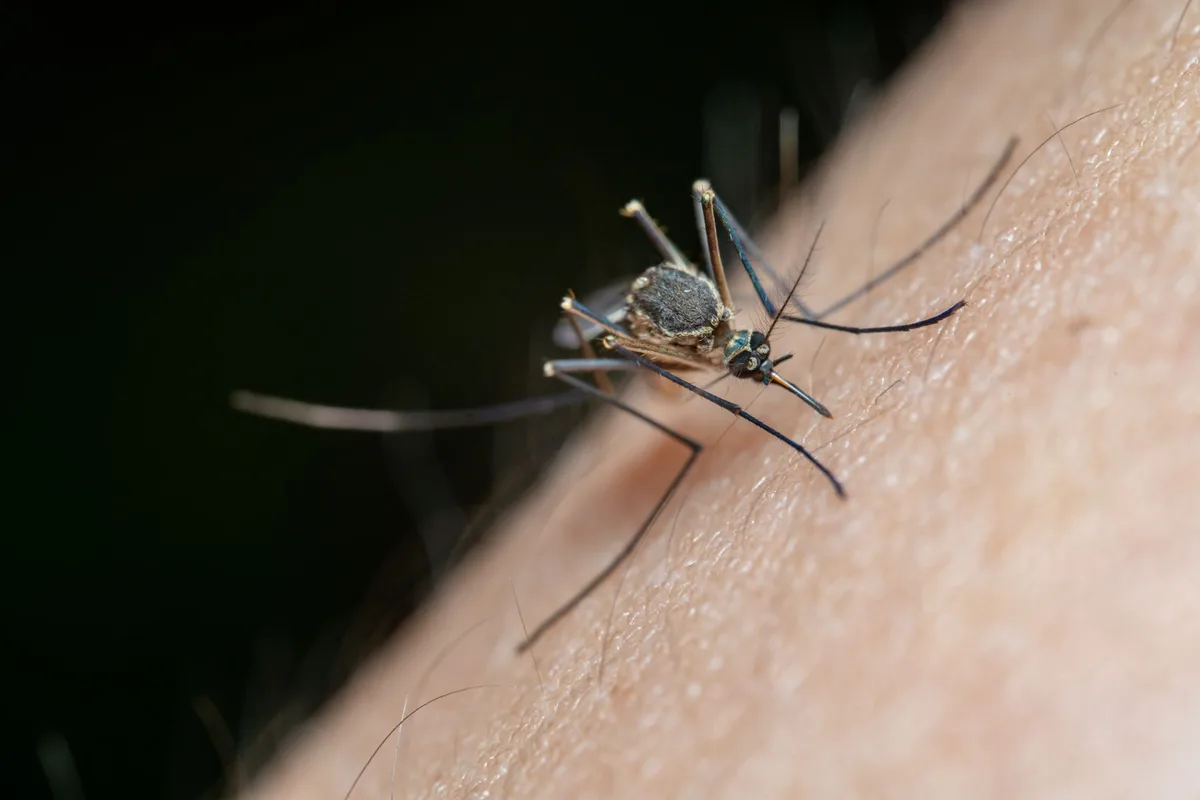
Mosquitoes don't appear out of thin air. They come from eggs, and those eggs need water. A female mosquito lays her eggs on the surface of standing water or on damp soil that's about to flood.
Within 24 to 48 hours, those eggs hatch into larvae. The larvae swim and feed for about a week. Then they turn into pupae.
A day or two later, adult mosquitoes emerge and start looking for blood.
That timeline is your window. If you remove or treat the water within the first 7 days, you kill the larvae before they become flying pests. Wait longer, and you're dealing with a new generation that's already airborne.
Here's what speeds up the clock:
- Warm weather. Water temperatures between 70°F and 90°F accelerate development. Larvae can mature in as few as 4 days in hot conditions.
- Shallow water. Puddles, plant saucers, and clogged gutters warm up faster than deep ponds. Mosquitoes prefer these shallow spots.
- Organic matter. Leaves, grass clippings, and algae in the water provide food for larvae. Dirty water is a mosquito nursery.
The takeaway is simple. After every rain, you have about a week to act. The sooner you move, the fewer mosquitoes you'll have.
Step 1: Walk Your Yard – Where Water Hides After a Storm
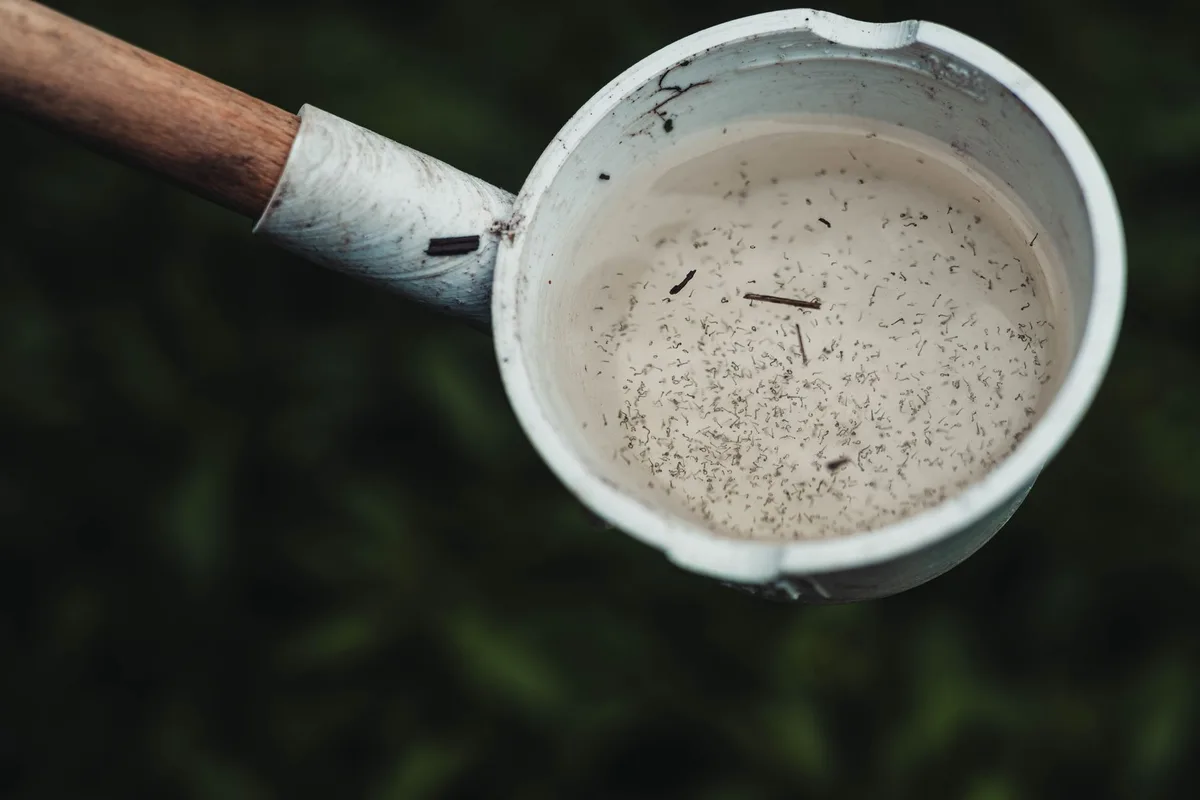
You can't fix what you don't see. The first step after rain is a slow, deliberate walk around your property. Look for anything holding water.
Some spots are obvious. Others are sneaky.
Start with the usual suspects:
- Buckets, pots, and plant saucers. These are the number one breeding site in most yards. Even a bottle cap can hold enough water for mosquito eggs.
- Birdbaths. They look nice, but they're prime real estate for mosquitoes. Change the water every 3 to 4 days.
- Pet water bowls. Same problem. Refresh them daily.
- Kids' toys. Trucks, sand buckets, and play sets collect water after rain. Tip them over.
- Tarps and pool covers. Water pools in the folds. Pull the tarp tight or drain the pockets.
- Garbage can lids. If they're upside down or sitting flat, they hold water. Store them on their side.
Now check the hidden spots:
- Clogged gutters. Leaves and debris block the downspout. Water sits in the gutter for days. This is one of the most overlooked breeding sites.
- Low spots in the lawn. Depressions where water pools after rain. If the water doesn't drain within 48 hours, you have a problem.
- Drainage ditches. If they're blocked with debris, water backs up and stands still.
- French drains. Check the outlet. If it's clogged, water backs up inside the pipe.
- Rain barrels. If the screen on top is torn or missing, mosquitoes get in and lay eggs on the water surface.
- Septic tanks. A cracked or unsealed septic vent can become a mosquito breeding ground.
- Tree holes. Old trees with cavities collect rainwater. Fill them with sand or gravel.
- Stacked firewood. Rain collects between logs. Cover the pile or store it off the ground.
If you find standing water, you have two choices. Drain it or treat it. That's the next step.
Step 2: The "Tip and Toss" Rule – What to Empty Right Now
This is the simplest and most effective thing you can do. Walk around with a bucket or a hose. Tip over anything that's holding water.
Toss out anything you don't need.
Here's the rule of thumb. If you can move it, empty it. If you can't move it, drill a hole in the bottom.
If you can't drill a hole, treat the water.
What to empty immediately:
- Flower pot saucers
- Buckets and bins
- Wheelbarrows left outside
- Children's wading pools
- Coolers and trash can lids
- Garden tools with hollow handles
- Decorative containers and urns
What to drill holes in:
- Old tires. They're notorious mosquito breeders. Drill several holes in the bottom so water drains out.
- Plastic planters. If they sit flat on a surface, drill drainage holes.
- Trash cans. Drill holes in the bottom so water doesn't pool under the lid.
What to store upside down or covered:
- Buckets and pots. Store them upside down when not in use.
- Wheelbarrows. Tip them over or store them under a tarp.
- Birdbaths. Flip them over between uses, or change the water every 3 days.
The "tip and toss" method costs nothing and takes about 15 minutes after every rain. It's the single most effective prevention strategy you have.
Step 3: When You Can't Drain It – Treating Standing Water That Won't Go Away
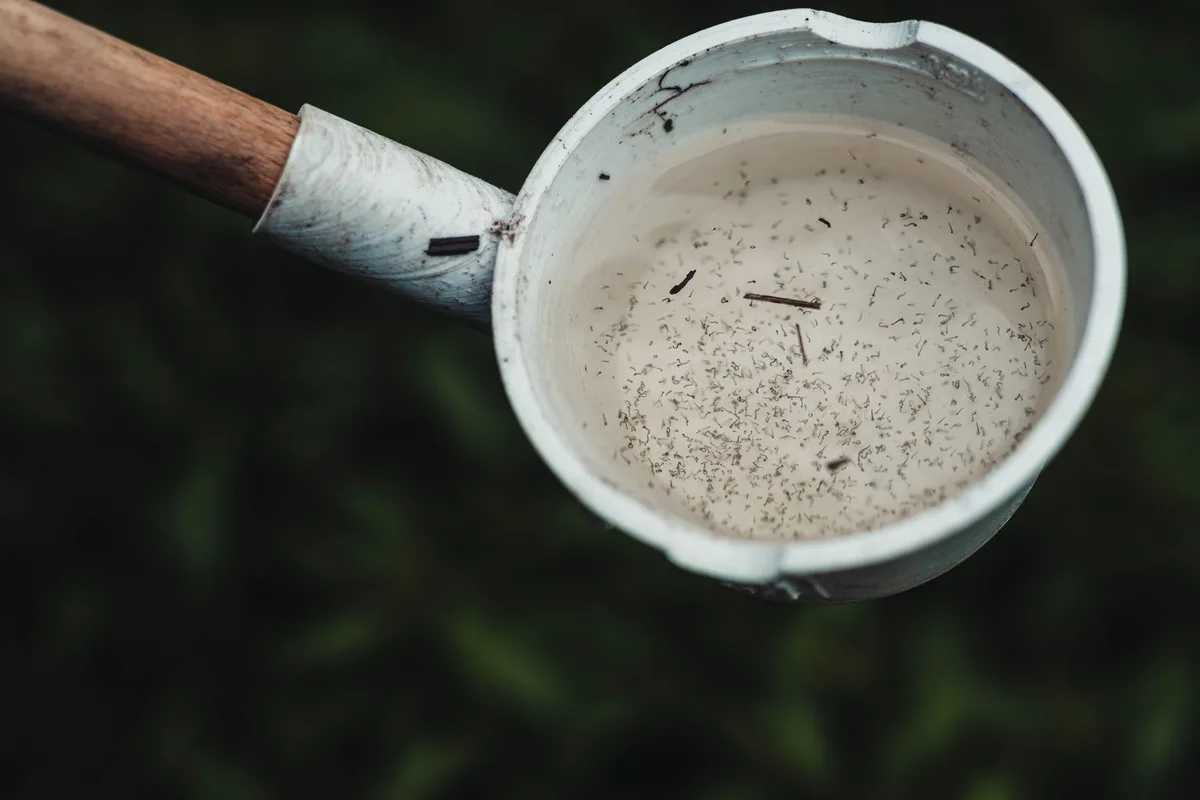
Some water isn't going anywhere. Maybe you have a rain garden, a pond, a drainage ditch that stays wet, or a low spot in the yard that takes a week to dry out. You can't tip and toss a pond.
So what do you do?
You treat it with a larvicide. Specifically, you use Bacillus thuringiensis israelensis, or Bti for short. Bti is a naturally occurring bacterium that kills mosquito larvae but is harmless to people, pets, birds, fish, and beneficial insects like bees and butterflies.
It's the gold standard for mosquito control in standing water.
Bti comes in two main forms:
| Form | How It Works | Best For |
|---|---|---|
| Dunks | Slow-release donut-shaped tablets. Float on the water and release Bti over 30 days. | Ponds, rain gardens, large puddles, drainage ditches |
| Bits | Granular form. Sprinkle on the water. Kills larvae within 24 hours. | Smaller areas, plant saucers, birdbaths, clogged gutters |
Which one should you use? It depends on the situation.
Use dunks if:
- You have a pond or large water feature
- The water stays for weeks or months
- You want long-term, set-it-and-forget-it control
- You have fish in the water (Bti is safe for them)
Use bits if:
- You have small, temporary puddles
- You need fast knockdown of existing larvae
- You're treating plant saucers or birdbaths
- You want to target specific spots quickly
Here's how to apply them:
- For dunks. Toss one dunk into the water for every 100 square feet of surface area. It floats. It releases Bti for about a month. Replace it after heavy rain or when it dissolves.
- For bits. Sprinkle a teaspoon of bits per 25 square feet of water surface. The bits sink and release Bti within 24 hours. Reapply after heavy rain.
One important note. Bti only kills larvae. It doesn't kill adult mosquitoes.
If you already have flying mosquitoes, you'll need an adulticide or a trap. But if you treat the water before the larvae mature, you stop the next generation before it starts.
What about other treatments? Some people use mosquito fish (Gambusia affinis) in ponds. These small fish eat mosquito larvae.
They're effective, but they can become invasive in some areas. Check with your local mosquito control district before introducing them.
What about oil or bleach? Don't use them. Oil suffocates the water and kills everything in it.
Bleach kills plants, fish, and beneficial insects. Stick with Bti. It's targeted, safe, and proven.
Step 4: Fix the Drainage – Stopping Puddles Before They Form
You can tip and toss all day. But if your yard has drainage problems, you'll be fighting the same battle after every storm. Fixing the drainage stops puddles before they become mosquito nurseries.
Start with the easy fixes first.
Fill low spots. Walk your yard after a heavy rain. Mark every spot where water pools and doesn't drain within 48 hours. Buy a few bags of topsoil or fill dirt.
Spread it in the low areas. Tamp it down. Seed or sod over it.
That's usually enough for shallow depressions.
Clean your gutters. Clogged gutters are one of the biggest mosquito breeding sites in residential yards. Leaves and debris block the downspout. Water sits in the gutter channel for days.
Clean your gutters at least twice a year. More often if you have overhanging trees. Consider installing gutter guards to reduce the buildup.
Extend downspouts. If your downspout dumps water right next to the foundation, you're creating a puddle that lasts for days. Add a downspout extension. Aim for at least 4 to 6 feet away from the house.
You can buy flexible extensions at any hardware store for under $10.
Check your grading. The ground around your house should slope away from the foundation. If it slopes toward the house, water collects against the wall. That's bad for your basement and great for mosquitoes.
Add fill dirt to regrade the slope. Aim for at least 6 inches of drop over the first 10 feet.
For tougher problems, consider these solutions:
| Problem | Solution | Cost Range | Difficulty |
|---|---|---|---|
| Persistent puddle in the yard | French drain | $500–$2,000 | Moderate to high |
| Water pooling near the foundation | Regrading or dry well | $300–$1,500 | Moderate |
| Soggy low spot that never dries | Rain garden with native plants | $200–$800 | Low to moderate |
| Standing water in a drainage ditch | Clean and deepen the ditch | $0–$200 | Low |
French drains are the gold standard for persistent wet spots. A French drain is a trench filled with gravel and a perforated pipe. It collects water and redirects it to a better location.
You can install one yourself with a shovel and some gravel, but it's hard work. Many homeowners hire a landscaper.
Rain gardens are a beautiful alternative. You dig a shallow depression, fill it with native plants that tolerate wet feet, and let the water soak in naturally. The plants absorb the water, and the deep roots help it drain faster.
Plus, they attract pollinators instead of mosquitoes.
Dry wells work well for downspout runoff. You dig a hole, fill it with gravel or a plastic chamber, and route the downspout into it. The water slowly percolates into the soil.
It's a good option if you have sandy or loamy soil that drains well.
One warning. Don't create a new problem while fixing an old one. Make sure your drainage solution doesn't push water onto your neighbor's property.
That's a quick way to create tension and potentially legal issues.
Step 5: Seal Your Home – Keeping Mosquitoes Out After They Hatch
You've treated the yard. You've drained the puddles. But mosquitoes are persistent.
Some will still find their way toward your home. Your last line of defense is the building itself.
Mosquitoes enter homes through gaps. Tiny gaps. A mosquito can squeeze through a hole the size of a pencil tip.
That means your window screens, door sweeps, and foundation cracks all matter.
Check your window screens. Walk around your house and inspect every screen. Look for tears, holes, and gaps around the frame. Hold the screen up to the light.
If you see pinpricks of light, mosquitoes see an open door. Patch small holes with a screen repair kit. Replace screens that are too far gone.
Install or replace door sweeps. The gap under your exterior door is a highway for mosquitoes. A standard door sweep costs about $10 and takes 10 minutes to install. If you already have one, check that it's making contact with the threshold.
Replace it if it's worn or cracked.
Seal gaps around pipes and wires. Look at the outside of your house. Where do pipes, cables, and wires enter? There's usually a gap around them.
Fill those gaps with exterior-grade caulk or expanding foam. Pay special attention to:
- Air conditioner lines
- Cable and internet wires
- Gas and water pipes
- Exhaust vents
- Outdoor electrical outlets
Check your foundation. Walk the perimeter of your house. Look for cracks in the foundation or gaps where the siding meets the foundation. Seal any openings with caulk or hydraulic cement.
Inspect your attic and crawl space. These areas often have vents that are missing screens or have damaged screens. Mosquitoes can enter through these vents and then find their way into the living space. Replace or repair any damaged vent screens.
Consider a perimeter spray. If you live in an area with heavy mosquito pressure, a residual insecticide spray around the foundation and lower vegetation can help. Look for products containing permethrin or lambda-cyhalothrin. Spray the lower 2 to 3 feet of exterior walls, around doors and windows, and on the underside of eaves.
Follow the label instructions exactly. Keep pets and children away until the spray dries.
One note on permethrin. It's highly toxic to cats, even when dry. If you have outdoor cats, skip the perimeter spray or use a different active ingredient like lambda-cyhalothrin.
Larvicides vs. Adulticides – Which One You Actually Need
This is where a lot of people get confused. They see mosquitoes flying around and reach for a fogger or a spray. That kills the adults that are biting you right now.
But it does nothing to stop the next generation.
Here's the difference in plain terms.
Larvicides kill mosquito larvae. They go in the water. They stop the babies before they grow up.
Bti dunks and bits are larvicides. They're preventive. They're the long-term solution.
Adulticides kill adult mosquitoes. They come as sprays, foggers, and aerosols. They're reactive.
They solve the problem right now but don't prevent new mosquitoes from emerging tomorrow.
Which one do you need? It depends on your situation.
Use larvicides if:
- You have standing water you can't drain
- You want to prevent mosquitoes before they become a problem
- You're willing to wait a few days for results
- You want the most cost-effective long-term solution
Use adulticides if:
- You have an active mosquito problem right now
- You're hosting an outdoor event tonight
- You've already treated the water but need immediate relief
- You're dealing with a disease outbreak in your area
Use both if:
- You have standing water AND active adult mosquitoes
- You want immediate relief AND long-term prevention
- You live in an area with high mosquito pressure
Here's the strategy that works best in our research. Start with larvicides. Treat every source of standing water with Bti dunks or bits.
That stops the breeding cycle. Then, if you still have adult mosquitoes, use an adulticide as a temporary measure. But don't rely on adulticides alone.
They wear off in a few hours or days. The water is still there. The larvae are still hatching.
You're just treating the symptom.
Think of it this way. Larvicides are fixing the leaky pipe. Adulticides are mopping the floor.
You need to do both, but fixing the pipe is the real solution.
Common Mistakes That Make Post-Rain Prevention Fail
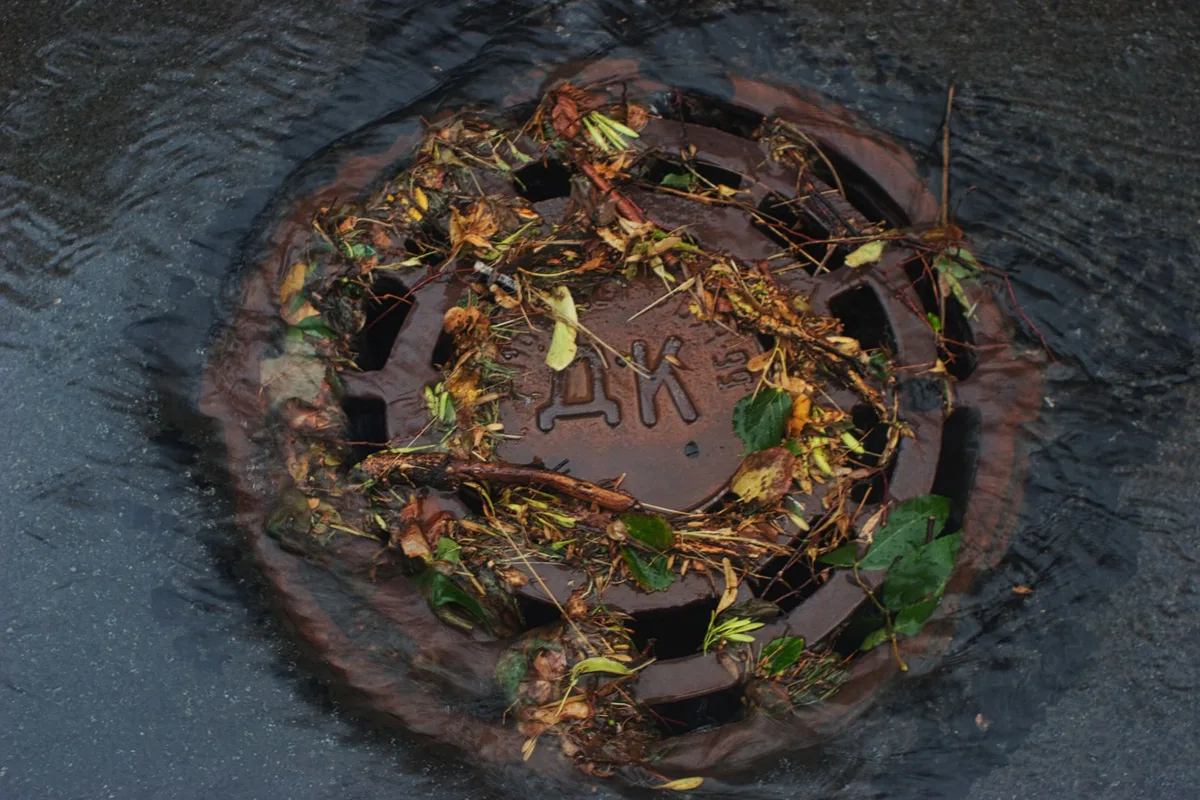
Even with good intentions, people make the same mistakes over and over. Here are the ones we see most often.
Mistake 1: Forgetting hidden water. You emptied the birdbath and flipped the buckets. But you forgot the clogged gutter, the tire swing, the kids' sandbox cover, and the hollow fence post. Mosquitoes only need a bottle cap of water.
Check every nook and cranny.
Mistake 2: Waiting too long. You know you should walk the yard after rain. But you put it off for a week. By then, the larvae have already turned into adults.
You've lost your window. Act within 48 hours of the rain stopping.
Mistake 3: Using the wrong treatment. You bought a fogger and sprayed the whole yard. It killed the adults for a few hours. But the larvae in the birdbath are still growing.
You need larvicides for the water and adulticides for the air. Don't confuse the two.
Mistake 4: Overwatering after rain. It rained yesterday. Your lawn is still wet. But you run the sprinklers anyway.
Now you've created fresh puddles on top of the rain puddles. Skip the irrigation for a few days after a storm.
Mistake 5: Ignoring the neighbors. You've done everything right. Your yard is pristine. But your neighbor has a kiddie pool full of green water and a clogged gutter.
Mosquitoes can fly a mile or more. You can't solve the problem alone. Talk to your neighbors.
Share what you've learned. Offer to help them tip and toss.
Mistake 6: Using bleach or oil in water. Some online advice tells you to put bleach or vegetable oil in standing water. Don't do it. Bleach kills everything in the water, including plants and beneficial insects.
Oil suffocates the water and creates a mess. Use Bti. It's targeted and safe.
Mistake 7: Not reapplying after more rain. You put a Bti dunk in the pond two weeks ago. Then it rained again. The dunk might still be working, but heavy rain can wash it away or dilute it.
Check your treatments after every storm. Reapply if needed.
Mistake 8: Forgetting about daytime mosquitoes. Most people think mosquitoes only come out at dusk. That's true for some species. But Aedes mosquitoes, which carry dengue and Zika, are active during the day.
Don't let your guard down just because the sun is out.
When to Call a Professional or Your Local Mosquito Control District
Most mosquito problems can be handled with the steps in this article. But sometimes you need backup.
Call your local mosquito control district if:
- You have a large area of standing water you can't treat yourself
- You're seeing a sudden explosion of mosquitoes after a flood or hurricane
- There's a confirmed case of West Nile, Zika, or dengue in your area
- You live near a marsh, wetland, or floodplain that's producing mosquitoes
- You've tried everything and the problem isn't getting better
Mosquito control districts have resources you don't. They can do aerial spraying for large areas. They can treat drainage ditches and stormwater systems.
They can test mosquitoes for diseases. And their services are usually free or very low cost.
Find your local district by searching online for "mosquito control district" plus your county name. Most have a website with contact information and service request forms.
Call a private pest control company if:
- You need a one-time treatment for a special event
- You want a recurring treatment plan throughout mosquito season
- You have a specific problem spot that needs professional equipment
- You're not comfortable handling insecticides yourself
Professional treatments typically cost $75 to $150 per visit. Many companies offer seasonal plans with monthly or biweekly treatments. They use commercial-grade equipment and products that are more effective than what you can buy at the hardware store.
One thing to keep in mind. Professionals use the same active ingredients you can buy yourself. The difference is the equipment and the timing.
A professional fogger produces finer droplets that stay in the air longer. A professional sprayer reaches higher into trees and shrubs. If you have a large property or heavy mosquito pressure, the investment is worth it.
Quick Decision Guide – What to Do Based on Your Situation
Every yard is different. Every rain is different. Here's a simple decision guide to tell you exactly what to do based on your situation.
If you have small puddles that dry within 48 hours. Do nothing. The water is gone before larvae can mature. Just monitor after the next rain.
If you have plant saucers, buckets, or toys holding water. Tip and toss. Empty everything. Store containers upside down.
This takes 10 minutes and costs nothing.
If you have a birdbath or pet water bowl. Change the water every 3 days. Scrub the sides to remove any eggs. This breaks the cycle completely.
If you have clogged gutters. Clean them immediately. Then install gutter guards to prevent future clogs. This is one of the most overlooked solutions.
If you have a pond or rain garden. Drop in a Bti dunk. It lasts 30 days. Replace after heavy rain.
Safe for fish and plants.
If you have a low spot in the yard that stays wet for a week. Fill it with topsoil. If that doesn't work, install a French drain or plant a rain garden.
If you have a rain barrel with a torn screen. Replace the screen with 1/16-inch mesh. Check it after every storm.
If you have adult mosquitoes biting you right now. Use a fan on your patio. Mosquitoes are weak fliers. A strong breeze keeps them away.
Then treat the water sources so tomorrow's mosquitoes never hatch.
If you have all of the above. Start with the tip and toss. Then treat the water you can't drain. Then fix the drainage.
Then seal your home. Work through the steps in order.
Frequently Asked Questions
How long does it take for mosquitoes to breed after rain?
Mosquito eggs can hatch within 24 to 48 hours in warm water. The full life cycle from egg to adult takes 7 to 10 days. You have about a week to act before new mosquitoes start flying.
Can mosquitoes breed in wet grass?
No. Mosquitoes need standing water to lay eggs. Wet grass alone won't support breeding.
But puddles on top of compacted soil or in low spots absolutely will.
What is the best mosquito repellent after rain?
For your skin, the CDC recommends EPA-registered repellents containing DEET, picaridin, or oil of lemon eucalyptus. For your yard, focus on larvicides in standing water. Repellents keep mosquitoes off you.
Larvicides stop them from breeding.
How do I keep mosquitoes out of my rain barrel?
Install a tight-fitting screen with 1/16-inch mesh over the opening. Check it after every rain for tears or gaps. If mosquitoes are already inside, drop in a Bti dunk.
It's safe for the water you'll use on your garden.
Should I spray my yard after rain?
Only if you have active adult mosquitoes. Spraying doesn't kill larvae in standing water. Use a larvicide in the water and a perimeter spray around your home.
Fogging the whole yard is usually wasteful unless you're hosting an event that night.
What do professional mosquito control companies do differently?
They use commercial-grade sprayers that produce finer droplets. The droplets stay airborne longer and reach higher into vegetation. They also apply treatments on a schedule, usually every 2 to 4 weeks.
For most homeowners, the DIY steps in this article are enough. Call a pro if you have a large property or heavy mosquito pressure.