What Attracts Mosquitoes to a Backyard 2026
You know that feeling when you step into your backyard on a warm summer evening, and within seconds you hear that high-pitched whine? The one that means you're about to spend the next hour slapping your own ankles. Understanding what attracts mosquitoes to a backyard is the first step toward taking your yard back.
And the answer isn't just "standing water", though that's a big piece of it.
The reality is more layered. Mosquitoes are driven by a combination of carbon dioxide, body heat, skin chemistry, moisture, and even the colors you're wearing. As of 2026, the CDC reports that mosquito-borne diseases like West Nile virus and dengue remain active across the continental U.S., with cases rising in warmer regions.
That makes this more than a nuisance issue, it's a health concern worth taking seriously. Let's walk through exactly what's drawing them in and what you can do about it.
Quick Answer
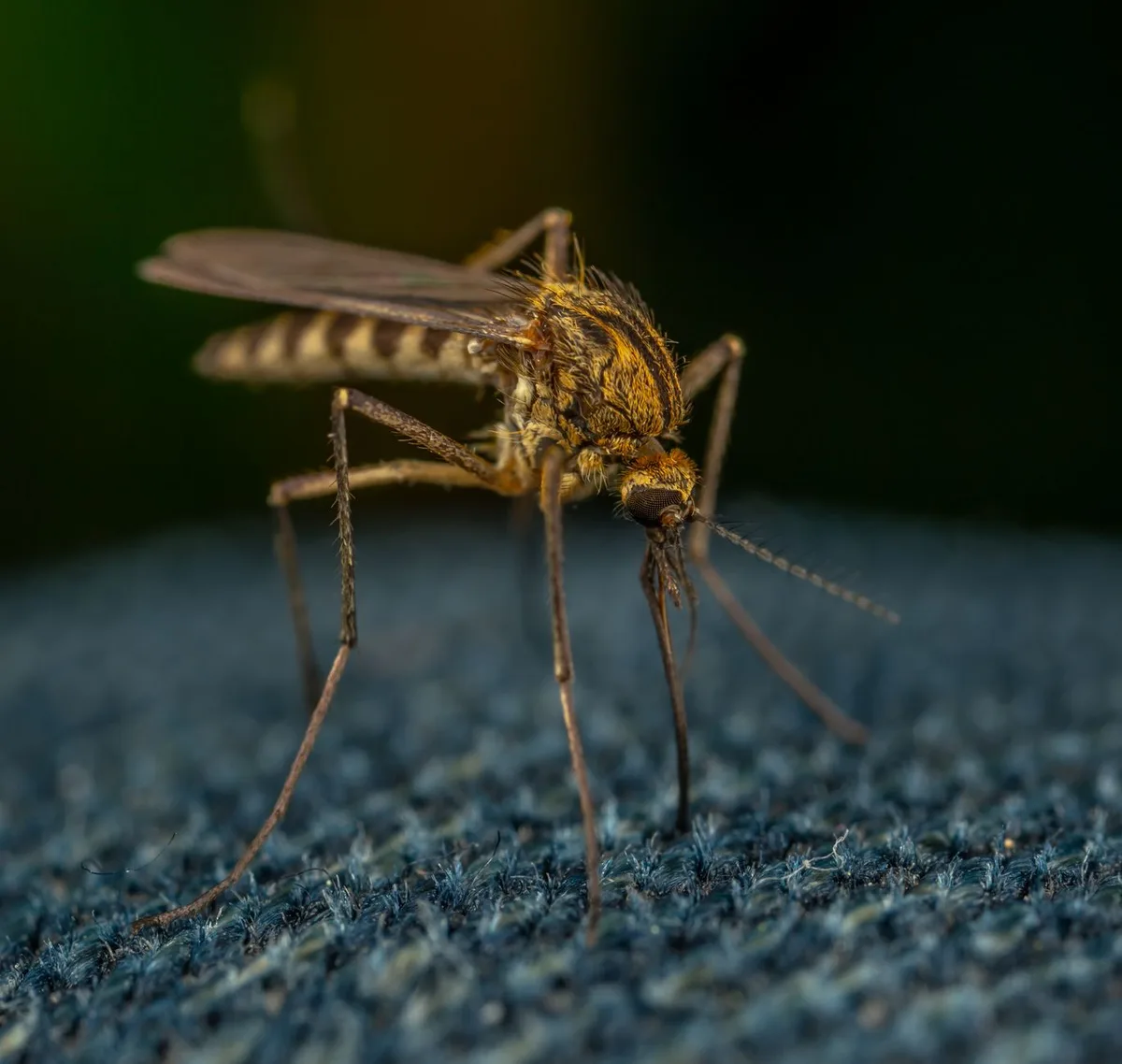
Mosquitoes are attracted to your backyard by standing water, carbon dioxide, body heat, sweat, and dark clothing. They breed in any water that sits still for more than a week. They track you by the CO2 you exhale and the lactic acid in your sweat.
Overgrown vegetation gives them a place to rest during the day. Remove the water, and you remove most of the problem.
What Actually Draws Mosquitoes to Your Yard — The Core Attractants
Let's start with the obvious one, because it's the most important.
The #1 Thing: Standing Water and Where It Hides
A female mosquito needs just one thing to lay her eggs: water that stays still long enough for her larvae to develop. That window is about 7 to 10 days, depending on temperature. And she doesn't need much.
A bottle cap full of water is enough for Aedes aegypti to lay a batch of eggs. A kiddie pool left out after a rain? That's a breeding factory.
Here's what most people miss. It's not just the big things like ponds or birdbaths. It's the stuff you don't think about.
- Clogged gutters that hold water after a storm
- Tarps covering firewood or patio furniture
- Plant saucers under potted plants
- Corrugated downspout extensions (those black accordion tubes hold water perfectly)
- Old tires leaning against a shed
- Kids' toys left out in the yard
- Pet water bowls that aren't changed daily
The CDC recommends dumping and scrubbing any container that holds water at least once a week. Scrubbing matters because mosquito eggs can stick to the inside of a container and survive drying out for months. Just dumping isn't enough if the eggs are still there.
The Carbon Dioxide Plume: You're a Walking Dinner Bell
Every time you exhale, you release a plume of carbon dioxide. Mosquitoes can detect CO2 from up to 50 feet away. It's their primary long-range cue that a blood meal is nearby.
The harder you're breathing, say, after mowing the lawn or playing with the kids, the more CO2 you're putting out.
This is why you'll notice mosquitoes seem to find you the second you sit down outside. They were already patrolling. Your CO2 plume just confirmed your location.
Heat, Sweat, and the Chemistry of Your Skin
Once a mosquito gets within a few feet, she switches to other cues. Body heat is a big one. Mosquitoes have thermal sensors that let them home in on warm skin.
That's why they tend to bite ankles and wrists, those areas are often slightly warmer and closer to the ground where they're flying.
Sweat is another major attractant. Your sweat contains lactic acid, ammonia, and uric acid. Different people produce different amounts of these compounds, which is why some folks get bitten constantly while their friend sitting right next to them gets nothing.
Research from the NIH confirms that genetic factors influence how attractive you are to mosquitoes. If you're the person who always gets bitten, it's not your imagination.
Dark Clothing and Movement: Visual Cues They Can't Ignore
Mosquitoes are visual hunters, especially later in the day. Dark colors, black, navy, dark red, stand out against the sky and make you an easier target. Light colors like white, beige, and pastels are less visible to them.
Movement also catches their attention. If you're walking around the yard, you're more likely to get noticed than someone sitting still. Combine dark clothing with movement and heavy breathing from yard work, and you've basically sent up a flare.
Fragrances That Work Against You
Here's one that surprises a lot of people. That floral perfume or scented lotion you put on before heading outside? Mosquitoes can smell it.
They're attracted to floral and fruity scents because they mimic the nectar sources they feed on between blood meals.
- Perfumes and colognes
- Scented body lotions and sunscreens
- Hair products with strong fragrances
- Fabric softeners on your clothes
If you're planning to spend time outside, unscented products are your friend.
The Mosquito Species Living in Your Backyard (And Why It Changes Your Strategy)
Not all mosquitoes behave the same way. The species in your yard determines when they bite, where they breed, and what control methods actually work.
Aedes: The Daytime Biter That Breeds in Tiny Containers
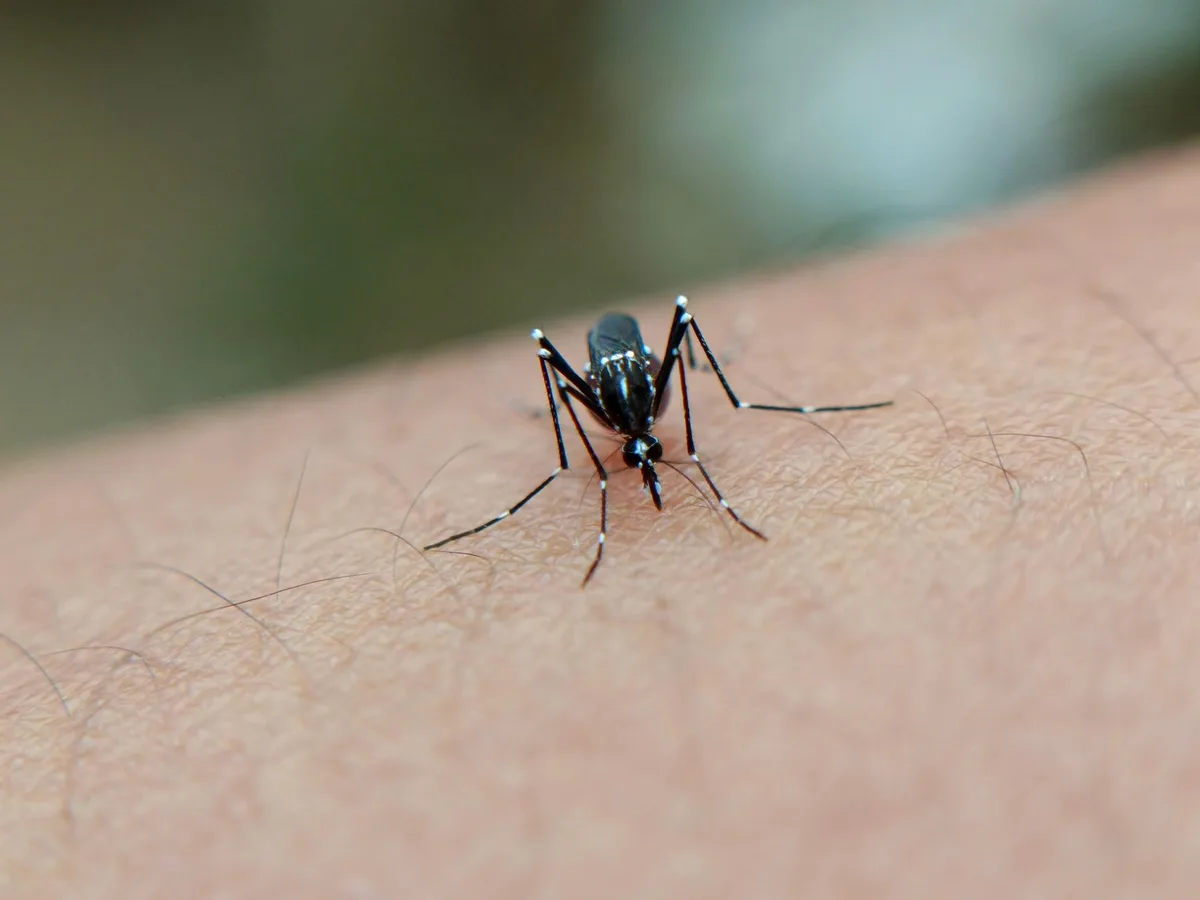
Aedes aegypti and Aedes albopictus are the ones you need to worry about most in the U.S. They're aggressive daytime biters. They're also the primary vectors for dengue, Zika, and chikungunya.
These mosquitoes breed in small containers, think bottle caps, plant saucers, and clogged gutters. They don't need much water, and they don't travel far. Most Aedes mosquitoes stay within 100 to 200 meters of where they hatched.
If you're getting bitten during the middle of the day, it's almost certainly Aedes.
Culex: The Dusk-and-Dawn Mosquito That Loves Ditches and Gutters
Culex pipiens is the common house mosquito. It bites at dusk and dawn, not during the day. It prefers to breed in larger, more organic water sources, storm drains, ditches, birdbaths, and neglected pools.
Culex is the main carrier of West Nile virus in the U.S.
If you're only getting bitten around sunset, Culex is likely your culprit.
Anopheles: The Malaria Mosquito (Rare but Worth Knowing)
Anopheles mosquitoes are less common in most U.S. backyards, but they're still present in some regions. They prefer clean, clear water for breeding, think rain barrels or ornamental ponds. They bite at night.
Malaria transmission in the U.S. is extremely rare, but it's worth knowing what you're dealing with if you live in an area where Anopheles is established.
Hidden Breeding Sites Most Homeowners Miss
You've checked the birdbath and the kiddie pool. Good. But there are breeding sites that even diligent homeowners overlook.
The Obvious Ones (Birdbaths, Kiddie Pools, Pet Bowls)
These are the ones everyone knows about. But knowing and acting are different things. A birdbath needs its water changed and the basin scrubbed every three to four days.
Kiddie pools should be emptied and turned over when not in use. Pet water bowls need fresh water daily.
The Sneaky Ones (Clogged Gutters, Corrugated Downspout Extensions, Tarps)
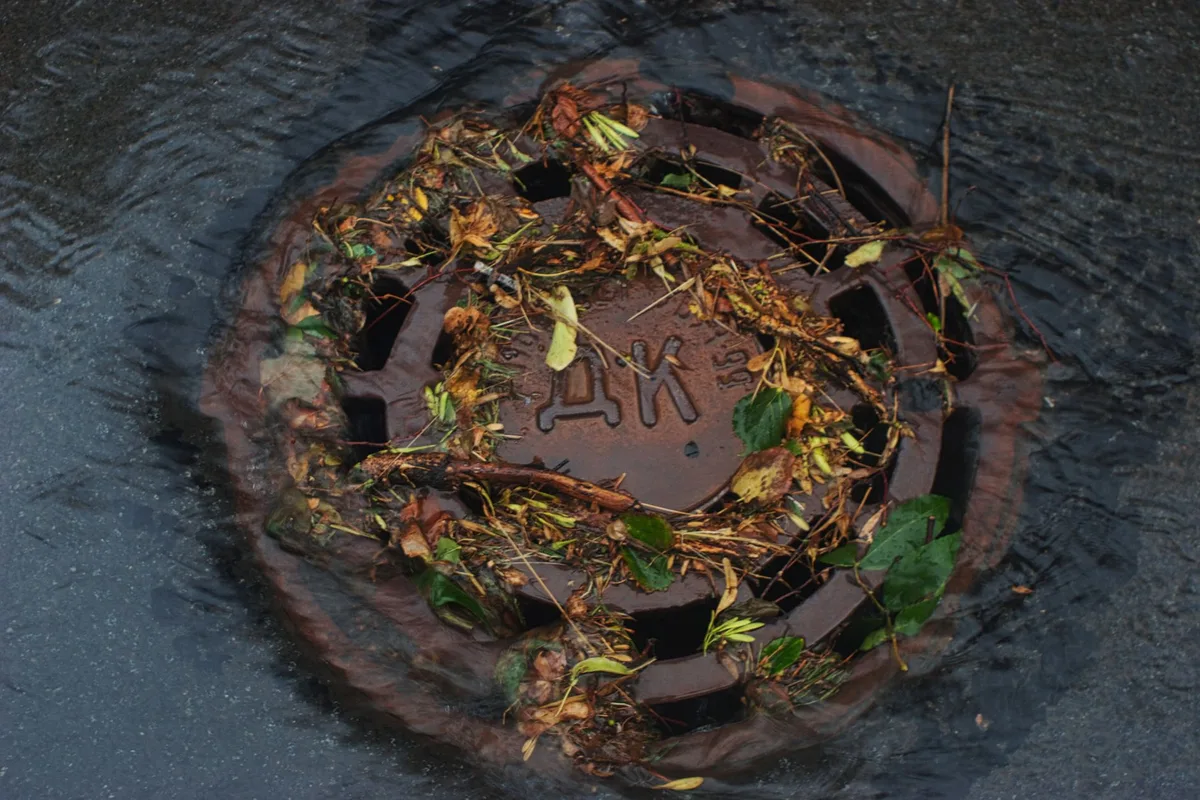
Clogged gutters are one of the biggest hidden breeding sites in residential yards. Leaves and debris trap water, and that water sits long enough for Culex mosquitoes to complete their lifecycle. Clean your gutters at least twice a year, spring and fall.
Corrugated downspout extensions are another favorite. Those black plastic accordion tubes hold water in every single ridge. Switch to smooth PVC pipe or a rigid downspout extension that drains completely.
Tarps are a problem because they sag and collect water in the folds. If you're covering firewood or patio furniture, pull the tarp tight so water runs off instead of pooling.
The Surprising Ones (Bottle Caps, Plant Saucers, Tree Holes, Old Tires)
Walk around your yard with a critical eye. Look for anything that can hold water. Bottle caps, soda cans, and even the dimples on the top of a plastic recycling bin lid can hold enough water for Aedes to breed.
Tree holes, cavities in older trees where water collects, are natural breeding sites that are hard to eliminate. If you have a tree with a persistent water-holding cavity, consider filling it with sand or gravel.
Old tires are one of the worst offenders. They hold heat, trap water, and are nearly impossible to empty completely. If you have old tires in your yard, get rid of them.
Landscaping Mistakes That Turn Your Yard Into a Mosquito Nursery
Your landscaping choices matter more than you might think. Mosquitoes don't just need water to breed. They need cool, damp places to rest during the heat of the day.
Overgrown Shrubs and Tall Grass: Perfect Daytime Resting Spots
Mosquitoes are fragile insects. They dry out quickly in direct sun and wind. That's why they spend the hottest part of the day hiding in dense vegetation.
Overgrown shrubs, tall grass, and thick ground cover give them the humidity and shade they need to survive until evening.
Keep your grass cut short. Trim shrubs so they're not touching the ground. Thin out dense plantings to allow airflow and sunlight to reach the soil.
Ivy Ground Cover and Leaf Litter: Cool, Damp, and Ideal for Hiding
English ivy and other dense ground covers create a cool, moist microclimate at ground level. Mosquitoes love it. Leaf litter does the same thing.
Rake up fallen leaves regularly, especially in shaded areas.
Compost Piles: Great for Your Garden, Great for Mosquitoes
A well-managed compost pile shouldn't be a mosquito problem. But if your pile is too wet or has exposed food scraps, it can become a breeding site. Turn your compost regularly to keep it aerated and hot.
Cover food scraps with brown material like leaves or straw. If you're using a compost bin, make sure the lid fits tightly and there are no gaps.
Shaded Areas Under Decks and Porches
The space under a deck or porch is often dark, damp, and sheltered from wind. It's a perfect resting spot for adult mosquitoes. If you have a deck, consider installing lattice or screening around the bottom to block access.
Keep the area underneath clear of debris and standing water.
What Doesn't Actually Work (And What's a Waste of Money)
Let's clear up some common misconceptions. The mosquito control market is full of products that sound good but deliver almost nothing.
Bug Zappers: They Kill the Wrong Bugs
Bug zappers are one of the most popular mosquito control products in America. They're also one of the least effective. Research from the University of Delaware found that over 99 percent of the insects killed by bug zappers are not biting mosquitoes.
They kill moths, beetles, and beneficial pollinators instead.
Mosquitoes aren't strongly attracted to UV light. They're attracted to CO2, heat, and body odor. A bug zapper sitting in your yard is mostly killing harmless insects while leaving the mosquitoes to find you.
Citronella Candles and Torches: Better Than Nothing, Barely
Citronella candles do have a mild repellent effect. The problem is that it only works within a few inches of the flame. If you're sitting six feet away from the candle, you're getting no protection at all.
A study published in the Journal of the American Mosquito Control Association found that citronella candles reduced mosquito landings by about 42 percent in a small, enclosed area. In an open backyard with any breeze at all, that number drops to near zero. They smell nice.
They don't protect you.
Ultrasonic Devices: Complete Gimmick
You've seen these. Little devices that claim to repel mosquitoes by emitting high-frequency sound waves. The Federal Trade Commission has issued warnings about these products.
Multiple peer-reviewed studies have found zero evidence that ultrasonic devices have any effect on mosquito behavior.
Save your money.
"Mosquito-Repelling" Plants: Nice Scent, No Real Protection
You'll see articles recommending citronella grass, lavender, marigolds, lemon balm, and catnip as mosquito repellents. The idea is appealing. Plant a few things, and your yard is protected.
The reality is different. These plants do contain compounds that repel mosquitoes when crushed and applied to the skin. But just having them growing in your garden doesn't create a protective zone.
The concentration of volatile compounds in the air around a plant is far too low to deter a mosquito. You'd need to crush the leaves and rub them on your skin for any effect.
That said, some of these plants are excellent choices for attracting pollinators and beneficial insects. If you're looking to support your local ecosystem, go ahead and plant them. Just don't expect them to clear your yard of mosquitoes.
For that, you might want to look into the best plants for a bedroom or other indoor spaces where natural repellents can be more concentrated.
What Actually Works — Proven Strategies That Reduce Mosquitoes
Now for the good news. There are methods that work. They just require a little effort and consistency.
Source Reduction: The Single Most Effective Step
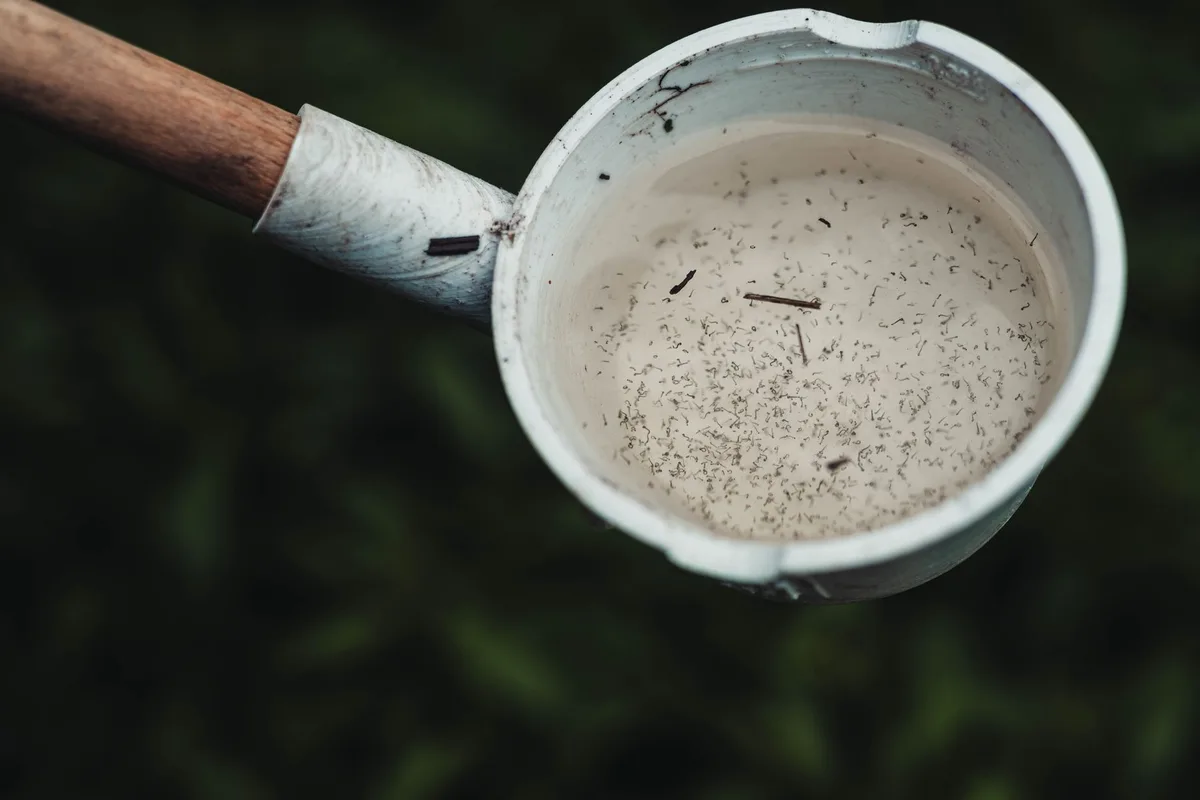
Nothing beats removing breeding sites. It's the foundation of every mosquito control program recommended by the CDC and the American Mosquito Control Association. If mosquitoes can't breed in your yard, they can't establish a population there.
Walk your property once a week. Look for anything that holds water. Dump it, scrub it, or drain it.
This single habit will do more to reduce your mosquito population than any spray, trap, or candle.
Larvicides (Bti Dunks and Bits): How and Where to Use Them
You can't eliminate every water source. Maybe you have a rain barrel, a decorative pond, or a drainage ditch that stays wet. That's where larvicides come in.
Bti (Bacillus thuringiensis israelensis) is a naturally occurring bacteria that kills mosquito larvae but is harmless to people, pets, fish, and plants. It comes in two common forms:
- Dunks, donut-shaped rings that float on the water and release Bti slowly over 30 days. Drop one in a pond, rain barrel, or any standing water you can't drain.
- Bits, small granules that work faster but don't last as long. Good for treating smaller containers or areas where you need quick knockdown.
Bti is specific to mosquito larvae and a few related flies. It won't harm bees, butterflies, or birds. It's one of the safest tools available.
For larger bodies of water, methoprene is another option. It's an insect growth regulator that prevents larvae from maturing into adults. It's also considered safe for most aquatic life when used according to the label.
Adulticides (Sprays and Foggers): When They Make Sense and When They Don't
Spraying for adult mosquitoes is the most visible control method, but it's also the most controversial. Broadcast spraying kills mosquitoes on contact, but it also kills bees, butterflies, and other beneficial insects.
If you're going to use an adulticide, follow these rules:
- Spray only at dawn or dusk when pollinators aren't active
- Target resting areas (undersides of leaves, shaded shrubs, under decks) rather than open air
- Use a product labeled for mosquito control and follow the mixing instructions exactly
- Never spray flowering plants that bees are visiting
Adulticides provide temporary relief. They kill the mosquitoes that are present right now, but they don't prevent new ones from flying in from neighboring properties. For long-term control, source reduction and larvicides are more effective.
CO2 Traps: Expensive but Effective for Larger Yards
CO2-baited traps like the Mosquito Magnet and BG-Sentinel work by mimicking a human host. They release carbon dioxide, heat, and an attractant like octenol. Mosquitoes fly toward the source and get sucked into a net or killed by a fan.
These traps can reduce mosquito populations significantly in a large yard. But they're expensive. Prices range from $300 to $700 for the unit, plus ongoing costs for propane and attractant refills.
They also need to be placed correctly. Put them downwind of your seating area, away from where people gather. If you place them too close to your patio, you'll draw mosquitoes toward you instead of away.
Personal Repellents: DEET, Picaridin, and Oil of Lemon Eucalyptus Compared
When you're going to be outside during peak mosquito hours, a good repellent is your best defense. The CDC recommends four active ingredients:
| Repellent | Protection Time | Best For | Notes |
|---|---|---|---|
| DEET (25-30%) | 4-6 hours | Heavy exposure, long outdoor sessions | Gold standard. Safe when used as directed. Can damage synthetic fabrics. |
| Picaridin (20%) | 4-6 hours | People who dislike DEET's feel | Odorless, non-greasy, won't damage gear. |
| Oil of lemon eucalyptus (30%) | 2-3 hours | Natural preference | Not for children under 3. Less duration than DEET. |
| IR3535 (20%) | 2-4 hours | Sensitive skin | Good option but less studied for disease prevention. |
Apply repellent to exposed skin only. Don't spray it under clothing. Reapply after swimming or heavy sweating.
And never use a combination sunscreen-repellent product. Sunscreen needs to be reapplied every two hours, but reapplying repellent that often isn't safe.
Step-by-Step: Your Weekly Backyard Mosquito Inspection Routine
Consistency matters more than intensity. A five-minute weekly walkthrough will do more than a full-day spray session once a month.
Walk the Perimeter: What to Look For
Start at one corner of your property and walk the entire perimeter. Look for anything that holds water. Check under bushes, behind sheds, and along fence lines.
Pay special attention to areas where water might collect without you noticing.
The Five-Minute Drain-and-Scrub Habit
Keep a list of known water sources in your yard. Every week, visit each one:
- Dump standing water from plant saucers, toys, and containers
- Scrub the inside of birdbaths and pet bowls with a brush
- Flip over anything that could collect rain
- Check that tarps are tight and not sagging
When to Treat and What to Use
If you find water you can't drain, treat it with a Bti dunk or bits. Drop a dunk in rain barrels and ornamental ponds. Sprinkle bits into clogged gutters and drainage areas.
Replace dunks monthly during mosquito season.
How to Time Your Efforts for Maximum Impact
Mosquito activity follows predictable patterns. Treat your yard early in the season before populations build up. In most of the U.S., that means April or May.
If you wait until July when the mosquitoes are already thick, you're playing catch-up.
Apply adulticides in the early morning or late evening when mosquitoes are most active and pollinators are less likely to be present. If you're using a CO2 trap, set it up in early spring and run it continuously through the season.
Safety First: Protecting Kids, Pets, and Pollinators
Mosquito control is important. But it shouldn't come at the cost of your family's health or your local ecosystem.
Which Chemicals Are Safe Around Children
DEET is safe for children over two months old when used according to the label. The American Academy of Pediatrics recommends concentrations of 10 to 30 percent for kids. Don't apply repellent to a child's hands, eyes, or mouth.
Wash treated skin with soap and water when they come inside.
Oil of lemon eucalyptus should not be used on children under three years old. Picaridin is considered safe for children over two months.
Why Permethrin Is Dangerous for Cats
Permethrin is a common active ingredient in mosquito sprays and some flea treatments for dogs. It is highly toxic to cats. Even small amounts can cause tremors, seizures, and death.
If you use permethrin-based products in your yard, keep cats indoors until the spray has dried completely. Better yet, avoid permethrin altogether if you have outdoor cats.
Keeping Bees and Butterflies Safe While Controlling Mosquitoes
Broadcast spraying kills pollinators. Period. If you need to use an adulticide, spot-treat resting areas rather than fogging the entire yard.
Never spray flowering plants. Treat in the early morning or late evening when bees are back in their hives.
Consider using a fungicide for lawns or other targeted treatments that don't affect pollinators. The best approach is to focus on source reduction and larvicides, which don't harm adult insects.
Reading and Following Pesticide Labels (Yes, Every Time)
Every pesticide label is a legal document. The instructions aren't suggestions. They tell you where the product can be used, how much to apply, and what safety precautions to take.
Using more than the label says doesn't work better. It creates unnecessary risk.
Store pesticides out of reach of children and pets. Dispose of empty containers according to local regulations. If you're unsure about a product, contact your local cooperative extension service for guidance.
When to Call a Professional (And What to Expect)
Sometimes your own efforts aren't enough. If you've addressed every breeding site, treated standing water, and still can't enjoy your backyard, it may be time to bring in help.
Signs You're Outmatched
You're dealing with a regional outbreak. Your neighbors aren't managing their properties. Or you live near a marsh, retention pond, or drainage ditch that you can't treat yourself.
If you're seeing dozens of mosquitoes every time you step outside, a professional service can knock down the adult population fast.
What a Good Mosquito Control Service Should Do
A reputable company starts with an inspection. They identify breeding sites and resting areas before they spray. They use EPA-registered products and follow label instructions.
They should also give you advice on what you can do between visits to keep numbers down.
Questions to Ask Before Hiring
Ask what products they use and whether they're safe for pollinators. Ask if they treat standing water with larvicides or just fog for adults. Ask about their schedule.
Monthly treatments are standard, but some companies offer biweekly service during peak season. Avoid any company that guarantees elimination. That's not realistic.
The Bottom Line: Your Action Plan for a Mosquito-Free Backyard
You don't need a complicated system. You need consistency.
Start with a weekly walkthrough. Dump and scrub every water source you find. Treat what you can't drain with Bti dunks.
Keep your grass short and your shrubs trimmed. Use an EPA-registered repellent when you're outside during peak hours.
If you do those things, you'll see a real difference. Your backyard will feel like yours again.