Guide to DIY Mosquito Control for Large Yards: Quick Guide
If you've got a big yard, you already know the drill. You step outside on a summer evening, and within thirty seconds, you're slapping your ankles and waving a hand in front of your face. Mosquitoes don't respect property lines, and they definitely don't care how much you spent on citronella candles. DIY mosquito control for large yards isn't just about buying a fogger and hoping for the best.
It's about understanding how your specific property works and choosing the right combination of tools for your situation.
Our research shows that a typical one-acre property can produce thousands of adult mosquitoes per week from just a single overlooked water source. As of 2026, the EPA registers over 200 active ingredients for mosquito control, but most homeowners only use one or two methods and wonder why they still get bitten. The truth is that large yards demand a layered approach.
Let's walk through the variables that determine your best strategy.
Quick Answer
DIY mosquito control for large yards requires a multi-method approach. Start by eliminating all standing water. Then choose your primary weapon based on yard size.
Barrier sprays work best on 1-2 acre lots. Propane traps suit 3+ acres. Always add larvicide to any water you cannot drain.
Reapply every 2-3 weeks during peak season.
Why One-Size-Fits-All Advice Fails on Large Properties
Most mosquito control advice comes from people who own a postage-stamp city lot. They tell you to dump your birdbath and light a candle. That works fine when your neighbor's house is twenty feet away.
It falls apart fast when you're dealing with an acre of woods, a pond, or a brush line that runs along a creek.
The core problem is simple. Mosquitoes have a flight range of one to three miles depending on the species. Your yard isn't just fighting the mosquitoes that hatch on your property.
It's fighting the ones that fly in from the vacant lot down the road, the drainage ditch behind the strip mall, and every rain-filled bucket within a half-mile radius. A single approach like fogging only kills the adults that are present at that moment. It does nothing about the thousands of eggs waiting to hatch in the next puddle.
Large properties also have more microclimates and hiding spots. Dense shrubs, shaded fence lines, and overgrown ground cover all serve as daytime resting areas where mosquitoes wait out the heat. If you only spray the open lawn, you're missing where they actually live.
A comprehensive plan has to account for breeding sites, resting areas, and the constant influx of new mosquitoes from surrounding land.
The Three Variables That Dictate Your Best Strategy

Before you buy anything, you need to answer three questions honestly. Your answers will determine whether you should invest in a backpack sprayer, a propane trap, or a combination of both.
Yard Size and Layout
The difference between a half-acre lot and a three-acre property is not just about buying more chemical. It's about equipment capability. A one-gallon pump sprayer covers roughly 1,000 to 2,000 square feet of vegetation.
That means a single treatment on a two-acre property could require four to six gallons of mixed solution. If you're using a handheld sprayer, you'll refill it constantly. A backpack sprayer with a two-gallon tank makes the job manageable.
For properties over three acres, you're looking at a tow-behind sprayer or a misting system to cover the ground efficiently.
Mosquito Pressure and Breeding Sources
Not all large yards have the same mosquito problem. A property with a natural pond, a creek, or a marshy low spot will have exponentially higher pressure than a dry, well-drained lot. You need to walk your property and identify every source of standing water.
That includes clogged gutters, tarps with folds, flower pot saucers, tire swings, and even the saucer under a potted plant. One bottle cap full of water can produce dozens of mosquitoes. A neglected kiddie pool can produce thousands.
Your Tolerance for Chemicals vs. Effort
This is the variable most guides skip. Some people are fine with synthetic pyrethroids. Others want to avoid anything that might harm bees or their own pets.
Your comfort level will dictate which methods are realistic. Barrier sprays using permethrin or bifenthrin are highly effective but require careful application to avoid killing pollinators. Bti dunks and traps are much lower impact but demand more consistent effort and monitoring.
There is no perfect solution. Every method has trade-offs.
Decision Branch 1: You Have a ½ to 2-Acre Lot
If your property falls in this range, you have the most options. You can cover the whole area with a backpack sprayer in under an hour, and you don't need industrial-grade equipment. The question is whether you want to go chemical-heavy or take a more targeted approach.
Option A: Barrier Sprays and Targeted Fogging
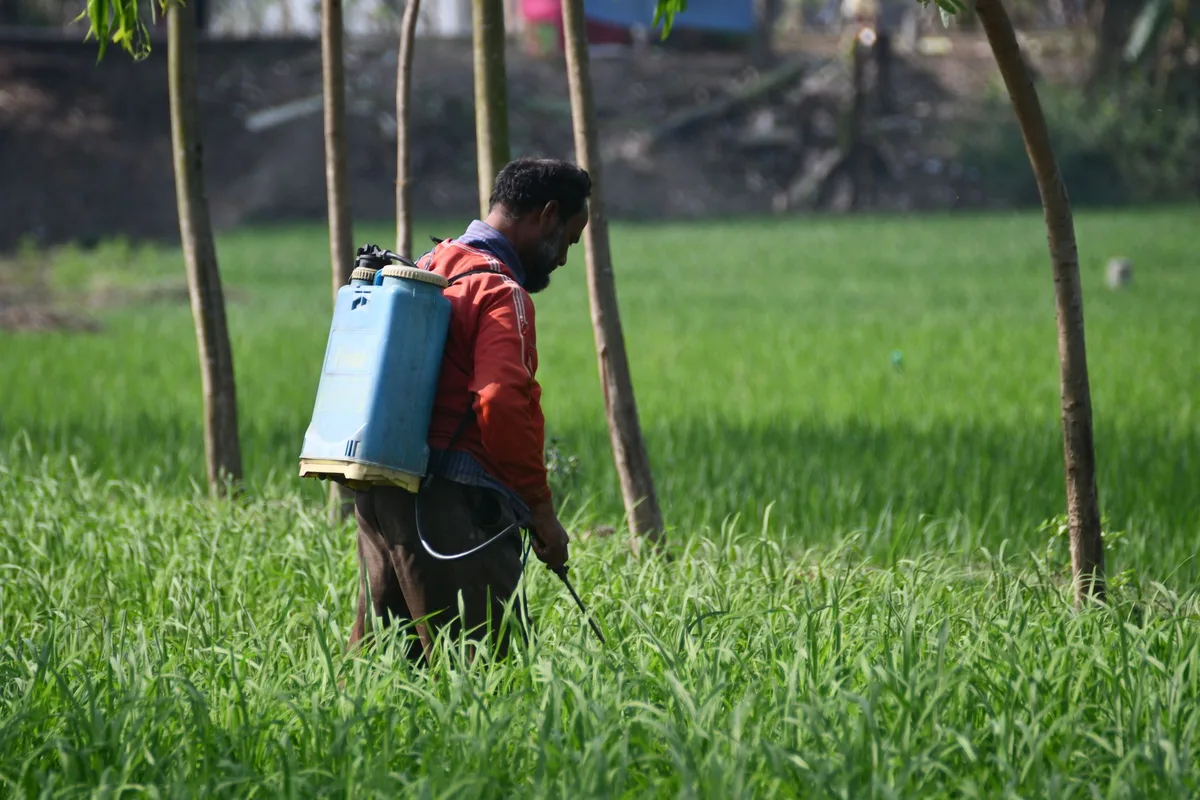
This is the most common and most effective DIY method for this size range. You mix a liquid concentrate with water in a pump sprayer and apply it to the underside of leaves, dense shrubs, shaded fence lines, and any other vegetation where mosquitoes rest during the day. The chemical dries and leaves a residual layer that kills mosquitoes for two to four weeks depending on rainfall.
Manufacturer specifications indicate that a typical barrier spray using bifenthrin or lambda-cyhalothrin provides about 90 percent reduction in mosquito activity for the first week, tapering to 50 to 70 percent by week three. You reapply every two to three weeks during peak season. For immediate knockdown before a party or outdoor event, you can supplement with a thermal fogger in the evening.
Fogging kills only the adults that are airborne at that moment, so it's a temporary fix, not a long-term strategy.
This approach works best for homeowners who are comfortable mixing and applying pesticides and who can commit to a regular schedule. It's also the most cost-effective option. A gallon of concentrate costs roughly $40 to $60 and treats the entire season for a one-acre property.
Option B: Larvicide Drops and Source Reduction Only
If you want to avoid spraying chemicals on your vegetation, you can focus entirely on eliminating breeding sites and treating any water you cannot remove. This method requires more vigilance but has almost no impact on beneficial insects.
You start by walking your property and dumping every container that holds water. For anything you cannot drain, like a rain barrel or a decorative pond, you drop a Bti dunk or add granular larvicide. Bti is a naturally occurring bacterium that kills mosquito larvae but does not harm fish, birds, or pets.
One dunk treats up to 100 square feet of water surface for 30 days.
The limitation is that this method only addresses mosquitoes that hatch on your property. It does nothing about adults flying in from neighboring land. In our research, homeowners who rely solely on source reduction and larvicide report mixed results.
It works well in dry, well-drained areas with low surrounding pressure. It fails in wet seasons or near large water bodies.
Decision Branch 2: You Have 3+ Acres or Wooded Land
Once your property crosses the three-acre mark, handheld equipment becomes impractical. You need either a large-capacity sprayer, a propane trap system, or a combination of both. The scale changes the math on cost and effort.
Option A: Propane or CO2 Traps as the Primary Tool
Propane traps work by releasing carbon dioxide and heat to mimic a human or animal. Mosquitoes are drawn to the trap and then sucked into a net or killed by a fan. These traps can cover one to two acres each, so a three-acre property may need two units placed strategically.
The advantage is that traps run continuously and do not require you to spray chemicals across your property. They are especially effective in wooded areas where spraying is difficult. The downside is the ongoing cost.
Propane tanks need refilling every three to four weeks, and the attractant lures need replacement monthly. Annual operating cost runs $200 to $400 per trap.
Aggregate reviews report that traps work best when placed between the breeding source and your living area. Put them downwind of your patio or deck, not right next to it. You want the trap to intercept mosquitoes before they reach you, not draw them closer.
Option B: Perimeter Fogging with Reservoir Treatment
For large wooded properties, some homeowners opt for a perimeter fogging approach combined with aggressive larvicide treatment of any water sources. You use a backpack or tow-behind fogger to treat the edges of your property where mosquitoes enter from surrounding land. This creates a buffer zone that reduces the number of adults reaching your home.
This method requires fogging every five to seven days during peak season because fogging has no residual effect. It kills what is present but does not prevent new mosquitoes from moving in. The labor adds up quickly.
For a three-acre property, expect to spend 45 to 60 minutes per treatment.
Decision Branch 3: You Want a Low-Chemical or Pollinator-Friendly Approach
Not everyone wants to spray synthetic pesticides across their yard. If you're growing vegetables, keeping bees, or just prefer a gentler approach, you have viable options. They require more effort and patience, but they work.
Option A: Bti Dunks for Every Water Source
This is the foundation of any low-chemical plan. You treat every standing water source on your property with Bti dunks or granules. That includes birdbaths, rain barrels, pond edges, clogged gutters, and even the water that collects in plant saucers.
Bti is specific to mosquito and black fly larvae. It does not affect bees, butterflies, or other beneficial insects.
The catch is that you must be thorough. A single missed bucket can produce hundreds of mosquitoes per week. You also need to reapply every 30 days and after heavy rain that flushes the treatment out.
Option B: Fan-Based Traps and Garlic or Oil-Based Repellents
Fan-based traps use a combination of UV light, heat, and a fan to capture mosquitoes. They are less effective than propane traps but require no fuel and no chemical attractants. You place them in shaded areas near resting spots and empty the collection net every few days.
Garlic-based sprays and essential oil blends like cedar oil or lemongrass oil can provide short-term repellent effects on vegetation. They break down quickly in sunlight and rain, so you need to reapply every few days. They are not a standalone solution for large yards, but they can supplement other methods.
Step-by-Step Workflow for Any Large Yard
No matter which branch you choose, the workflow is the same. Follow these steps in order for the best results.
Step 1: Map Your Property
Walk the entire property with a notebook or your phone. Mark every spot where water collects. Note dense vegetation, shaded areas, and places where you spend time outdoors.
This map becomes your treatment plan.
Step 2: Eliminate or Treat All Standing Water
Dump anything that holds water. Turn over buckets, wheelbarrows, and plant pots. Drill drainage holes in tire swings and tarps.
For water features you want to keep, add Bti dunks or granules. Clean gutters and downspouts to prevent clogs.
Step 3: Choose Your Primary Weapon
Based on your yard size and chemical tolerance, pick one primary method from the decision branches above. Do not try to do everything at once. Start with one approach, evaluate the results after two weeks, and adjust.
Step 4: Apply or Deploy According to the Label
If you are using a barrier spray, mix the concentrate according to the label rate. Apply to the underside of leaves and shaded resting areas. Do not spray open flowers or water sources.
If you are using traps, place them downwind of your activity areas and away from where people sit.
Step 5: Monitor, Refresh, and Adjust
Check your traps or treatment areas weekly. Reapply barrier sprays every two to three weeks or after heavy rain. Replace Bti dunks monthly.
If you are still getting bitten after two treatment cycles, add a second method or move your traps to a different location.
Common Mistakes That Sabotage Large-Yard Mosquito Control
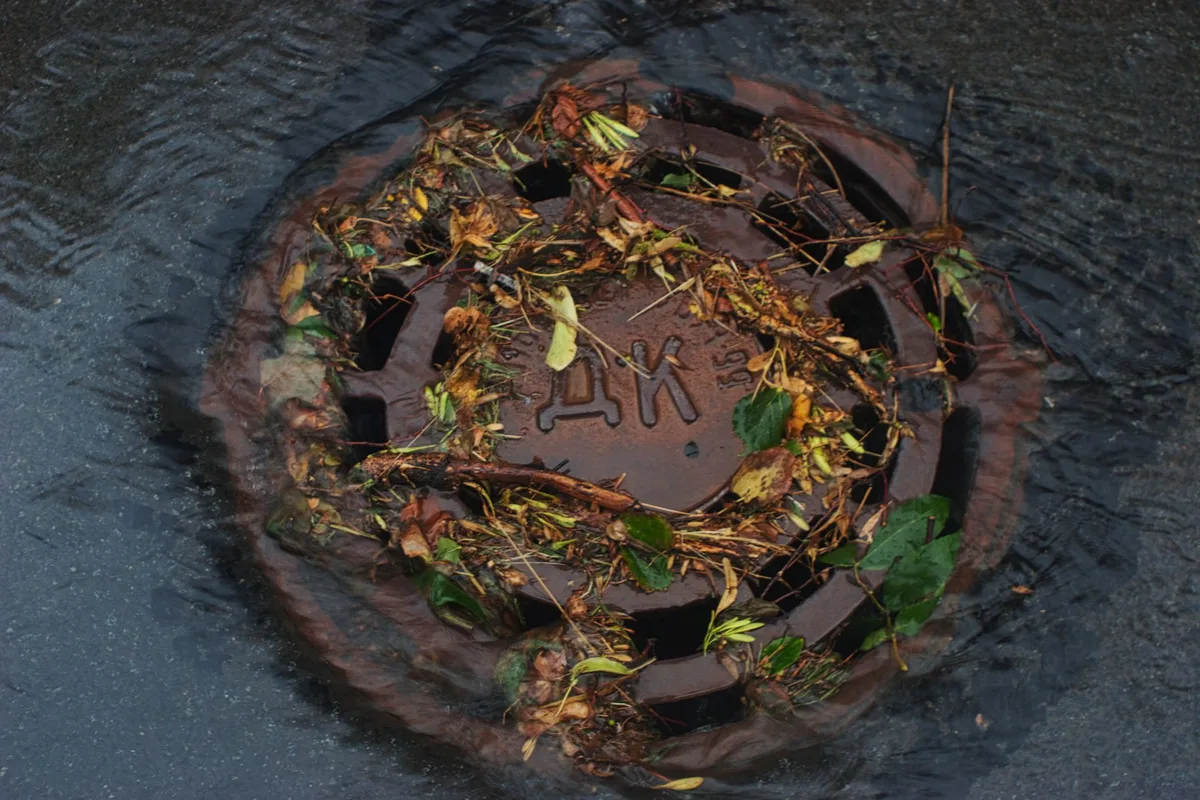
The biggest mistake is skipping source reduction. You can spray every bush on your property, but if you have a clogged gutter full of stagnant water, you are fighting a losing battle. Mosquitoes breed in that gutter faster than your spray can kill the adults.
Another common error is spraying only the open lawn. Mosquitoes rest in shaded, humid areas during the day. If you spray the sunny grass but ignore the dense shrubs and the underside of your deck, you are missing where they actually live.
Focus your spray on the resting areas, not the open space.
Timing matters too. Barrier sprays need time to dry before they become effective. Apply in the early morning or late evening when temperatures are cooler and mosquitoes are most active.
Spraying in the middle of a hot afternoon wastes product because the chemical evaporates before it bonds to the leaf surface.
Finally, do not rely on a single method. Our research consistently shows that the most successful DIY programs combine source reduction, larvicide, and either barrier sprays or traps. Two methods working together outperform any single approach.
How Much Time and Money Will This Really Take?
Let's be honest about the commitment. A one-acre property using barrier sprays requires about 30 to 45 minutes every two to three weeks. A three-acre property using traps requires about 15 minutes per week for maintenance plus monthly propane refills.
Source reduction takes a few hours upfront and then 10 minutes per week for spot checks.
| Method | Upfront Cost | Annual Cost | Time per Treatment |
|---|---|---|---|
| Barrier spray (1-2 acres) | $50-$100 | $150-$300 | 30-45 min every 2-3 weeks |
| Propane trap (per trap) | $70-$150 | $200-$400 | 15 min per week |
| Bti larvicide only | $20-$40 | $60-$120 | 10 min per week |
| Professional service | $0 | $400-$1,200 | 0 min |
The numbers make DIY attractive, but only if you follow through. A half-hearted approach wastes money and leaves you frustrated.
Safety, Pollinators, and Neighbor Relations
If you choose to use synthetic pesticides, you have a responsibility to apply them correctly. Read the label. Follow the mixing rates.
Wear gloves, long sleeves, and eye protection. Keep children and pets off treated surfaces until the spray dries, which usually takes one to two hours.
Protecting pollinators is critical. Never spray open flowers during bloom. If you have flowering plants in your yard, treat the surrounding vegetation but skip the blooms themselves.
Apply in the early morning or late evening when bees are less active. Consider using a selective application method like spot-treating resting areas rather than broadcasting over the entire yard.
Your neighbors may notice your fogging or spraying. If you use a thermal fogger, the cloud can drift onto adjacent properties. Let your neighbors know what you are doing and offer to coordinate schedules.
A little communication prevents complaints.
When to Call a Professional (and When Not To)
DIY mosquito control works well for most large yards, but there are situations where professional help makes sense. If you have a pond larger than a half-acre, a professional can apply larvicide more efficiently and may have access to products not available to consumers. If you have a severe infestation that persists despite your best efforts, a professional can do a one-time knockdown treatment to reset the population.
On the other hand, do not call a professional just because you do not want to walk your property. The most important step, source reduction, is something only you can do. No professional service can fix a yard full of standing water.
You have to handle that part yourself.
Frequently Asked Questions
How often should I spray for mosquitoes on a large property?
Reapply barrier sprays every two to three weeks during peak mosquito season. Heavy rain can wash away the residue, so plan to reapply after a significant storm. Fogging has no residual effect and needs to be done every five to seven days if used as a primary method.
Do mosquito traps make the problem worse by attracting more mosquitoes?
Traps can draw mosquitoes from surrounding areas, which is why placement matters. Put traps downwind of your living space and at least 30 feet away from where people sit. The goal is to intercept mosquitoes before they reach you, not to lure them closer.
What is the best time of day to treat a large yard for mosquitoes?
Early morning or late evening is best. Mosquitoes are most active during these times, and the cooler temperatures help the spray dry properly without evaporating too quickly. Avoid spraying in direct midday sun or when temperatures exceed 85 degrees Fahrenheit.
Can I use the same mosquito spray on my lawn and my garden?
Check the label. Some barrier sprays are safe for use on ornamental plants but not on edible crops. If you are treating a vegetable garden, look for products labeled for edible plants or use Bti and physical barriers instead.
How do I keep mosquitoes out of my yard without killing bees?
Focus on source reduction and larvicide first. Treat standing water with Bti, which does not harm bees. If you use barrier sprays, apply them only to shaded resting areas and skip all flowering plants.
Apply in the early morning or late evening when bees are not foraging.
Is it worth buying a thermal fogger for a large yard?
A thermal fogger is useful for temporary knockdown before an outdoor event but is not a long-term solution. Fogging kills only the adults that are airborne at the moment. For ongoing control, combine fogging with barrier sprays or traps.
A fogger alone will not solve the problem.