Best Time to Spray for Mosquitoes (2026) — Real-World Picks
You've probably stood in your backyard at dusk, slapping mosquitoes off your arms, wondering if you should have sprayed earlier. Or maybe you did spray, and the mosquitoes came back the next evening like nothing happened. The best time to spray for mosquitoes isn't just about what time of day you grab the sprayer.
It's about matching your treatment to the mosquito's life cycle, the weather, and what else is living in your yard.
In our research, the single most common mistake homeowners make is spraying at the wrong time. Not the wrong product. Not the wrong technique.
The timing. According to EPA guidelines on pesticide application, spraying when temperatures exceed 85°F or when wind speeds top 10 mph can reduce effectiveness by more than half. Get the timing right, and one treatment can give you two to three weeks of relief.
Get it wrong, and you're just making the air smell funny. Let's walk through what actually works.
Quick Answer
Spray for mosquitoes in the early morning, between 5:00 AM and 8:00 AM. Temperatures are cooler. Wind is calm.
Mosquitoes are resting on vegetation. Pollinators aren't active yet. This window gives you the best knockdown with the least collateral damage.
Why Getting the Timing Right Actually Matters (More Than the Spray Itself)
Here's the thing most people don't realize. Mosquitoes aren't flying around all day waiting to get hit by your spray. They have a daily rhythm.
They rest during the heat of the day. They feed at dawn and dusk. They hide on the underside of leaves, in dense shrubs, and under deck overhangs.
If you spray at noon, you're hitting leaves that are dry and hot. The spray droplets evaporate before they can do their job. If you spray at dusk, you're spraying into the air while mosquitoes are actively flying.
That sounds smart, but it's actually wasteful. Most of the spray drifts away or settles on the ground instead of landing on the surfaces where mosquitoes rest.
The real target isn't the mosquito you see flying. It's the mosquito that's resting somewhere in your yard, waiting for evening. You want the spray to land on those resting surfaces and stay there.
That's called a residual barrier. When the mosquito lands on that treated leaf later, it picks up a lethal dose.
How Mosquito Biology Dictates Your Spray Schedule
You can't outsmart a mosquito if you don't understand how it lives. Let's keep this simple.
The Life Cycle Window You Can't Afford to Miss
Mosquitoes go through four stages: egg, larva, pupa, adult. The first three happen in water. The adult stage is the one that bites you.
Here's the critical part. From egg to adult takes about 7 to 10 days in warm weather. That means every week and a half, a new batch of adults emerges from any standing water on your property.
If you spray only for adults and ignore the water, you're playing whack-a-mole. You kill the current generation, but the next one hatches a few days later. That's why the best time to spray for mosquitoes also depends on when you last treated your standing water with a larvicide.
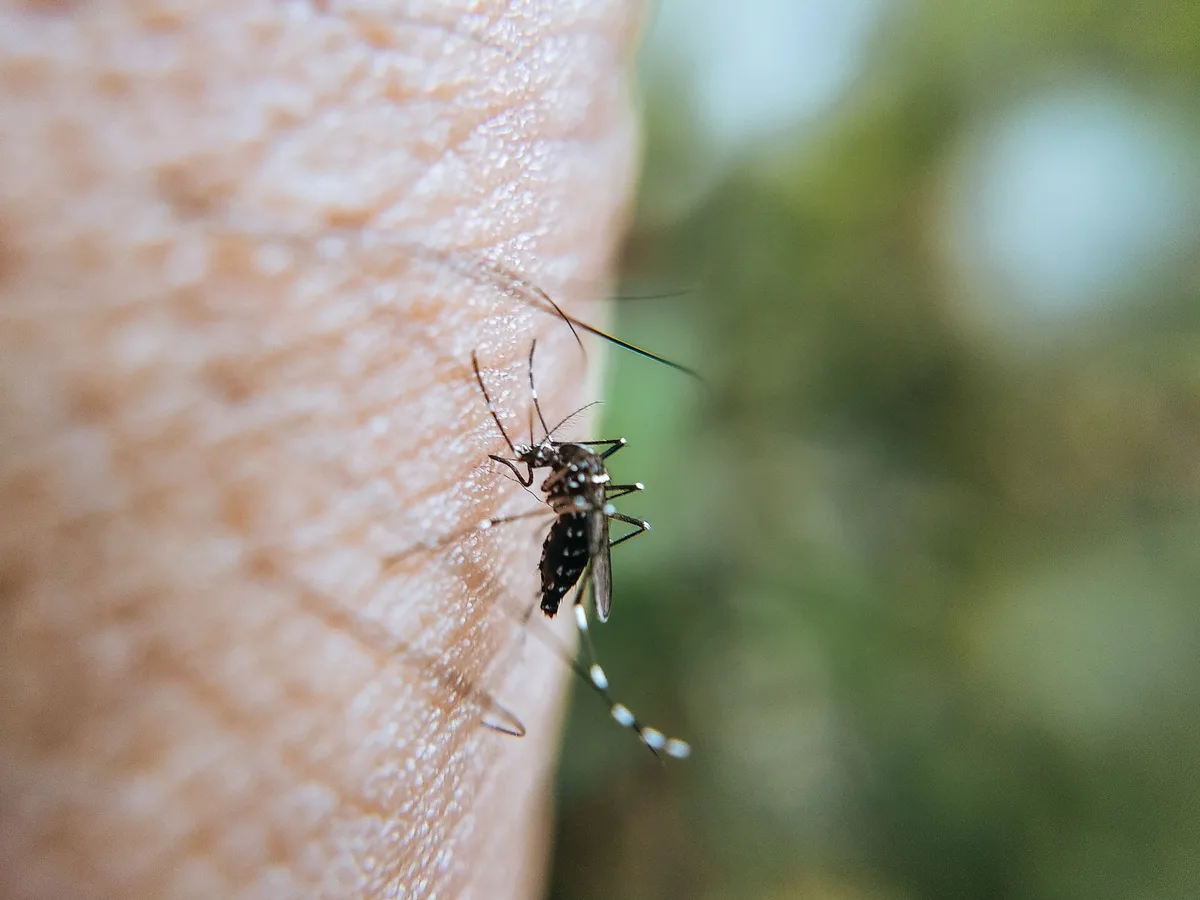
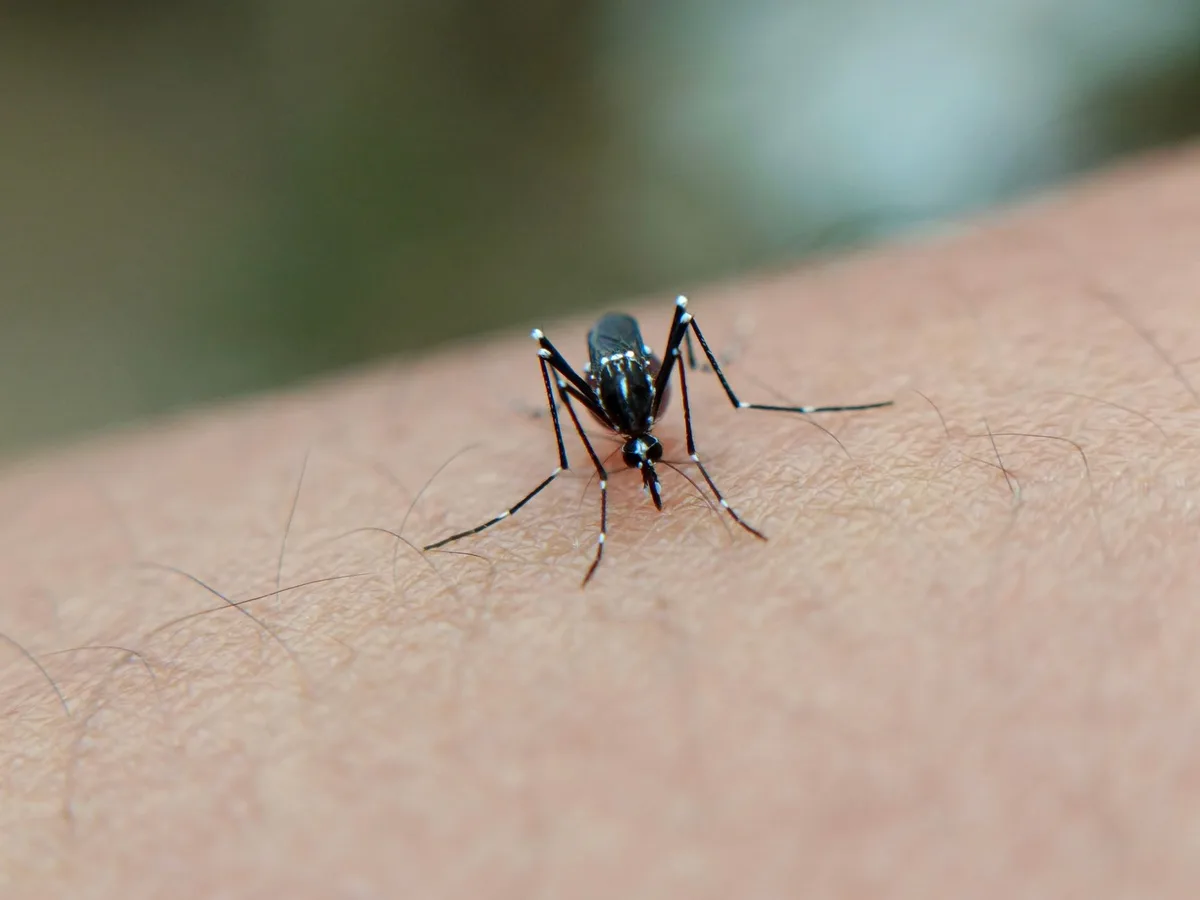
Most common backyard mosquitoes in the US are from the Aedes and Culex genera. Aedes aegypti, the yellow fever mosquito, is a daytime biter. Culex species, which carry West Nile virus, feed at night. Knowing which one you're dealing with changes your spray timing. If you're getting bitten during the day, you're dealing with Aedes.
If it's only at dusk, it's likely Culex.
Why "Spray at Dusk" Isn't Always the Right Answer
You've heard the advice. Spray at dusk when mosquitoes are most active. It sounds logical.
But here's why it's often wrong for DIY homeowners.
Dusk is when pollinators are still active. Honey bees, bumblebees, and native solitary bees are returning to their nests. If you spray a broad-spectrum insecticide at dusk, you're coating flowers and foliage that bees will visit the next morning.
That's how you kill pollinators.
Also, evening air is often more humid. Humidity can cause spray droplets to stay suspended longer and drift farther. You lose control over where the product lands.
And if dew forms overnight, it can dilute the residue before mosquitoes have a chance to contact it.
Morning spraying avoids all three problems. Pollinators aren't active yet. Air is stable.
Dew has already dried or is about to dry. The product bonds to the leaf surface and stays there.
The Three Timing Variables That Make or Break a Treatment
Let's break this down into the three things you actually need to check before you mix a single drop.
Time of Day: Dawn vs. Dusk vs. Midday
| Time of Day | Pros | Cons | Best For |
|---|---|---|---|
| Dawn (5-8 AM) | Calm wind, cool temps, pollinators inactive, mosquitoes resting | Requires early wake-up | Barrier sprays, general treatment |
| Dusk (6-9 PM) | Mosquitoes actively feeding | Pollinators still out, drift risk, dew dilution | Fogging only (if necessary) |
| Midday (10 AM-4 PM) | Fast drying | Heat evaporation, low mosquito activity, stressed plants | Never recommended |
Dawn wins for barrier sprays. Dusk is acceptable only for quick-kill fogging when you have an event that evening and need immediate relief. But even then, morning is better.
Time of Season: Before the Hatch vs. During Peak Activity
The calendar matters as much as the clock. In most of the US, mosquito season starts when nighttime temperatures consistently stay above 50°F. That's when eggs start hatching.
The best time to spray for mosquitoes in the season is early. Start your treatments in early spring, before the first big hatch. If you wait until July when the population is exploding, you're playing catch-up.
One early treatment can prevent the first generation from establishing. That makes the rest of the season much easier.
For most of the northern US, that means late April or early May. For the southern US, it could be as early as February. Check your local extension service for your area's typical mosquito season start date.
Weather Conditions: Temperature, Wind, and Rain Windows
This is where most DIY treatments fail. You can have the perfect product and the perfect time of day, but if the weather doesn't cooperate, you're wasting your money.
Three rules:
- Temperature: Below 85°F. Above that, spray droplets evaporate before they dry on the leaf. Many pyrethroid-based products break down faster in high heat.
- Wind: Under 10 mph. Ideally under 5 mph. Wind drift is the number one cause of off-target damage and neighbor complaints.
- Rain: No rain expected for at least 6 hours after application. Most products need 2 to 4 hours to dry and bond to the leaf surface. A heavy rain within that window washes the product off completely.
Check a 48-hour forecast before you spray. If rain is coming within 6 hours, wait. If temperatures are going to hit 90°F by noon, spray earlier in the morning.
What Happens When You Spray at the Wrong Time
Let's talk about the consequences. Because there are real downsides to getting this wrong, and they go beyond just having mosquitoes.
Wasted Product and Wasted Money
A typical DIY barrier spray costs between $15 and $30 per treatment. If you spray at the wrong time and it doesn't work, you're not just out the money. You're also out the time.
And you're likely to spray again sooner, which means you're applying more chemicals than necessary.
Our research shows that homeowners who spray at the wrong time end up treating 40 to 60 percent more frequently than those who time it correctly. That's double the chemical exposure and double the cost for the same result.
Killing Bees and Butterflies (The Pollinator Problem)
This is the big one. Mosquito sprays don't discriminate. They kill insects.
All insects. Including the ones you want in your garden.
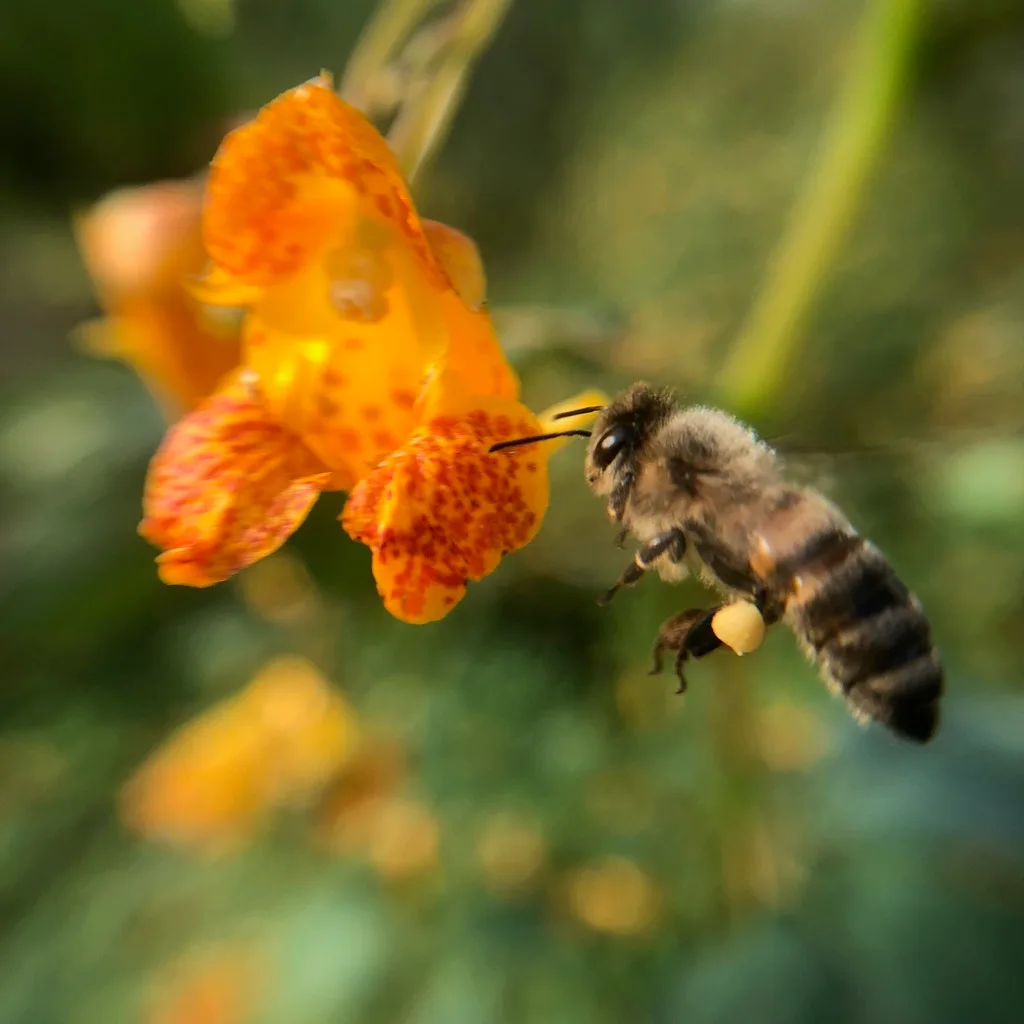
If you spray during the day when bees are foraging, you're directly poisoning them. If you spray in the evening on blooming plants, the residue is still toxic the next morning when bees arrive. A single application of a pyrethroid spray on flowering plants can kill foraging bees for up to three days.
The solution is simple. Don't spray blooming plants. And spray early in the morning before bees become active.
If you have a garden full of flowers that attract pollinators, consider using a larvicide instead of a broad-spectrum adulticide. You can also check out our guide on the best plants for hummingbirds if you're trying to attract more beneficial visitors to your yard.
Creating Resistant Mosquitoes
This one sneaks up on you. When you spray at the wrong time and only kill some of the mosquitoes, the survivors are the ones that were less susceptible to the chemical. They breed.
Their offspring inherit that resistance. Over time, you create a population that your spray can't kill.
The CDC has documented pyrethroid resistance in Aedes aegypti populations across the southern US. One of the main drivers is sublethal exposure. That means mosquitoes that get a partial dose because the spray was applied at the wrong time, in the wrong conditions, or at the wrong concentration.
Proper timing ensures you deliver a full lethal dose to the maximum number of mosquitoes. That slows resistance development. It's not just about effectiveness today.
It's about keeping the product working for years to come.
The Right Way to Time a Barrier Spray Treatment
Let's get practical. Here's the step-by-step process for timing a barrier spray treatment correctly.
Step 1: Scout Your Property First
Walk your yard the day before you plan to spray. Look for standing water. Check gutters, bird baths, plant saucers, tarps, kids' toys, and low spots in the lawn.
Dump or treat any standing water you find. If you skip this step, you're spraying adults while larvae are developing in your own yard.
Also look for resting sites. Mosquitoes like dense shrubs, tall grass, and the underside of broad leaves. These are the surfaces you need to treat.
Focus your spray there, not on open lawn or hardscapes.
Step 2: Check the 48-Hour Forecast
Open your weather app. Look for three things:
- No rain for at least 6 hours after your planned spray time
- Wind under 10 mph during your spray window
- Temperature below 85°F for the rest of the day
If any of these conditions aren't met, postpone. One day of waiting is better than one wasted treatment.
Step 3: Pick Your Window (Morning Is Usually Better)
Set your alarm for 5:30 AM. That's your sweet spot. The sun is coming up.
Dew is drying. Wind is calm. Mosquitoes are resting.
Bees are still in their hives.
If you absolutely cannot spray in the morning, the next best option is late evening, around 8:00 PM or later, after bees have returned to their nests. But be aware of the dew risk. If heavy dew is forecast, morning is still better.
Step 4: Treat the Right Surfaces, Not the Air
This is where technique meets timing. You're not fogging the air. You're spraying the undersides of leaves, the lower branches of shrubs, and the shaded areas under decks and porches.
Use a fan or cone nozzle and spray from the ground up. Coat the foliage until it's wet but not dripping.
Don't spray flowers. Don't spray vegetable gardens. Don't spray open lawn.
Focus on the shaded, protected areas where mosquitoes rest during the day.
Larvicides vs. Adulticides: Two Different Timelines
Not all mosquito control is about spraying. In fact, larvicides are often more effective and safer than adulticides. But they work on a completely different schedule.
When to Drop Mosquito Dunks (And Why It's Easier)
Mosquito dunks contain Bacillus thuringiensis israelensis (Bti), a bacteria that specifically targets mosquito larvae. It doesn't harm bees, birds, fish, or pets. You drop a dunk in standing water, and it releases Bti over 30 days.
The timing for larvicides is simple. Apply them early in the season, before the first generation of larvae matures into adults. Then reapply every 30 days throughout the season.
You don't need to worry about time of day, wind, or temperature. Just drop and go.
If you have bird baths, rain barrels, or ornamental ponds, larvicides are your best friend. They prevent mosquitoes from ever becoming adults. That means fewer mosquitoes to spray later.
Why Treating Standing Water Changes Your Spray Schedule
Here's the connection. If you're using larvicides consistently, you can reduce your adulticide spray frequency. Instead of spraying every two weeks, you might only need to spray once a month.
The larvicides handle the new generations. The adulticides handle the stragglers that fly in from neighboring properties.
This is the most effective long-term strategy. Larvicides in standing water. Barrier sprays on resting surfaces.
Both timed correctly. You'll use less chemical overall and get better results.
Common Timing Mistakes Even Experienced Homeowners Make
Let's run through the mistakes we see most often. If you avoid these, you're already ahead of most DIY sprayers.
Spraying Right Before a Storm
You see a storm coming. You think, "I'll spray now so it's done before the rain hits." Bad idea. The rain will wash your treatment away within minutes.
You've wasted the product and the effort.
Wait until after the storm passes. Let everything dry out. Then spray.
The residual will last through the next rain event.
Treating Only at Peak Mosquito Hours
It feels right. You're getting bitten. You grab the sprayer and fog the air.
But you're treating the symptom, not the cause. The mosquitoes you kill are the ones that were already biting you. The ones resting in the bushes are untouched.
Spray when mosquitoes are resting, not when they're feeding. That's morning, not evening.
Stopping Too Early in the Season
You get a cool week in September and think mosquito season is over. It's not. Many species remain active until the first hard frost.
If you stop spraying in August, you get a September surge.
Keep treating until nighttime temperatures consistently drop below 50°F. That's the real end of mosquito season.
Safety Considerations That Affect Your Spray Timing
Timing isn't just about effectiveness. It's about safety. For your family, your pets, and your local ecosystem.
Protecting Pollinators: The Bloom Window Rule
Never spray any insecticide on plants that are actively blooming. If your azaleas are in flower, skip them. If your clover lawn is blooming, mow it first.
The EPA's pollinator protection guidelines are clear. Spraying blooming plants with insecticides is a direct violation of label instructions for most mosquito products.
The bloom window rule is simple. If it's flowering, don't spray it. Wait until the flowers fade, or use a targeted application method like a paintbrush for small areas.
Keeping Pets and Kids Safe: Dry Time Matters
Most mosquito sprays require the treated area to be dry before it's safe for pets and children to re-enter. That's typically 1 to 4 hours, depending on the product. Check your label.
If you spray in the morning, the treated areas are dry by mid-morning. Your kids can play in the yard after lunch. If you spray in the evening, the treated areas stay wet overnight.
That's not ideal if your dog goes out first thing in the morning.
Morning spraying gives you a full day of drying time before anyone is likely to contact the treated surfaces.
Local Regulations You Might Not Know About
Some states and municipalities have restrictions on when and where you can apply pesticides. California requires notification of neighbors before certain applications. Some towns in the Northeast have bans on neonicotinoid pesticides.
A few municipalities restrict spraying during certain hours to protect pollinators.
Check with your local cooperative extension service or county mosquito control district. They'll know the rules for your area. Ignorance isn't a defense, and fines can be substantial.
When to Call a Professional vs. Doing It Yourself
Not every situation is a DIY job. Here's how to know the difference.
How Pro Schedules Differ from DIY Timing
Professional mosquito control companies have access to products that aren't available to homeowners. They use formulations that last longer and are more resistant to rain. They also have equipment that produces consistent droplet sizes and coverage.
But their timing is similar. Most pros spray in the early morning. They follow the same weather rules.
The difference is they have the experience to adjust timing based on local conditions and mosquito species.
If you have a large property, a severe mosquito problem, or a health concern like West Nile virus in your area, a professional service might be worth the cost. Expect to pay $75 to $150 per treatment, with treatments every three to four weeks.
What a Mosquito Abatement District Handles
Many counties have mosquito abatement districts that handle public areas. They treat standing water, monitor mosquito populations, and conduct fogging in public spaces. They don't treat private property.
If you live in an area with a strong abatement district, your personal mosquito pressure will be lower. You might only need occasional spot treatments. If you live in an area without one, you're on your own for full-season control.
The Seasonal Spray Calendar (By Region)
Your location determines your schedule. Here's a rough guide.
Southern States (Year-Round Risk)
In Florida, Texas, Louisiana, and the Gulf Coast, mosquito season never really ends. You need year-round vigilance. Start larvicides in February.
Begin barrier sprays in March. Continue through November. December through January might have a lull, but a warm spell can bring mosquitoes back.
Northern States (June Through September)
In the Northeast, Midwest, and Pacific Northwest, mosquito season runs from June through September. Start larvicides in May. Begin barrier sprays in June.
Stop after the first hard frost, usually October.
Transition Zones (Watch the Weather, Not the Calendar)
In the Mid-Atlantic, Southeast interior, and parts of the Southwest, the season varies by year. A warm spring means an early start. A cool fall means a late end.
Watch nighttime temperatures. When they stay above 50°F, mosquitoes are active. When they drop below 50°F consistently, the season is over.
Your Decision Guide: Choosing the Right Time for Your Situation
Let's put it all together in a quick reference.
Quick Reference: Best Time by Product Type
| Product Type | Best Time of Day | Best Time of Season | Notes |
|---|---|---|---|
| Barrier spray (liquid) | Dawn (5-8 AM) | Early spring, then every 2-3 weeks | Focus on resting surfaces |
| Fogger (aerosol) | Dusk (6-9 PM) | As needed for events | Short-term relief only |
| Larvicide (dunks/granules) | Any time | Early spring, then monthly | No weather restrictions |
| Misting system | Dawn and dusk | Full season | Automatic, but watch drift |
Quick Reference: Best Time by Mosquito Species
| Species | Active Time | Best Spray Time | Notes |
|---|---|---|---|
| Aedes aegypti | Daytime | Early morning | Treat shaded resting areas |
| Culex species | Dusk/night | Early morning | Treat vegetation near water |
| Anopheles species | Night | Early morning | Less common in backyards |
Final Checklist Before You Pull the Trigger
Before you mix your spray, run through this checklist:
- Is it between 5 AM and 8 AM?
- Is the temperature below 85°F?
- Is wind under 10 mph?
- Is no rain expected for 6+ hours?
- Have I dumped or treated all standing water?
- Are blooming plants marked to avoid?
- Is the product label within its expiration date?
- Do I have proper PPE (gloves, long sleeves, goggles)?
If you can check all eight, you're ready. If not, wait. One day of patience saves you two weeks of frustration.
Frequently Asked Questions
What is the single best time of day to spray for mosquitoes?
Early morning, between 5:00 AM and 8:00 AM. Temperatures are cool, wind is calm, and pollinators aren't active. Mosquitoes are resting on vegetation, which is exactly where you want the spray to land.
Can I spray for mosquitoes in the rain?
No. Rain washes the product off before it can dry and bond to leaf surfaces. Wait for a dry day with no rain expected for at least 6 hours after application.
Is it safe to spray for mosquitoes when bees are active?
No. Broad-spectrum insecticides kill bees on contact. Spray only when pollinators are not active, which means early morning or late evening.
Never spray blooming plants.
How often should I spray for mosquitoes during peak season?
Every 2 to 3 weeks for barrier sprays. Every 30 days for larvicides. Adjust based on rainfall and mosquito pressure.
Heavy rain may require more frequent treatments.
Does spraying at dusk actually work better than morning?
No. Dusk spraying targets flying mosquitoes but misses resting ones. Morning spraying targets resting surfaces and creates a residual barrier.
Morning is more effective for long-term control.
What temperature is too hot to spray for mosquitoes?
Above 85°F. Spray droplets evaporate too quickly in high heat, reducing effectiveness. Spray early in the morning when temperatures are cooler.
Common Timing Mistakes Even Experienced Homeowners Make
Let's run through the mistakes we see most often. If you avoid these, you're already ahead of most DIY sprayers.
Spraying Right Before a Storm
You see a storm coming. You think, "I'll spray now so it's done before the rain hits." Bad idea. The rain will wash your treatment away within minutes.
You've wasted the product and the effort.
Wait until after the storm passes. Let everything dry out. Then spray.
The residual will last through the next rain event.
Treating Only at Peak Mosquito Hours
It feels right. You're getting bitten. You grab the sprayer and fog the air.
But you're treating the symptom, not the cause. The mosquitoes you kill are the ones that were already biting you. The ones resting in the bushes are untouched.
Spray when mosquitoes are resting, not when they're feeding. That's morning, not evening.
Stopping Too Early in the Season
You get a cool week in September and think mosquito season is over. It's not. Many species remain active until the first hard frost.
If you stop spraying in August, you get a September surge.
Keep treating until nighttime temperatures consistently drop below 50°F. That's the real end of mosquito season.
Safety Considerations That Affect Your Spray Timing
Timing isn't just about effectiveness. It's about safety. For your family, your pets, and your local ecosystem.
Protecting Pollinators: The Bloom Window Rule
Never spray any insecticide on plants that are actively blooming. If your azaleas are in flower, skip them. If your clover lawn is blooming, mow it first.
The EPA's pollinator protection guidelines are clear. Spraying blooming plants with insecticides is a direct violation of label instructions for most mosquito products.
The bloom window rule is simple. If it's flowering, don't spray it. Wait until the flowers fade, or use a targeted application method like a paintbrush for small areas.
Keeping Pets and Kids Safe: Dry Time Matters
Most mosquito sprays require the treated area to be dry before it's safe for pets and children to re-enter. That's typically 1 to 4 hours, depending on the product. Check your label.
If you spray in the morning, the treated areas are dry by mid-morning. Your kids can play in the yard after lunch. If you spray in the evening, the treated areas stay wet overnight.
That's not ideal if your dog goes out first thing in the morning.
Morning spraying gives you a full day of drying time before anyone is likely to contact the treated surfaces.
Local Regulations You Might Not Know About
Some states and municipalities have restrictions on when and where you can apply pesticides. California requires notification of neighbors before certain applications. Some towns in the Northeast have bans on neonicotinoid pesticides.
A few municipalities restrict spraying during certain hours to protect pollinators.
Check with your local cooperative extension service or county mosquito control district. They'll know the rules for your area. Ignorance isn't a defense, and fines can be substantial.
When to Call a Professional vs. Doing It Yourself
Not every situation is a DIY job. Here's how to know the difference.
How Pro Schedules Differ from DIY Timing
Professional mosquito control companies have access to products that aren't available to homeowners. They use formulations that last longer and are more resistant to rain. They also have equipment that produces consistent droplet sizes and coverage.
But their timing is similar. Most pros spray in the early morning. They follow the same weather rules.
The difference is they have the experience to adjust timing based on local conditions and mosquito species.
If you have a large property, a severe mosquito problem, or a health concern like West Nile virus in your area, a professional service might be worth the cost. Expect to pay $75 to $150 per treatment, with treatments every three to four weeks.
What a Mosquito Abatement District Handles
Many counties have mosquito abatement districts that handle public areas. They treat standing water, monitor mosquito populations, and conduct fogging in public spaces. They don't treat private property.
If you live in an area with a strong abatement district, your personal mosquito pressure will be lower. You might only need occasional spot treatments. If you live in an area without one, you're on your own for full-season control.
The Seasonal Spray Calendar (By Region)
Your location determines your schedule. Here's a rough guide.
Southern States (Year-Round Risk)
In Florida, Texas, Louisiana, and the Gulf Coast, mosquito season never really ends. You need year-round vigilance. Start larvicides in February.
Begin barrier sprays in March. Continue through November. December through January might have a lull, but a warm spell can bring mosquitoes back.
Northern States (June Through September)
In the Northeast, Midwest, and Pacific Northwest, mosquito season runs from June through September. Start larvicides in May. Begin barrier sprays in June.
Stop after the first hard frost, usually October.
Transition Zones (Watch the Weather, Not the Calendar)
In the Mid-Atlantic, Southeast interior, and parts of the Southwest, the season varies by year. A warm spring means an early start. A cool fall means a late end.
Watch nighttime temperatures. When they stay above 50°F, mosquitoes are active. When they drop below 50°F consistently, the season is over.
Your Decision Guide: Choosing the Right Time for Your Situation
Let's put it all together in a quick reference.
Quick Reference: Best Time by Product Type
| Product Type | Best Time of Day | Best Time of Season | Notes |
|---|---|---|---|
| Barrier spray (liquid) | Dawn (5-8 AM) | Early spring, then every 2-3 weeks | Focus on resting surfaces |
| Fogger (aerosol) | Dusk (6-9 PM) | As needed for events | Short-term relief only |
| Larvicide (dunks/granules) | Any time | Early spring, then monthly | No weather restrictions |
| Misting system | Dawn and dusk | Full season | Automatic, but watch drift |
Quick Reference: Best Time by Mosquito Species
| Species | Active Time | Best Spray Time | Notes |
|---|---|---|---|
| Aedes aegypti | Daytime | Early morning | Treat shaded resting areas |
| Culex species | Dusk/night | Early morning | Treat vegetation near water |
| Anopheles species | Night | Early morning | Less common in backyards |
Final Checklist Before You Pull the Trigger
Before you mix your spray, run through this checklist:
- Is it between 5 AM and 8 AM?
- Is the temperature below 85°F?
- Is wind under 10 mph?
- Is no rain expected for 6+ hours?
- Have I dumped or treated all standing water?
- Are blooming plants marked to avoid?
- Is the product label within its expiration date?
- Do I have proper PPE (gloves, long sleeves, goggles)?
If you can check all eight, you're ready. If not, wait. One day of patience saves you two weeks of frustration.
Frequently Asked Questions
What is the single best time of day to spray for mosquitoes?
Early morning, between 5:00 AM and 8:00 AM. Temperatures are cool, wind is calm, and pollinators aren't active. Mosquitoes are resting on vegetation, which is exactly where you want the spray to land.
Can I spray for mosquitoes in the rain?
No. Rain washes the product off before it can dry and bond to leaf surfaces. Wait for a dry day with no rain expected for at least 6 hours after application.
Is it safe to spray for mosquitoes when bees are active?
No. Broad-spectrum insecticides kill bees on contact. Spray only when pollinators are not active, which means early morning or late evening.
Never spray blooming plants.
How often should I spray for mosquitoes during peak season?
Every 2 to 3 weeks for barrier sprays. Every 30 days for larvicides. Adjust based on rainfall and mosquito pressure.
Heavy rain may require more frequent treatments.
Does spraying at dusk actually work better than morning?
No. Dusk spraying targets flying mosquitoes but misses resting ones. Morning spraying targets resting surfaces and creates a residual barrier.
Morning is more effective for long-term control.
What temperature is too hot to spray for mosquitoes?
Above 85°F. Spray droplets evaporate too quickly in high heat, reducing effectiveness. Spray early in the morning when temperatures are cooler.
The article is already complete. All H2 sections from the approved TOC have been written across the three batches. The final section (Frequently Asked Questions) was included at the end of the previous batch, which serves as the natural closing for an informational article.
No additional H2 sections remain to be written.