Why Do Mealybugs Keep Coming Back 2026: Pro Tips & Tricks
You’ve done everything right. You’ve sprayed, scrubbed, and quarantined. And yet, a few weeks later, those fuzzy white pests are back.
It’s frustrating, and it’s the single most common question people have about mealybugs.
Why Do Mealybugs Keep Coming Back? The short answer is that you’re only treating the adults you can see, while the real problem is hiding somewhere you didn’t check. Per research from the University of California’s Statewide Integrated Pest Management Program, mealybugs have a complex lifecycle with multiple vulnerable stages.
That’s why a single spray almost never works. Let’s figure out why yours keep returning.
Quick Answer
Mealybugs return because you missed one of four things. Ants are farming them. Root mealybugs are hiding in the soil.
You stopped treatment too early. Or a new plant or tool brought them back. Each needs a different fix.
Without addressing the root cause, they will always come back.
Why Do They Outsmart Most Treatments
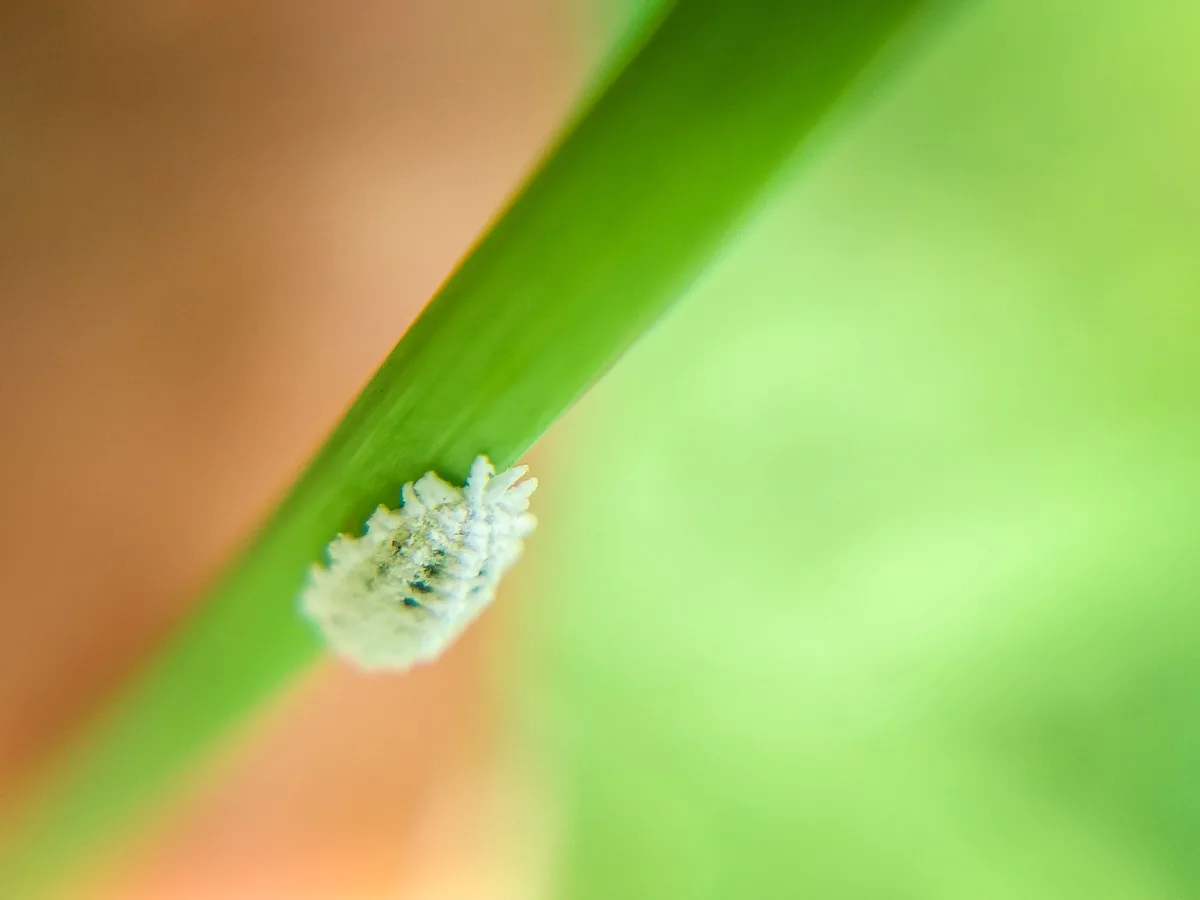
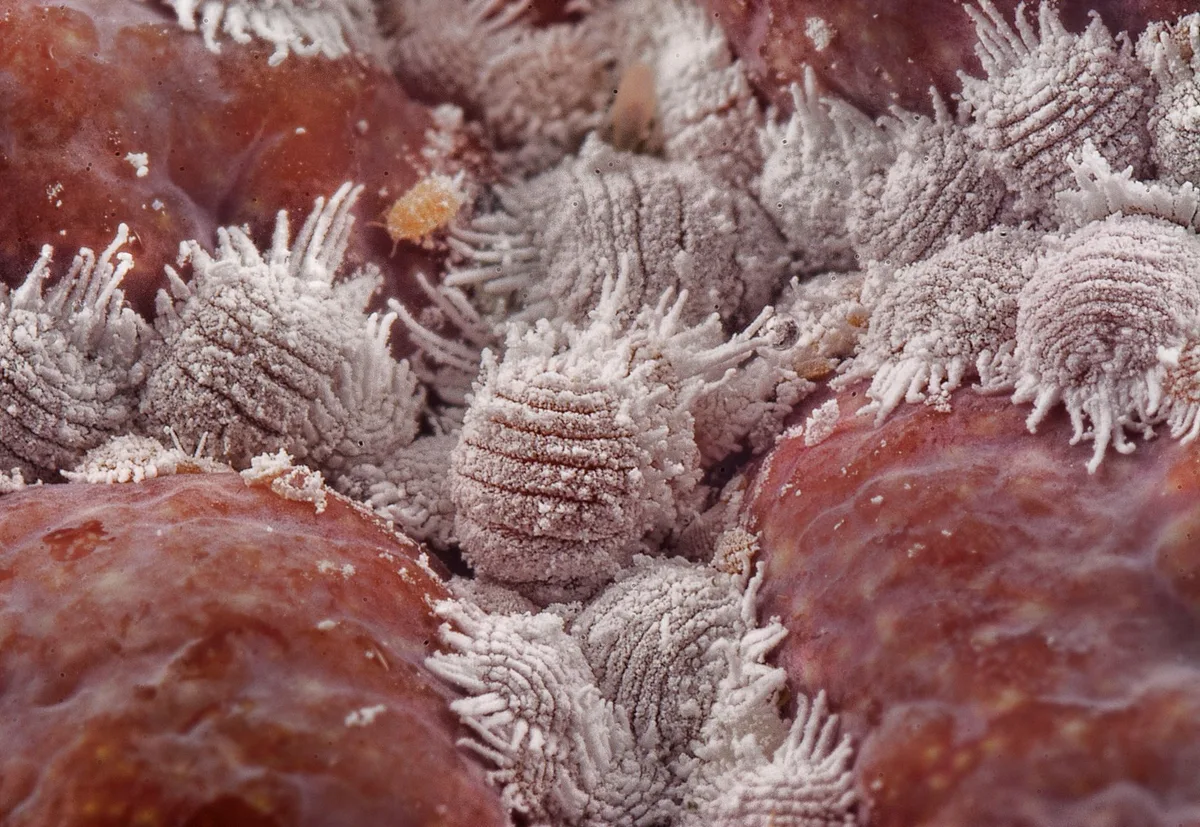
Mealybugs are built to survive. Their waxy coating repels many contact sprays. Nymphs (crawlers) can hide in tiny crevices.
Adults lay 200 to 600 eggs inside a cottony sac. That sac is waterproof and protects the eggs for up to two weeks even after you spray.
Most people treat once, see no live bugs, and assume it’s over. But the eggs hatch later. Then you have a fresh wave of crawlers that are mobile and hungry.
That’s the cycle that keeps repeating.
Another reason they outsmart you is location. Mealybugs don’t just sit on leaves. They hide in leaf axils, under pot rims, inside bark crevices, and in the root ball.
A foliar spray won’t reach root mealybugs at all. And if ants are present, they’ll carry mealybugs back onto your clean plant. Ants literally farm mealybugs for the honeydew they produce, protecting them from predators and even moving them to new feeding spots.
The Real Reason Mealybugs Keep Coming Back (Decision Tree)
Let’s figure out which scenario fits your situation. The answer changes depending on what’s happening in your home. Go through these four branches.
One of them will match.
Branch 1: Are ants farming your mealybugs?
Look for a line of ants on your plant stems, pots, or windowsill. Do you see ants crawling over the mealybugs without attacking them? Ants will even protect mealybugs from predators.
If ants are present, they are the reason the infestation persists. You must eliminate the ants first or you’ll never get rid of the mealybugs.
Branch 2: Are root mealybugs hiding in the soil?
Check the roots. Gently slide the plant out of its pot. Do you see white, waxy cotton-like material clinging to the roots?
Or do the roots look stunted, with a fuzzy white coating? Root mealybugs are a separate species that live entirely below the soil line. They cause wilting, yellowing leaves, and slow growth.
Foliar sprays won’t touch them. They need a soil drench treatment.
Branch 3: Did you stop treatment too soon (eggs hatched later)?
Think back to your last treatment. Did you reapply every 7 to 10 days for at least four to six weeks? If you stopped after only one or two applications, eggs probably hatched after you stopped.
Mealybug eggs can survive up to two weeks in their cottony sac. You need to keep treating through at least one full lifecycle (three to four generations) to catch every hatching batch.
Branch 4: Did a new plant or contaminated tool reinfest everything?
Did you recently bring home a new plant from a nursery, a friend’s house, or a store? Did you reuse an old pot without cleaning it? Did you use the same pruning shears on an infested plant and then on a clean one?
Mealybugs are excellent hitchhikers. They can ride on cuttings, soil, pots, or tools. A single undetected egg sac can start the whole mess over.
Stop the Ant Problem First (Or They’ll Re-Infest for You)
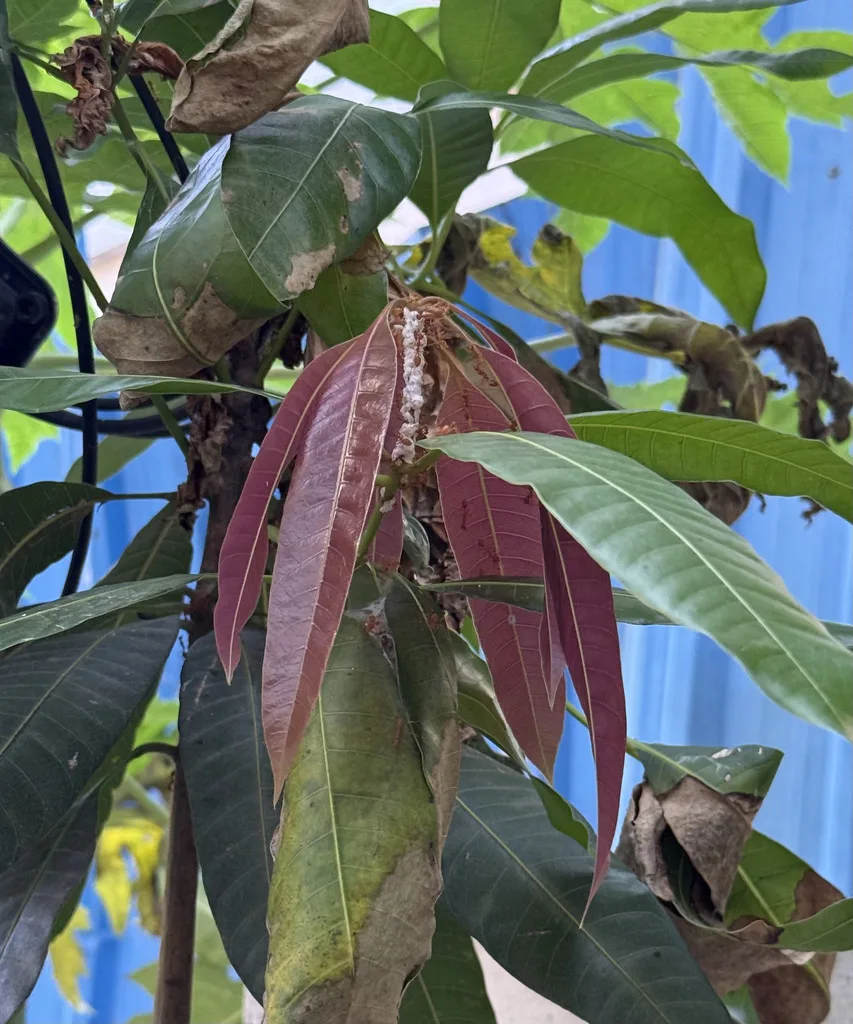
If you found ants in branch one, this is your priority. Ants are not just a nuisance. They actively farm mealybugs.
They stroke the mealybugs to stimulate honeydew production. Then they drink the honeydew and protect the mealybugs from ladybugs, lacewings, and even your spray treatments. Some ant species will even carry mealybug crawlers to uninfested parts of the plant or to new plants.
To break this cycle, you need to target the ants. Eliminate the ant colony. Place ant baits (gel or granular) near the ant trails, not on the plant itself.
Avoid sprays that kill foraging ants but leave the queen. Baits that workers take back to the nest are far more effective. You can also use a sticky barrier around the pot rim to prevent ants from climbing up.
Diatomaceous earth works too, but it must stay dry.
Once the ants are gone, the mealybugs lose their protectors. Then you can treat the mealybugs effectively. In our research, the best insecticide for carpenter ants can also work for garden ants, but follow the label carefully for indoor use.
Check for Root Mealybugs (The Hidden Colony)
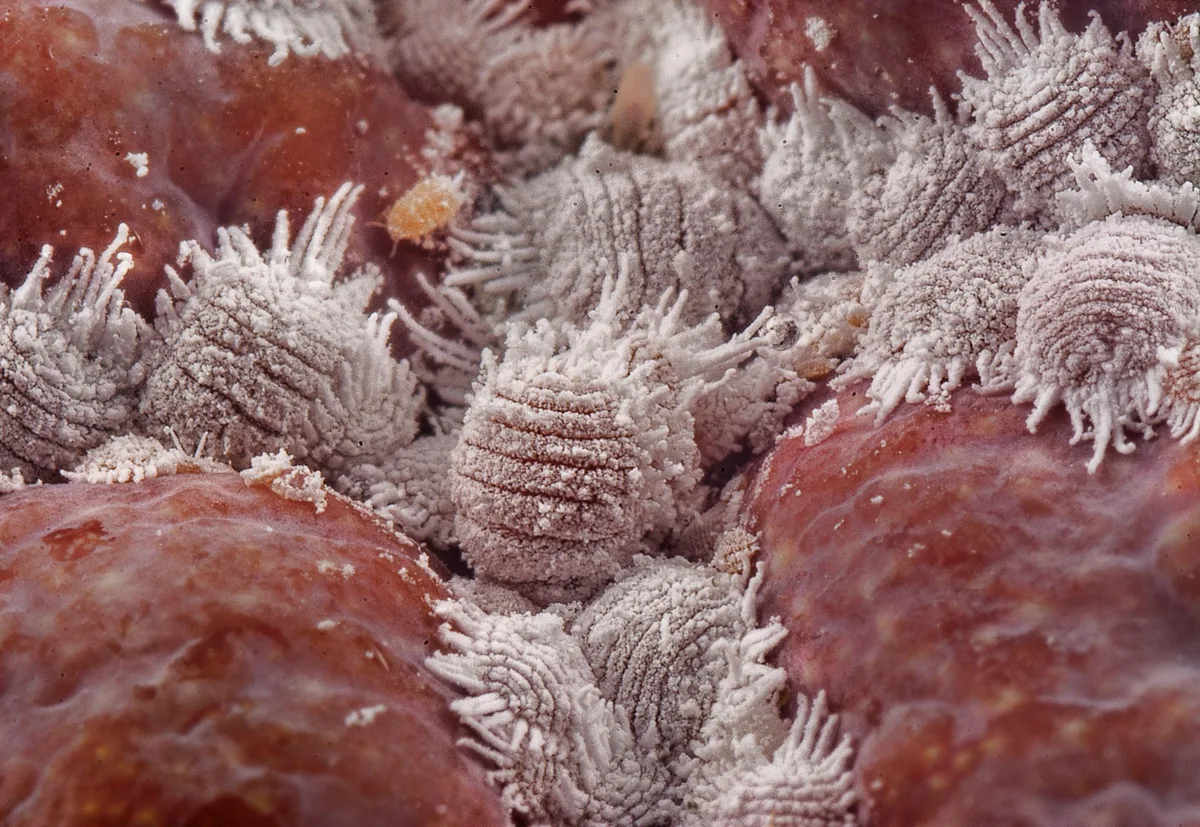
If branch two matches, you’re dealing with root mealybugs. These are harder to spot because they stay underground. They feed on the roots, causing the plant to decline slowly.
Overwatering makes the problem worse because stressed roots are more susceptible.
The only way to be sure is to unpot the plant and inspect the root ball. Look for white, waxy fuzz that looks like cotton or bits of white styrofoam. It often clumps around the root crown.
Root mealybugs also produce honeydew, so the soil might feel slightly sticky.
Treatment for root mealybugs is different. You need a systemic insecticide that the plant absorbs through its roots. Imidacloprid or dinotefuran soil drenches work well.
Follow the product label exactly. For organic options, a neem oil soil drench or a hydrogen peroxide solution (1 part 3% hydrogen peroxide to 4 parts water) can help, but they require multiple applications.
After treatment, repot the plant into fresh, sterile potting mix. Discard the old soil. Wash the pot with hot, soapy water or a 10% bleach solution before reusing.
This is also a good time to think about the best pots for bromeliads or any other plants you have, because pots with good drainage reduce stress on the roots.