Guide to Can Too Much Mulch Harm Plants: What Actually Works
It’s a natural instinct. You want to protect your garden, keep the soil moist, and make everything look tidy. So you pile on the mulch.
A fresh, deep blanket of bark chips looks like the right call. But here’s the truth that surprises most homeowners: Can Too Much Mulch Harm Plants? Yes, it absolutely can.
In fact, overmulching is one of the most common and damaging mistakes in modern landscaping.
Research from the Cooperative Extension System shows that the ideal depth for most organic mulches is 2 to 4 inches. Beyond that, you’re not helping your plants. You’re suffocating them.
As of 2026, arborists and soil scientists agree that the “volcano” of mulch piled against tree trunks is a leading cause of premature tree death in suburban landscapes. Let’s walk through what happens beneath that thick layer and how to check your own yard before it’s too late.
Quick Answer
Yes, too much mulch can harm plants. It suffocates roots and traps moisture. It also invites pests and diseases.
The safe depth is 2 to 4 inches. Keep mulch away from stems and trunks. That’s the short version.
The rest of this article explains exactly why and how to fix it.
The Real Problem: Why Your Mulch Might Be Killing Your Plants
You think you’re doing your plants a favor. You spread a generous 6-inch layer of shredded bark around your new maple tree. It looks great.
The garden bed looks rich and cared for. But underneath, a slow crisis is unfolding.
Here’s the problem in plain terms: plant roots need oxygen. They also need a balance of moisture and dryness. When you bury them under a deep, compacted layer of mulch, you cut off their air supply.
The soil stays wet for too long. The roots can’t breathe. And the stem or trunk of the plant, which is built to be exposed to air, stays damp and starts to rot.
This isn’t a minor issue. A 2024 survey of certified arborists reported that overmulching was a contributing factor in roughly 60% of tree health complaints they see in residential landscapes. The problem is that widespread.
The visual above shows what happens when mulch is piled directly against the trunk. That’s called volcano mulching. It looks neat, but it’s dangerous for the tree.
If you’ve been piling on fresh mulch year after year without removing the old layer, you could be creating a 6- to 10-inch thick mat. That mat doesn’t just trap moisture. It can become hydrophobic, actually repelling water instead of holding it.
So your plants stay thirsty while sitting in a layer of wet, rotting bark.
Let’s break down the science of what goes wrong.
How Too Much Mulch Hurts Plants (The Science Made Simple)
There are three main ways excessive mulch damages your plants. Each one works differently, but they often happen together.
Root Suffocation and Soil Oxygen
Plant roots need air. Specifically, they need oxygen in the soil pores. When you layer mulch too thick, especially fine-textured mulch like double-ground bark, it compacts under its own weight.
Rain and irrigation water saturate the layer. The pores fill with water instead of air. Roots that can’t get oxygen start to die back.
This is called root suffocation. It’s not dramatic. There’s no wilting leaf or yellow spot that appears overnight.
Instead, the plant slowly declines. Leaves get smaller. Growth slows.
The plant becomes more vulnerable to drought and pests. You might not connect it to the mulch for months or years.
Sour Mulch and Nitrogen Starvation
When a thick layer of wood mulch sits wet and anaerobic (without oxygen), it starts to break down in a different way. Bacteria that don’t need oxygen take over. They produce organic acids, alcohols, and ammonia.
This creates “sour mulch.” You can smell it, it has a sharp, vinegary, or rotten-egg odor.
Sour mulch is toxic to plant roots. It can burn tender roots and kill young plants outright.
There’s another nutrient problem too. Fresh wood chips are high in carbon. Microbes that break down that carbon need nitrogen to do their job.
If the mulch layer is deep and fresh, those microbes pull nitrogen from the soil. Your plants end up nitrogen-starved. You’ll see yellowing leaves and stunted growth, especially in annuals and vegetables.
Trunk Rot and Girdling Roots
This one is specific to trees and woody shrubs. The bark on a tree trunk is designed to be exposed to air. It needs to dry out between rains.
When you pile mulch against the trunk, especially a thick, wet pile, the bark stays damp. Fungal infections set in. The cambium layer (the living tissue just under the bark) starts to die.
Meanwhile, something else is happening below ground. Tree roots naturally grow outward, not downward. When they hit a deep mulch layer, they sometimes start growing up into the mulch instead of into the soil.
These roots circle around the trunk. Over years, they can girdle the tree, literally strangling it. This is a hidden killer.
You don’t see it until the tree falls over in a storm or suddenly dies.
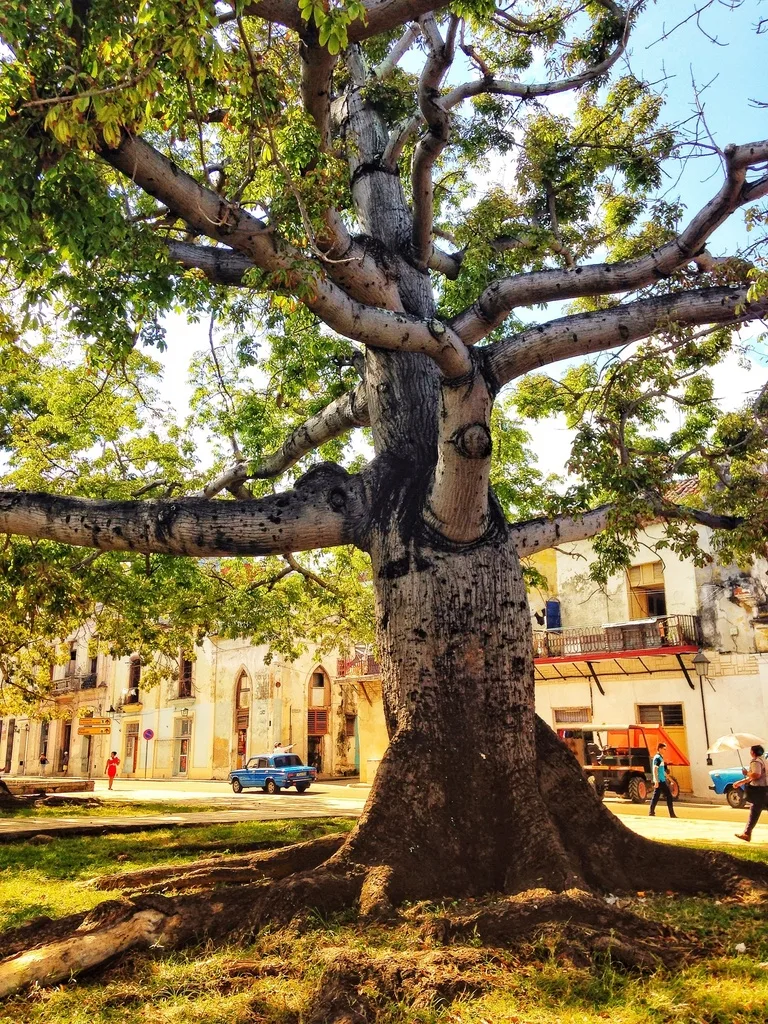
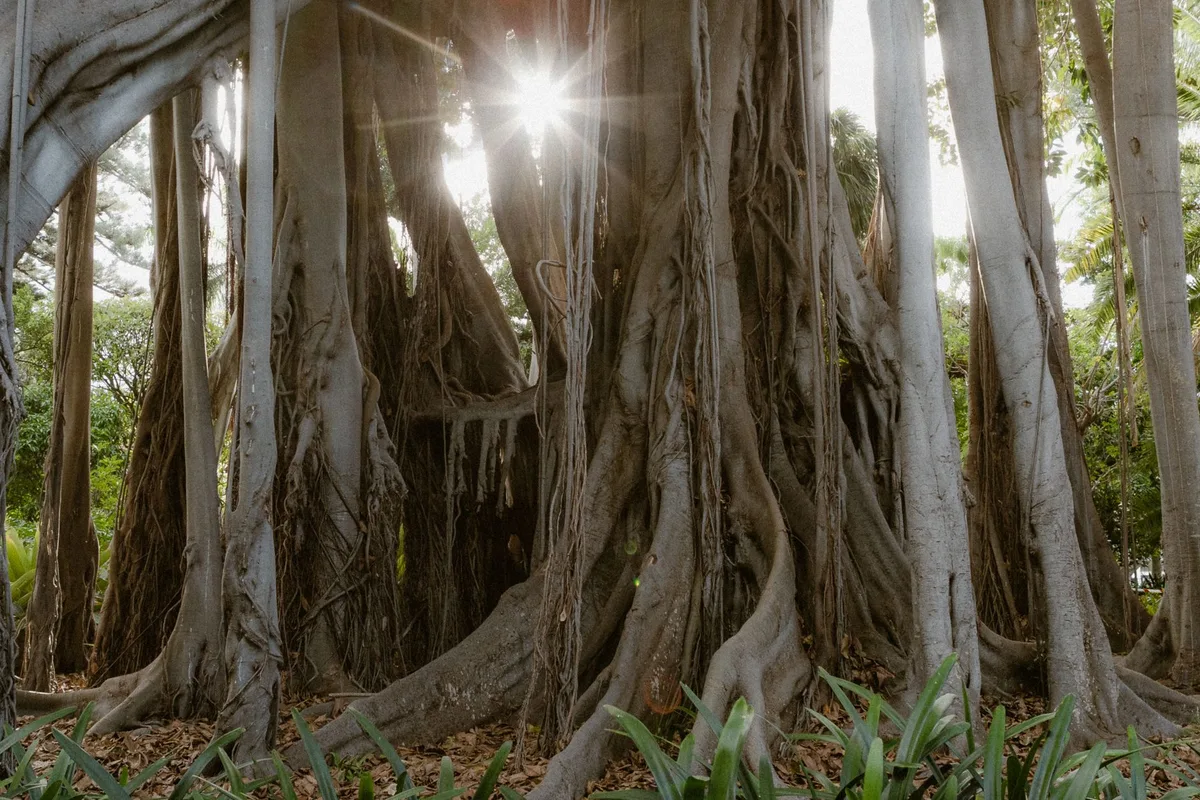
The image above shows what a healthy root flare looks like. Notice how the trunk widens at the base. That flare should always be visible above the soil and mulch line.
If you can’t see it, you have a problem.
The 3 Critical Variables That Decide If Your Mulch Is Safe
Not all mulch is dangerous. Not all depths are harmful. You need to evaluate three things before you decide whether to panic or relax.
Mulch Type and Particle Size
Fine-textured mulches, double-ground bark, shredded hardwood, composted leaves, compact easily. They form a nearly solid mat that blocks air and water. These need to stay on the thinner side: 2 to 3 inches maximum.
Coarse mulches, pine bark nuggets, large wood chips, straw, stay open and airy. They’re harder to overdo. You can push them to 4 inches safely, sometimes even 5 inches in dry climates.
| Mulch Type | Safe Depth Range | Compaction Risk |
|---|---|---|
| Fine (double-ground bark, shredded hardwood) | 2 to 3 inches | High – compacts easily, traps moisture |
| Medium (bark mini-nuggets, pine fines) | 3 to 4 inches | Moderate – needs annual fluffing |
| Coarse (pine bark nuggets, large chips, straw) | 3 to 5 inches | Low – stays open and aerated |
Fresh wood chips have the highest nitrogen demand. Aged or composted mulches are safer for annual beds and vegetable gardens because the initial breakdown has already happened.
Depth: The 2 to 4 Inch Goldilocks Zone
This is the most important measurement. Anything over 4 inches is risky for most plants. Over 6 inches is almost always harmful.
Over 8 inches is a crisis.
Here’s why: the soil underneath a thick mulch layer stays cool and wet. That sounds good, but it also means the soil doesn’t warm up in spring. Bulbs don’t sprout.
Perennial roots stay dormant longer. The growing season shortens.
Get a ruler and measure. Don’t guess. People consistently underestimate how deep their mulch has gotten after years of top-dressing.
Plant Species and Root Sensitivity
Some plants handle deep mulch better than others. Established trees with deep root systems are more tolerant. Shallow-rooted plants, azaleas, rhododendrons, camellias, and most perennials, are very sensitive to deep mulch.
Vegetables and annual flowers have delicate roots that stay near the surface. Bury them under 4 inches of wet bark and they’ll struggle.
| Plant Type | Mulch Sensitivity | Recommended Max Depth |
|---|---|---|
| Established trees (oak, maple, pine) | Moderate | 4 inches (keep away from trunk) |
| Shallow-rooted shrubs (azaleas, rhododendrons) | High | 2 to 3 inches |
| Perennial flowers (hostas, daylilies) | Very high | 2 inches max, keep off crowns |
| Vegetables and annuals | Very high | 1 to 2 inches, use lightweight mulch |
If you’re growing plants in a dry, hot climate, you might get away with thicker mulch because evaporation is high. But even there, the trunk contact risk remains.
Step-by-Step: Diagnose Your Mulch Situation
You don’t need to guess. You can check your own garden in about 10 minutes with a ruler and a hand trowel.
Measure Your Current Depth
Push a ruler or a screwdriver straight down through the mulch until you hit soil. Read the depth. Do this in several spots around the bed, especially near the base of trees and shrubs.
The depth often varies.
If it’s over 4 inches anywhere, you need to remove some. If it’s over 6 inches, you need to remove a lot.
Check for Sour Smell or White Mold
Kneel down and stick your nose close to the mulch. If it smells like vinegar, ammonia, or a sour compost bin, you have sour mulch. White or gray fuzzy mold on the surface is another warning sign.
If you detect either, remove the affected mulch immediately. Don’t try to mix it in or cover it. Dispose of it in the trash or a hot compost pile (not around your plants).
Find the Root Flare
For trees and woody shrubs, this is the most critical test. Gently brush away mulch and soil from the base of the trunk until you see where the trunk widens into roots. That flare should be visible.
If you have to dig down more than an inch or two to find it, the tree is buried too deep.
Observe Plant Stress Signs
Look for these symptoms:
- Leaves that are smaller than normal or yellowing between veins
- Stunted new growth in spring
- A ring of mushrooms growing in the mulch circle
- Fungal cankers or oozing spots on the trunk
- Roots growing up into the mulch layer (visible when you pull back the mulch)
- The plant wilting even when the soil feels moist
If you see two or more of these signs combined with deep mulch, you have a problem.

The photo above shows the correct way to check depth. A simple ruler pushed through to the soil tells you everything you need to know.
Once you’ve completed this diagnosis, you’ll know exactly which branch of the decision tree you’re on. The fix depends on what you find. If your mulch depth is within the safe zone and the root flare is visible, you can relax.
If not, your next step is partial or full removal, and we’ll cover exactly how to do that safely.