Guide to Natural Predators for Lawn Pests 2026
You’re right: a chemical spray might kill the pests today, but it also wipes out the very creatures that would keep them in check tomorrow. That’s where Natural Predators for Lawn Pests come in, beneficial insects, nematodes, fungi, and even birds that prey on your lawn’s worst invaders. The trick is knowing which predator matches which pest, and that’s what this guide is really about.
According to research from university turfgrass programs, a well-timed release of beneficial nematodes can reduce white grub populations by 70, 90% within two weeks, without a single drop of synthetic pesticide. That kind of result doesn’t come from guessing. It comes from following a simple decision tree based on your specific pest, soil temperature, and lawn conditions.
Let’s walk through it step by step.
Why Your Lawn Pests Keep Winning (And Why Chemicals Aren’t the Fix)
If you’ve been fighting grubs, chinch bugs, or sod webworms year after year, you already know the cycle: spray, kill, wait, repeat. The pests come back stronger because the chemicals also kill their natural enemies. Ladybugs, ground beetles, parasitic wasps, and predatory mites don’t survive broad-spectrum insecticides.
Once they’re gone, the pests have no natural checks.
Worse, many lawn pests, like Japanese beetle grubs and chinch bugs, have developed resistance to common chemical classes. A 2023 survey from multiple extension services found that over 40% of chinch bug populations in the southeastern U.S. were resistant to pyrethroid sprays. That’s not a pesticide problem.
That’s a predator vacuum.
The fix isn’t a stronger poison. It’s restoring the balance. Beneficial nematodes, for instance, attack grubs below ground.
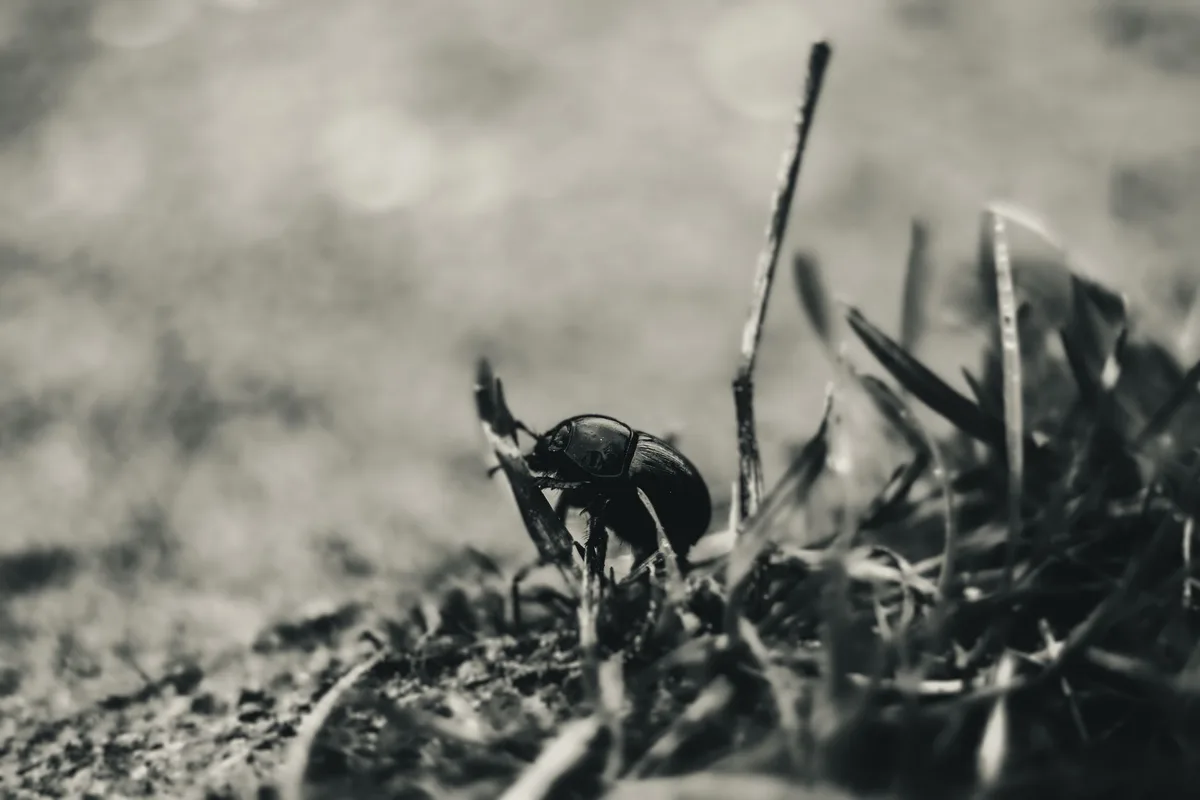
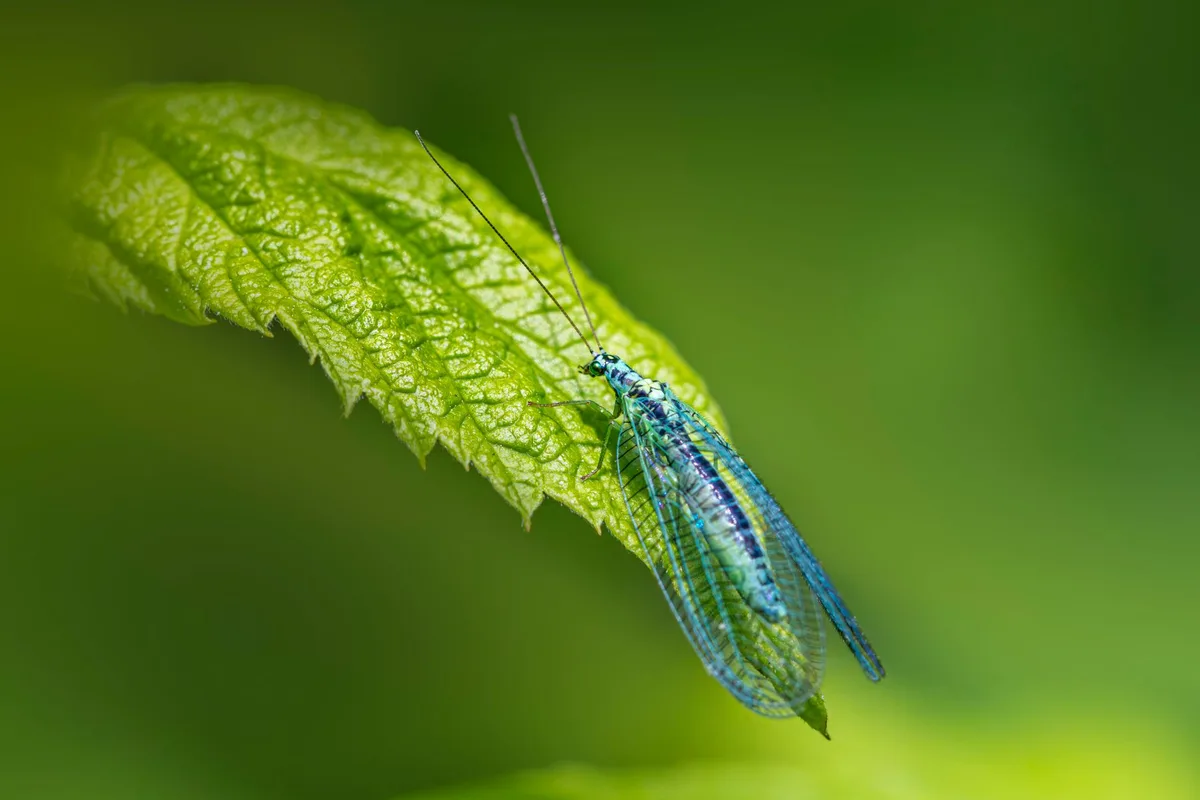
Green lacewing larvae devour aphids and caterpillars above ground. Ground beetles patrol at night for cutworms. The key is knowing which predator to deploy, and when.
The Simple Rule: Match the Predator to the Pest, Not the Label
Most people see "beneficial insects" on a website and order ladybugs for everything. That’s like using a hammer on a screw, it doesn’t fit. Ladybugs are excellent aphid hunters, but they’re useless against grubs that live in the soil.
You need the right tool for the job.
Here’s the rule in plain terms: generalist predators (like ground beetles, lacewing larvae, and ladybugs) handle multiple pest types but may not control a heavy outbreak of a single pest. Specialist predators (like Tiphia wasps that parasitize only Japanese beetle grubs) deliver targeted, often more effective control.
So before you buy anything, identify the pest. Then match the predator that feeds on that specific pest during the life stage you’re dealing with. A grub in the soil needs a nematode that hunts underground.
A caterpillar on the grass blade needs a wasp or lacewing that searches above ground. Simple.
How Natural Predators Actually Hunt in Your Lawn
Natural predators work differently than chemical sprays. Sprays kill on contact, but predators hunt actively, or wait in ambush. Understanding their hunting style helps you set them up for success.
Beneficial nematodes are microscopic roundworms that swim through the water film in soil. They enter a grub’s body through its mouth, anus, or breathing pores, and release bacteria that kill the grub within 48 hours. The nematodes then reproduce inside the corpse and disperse to find new hosts.
They need moist soil to move, dry soil stops them cold.
Predatory insects like ground beetles and rove beetles hunt at night, roaming the thatch and soil surface for eggs, larvae, and adult pests. Green lacewing larvae are voracious generalists, one larva can eat 200 aphids or 100 webworm eggs before pupating. Parasitic wasps lay their eggs inside living pests; the wasp larvae eat the host from the inside out.
It sounds brutal, but it’s nature’s pest control at work.
Birds like robins, bluebirds, and chickadees scour lawns for grubs and caterpillars. A single robin can eat dozens of grubs per day. But birds need water sources, perches, and adjacent cover to stay in your yard.
Your 4-Step Decision Tree for Choosing the Right Predator
This is the practical part. Think of it as a simple flowchart: answer each question, and the next step becomes obvious.
Step 1: Identify the Pest (Soap Flush, Cut-and-Lift, Dusk Watch)
You can’t choose a predator until you know what you’re fighting. Three easy methods:
- Soap flush, Mix 1 gallon of water with 1 tablespoon of liquid dish soap. Pour over a 2-square-foot patch of lawn. Wait 2-3 minutes. Pests like chinch bugs, armyworms, and sod webworms will come to the surface. Count them.
- Cut-and-lift, For grubs, use a spade to cut a 1-square-foot square of sod about 3 inches deep. Peel it back and count the white C-shaped grubs in the soil. 10 or more per square foot is a threshold that usually warrants action.
- Dusk watch, Many caterpillars and cutworms feed at night. Walk the lawn with a flashlight after sunset. If you see small green or brown caterpillars, that’s likely sod webworms or armyworms.
Step 2: Check the Conditions (Soil Temp, Moisture, Lawn Zone, Thatch Depth)
Natural predators have specific requirements. Nematodes need soil temperatures between 50°F and 85°F. Below 50°F they become inactive; above 90°F they die quickly.
Use a soil thermometer inserted 2 inches deep at mid-morning.
Soil moisture is critical for nematodes and moisture-loving predators. The soil should be damp but not soggy, like a wrung-out sponge. If it’s bone-dry, water the lawn lightly the day before release.
Your lawn zone matters too. Cool-season grass (fescue, bluegrass) and warm-season grass (Bermuda, St. Augustine) host different pest complexes.
Check a local hardiness zone map or call your county extension office. They’ll tell you which pests are active in your area right now.
Thatch depth over ½ inch gives pests a safe haven from predators. If your thatch is thick, consider dethatching before releasing any biologicals.
Step 3: Follow the Decision Branches
If you found grubs (especially white, C-shaped), your best bet is beneficial nematodes, specifically Heterorhabditis bacteriophora or Steinernema scarabaei. These species are proven against Japanese beetle grubs and masked chafers.
If you found chinch bugs or mites, choose predatory mites like Neoseiulus species, or apply the fungus Beauveria bassiana. Lacewing larvae also prey on chinch bug nymphs, but mites are more reliable for heavy infestations.
If you found caterpillars (sod webworms, armyworms, cutworms), use Bacillus thuringiensis (Bt) var. kurstaki or release parasitic wasps (Trichogramma). Green lacewing larvae work well too.
If you found fire ants, avoid treatments that disturb their mounds; instead, use Beauveria bassiana or beneficial nematodes (Steinernema spp.) that attack ant larvae.
If you found fleas or ticks, beneficial nematodes (Heterorhabditis or Steinernema carpocapsae) are effective, especially in shaded, moist areas where pets rest.
Step 4: Apply, Water, and Monitor (Release Timing & Post-Release Check)
- Timing, Release predators in the late afternoon or evening. UV light damages nematodes and stresses released ladybugs. For nematodes, apply during mild weather (avoid midday heat).
- Water before and after, Water the lawn lightly before application, then water again right after to wash nematodes into the soil. For airborne insects, mist the grass to increase humidity.
- Release method, Nematodes come mixed with a carrier (usually a powder or gel). Mix with water according to package directions and apply with a hose-end sprayer or watering can. Ladybugs: scatter at the base of grass, not on leaves, they crawl upward. Lacewing eggs: sprinkle in thatch or on soil near pest hotspots.
- Monitor, Check your pest population 7 and 14 days later. Use the same flush or cut-and-lift test. If you see a 50% or greater reduction, the predators are working. If not, assess conditions: was it too dry? Too hot? Did the predators have enough food? You may need to re-release.
Decision Branches – Which Predator for Which Pest
Now let’s break down the most common lawn pests and the predators that actually work against them. This section is your cheat sheet.
Grubs (Japanese Beetle, Masked Chafer, European Chafer)
- Top predator: Beneficial nematodes (Heterorhabditis bacteriophora or Steinernema scarabaei)
- Why: Nematodes actively seek grubs underground. They’re safe for pets, people, and earthworms.
- Application: Spring (April, May) for small grubs, or late summer (August, September) for next year’s generation. Soil temp above 60°F.
- Cost: ~$20, $30 per 10 million nematodes, covering 2,000 sq ft.
Chinch Bugs and Mites
- Top predator: Predatory mites (Neoseiulus spp.) or Beauveria bassiana
- Why: Chinch bugs are tricky, they hide in thatch. Predatory mites hunt them in thatch. Beauveria fungus infects them naturally.
- Application: Late spring through summer, when chinch bugs are active. Avoid broad-spectrum insecticide use.
- Cost: $15, $25 per 1,500 mites (covers ~1,000 sq ft).
Sod Webworms, Armyworms, Cutworms
- Top predator: Bacillus thuringiensis (Bt) var. kurstaki or green lacewing larvae
- Why: Bt is a naturally occurring soil bacterium that kills caterpillars when they eat treated grass blades. Lacewing larvae are generalists that also target webworms.
- Application: Early morning or evening. Reapply after rain or heavy dew.
- Cost: Bt powder ~$10, $15 per 500 sq ft. Lacewing eggs ~$20 per 1,000 eggs.
Fire Ants
- Top predator: Beneficial nematodes (Steinernema spp.) or Beauveria bassiana
- Why: Nematodes infect fire ant larvae inside the mound. Beauveria works as a contact biopesticide.
- Application: Disturb the mound gently, then apply nematode solution or Beauveria granules. Best in spring or fall when ants are active.
- Cost: Similar to grub nematodes, but coverage depends on mound density.
Fleas and Ticks
- Top predator: Beneficial nematodes (Heterorhabditis bacteriophora or Steinernema carpocapsae)
- Why: Nematodes kill flea larvae and tick nymphs in the soil. Effective in shaded, moist areas where pets spend time.
- Application: Focus on shaded lawn edges, under decks, along fences. Reapply every 30 days during active season.
- Cost: $20, $30 per 10 million nematodes, covers up to 2,000 sq ft.
A few more tips: always buy from a reputable supplier that ships with a cold pack and a live-delivery guarantee. Check the expiration date, nematodes die within a few weeks even refrigerated. And never mix predators with chemical fertilizers or fungicides; those can harm them.
For long-term success, consider planting insectary flowers like dill, alyssum, or yarrow around your lawn. They provide nectar and shelter for predatory insects, which will stay and breed in your yard naturally. Combine that with proper mowing height (3, 4 inches for cool-season grass) and moderate watering, and you’ll create an environment where predators thrive without needing constant releases.
7 Mistakes That Ruin Your Natural Predator Release
You can buy the best nematodes and release them perfectly, but a few common errors will sabotage the whole effort. Here are the ones we see most often.
Releasing predators too early. If the pest isn’t active yet, the predators either leave or starve. Grubs need to be feeding (usually spring or late summer). Chinch bugs peak in June through August.
Check local pest activity calendars from your extension office before ordering.
Applying in direct sunlight. UV light kills nematodes within minutes. Ladybugs fly away in bright sun. Always release in late afternoon or on an overcast day.
Water immediately to wash nematodes into the soil.
Skipping the pre-water. Nematodes need a water film to swim through. If the soil is dry, they die before reaching the grubs. Water the lawn thoroughly the day before, then again right after application.
Using broad-spectrum insecticides within two weeks. Any chemical spray will kill your beneficials too. Even “organic” options like neem oil can harm predatory insects if applied at high rates. Wait at least two weeks after release before treating anything else.
Buying from a supplier that doesn’t guarantee live delivery. Nematodes and insects are living things. They need careful shipping with cold packs. Check reviews for “dead on arrival” complaints.
A reputable supplier will offer a live arrival guarantee.
Forgetting to store them properly. Most beneficials need refrigeration (35, 45°F) if you don’t release them the same day. Ladybugs can be kept for a week if fed a little honey water. Nematodes die quickly at room temperature, use them within 24 hours of delivery if possible.
Releasing only once and expecting permanent results. Natural predators aren’t a one-and-done fix. You may need two or three releases per season, especially for heavy infestations. Think of it as building a population, not applying a treatment.
When Natural Predators Work Fast vs. When They Take Time (Pros and Cons)
Some predators show results in days. Others take weeks. Understanding the timeline helps set realistic expectations.
Fast-acting (3, 7 days): Bacillus thuringiensis (Bt) kills caterpillars within 48 hours of ingestion. Nematodes start killing grubs in 24, 48 hours, though you may not see the full effect for a week. Lacewing larvae devour aphids quickly once they hatch.
Medium timeline (1, 3 weeks): Predatory mites take a week or two to establish. Parasitic wasps parasitize hosts over several days, and the effect builds as new wasps emerge.
Slow but sustained (1, 2 months): Conservation biological control, building habitat for ground beetles, rove beetles, and birds, takes time but provides ongoing suppression year after year.
Here’s a quick breakdown of pros and cons for each approach:
| Predator Type | Speed of Control | Duration | Best For |
|---|---|---|---|
| Beneficial nematodes | Fast (days) | 2–4 weeks per release | Grubs, fleas, ticks |
| Bacillus thuringiensis | Fast (48 hrs) | 1–2 weeks | Caterpillars |
| Parasitic wasps | 1–3 weeks | 4–6 weeks | Grubs, webworms |
| Ground beetles | Slow (weeks) | Permanent if habitat exists | Cutworms, eggs |
| Birds | Immediate but sporadic | Ongoing if attracted | Grubs, caterpillars |
The trade-off: Fast remedies like Bt or nematodes need reapplication. Slower methods like habitat work require patience but offer long-term balance. Most homeowners benefit from a mix: release nematodes for an active grub outbreak, then build habitat to keep them away next year.
What Each Predator Costs and How Much You Really Need (Pricing & Coverage)
Natural predators aren’t free, but they’re often cheaper than repeated chemical treatments. Here’s what you’ll typically pay as of 2026.
| Product | Price Range | Coverage | Notes |
|---|---|---|---|
| Beneficial nematodes (10 million) | $20–$30 | ~2,000 sq ft | Needs refrigeration; 2–3 applications per season |
| Ladybugs (1,500 count) | $15–$25 | ~1,000 sq ft | Adults may fly away; best for enclosed gardens or lawns |
| Green lacewing eggs (1,000) | $20–$30 | ~500 sq ft | Larvae stay longer than ladybugs |
| Predatory mites (1,500) | $15–$25 | ~1,000 sq ft | Specific to chinch bugs, mites |
| Beauveria bassiana (1 lb) | $25–$40 | ~500–1,000 sq ft | Fungal biopesticide, works on contact |
| Parasitic wasp eggs | $15–$30 per card | ~2,000 sq ft | Requires multiple releases |
Quantity math: For nematodes, the general rule is 10 million per 2,000 square feet for moderate grub pressure. Double that for heavy infestations. For ladybugs, 1,500 per 1,000 square feet is standard.
But many fly away, you may need to release weekly for a month to get full coverage.
Hidden costs: Shipping, refrigeration, and sometimes a second release. Budget for at least two applications if your pest problem is serious.
Pro Tips: How to Keep Predators in Your Lawn After Release (Habitat Hacks)
Releasing predators is step one. Keeping them in your lawn is step two. Most beneficials will leave if there’s no food, water, or shelter.
Here’s how to make them stay.
Plant insectary flowers around your lawn edges. Dill, alyssum, yarrow, cosmos, and fennel provide nectar for adult wasps and hoverflies. Plant them in borders or as a “beetle bank”, a raised strip of grass and wildflowers that gives ground beetles a place to hide.
Provide a water source. A shallow birdbath with pebbles (for insects to land on) or a small dish filled with stones works well. Change water every few days to prevent mosquitoes.
Don’t rake every leaf. Leave some leaf litter under shrubs or along fences. It shelters rove beetles and ground beetles during the day. They hunt at night, so they need daytime hideouts.
Mow high and less often. Taller grass (3, 4 inches) shades the soil, keeps it cooler and moister, and provides cover for predators. Mowing too short exposes them to heat and predators (like birds) that eat the good bugs too.
Avoid pesticides, even organic ones, near predator zones. Spot-treat only if absolutely necessary, and use selective products. Neem oil, for instance, can kill ladybug larvae if sprayed directly.
Create brush piles in an unused corner of the yard. Leaves, sticks, and stones attract toads, frogs, and ground beetles. Toads alone can eat thousands of insects in a season.
Building a Self-Sustaining Predator Population (Long-Term Optimization)
The ultimate goal is a lawn that manages itself, where natural enemies reproduce and keep pests in check without annual releases. It takes a season or two, but it’s achievable.
Start with conservation biological control. That means protecting and encouraging the predators that already live in your area. Avoid tilling deep, reduce thatch, and keep soil biology healthy. Earthworms, fungi, and bacteria all support the food web that predators depend on.
Add a permanent beetle bank. A beetle bank is simply a raised strip (about 2 feet wide) planted with native grasses and wildflowers. It runs across your lawn or along a fence line. Ground beetles and rove beetles use it for overwintering and shelter.
They emerge at night to hunt pests in the surrounding grass. Research from UK turf trials shows beetle banks reduce cutworm damage by up to 60%.
Plant a variety of flowering plants that bloom from spring through fall. This ensures a continuous supply of nectar and pollen for adult parasitic wasps, hoverflies, and ladybugs. Native wildflowers are best because they attract local beneficial species.
Monitor pest populations regularly. Use the soap flush test once a month during the growing season. If you see pest numbers rising, release a targeted predator early, before the outbreak explodes. Early intervention with predators costs less and works better.
Limit fertilizer. Heavy nitrogen fertilizers produce lush, tender grass that attracts sap-feeding pests like chinch bugs and aphids. Use a slow-release organic fertilizer instead. That builds soil health without creating a pest buffet.
Be patient. A balanced ecosystem doesn’t happen overnight. You may still get small pest outbreaks, but they’ll self-correct faster each season. After two to three years of consistent habitat management, most lawns need only spot treatments, not full-scale releases.
FAQs – Quick Answers to Common Natural Predator Questions
Can I use natural predators with synthetic fertilizer?
Yes, but avoid granular fertilizers that contain insecticides or fungicides. Most synthetic fertilizers won't harm nematodes or insects. However, high nitrogen levels can attract sap‑feeding pests.
Switch to a slow‑release organic option if you're building long‑term predator habitat.
How long do beneficial nematodes live in soil?
They survive two to four weeks in moist soil. Some species can overwinter in milder climates. The key is releasing them when pests are active, so the nematodes have food to reproduce on.
If the soil dries out completely, they die quickly.
Will predators kill earthworms?
No. Earthworms are not a target for any of the predators listed here. Nematodes don't attack earthworms.
Ladybugs, lacewings, and ground beetles ignore them. Beneficial predators are selective or feed only on soft‑bodied pests like grubs and caterpillars.
Do I need to release predators every year?
Not after you build a self‑sustaining population. In the first year, plan on two or three releases. In year two, you may need only a single release for a specific pest outbreak.
By year three, habitat management alone often keeps pests in check.
Print-Out Decision Matrix – Which Predator for Your Problem Right Now
| Pest You Found | Best Predator | When to Apply | Cost per 1,000 sq ft |
|---|---|---|---|
| White grubs | Heterorhabditis bacteriophora nematodes | Spring (60°F soil) or late summer | $10–$15 |
| Chinch bugs | Neoseiulus predatory mites | Late spring through summer | $15–$25 |
| Sod webworms / armyworms | Bacillus thuringiensis (Bt kurstaki) | Early evening, pest actively feeding | $5–$10 |
| Fire ants | Steinernema nematodes or Beauveria bassiana | Spring or fall, mound active | $10–$20 |
| Fleas / ticks | Heterorhabditis bacteriophora nematodes | Shaded moist areas, any warm season | $10–$15 |
| Aphids / mites | Green lacewing larvae | As soon as pests appear | $20–$30 |
Quick tip: Tape this matrix to your garden shed or save it on your phone. When you spot lawn damage, identify the pest, find the row, and order the right predator. That’s it, no guessing, no wasted money, no chemical backlash.