Guide to Can Insecticides Harm Bees: Beginner-Friendly Guide
If you’ve ever sprayed a bug killer in your garden and then noticed bees acting sluggish or disappearing, you already know the answer. Yes, insecticides can harm bees. The question isn’t really whether they can, but how much, under what conditions, and what you can do about it.
According to EPA acute toxicity categories, a single microgram of certain neonicotinoids can kill a foraging honeybee on contact. That’s less than a grain of salt. Understanding the real risk means looking beyond the label scare words and into the science of how these chemicals actually work.
Let’s walk through what matters most.
Quick Answer
Yes. Insecticides can harm bees. Some kill on contact.
Others cause subtle damage over time. Even low doses can confuse a bee’s homing ability. The safest approach is always prevention.
Why Getting This Right Matters
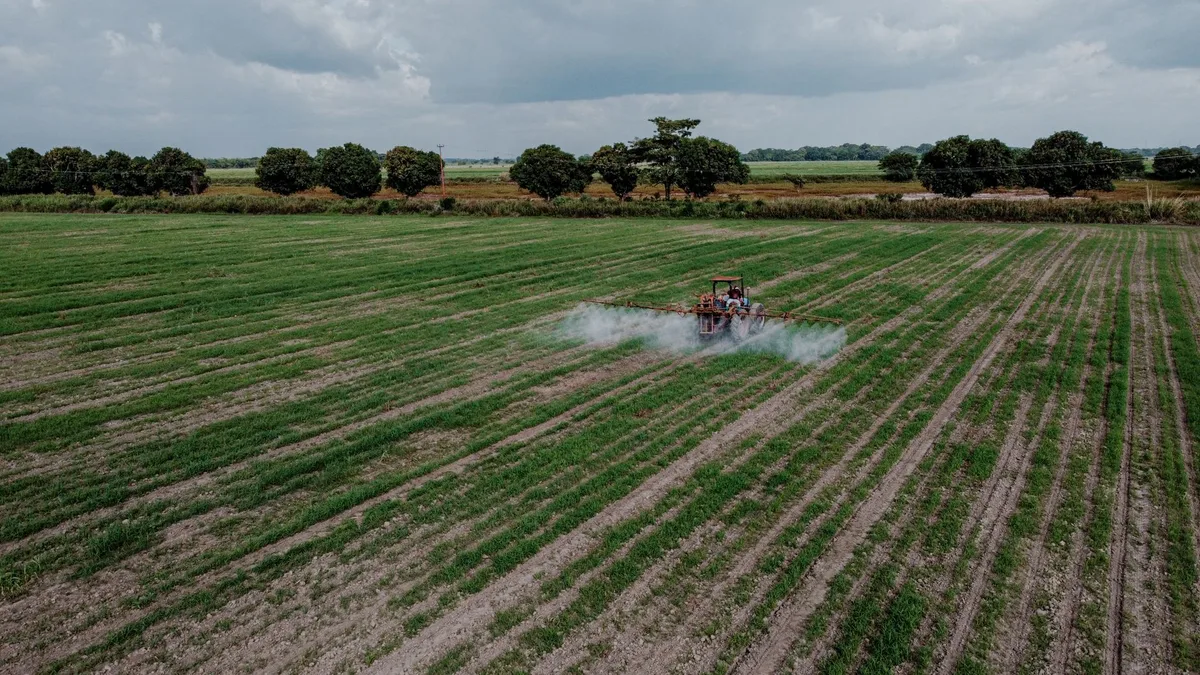
Bees are responsible for pollinating roughly one in every three bites of food we eat. That’s not a statistic you want to ignore. When we talk about whether insecticides harm bees, we’re talking about a direct link to your garden’s yield, your local ecosystem, and the broader food supply.
The stakes are personal too. If you grow your own vegetables, keep a flower bed, or manage fruit trees, you’re probably relying on the same pollinators your insecticide might be knocking out. It’s a conflict most people don’t anticipate.
The research is clear. A 2018 study in the Journal of Economic Entomology found that even sublethal doses of common insecticides reduced honeybee foraging activity by up to 40 percent. That means fewer bees visiting your zucchini blossoms, fewer visits to your berry bushes, and ultimately less fruit.
Getting this wrong can mean the difference between a thriving garden and a silent one. So let’s look at exactly how the damage happens.
How Insecticides Actually Harm Bees (Lethal vs. Sublethal)
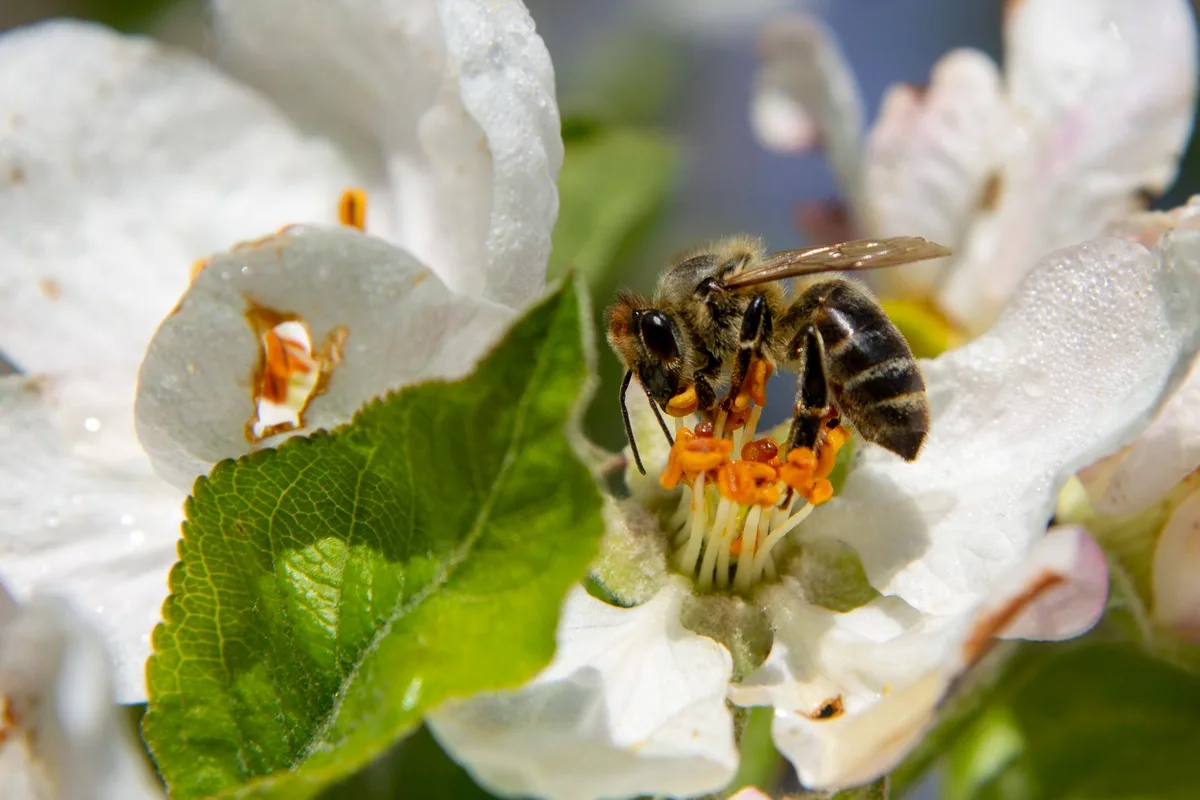
Most people think an insecticide kills a bee instantly or not at all. That’s not how it works. There are two very real and distinct ways these chemicals affect bees: lethal toxicity and sublethal effects.
Both matter.
Lethal toxicity: the obvious killer
This is the one you can see. A bee that lands on a freshly sprayed flower gets a dose high enough to kill it within minutes or hours. You might find dead bees near the hive entrance or scattered around your garden.
The EPA uses an LD50 value to measure this. That’s the dose that kills half the bees in a test group. For neonicotinoids like imidacloprid, the contact LD50 for honeybees is around 0.003 micrograms per bee.
For context, that’s about 300 times more toxic per microgram than malathion, an older organophosphate still used in mosquito control.
Sublethal effects: the invisible damage
This is where things get tricky. A bee that picks up a small dose maybe from contaminated nectar or pollen, can survive but behave differently. Common sublethal effects include:
- Disrupted navigation. Bees can’t find their way back to the hive.
- Reduced foraging. They collect less pollen and nectar per trip.
- Lower brood production. The queen lays fewer eggs.
- Impaired learning. Worker bees struggle to remember flower locations.
These effects don’t kill the bee outright, but they weaken the colony over time. A hive that loses its foragers can collapse within weeks.
Synergy matters too
You can make things worse without meaning to. Mixing certain fungicides with insecticides increases the toxicity to bees. The combination hits harder than either chemical alone.
This is called synergy, and it’s a bigger problem than most home gardeners realize.
One common example: the fungicide propiconazole combined with a pyrethroid insecticide can multiply the bee mortality rate by up to three times. Always check the label for tank mix warnings.
If you’re managing a lawn and dealing with both insects and disease, our guide to the best fungicide for lawns offers safer timing and product suggestions that reduce pollinator exposure.
Which Insecticides Pose the Biggest Threat?
Neonicotinoids, Pyrethroids, Organophosphates – What’s the Real Difference?
Not all insecticides are equally dangerous to bees. The chemistry matters a lot. Here’s a breakdown of the major classes in plain terms.
| Insecticide Class | Toxicity to Bees | How It Works | Persistence |
|---|---|---|---|
| Neonicotinoids | Extremely high (oral and contact) | Systemic, moves into pollen and nectar | Weeks to months in soil, days to weeks on foliage |
| Pyrethroids | Moderate to high | Contact, breaks down in sunlight | Days on leaves |
| Organophosphates | High | Contact, some systemic | Days to weeks |
| Carbamates | High | Contact | Days |
| Diamides | Low to moderate | Systemic, targets caterpillars | Weeks |
| Spinosyns | Moderate | Contact and ingestion | Days |
Neonicotinoids are the most controversial for a reason. They’re systemic, meaning the plant absorbs them and distributes them through its tissues. That includes the pollen and nectar.
A bee visiting a treated plant gets a contaminated meal.
Pyrethroids are also toxic but break down faster in sunlight. That makes them a slightly better choice if you must spray, but timing still matters. Apply in the evening, and by morning the residue is significantly reduced.
Organophosphates like malathion are still widely used in mosquito and fruit fly programs. They’re acutely toxic to bees. You’ll often find them in urban fogger trucks, which is why urban beekeepers report die-offs during mosquito season.
Carbamates are old-school and highly toxic. They’re not as common in home gardens anymore, but you can still find carbaryl (Sevin) on some shelves.
Diamides and spinosyns are newer and generally safer for bees, especially when dry. But don’t get complacent. No insecticide is completely harmless.
If you’re dealing with a specific pest like carpenter ants, our guide to the best insecticide for carpenter ants covers targeted options that avoid broad-spectrum sprays.
The Hidden Danger: Spray Drift, Seed Treatment Dust, and Guttation Water

You might be careful with your own sprayer. But the biggest bee exposures often come from sources you don’t control. Three of them fly under the radar.
Spray drift
Particles from a sprayer can travel hundreds of feet on a breezy day. A nearby flowering weed or neighbor’s blooming tree becomes an unintended target. Even if you spray at dusk, the residue stays on leaves and can harm bees the next morning.
Solutions are simple: use low-drift nozzles, reduce spray pressure, and never spray when the wind is over 10 mph.
Seed treatment dust
This is a massive issue in agriculture, but it can affect suburban gardens too. When treated corn or soybean seeds are planted, pneumatic planters blow fine dust into the air. That dust is coated with neonicotinoid insecticide.
It can travel up to a mile and settle on nearby flowers.
Home gardeners rarely use seed treatments. But if you live near a large farm, you could see the impact during planting season (typically April through May in the Midwest). Bees in garden patches have been found dead after corn planting events.
Guttation water
Here’s one most people have never heard of. Some plants, especially corn and certain grasses, excrete droplets of water from their leaf tips. This is called guttation.
When the plant has been treated with a systemic insecticide, those droplets contain the chemical too.
Bees drink water. They’ll take it from any source, including guttation droplets on leaves. Researchers have found lethal concentrations of neonicotinoids in guttation water from corn plants.
It’s especially dangerous for young bees learning to forage.
If you’re trying to create a safer space for bees, consider planting pollinator-friendly flowers away from agricultural fields. Our guide to the best flowers for flower beds includes varieties that bloom at different times, helping you spread risk across the season.
Timing Is Everything: How Application Time, Bloom Stage, and Weather Change the Risk
You can reduce bee harm dramatically by changing one thing: when you spray. Timing is the single most powerful tool you have.
Time of day matters
Bees are most active during daylight, especially between mid-morning and late afternoon. They feed when the sun is warm and the temperature is above 55 degrees Fahrenheit.
The simple rule: spray at dusk. Apply after sunset when bees have returned to the hive. By early morning, the spray residue has had time to dry.
Dry residue is still toxic, but the risk is lower because the chemical binds to the leaf surface and bees can avoid it more easily.
Bloom stage changes everything
Never, ever spray an insecticide on a plant that is in bloom. If the flowers are open, bees are visiting them. Even a “bee-safe” product should be avoided during bloom.
The only exception is if you’re using a highly specific biological control like Bacillus thuringiensis (Bt) that targets only caterpillars and has zero effect on bees. But even then, spray only if absolutely necessary.
If you’re growing fruit trees, wait until petal fall. For vegetables like squash and cucumbers, wait until after the flowers close for the day.
Weather conditions
- Wind: keep it under 10 mph to reduce drift.
- Temperature: avoid hot afternoons when bees are most active.
- Rain: don’t spray if rain is expected within 6 hours. Rain can wash the chemical off leaves, but it can also move it into the soil and into plants.
Optimizing timing also means you can use more effective products when necessary. For indoor seedlings that won’t attract bees until planted outdoors, our guide to the best grow light for seedlings helps you avoid any insecticide use during those early stages entirely.
The bottom line on timing
If you have to use an insecticide, this is the order of operations:
- Check if the plant is in bloom. If yes, don’t spray.
- Wait for calm, dry weather.
- Spray between dusk and dawn.
- Check the label for specific bee warnings.
- Notify your neighbors if you’re near hives.
Do those five things, and you’ll reduce bee harm more than any product choice alone could achieve.
What the Label Is Really Telling You (The Bee Advisory Box and Legal Requirements)
You can learn a lot from a pesticide label. Most people skip it. That’s a mistake that kills bees.
Every insecticide label approved by the EPA includes a “Bee Hazard Box” for products that pose a risk. It looks different from the rest of the label. It’s a bordered box with specific warnings.
What the Bee Advisory Box actually says
Look for one of these statements:
- “This product is highly toxic to bees exposed to direct treatment or residues on blooming crops or weeds.”
- “Do not apply when bees are actively foraging.”
- “Do not apply to blooming, pollen-shedding, or nectar-producing plants.”
If you see the first one, the product is in EPA Toxicity Category I or II for bees. That’s the highest risk category. Treat it like a red light.
The three warnings you must obey
Labels often include three specific restrictions. They’re not suggestions:
- No application during bloom on flowering crops or weeds.
- No application when bees are active usually between sunrise and sunset.
- No drift onto neighboring flowering plants.
Ignore these, and you’re not just risking your garden. You could be violating the Federal Insecticide, Fungicide, and Rodenticide Act (FIFRA). Using a product in a way that contradicts the label is illegal.
What the label doesn’t tell you
Labels don’t warn about sublethal effects. They don’t mention synergy with fungicides. They don’t tell you that a product labeled “low toxicity” to mammals can still harm bees at very low doses.
That’s your job to figure out.
Real label examples by class
| Product Type | Typical Bee Box Warning | Risk Level |
|---|---|---|
| Neonicotinoid concentrate (e.g., imidacloprid) | “Highly toxic to bees. Do not apply to blooming plants.” | Extreme |
| Pyrethroid ready-to-use (e.g., bifenthrin) | “Highly toxic to bees exposed to direct treatment.” | High |
| Spinosad spray | “Moderately toxic. Avoid spraying blooming plants.” | Moderate |
| Bacillus thuringiensis (Bt) | No bee warning | Low |
Always read the label before you buy. If the product has a bee box warning, it’s for a reason.
Integrated Pest Management: The Smarter Way to Control Pests Without Killing Bees

Integrated Pest Management, or IPM, is not a product. It’s a decision-making system. It helps you control pests while reducing risks to everything else including bees.
Think of it as a pyramid. The base is prevention. The top is chemical intervention.
You only go up when lower levels fail.
The IPM pyramid explained
- Prevention. Choose resistant plant varieties. Rotate crops. Keep plants healthy. Healthy plants attract fewer pests.
- Monitoring. Check your plants regularly. Identify what pest you’re dealing with. Use sticky traps or visual inspections.
- Thresholds. Decide how much damage you can tolerate. One aphid doesn’t need a spray. Twenty aphids per leaf might. Set a number that makes sense for your plant type and season.
- Cultural controls. Use row covers, trap crops, or timing adjustments. Plant dill and fennel to attract beneficial insects that eat pests.
- Biological controls. Introduce or encourage predators like ladybugs, lacewings, and parasitic wasps. These work without chemicals.
- Chemical controls. Only if everything else fails. Use the least toxic product that works. Apply it as a spot treatment, not a blanket spray.
A real IPM decision for a common problem
Say you find aphids on your roses.
- First step: wash them off with a strong stream of water. That alone often works.
- Second step: check for natural predators. If ladybugs are already there, let them work.
- Third step: apply insecticidal soap or neem oil. These are less harmful to bees than synthetic insecticides.
- Fourth step: if nothing works and aphids are killing the plant, use a targeted spray like spinosad. Apply at dusk. Don’t spray open blooms.
That process avoids broad-spectrum insecticides entirely. Bees stay safe.
IPM is especially important if you’re managing a range of plants. For example, if you grow flowers near vegetables, preventive care helps avoid the pest buildup that leads to chemical use. Our guide to best flowers for flower beds includes pest-resistant varieties that reduce the need for sprays.
Why IPM works for bees
It reduces the frequency of spraying. It prioritizes less toxic options. It focuses on spot treatments rather than whole-garden coverage.
Every time you skip a spray, you’re protecting bees.
Safer Alternatives: Biological Controls, Targeted Sprays, and Cultural Practices
If you want to avoid harming bees, you need more than IPM. You need specific tools that work without collateral damage.
Biological controls
These are living organisms that kill pests. They’re highly specific.
- Bacillus thuringiensis (Bt). Kills caterpillars only. It’s a bacteria that produces a protein toxic to certain insect larvae. Bees are not affected. Approved for organic use.
- Beneficial nematodes. Microscopic worms that attack soil-dwelling pests like grubs and fungus gnats. They don’t affect bees.
- Predatory insects. Ladybugs, lacewings, and pirate bugs eat aphids, thrips, and mites. You can buy them online and release them.
Targeted sprays
Some chemical products are less harmful to bees than others.
- Insecticidal soap. Kills soft-bodied insects like aphids and mites on contact. Leaves little residue. Spray at dusk and bees are safe.
- Neem oil. Works as a repellent and growth regulator. It’s moderately toxic to bees if wet but dries quickly. Apply only when bees aren’t foraging.
- Horticultural oil. Smothers insect eggs and larvae. Very low bee toxicity once dry.
- Spinosad. Derived from a soil bacterium. Highly effective on thrips, caterpillars, and leafminers. Moderately toxic to bees when wet but safe once dry.
Cultural practices
These are habits you build into your gardening routine.
- Rotate crops to prevent pest buildup.
- Remove infested plant material promptly.
- Use reflective mulch to repel aphids.
- Plant pest-repelling companions like marigolds, basil, and garlic.
The safest alternative is always prevention. A healthy garden rarely needs chemical intervention.
Common Mistakes Even Experienced Gardeners and Farmers Make
Mistakes happen. But some are so common they deserve special attention.
Mistake 1: Spraying during the day
You’d be surprised how many people spray at noon. Bees are at their peak activity. Even a product labeled “safe” can harm bees if they fly through a wet spray cloud.
The fix: spray only after sunset or before sunrise.
Mistake 2: Overlooking flowering weeds
Your garden might be weed-free. But what about the dandelions in your lawn? Clover in the grass?
Those are flowers. Bees visit them. If you spray the lawn with a broadleaf herbicide or insecticide, those flowers become toxic.
The fix: mow flowering weeds before spraying. Spray after mowing, not before.
Mistake 3: Mixing products without checking
Synergy is real. Combine a pyrethroid insecticide with a triazole fungicide, and you may get three times the bee mortality. Labels rarely warn about tank mixes.
The fix: avoid mixing unless the label explicitly states it’s safe for bees.
Mistake 4: Ignoring dust from seed treatments
Home gardeners rarely use treated seeds. But if you buy starts from a nursery, ask if they were treated. Some systemic insecticides can persist in plant tissues for weeks.
The fix: buy untreated plants when possible. Wait at least two weeks after planting before exposing to bees.
Mistake 5: Using more than the label rate
More is not better. Higher rates increase residue persistence and toxicity. Stick to the lowest effective dose.
The fix: measure carefully. Use a calibrated sprayer.
Mistake 6: Not notifying beekeepers
If you have neighbors with hives within a quarter mile, spray drift can reach them. A quick heads-up allows them to cover their hives.
The fix: talk to your neighbors. In some states like Oregon and California, notification is mandatory for commercial applications.
Real-World Scenarios: Almond Orchards, Corn Planting, and Mosquito Spraying
Sometimes it helps to see how all this plays out in real situations.
Scenario 1: Almond orchards in California
Almonds depend entirely on honeybee pollination. Every February, millions of hives are trucked into the Central Valley. Bloom lasts two to four weeks.
Growers face enormous pressure to control pests like navel orangeworm.
The risk: if a grower sprays during bloom, bees die. In 2014, a faulty spray application killed over 50,000 hives in a single incident.
What works: most almond growers now follow a strict “no spray during bloom” rule. They use IPM before bloom and after petal fall. They communicate with beekeepers.
The system works when everyone follows the plan.
Scenario 2: Corn planting in the Midwest
Corn is wind-pollinated. Bees don’t visit corn tassels for pollen in large numbers. But they do visit flowering weeds along field edges.
The risk: neonicotinoid seed treatments on corn release dust during planting. That dust drifts onto nearby flowering plants. Bees collect contaminated pollen and die.
What works: farmers use lubricants that reduce dust. They plant when wind is low. They leave untreated refuges.
Home gardeners in rural areas can plant bee-friendly flowers away from field edges to reduce exposure.
Scenario 3: Urban mosquito spraying
Cities spray for mosquitoes, especially in the Southeast and along the Gulf Coast. The chemicals used are often organophosphates like malathion or pyrethroids like permethrin.
The risk: fogger trucks spray at night. That’s when bees are in the hive, so direct exposure is low. But residues settle on foliage and can persist.
Urban beekeepers report hive losses after spraying cycles.
What works: cities can notify beekeepers 24 hours in advance. Beekeepers cover hives or move them. Some cities now use Bacillus thuringiensis israelensis (Bti) which targets mosquito larvae and doesn’t affect bees.
What these scenarios have in common
Every case comes down to three things: timing, communication, and using the right tool for the job. When those three are handled correctly, bees survive. When one fails, colonies die.
When to Call an Expert: Beekeepers, Extension Agents, and Certified Advisors
Some situations call for professional advice. Sprays used incorrectly can decimate local bee populations.
Call a local beekeeper if you find dead or dying bees near the hive entrance after spraying. They can test bees for chemical residues.
Contact your state extension agent if you’re planning a large-scale application near flowering crops. They’ll help you time it safely.
Reach a certified pesticide advisor when you need help selecting a product for a specific pest. They can recommend low-bee-toxicity options you might not know about.
When you absolutely need help
- You see more than 100 dead bees in one spot.
- You’re spraying for mosquitoes near a neighbor’s apiary.
- You’re managing a commercial orchard or field crop.
In those cases, a professional consultation can save entire colonies.
Frequently Asked Questions
Does neem oil kill bees?
Neem oil is moderately toxic to bees when it’s wet. Once dry, the risk drops significantly. Apply neem oil at dusk, and avoid spraying open blooms.
Can I use soap spray without harming bees?
Insecticidal soap kills soft-bodied pests on contact. It leaves little residue. Spray only when bees are not foraging, and avoid direct contact with bees.
Are organic insecticides safe for bees?
Not automatically. Some organic products like spinosad and pyrethrins are still toxic to bees. Check the label for a bee advisory box.
Organic does not mean bee-safe.
How long after spraying is it safe for bees?
It depends on the product. Pyrethroids break down in 1 to 3 days in sunlight. Neonicotinoids can persist for over a week outdoors.
Follow the label’s restricted entry interval for bees.
Should I ban all insecticides from my garden?
Not necessarily. Targeted products applied correctly can solve pest problems without killing bees. IPM, timing, and product choice all matter more than outright bans.
What do I do if I find dead bees after spraying?
Stop spraying that product immediately. Report the incident to your state department of agriculture. Contact a local beekeeper.
They can test the bees to confirm cause.
Final Verdict: What Every User Needs to Know Before Reaching for a Spray
The answer to “can insecticides harm bees” is a clear yes. But the real question is how to use them responsibly.
You know the rules now. Check the label. Avoid blooms.
Spray at dusk. Use IPM first. Choose targeted products over broad-spectrum ones.
One bad spray can wipe out a hive. But thoughtful practices protect pollinators without sacrificing pest control.
Start with prevention. Ask questions before you spray. And if you’re not sure, talk to an expert.
Your garden will thank you. So will the bees.