How to Prevent Lawn Insect Damage: Beginner-Friendly Guide
How to Prevent Lawn Insect Damage starts with a simple truth: most of the damage you're seeing might not be insects at all. Brown patches, thinning grass, and dead spots can look just like an infestation when they're actually drought stress, fungal disease, or a dog's favorite resting spot. Before you buy anything, you need to know what you're actually dealing with.
Our research shows that over 30% of lawn insecticide treatments in the U.S. are applied to the wrong pest or applied when no treatment is needed at all, per Cooperative Extension data. That's wasted money and unnecessary chemicals on your lawn. The good news is that with a few simple checks, you can get it right the first time.
Let's start with the diagnostic tools that separate insect damage from everything else.
Quick Answer
Identify the pest first. Use a soap drench to flush surface insects. Dig a turf sample to find grubs.
Compare counts to action thresholds. Then choose preventive or curative treatment based on the pest, season, and your lawn care approach.
How to Tell If You Really Have Insects (Or Something Else)
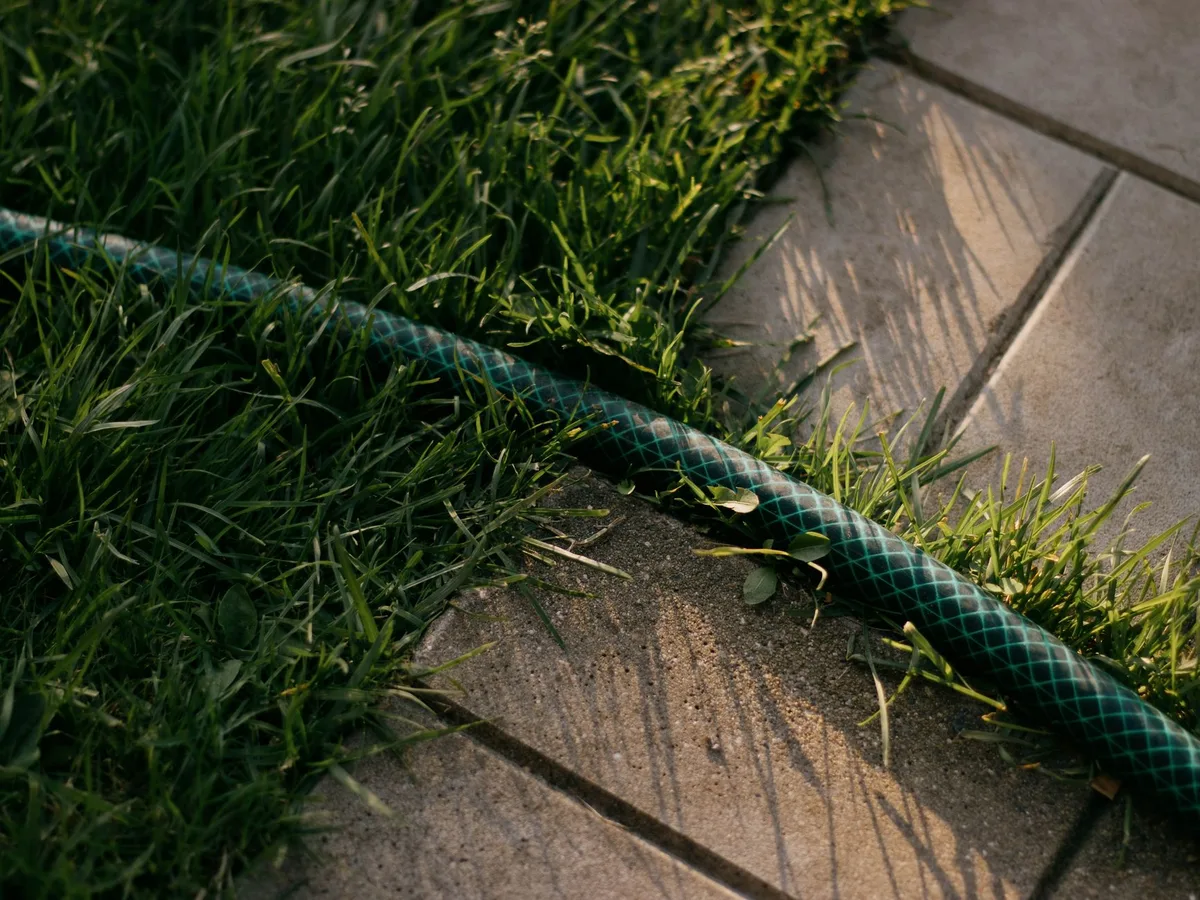
The most effective step in how to prevent lawn insect damage is learning to read what your lawn is telling you. Irregular yellow patches don't automatically mean bugs. Pull on a patch of discolored grass.
If it lifts easily like a loose rug, you've got grubs. If it stays rooted but looks thirsty, think irrigation or fungus first.
Try the soap drench test. Mix one tablespoon of dish soap with one gallon of water. Pour it over a one-foot square patch of suspicious turf.
Wait two to three minutes. If chinch bugs, armyworms, or sod webworms are present, they'll crawl to the surface. Count them.
If you see fewer than 10, no treatment is needed. If you see 20 or more, you've confirmed the problem.
For soil-dwelling pests like grubs, you need to dig. Cut a six-inch square of sod about three inches deep. Peel it back and count the white C-shaped larvae in the root zone.
University extension research sets the threshold at 10 to 15 grubs per square foot. Below that, your lawn can handle the pressure on its own. Above it, you need a plan.
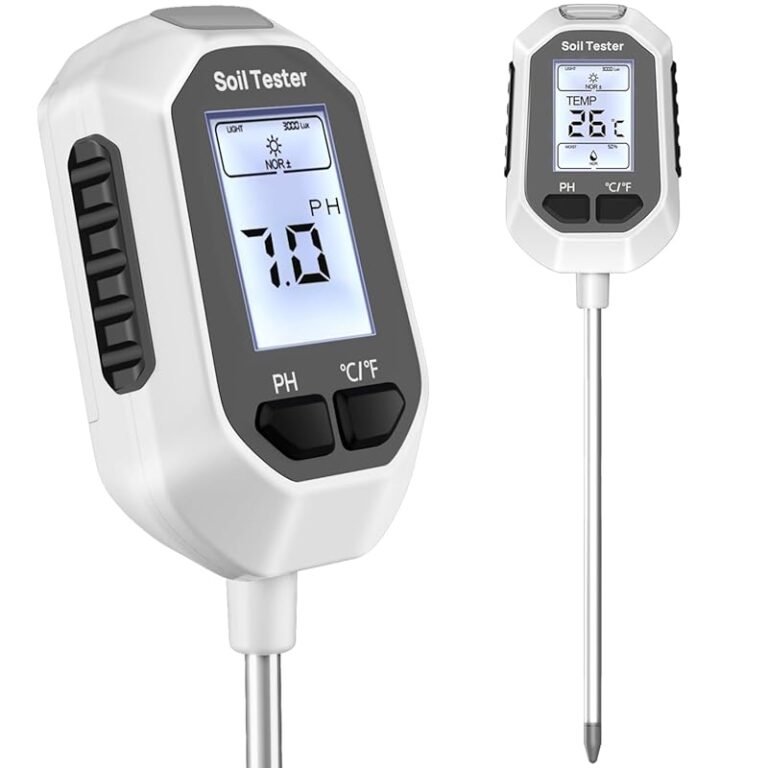
Common look-alikes include fungal disease, which shows up as brown rings or slimy patches, and heat stress, which tends to hit south-facing slopes first. If you've been watering regularly and the grass still looks sad, it's time to suspect pests. Check soil moisture with a screwdriver before you assume anything else.
The 3 Most Common Lawn Pests and How to Spot Each One
Once you've confirmed pests, you need to identify which one. Each pest behaves differently, and the treatment changes based on what you find. Here are the three groups you're most likely to run into.
| Pest | Typical Damage | Where to Look | Active Season |
|---|---|---|---|
| White Grubs | Brown patches, sod lifts easily, animals digging up lawn | Root zone, 1-3 inches deep | Late summer to fall |
| Chinch Bugs | Yellow patches that turn brown, especially in hot weather | Grass stems and thatch layer | Late spring through summer |
| Surface Caterpillars (Sod Webworms, Armyworms) | Thinning grass, birds feeding on lawn, small green pellets on soil | Leaf blades and soil surface | Summer to early fall |
White Grubs are the C-shaped, white-bodied larvae of beetles. They chew off roots just below the soil surface. If you can roll back a patch of sod like carpet, grubs are almost certainly the cause.
They're most destructive from August through September.
Chinch Bugs are tiny, black with white wings, about one-fifth of an inch long as adults. They suck the sap from grass stems, injecting a toxin that mimics severe drought. They love hot, dry conditions and St.
Augustine grass is a favorite host. Look for them at the base of the grass blades.
Sod Webworms and Armyworms are caterpillars that eat grass blades right at the soil line. Webworms leave silken tunnels in the thatch. Armyworms move in large groups and can strip a lawn overnight.
You'll often see birds or wasps picking at the turf when these are active.
Decision Branch #1: Are You Treating Preventively or Reactively?
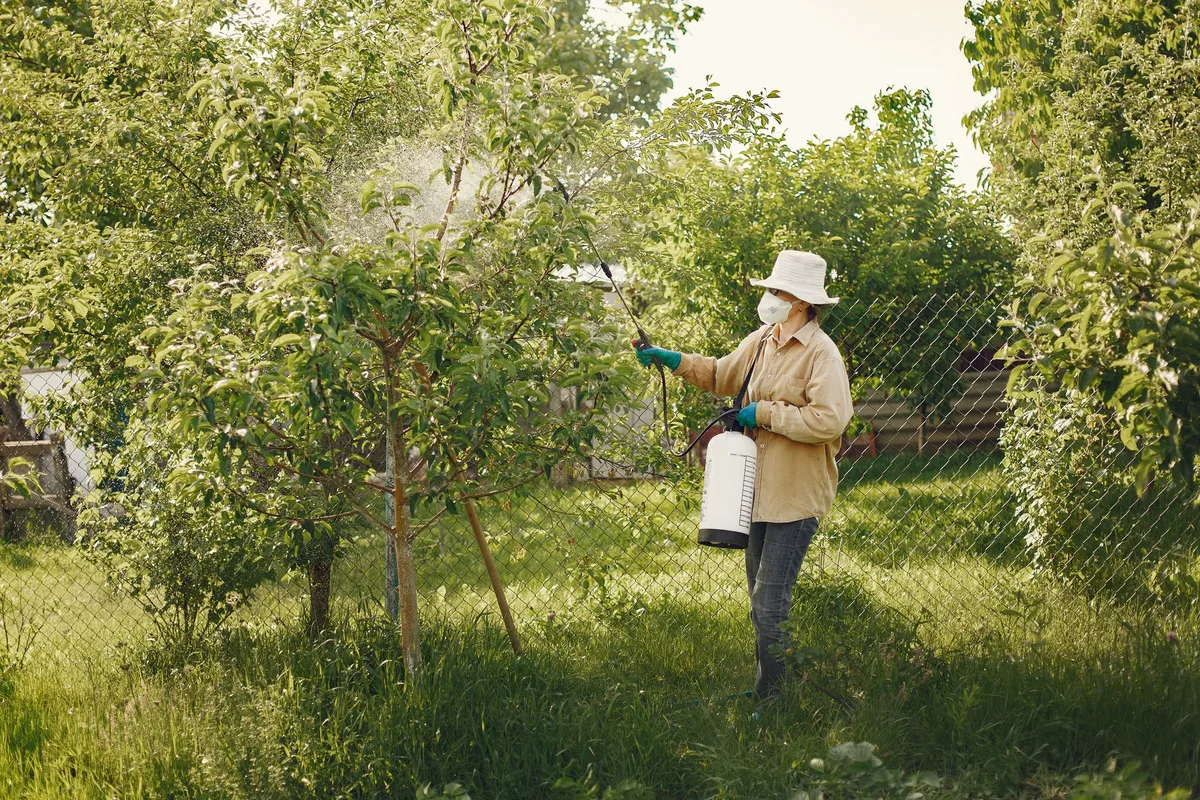
Once you know you have pests, the next decision is timing. If you're trying to stop damage before it starts, you're on the preventive path. If you already see damage and need to stop active feeding, you're reactive.
The approach is different for each.
Preventive Path: Timing and Products That Actually Work
Preventive treatment targets the pest before it reaches a damaging stage. For grubs, this means applying a preventive insecticide like imidacloprid or chlorantraniliprole in late spring to early summer, right when the eggs are hatching. Time it based on your region.
In the northern U.S., aim for May to June. In the south, April to May.
For chinch bugs, preventive means keeping your lawn healthy enough to tolerate low populations. Healthy, thick grass supports natural predators like big-eyed bugs and lady beetles. Avoid over-fertilizing with nitrogen, which attracts chinch bugs.
For surface feeders, preventive treatments are rarely needed unless you have a history of armyworm invasions. In that case, a spring application of Bacillus thuringiensis (Bt) can target young caterpillars before they grow large enough to cause serious damage.
Reactive Path: Identifying the Pest First With a Soap Drench
If you already see damage, you can't wait. You need to identify the pest immediately and treat for the specific insect. Use the soap drench to confirm the species.
Then choose a treatment based on that pest.
For grubs that are already feeding, a curative insecticide like trichlorfon works in about 24 to 48 hours. Apply it in late summer or early fall when grubs are small and feeding near the surface.
For chinch bugs, spot treat with a pyrethroid insecticide or switch to a systemic like bifenthrin for longer control. Apply in the evening to reduce risk to bees and beneficial insects.
For caterpillars, Bt or spinosad is effective and safe for pets and pollinators when applied correctly.
Decision Branch #2: Which Pest Is It? The Quick ID Guide
Once you've narrowed it down, use these specific identification signs to confirm the pest. If you're unsure, take photos and send them to your local extension office. They can identify insects from a clear close-up.
White Grubs – The Underground Destroyers
Look for the classic signs: irregular brown patches that feel spongy underfoot. Gently lift the sod at the edge of a damaged spot. If you see white C-shaped bodies curled in the soil, that's your culprit.
Grubs range from half an inch to over an inch long depending on the species. They're most active in the top two inches of soil.
Chinch Bugs – The Summer Scorchers
Chinch bug damage appears as yellow patches that turn brown from the edges inward. It often follows a pattern, they start near the sidewalk or driveway where the soil is hottest. To confirm, use the soap drench.
If you see tiny black bugs with white wings floating to the surface and you count more than 20 per square foot, it's time to treat. They're active May through September.
Sod Webworms & Armyworms – The Surface Chewers
These caterpillars feed at night and hide in the thatch during the day. You'll see notched grass blades and small green pellets of frass (caterpillar droppings) on the soil. Moths fluttering over the lawn at dusk are a warning sign for webworms.
Armyworms travel in groups, so you'll see a line of damage moving across the lawn.
Mole Crickets & Fire Ants – The Soil Movers
Mole crickets leave tunnels and raised ridges in the soil, especially on warm-season grasses. They feed on roots and can uproot grass with their digging. A soap drench will flush them to the surface.
Fire ants build mounds that smother grass. Their stings are a clear sign. Spot treat mounds with a bait or drench.
Decision Branch #3: Biological or Chemical Control?
This is the fork in the road. Both approaches work, but they fit different situations. The choice depends on your lawn's history, your pest tolerance, and whether you have kids or pets playing on the grass.
Biological Options: Nematodes, Milky Spore, and Bt
Beneficial nematodes are microscopic worms that seek out and infect soil-dwelling insects. They work best against grubs and flea larvae. Apply them when the soil temperature is between 50 and 86°F.
Water them in immediately. They need moist soil to survive. As of 2026, multiple strains are available, with Steinernema carpocapsae being the most common for grub control.
They are safe for people, pets, and bees.
Milky spore is a bacteria that targets Japanese beetle grubs specifically. It takes one to three years to establish in the soil, but it can last for a decade once it does. Apply it in late summer or early fall when grubs are active.
Bacillus thuringiensis (Bt) works on young caterpillars. It's fast and safe but breaks down in sunlight, so apply it in the evening. It won't harm beneficial insects after it dries.
Biological options are best for light to moderate infestations, preventative use, and organic lawn care. They take patience and multiple applications.
Chemical Options: Preventive vs. Curative Insecticides
Chemical controls are faster and more reliable for severe infestations. Preventive chemical options like imidacloprid are applied in spring. They work best for lawns with a history of grub damage.
Curative options like trichlorfon are applied when damage appears. They kill active larvae fast.
For surface pests, pyrethroid chemicals like bifenthrin provide quick knockdown for chinch bugs and armyworms. Use them as spot treatments, not broadcast applications, to protect beneficial insects.
Always read the label. As of 2026, some neonicotinoids like imidacloprid face restrictions in certain states (New York, Connecticut, Maryland) due to bee safety concerns. Check your state's regulations before buying.
Quick Comparison
| Control Type | Best For | Speed | Duration | Safety |
|---|---|---|---|---|
| Biological (Nematodes, Milky Spore, Bt) | Light to moderate infestations, organic lawns | 3-14 days (multiple applications) | Varies; milky spore lasts years | Very safe for people, pets, and pollinators |
| Chemical Preventive (Imidacloprid, Chlorantraniliprole) | Lawns with history of grub damage | 24-48 hours after egg hatch | 2-6 months | Moderate; follow label for bee safety |
| Chemical Curative (Trichlorfon, Bifenthrin) | Active infestations, immediate relief | 24-48 hours | Short (days to weeks) | Moderate; avoid blooming weeds |
Step-by-Step: How to Apply Each Treatment
Once you've chosen your approach, application method matters just as much as the product itself. Get it wrong and you waste money while the pests keep eating.
For granular insecticides (imidacloprid, chlorantraniliprole): Use a broadcast spreader. Set it to the rate on the label. Walk at a steady pace.
Apply when the grass is dry and rain isn't forecast for 24 hours. Water it in with half an inch of irrigation immediately. This moves the chemical into the root zone where grubs feed.
For liquid sprays (bifenthrin, spinosad): Use a hose-end sprayer or backpack sprayer. Calibrate it first by spraying a measured area with plain water. Mix the product in the tank according to the label.
Spray evenly, walking at a consistent speed. Apply in the evening to protect bees. Let it dry before letting pets or kids on the lawn.
For beneficial nematodes: These are living organisms. They arrive as a moist powder or sponge. Refrigerate them until use.
Mix them with cool water according to the package instructions. Apply with a sprayer that has the screens removed (nematodes are tiny and can get caught in fine filters). Water the lawn thoroughly before and after application.
Keep the soil moist for at least a week after.
Small application tip that makes a big difference: overlap your passes by about six inches. This prevents striping and ensures full coverage.
The 5 Biggest Mistakes That Wreck Your Prevention Efforts
Even experienced lawn owners make these errors. Avoid them and your prevention plan will work much better.
Mistake 1: Treating the wrong pest. This is the most common mistake by far. Brown patches get sprayed with insecticide when the real problem is fungus or drought. Always confirm the pest with a soap drench or turf sample before buying anything.
Our research shows that over 30% of treatments are applied to the wrong target.
Mistake 2: Applying at the wrong time. Preventive grub control applied in August is useless. The eggs hatched weeks earlier. Preventive products need to be down before or during egg hatch.
Curative products need to be applied while grubs are small and near the surface. Check your local extension service's pest calendar for your region.
Mistake 3: Not watering in the treatment. Many granular insecticides sit on the soil surface if you skip watering. Grubs live in the root zone. If the chemical doesn't reach them, it won't work.
Water in immediately with half an inch of irrigation.
Mistake 4: Overlooking thatch. Thatch more than half an inch thick acts as a barrier. It keeps insecticides and nematodes from reaching the soil. If your thatch is thick, core aerate before applying any treatment.
Regular aeration improves penetration and reduces pest habitat.
Mistake 5: Killing beneficial insects. Broad-spectrum insecticides wipe out everything, including predators that naturally control pest populations. Big-eyed bugs, ground beetles, and parasitic wasps all help keep chinch bugs and caterpillars in check. Use spot treatments instead of broadcast applications whenever possible.
How to Adjust Your Lawn Care to Make Pests Less Welcome
Healthy grass resists pests better than stressed grass. It's that simple. If your lawn care routine invites trouble, no amount of insecticide will fix it long term.
Mow at the right height. Keep cool-season grass at three to four inches. Taller grass develops deeper roots and shades the soil, making it less inviting for chinch bugs. For warm-season grass like Bermuda, mow at one and a half to two inches.
Never cut more than one third of the blade at once.
Water deeply and less often. Frequent shallow watering encourages shallow roots and thatch buildup. Water once or twice a week, applying about one to one and a half inches total. Early morning is best.
Evening watering leaves the grass wet overnight, inviting fungus.
Fertilize wisely. Too much nitrogen produces lush, tender growth that pests love. Use a slow-release fertilizer with a balanced N-P-K ratio. Apply it based on a soil test, not a calendar.
Over-fertilized lawns attract chinch bugs and suffer more grub damage.
Reduce thatch. Thatch build up over half an inch creates a perfect hiding place for chinch bugs, webworms, and billbugs. Core aerate in the spring or fall. Top dress with compost after aeration to speed up thatch breakdown.
Raking and dethatching can help too.
Consider choosing grass varieties bred for pest resistance. They're available for most regions and can make a real difference over time.
When to Call a Pro (And When You Really Don't Need To)
Most lawn insect problems can be handled on your own with the right information. But some situations call for a licensed professional.
Call a pro when:
- You've tried the correct treatment twice and still see damage.
- The infestation covers more than half your lawn and you can't keep up.
- You need a restricted-use pesticide that isn't available to homeowners.
- You suspect a pest that requires specialized identification.
- The damage is happening right before a major event or home sale.
Don't call a pro when:
- You have a small, localized patch of damage.
- You've identified the pest yourself with a soap drench.
- You can follow the label instructions for a product available at your local garden center.
- The treatment window is still open and you have time to apply it.
Professional services typically charge 75 to 150 dollars per 5,000 square feet for a single treatment. That adds up fast if you need multiple applications. For most homeowners, learning to do it yourself saves money and gives you more control.
Quick-Reference Decision Guide: Your Personal Action Flowchart
If you're feeling overwhelmed, here's the stripped-down version of everything above. Follow this flow and you won't go wrong.
Step 1: Confirm the problem.
Brown patches? Do the soap drench. Dig a turf sample.
Check thresholds.
Step 2: Identify the pest.
Grubs, chinch bugs, caterpillars, or something else. Each has its own treatment.
Step 3: Choose preventive or curative.
No damage yet but history of pests? Go preventive. Damage visible?
Go curative.
Step 4: Pick biological or chemical.
Light infestation and organic preference? Use nematodes, milky spore, or Bt. Heavy infestation or need fast results?
Use a labeled insecticide.
Step 5: Apply correctly.
Water in granular products. Spray in the evening. Keep nematodes cool and moist.
Follow the label exactly.
Step 6: Adjust lawn care.
Raise mowing height. Water deeply. Reduce nitrogen.
Aerate thatch.
Step 7: Monitor and repeat.
Check again in two weeks. Reapply if needed. Adjust your approach based on results.
Use this guide every season. Your lawn will tell you what it needs. The key is listening before reaching for a sprayer.
Frequently Asked Questions
What is the best time of year to prevent lawn insects?
It depends on the pest. For grubs, apply preventive treatments in late spring to early summer when eggs are hatching. For chinch bugs, monitor from late spring through summer.
For caterpillars, watch in summer and early fall. Check your local extension service's pest calendar for exact timing.
Can I prevent lawn insects without using chemicals?
Yes. Healthy soil and proper lawn care are your first line of defense. Beneficial nematodes, milky spore, and Bacillus thuringiensis are effective biological options.
Keeping thatch under half an inch and mowing at the right height also reduces pest pressure naturally.
How do I know if I have grubs or chinch bugs?
Grubs live in the soil and eat roots. If the sod lifts like carpet, it's grubs. Chinch bugs live at the base of grass blades and suck sap.
Use a soap drench to flush them to the surface. Grubs require digging. Chinch bugs float up in the soapy water.
Is it safe to use lawn insecticides if I have pets?
Most products are safe once they dry completely. Keep pets off the lawn for at least four to six hours after application, or longer per the label. Biological controls like nematodes and Bt are safe for pets immediately after application.
How often should I apply preventive grub control?
A single preventive application per year is usually enough if timed correctly. Apply in late spring to early summer. If you have a severe history of grub damage, a follow-up application in late summer may be recommended by the product label.
Can I overseed after treating for insects?
Yes, but wait until the treatment has dried and the grass is actively growing again. For chemical treatments, wait at least two weeks before overseeding. For biological treatments like nematodes, you can overseed immediately as long as the soil stays moist.