How to Identify Armyworms in Lawns for 2026: Complete Guide
If your lawn turned brown seemingly overnight, it’s easy to assume it’s a watering issue or a fungal disease. But armyworms are a common culprit, and they work fast. Learning how to identify armyworms in lawns is the first step toward saving your grass before it’s gone.
Lawn pest thresholds from university extension services show that just two to three armyworms per square foot can destroy a cool-season lawn within days. They don’t nibble slowly. They feed in waves and can strip a healthy yard down to bare soil in under 48 hours.
Here’s exactly what to look for and how to tell them apart from other pests.
Quick Answer
Look for chewed grass blades that look like windowpanes. Check for small greenish-brown pellets near the soil line. Use a soap flush test to bring larvae to the surface.
Armyworms have an inverted Y on their head capsule and three pale stripes along their body. Two to three larvae per square foot means it’s time to act.
Why Visual Identification Matters (And Why Text Alone Fails)
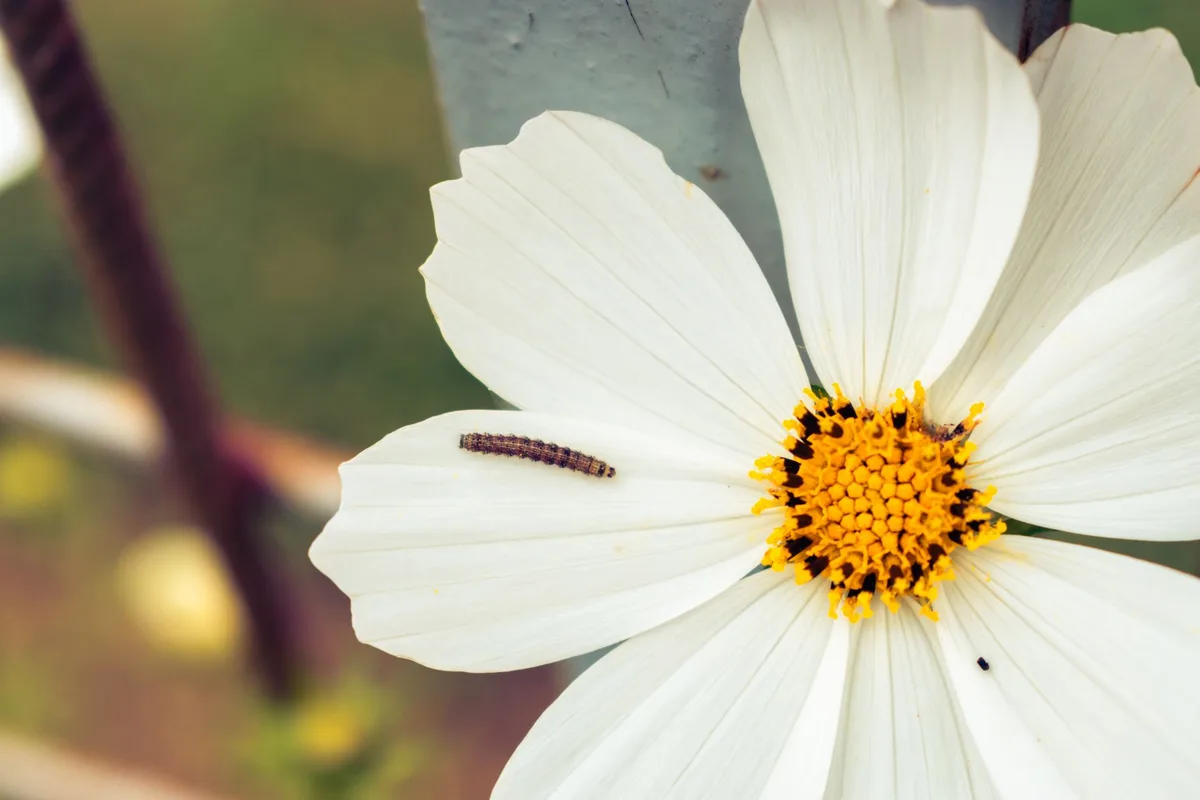
Armyworms look a lot like other lawn caterpillars. If you treat for the wrong pest, you waste time and money. Worse, you might let the infestation get worse while you’re waiting to see what works.
The most common mix-up is confusing armyworm damage with fungal disease. Brown patch and dollar spot create irregular patches of dead grass, but they don’t leave behind chewed leaf blades. Armyworm damage looks like someone took a pair of scissors to your lawn.
The edges of the grass blades are ragged and eaten. You’ll also see “windowpane” damage where the leaf surface is gone but the veins remain.
Another mistake is thinking you have sod webworms. Both are caterpillars, but webworms build silk tunnels near the soil line. Armyworms don’t.
If you see webbing, you have a different pest. Our research shows this single visual difference trips up experienced lawn care pros, not just homeowners.
Getting the ID right matters because armyworms are more aggressive. A sod webworm infestation develops slowly over weeks. Armyworms can destroy a lawn in a single feeding army movement.
You need to act fast, but you also need to be sure you’re targeting the right insect. Using the wrong insecticide wastes money and kills beneficial predators that would otherwise help control the outbreak.
The Two Main Armyworm Species You’ll Encounter
Not all armyworms are the same. The two species that hit lawns most often are the fall armyworm and the true armyworm. They look similar, but their behavior and timing differ.
Here’s how they compare side by side:
| Feature | Fall Armyworm | True Armyworm |
|---|---|---|
| Active season | Late summer to fall | Spring to early summer |
| Head marking | Inverted Y | No distinct Y; solid brown head |
| Body stripes | Three pale stripes | Three stripes, but less defined |
| Where it hides | Thatch and soil during day | Thatch and soil during day |
| Migration | Migrates north each year | Resident in cooler climates |
| Damage speed | Very fast, moves in armies | Slightly slower, but still aggressive |
The fall armyworm is the one that makes headlines. It migrates from the south each year and can’t survive cold winters. As of 2026, researchers have tracked it spreading into new areas thanks to milder winters.
The true armyworm prefers cooler weather and shows up earlier in the season.
Both species chew grass blades from the tip down. They also both feed at night and hide during the day. That’s why you might see damage but no caterpillars when you first check.
You need to know where and when to look.
For the rest of this guide, we’ll focus on fall armyworm, since it’s the species homeowners ask about most. But the same identification steps work for both.
Key Visual Cues: What to Look For on Your Lawn
You don’t need a microscope to spot armyworm damage. The signs are visible if you know what to look for. Here are the three most reliable visual cues.
“Windowpane” Damage Pattern
Armyworms start feeding on the upper surface of grass blades. They leave behind a thin layer of tissue that looks like a tiny window. This is the earliest sign.
As they grow larger, they eat through the entire blade and leave ragged edges.
Look for patches of lawn that look scalped or skeletonized. If the grass is still green at the base but the tips are brown and shredded, you’re likely looking at caterpillar damage. Fungal diseases brown the leaf from the tip down evenly.
Armyworm damage looks irregular and chewed.
Frass (Poop) – The Telltale Sign You’re Missing
Armyworms produce small greenish-brown pellets that look like tiny grains of sand. You’ll find these near the base of the grass, on the soil surface, and on the thatch layer.
Run your fingers through the grass near damaged areas. If you feel small hard pellets or see little dots on the soil, that’s frass. This is one of the easiest ways to confirm armyworms before you even see the larvae.
Check the best insecticide for carpenter ants guide for more on identifying pest droppings.
Birds Flocking to the Lawn as a Clue
Birds love eating armyworms. If you see starlings, robins, or grackles gathered on your lawn pecking at the ground, that’s a strong indicator something is there.
Birds will also dig up the thatch looking for larvae. That can create secondary damage, so don’t blame the birds. They’re telling you what’s underneath.
If you notice birds feeding heavily in one area, inspect that spot first. The armyworms are probably concentrated there.
Step-by-Step: How to Find and Confirm Armyworm Larvae
Once you suspect armyworms, you need to find them. This takes a little effort, because they hide during the day. But the process is straightforward.
Timing Your Inspection
Armyworms feed at night and hide at dawn. Your best chance to find them is early morning, just after sunrise, or in the evening as the sun goes down. If you go out at noon, you’ll likely find nothing, even if the lawn is crawling with them.
Plan your inspection for when the grass is still wet with dew. That’s when larvae are most active.
The Soap Flush Test
This is the most reliable DIY method. Here’s how to do it:
- Mix one to two tablespoons of liquid dish soap in one gallon of water
- Pour the solution over a one-square-foot area of damaged grass
- Wait two to three minutes
- Watch for larvae to crawl up to the surface
The soap irritates the caterpillars and forces them out of the thatch and soil. You’ll see them wriggling on top of the grass blades. This test does not kill the larvae, but it makes them visible for counting.
Count how many you see per square foot. That’s your infestation density. If you find two or three per square foot, you need to treat.
If you find five or more, consider it a serious infestation. For more on applying treatments properly, check our article on the best fungicide for lawns to understand proper yard treatment scheduling.
Parting the Grass and Checking the Thatch
If you don’t want to use soap, you can also manually inspect. Kneel down and part the grass at the soil line. Look carefully in the thatch layer and the first inch of soil.
Armyworms curl up when disturbed, so look for small C-shaped caterpillars.
Use a white piece of cardboard or a light-colored cloth. Hold it under the grass as you part it. If you shake the grass, larvae may fall onto the cloth.
This makes them much easier to spot against a light background. The larvae are usually greenish to brown, sometimes almost black when mature.
Check multiple spots across your lawn. Armyworms often move in groups, so one area might be infested while another has none.
Head Capsule Markings – The Definitive ID Feature
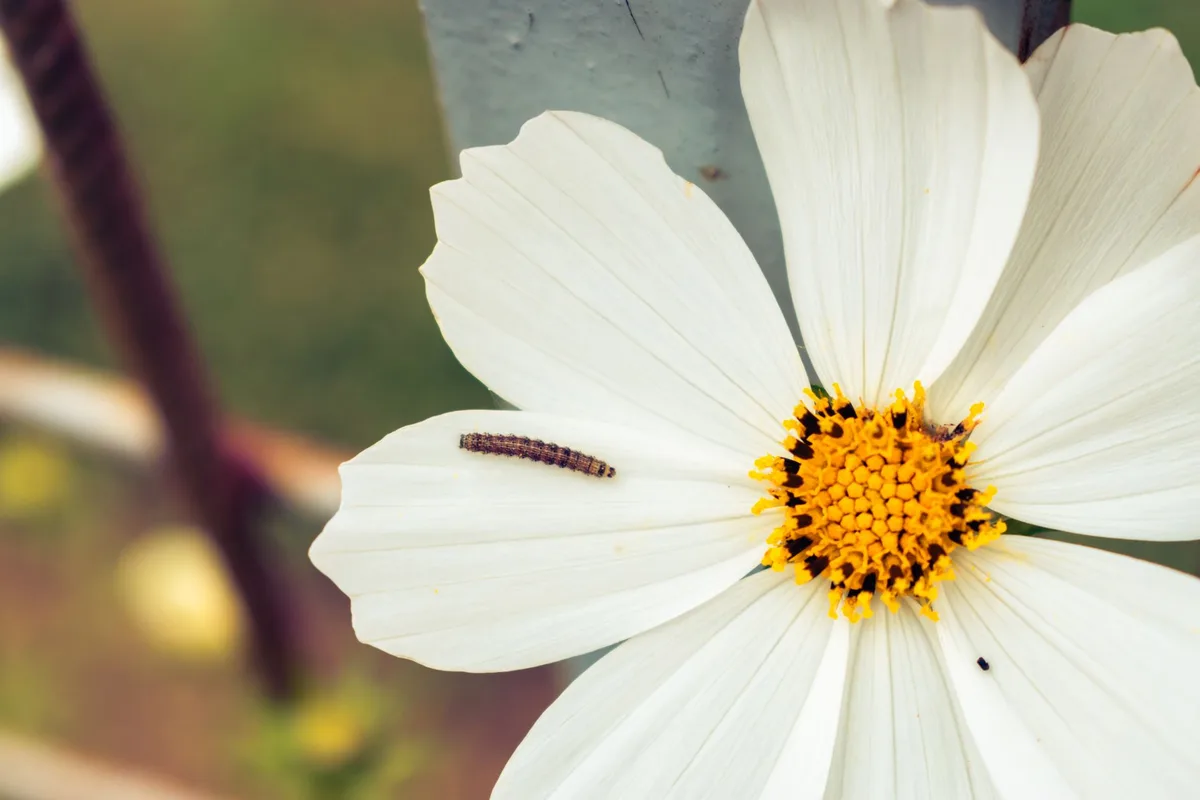
If you want to be 100% sure you have fall armyworms and not some other look-alike, look at the head. This is the most reliable visual identifier.
The Inverted Y
Fall armyworm larvae have a distinct yellowish-white upside-down Y on their dark brown head. This marking is like a fingerprint for the species. If you see it, you’ve confirmed fall armyworm.
Use a magnifying glass or hold the larvae close to your eyes. The Y marking is most visible on larger larvae (half an inch or longer). Small first-instar larvae may not show it clearly, but by the time they’re causing visible damage, they’re big enough.
Body Stripes and Color
In addition to the head marking, look at the body. Fall armyworm larvae have three pale stripes running lengthwise from the head to the tail. One stripe runs down the center of the back, and two run along the sides.
The base body color can vary. Larvae can be green, tan, or dark brown depending on what they’ve been eating and how old they are. The stripes are always present, though they may be faint on darker specimens.
True armyworm larvae lack the inverted Y. Their head is a solid light brown or tan color. This is the main visual difference between the two species.
If you’re seeing the Y, you’ve got fall armyworm, and you should treat accordingly.
Common Visual Mistakes (And How to Avoid Them)
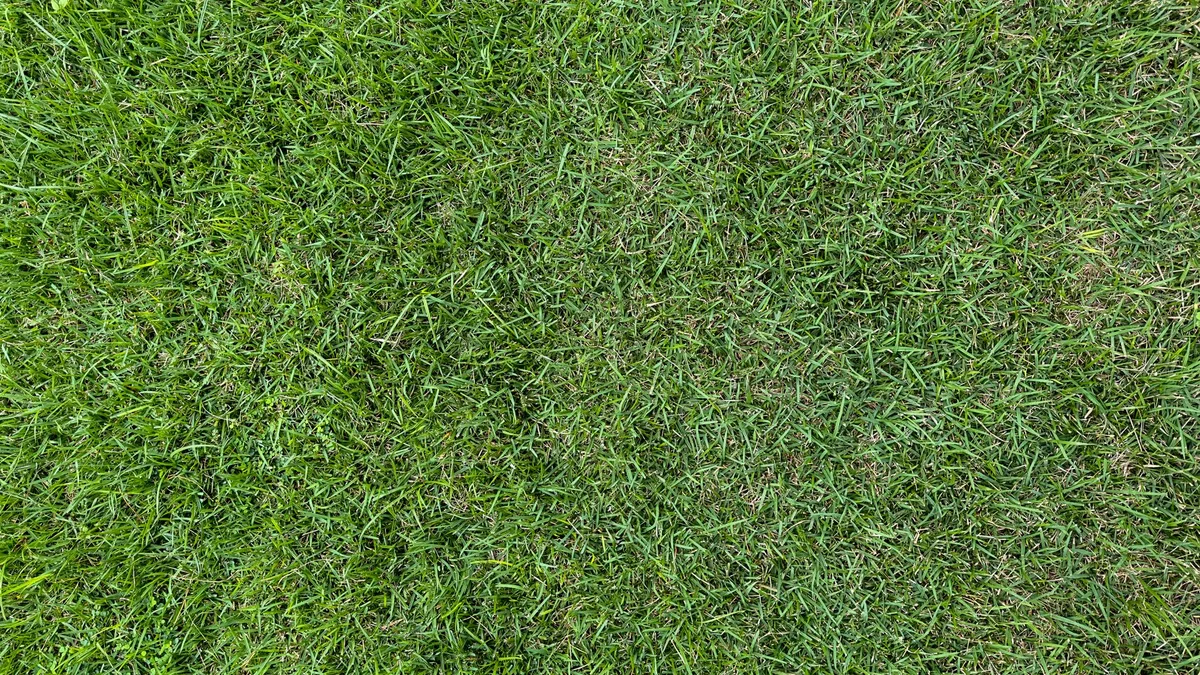
Even experienced lawn techs get tripped up on these look-alikes. Here are the three most common identification errors and how to fix them.
Confusing Armyworms with Sod Webworms
Sod webworms leave behind silk tunnels in the thatch layer. Armyworms do not. If you part the grass and see webbing, you have webworms.
Armyworms hide in the thatch but they don’t spin silk.
Webworm damage also develops slowly over weeks. Armyworm damage shows up overnight. If your lawn looked fine yesterday and half-brown today, it’s likely armyworms.
Mistaking Damage for Fungal Disease
Brown patch and dollar spot create areas of dead grass that look similar at first glance. But fungal disease leaves the leaf blades intact, just discolored. Armyworms actually chew the tissue away.
Pull up a damaged blade and look at the edge. If it’s ragged or skeletonized, it’s insect damage. Smooth browning from the tip down suggests disease.
The best fungicide for lawns guide covers how to treat fungal issues separately, but always confirm the cause first.
Overlooking Larvae That Hide During the Day
This is the biggest trap. You inspect at noon, find nothing, and assume it’s disease. Meanwhile the armyworms are sleeping an inch below the surface.
Timing is everything. Check at dawn or dusk. Use the soap flush test as described earlier.
If you don’t find larvae on the first try, check a second spot. Armyworms move in groups, so they can be patchy.
Armyworm vs. Other Lawn Pests – Side-by-Side Comparison
Here’s a quick reference table for the most common lawn pests that get confused with armyworms.
| Pest | Primary Sign | Where to Find Larvae | Damage Pattern |
|---|---|---|---|
| Armyworm | No webbing, ragged chew | Thatch/soil during day, feed at night | Windowpane, then skeletonized |
| Sod webworm | Silken tunnels in thatch | Thatch layer, often in silk tubes | Notched leaf edges, slower |
| Cutworm | Curls into C when touched | Soil just below surface, comes up at night | Cuts grass at crown, near soil line |
| White grub | Grass lifts like carpet, roots gone | Root zone, C-shaped white body | Brown patches, loose turf |
| Chinch bug | Tiny black-and-white bugs, no chew | Base of grass, at or near soil | Drought-like thinning, yellowing |
Armyworm vs. cutworm: Cutworms curl into a tight C when disturbed. Armyworms writhe and thrash. Both feed at night, but cutworm damage is more focused on cutting blades at the base rather than stripping the whole blade.
Armyworm vs. white grub: Grubs eat roots so the turf can be rolled back like carpet. Armyworms eat leaves so the roots stay intact. If you can pull up a section of lawn easily, look for grubs.
If the grass is brown but still anchored, check for caterpillars.
Armyworm vs. chinch bug: Chinch bugs are tiny insects with white wings and black bodies. They don’t chew leaves. They suck juices and cause the grass to look drought-stressed.
No frass, no ragged edges. These are easy to rule out with a quick visual inspection.
Measuring Severity: How Many Larvae Is Too Many?
You don’t need to treat every armyworm you find. Low populations can be handled by natural predators. But once you cross the threshold, you need to act fast.
Treatment Thresholds by Turf Type
- Cool-season turf (fescue, ryegrass, bluegrass): treat at 2 to 3 larvae per square foot
- Warm-season turf (bermudagrass, zoysia): treat at 3 to 5 larvae per square foot
Warm-season grasses recover faster from damage. Cool-season grasses are more vulnerable and need a lower threshold.
Counting Larvae per Square Foot
Use the soap flush test on at least three different spots across your lawn. Average the count. If any single spot has more than 5 larvae, treat the whole lawn.
Armyworms can move and concentrate quickly.
If you find fewer than 2 per square foot and the damage is minimal, you can wait. Monitor daily. Check the best plant for hummingbirds guide to see which flowers attract beneficial wasps that prey on caterpillars.
Encouraging natural predators often keeps small outbreaks in check.
When to Treat and When to Wait
You want to act fast, but also avoid unnecessary spraying. Here’s how to decide.
Spot Treatment vs. Full Lawn Spray
If armyworms are isolated to one area (say a 10×10 patch), treat only that area. Use a spray or granular insecticide labeled for caterpillars. Water it in lightly if the label recommends it.
If you find armyworms in three or more spots across the lawn, or if any single patch has more than 5 larvae, treat the whole lawn. These pests move in waves. Treating only part of the yard means they’ll just shift to untreated areas.
Natural Predators That Help Control Outbreaks
Before you reach for chemicals, consider that beneficial insects and birds can handle low populations. Parasitic wasps, ground beetles, and spiders all feed on armyworm larvae.
Birds are your best indicator. If you see robins or starlings feeding heavily on your lawn, let them work. They can eat dozens of larvae an hour.
Avoid broad-spectrum insecticides that kill these predators. Spot treatments with specific caterpillar-targeting products (like those containing Bacillus thuringiensis or spinosad) are better for preserving the natural food web.
If damage is accelerating and the count is above threshold, don’t wait. Treat immediately. A delay of 24 hours can mean losing another 10% of your lawn.
FAQs – Quick Answers on Armyworm Identification
How can I tell if my lawn has armyworms or grubs?
Lift a section of turf. If it rolls back easily, you have grubs eating roots. If the grass stays put but the blades are chewed, you have armyworms.
Also look for frass near the soil line, which grubs don’t produce.
What does armyworm poop look like?
It looks like tiny greenish-brown pellets, about the size of a grain of sand. You’ll find them on the soil surface or stuck to the lower parts of grass blades near damaged areas.
Can armyworms kill my lawn completely?
Yes, a heavy infestation can strip a lawn to bare soil in 48 to 72 hours. But the grass crown and roots often survive. With proper watering and care, most lawns recover in two to three weeks.
Do armyworms come back every year?
Fall armyworms migrate north each summer. They do not overwinter in cold climates. True armyworms can overwinter as larvae in mild areas.
If you had an infestation one year, it’s possible they’ll return when conditions are right.
How do I prevent armyworms from coming back?
Healthy lawns resist damage better. Keep grass at the proper height for your species, water deeply but infrequently, and avoid over-fertilizing with nitrogen in late summer. Encourage natural predators by planting flowers that attract beneficial insects.
Check the best flowers for flower beds guide for pollinator-friendly options.