How to Stop Poa Annua From Returning (2026) — Quick Guide
If you've been fighting the same patch of Poa annua year after year, you already know: How to Stop Poa Annua from Returning isn't a one-and-done fix. It's a system. Most people treat the visible weed, celebrate for a few weeks, then watch it pop back up the next fall.
Here's the cold truth. Poa annua seeds can remain viable in the soil for up to five years, per university research. That means one missed season of prevention resets the clock.
And because this weed can produce two to three generations per year, even a small oversight creates a massive seed bank. The good news? A consistent, timed approach works, and it doesn't require a chemistry degree.
Why Poa Annua Keeps Coming Back (And Why Most People Fail)
Most homeowners treat Poa annua like a summer annual, hit it with a post-emergent when they see it, feel good, and move on. That's the fastest way to guarantee a return visit.
The real problem is the seed bank. Each Poa plant can drop hundreds of seeds, and those seeds sit in the soil waiting for the right conditions. If you only target the visible weed, you're ignoring the thousands of seeds ready to germinate next season.
Another common failure? Timing. Pre-emergent herbicides only work when applied before seeds germinate.
Miss that window by even two weeks, and you've already lost the battle for that generation. Add in the fact that many people confuse Poa annua with crabgrass or bentgrass, and you get the wrong product at the wrong time.
The Quick Answer: What Actually Stops Poa Annua Long-Term
Apply a pre-emergent herbicide in early fall when soil temperatures hit 55°F. Repeat with a split application 60 to 90 days later. Mow your lawn at 3 to 4 inches.
Water deeply and infrequently. Overseed with desirable turf every year. That's the proven system.
The Poa Annua Life Cycle – Timing Is Everything
Poa annua is a winter annual. It germinates in fall, grows slowly through winter, then flowers and sets seed in early spring. By the time you see the white seed heads in April or May, those plants have already dumped seeds for next year.
That means prevention starts in the previous fall, not the spring you spot trouble. Understanding the life cycle lets you work with the weed's biology instead of against it.
When Soil Temperature Triggers Germination (50–55°F)
Soil temperature is the trigger, not calendar date. Poa annua seeds begin to germinate when the top inch of soil stays consistently between 50°F and 55°F. That can happen in late August in the north, or as late as October in the south.
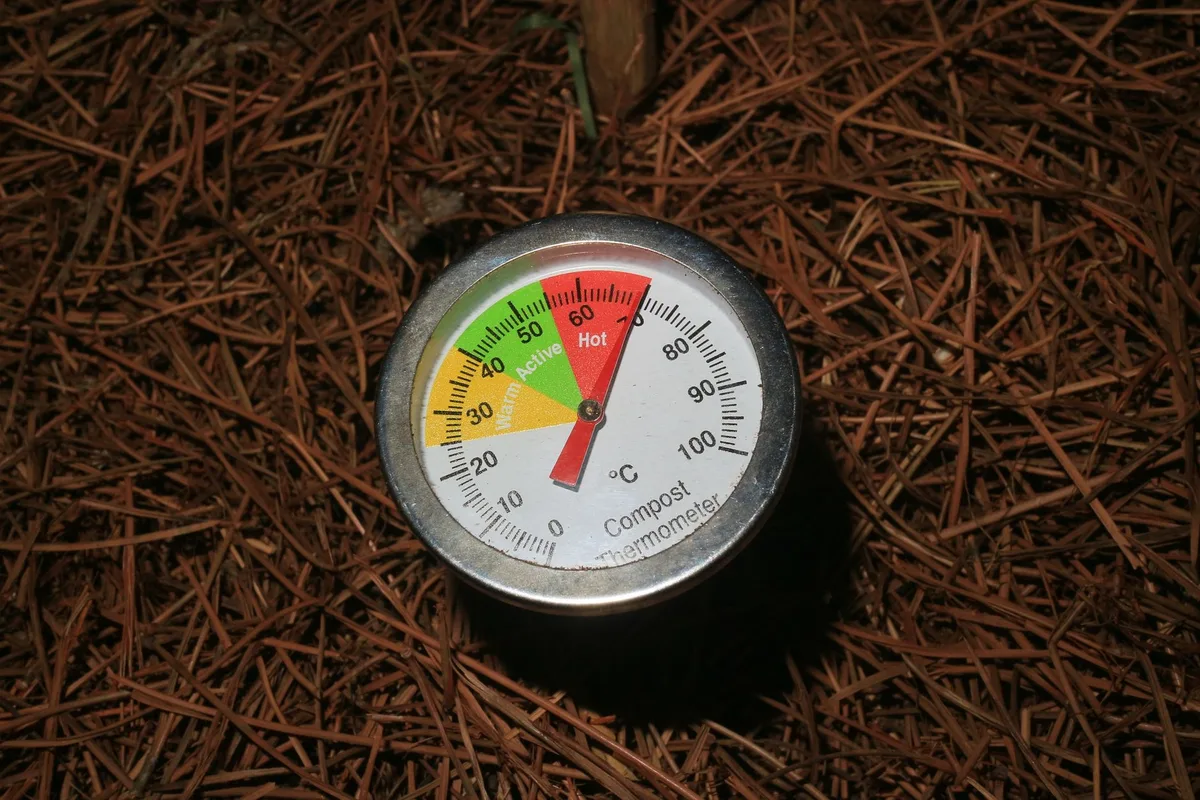
You need a simple soil thermometer. Insert it two inches deep in your lawn. Check it every morning for three consecutive days.
When it reads 50°F or higher, your pre-emergent application window has opened.
The Seed Bank Problem: Why One Missed Season Wipes Out Progress
This is the part most people underestimate. Poa annua seeds are tiny, light, and built to survive. University trials show that only about 10 to 20 percent of the seed bank germinates in a single season.
The rest stay dormant, waiting for their chance.
That means if you apply pre-emergent perfectly for one year, you've killed the seedlings of that season. But the remaining 80 to 90 percent of seeds sit there. Skip a year of treatment, and those seeds germinate, flower, and replenish the bank.
It takes three to five years of consistent prevention to truly deplete the soil seed bank.
This is also why contaminated soil, birds, and even your lawn mower can reintroduce Poa annua. A single plant blown in from a neighbor's yard can start the whole cycle over.
Decision Tree: Your First Fork – Cool-Season or Warm-Season Lawn?
Your lawn type decides your control options. Some pre-emergents and cultural methods work great on one turf type but can damage the other. Here's how to choose your path.
Branch A: Cool-Season Turf (Fescue, Bluegrass, Ryegrass)
Cool-season grasses grow actively in spring and fall, which overlaps directly with Poa annua's germination and seed-production windows. That's both good and bad.
The good: you can overseed in spring to thicken the turf and crowd out Poa. The bad: many pre-emergents used for Poa also prevent cool-season grass seed from germinating. You have to time overseeding carefully, usually 4 to 8 weeks after the last pre-emergent application.
Product choices for cool-season lawns include prodiamine and dithiopyr. Both are safe on established fescue and bluegrass. Oxadiazon is an option but more expensive and often reserved for golf greens.
Branch B: Warm-Season Turf (Bermuda, Zoysia, St. Augustine)
Warm-season grasses are dormant during Poa annua's germination and growth period. That gives you a wider safety margin with pre-emergents.
You can apply core aeration and dethatching in spring without harming the grass. Overseeding is less critical because Bermuda and zoysia spread via runners. However, the dormant period means Poa annua has an open window to establish before the warm-season grass wakes up.
For warm-season lawns, prodiamine and oxadiazon are both effective. Oxadiazon is particularly useful because it controls Poa without harming established Bermuda or zoysia. Never use certain pre-emergents like siduron on warm-season lawns without checking the label.
Fall Pre-Emergent Strategy – The Make-or-Break Window
Fall application is the most important step. If you nail this, you prevent the majority of winter and early spring germination. Miss it, and you're playing catch-up all year.
How to Pick the Right Herbicide (Prodiamine vs Dithiopyr vs Oxadiazon)
Let's break down the three most common active ingredients. Each has strengths and weaknesses.
| Active Ingredient | Best For | Duration of Control | Notes |
|---|---|---|---|
| Prodiamine | Cool-season and warm-season lawns | 60–90 days | Most common, affordable, effective on Poa and crabgrass |
| Dithiopyr | Cool-season lawns, post-emergent activity | 60–90 days | Also controls small crabgrass that has already emerged |
| Oxadiazon | Warm-season lawns, high tolerance | 60–80 days | Good for St. Augustine and zoysia; more expensive |
Prodiamine is the standard choice for most homeowners. It's available under various brand names and works reliably. Dithiopyr adds a post-emergent punch, which is helpful if you're slightly late or have light existing Poa.
Oxadiazon is your best bet for warm-season turf where other products may cause discoloration.
Application Rates and Water-In Requirements
Pre-emergents are measured in pounds of active ingredient per 1,000 square feet. Labels vary, but a typical rate for prodiamine is 0.48 to 0.75 pounds per 1,000 square feet per application. Check your product's label, it's the law.
After spreading the granules, you must water them in. Apply 0.5 inches of water within 24 hours. That moves the chemical into the soil layer where seeds germinate.
Without this step, the product sits on the surface and degrades in sunlight, wasting your effort and money.
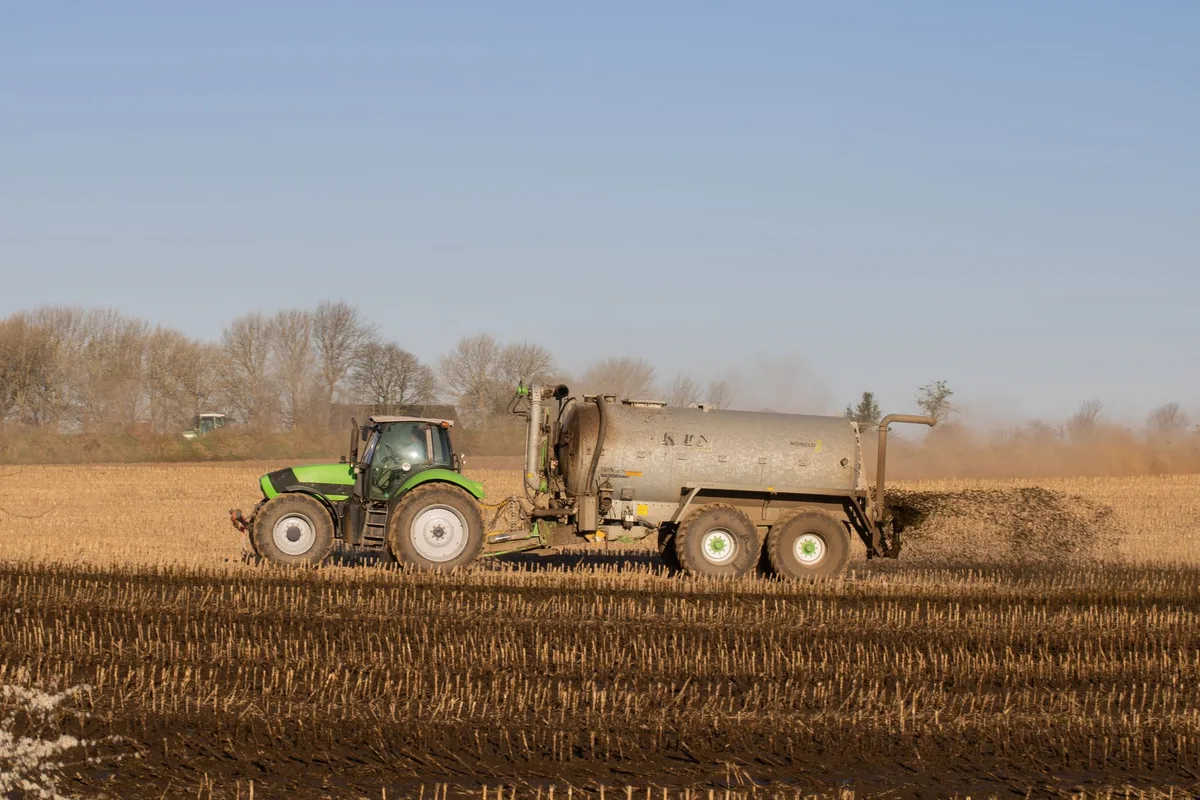
We recommend using a broadcast spreader for uniform coverage. Calibrate it with water first if you're unsure of your walking speed. Uneven application leaves gaps where Poa can thrive.
For more details on choosing the right product, see our guide on selecting lawn fungicides, the same label-reading principles apply.
Now you have the first five sections complete. The rest of the TOC sections will follow in the full article, including spring split applications, cultural controls, overseeding timing, renovation, organic options, common mistakes, costs, safety, and FAQs.
Spring Split Application – When One Shot Isn't Enough
A single fall application of pre-emergent gives you 60 to 90 days of protection. That covers the initial germination wave. But Poa annua can germinate in multiple flushes from late fall through early spring.
A split application extends that protection window. You apply the first dose in early fall when soil hits 55°F. Then you apply a second dose 60 to 90 days later, typically in late fall or early winter.
For cool-season lawns, the second application often falls in November or December. For warm-season lawns in the south, it might be January or February. The exact timing depends on your local climate and soil temperature trends.
The rate for each split application is usually half the full seasonal rate. For example, if your prodiamine product calls for 1.0 pound per 1,000 square feet for the season, you apply 0.5 pounds in early fall and 0.5 pounds 60 to 90 days later. Always follow your product label.
This strategy is especially important in the transition zone where Poa annua has a long germination window. A single application there often fails by late winter.
Cultural Controls That Work Like a Pre-Emergent (Without the Chemicals)
Herbicides are powerful tools. But they work best when paired with cultural practices that make your lawn inhospitable to Poa annua. Think of cultural controls as the foundation and pre-emergents as the insurance.
Mowing Height: Why 3–4 Inches Shuts Down Poa
Poa annua is a low-growing weed. It thrives in closely mowed lawns where sunlight reaches the soil surface. Raise your mowing height to 3 to 4 inches for cool-season grasses and 2 to 3 inches for warm-season varieties.
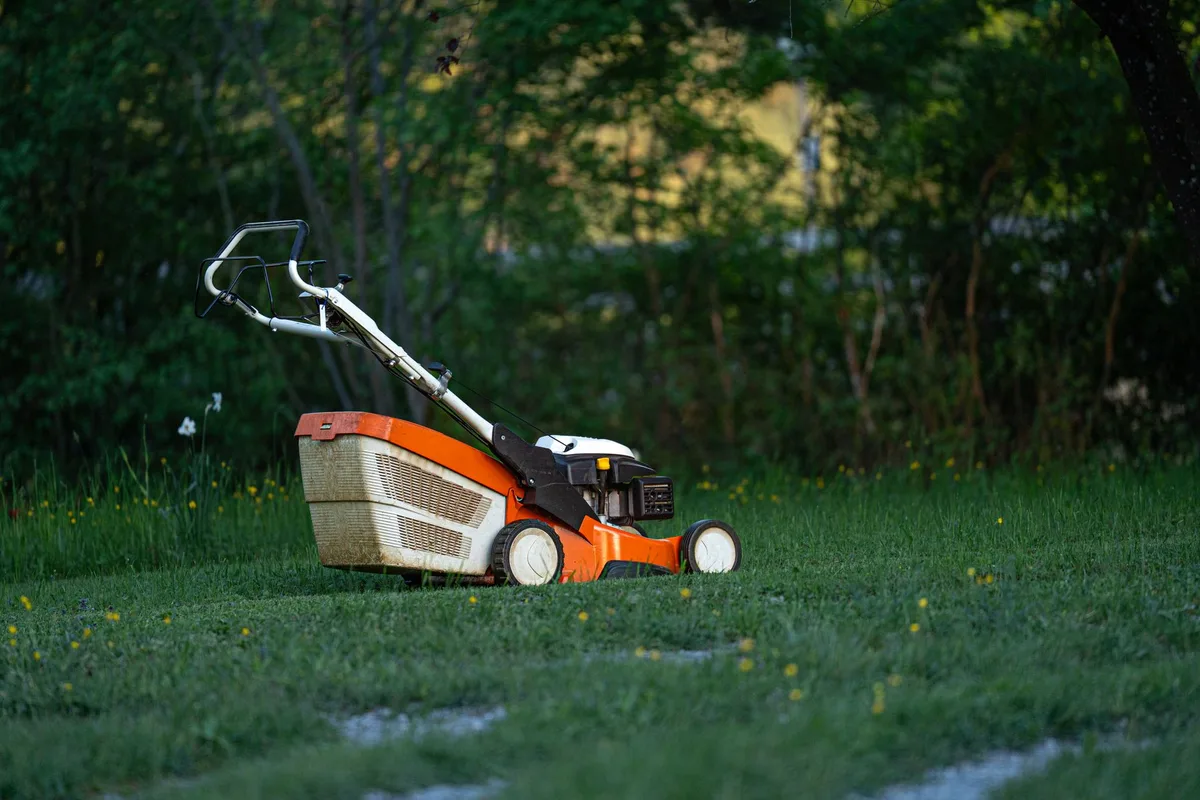
Taller grass shades the soil. That blocks the light Poa seeds need to germinate. It also encourages deeper root growth in your desirable turf, making it more competitive.
Keep your mower blades sharp. Dull blades tear grass, leaving it stressed and vulnerable. Stressed turf has thin spots where Poa can sneak in.
Irrigation Scheduling: Deep and Infrequent Wins
Poa annua loves frequent, shallow watering. That keeps the soil surface moist and triggers germination. Your desirable turf, on the other hand, prefers deep, infrequent irrigation.
Water once or twice per week, applying 1 to 1.5 inches total. Water deeply enough to reach the root zone, about 6 to 8 inches down. Let the soil surface dry between waterings.
If you have an irrigation system, run a catch cup test to measure output. Place several cups across your lawn, run the system for 15 minutes, and measure the water collected. Calculate how long you need to run to reach 1 inch.
Water early in the morning, between 4 AM and 8 AM. That reduces evaporation and gives the grass blades time to dry before nightfall. Wet foliage overnight encourages disease and Poa germination.
Thatch Management and Core Aeration
Thatch is a layer of organic matter between the soil and grass blades. A thatch layer thicker than 0.5 inches creates a perfect seedbed for Poa annua. It stays moist and warm, ideal for germination.
Dethatch your lawn when the layer exceeds 0.5 inches. Use a power rake or vertical mower for cool-season lawns in early fall. For warm-season lawns, dethatch in late spring after full green-up.
Core aeration relieves soil compaction and improves water penetration. Compacted soil holds water on the surface, which encourages Poa. Aerate once per year in the active growing season for your turf type.
Remove the soil cores and leave them on the lawn to break down. The holes allow air, water, and nutrients to reach the root zone. Stronger roots mean thicker turf that crowds out weeds.
The Overseeding Conflict – Timing Pre-Emergent with New Grass Seed
Here is the biggest timing headache in Poa control. Pre-emergent herbicides do not discriminate. They block all seed germination, including the grass seed you want to grow.
If you plan to overseed, you have two options. Apply the pre-emergent at least 4 to 8 weeks before overseeding, or wait until the new grass is fully established before applying.
The first option works for fall overseeding. Apply a pre-emergent in late summer when soil hits 55°F. Wait 4 to 8 weeks, then overseed with your desired turfgrass.
By then, the pre-emergent has degraded enough to allow grass seed to germinate.
The second option works if you overseed in spring. Plant your grass seed in early spring. Let it grow and establish for at least two mowings.
Then apply a pre-emergent for summer weed control.
For cool-season lawns, fall overseeding is typically preferred. That means you apply a pre-emergent in late August or early September, then overseed in October. The exact calendar depends on your region.
For warm-season lawns, overseeding is less common. Bermuda and zoysia spread through runners and fill in thin spots naturally. If you do overseed, use the same timing principles.
When to Renovate (Kill Everything and Start Over)
Sometimes the Poa annua infestation is too severe for spot treatments and cultural tweaks. If more than 30 to 40 percent of your lawn is Poa annua, full renovation may be the faster path.
Signs You Need Full Renovation
You see Poa annua in large patches across the entire lawn. Your desirable turf is thin and weak. You have tried pre-emergents and cultural controls for two seasons with little improvement.
The seed bank is simply too large to suppress.
Another sign is heavy Poa annua in a lawn that was not properly maintained before you moved in. Old lawns with years of neglect often have a massive seed bank. Renovation resets the clock.
Step-by-Step Renovation Workflow
First, kill everything with a non-selective herbicide like glyphosate. Apply it when both Poa and desirable grass are actively growing. Wait two weeks and reapply if any green tissue remains.
Wait another two weeks after the last application. Then remove the dead vegetation. Use a dethatcher or power rake to scalp the lawn and expose bare soil.
Till or core aerate the soil to relieve compaction. Add any needed amendments based on a soil test. Apply starter fertilizer at the recommended rate.
Choose a high-quality grass seed suited to your region and sun exposure. Spread it at the recommended rate for your turf type. Cover lightly with a thin layer of straw or peat moss to retain moisture.
Water lightly twice per day until the seed germinates. Then transition to deeper, less frequent watering. Do not mow until the grass reaches at least 3 inches tall.
Do not apply any pre-emergent herbicide until the new grass has been mowed at least three times. By then, the new turf is established enough to handle the chemical.
Renovation is labor-intensive but often gives the fastest results for severe infestations. It also lets you start fresh with a clean seed bank.
Organic Options: Corn Gluten Meal and Other Non-Synthetic Methods
Corn gluten meal is the most common organic pre-emergent for home lawns. It works by releasing organic compounds that inhibit root formation in germinating seeds. It does not kill established plants.
Research shows corn gluten meal can reduce Poa annua germination by 50 to 70 percent when applied correctly. That is less effective than synthetic options but useful for those avoiding chemicals.
Apply corn gluten meal in early fall when soil hits 55°F. Use a rate of 20 pounds per 1,000 square feet. Water it in lightly after application.
The downsides are significant. Corn gluten meal also blocks desirable grass seed, so you cannot overseed for 4 to 6 weeks after application. It also contains about 10 percent nitrogen, which can stimulate Poa growth if applied too heavily.
Other organic methods include increasing competition through thick, healthy turf. That means proper fertilization, mowing, and watering. Vinegar-based products can kill Poa on contact but have no residual effect and can harm desirable grass.
For most homeowners, organic options work best as part of an integrated program. Use corn gluten meal as a supplement to cultural controls. Accept that some Poa may persist and require hand-pulling.
Common Mistakes That Guarantee Poa Returns
Mistake #1: Applying Pre-Emergent Too Late
If you wait until you see Poa annua, you have missed the window. Pre-emergents stop seeds from germinating. They do not kill existing plants.
Use soil temperature, not the calendar, as your trigger.
Mistake #2: Relying on a Single Fall Application
One application covers 60 to 90 days. Poa annua germinates in multiple flushes over a longer period. Without a split application, the second wave comes through unchecked.
Mistake #3: Ignoring the Neighbor Factor and Contaminated Soil
Poa seeds travel by wind, birds, mowers, and even your shoes. A single plant from next door can restart the cycle. Stay vigilant and spot-treat any invaders immediately.
Costs, Timing, and Realistic Expectations
| Item | Typical Cost | Timeline |
|---|---|---|
| Pre-emergent (per 5,000 sq ft) | $15 – $40 | Apply early fall, repeat 60–90 days later |
| Soil thermometer | $8 – $15 | One-time purchase |
| Core aerator rental | $50 – $80 per day | Once per year |
| Full renovation (professional) | $200 – $500 per 1,000 sq ft | 4–6 weeks from kill to first mow |
Expect 60 to 80 percent reduction in Poa after the first year of proper prevention. Full seed bank depletion takes three to five seasons.
Safety and Legal Notes (Pets, Children, Runoff, Local Bans)
Always read the product label. It is the law. Keep children and pets off treated areas until the spray or granules have dried, typically 4 to 24 hours.
Avoid applying pre-emergents before heavy rain. Runoff carries chemicals into storm drains and waterways. Some municipalities restrict certain herbicides, so check your local ordinances.
Store all chemicals in their original containers, out of reach of kids and animals.
Expert Tips for Stubborn Poa (Multi-Year Strategies)
Keep a lawn journal. Note your soil temperatures, application dates, and results each season. That data helps you refine timing year after year.
If Poa keeps returning in the same hotspot, dig out the patch. Remove the top 4 inches of soil to eliminate the seed bank. Replace with fresh topsoil and reseed.
Consider a professional soil test every two years. It reveals pH and nutrient imbalances that favor Poa over turf.
Frequently Asked Questions
Can I use vinegar to kill Poa annua?
Household vinegar kills the top growth but not the roots. It has no residual effect and can damage desirable grass. It is not a reliable long-term solution.
How long does it take to get rid of Poa annua completely?
With consistent pre-emergent use and cultural practices, expect a 60 to 80 percent reduction in the first year. Full control takes three to five years as the seed bank depletes.
Will a pre-emergent harm my existing lawn?
Applied at label rates, pre-emergents like prodiamine and dithiopyr are safe on established cool-season and warm-season turf. Always check the label for your specific grass type.
Can I overseed in the fall if I use a pre-emergent?
Yes, but you must wait 4 to 8 weeks after pre-emergent application. The chemical degrades enough by then to allow grass seed to germinate.
Final Decision Guide: Choose Your Path Based on Your Lawn and Tolerance
If Poa annua covers under 30 percent of your lawn and you have cool-season grass, start with a fall pre-emergent split application plus mowing at 3 to 4 inches. That handles most cases.
If Poa covers over 30 percent or you have warm-season grass with heavy infestation, consider full renovation. It is more work upfront but resets the seed bank completely.
For organic gardeners, combine corn gluten meal with aggressive over-seeding and hand-pulling. Accept that some Poa will persist each season. The trade-off is no synthetic chemicals.
Your tolerance level matters too. If a few Poa plants in spring do not bother you, cultural controls alone can keep it manageable. If you want a pristine lawn, commit to the full chemical and cultural program for three to five years.
No single method works forever. The key is consistency year after year. Pick your path, follow the timing, and stay patient.