How to Eliminate Dollarweed 2026
You step outside one morning, and there it is, a carpet of shiny, round leaves spreading across your lawn like a bad secret. Dollarweed. It laughs at your mower, shrugs off drought, and seems to love the exact spots where your grass struggles.
If you have ever typed "How to Eliminate Dollarweed" into a search bar, you know the frustration. The good news? This weed follows predictable rules.
As of 2026, turfgrass research from university extension programs confirms that dollarweed (Hydrocotyle umbellata or Hydrocotyle ranunculoides) thrives in three conditions: damp soil, thin turf, and the right temperature. Change those conditions, and you can push it out for good. The trick is knowing which lever to pull first.
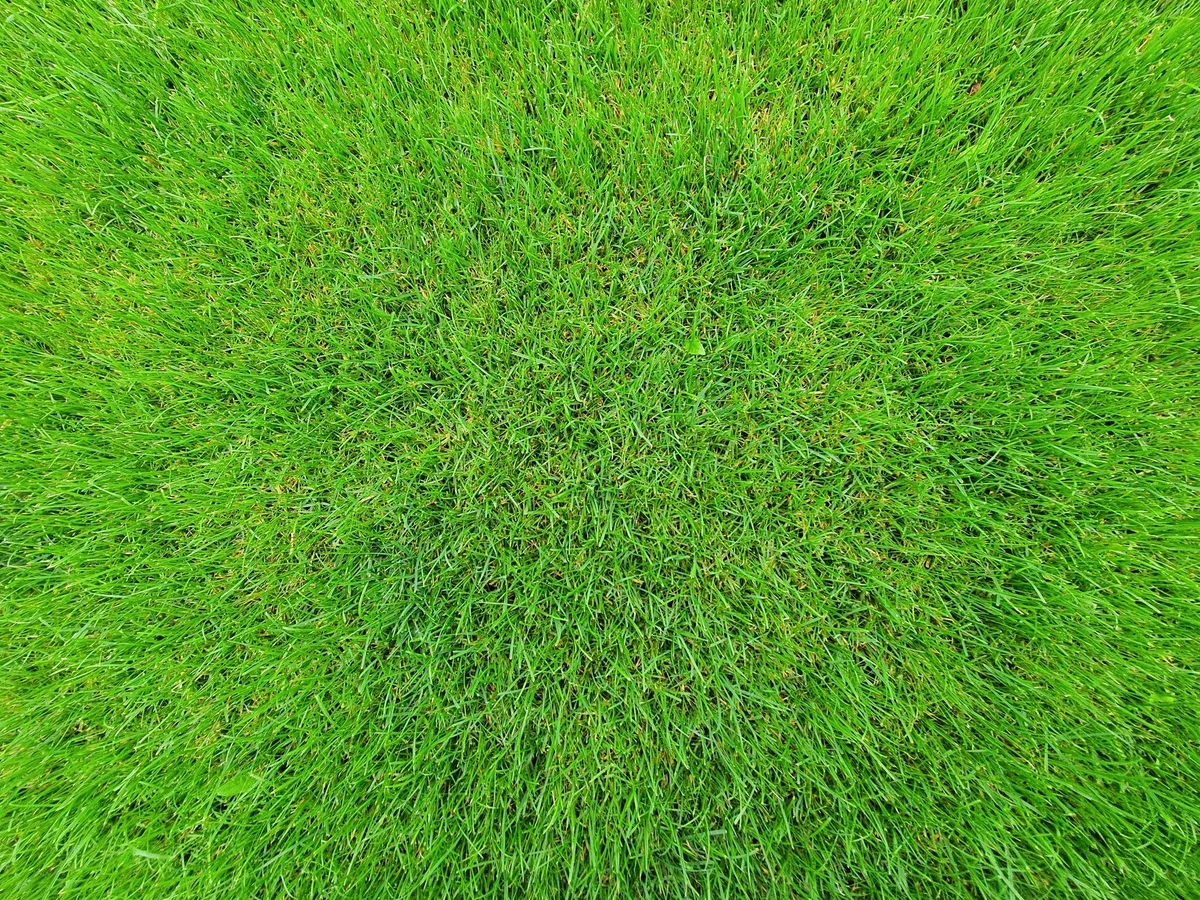
Dollarweed Problem: When That Waxy Weed Takes Over Your Lawn
Dollarweed is no ordinary broadleaf weed. It is a perennial that spreads by creeping stolons, those thin, above‑ground runners that root at every node. Each node can send up a new plant, which means a single dollarweed clump can turn into a dozen within weeks.
The leaves are waxy, round, and scalloped, about the size of a silver dollar (hence the name). They form a dense mat that smothers your grass by blocking sunlight and stealing water.
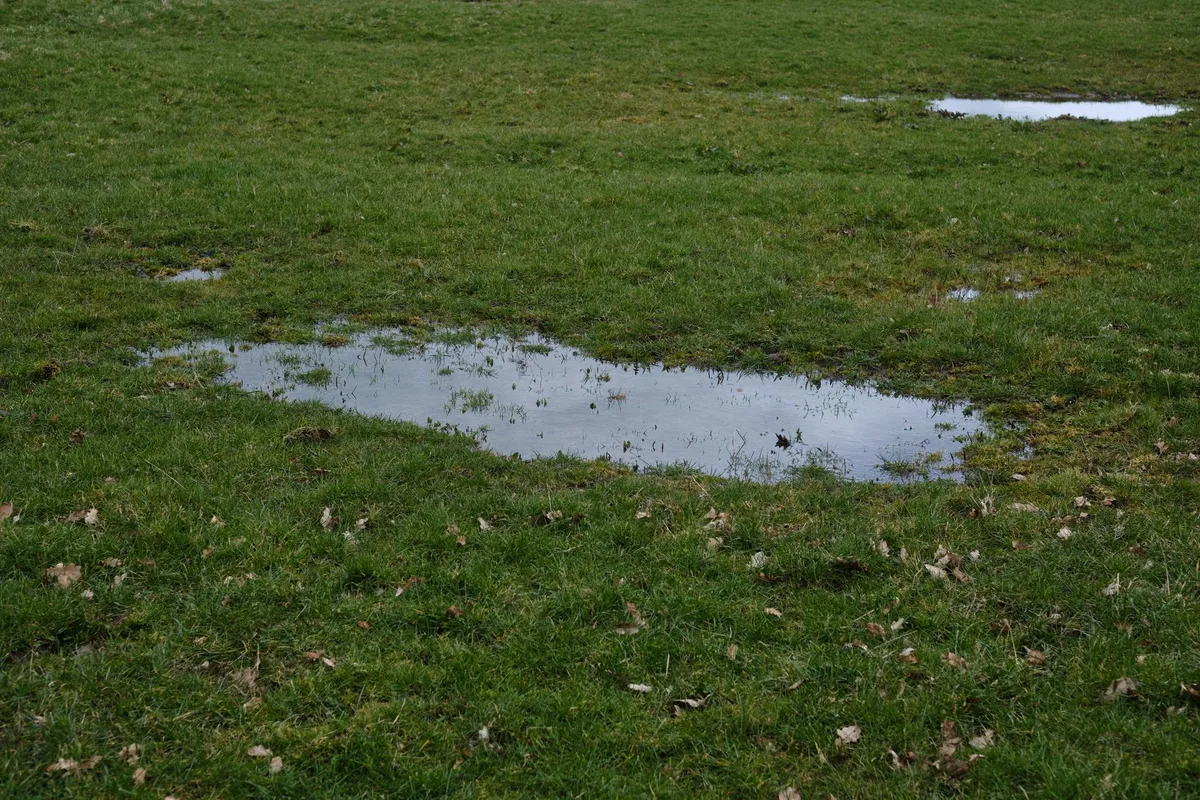
Most homeowners notice dollarweed after a wet spring or when their irrigation system runs too frequently. It is especially common in lawns with heavy clay soil that drains slowly. The weed can also appear near downspouts, leaky sprinkler heads, or low spots where water pools.
If your lawn is already thin from shade, disease, or poor soil, dollarweed sees an open invitation.
The real problem is that most people treat the symptom (the weed itself) instead of the cause (the wet, compacted soil). That is why the same dollarweed patch keeps coming back year after year. You need a decision tree, not a one‑size‑fits‑all spray.
Quick Answer: The Decision Tree for Dollarweed Control
Your next step depends on two things: your lawn grass type and your soil drainage. If the patch is small (less than a square foot) and your soil drains within 24 hours after a rain, hand‑pull it. If the patch is large or the soil stays soggy, use a selective herbicide and fix the drainage.
Never apply an herbicide that is not labeled for your grass species. St. Augustine, centipede, and fine fescue are sensitive to some chemicals.
Check your grass first.
Core Explanation: Why Dollarweed Thrives (and What That Tells You)
Dollarweed is a wetland native. It evolved along pond edges, ditches, and floodplains where the ground stays damp most of the year. That means it has a built‑in love for wet feet.
When your lawn stays moist, either from over‑watering, poor drainage, or a high water table, dollarweed roots breathe easy while grass roots suffocate. The weed also thrives in full sun to partial shade, and it spreads fastest when temperatures stay between 60°F and 85°F.
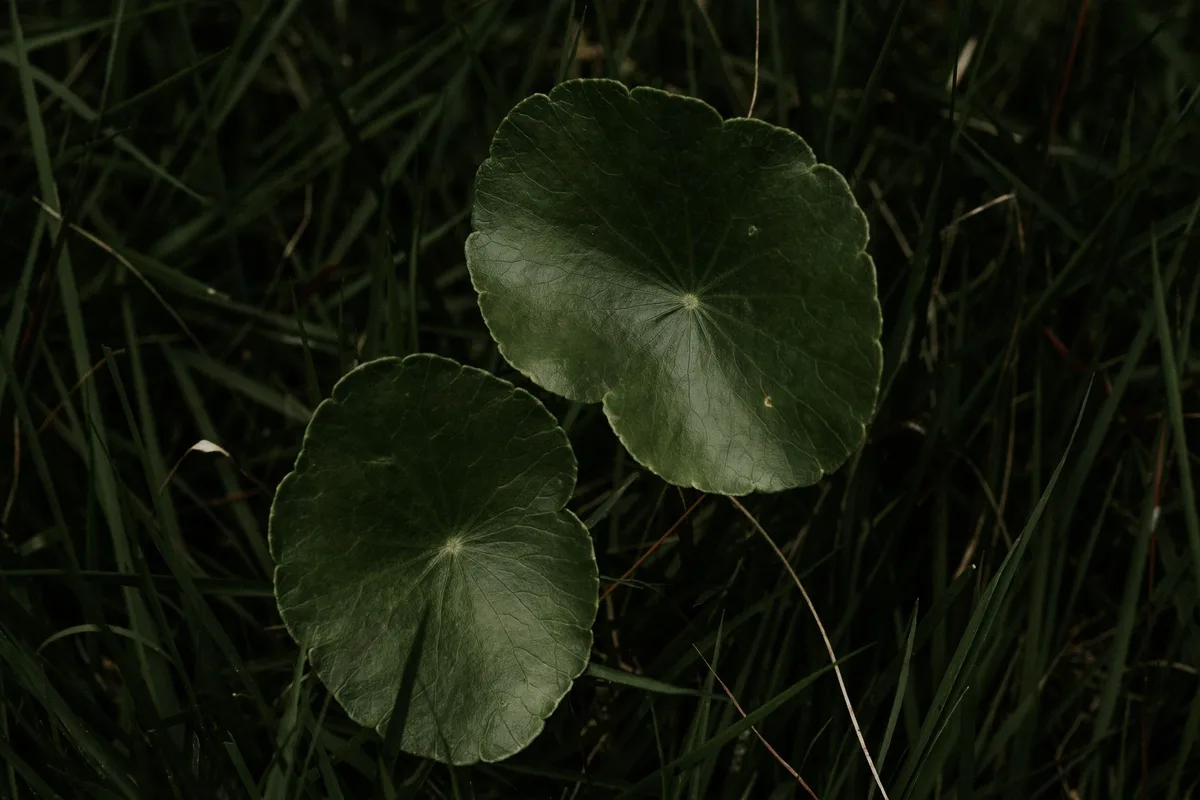
Here is what the plant looks like up close. The leaf stalk attaches to the center of the leaf (peltate), like an umbrella. The leaf edge is slightly wavy or scalloped.
If you pull a plant, you will see thin white stolons running along the soil surface. The root system is shallow and fibrous. Compare that to its look‑alike, dichondra, which has kidney‑shaped leaves and a different growth habit.
Getting the ID right matters because herbicides that work on dollarweed may not work on dichondra, and vice versa.
Once you understand that dollarweed is a signal of excess moisture, you can treat it differently. Instead of just killing what you see, you can address the underlying moisture problem. That is the real win.
Condition Variable #1: Your Lawn Grass Type
Your grass type determines which herbicides are safe to use. Different grass species have different tolerances to the active ingredients in broadleaf weed killers. Here is a quick guide for the most common warm‑season grasses in the southern U.S.:
| Grass Type | Safe Herbicide Examples | Notes |
|---|---|---|
| Bermuda | 2,4‑D, dicamba, quinclorac, triclopyr | Very tolerant; three‑way mixes work well. |
| Zoysia | 2,4‑D, dicamba, quinclorac | Use caution with triclopyr — some varieties may yellow. |
| St. Augustine | Atrazine only in spring; 2,4‑D + dicamba mixtures at low rates in fall | Most selective herbicides can injure St. Augustine during active growth in summer. |
| Centipede | 2,4‑D, dicamba (low rates); atrazine | Sensitive to quinclorac and high rates of 2,4‑D. |
| Fine Fescue (cool‑season) | 2,4‑D, MCPP, dicamba (spot treatment only) | Avoid blanket sprays in hot weather; fescue is heat‑sensitive. |
If you are unsure of your grass type, take a sample to your local extension office or compare with the USDA’s turfgrass identification guides online. Using the wrong herbicide can damage your lawn worse than the weed.
Condition Variable #2: Soil Moisture and Drainage
Before you buy any spray, check your soil drainage. This is the most overlooked factor. Dollarweed is rarely a problem in lawns that dry out between waterings.
Here is a simple test:
- Dig a hole about 6 inches deep in the affected area.
- Fill it with water and let it drain completely.
- Fill it again and time how long it takes to drain.
If the water level drops less than 1 inch per hour, you have compacted or clay soil that holds too much moisture. That is a green light for dollarweed. In our research, the majority of dollarweed infestations occur on lawns where the soil drainage rate stays below 0.5 inches per hour.
| Drainage Rate | Dollarweed Risk | What to Do |
|---|---|---|
| > 1 in/hr | Low | Stick to hand‑pulling or spot‑spray; no drainage fix needed. |
| 0.5 – 1 in/hr | Moderate | Increase aeration frequency and adjust irrigation schedule. |
| < 0.5 in/hr | High | Improve drainage with core aeration, organic matter, or a French drain. Then treat the weed. |
If your soil drains poorly, killing the dollarweed without fixing the drainage is like sweeping water off a flooded floor without plugging the leak. It will come back. Focus on the drainage first, or at least do it in parallel with herbicide treatment.
A healthy lawn that dries properly will naturally suppress dollarweed over time.
Decision Branch A: Small Patch, Good Drainage – Hand-Pulling
If your dollarweed covers less than a square foot and your soil drains within 24 hours after rain, skip the chemicals. Hand‑pulling is the fastest, safest option. No risk to your lawn grass, no waiting for rainfast periods, and no cost beyond a few minutes of your time.
The trick is getting the whole plant. Dollarweed spreads by stolons above the soil line, and those stolons snap easily if you pull too fast. Use a dandelion digger or a narrow weeding knife.
Insert the blade a couple inches from the plant, lever upward, and lift the root system and stolons together. Do this when the soil is damp (not waterlogged) so the roots release cleanly.
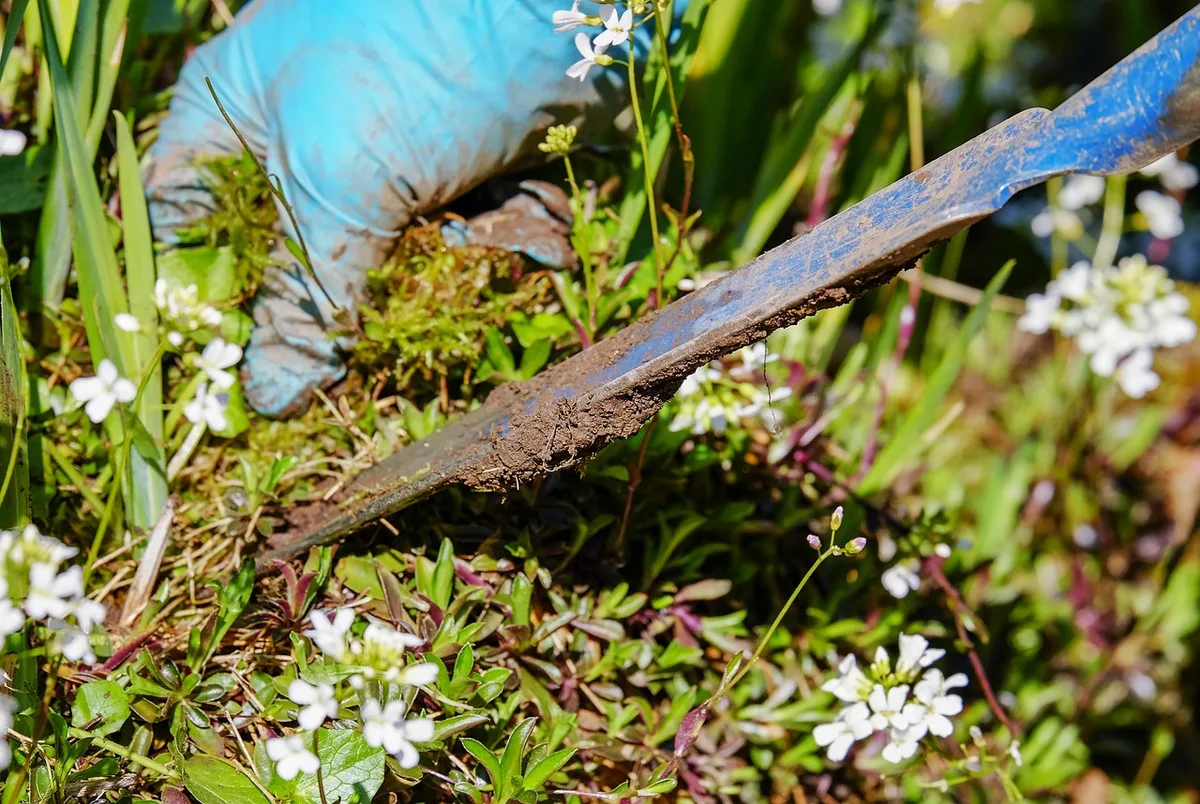
After you pull, dispose of the plants in the trash, not the compost pile. Dollarweed can reroot from fragments if the compost doesn't get hot enough. Fill the holes with a thin layer of compost or topsoil and reseed or spot‑plug with your lawn grass.
A dense stand of grass is the best defense against future dollarweed.
For small patches, this method works almost 100% of the time, provided you improve any irrigation issues that created the damp spot. Check your sprinkler coverage and adjust the schedule so the area dries out between waterings. A healthy lawn with proper drying cycles will resist dollarweed naturally.
Decision Branch B: Large Infestation, Wet Soil – Herbicide + Drainage Fix
When dollarweed covers several square feet or the whole lawn, hand‑pulling becomes impractical. You need a selective post‑emergent herbicide, and you need to address the wet soil at the same time. Doing one without the other is the number one reason dollarweed comes back within a single season.
Choose an herbicide that matches your grass type from the table earlier. For Bermuda and Zoysia, a three‑way mix containing 2,4‑D, dicamba, and quinclorac is highly effective. For St.
Augustine, use atrazine in spring or a low‑rate 2,4‑D/dicamba blend in fall, but only when the grass is not under heat stress. Always add a non‑ionic surfactant at the rate listed on the herbicide label. Surfactant helps the spray stick to the waxy dollarweed leaves instead of beading up and rolling off.
Apply when dollarweed is actively growing and the soil is moist. Avoid application during drought or extreme heat, because the weed won't be taking up chemicals efficiently. Plan your spray for a day with no rain in the forecast for at least 6 hours.
Two to three weeks after treatment, the dollarweed should yellow and wilt. If some plants survive, do a second spot‑spray after 14 days.
Simultaneously, start the drainage fix. Core aerate the lawn to relieve compaction and increase water percolation. Follow up with a topdressing of organic compost to improve soil structure.
In heavily saturated areas, consider installing a French drain or redirecting downspouts away from the lawn. This combination, chemical strike plus drainage correction, gives you the highest long‑term success rate.
Decision Branch C: Near Water or Flower Beds – Non‑Chemical Options
If the dollarweed grows within 50 feet of a pond, stream, or drainage ditch, most herbicides are restricted or illegal to use. The label will specify a buffer zone. Always check that first.
You have two non‑chemical paths here: persistent hand‑pulling or solarization.
For small patches near sensitive areas, hand‑pulling every 7 to 10 days for a full growing season will exhaust the plant's energy reserves. Dollarweed regrows from its stolons, but if you remove the leaves before they can photosynthesize, the plant eventually starves. Keep a weeding tool handy and make it part of your weekly routine.
For larger areas next to flower beds, you can use a non‑selective herbicide like glyphosate, but only if you can shield your desirable plants. A cardboard barrier or a large plastic sheet between the spray and the flowers works well. Apply glyphosate with a sponge applicator or a paintbrush to avoid drift.
This is slow work but highly targeted.
Another option for open patches is solarization. In mid‑summer, cover the dollarweed with clear plastic sheeting for four to six weeks. The heat will kill the weed and some of its seeds, but it will also kill your lawn grass in that spot.
You will need to reseed or resod afterward. Use this only where you plan to reestablish turf from scratch.
Step‑by‑Step: How to Apply Selective Herbicide Safely
Getting the application right matters more than the brand you buy. Follow these steps for best results:
Mow three days before spraying. Mowing too soon before application removes leaf surface area. Mowing too soon after sprays removes the herbicide before it can translocate to the roots.
Mix the herbicide exactly per label. More concentrate does not mean more kill. It means more lawn damage. Use a measuring cup or graduated bottle, not a "glug" approach.
Add surfactant. Most dollarweed herbicides need a non‑ionic surfactant at 1, 2 teaspoons per gallon of spray solution. Without surfactant, the waxy leaf repels the droplets.
Spray on a calm, sunny morning. Wind under 5 mph prevents drift. Morning temperatures between 60°F and 80°F are ideal. Avoid spraying when temps exceed 85°F, especially on St. Augustine or centipede.
Spot‑spray, don't blanket. Unless the infestation covers more than 50% of the lawn, spot‑spray only the dollarweed patches. This reduces chemical load and protects beneficial soil microbes.
Wait 48 hours before watering. The herbicide needs time to absorb into the leaf tissue. Light rain within 6 hours reduces effectiveness. If rain is forecast, delay application.
Watch for lawn stress. If you see yellowing or browning on your grass, you may have used a rate that is too high or a mix not suited to your grass type. Flush the area with water to dilute the chemical. Next time, choose a different active ingredient or lower rate.
Step‑by‑Step: How to Improve Drainage So Dollarweed Doesn't Come Back
Fixing drainage is the long‑term solution. Dollarweed cannot thrive in soil that dries properly between waterings. Here is a practical three‑phase approach:
Phase 1: Core aeration. Rent a core aerator or hire a lawn service. Run it over the affected areas in early spring or fall. The machine pulls plugs of soil out, creating channels for air and water.
This relieves compaction and helps the soil dry faster. For severe clay, do two passes at perpendicular angles.
Phase 2: Topdressing with compost. After aeration, spread a thin layer (about 1/4 inch) of fine organic compost over the lawn. Rake it into the aeration holes. The compost adds organic matter that improves soil structure and drainage over time.
Avoid topdressing with sand unless your soil is truly clay‑free. Sand mixed with clay can create concrete‑like patches.
Phase 3: Adjust irrigation and grading. Short, frequent watering is the enemy. Switch to deep, infrequent watering: about 1 inch of water per week, applied in one or two sessions. Let the soil dry completely between waterings.
If low spots hold water for more than 24 hours, consider regrading or installing a French drain. Redirect downspouts at least 6 feet away from the lawn edge.
Combine these drainage improvements with a regular fertilizer schedule that matches your grass type. A thick, vigorous lawn outcompetes dollarweed for light and nutrients. A healthy turf with proper drainage is essentially dollarweed‑proof.
Mistakes to Avoid (That Can Kill Your Lawn or Worsen the Weed)
Applying herbicide during a summer heat wave. Most selective herbicides lose effectiveness above 85°F, and the stress can burn your grass. Wait for a mild morning in spring or fall.
Spraying the same chemical twice in one week. Dollarweed needs time to translocate the herbicide to its roots. Reapplying too soon stresses the lawn and promotes resistance. Wait at least 14 days between treatments.
Mowing immediately after spraying. You cut off the leaves that are absorbing the chemical. Give the herbicide 48 hours to work before you mow.
Ignoring the irrigation timer. Dollarweed thrives on frequent, shallow watering. A daily 10‑minute sprinkle keeps the soil surface damp. Switch to deep, infrequent watering: 1 inch per week in one or two sessions.
Let the lawn dry between cycles.
Using a weed‑and‑feed product on St. Augustine in summer. Many weed‑and‑feed fertilizers contain 2,4‑D, which can severely damage St. Augustine during active growth.
Use a separate, grass‑safe herbicide for spot treatment instead.
Expert Tips for Long‑Term Dollarweed Prevention
Keep your lawn thick. Dollarweed needs bare soil to spread. Overseed thin areas in fall (for cool‑season grass) or spring (for warm‑season grass). A dense turf leaves no room for weed seeds to germinate.
Mow at the right height. Taller grass shades the soil and keeps it cooler, which slows dollarweed germination. For Bermuda, mow at 1.5 to 2 inches. For St.
Augustine, keep it at 3 to 4 inches. Never scalp the lawn.
Test your soil pH every two years. Dollarweed prefers slightly acidic to neutral soil (pH 6.0 to 7.0). If your soil is overly acidic (below 5.5), apply lime according to a soil test. Balanced pH supports better grass growth and reduces weed pressure.
Use a slow‑release nitrogen fertilizer. Quick‑release nitrogen creates a flush of growth that dollarweed can exploit. A slow‑release formula feeds the grass steadily without sudden surges that weaken root systems.
Add organic matter annually. A thin topdressing of compost after aeration improves soil structure and drainage over time. Healthier soil grows healthier grass that crowds out weeds naturally.
Safety & Legal Warnings (Herbicide Labels, Water Proximity, PPE)
Always read the entire label before opening the bottle. The label is the law. It lists approved grass types, mixing rates, restricted areas, and PPE requirements. Ignoring it can damage your lawn or harm the environment.
Do not spray within 50 feet of ponds, streams, or drainage ditches unless the label specifically allows it. Most 2,4‑D and dicamba products have buffer zones near water. Dollarweed often grows in wet areas, so check the buffer distance carefully.
Wear long sleeves, gloves, eye protection, and closed‑toe shoes. Herbicide concentrates can cause skin irritation or eye damage. Wash clothing separately after spraying.
Store herbicides in their original containers, out of reach of children and pets. Never transfer to a beverage bottle. Dispose of unused concentrate at a hazardous waste facility, not down the drain.
If you accidentally spray a desirable plant, rinse it immediately with water. Dilution can reduce damage if you act within minutes. For large spills, follow the manufacturer's cleanup instructions on the label.
Decision Guide: Quick‑Reference Flowchart for Your Situation
Use this simple branching logic to decide your next move:
| Your Situation | Action |
|---|---|
| Patch smaller than 1 sq ft, soil drains well | Hand‑pull. Fill hole with compost. Adjust irrigation. |
| Large infestation, grass is Bermuda or Zoysia | Spray 3‑way herbicide (2,4‑D, dicamba, quinclorac) + surfactant. Core aerate after 2 weeks. |
| Large infestation, grass is St. Augustine | Use atrazine in spring or low‑rate 2,4‑D/dicamba in fall. Fix drainage. |
| Dollarweed within 50 ft of water | Hand‑pull weekly. Or solarize in midsummer. No chemicals. |
| Patch in flower bed near lawn | Hand‑pull. Or spot‑apply glyphosate with a paintbrush. Shade desirable plants. |
| Recurring year after year | Fix drainage first. Core aerate, topdress with compost, and adjust irrigation. Then treat the weed. |
If your grass type is not listed, consult your local extension office for specific herbicide recommendations. A 15‑minute call can save you from a costly mistake.
Frequently Asked Questions
Does dollarweed die in winter?
In frost‑prone areas, the top growth dies back. But the roots and stolons survive underground. It regrows from those structures in spring.
That is why a single fall treatment can be effective.
Can I use vinegar to kill dollarweed?
Household vinegar (5% acetic acid) may burn the leaves but rarely kills the roots. Horticultural vinegar (20% or higher) works better but can harm grass and soil life. It is a poor choice for large areas.
How deep are dollarweed roots?
The root system is shallow, typically 2 to 4 inches deep. That makes hand‑pulling effective when the soil is moist. The real challenge is the stolons, which spread horizontally just above the soil line.
Is dollarweed edible?
Yes, dollarweed is in the parsley family and is edible raw or cooked. But unless you are foraging intentionally, do not eat weeds treated with herbicides. Always wash thoroughly.
How long does it take for herbicide to kill dollarweed?
You will see yellowing within 5 to 7 days after application. Full dieback takes 2 to 3 weeks. If some plants survive, do a second spot treatment after 14 days.
Do not rush the process.