How to Control Henbit Naturally for 2026: Step-by-Step Guide
Henbit is that low-growing weed that seems to explode overnight in early spring, blanketing lawns and garden beds with tiny purple flowers before you’ve even had a chance to think about weed control. It’s not aggressive in the way crabgrass is, but it’s persistent, and if you’re trying to avoid synthetic herbicides, figuring out How to Control Henbit Naturally can feel like a guessing game.
The truth is, natural control works, but it demands timing and a little bit of strategy. Our research shows henbit seeds can stay viable in the soil for up to five years. That means one missed season can set you back.
The good news is that once you understand the plant’s lifecycle and the conditions that let it thrive, you can shut it down without ever reaching for a chemical spray. Let’s walk through the decision points so you know exactly what to do.
Quick Answer
Identify henbit correctly first. Pull it by hand when the soil is moist. Spot-treat stubborn patches with horticultural vinegar.
Apply corn gluten meal in early fall to stop seeds from germinating. Overseed thin lawns to crowd it out. That’s the complete natural system.
No single method works every time, but the right combination does.
Why Henbit Takes Over (And Why Natural Control Feels Tricky)
Henbit is a winter annual. It germinates in the cool soil of early fall, grows slowly through the winter, then explodes with flowers and seeds in early spring. By the time you notice it in March or April, the plant is already finishing its lifecycle.
Pull it then, and you might stop this year’s flowers, but the roots are shallow and the damage is mostly cosmetic.
The tricky part is that henbit loves thin, patchy lawns. If your grass is weak, compacted, or struggling in poor soil, henbit moves in because there’s nothing competing with it. Natural control works best when you address that underlying condition.
A thick, healthy lawn is the most effective weed prevention you can get.
Keeping your mower in good shape matters too. Dull blades tear the grass, leaving it stressed and vulnerable to weed invasion. Regular filter maintenance keeps your engine running smoothly and your cut clean.
Step 1 – Are You Dealing with Henbit or a Look-Alike?
This is where most people go wrong. Henbit has a very close cousin called purple deadnettle. They grow side by side, flower at the same time, and respond to the same control methods.
But if you’re trying to identify and track your progress, mixing them up can confuse your timing.
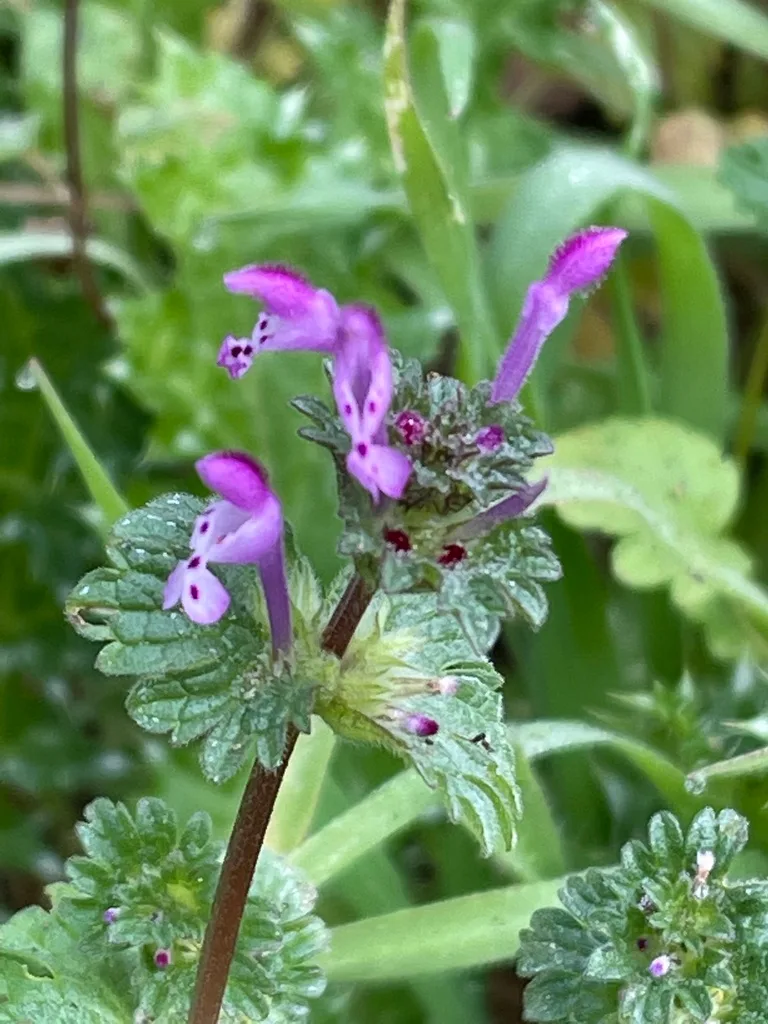
Here’s how to tell them apart:
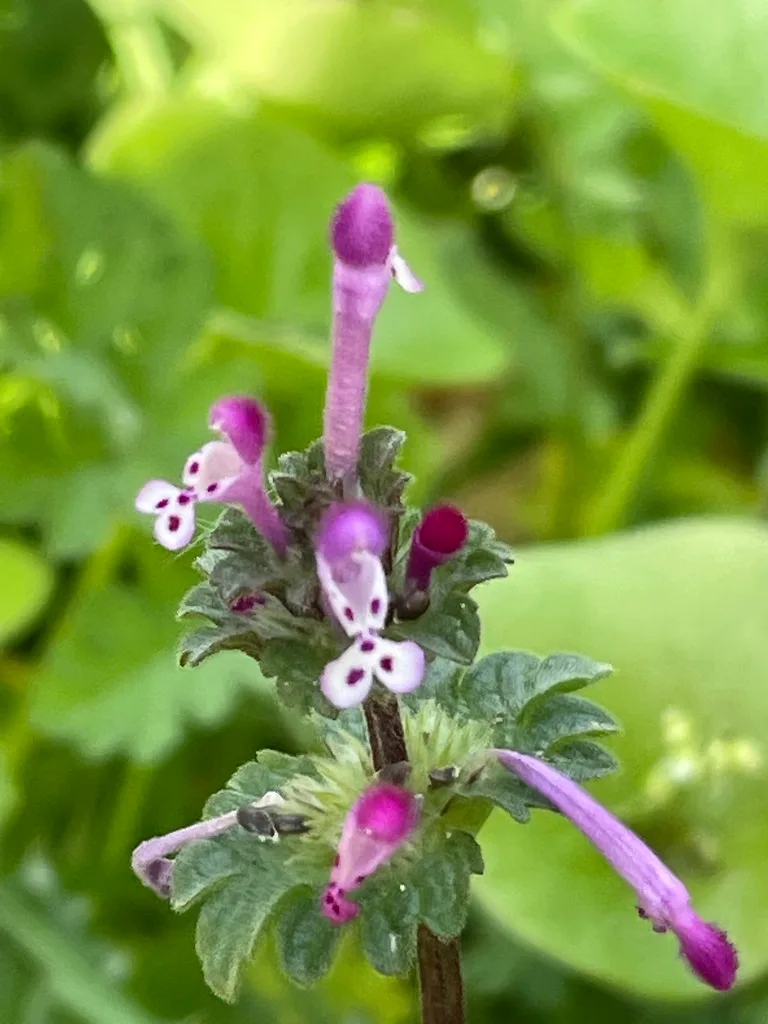
- Henbit (Lamium amplexicaule), The leaves are scalloped and clasp the stem directly. There is no leaf stem (petiole) on the upper leaves. The flowers are pinkish-purple and grow in whorls around the stem.
- Purple deadnettle (Lamium purpureum), The upper leaves are more triangular and sit on short stems. The top of the plant has a distinctly purple tint, and the leaves are more pointed than rounded.
Both have square stems, which is a dead giveaway that they’re in the mint family. If the stem rolls easily between your fingers and you feel four distinct edges, you’ve got a member of the Lamiaceae family. That’s a useful trick for anyone working on weed identification in the field.
The good news is that the natural control methods are the same for both. So if you’re not 100% sure, don’t stress. What matters more is the next two decision points.
Step 2 – Where’s It Growing? Lawn, Garden Bed, or Bare Soil
This is your first major branch in the decision tree. The location dictates everything about your approach.
In a lawn, You cannot use non-selective methods like vinegar or flame weeding without killing the grass around it. Your options are hand pulling, pre-emergent prevention, and cultural practices like overseeding and aeration. This is the most common scenario and the one that requires the most patience.
In a garden bed, You have more freedom. Mulch is your best friend here. A 2 to 3 inch layer of organic mulch blocks light and prevents henbit seeds from germinating.
If it’s already growing, you can spot-treat with boiling water, horticultural vinegar, or a flame weeder. Just be careful around the plants you actually want.
In bare soil or along fence lines, This is the easiest situation to fix. Solarization works well if you have a few weeks of hot weather. Cover the soil with clear plastic during the summer, and the heat will kill weed seeds near the surface.
For smaller areas, a thick layer of cardboard topped with mulch smothers everything.
If henbit is in your flower beds, your approach shifts completely. You can use methods that would damage a lawn, and you control the soil environment more directly.
Step 3 – What Season Is It? Fall vs. Spring vs. Dormant Season
This is the second major branch. Your timing determines whether you’re playing offense or defense.
Late summer to early fall (August through October), This is prevention season. Henbit seeds germinate when soil temperatures drop to around 55 to 65 degrees Fahrenheit. If you apply a natural pre-emergent like corn gluten meal before those seeds wake up, you can stop the entire infestation before it starts.
This is the most effective single action you can take.
Late winter to early spring (February through April), This is attack season. The plants are small and vulnerable. Hand pulling works best after a good rain when the soil is soft.
You can also use spot treatments with vinegar or heat. The key is to act before the plants flower and set seed. Once you see those purple blooms, you have about two to three weeks before seeds start dropping.
Late spring through summer (May through August), Henbit dies back naturally in the heat. The plant is an annual, so it won’t survive the summer. But the seeds are waiting in the soil.
This is the time to focus on lawn health through aeration and overseeding, along with proper seasonal prep for your mower. Do not waste energy trying to kill dead henbit plants. Focus on building strong grass for the fall.
The Pre-Emergent Route: Corn Gluten Meal (Fall Only)
Corn gluten meal is a natural pre-emergent herbicide. It works by preventing root formation on germinating seeds. It does not kill established weeds.
That’s the single most important thing to understand about it.
Apply it in late summer or early fall, right before henbit seeds start germinating. The window is narrow. Soil temperatures need to be dropping toward 55 degrees Fahrenheit.
If you apply too early, the compound breaks down before the seeds sprout. Too late, and the seeds are already rooted.
The standard application rate is about 20 pounds per 1,000 square feet. Spread it evenly with a broadcast spreader. Water it in lightly to activate the protein that inhibits root growth.
Then leave it alone for four to six weeks.
Corn gluten meal has an added benefit. It releases about 10 percent nitrogen over several months. That gives your lawn a slow feeding through the fall.
But it is not a fertilizer substitute. Use it primarily as a weed prevention tool.
Our research shows corn gluten meal can reduce henbit germination by 60 to 80 percent when applied correctly for two consecutive seasons. It is OMRI-listed for organic use, so it fits any natural lawn care program.
The Post-Emergent Route: Hand Pulling, Vinegar, or Heat
Once henbit is already growing, you need a post-emergent approach. Your options split by location and how much labor you want to invest.

Hand pulling is the most reliable method for small infestations. Wait for a good rain or water the area the night before. Soft soil lets you pull the shallow roots out cleanly.
If the soil is dry, the roots snap off an inch below the surface. That leaves the top growth but the plant often regrows. Pull when the ground is moist and you get the whole root system in one tug.
Horticultural vinegar (20 percent acetic acid) is effective but non-selective. It kills anything green it touches. Use it only in garden beds, on patios, or for spot treatment in lawns where you do not mind a dead patch.
Household vinegar (5 percent) is too weak. Our research indicates it takes two or three applications and still only burns the tops. The 20 percent concentration kills to the root on young plants.
Wear gloves and eye protection. It can cause chemical burns on skin.
Flame weeding uses a propane torch to heat the plant cells until they rupture. It works well on dry, established henbit in garden beds or along fences. It is fast.
You move the flame over the plant for a second or two. You do not need to char it. Just enough heat to wilt the leaves.
Avoid using it near dry grass, mulch, or wooden structures during fire season.
When to Use Boiling Water vs. Flame Weeding
Both methods deliver heat to kill weeds, but they suit different situations.
Boiling water is best for small patches in garden beds where you want zero fire risk. It is cheap and safe around children and pets after it cools. The downside is volume.
You need a full kettle for every square foot. It cools too quickly to treat large areas efficiently. Use it for the dozen henbit plants that pop up between your lettuce rows.
Flame weeding is better for larger areas and tougher plants. It covers ground faster. One tank of propane can treat several hundred square feet.
The risk is fire. Dry grass, mulch, or leaves can ignite. Always wet down the surrounding area.
Keep a garden hose nearby. Never use it during a burn ban or in windy conditions.
Our rule of thumb is simple. If the patch is smaller than a dinner plate, use boiling water. If it is bigger than a trash can lid, use a flame weeder.
If it is in your lawn, use neither. Hand pull instead.
The Lawn-Specific Workflow: Aeration + Overseeding + Mowing Height
Thin lawns invite henbit. The weed loves open soil where sunlight hits the ground. The most effective long-term natural control is a thick, healthy turf that leaves no room for seeds to germinate.
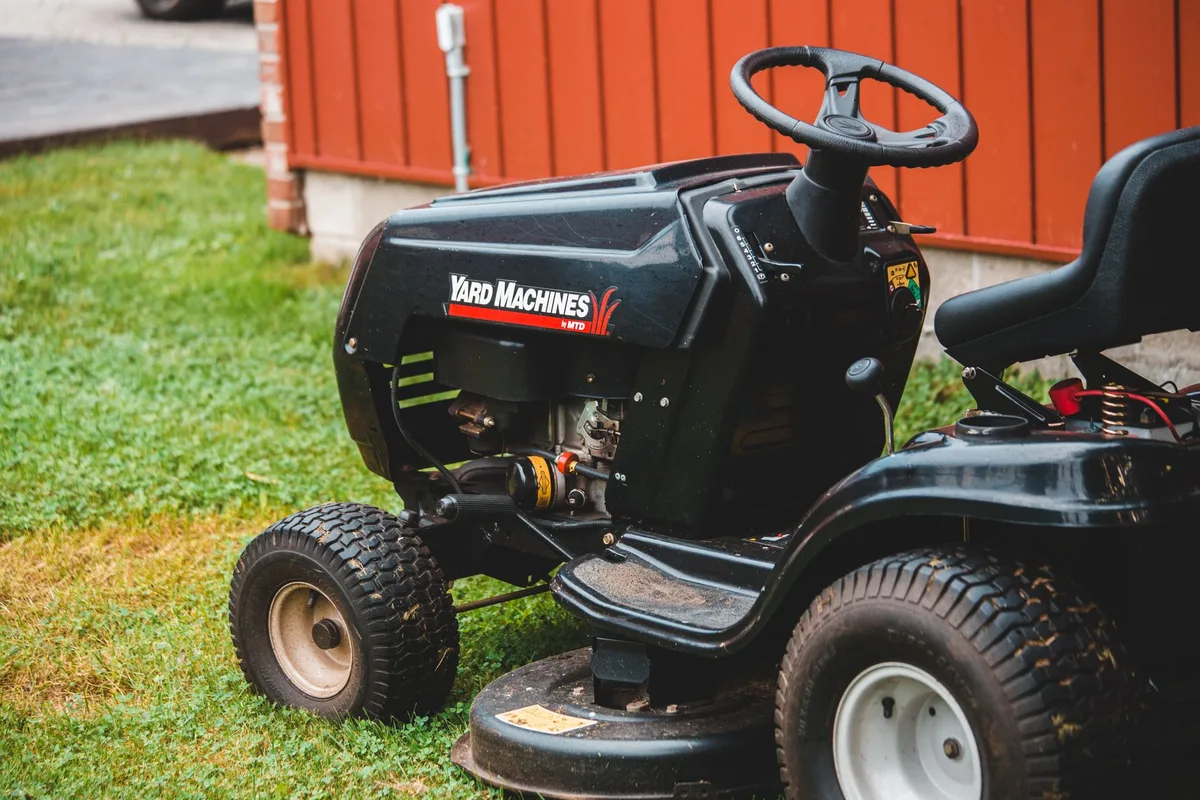
Core aeration is the first step. It relieves soil compaction and creates channels for air, water, and roots. Aerate in early fall.
That is the same window when henbit seeds are preparing to germinate. The timing is deliberate.
Overseed immediately after aeration. Use a grass seed blend that matches your existing lawn. For cool-season lawns, tall fescue or perennial ryegrass work well.
Spread seed at the rate recommended on the bag. Keep the soil moist for two to three weeks until the new grass is established.
Mowing height matters more than most people realize. Keep your grass at 3 to 4 inches tall during the growing season. Taller grass shades the soil and prevents weed seeds from getting the light they need to sprout.
Aggressive spring mowing (like scalping) opens the canopy and invites henbit in.
Regular mower maintenance keeps your cuts clean. A dull blade tears the grass, which stresses it and leaves it vulnerable to weed invasion. Check blade sharpness at the start of each season.
The Garden-Bed Workflow: Mulching, Solarization, and Smothering
Garden beds give you more tools than lawns. You can cover the soil without worrying about killing the grass.
Organic mulch is your first line of defense. Apply a 2 to 3 inch layer of shredded bark, wood chips, or straw in early fall. That blocks light and stops henbit seeds from germinating.
It also moderates soil temperature and retains moisture. Replenish the layer each spring as it decomposes.
Solarization works for empty beds during the hottest part of summer. Clear plastic traps solar heat and raises the top few inches of soil to 125 degrees Fahrenheit or higher. That kills weed seeds near the surface.
Leave the plastic in place for four to six weeks in full sun. This method is best for beds you plan to plant in the fall, because it also kills beneficial soil organisms. You will need to add compost afterward to restore soil health.
Smothering with cardboard is a no-heat alternative. Lay down overlapping sheets of corrugated cardboard over the henbit. Wet it thoroughly.
Cover with 3 to 4 inches of mulch. The cardboard blocks light and eventually breaks down. Henbit underneath will die within two to three weeks.
This method works well for converting weedy areas into new planting beds.
For established perennial beds, hand pull henbit in early spring before it flowers. Then apply a fresh layer of mulch around your plants. If you stay on top of it for two springs, the seed bank in that bed will drop sharply.
Mistakes That Wipe Out Your Progress
Even with the best intentions, a few common errors can undo months of natural weed control work. Here is what trips people up most.
Applying vinegar on a sunny day. The acetic acid evaporates too fast. It burns the leaves but never reaches the roots. Apply vinegar on a cloudy, still morning for the best penetration.
The plant needs time to absorb the acid before it dries.
Pulling weeds in dry soil. The roots snap off cleanly. You pull the top and leave the root system intact. The henbit regrows within two weeks.
Always pull after rain or a deep watering. Yours is a one-pass job only.
Ignoring the seed bank. One season of perfect control feels great. But henbit seeds from previous years are still waiting in the soil. Three consecutive seasons of prevention are the bare minimum for a clean yard.
Our research indicates that most people stop after one good season and wonder why the weeds come back.
Overseeding too late. If you overseed in spring, the new grass is too weak to compete with henbit that already germinated in fall. Move your overseeding to early fall. That gives the grass a full cold season to establish before henbit seeds wake up.
How Many Seasons Will This Take? (Realistic Timeline)
Natural control is slower than synthetic herbicides. That is the trade-off. But the results last longer because you fix the conditions that let henbit thrive.
Year one. You identify the weed correctly and apply corn gluten meal in early fall. You hand pull what emerges in late winter. The lawn still looks patchy in spring.
You aerate and overseed. By summer, the grass is thicker. You feel like you made progress, but the seed bank is still full.
Year two. You repeat the fall pre-emergent application. The henbit that shows up in spring is noticeably thinner. You pull fewer plants and spend less time.
The lawn looks fuller. You start to see bare spots closing in.
Year three. This is the breakthrough season. Henbit patches shrink to a few scattered plants. Your lawn or garden bed is dense enough to resist new invasions.
Maintenance drops to light spot-pulling and annual mulch top-ups.
Three years sounds like a long time. But after the first season, each year requires less work. Most people find the second year is where the effort finally feels worth it.
Decision Guide: Your Personal Henbit Control Plan
Here is a quick way to pick your path based on your specific situation.
| If your situation is… | Start here… |
|---|---|
| Lawn with thin grass, fall season | Corn gluten meal + aeration + overseed |
| Lawn with visible henbit, early spring | Hand pull after rain, mow at 4 inches |
| Garden bed, any season | Mulch 3 inches deep, hand pull survivors |
| Bare soil or empty bed, summer | Solarize with clear plastic for 4-6 weeks |
| Small lawn patches, quick fix | Spot-pull or spot-treat with vinegar (be careful) |
| Large infestation, willing to wait | Corn gluten meal + overseed for 2-3 years |
Stick with one path for at least two full seasons. Jumping between methods rarely works because each method targets a different part of the henbit lifecycle.
Frequently Asked Questions
Is henbit bad for lawns or just ugly?
Henbit is mostly cosmetic. It does not damage turf the way crabgrass or nutsedge does. It dies back naturally in late spring.
But its dense growth in early spring can shade out and weaken young grass, which creates bare spots for other weeds to move into.
Can I compost henbit that I pulled?
Yes, but only if the plants have not gone to seed. Henbit with flowers or seed heads should go in the trash. Home compost piles rarely get hot enough to kill the seeds.
If you pull before flowering, the greens break down fine in compost.
Does corn gluten meal harm vegetable gardens?
No. Corn gluten meal is safe for vegetables when used correctly. It acts as a mild fertilizer and a pre-emergent.
Do not apply it in beds where you are direct-seeding small seeds like carrots or lettuce, because it can slow their germination too.
Why does henbit keep coming back in the same spot?
The seed bank is concentrated there. Henbit seeds drop near the parent plant. If you let one plant go to seed, you create a hotspot for years.
Focus extra effort on those known spots. Apply extra mulch or hand pull early in subsequent seasons.
Can I use regular kitchen vinegar instead of horticultural grade?
Household vinegar at 5 percent acetic acid is too weak for reliable control. It burns the leaves but rarely kills the roots. Horticultural vinegar at 20 percent is the minimum effective concentration.
Handle it with gloves and eye protection.
Does mowing spread henbit seeds?
Yes, if you mow after the plants have flowered. The mower can scatter seeds across the lawn. Mow before flowering or use a bagger attachment to collect clippings from weedy areas.