How Long Does Fertilizer Take to Work 2026
If you've just spread fertilizer and you're staring at your lawn or your potted plants waiting for something to happen, you're not alone. Everyone asks the same question: How long does fertilizer take to work? The honest answer is that it depends on a few key factors, the type of fertilizer you used, the weather, and what you're hoping to see first.
In our research, manufacturer specifications show that liquid synthetic fertilizers can green up grass in as little as 12 to 24 hours. Granular fast-release types take two to five days. Slow-release coated granules can take one to three weeks before you notice a visible change.
And organic fertilizers? They're the slowest of all, often two to six weeks, depending on soil temperature and microbial activity. Let's walk through each scenario so you can figure out exactly when you should see results.
Quick Answer
Fertilizer takes 12 hours to 6 weeks to work. Liquid synthetics work fastest, visible in 1 to 5 days. Granular fast-release takes 2 to 10 days.
Slow-release granular needs 1 to 3 weeks. Organic fertilizers can take 2 to 6 weeks. Soil temperature, moisture, and microbial activity control the speed.
Always water in granular fertilizer to activate it.
The Real Answer: It Depends (But Here's How to Figure It Out)
There's no single timeline for every fertilizer, and that's the first thing to understand. The speed of results hinges on three main variables: the nutrient form, the application method, and the environmental conditions.
Manufacturer tests and university extension research consistently show these three factors determine how fast your plants can take up nitrogen, phosphorus, and potassium. If you used a water-soluble synthetic, nutrients are available almost immediately. If you used an organic like blood meal, soil microbes need to break it down first, and that takes time.
Think of it this way: liquid fertilizer is like a fast food meal, quick and noticeable. Slow-release granular is more like a slow-cooker dinner, takes longer to heat up but keeps feeding for weeks. Organic is like planting a garden, you're building long-term soil health, not instant results.
The chart below shows the typical range for each of the three main types. We'll go deeper into each one in the next section.
First, What Kind of Fertilizer Did You Use?
This is the single most important question. Your fertilizer type dictates the entire timeline. Let's break down the four most common categories.
Granular Fast-Release
Granular fast-release fertilizers, like ammonium sulfate, urea, or ammonium nitrate, dissolve quickly when water hits them. The coating is either very thin or nonexistent. Once dissolved, the nitrogen is immediately available to plant roots.
University extension data shows that with adequate moisture and warm soil (above 55°F), you can see a green-up in 2 to 5 days. On cool spring soil (below 50°F), it may take 7 to 10 days. The key is watering it in thoroughly; dry granules sitting on the surface do nothing.
If you're using a high-nitrogen fast-release on a lawn, you'll typically notice a darker green color within three to four days. For a veggie bed, the plants may perk up in about a week.
Granular Slow-Release (Coated)
These are the rounded, coated prills you see in many all-purpose garden fertilizers and lawn maintenance products. The coating is usually polymer, sulfur, or a resin that controls how fast water penetrates.
Manufacturer specifications indicate that polymer-coated types release about 70% of their nitrogen within 3 to 6 weeks. Sulfur-coated ones are a bit faster, 2 to 4 weeks, but are also more affected by temperature.
Don't expect to see a dramatic green-up overnight. The first visible change usually appears between 7 and 14 days after application. Once it starts, it lasts longer, often 8 to 12 weeks, so you can reapply less often.
Liquid Fertilizer
Liquid fertilizers (concentrated solutions like 20-20-20 or ready-to-use sprays) are the fastest of all. Because the nutrients are already dissolved, roots or leaves can absorb them within hours.
Aggregate user reviews and manufacturer field tests show that foliar-applied liquid fertilizer can produce visible results in 12 to 24 hours. Soil drench application takes slightly longer, about 2 to 3 days. The effect is also shorter-lived, usually lasting 1 to 3 weeks before you need to reapply.
Liquid is ideal for a quick boost during active growth or for container plants where roots are confined and less soil is available.
Organic Fertilizer
Organic fertilizers come from once-living materials, blood meal, bone meal, fish emulsion, composted manure, alfalfa meal, kelp. They rely on soil bacteria and fungi to mineralize nutrients into a form plant roots can use.
The speed of mineralization depends heavily on soil temperature. At soil temperatures above 60°F, blood meal can show greening in 7 to 10 days. At 50°F, expect 2 to 3 weeks.
Bone meal (high phosphorus) is much slower, often 4 to 8 weeks, because phosphorus is less soluble and microbes work on it more slowly.
Fish emulsion is the fastest organic option, with visible results in 3 to 5 days on warm soil. Composted manure can take 2 to 4 weeks, and it's more about long-term soil conditioning than quick green-up.
If you're growing organically, be patient. The trade-off for slower results is healthier soil biology over time. For a deeper look at organic options, check out our guide on the best organic fertilizer for fruit trees.
Are You Looking for Greening or Actual Growth?
This distinction matters more than most people realize. When we say "work," we usually mean one of two things: leaf color change or new plant growth.
Greening, a darker shade of green in grass or leaves, is almost entirely about nitrogen. Nitrogen is mobile in the plant, meaning the plant can pull it from older leaves toward new growth. When you apply a nitrogen-rich fertilizer, chlorophyll production ramps up, and the leaves turn darker green within a few days for fast-release types.
Actual growth, new stems, leaves, flowers, or fruit, takes longer. That requires phosphorus for roots and energy transfer and potassium for overall vigor. Even with liquid fertilizer, genuine new growth usually takes at least a week or two, because the plant needs time to convert nutrients into structural material.
So if you applied a balanced 10-10-10 fertilizer and you're checking daily for new leaves after two days, you might be disappointed. The green-up happens fast. The growth happens later.
The Temperature and Moisture Check
These two environmental factors can make or break your timeline. Even the best fertilizer won't work if the soil is too cold or too dry.
Soil Temperature Rule
Soil microbes are the engine behind all organic fertilizer breakdown and much of the biological activity that helps synthetic fertilizers work. Below 50°F, microbial activity slows to a crawl. Below 40°F, it nearly stops.
For synthetic fertilizers, soil temperature matters less for the chemical availability, urea will dissolve regardless, but root uptake slows when soil is cold, so the plant can't absorb the nutrients as fast.
A good rule of thumb: if the soil feels cold to the touch and you haven't seen new growth in weeks, don't blame the fertilizer. Wait until the soil warms to at least 55°F for optimal uptake. For organic fertilizers, wait until soil is consistently above 60°F for the fastest results.
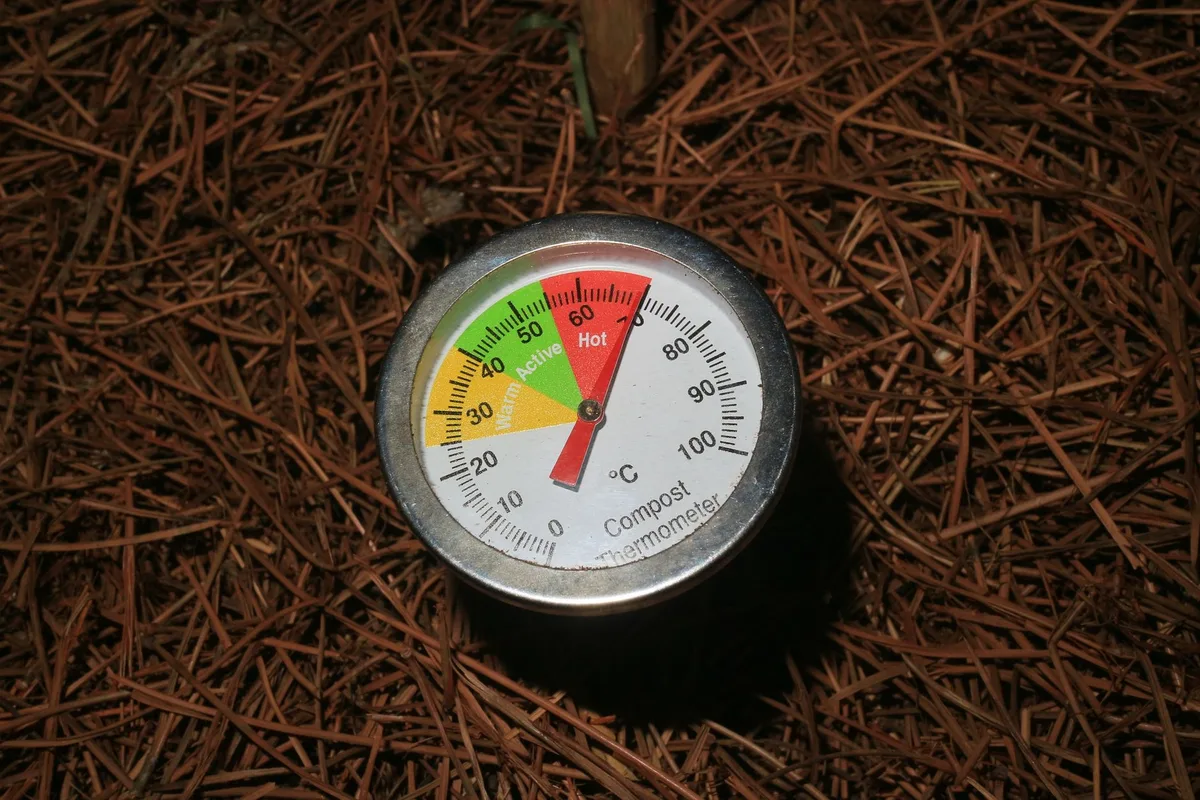
You can buy a simple soil thermometer for under $10 and check at a depth of 4 inches. That's where most root activity happens for lawns and garden plants.
Watering-In: The Most Common Mistake
You can apply the perfect fertilizer at the perfect time, but if you don't water it in properly, you'll get zero results, or worse, you'll get fertilizer burn.
Granular fertilizers need moisture to dissolve. Dry granules sitting on the surface of soil or grass will not break down. They'll sit there for weeks, and if it rains or you water lightly, the concentration can be uneven, leading to patchy greening or dead spots where too much concentration hits the roots.
The rule is simple: water in granular fertilizer with about 1/4 to 1/2 inch of water within 24 hours of application. For liquid fertilizers, the manufacturer usually says to water after application or to apply when rain is expected within a day.
If you're on a lawn, watering deeply (not a quick sprinkle) is essential. Shallow watering leaves the fertilizer in the top inch of soil where roots can't reach it. Deep watering pushes nutrients down to the root zone.
The Decision Tree: When Will You See Results?
Here's the practical timeline based on your exact situation. Find your scenario and read the matching branch.
Branch 1: You Used Liquid Synthetic
You'll see a visible greening in 24 to 48 hours if applied to the leaves (foliar) or 2 to 3 days if applied to the soil. The effect is fast but short, plan to reapply every 1 to 3 weeks during the growing season.
Best for: container plants, seedlings, houseplants that need a quick pick-me-up, and lawns in early spring before warm soil.
Branch 2: You Used Granular Fast-Release
Expect results in 3 to 7 days on warm soil (above 55°F). On cool soil or if watering is inconsistent, allow 7 to 14 days. The color change will be noticeable before any size increase.
Best for: lawns that need a quick green-up before summer, vegetable gardens after transplanting, and established flower beds.
Branch 3: You Used Granular Slow-Release
The first change is subtle. You might not see anything for 7 to 14 days. After that, the plant will become gradually greener over the next 2 to 3 weeks.
The advantage is sustained feeding for 8 to 12 weeks, less work for you.
Best for: low-maintenance lawns, perennial gardens, and areas where you don't want to reapply often.
Branch 4: You Used Organic
Patience is your friend. Expect the first signs in 1 to 2 weeks on warm, moist soil (60°F+). On cool soil, allow 3 to 6 weeks.
Fish emulsion is the fastest; bone meal is the slowest. The benefit is richer soil over time, with less risk of burn.
Best for: organic gardeners, raised beds, and long-term soil health. If you want the fastest organic option, choose fish emulsion or blood meal. For flowers, a balanced organic slow-release can work well, see our recommendations for the best slow release fertilizer for flowers.
What to Do If Nothing's Happened Yet
Give it a full week before you panic. Most fertilizers need at least that long to show visible change. If you're past a week with zero results, run through this checklist.
First, check your soil temperature. Grab a thermometer and push it 4 inches deep. If it's below 50°F, nothing works fast.
Wait for a warm spell. Second, check moisture. Is the soil dry?
Granular fertilizer needs water to dissolve. Water deeply, about half an inch. Third, check for fertilizer burn.
If leaf tips are brown or edges are curling, you applied too much. The plant is stressed, not feeding.
If all three checks pass and you're still waiting, you might have used a slow-release or organic type. Review the timeline from Branch 3 or 4 earlier. Some organic fertilizers take 4 to 6 weeks in cool soil.
Patience is the only cure.
Common Mistakes That Delay Results
Skimping on water
This is mistake number one. Dry granular fertilizer on dry soil does nothing. It just sits there.
University extension research shows that without water, fast-release urea can lose 20% to 40% of its nitrogen to the air within days. That's called volatilization. Water it in within 24 hours.
Applying when soil is too cold
We covered this, but it deserves repeating. Soil below 50°F stops most root uptake. If you fertilized in early spring before the ground warmed up, you might see nothing for weeks.
Check a soil temperature guide from your local extension office for your region. For nearby resources, see the temperature checks mentioned earlier.
Using the wrong NPK ratio
If you applied a high-phosphorus "bloom booster" to a lawn that needs nitrogen, you won't see green-up. Match the fertilizer to the plant's current stage. Lawns want nitrogen-heavy formulas like 30-0-4.
Leafy vegetables want 10-10-10. Flowers in bloom want lower nitrogen, higher phosphorus. Read the bag.
Over-fertilizing
More isn't faster. Too much fertilizer can raise soil salt levels, damage roots, and actually slow growth. The plant spends energy trying to recover instead of growing.
Follow the label rate exactly.
Ignoring soil pH
Nutrients become unavailable at certain pH levels. Iron and manganese lock up above pH 7.5. Phosphorus locks up below pH 5.5.
If you have extreme pH, fertilizer won't work until you correct it. A simple soil test reveals this. For indoor plants, choosing the right type can matter a lot.
Check our guide on the best plant fertilizer for indoor plants for tips on matching fertilizer to your environment.
Quick Reference: Results Timeline by Fertilizer Type
This table gives you the short answer. Bookmark it for next season.
| Fertilizer Type | First Visible Results | Full Effect | Duration of Feeding |
|---|---|---|---|
| Liquid synthetic (foliar) | 12 – 24 hours | 2 – 3 days | 1 – 2 weeks |
| Liquid synthetic (soil) | 2 – 3 days | 5 – 7 days | 2 – 3 weeks |
| Granular fast-release | 2 – 5 days | 7 – 10 days | 3 – 4 weeks |
| Granular slow-release (coated) | 7 – 14 days | 14 – 21 days | 8 – 12 weeks |
| Organic (blood meal, fish) | 5 – 10 days | 10 – 14 days | 3 – 6 weeks |
| Organic (bone meal, manure) | 2 – 4 weeks | 4 – 6 weeks | 4 – 8 weeks |
The coated slow-release types give you the longest feeding window with the least effort. Fast-release liquids are best for a quick emergency boost. Organic feeds the soil, not just the plant, so the results are slower but the soil health improves over time.
Pro Tips for Faster (and Safer) Results
Water before and after
Water the soil a day before applying granular fertilizer. This pre-moistens the ground so the granules dissolve evenly. Then water again immediately after.
This prevents hot spots that burn roots.
Apply at the right time of day
For liquids, apply early morning or late evening. Foliar sprays work best when leaf pores (stomata) are open. That happens in cooler hours.
Direct sun can scorch wet leaves.
Use a spreader for lawns
Hand-spreading granular fertilizer on a lawn leads to streaks and uneven coverage. Use a broadcast or drop spreader set to the right calibration. One pass, then a second pass perpendicular.
This avoids double-dosing the same spots.
Match fertilizer speed to plant stage
Use fast-release liquids or granules early in the season for a quick start. Switch to slow-release or organic in mid-summer for steady growth. In fall, use low-nitrogen formulas for root development.
For flowers, timing matters a lot. See our article on the best slow release fertilizer for flowers for more on choosing a long-lasting option for your blooms.
Test your soil first
Before you fertilize again, get a soil test. It costs about $15 from a university extension office. It tells you exactly what your soil needs and what it already has.
This prevents over-application and wasted money.
How to Tell If It's Working Before You See Greening
You don't have to wait for a color change. There are earlier indicators.
New root growth
Gently pull up a small plant or dig around the base of grass. If you see fresh white root tips, the fertilizer is working. Roots absorb nutrients first before sending them to leaves.
White tips mean active uptake.
Darker leaf veins
Look closely at the oldest leaves. If leaf veins are turning a darker green than the rest of the leaf, nitrogen is moving through the plant. This is a precursor to full greening.
More upright leaves
Plants that are well-fed often hold their leaves more upright. Nitrogen stimulates cell expansion. If floppy leaves are perking up, the fertilizer is being used.
Faster growth but same color
Sometimes growth happens before color changes. If new leaves are appearing or stems are elongating, the fertilizer is working. The green-up might lag behind by a few days.
No other issues
If your plant shows no signs of stress (wilting, yellowing, leaf drop) and you've applied the right fertilizer, it's likely working. Trust the timeline. For indoor plants, optimal conditions help results.
Check our recommendations for best plants for a bedroom to see how proper light and fertilizer work together.
When to Reapply vs. Wait Longer
You applied the right fertilizer, watered it in, and waited. How do you know when to try again?
If you used a liquid synthetic, reapply every 1 to 3 weeks during active growth. Granular fast-release needs another dose every 3 to 4 weeks. Slow-release granular lasts 8 to 12 weeks.
Organic fertilizers need 4 to 6 weeks between applications.
If you see no greening after the full timeline in the table above, don't reapply the same stuff. Something else is wrong. Check soil pH first.
If it's below 5.5 or above 7.5, nutrients are locked up. Fix the pH, then try again. For bougainvillea or pomegranate trees, the timing can vary.
See our guides on the best fertilizer for bougainvillea in pots and the best fertilizer for pomegranate trees for species-specific schedules.
A second application won't help if the problem is cold soil, dry soil, or wrong pH. It will only waste fertilizer and risk burn.
Frequently Asked Questions
How long does it take to see results from lawn fertilizer?
You'll see greening in 3 to 5 days with fast-release granular and 1 to 2 days with liquid. Slow-release lawn fertilizers take 7 to 14 days. Always water in after application.
Can fertilizer work overnight?
Only foliar-applied liquid fertilizer can show results in 12 to 24 hours. Soil applications take at least 2 to 3 days. Expecting overnight results from granular or organic is unrealistic.
Why hasn't my fertilizer worked after a week?
Check soil temperature, moisture, and pH. Cold soil below 50°F stops uptake. Dry soil won't dissolve granules.
Extreme pH locks nutrients away. Fix these before reapplying.
How often should I fertilize my garden?
Fast-release granular: every 3 to 4 weeks during growing season. Slow-release: every 8 to 12 weeks. Liquid: every 1 to 3 weeks.
Organic: every 4 to 6 weeks. Always follow the label rate.
Does liquid fertilizer work faster than granular?
Yes. Liquid synthetic is immediately available to roots and leaves. Granular must dissolve first.
Liquid shows results in 1 to 3 days. Fast-release granular takes 3 to 7 days. Slow-release granular takes 7 to 14 days.