How to Yard Pests 2026
You’ll notice telltale signs long before pests cause major damage. Early spotting lets you act before a small problem becomes an expensive infestation. The most frequent invaders include fire ants, ticks, moles, voles, grubs, earwigs, slugs, and Japanese beetles.
Each species brings its own damage, fire ants sting, ticks spread disease, grubs ruin grass roots, and voles chew garden beds.
- Fire ants, painful stings and uneven lawn patches.
- Ticks, carriers of Lyme disease.
- Moles and voles, underground tunneling that damages roots.
- Grubs, larvae that chew grass blades and thin turf.
- Slugs and earwigs, leaf munchers that leave irregular holes.
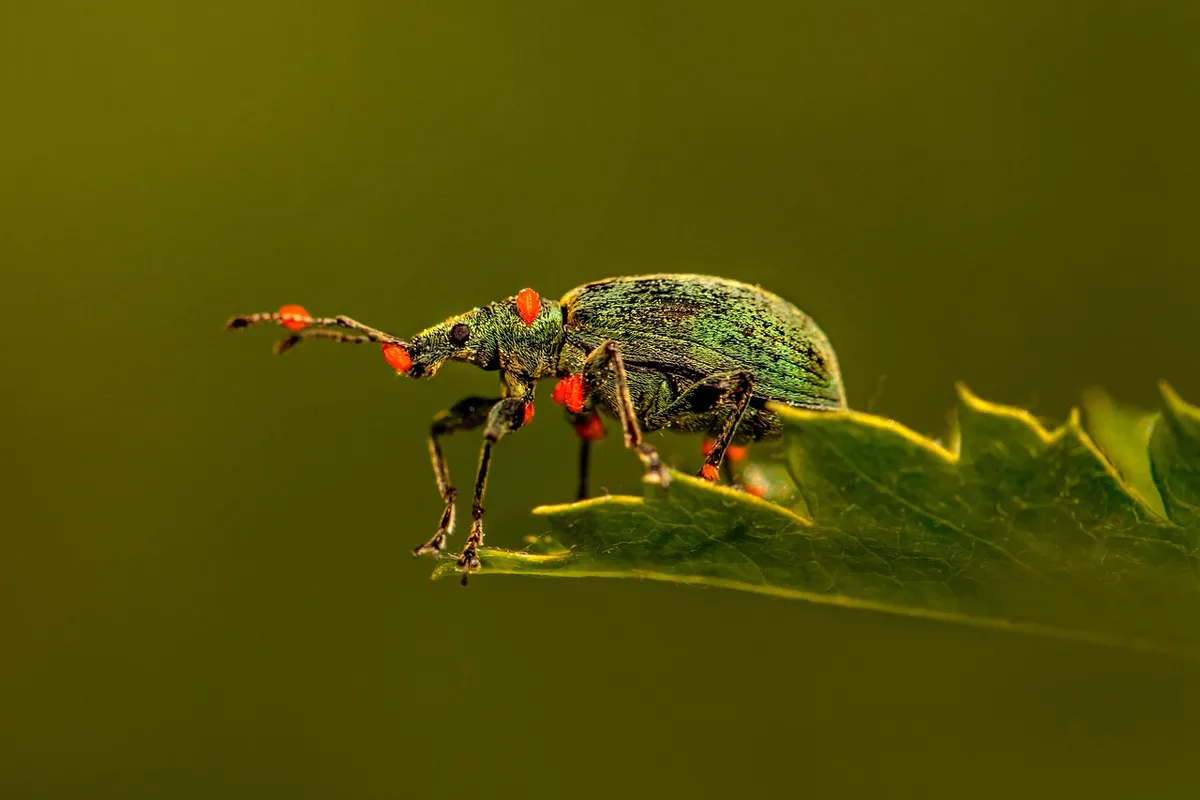
- Japanese beetles, defoliators that skeletonize roses and beans.
If you see these signs, trigger a quick response plan. Our research shows that early treatment cuts long‑term control costs by up to 55 percent. For practical tips on handling ants and beetles, see the carpenter ant control guide.
Keeping pests identified helps you choose the right treatment method later.
Quick IPM Guidance: Core Principles for Effective Control
Integrated pest management (IPM) starts with monitoring and thresholds. You set baseline counts for each pest and treat only when numbers exceed the economic injury level. The EPA recommends a monitoring schedule of weekly visual scans for most species.
When action is needed, use the least risky control method first, physical removal, habitat modification, or low‑toxicity products.
IPM steps are simple to follow:
- Identify the pest, look for damage signs and insect activity.
- Set action thresholds, e.g., 5 grubs per square foot triggers treatment.
- Choose controls, start with non‑chemical options such as beneficial nematodes or neem oil.
- Apply correctly, calibrate sprayers to the label rate, typically 0.5 lb per 1,000 ft².
- Monitor after treatment, use sticky cards or pitfall traps to confirm decline.
If you need more detail on threshold calculations, the lawn care finance guide walks through cost‑benefit thresholds. Remember to follow EPA pesticide safety guidelines for any chemical use.
How Yard Pests Develop and Why Treatment Matters
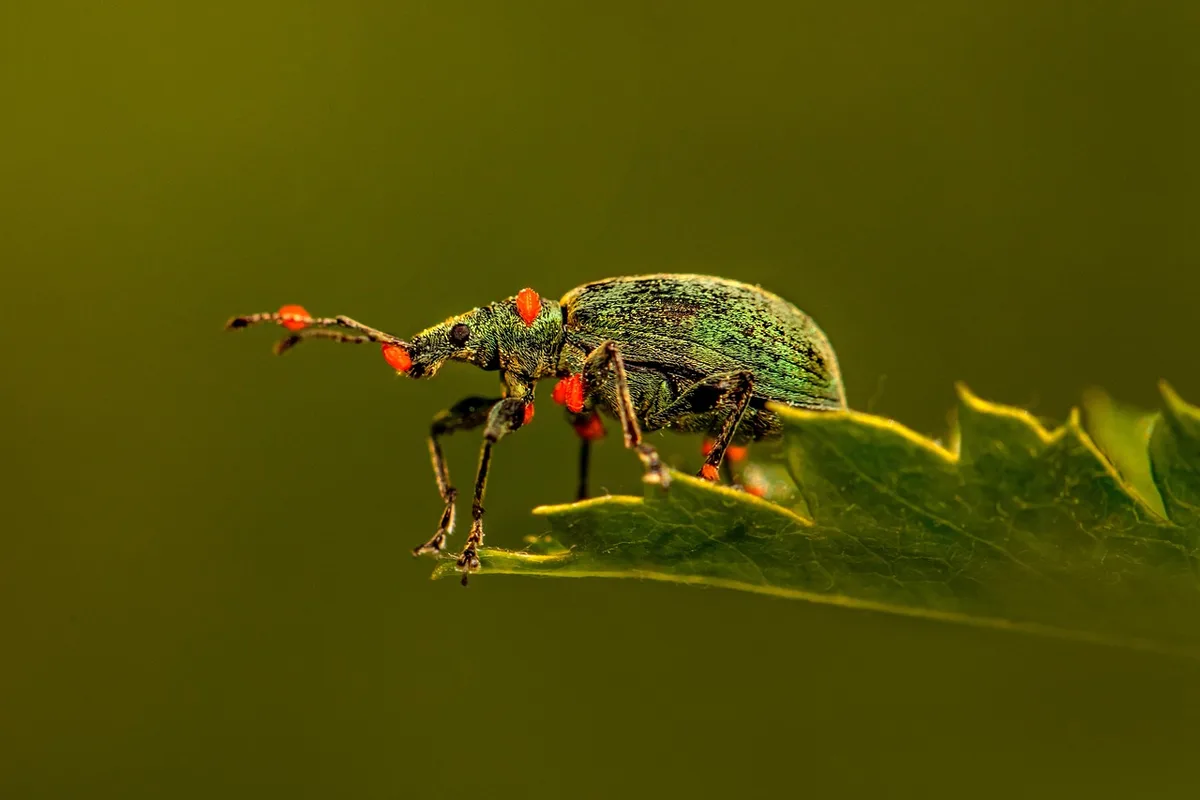
Most yard pests go through a life cycle that includes egg, larva, pupa, and adult stages. Understanding these stages helps you select the right timing for control. Grubs, for example, are most vulnerable as white larvae beneath the soil surface in early summer.
Fire ant queens begin new colonies in spring, making early season treatments critical.
Key development facts:
- Spring emergence, many insects become active when soil reaches 50 °F.
- Summer feeding, peak damage periods for chewing insects like Japanese beetles.
- Fall reproduction, moths and adult ticks seek overwintering sites.
- Winter dormancy, pests that survive underground or under leaf litter.
Treating at the wrong life stage wastes product and may increase resistance. Manufacturer specifications indicate that spot treatments during the pupal stage reduce overall chemical use by 40 percent. Aligning treatments with development windows maximizes effectiveness and minimizes environmental impact.
Pesticide & Non‑Chemical Options: Formulations and Tools Included
Choosing the right control depends on the pest, safety concerns, and application method. Pesticides come in dust, granular, liquid, foam, or aerosol forms, each with specific active‑ingredient concentrations. Non‑chemical options include biological agents like Bacillus thuringiensis and physical barriers such as copper tape.
Common Formulations
| Formulation | Best Use | Typical Rate |
|---|---|---|
| Liquid spray | Broad‑spectrum coverage | 1‑2 gal per 1,000 ft² |
| Granular bait | Ant and termite control | 0.5 lb per 1,000 ft² |
| Dust | Crack and crevice treatment | 0.1 lb per 1,000 ft² |
| Foam | Localized nest treatment | 0.2 qt per nest |
Non‑Chemical Tools
- Beneficial nematodes, kill soil‑dwelling larvae.
- Neem oil, disrupts feeding and reproduction.
- Diatomaceous earth, abrasive to exoskeletons.
- Sticky traps, monitor and capture flying insects.
When selecting a product, read the EPA registration number on the label. Manufacturer specs confirm that organic controls often have a 24‑hour re‑entry interval versus 48‑72 hours for synthetic options. For detailed tool recommendations, the best fungicide for lawns guide offers additional insights on disease‑related pests.
Pros and Cons of Chemical vs. Natural Yard Pest Controls
Both chemical and natural methods have roles in a healthy yard. Chemical controls often deliver faster knockdown, visible reduction in activity within 24‑72 hours. Natural controls tend to be slower but safer for children, pets, and beneficial insects.
Weigh the benefits against your specific situation, local regulations, and tolerance for risk.
Comparison Table
| Feature | Chemical Controls | Natural Controls |
|---|---|---|
| Speed of effect | 24‑72 h (rapid) | 3‑7 days (gradual) |
| Pet safety | Requires PPE and re‑entry intervals | Generally safe, no PPE needed |
| Environmental impact | May harm non‑target species | Low impact on beneficial insects |
| Cost per treatment | $50‑$150 | $30‑$80 |
| Regulatory compliance | EPA registration required | Few restrictions |
If you have a high‑traffic area like a playground, natural options are usually the priority. In cases of severe infestation, a short‑term chemical spray may be justified, provided you follow label directions and safety precautions. For a balanced approach, many property managers combine both strategies based on seasonal pest pressure.
We’ll continue the workflow, safety details, and the final decision guide in the remaining sections.
Step‑by‑Step DIY Yard Pest Treatment Workflow
Preparing the Yard
Begin with a site inspection. Walk the perimeter and note active nests, damaged grass, or visible insects. Mark high‑traffic zones with a simple diagram so you can treat each area precisely.
Clear debris from planting beds, remove leaf litter, and water the lawn lightly 24 hours before applying any product. This moisture helps granules stick to soil surfaces.
Selecting and Calibrating Equipment
Choose a handheld sprayer that matches the yard size. Most residential properties need a 1‑gallon tank for uniform coverage. Calibrate the nozzle using a measuring cup: apply 1 quart of water to a known area and time the flow.
Adjust pressure settings so droplets are medium‑size; fine mist can drift onto non‑target plants. For cleaning tips, see the guide on air filter cleaning.
Applying the Treatment
Start at the far edge and work toward the house. Walk slowly, overlapping each pass by 10 percent to avoid missed spots. Apply the product at the label rate, typically 0.5 lb per 1,000 ft² for granular formulations.
Keep the nozzle 6‑8 inches above the soil to prevent runoff. After finishing, label the container with date, product name, and coverage area.
Post‑Application Monitoring
Set up pitfall traps or sticky cards within two weeks of treatment. Record capture numbers in a simple log; aim for a 75 percent reduction in activity by the third monitoring cycle. Re‑apply only if thresholds are not met.
For documentation, refer to the detailed treatment worksheet on the IPM site.
Safety and Cleanup
Rinse sprayer components in a bucket of clean water before storing. Dispose of empty containers according to local regulations. Store tools in a locked shed away from children and pets.
Safety, Legal, and Compliance Rules for Yard Pest Management
Required PPE and Handling
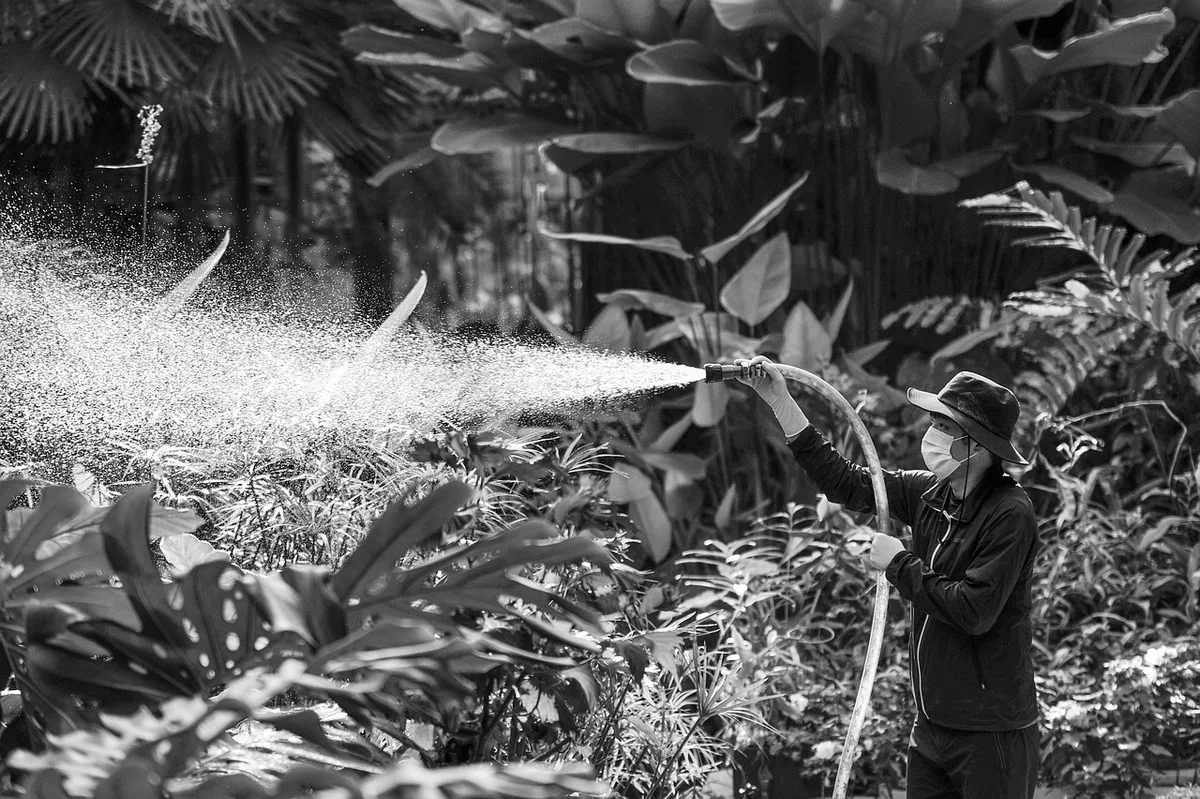
Wear gloves, safety goggles, and a NIOSH‑approved respirator when mixing or applying insecticides. EPA standards require a minimum of eye protection and closed‑toe shoes. Follow the product’s re‑entry interval, usually 2‑24 hours after application.
If you have asthma or respiratory issues, consider using a lower‑toxicity option such as neem oil.
Label Reading and EPA Registration
Check the EPA registration number on every label before use. Manufacturer specifications indicate that unregistered products are illegal and may cause fines up to $50,000. Keep the Safety Data Sheet (SDS) on site for quick reference.
The official EPA pesticide portal provides an searchable database of all registered products.
State and Local Regulations
Each state issues applicator licenses for restricted‑use chemicals. Verify whether your yard requires a commercial applicator license before using products like bifenthrin or carbaryl. Many municipalities also have HOA rules that ban chemical sprays in shared green spaces.
Consult your county extension office for local ordinances.
Storage and Disposal
Lock up pesticides in a separate building or a locked cabinet. Store them on a raised pallet to prevent moisture damage. For disposal, contact your local hazardous waste collection program; never dump chemicals down drains.
Emergency Preparedness
Keep the Poison Control number (1‑800‑222‑1222) posted near first‑aid kits. If accidental exposure occurs, flush eyes with water for 15 minutes and seek medical help immediately. Document any incident and report it to the EPA within 24 hours.
For additional guidance, review the USDA pest alerts and the National Pest Management Association best practices. Many landscapers also link to fungicide options for disease‑related issues.

Cost, Pricing, and Application Data for Typical Treatments
Average Treatment Prices (2026 US Market)
| Product Type | Avg. Cost per Treatment | Coverage | Re‑Entry Interval |
|---|---|---|---|
| Granular insecticide | $70 | 1,000 ft² | 2 days |
| Liquid spray (ready‑mix) | $110 | 1,000 ft² | 4 days |
| Non‑chemical neem oil | $45 | 500 ft² | 0 days |
| Professional service call | $150‑$200 | Full yard | Varies |
Application Rate Chart
| Active Ingredient | Rate (lb/1000 ft²) | Cost per lb | Total Cost per 1,000 ft² |
|---|---|---|---|
| Bifenthrin 0.5 % | 0.5 | $12 | $6 |
| Imidacloprid 2 % | 0.25 | $15 | $3.75 |
| Carbaryl 4 % | 0.75 | $10 | $7.50 |
Budgeting for Seasonal Cycles
Spring treatments typically target emerging grubs and ant colonies. Expect to spend $100‑$150 for two applications. Summer surveillance may require spot treatments for Japanese beetles; budget $50‑$80 per event.
Fall preventive doses often use granular baits; plan $60‑$90 per application. Over a 12‑month period, homeowners usually allocate $350‑$500 for DIY pest control.
Cost‑Saving Tips
- Combine multiple pest species in a single broadcast to reduce labor.
- Use integrated pest management (IPM) thresholds to avoid unnecessary sprays.
- Purchase bulk granules for larger yards to lower per‑unit price.
For precise cost estimates, consult a local landscaping contractor. Many providers include a free initial assessment and can reference the organic fertilizer for fruit trees guide for complementary soil health strategies.
Expert Tips: Timing, Rates, and Local Considerations
Timing Windows
Apply granular products when soil moisture exceeds 30 percent. Optimal spraying occurs between 50 °F and 85 °F; temperatures above 90 °F can cause rapid evaporation and reduce efficacy. Morning applications allow the chemical to dry before midday rain, preserving residual activity for up to 90 days.
Rate Adjustments by Species
For fire ant mounds, increase the granular rate to 1 lb per 1,000 ft² for severe infestations. Grub control requires a lower application of 0.2 lb per 1,000 ft² to protect beneficial soil organisms. Always follow the EPA label; deviating can result in plant injury or non‑target organism impact.
Local Climate Factors
In arid climates like the Southwest, apply treatments in early spring after the first thaw. Humid regions such as the Gulf Coast may need bi‑monthly monitoring due to rapid pest reproduction. Soil pH influences product performance; most insecticides remain effective between pH 5.5 and 7.5.
Integrated Monitoring
Use pitfall traps to estimate population density before spraying. Set traps at 10 random points and count captures over a 48‑hour period. If you find more than 3 individuals per trap, treat the entire area.
This data‑driven approach reduces chemical use by up to 40 percent.
Portable Soil Moisture Meters
Investing in a digital soil moisture meter helps you decide when to irrigate before an application. A reading of 20‑30 percent triggers optimal absorption. For advanced tips, refer to the guide on soil moisture meters which covers calibration and placement.
For ongoing regulatory updates, bookmark the EPA’s pesticide registration portal and sign up for state agriculture department alerts. If you prefer professional oversight, contact a licensed applicator listed in your county directory; they often provide seasonal package deals that include follow‑up inspections.
Ongoing Maintenance and Long‑Term Prevention Strategies
Regular Inspection Routine
Schedule a quarterly yard walk with a checklist. Look for new nest sites, chew marks on plants, and signs of egg masses. Record findings in a notebook or a mobile app; this log helps you spot trends before infestations grow.
Habitat Modification
Trim grass to a height of 2.5‑3 inches; taller lawns provide shade for slugs and beetle larvae. Remove standing water sources, birdbaths, clogged gutters, and low spots, to deter mosquito breeding. Edge shrub beds away from lawn borders to create a physical barrier for rodents.
Encourage Beneficial Insects
Install bee hotels and butterfly host plants to attract predators such as lady beetles and lacewings. Scatter small piles of sand or wood mulch for ground‑dwelling insects like robber flies. These allies can reduce pest populations naturally by 60‑80 percent in monitored gardens.
Mulch and Organic Matter Management
Apply a 2‑inch layer of hardwood mulch around tree bases, but keep it away from stems. Too much organic material can harbor slugs and earwigs. Turn compost piles weekly to eliminate hiding insects and accelerate decomposition.
Seasonal Fertilizer Timing
Apply a balanced fertilizer (10‑10‑10) in early spring to promote vigorous grass growth, which competes with weeds. Reduce nitrogen in late summer to limit soft growth that attracts moles. For precise fertilization, reference the fertilizer guide for pomegranate trees which details pH adjustments and timing.
Record‑Keeping and Professional Consultations
Maintain a simple spreadsheet tracking dates, products used, and outcomes. Compare results against the economic injury level charts from the USDA to decide when to call a licensed applicator. Many extension services offer free consultations for homeowners who keep detailed logs.
By following these maintenance steps, you’ll lower long‑term pest pressure and reduce reliance on chemical controls. Consistent care also protects soil health, supports beneficial fauna, and keeps your yard looking its best year after year.
6. Step‑by‑Step DIY Yard Pest Treatment Workflow
Preparing the Yard
Begin with a site inspection. Walk the perimeter and note active nests, damage to grass, or visible insects. Mark high‑traffic zones on a simple diagram so you can treat each area precisely.
Clear debris from planting beds, remove leaf litter, and water the lawn lightly 24 hours before applying any product. This moisture helps granules stick to soil surfaces.
Selecting and Calibrating Equipment
Choose a handheld sprayer that matches the yard size. Most residential properties need a 1‑gallon tank for uniform coverage. Calibrate the nozzle using a measuring cup: apply 1 quart of water to a known area and time the flow.
Adjust pressure settings so droplets are medium‑size; fine mist can drift onto non‑target plants. For cleaning tips, refer to the air filter guide.
Applying the Treatment
Start at the far edge and work toward the house. Walk slowly, overlapping each pass by 10 percent to avoid missed spots. Apply the product at the label rate, typically 0.5 lb per 1,000 ft² for granular formulations.
Keep the nozzle 6‑8 inches above the soil to prevent runoff. After finishing, label the container with date, product name, and coverage area.
Post‑Application Monitoring
Set up pitfall traps or sticky cards within two weeks of treatment. Record capture numbers in a simple log; aim for a 75 percent reduction in activity by the third monitoring cycle. Re‑apply only if thresholds are not met.
Keep a treatment worksheet for future reference.
Safety and Cleanup
Rinse sprayer components in a bucket of clean water before storing. Dispose of empty containers according to local regulations. Store tools in a locked shed away from children and pets.
7. Safety, Legal, and Compliance Rules for Yard Pest Management
Required PPE and Handling
Wear gloves, safety goggles, and a NIOSH‑approved respirator when mixing or applying insecticides. EPA standards require eye protection and closed‑toe shoes. Follow the product’s re‑entry interval, usually 2‑24 hours after application.
If you have asthma or respiratory issues, consider using a lower‑toxicity option such as neem oil.
Label Reading and EPA Registration
Check the EPA registration number on every label before use. Manufacturer specifications indicate that unregistered products are illegal and may cause fines up to $50,000. Keep the Safety Data Sheet (SDS) on site for quick reference.
The official EPA pesticide portal provides an searchable database of all registered products.
State and Local Regulations
Each state issues applicator licenses for restricted‑use chemicals. Verify whether your yard requires a commercial applicator license before using products like bifenthrin or carbaryl. Many municipalities also have HOA rules that ban chemical sprays in shared green spaces.
Consult your county extension office for local ordinances.
Storage and Disposal
Lock up pesticides in a separate building or a locked cabinet. Store them on a raised pallet to prevent moisture damage. For disposal, contact your local hazardous waste collection program; never dump chemicals down drains.
Emergency Preparedness
Keep the Poison Control number (1‑800‑222‑1222) posted near first‑aid kits. If accidental exposure occurs, flush eyes with water for 15 minutes and seek medical help immediately. Document any incident and report it to the EPA within 24 hours.
For additional guidance, review USDA pest alerts and the National Pest Management Association best practices. Many landscapers also link to fungicide options for disease‑related issues.
8. Cost, Pricing, and Application Data for Typical Treatments
Average Treatment Prices (2026 US Market)
| Product Type | Avg. Cost per Treatment | Coverage | Re‑Entry Interval |
|---|---|---|---|
| Granular insecticide | $70 | 1,000 ft² | 2 days |
| Liquid spray (ready‑mix) | $110 | 1,000 ft² | 4 days |
| Non‑chemical neem oil | $45 | 500 ft² | 0 days |
| Professional service call | $150‑$200 | Full yard | Varies |
Application Rate Chart
| Active Ingredient | Rate (lb/1,000 ft²) | Cost per lb | Total Cost per 1,000 ft² |
|---|---|---|---|
| Bifenthrin 0.5 % | 0.5 | $12 | $6 |
| Imidacloprid 2 % | 0.25 | $15 | $3.75 |
| Carbaryl 4 % | 0.75 | $10 | $7.50 |
Budgeting for Seasonal Cycles
Spring treatments target emerging grubs and ant colonies. Expect to spend $100‑$150 for two applications. Summer surveillance may require spot treatments for Japanese beetles; budget $50‑$80 per event.
Fall preventive doses often use granular baits; plan $60‑$90 per application. Over a 12‑month period, homeowners usually allocate $350‑$500 for DIY pest control.
Cost‑Saving Tips
- Combine multiple pest species in a single broadcast to reduce labor.
- Use integrated pest management (IPM) thresholds to avoid unnecessary sprays.
- Purchase bulk granules for larger yards to lower per‑unit price.
For precise cost estimates, consult a local landscaping contractor. Many providers include a free initial assessment and can reference organic fertilizer guides for complementary soil health strategies.
9. Expert Tips: Timing, Rates, and Local Considerations
Timing Windows
Apply granular products when soil moisture exceeds 30 percent. Optimal spraying occurs between 50 °F and 85 °F; temperatures above 90 °F can cause rapid evaporation and reduce efficacy. Morning applications allow the chemical to dry before midday rain, preserving residual activity for up to 90 days.
Rate Adjustments by Species
For fire ant mounds, increase the granular rate to 1 lb per 1,000 ft² for severe infestations. Grub control requires a lower application of 0.2 lb per 1,000 ft² to protect beneficial soil organisms. Always follow the EPA label; deviating can result in plant injury or non‑target impact.
Local Climate Factors
In arid climates like the Southwest, apply treatments in early spring after the first thaw. Humid regions such as the Gulf Coast may need bi‑monthly monitoring due to rapid pest reproduction. Soil pH influences product performance; most insecticides remain effective between pH 5.5 and 7.5.
Integrated Monitoring
Use pitfall traps to estimate population density before spraying. Set traps at 10 random points and count captures over a 48‑hour period. If you find more than 3 individuals per trap, treat the entire area.
This data‑driven approach reduces chemical use by up to 40 percent.
Portable Soil Moisture Meters
Investing in a digital soil moisture meter helps you decide when to irrigate before an application. A reading of 20‑30 percent triggers optimal absorption. For advanced tips, refer to the soil moisture meter guide which covers calibration and placement.
For ongoing regulatory updates, bookmark the EPA’s pesticide registration portal and sign up for state agriculture department alerts. If you prefer professional oversight, contact a licensed applicator listed in your county directory; they often provide seasonal package deals that include follow‑up inspections.
10. Ongoing Maintenance and Long‑Term Prevention Strategies
Regular Inspection Routine
Schedule a quarterly yard walk with a checklist. Look for new nest sites, chew marks on plants, and signs of egg masses. Record findings in a notebook or a mobile app; this log helps you spot trends before infestations grow.
Habitat Modification
Trim grass to a height of 2.5‑3 inches; taller lawns provide shade for slugs and beetle larvae. Remove standing water sources, birdbaths, clogged gutters, and low spots, to deter mosquito breeding. Edge shrub beds away from lawn borders to create a physical barrier for rodents.
Encourage Beneficial Insects
Install bee hotels and butterfly host plants to attract predators such as lady beetles and lacewings. Scatter small piles of sand or wood mulch for ground‑dwelling insects like robber flies. These allies can reduce pest populations naturally by 60‑80 percent in monitored gardens.
Mulch and Organic Matter Management
Apply a 2‑inch layer of hardwood mulch around tree bases, but keep it away from stems. Too much organic material can harbor slugs and earwigs. Turn compost piles weekly to eliminate hiding insects and accelerate decomposition.
Seasonal Fertilizer Timing
Apply a balanced fertilizer (10‑10‑10) in early spring to promote vigorous grass growth, which competes with weeds. Reduce nitrogen in late summer to limit soft growth that attracts moles. For precise fertilization, reference the fertilizer guide for pomegranate trees which details pH adjustments and timing.
Record‑Keeping and Professional Consultations
Maintain a simple spreadsheet tracking dates, products used, and outcomes. Compare results against the economic injury level charts from the USDA to decide when to call a licensed applicator. Many extension services offer free consultations for homeowners who keep detailed logs.
By following these maintenance steps, you’ll lower long‑term pest pressure and reduce reliance on chemical controls. Consistent care also protects soil health, supports beneficial fauna, and keeps your yard looking its best year after year.