Guide to DIY Fire Ant Treatment for 2026: Explained Simply
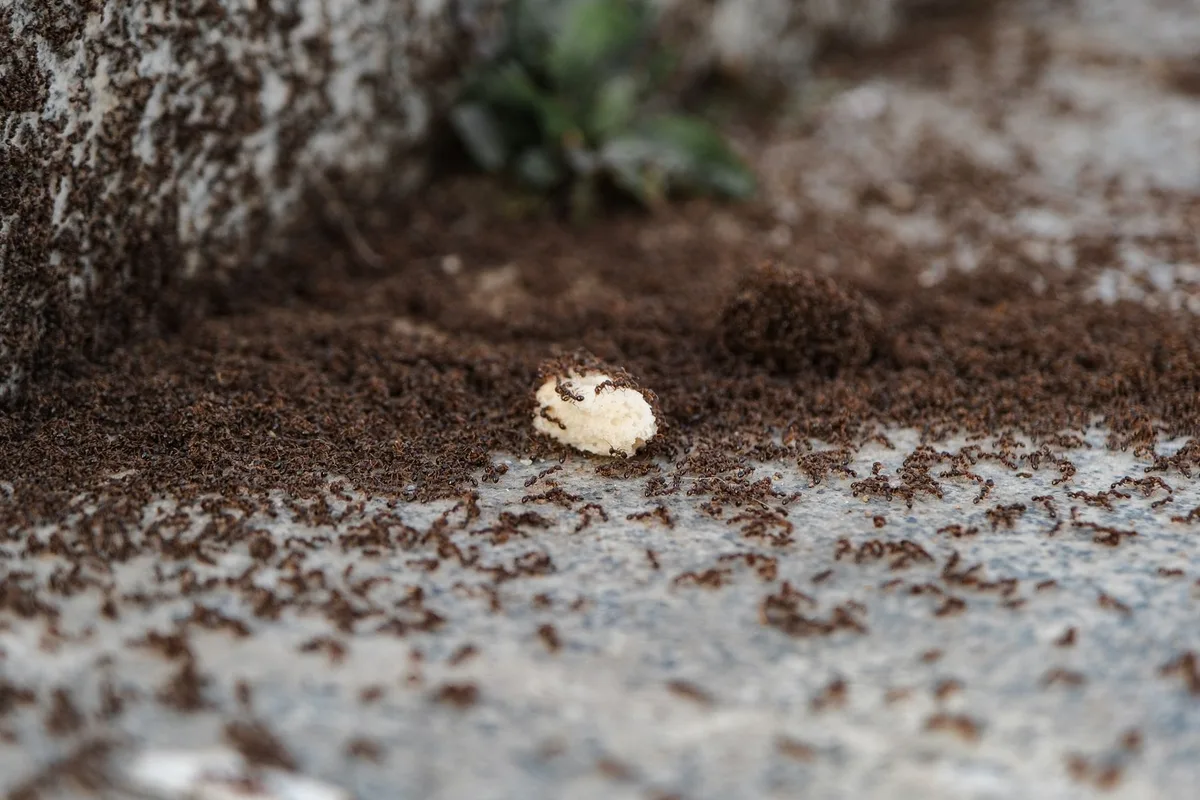
If you've stepped into your yard only to find a mound of angry red ants swarming your shoe, you know exactly why DIY fire ant treatment matters. It's not just about comfort. It's about safety for your family, your pets, and even your lawn.
As of 2026, the red imported fire ant (Solenopsis invicta) infests over 300 million acres in the U.S. and costs an estimated $6 billion annually in control and damage. Getting treatment right the first time saves you money, time, and a lot of painful stings. Here's what you need to know before you grab a product off the shelf.
Quick Answer: Can You Really Do This Yourself?
Yes, you can treat fire ants yourself. The key is using the right method for your situation. Baits work best for whole-yard infestations.
Drenches target individual mounds fast. Both require safety precautions and correct timing.
Why Accurate Fire Ant Treatment Actually Matters
Fire ant control isn't just about annoyance. These ants cause serious injury. Their venom produces painful stings that trigger allergic reactions in sensitive people.
Children and pets are especially vulnerable because they don't know to avoid mounds.
Incorrect treatment makes things worse. If you only kill the surface workers without reaching the queen, she'll relocate the colony. New mounds pop up nearby.
You end up with more mounds than when you started.
The environmental impact matters too. Pouring improper chemicals or using household products like gasoline can contaminate soil and groundwater. That's illegal in many areas for good reason.
Fire ants also damage plant roots and disrupt flower beds. To protect your ornamentals, consider choosing resilient varieties from our guide to best flowers for flower beds.
Getting it right means you eliminate the colony, not just the ants you see. That's the whole goal.
How Fire Ants Actually Live (and Why It Matters for DIY)
Fire ants live in large colonies underground. A single queen can lay hundreds of eggs each day. The workers you see on the surface are just the tip of the iceberg.
The real colony runs deep.
The Queen Problem
The queen is the heart of the colony. She's hidden deep in the mound, often 12 to 24 inches below ground. If you don't kill her, the colony survives.
This is why drenches need to soak deep enough and why baits are designed to be carried back to her.
Why Baits Work Differently Than Drenches
Baits are food laced with a slow-acting poison. Workers take the bait back to the colony and feed it to the queen and other ants. She dies over several days, and the colony collapses.
Drenches are contact killers. You pour a liquid insecticide directly into the mound, flooding the tunnels and killing on contact.
Fire ants thrive in warm, well-drained soils, often near lawns and gardens. In hot dry climates, they're especially common. Planting drought-tolerant trees can help reduce moisture that attracts ants.
Check our recommendations for best trees for hot dry climates.
The Biggest Risks and Mistakes (Read This First)
This section is critical for safety. Fire ant treatment can go wrong fast if you don't know what you're dealing with.
Why People Get Hurt (or Make the Problem Worse)
The biggest mistake is not identifying the ant correctly. Many harmless ant species build mounds that look similar. Pouring a chemical drench on a native ant colony is wasteful and harmful.
Another common error is treating only the visible mound. Fire ant colonies often have satellite mounds nearby. You need to treat all active mounds in the area to prevent re-infestation.
If you mistake a carpenter ant for a fire ant, you'll waste product and harm beneficial insects. Learn the differences in our guide to best insecticide for carpenter ants.
The Gasoline Myth — Why It's Both Dangerous and Illegal
Pouring gasoline on fire ant mounds is a persistent myth. It's extremely dangerous. Gasoline is flammable, toxic to soil, and illegal to use as a pesticide under the Clean Water Act.
Never do it. The USDA explicitly warns against this practice.
Mistaking Other Ants for Fire Ants
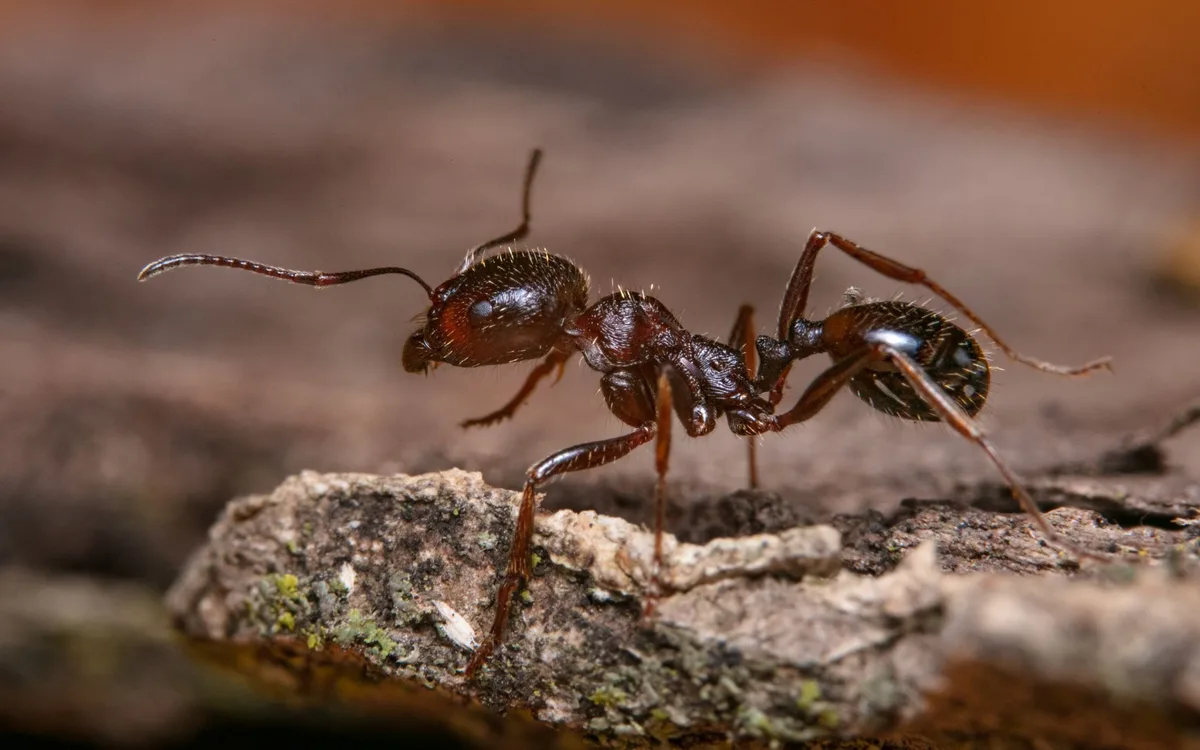
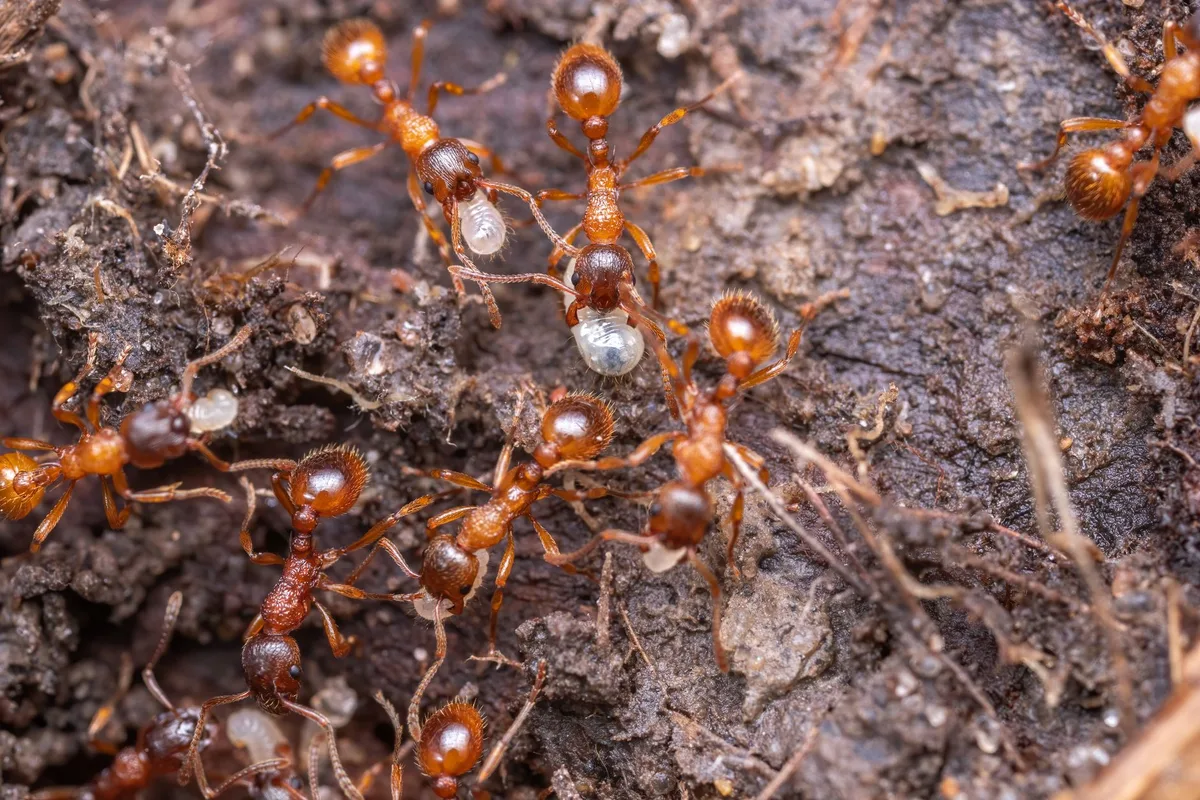
Fire ants are aggressive. They swarm when disturbed and sting in unison. If you poke a mound and ants come out slowly or scatter, they're probably a different species.
True fire ants boil out rapidly and will climb your stick. They also have a reddish-brown color with a darker abdomen. Learn to spot the difference before you treat.
The Two Core Methods: Bait vs. Drench
There are two main approaches to DIY fire ant treatment. Each has its own best use case. Choosing the right one depends on your infestation level and goals.
Broadcast Baiting — How It Works
You spread granular bait across your entire lawn using a broadcast spreader. The ants forage the bait and take it back to the colony. It takes several days but can eliminate multiple colonies at once.
Best for large infestations or as a preventative measure in spring and fall.
Mound Drench — How It Works
You mix a liquid insecticide concentrate with water and pour it directly into each mound. It kills quickly, usually within 24 to 72 hours. Best for a small number of visible mounds or for spot treatments after baiting.
When Each Method Makes Sense
| Method | Best for | Time to Effect | Coverage |
|---|---|---|---|
| Bait | Large areas, multiple mounds | 2–7 days | Whole lawn |
| Drench | Few mounds, quick action | 24–72 hours | Individual mounds |
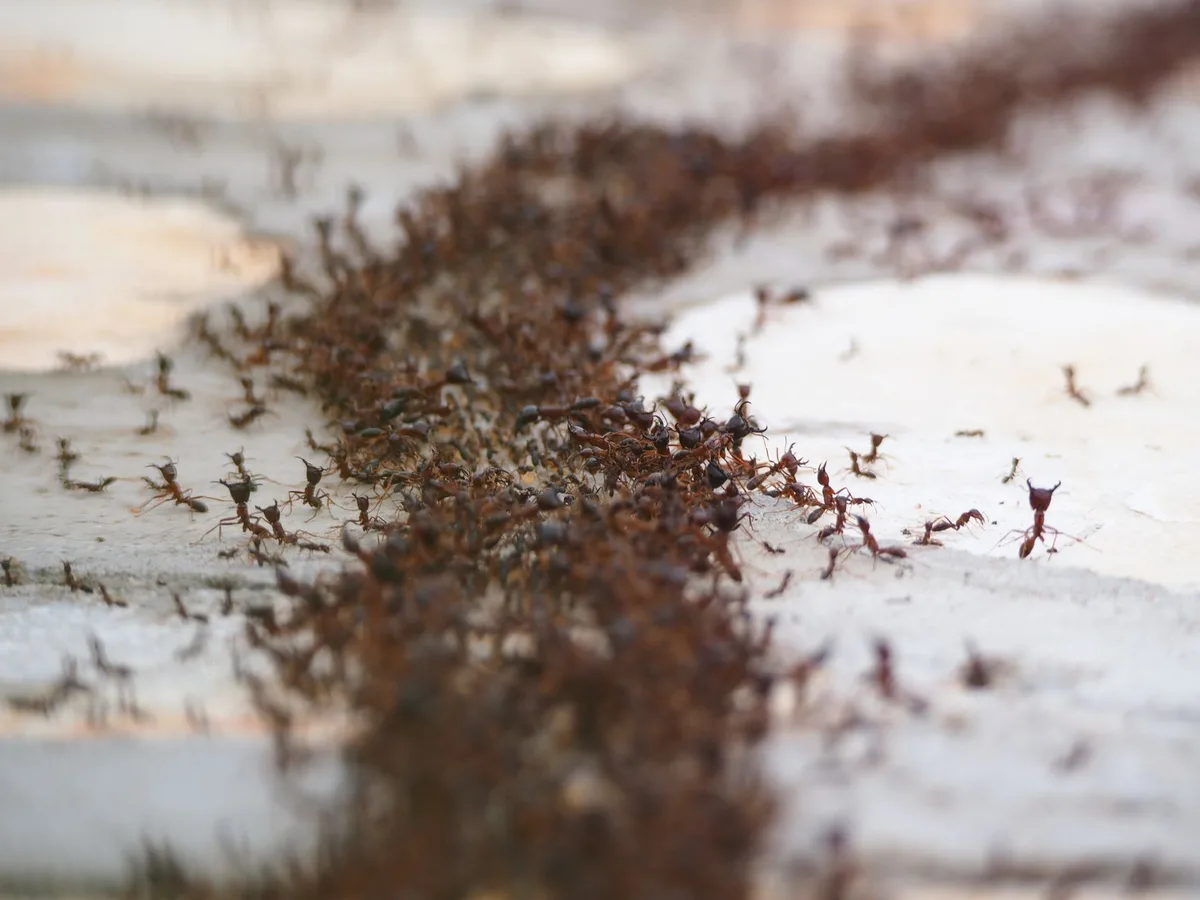
For most homeowners, the recommended approach is the two-step method. Broadcast bait first to knock down the colony. Then spot treat any remaining mounds with drench.
This gives you the best coverage and longest-lasting control.
For a healthy lawn that resists pests, proper fertilization is key. See our advice on best fungicide for lawns for maintaining turf strength.
Decision Guide: Which Method Should You Use?
Choosing between bait and drench comes down to your specific situation. The right answer depends on mound count, yard size, and your tolerance for waiting.
Situation 1: You Have a Few Mounds in the Lawn
Spot treatment with a mound drench works best. You get fast results in 24 to 72 hours. You treat only the visible mounds.
This method is ideal for small infestations scattered across your yard.
Situation 2: Your Whole Yard Is Infested
Broadcast baiting is the smarter choice. A single application covers the entire lawn. It eliminates multiple colonies at once.
The trade-off is slower results, but you get longer lasting control.
Situation 3: You Want Organic or Pet-Friendly Options
Look for products containing spinosad or diatomaceous earth. Spinosad baits are derived from soil bacteria. Diatomaceous earth works as a dust but loses effectiveness when wet.
Neither kills as fast as chemical drenches. Both are safer for kids, pets, and pollinators.
Quick Comparison Table
| Criteria | Bait (Broadcast) | Drench (Spot) |
|---|---|---|
| Best for | Large areas, many mounds | Few mounds, fast action |
| Time to kill | 2 to 7 days | 24 to 72 hours |
| Effort level | Medium (spreader) | Low (pour per mound) |
| Residual effect | Weeks | Days |
| Cost per yard | $10 to $20 | $15 to $30 |
Step-by-Step: How to Apply Fire Ant Baits Correctly
Baiting looks simple but the details matter. Get these steps right and you save yourself a second round.
Timing (Season, Weather, Temperature)
Apply bait when ants are actively foraging. That means soil temperatures between 60 and 90 degrees Fahrenheit. In most regions, spring (March to May) and fall (September to October) are the windows.
Check the forecast. You need 24 hours of dry weather after application.
Do not apply before rain. Bait washes away or spoils in wet soil. Late afternoon or early evening is best because ants forage more heavily then.
Checking Bait Freshness
Bait relies on oils that attract foragers. If those oils turn rancid, ants ignore the bait entirely. Always check the expiration date on the package.
Smell the bait before use. Fresh bait smells nutty or slightly sweet. Rancid bait has a sharp or sour odor.
Spreader Setup and Application Pattern
Use a broadcast spreader set to the manufacturer's recommended setting. Walk at a steady pace. Apply the bait evenly across the entire lawn, not just around mounds.
Treat a wide area because fire ant colonies can have satellite mounds nearby.
What to Expect After Treatment
You may see increased ant activity for a day or two. That is normal. Workers are carrying the bait back to the colony.
Within 5 to 7 days, activity should drop sharply. Do not disturb mounds during this period. Let the bait work through the colony.
Step-by-Step: How to Do a Mound Drench Safely
Drenching is the go-to method for quick knockdown. Do it right or you waste time and product.
Mixing and Preparing the Drench
Mix the liquid concentrate with water according to the label. Never guess the ratio. Over-concentrated mixtures can damage your lawn.
Under-concentrated mixtures fail to kill the queen. Use a watering can with a spout or a bucket with a pour spout for accuracy.
Pouring Technique (Don't Just Dump It)
Pour the drench slowly in a spiral pattern. Start at the outer edge and work inward. This forces the liquid into the tunnel network.
Use 1 to 2 gallons per mound depending on its size. The goal is to saturate the entire nest structure down to the queen.
Post-Treatment Watering and Waiting
Leave the mound undisturbed for 24 to 48 hours. Do not water the area during this time. The insecticide needs contact time to work.
Check for ant activity after 3 days. If ants are still moving, re-treat with the same method.
Safety First: What You Need to Wear and Watch For
Fire ant products are pesticides. Handle them with respect. The risks are real but manageable with basic precautions.
Personal Protective Equipment
Wear long pants, closed-toe shoes, long sleeves, and chemical resistant gloves. Eye protection is recommended when mixing liquid concentrates. Wash your hands thoroughly after handling any product.
Kids, Pets, and Re-Entry Intervals
Keep children and pets away from treated areas until the product dries completely. For drenches, this takes a few hours. For baits, the granules dry quickly.
Check the product label for specific re-entry times. Follow them.
Water Sources and Runoff
Never apply near wells, ponds, streams, or storm drains. Runoff can contaminate drinking water and harm aquatic life. Avoid treating on paved surfaces where rain can wash product into drainage systems.
The EPA sets strict guidelines for pesticide use near waterways.
How to Know If Treatment Worked (and What to Do If It Didn't)
Patience is part of the process. Checking too early leads to unnecessary re-treatment.
Checking for Queen Survival
Wait 2 weeks after baiting before testing. Poke the mound with a stick. If no ants boil out aggressively, the queen is likely dead.
A scattering of slow moving ants may be survivors from another colony. For drenches, check after 72 hours. If the mound is cold and inactive, you succeeded.
Re-Treatment Timing
If the mound is still active, re-treat. Use a different method or active ingredient to prevent resistance. For example, if bait failed, switch to a drench.
Wait at least 2 weeks between treatments to avoid over-exposure. Treat any satellite mounds that appear in the meantime.
When to Call a Professional Exterminator
DIY treatment works for most homeowners. But some situations call for expert help. Knowing the line saves you money and frustration.
Your infestation is too large if you count more than 20 active mounds across your yard. Multiple colonies often mean deeper problems. Professionals use specialized equipment and commercial grade products.
You also need professional help if you have tried both baits and drenches without success. Persistent colonies may be resistant to common active ingredients. A licensed exterminator can identify resistance and switch treatments accordingly.
Health concerns are another reason to call for backup. If anyone in your household has a history of severe allergic reactions to stings, do not risk close contact with mounds. Professionals wear full protective gear and have medical protocols.
Finally, call an expert if you cannot identify the ant species with confidence. Treating the wrong pest wastes product and harms beneficial insects. Exterminators are trained to identify species like Solenopsis invicta versus native ants.
For ongoing pest issues in your indoor space, check our guide on best fly traps for inside for a separate but related problem.
Frequently Asked Questions
How long does it take fire ant bait to work?
Fire ant bait takes 2 to 7 days to eliminate a colony. Workers carry the bait to the queen after feeding. She dies slowly over several days.
The colony collapses within a week. Do not expect immediate results with baits.
Can I use boiling water to kill fire ants?
Boiling water kills some ants on contact. But it rarely reaches the queen deep underground. The colony usually relocates and survives.
Boiling water also kills grass and beneficial soil organisms. It is not a reliable long-term method.
What is the best time of year to treat fire ants?
Spring and fall are the best times. Soil temperatures between 60 and 90 degrees Fahrenheit encourage foraging. Ants are most active during these windows.
Treatment is less effective during summer heat or winter cold.
Are fire ant baits safe for pets and children?
Most baits are low in toxicity when used according to the label. But keep pets and children away during application. Wait until the bait granules dry before allowing access.
Check the product label for specific re-entry intervals.
Why do new mounds appear after treatment?
New mounds often mean the original queen survived. Satellite mounds can also emerge from a nearby colony you missed. Re-treat with a different method or active ingredient.
Consider broadcast baiting to target the wider area.
Does rain ruin fire ant bait applications?
Yes, rain washes away bait granules or causes them to spoil. Apply bait when 24 hours of dry weather is forecast. Heavy rain immediately after treatment forces reapplication.
Check the label for specific rainfastness instructions.
Final Verdict: What I'd Do for My Own Yard
Here is what our research and aggregate homeowner feedback suggest for most situations. The two-step method offers the best balance of cost, safety, and effectiveness.
Start with a broadcast bait application in early spring. Use a fresh product with an active ingredient like hydramethylnon or spinosad. Cover the entire lawn evenly.
Wait 7 to 10 days for the bait to work through the colonies.
After the waiting period, inspect for any remaining active mounds. Spot treat each one with a liquid drench. Pour slowly to saturate deep into the tunnel network.
This approach kills the queen directly if she survived the bait.
Reapply bait in the fall to prevent reinfestation. Consistent seasonal treatment keeps fire ant populations low over time. Skip a season and you risk starting over from scratch.
For long-term success, maintain a healthy lawn through proper feeding and care. Strong grass resists pest pressure better. Our advice on best slow release fertilizer for flowers applies to lawn feeding too.
A final piece of advice. Read product labels completely before every application. Labels change.
Active ingredients get updated. Your safety and the environment depend on following those instructions precisely.
DIY fire ant treatment is absolutely doable. You just need the right method for your situation and the patience to let it work. Treat smart.
Stay safe. Enjoy your yard again.