Guide to Is Mealybugs Safe in 2026 (What Actually Works)
You've spotted mealybugs on your houseplant and now you're wondering: is mealybugs safe to touch, handle, or keep around your home? The short answer is yes for humans, mostly yes for pets, but definitely not safe for your plants. These tiny, cottony pests won't bite you or make you sick, but they can quickly destroy your greenery if you don't act.
Mealybugs belong to the Pseudococcidae family, a group of soft-bodied, sap-sucking insects that infest over 200 plant species worldwide. They're slow-moving, visible to the naked eye, and leave behind a sticky residue called honeydew. Let's break down exactly what risks they do and don't pose, and what you need to know to keep everyone (and every plant) safe.
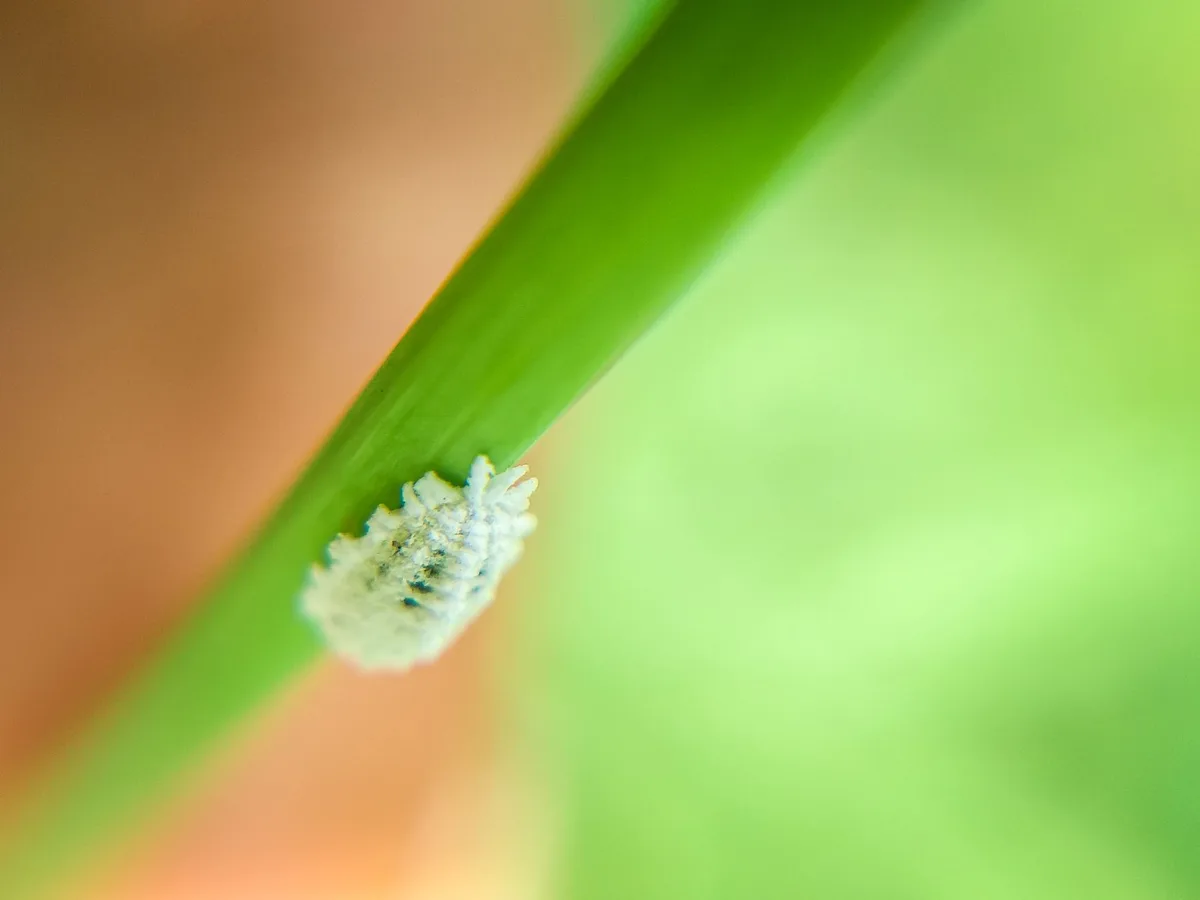
Quick Answer: Are Mealybugs Safe for Humans and Pets?
Mealybugs are safe for humans. They cannot bite, sting, or transmit diseases. Direct contact with mealybugs is harmless for most people.
Pets like cats and dogs can touch or accidentally ingest them without serious harm. The real danger is to your plants, which mealybugs damage by feeding on sap. Treatments you use to kill mealybugs can pose more risk than the bugs themselves, especially chemical pesticides around children or animals.
What Mealybugs Actually Are (And What They're Not)
Mealybugs are tiny insects in the order Hemiptera, the same group that includes aphids and scale insects. They measure 1 to 4 millimeters long, move slowly, and cover themselves in a white, waxy coating that looks like cotton or flour. This coating protects them from predators and light pesticide sprays.
The most common species you'll find indoors are the citrus mealybug (Planococcus citri), long-tailed mealybug (Pseudococcus longispinus), and grape mealybug (Pseudococcus maritimus). They all share the same basic behavior: they pierce plant tissue with needle-like mouthparts, suck out sap, and secrete honeydew as waste.
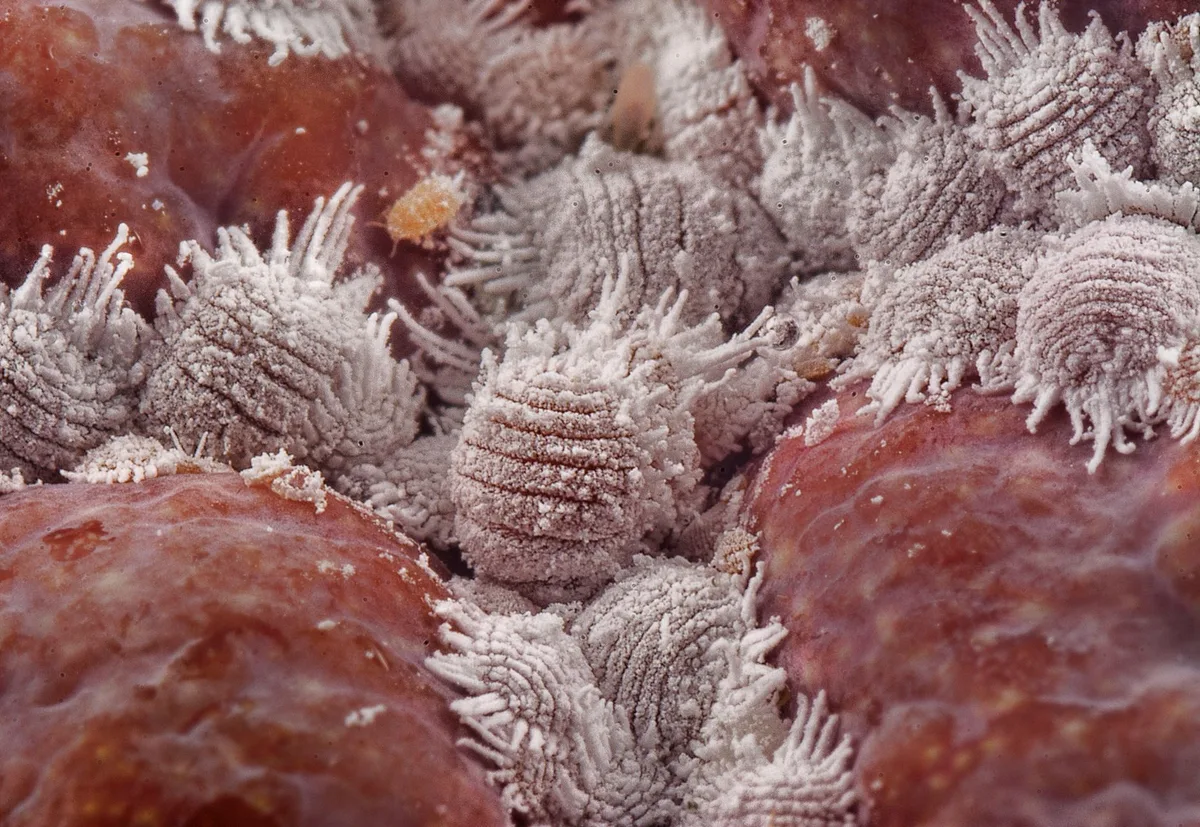
What mealybugs are not: they're not bed bugs, fleas, or ticks. They don't live on humans or animals. They don't infest furniture, bedding, or carpets.
They don't jump, fly, or crawl fast. If you see a white bug on your skin or pet, it came from a plant and it's not setting up camp there.
University extension research confirms that mealybugs lack the anatomy to bite or pierce human or animal skin. Their mouthparts are designed for soft plant tissue only. You can pick them off a leaf with your bare fingers without any risk of injury.
Can Mealybugs Bite, Sting, or Poison You?
No. Mealybugs have no stingers, no venom glands, and no biting mandibles. Their piercing-sucking mouthparts are too weak and too specialized to penetrate anything tougher than a plant cell wall.
You won't get a welt, a rash, or a puncture wound from handling them.
They also don't produce or carry toxins that affect humans. The waxy coating on their bodies is a lipid secretion, not a poison. It might feel slightly greasy or powdery on your fingers, but it won't irritate your skin or cause an allergic reaction in most people.
There are isolated reports of mild skin irritation or allergic contact dermatitis in people who handle large numbers of mealybugs repeatedly, such as greenhouse workers. This is rare and typically resolves with basic hand washing. If you have very sensitive skin or known insect allergies, wear gloves when removing mealybugs manually, just to be safe.
The National Pesticide Information Center (NPIC) does not list mealybugs as a medically significant pest. They pose no direct health threat to humans under normal household conditions.
The Real Risks: What Mealybugs Actually Affect
The harm mealybugs cause is almost entirely plant-related. They feed on sap, which deprives your plants of water, nutrients, and sugars. Over time, infested plants show yellowing leaves, stunted growth, leaf drop, and eventual death if the infestation goes unchecked.
Damage to Your Plants
Mealybugs target new growth, leaf joints, and the undersides of leaves where the tissue is tender. A single female can lay 300 to 600 eggs in her lifetime, and the crawlers (nymphs) spread quickly to nearby plants. Orchids, succulents, ferns, and tropical houseplants are especially vulnerable.
Severe infestations weaken plants to the point where secondary infections take hold. Fungal and bacterial pathogens enter through damaged tissue, compounding the damage. If you grow edible plants like herbs, tomatoes, or citrus indoors, mealybugs can reduce yields and fruit quality.
Honeydew and Sooty Mold Concerns
Mealybugs excrete honeydew, a sticky, sugary liquid that coats leaves, stems, and any surface below the plant. Honeydew itself is harmless to humans and pets. It's just plant sap that's been partially digested.
But it attracts ants, which farm mealybugs to harvest honeydew, and it provides a growth medium for sooty mold.
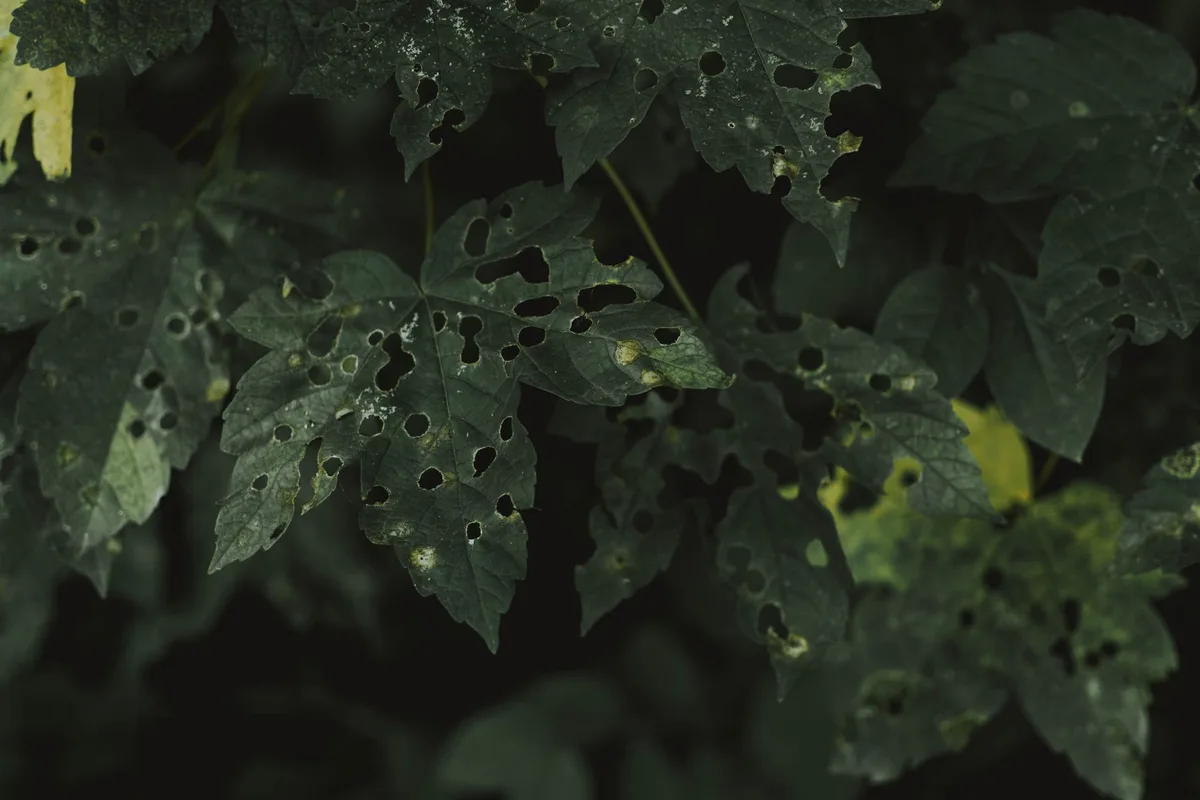
Sooty mold is a black fungus that grows on honeydew. It doesn't infect the plant directly, but it blocks sunlight and reduces photosynthesis. The mold is not toxic to people or animals, but it's messy and hard to clean.
If you have mealybugs on indoor plants, you'll likely find sticky residue on windowsills, furniture, and floors.
Allergic Reactions and Skin Irritation
True allergic reactions to mealybugs are rare. Most people can handle them without issue. However, prolonged or repeated contact with large populations may cause mild irritation, especially if you crush the bugs and the waxy secretion stays on your skin.
If you notice redness, itching, or a rash after handling mealybugs, wash your hands with soap and water. The irritation should clear within a few hours. If it doesn't, or if you develop hives or swelling, you may have a sensitivity to insect proteins.
In that case, use gloves and avoid direct contact in the future.
As of 2026, there are no documented cases of anaphylaxis or severe allergic reactions from mealybug contact. The risk is far lower than with stinging insects like bees or wasps.
Are Mealybugs Safe to Touch or Handle?
Yes, you can touch and handle mealybugs safely. They won't hurt you. Most people remove them by hand using a cotton swab dipped in rubbing alcohol, and that method works well for small infestations.
Mealybugs move slowly, so they're easy to pluck off leaves or stems. If you squish them, you'll see a white, waxy residue. Just wash your hands afterward.
There's no need for protective gear unless you're sensitive to the waxy coating or you're treating a large greenhouse full of plants.
Children and adults with compromised immune systems should still wash their hands after handling any pest, but mealybugs pose no special danger. They don't carry pathogens that infect humans.
One practical tip: don't rub your eyes or face while handling mealybugs. The waxy coating can transfer to your fingers, and if it gets in your eyes, it may cause temporary stinging or blurred vision. It's not toxic, just irritating.
Rinse with clean water if that happens.
What If You Accidentally Eat Mealybugs on Produce?
Accidentally eating a mealybug or two on homegrown lettuce, herbs, or tomatoes won't hurt you. Mealybugs are not poisonous. They're soft-bodied insects made mostly of protein, chitin, and water.
They won't make you sick.
That said, nobody wants to eat bugs. Mealybugs taste bitter because of their waxy coating, and they're unpleasant in texture. If you're growing edible plants indoors or in a greenhouse, inspect and wash all produce thoroughly before eating.
Rinse leafy greens and herbs under running water. Use a soft brush on firmer produce like tomatoes or peppers. Mealybugs and their eggs wash off easily.
If you see honeydew residue or sooty mold, that's a sign of a heavy infestation. Discard heavily affected leaves or fruits.
There's no credible evidence that eating mealybugs causes illness. The USDA and FDA don't list mealybugs as a contaminant of concern in food safety protocols. Commercial growers use integrated pest management to keep mealybug populations low, but occasional bugs on fresh produce are unavoidable and harmless.
If you're squeamish, soak vegetables in a bowl of cold water with a tablespoon of salt for 5 to 10 minutes. Bugs and dirt will float to the surface or sink to the bottom. Rinse again and you're good to go.
Mealybug Safety Around Pets (Cats, Dogs, and Other Animals)
Mealybugs are not toxic to cats, dogs, birds, or most household pets. If your cat or dog nibbles on an infested plant and swallows a few mealybugs, they'll be fine. The bugs themselves contain no poison or venom.
Pets are more at risk from the plants than from the pests. Many common houseplants that attract mealybugs (pothos, philodendron, dieffenbachia, or peace lilies) are toxic to cats and dogs. The mealybugs are just along for the ride.
If your pet chews on a plant and gets sick, the plant's sap is usually the culprit, not the bugs.
Birds and reptiles kept in terrariums or aviaries can also encounter mealybugs on live plants. They're harmless if eaten. Some reptile keepers even use mealybugs (or related mealworms) as feeder insects, though the two are different species.
The waxy coating on mealybugs is harder to digest than mealworms, so most pets won't seek them out.
The bigger concern is honeydew. Sticky residue on leaves can transfer to your pet's fur or feathers if they rub against an infested plant. It's not harmful, but it's messy and attracts ants.
Clean your pet's coat or feathers with a damp cloth if they pick up honeydew.
If you're growing low-light plants in pet-accessible areas, inspect them weekly. Catching mealybugs early means less mess and less risk of your pet chewing on a heavily infested (and weakened) plant.
When Mealybug Treatments Become the Actual Safety Issue
The chemicals you spray to kill mealybugs can pose more danger to humans and pets than the bugs themselves. Insecticidal soaps, neem oil, and horticultural oils are generally safe when used correctly, but synthetic pyrethroids, organophosphates, and systemic insecticides carry real risks.
Chemical Pesticides vs. Non-Toxic Options
Synthetic insecticides like bifenthrin, imidacloprid, and acephate are effective against mealybugs, but they're toxic to bees, fish, and beneficial insects. They can also irritate skin, eyes, and lungs if you apply them indoors without ventilation. The EPA classifies many of these as restricted-use pesticides for agricultural settings, not home use.
Non-toxic options include 70% isopropyl alcohol, insecticidal soap (potassium salts of fatty acids), and neem oil (azadirachtin extract). These work by smothering or dehydrating the bugs. They break down quickly and leave no harmful residue on leaves or soil.
Rubbing alcohol is the simplest option for small infestations. Dip a cotton swab in 70% isopropyl alcohol and touch it directly to each mealybug. The alcohol dissolves the waxy coating and kills the bug in seconds.
It evaporates fast, so there's no buildup. Just avoid soaking delicate leaves, which can burn.
Neem oil requires dilution (2 tablespoons per gallon of water) and repeat applications every 7 days. It disrupts the mealybug's hormonal system and prevents eggs from hatching. It's safe for use on edibles as long as you wash produce before eating.
Some people are sensitive to neem oil, so wear gloves if you have skin allergies.
Safe Application Around Kids and Pets
If you're using any spray treatment, move the plant to a well-ventilated area away from children and pets. Let the spray dry completely before bringing the plant back indoors. Most insecticidal soaps and neem oil sprays dry in 1 to 2 hours.
Store all pesticides, even "natural" ones, in locked cabinets. Neem oil and rubbing alcohol are both toxic if swallowed in large amounts. Keep bottles labeled and out of reach.
Never spray plants in a room where kids or pets are present. Even non-toxic sprays can cause temporary respiratory irritation if inhaled. Open windows, use a fan, or treat plants outdoors if weather permits.
If you grow edible herbs indoors, avoid systemic insecticides entirely. These chemicals are absorbed into plant tissue and can persist for weeks. Stick to contact treatments like soap or alcohol that you can rinse off.
Residue on Edible Plants
Insecticidal soap and neem oil are approved for use on food crops, but you still need to rinse produce thoroughly. Both leave a thin film on leaves that's safe but unpleasant to taste. Wash herbs, lettuce, and leafy greens under running water for at least 30 seconds.
For fruits like tomatoes or peppers, wipe the skin with a damp cloth or scrub gently with a soft brush. Most residue comes off with water alone. If you're concerned, wait 3 to 5 days after the last spray before harvesting.
Avoid using any spray treatment within 24 hours of harvest. The longer the interval, the less residue remains. If you're treating a large infestation on edibles, consider discarding the most affected leaves or fruits rather than trying to salvage them.
How to Safely Remove Mealybugs Without Health Risk
Manual removal is the safest method for small infestations. You don't need chemicals, and there's no risk to people or pets. It takes a few minutes per plant, but it works well if you catch the problem early.
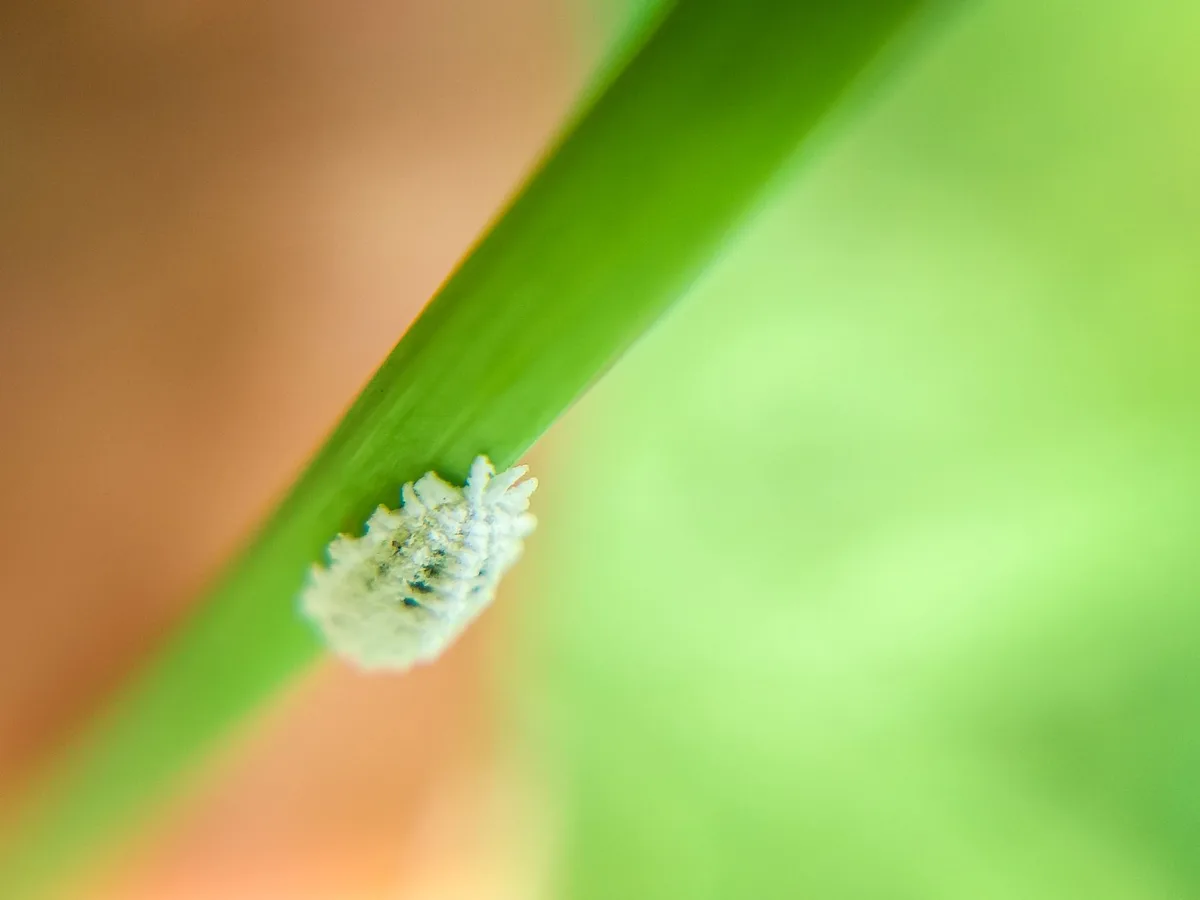
Start by inspecting the plant under bright light. Check leaf joints, undersides of leaves, and new growth. Mealybugs cluster in these spots because the tissue is tender and easy to pierce.
Use a flashlight if you're working with dense foliage.
Dip a cotton swab in 70% rubbing alcohol. Touch the swab directly to each mealybug. The alcohol dissolves the waxy coating instantly and kills the bug.
Wipe the swab on a paper towel and repeat. You'll see the white residue transfer to the swab.
For larger colonies, spray the plant with a mix of 1 part rubbing alcohol to 3 parts water. Put the mix in a spray bottle and coat all surfaces. Wait 10 minutes, then rinse the plant with lukewarm water.
This prevents leaf burn and removes dead bugs and honeydew.
Repeat every 5 to 7 days for 3 to 4 weeks. Mealybug eggs hatch in 5 to 10 days, so multiple treatments catch new crawlers before they mature. If you stop too soon, the infestation will bounce back.
Isolate the infested plant while you're treating it. Mealybugs spread slowly, but crawlers can migrate to nearby plants. Keep the plant at least 3 feet away from other greenery until you've gone 2 weeks with no new bugs.
If the infestation is severe (dozens of bugs per leaf, heavy honeydew buildup, sooty mold everywhere), consider discarding the plant. Sometimes it's easier and safer to start fresh than to fight a losing battle. Bag the plant and throw it in the trash.
Don't compost it, or you'll spread eggs and crawlers.
Mealybugs vs. Other Household Pests: Safety Comparison
Mealybugs rank low on the household pest danger scale. They're far less risky than bedbugs, cockroaches, or rodents. Here's how they stack up against common indoor pests.
| Pest | Bites Humans | Spreads Disease | Damages Property | Affects Pets |
|---|---|---|---|---|
| Mealybugs | No | No | Plants only | No |
| Aphids | No | No | Plants only | No |
| Spider Mites | No | No | Plants only | No |
| Fungus Gnats | No | No | Plant roots | No |
| Thrips | Rare, minor | No | Plants only | No |
| Bed Bugs | Yes | No | No | No |
| Fleas | Yes | Rare | No | Yes |
| Cockroaches | Rare | Yes | Food/Books | Rare |
Mealybugs don't bite, don't spread pathogens, and don't damage anything except plant tissue. Compare that to fleas, which bite humans and pets and can transmit tapeworms and Bartonella. Or cockroaches, which contaminate food and trigger asthma in children.
The worst mealybugs will do is kill your favorite flowering plants or leave sticky honeydew on your furniture. That's annoying, but it's not a health crisis. You don't need an exterminator.
You just need a spray bottle and some patience.
If you're dealing with multiple pest types, prioritize the ones that bite or spread disease. Handle mealybugs with manual removal or soap spray, and save the heavy-duty pesticides for pests that actually threaten your health.
When to Worry: Red Flags That Need Attention
Most mealybug infestations are manageable at home. But a few situations call for extra caution or professional help.
If you see mealybugs on food crops and you've already harvested produce, discard anything with visible bugs or honeydew. Don't risk eating contaminated food, even though the bugs themselves are harmless. The honeydew can harbor bacteria or mold spores.
If you develop a rash, hives, or difficulty breathing after handling mealybugs, stop immediately and wash your hands. This is rare, but it can happen if you're allergic to insect proteins. If symptoms persist or worsen, see a doctor.
You may need an antihistamine or topical steroid.
If your pet eats a large number of mealybugs and then vomits, has diarrhea, or acts lethargic, the problem is probably the plant, not the bugs. Many houseplants are toxic to cats and dogs. Contact your vet and bring a sample of the plant for identification.
If you find mealybugs in a commercial greenhouse, nursery, or shared community garden, report it to the site manager. Large infestations can spread to neighboring properties and crops. Some states require mandatory reporting of heavy mealybug infestations on commercial citrus or grape crops because they can transmit plant viruses.
If you've treated an infestation for 6 weeks with no improvement, you may have a hidden reservoir of bugs in the soil or pot drainage holes. Repot the plant in fresh soil and sterilize the old pot with a 10% bleach solution. If the plant still declines, it may be too damaged to save.
Common Myths About Mealybug Safety (Debunked)
Mealybugs don't bite. They have no mandibles or stingers. Their mouthparts only pierce soft plant tissue.
If you feel a pinch near an infested plant, look for spiders or thrips instead.
Mealybugs don't infest your home like bedbugs or ants. They live on plants, not in furniture, carpets, or walls. Once you remove or treat the plant, the bugs are gone.
They can't survive without a host plant to feed on.
Honeydew isn't toxic or dirty in the disease sense. It's just processed plant sap. It's sticky and attracts ants, but it won't make you sick if it gets on your skin or furniture.
Wipe it off with soapy water.
Frequently Asked Questions
Can mealybugs live on humans or pets?
No. Mealybugs only live on plants. They can't feed on human or animal skin.
If a bug lands on you, it's just passing through. Brush it off and move on.
Do mealybugs spread diseases to people?
No. Mealybugs don't carry or transmit human diseases. They can spread plant viruses between crops, but those viruses only affect plants.
There's no crossover risk to people or animals.
Is it safe to use neem oil indoors?
Yes, if you ventilate the room and let the spray dry before people or pets return. Neem oil is low-toxicity but can irritate lungs if inhaled while wet. Apply it outdoors or near an open window when possible.
How long does it take to get rid of mealybugs safely?
Expect 3 to 4 weeks of weekly treatments. Eggs hatch every 5 to 10 days, so you need multiple rounds to catch new crawlers. Manual removal or soap spray works if you're consistent.