How to Fix Aphids 2026
You've spotted tiny green bugs clustering on your tomato shoots, your rose leaves are curling, or sticky residue is coating your houseplant's sill. Aphids reproduce fast, population doubling every two to three days under ideal conditions, and knowing how to fix aphids means matching the right method to the severity you're seeing, not spraying everything with the strongest chemical on day one.
The USDA Agricultural Research Service documents more than 80 aphid species across North America, each with slightly different habits but the same core weakness: soft bodies that respond to escalating treatment. Here's how to diagnose your infestation level and pick the fix that works.
Quick Answer
Check leaf undersides and new growth for clusters of small, pear-shaped insects. Light infestations (a few dozen aphids) wash off with a firm garden-hose spray. Moderate colonies need insecticidal soap applied every seven days for two to three cycles.
Heavy infestations with honeydew, sooty mold, and curled leaves call for neem oil or pyrethrin, plus removal of badly damaged foliage. Always treat ants if they're present, because they protect aphids and undo your progress.
What Aphids Are and Why They're Hard to Get Rid Of
Aphids are soft-bodied, sap-sucking insects about one to three millimeters long. Most species are green or black, though you'll also see pink, yellow, or woolly-coated varieties depending on host plant and time of year. They pierce plant tissue with needle-like mouthparts and feed on phloem sap, which is rich in sugars but low in protein.
To get enough protein, aphids consume huge volumes of sap and excrete the excess as honeydew, the sticky, clear liquid you see on leaves and the ground below.
Aphids reproduce through parthenogenesis, meaning females give live birth to clones without mating. A single adult can produce 40 to 60 nymphs in her lifetime, and those nymphs mature in seven to ten days. That's why a small cluster on Monday becomes a crowded colony by the weekend.
Most generations are wingless, but when a colony gets overcrowded or the host plant deteriorates, winged forms (alates) develop and fly to new plants. This escape mechanism makes reinfestation common if you only treat one plant in a multi-plant garden.
Ants complicate control. Many ant species farm aphids, protecting them from predators and even moving them to fresh shoots. In exchange, ants harvest honeydew.
If you see a line of ants marching up your plant stem, you're dealing with a managed aphid herd, and any treatment that ignores the ants will fail.
Aphids also vector plant viruses, mosaic viruses, leaf-curl viruses, and others, so even a small population can cause lasting damage beyond the visible leaf curl or yellowing. Early detection and appropriate escalation are the two principles that prevent both immediate crop loss and long-term disease spread.
How to Tell If You Actually Have an Aphid Problem
Start by checking the undersides of leaves, especially on new growth and flower buds. Aphids congregate where tissue is tender and sap flow is strongest. Look for clusters of small, soft-bodied insects that don't fly away when disturbed.
If you see them, you've confirmed aphids.
Next, check for secondary signs. Curled or puckered leaves indicate feeding damage. Yellowing, especially on lower leaves, suggests nutrient stress from prolonged sap loss.
Sticky spots on leaves or surfaces below the plant are honeydew deposits. Black sooty mold growing on that honeydew confirms the aphids have been there long enough for fungal colonization.
Watch for ants. If you see ants running up stems or patrolling leaves, flip a leaf and you'll usually find aphids underneath. The ants won't be random, they'll follow the same route repeatedly, herding and defending their charges.
Distinguish aphids from other small insects. Aphids are slow-moving and stay in clusters. They have two tube-like structures (cornicles) projecting from their rear end, which whiteflies and thrips lack.
Whiteflies scatter in a cloud when disturbed; aphids stay put. Scale insects are immobile and waxy; aphids walk. If you're unsure, crush one gently, aphids are soft and leave a wet smear, unlike hard-bodied beetles or scale.
Finally, assess plant health. Stunted new growth, distorted shoots, or failure to flower all point to sustained aphid feeding. On edibles like beans or lettuce, aphid damage can halt fruit set entirely.
On ornamentals, heavy infestations disfigure the plant and attract secondary pests.
Match Your Treatment to the Infestation Level
Aphid control is a decision tree, not a one-size recipe. You escalate based on three variables: how many aphids you see, what you're growing, and where the plant lives (indoor, outdoor, edible, ornamental). Overreacting wastes money and kills beneficial insects.
Underreacting lets the population explode.
Use this framework to pick your starting point.
| Infestation Level | Visual Cues | First Treatment | Retreat Interval |
|---|---|---|---|
| Light | Clusters on 1–3 leaves, no visible damage | Water spray or manual removal | Monitor daily; retreat only if population rebounds |
| Moderate | Multiple colonies, some leaf curl, honeydew spots | Insecticidal soap or horticultural oil | Every 7 days for 2–3 cycles |
| Heavy | Widespread colonies, stunted growth, sooty mold, ants present | Neem oil or pyrethrin, prune damaged growth, treat ants | Every 7 days until population is suppressed, then weekly monitoring |
Indoor infestations always start at moderate or heavy because you don't catch them early, there are no rain showers or predators to slow them down. Outdoor infestations can be caught light if you inspect weekly during spring and fall, the two peak aphid seasons in most climates.
Light Infestation (Spotted Early, Small Clusters)
You've found fewer than 50 aphids total, mostly on one or two shoots. No leaf curl yet, no sticky residue, no ants.
Water spray. Aim a garden hose at the affected leaves, top and bottom, using firm pressure but not a jet setting that tears foliage. Aphids can't climb back up once dislodged, and most drown or get eaten by ground beetles. Repeat every other day for a week, then monitor.
This works outdoors on sturdy plants, roses, shrubs, tomatoes, but not on seedlings or delicate indoor plants.
Manual removal. For houseplants or small herb pots, wipe leaves with a damp cloth or paper towel. Crush the aphids as you go. It's slow but effective when numbers are low.
Check undersides and growing tips. Rinse the cloth frequently so you don't spread aphids from leaf to leaf.
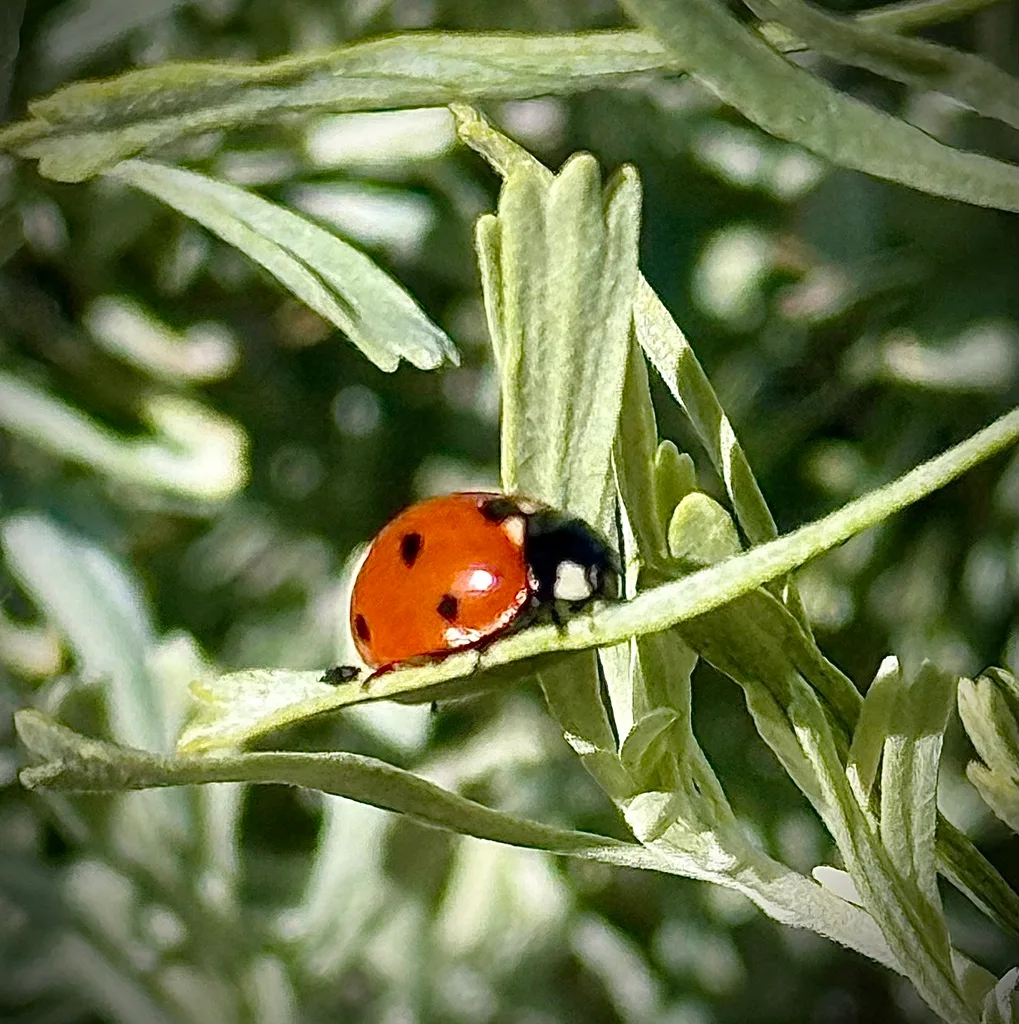
Do nothing and monitor. If you're growing plants suited to beneficial insects outdoors and you see ladybugs or lacewing larvae nearby, wait 48 hours before intervening. Natural predators often clear light infestations faster than you can, and spraying, even with soap, kills the helpers.
At this stage, avoid neem oil, pyrethrin, or systemic insecticides. They're overkill, and premature use builds resistance or harms non-target species.
Moderate Infestation (Multiple Colonies, Visible Damage)
You're seeing dozens of aphids per leaf, clusters on five or more leaves, some curling or yellowing, and sticky spots on lower foliage or nearby surfaces. Ants may be starting to show up.
Insecticidal soap. This is a contact killer made from potassium salts of fatty acids. It disrupts aphid cell membranes on contact but breaks down quickly, leaving no residue. Mix two to five tablespoons of concentrate per gallon of water (follow the product label), and spray all plant surfaces until runoff.
Focus on leaf undersides and shoot tips where aphids hide.
Apply early morning or late evening when temps are below 85°F. Hot sun accelerates drying and can cause leaf burn, especially on tender foliage. Repeat every seven days for two to three cycles.
Aphids reproduce in seven to ten days, so the second and third applications catch newly hatched nymphs that weren't hit the first time.
Insecticial soap is safe for edibles with no pre-harvest interval, but rinse produce before eating. It won't harm bees or beneficials once dry, but avoid spraying pollinators directly.
Horticultural oil. A refined petroleum or plant-based oil that smothers aphids and eggs. It's slightly more persistent than soap and works well in cool weather. Apply the same way: thorough coverage, repeat in seven days.
Don't use horticultural oil on drought-stressed plants or in temps above 85°F. Some species, blue spruce, Japanese maples, certain ferns, are oil-sensitive, so test a small area first or choose soap instead.
If you're treating indoor plants or seedlings under grow lights, take the plant outside or into a well-ventilated space before spraying. Soap and oil both leave a film that can reduce photosynthesis if applied in an enclosed, low-airflow room.
Heavy Infestation (Widespread, Stunted Growth, Honeydew Present)
Every new shoot is covered, leaves are tightly curled, sooty mold is growing on honeydew, and ants are actively tending the colonies. Growth has stopped, flowers are absent or deformed, and the plant looks stressed.
Prune first. Remove heavily infested shoots and leaves. Bag them and discard, don't compost, because aphids can survive and reinfest. Pruning reduces the aphid population by 50 to 70 percent instantly and improves spray coverage on what remains.
Neem oil. Extracted from the neem tree, this works as both a contact killer and a feeding deterrent. The active compound azadirachtin disrupts aphid molting and reproduction. Mix two tablespoons of pure neem oil per gallon of water with a few drops of dish soap as an emulsifier.
Spray every seven days for three cycles, covering all surfaces.
Neem can burn tender leaves in heat or strong sun, so apply at dusk and avoid treating plants already stressed by drought or transplant shock. It has a strong odor that fades after a few hours. Pre-harvest interval is typically zero to one day for edibles, but check your product label.
Pyrethrin. A botanical insecticide derived from chrysanthemum flowers, pyrethrin delivers fast knockdown. It's your go-to when aphids are so dense that slower methods won't save the plant. Spray at dusk to minimize bee exposure, pyrethrin is highly toxic to pollinators while wet but breaks down in sunlight within hours.
Use pyrethrin sparingly. It's broad-spectrum, meaning it kills beneficials as well as pests. Reserve it for true emergencies: heavy infestations on fruit trees, vegetable starts about to be ruined, or indoor plants where other methods failed.
Treat ants. Place ant bait stations at the base of the plant or along ant trails. Liquid bait with borax or fipronil works best, workers carry it back to the colony. If ants are nesting in the soil, drench the area with an insecticidal soap solution or apply granular bait.
Without ant protection, aphids become vulnerable to predators and follow-up treatments.
The Water Blast Method: When and How to Use It
Water spray is the cheapest, safest aphid control, but it only works in specific conditions. You need sturdy outdoor plants, a hose with adjustable pressure, and the willingness to repeat the process every two to three days for a week.
Best for: roses, tomatoes, peppers, shrubs, perennials with firm leaves. Outdoor only.
Avoid on: seedlings, lettuce, herbs with delicate foliage, houseplants (the water volume and pressure cause soil splash and root disturbance), shade-loving plants with thin leaves.
Set your hose nozzle to a firm spray, not mist, not jet. Hold the nozzle 12 to 18 inches from the foliage and sweep upward under each leaf, targeting clusters. Work systematically from bottom to top so dislodged aphids fall to the ground instead of onto lower leaves.
Don't skip the growing tips and flower buds, that's where new colonies start.
Aphids can't climb wet stems, and most that hit the ground are eaten by ground beetles, spiders, or ants (the non-farming species). A small percentage may crawl back up, which is why you repeat every other day until you see zero aphids on two consecutive inspections.
Water blasting works best in morning so foliage dries by afternoon, reducing disease risk. In hot climates, early evening is fine, the overnight dry period is usually enough. Skip this method during bloom on plants you want pollinators to visit; wet flowers don't attract bees.
Pair water spray with weekly inspections. If aphids reappear within three days, escalate to insecticidal soap. If they don't reappear for a week, you've broken the cycle.
Insecticidal Soap: How It Works and When to Apply It
Insecticidal soap kills aphids by penetrating their outer cuticle and disrupting cell membranes, causing dehydration and death within hours. It's a contact killer with no residual activity, so coverage is everything. Miss the underside of one leaf and the survivors rebuild the colony in a week.
Active ingredient: potassium salts of fatty acids. Not the same as dish soap, which often contains degreasers, fragrances, and surfactants that damage plants.
Application timing: early morning or evening, temps below 85°F, no rain forecast for 24 hours. Soap needs at least two hours of dry contact time to work, but leaving it on foliage in full sun or high heat increases burn risk.
Mix according to label, usually two to five tablespoons per gallon. Use a pump sprayer, trigger bottle, or hose-end sprayer. Shake frequently during application; soap settles.
Spray until the plant is dripping, hitting every surface. Pay special attention to:
- Leaf undersides (where 80 percent of aphids hide)
- Growing tips and unfurling leaves
- Flower buds and stems
- The junction where leaves meet stems
Don't spray open flowers if you want pollinators to visit. Once the soap dries (two to four hours), it's inert and safe for bees. But wet soap is slippery and repellent, and it can kill small bees on contact.
Repeat in seven days. Aphid eggs aren't always killed by soap, and newly hatched nymphs appear within a week. A second application catches that flush.
If you still see aphids after two treatments, add a third cycle or escalate to neem oil.
What insecticidal soap won't do: it won't prevent new aphids from landing. It won't kill aphids inside curled leaves where spray can't reach. It won't control root aphids.
And it breaks down in hours, so there's no protection after the day you spray. That's why you pair soap with monitoring and repeat applications, not one-and-done hoping.
Safe for edibles with zero wait time, but rinse produce under running water before eating. The soap itself is non-toxic, but it tastes unpleasant and leaves a film.
Neem Oil for Aphid Control: Application Timing and Plant Safety
Neem oil contains azadirachtin, a compound that disrupts aphid molting, feeding, and egg-laying. It works slower than soap or pyrethrin but offers residual protection for seven to fourteen days, making it useful when you need more than a quick knockdown.
Mix two tablespoons of pure neem oil per gallon of water, adding a few drops of liquid dish soap to help the oil emulsify. Shake the sprayer every few minutes during application. Neem separates quickly, and uneven concentration can cause leaf burn or poor coverage.
Apply at dusk or on an overcast day. Neem exposed to strong sunlight and temps above 85°F increases the risk of phytotoxicity, especially on thin-leaved plants like lettuce, impatiens, or ferns. Wait at least 24 hours between neem application and any heat wave.
If your forecast shows three days of 90°F-plus weather, delay the spray or use insecticidal soap instead.
Test a small area first if you're treating a species you haven't sprayed before. Some plants, particularly those with waxy or blue-tinted foliage, react poorly to oil-based products. Wait 48 hours and check for yellowing, spotting, or wilting before treating the whole plant.
Neem has a strong, earthy smell that fades within a few hours outdoors but lingers longer on indoor plants. Ventilate the room or move the plant outside for application if odor is a concern. The smell doesn't harm people or pets, but it's noticeable.
Repeat every seven to ten days for two to three cycles. Azadirachtin breaks down in sunlight and water, so reapplication is necessary to catch newly hatched nymphs and maintain deterrent pressure. Don't exceed four applications per season on edibles.
Overuse can stress plants and hasn't been shown to improve results beyond three treatments.
Using Beneficial Insects (Ladybugs, Lacewings, Parasitic Wasps)
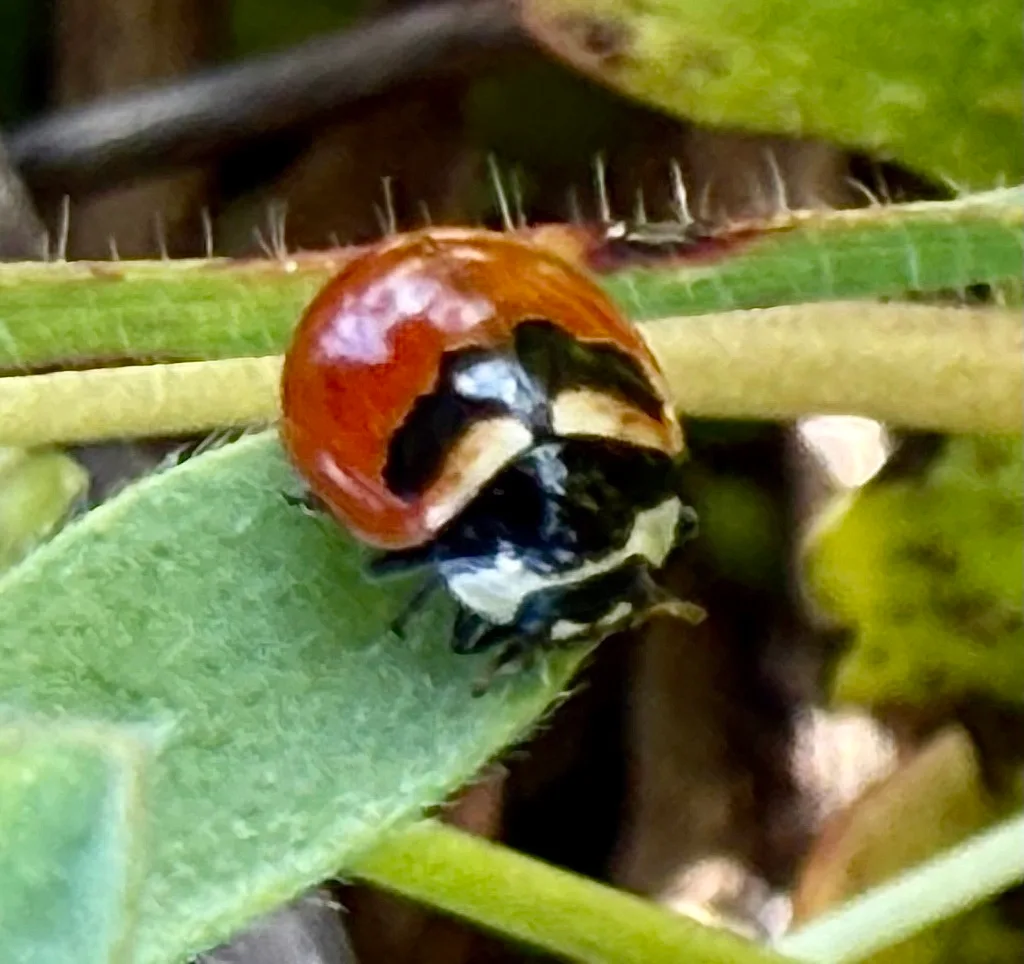
Releasing beneficial insects works best outdoors when aphid populations are moderate and you're willing to wait three to seven days for results. Ladybugs, lacewings, and parasitic wasps all prey on aphids, but each has different requirements and success rates.
Ladybugs (Hippodamia convergens). Adult ladybugs eat 40 to 60 aphids per day. Larvae eat even more. You'll typically buy 1,500 ladybugs for a small garden or greenhouse.
Release them at dusk after watering the plants. Wet foliage encourages them to stay and drink before dispersing. Most will fly away within 48 hours, but if aphid populations are high enough, a percentage will remain and lay eggs.
Lacewings (Chrysoperla species). Sold as eggs or larvae. The larvae are the aphid hunters, each consuming 200-plus aphids during their two-to-three-week larval stage. Scatter eggs near infested plants or release larvae directly onto colonies.
Lacewings don't fly away immediately like adult ladybugs, so retention is better. They work well in greenhouses and on flower beds where repeated releases build a resident population.
Parasitic wasps (Aphidius species). Tiny wasps that lay eggs inside aphids. The larva consumes the aphid from the inside, leaving a brown, mummified shell. You'll see these "aphid mummies" on leaves a week after release.
Each wasp can parasitize dozens of aphids. They're most effective when released early in the season before populations explode. They don't sting people and are nearly invisible during the day.
Release beneficials only after you've stopped spraying. Even organic products like neem and soap kill lacewing larvae and parasitic wasps on contact. Wait at least five days after your last spray before introducing predators, and avoid any spraying for two weeks afterward.
Don't release indoors unless you're using a true greenhouse with ventilation and multiple plants. A single houseplant won't provide enough food or habitat to sustain ladybugs or lacewings, and they'll die or cluster near windows trying to escape.
Horticultural Oil vs Neem Oil: Which One to Choose
Both oils smother aphids and disrupt feeding, but they differ in active ingredients, residual activity, and plant tolerance.
| Feature | Horticultural Oil | Neem Oil |
|---|---|---|
| Active mechanism | Physical suffocation | Suffocation plus azadirachtin (feeding/molting disruptor) |
| Residual protection | None (contact kill only) | 7–14 days |
| Temperature limit | Apply below 85°F | Apply below 85°F, avoid direct sun |
| Safe for edibles | Yes, rinse before harvest | Yes, 0–1 day pre-harvest interval |
| Cost per gallon mixed | $3–$6 | $8–$15 |
| Odor | Mild or none | Strong, earthy |
| Best use case | Cool-weather infestations, oil-tolerant plants | Warm-weather prevention, repeat infestations |
Choose horticultural oil when you need a low-cost contact killer with no odor and you're treating in spring or fall when temps stay below 80°F. It's ideal for roses, fruit trees, and shrubs that tolerate oil sprays well.
Choose neem oil when you're dealing with repeat infestations and want residual deterrent activity. The azadirachtin discourages aphids from settling even after the spray dries, which helps break the cycle on plants that attract aphids season after season. It's particularly useful on vegetables and ornamentals where you can't use synthetic systemics.
Never mix the two. Combining oils doubles the risk of phytotoxicity without improving efficacy. Stick to one per treatment cycle, and if you need to switch, wait seven days and rinse foliage with plain water before applying the other.
When to Use Pyrethrin or Stronger Knockdown Sprays
Pyrethrin is your last-resort option for severe infestations where slower methods won't save the plant in time. It's a botanical extract from chrysanthemum flowers, toxic to a wide range of insects including bees, so timing and restraint matter.
When pyrethrin makes sense: heavy aphid colonies on young vegetable transplants about to be destroyed, fruit trees with pre-bloom infestations that threaten the crop, or indoor plants where other treatments failed and you're about to discard the specimen.
When to skip it: light or moderate infestations, any time flowers are open and pollinators are active, or outdoor gardens where beneficial insects are already present. Pyrethrin kills lacewing larvae, ladybug larvae, parasitic wasps, and predatory beetles on contact.
Apply at dusk when bees have returned to their hives. Pyrethrin breaks down in sunlight within hours, so by morning the residue is minimal and far less toxic. Never spray in early morning or midday if blooms are present.
Use a pump sprayer, not a hose-end applicator. You want controlled, targeted coverage, not broadcast application. Spray only the infested plants and avoid drift onto neighboring flowers or herbs.
Focus on aphid clusters, leaf undersides, and growing tips.
One application is usually enough. Pyrethrin delivers fast knockdown, and most aphids die within 15 to 30 minutes. If survivors remain after 48 hours, switch to neem oil or soap for follow-up rather than repeat pyrethrin.
Repeated use increases the chance of resistance and harms non-target species.
Pyrethrin is toxic to fish and aquatic invertebrates. Don't spray near ponds, streams, or water gardens. If runoff is a concern, hand-remove heavily infested shoots and bag them instead of spraying.
Indoor Aphid Treatment vs Outdoor: Key Differences
Indoor infestations are harder to control because there's no rain, no predators, and no seasonal die-off. You're managing a closed system where every missed aphid becomes next week's colony.
Isolation first. Move the infested plant away from others immediately. Aphids don't jump, but winged forms develop when colonies get crowded, and those can fly short distances to nearby pots. Quarantine the affected plant in a separate room or on a porch until you've completed two treatment cycles with zero aphids visible.
Adjust your method. Water blasting indoors is messy and impractical. Use a damp cloth or cotton swab dipped in diluted insecticidal soap to wipe leaves manually. For moderate infestations, take the plant outside or into a bathtub, spray thoroughly with soap, let it sit for two hours, then rinse gently and return it indoors.
Monitor more frequently. Check every three days instead of weekly. Indoor temps and humidity favor continuous reproduction, so populations rebound faster than they do outdoors. Catching a new flush early means one wipe-down instead of another full spray cycle.
Skip beneficial insects. Ladybugs and lacewings need outdoor conditions to thrive. Released indoors, they'll cluster at windows, die within days, and provide no meaningful control. Stick to manual removal, soap, or neem for houseplants.
Outdoor treatment benefits from environmental allies. Rain dislodges aphids, wind disperses colonies, and predators like hoverfly larvae and spiders provide ongoing suppression. You can use water spray, release beneficials, and rely on natural die-off during cold snaps.
Outdoor infestations caught early often resolve with minimal intervention.
How to Deal with Ants Protecting Aphids
If ants are present, treating aphids alone won't work. Ants defend aphid colonies from predators, move aphids to fresh growth, and even carry them indoors to houseplants. You have to disrupt the partnership.
Identify the trail. Watch where ants enter and exit the plant. They'll follow the same route repeatedly, usually up the stem from the soil or along a fence or trellis. Mark the trail with a stick or flag so you know where to intervene.
Apply ant bait. Place liquid bait stations at the base of the plant or along the trail, a few inches away from the stem. Boric acid or fipronil-based baits work well. Worker ants carry the bait back to the colony, killing the queen and collapsing the nest within one to two weeks.
Don't spray ants with insecticide. That kills the workers instantly but doesn't reach the colony, and the farm operation resumes the next day.
Physical barriers. Wrap the plant stem or pot rim with sticky tape (Tanglefoot or similar) to block ant access. Ants won't cross the sticky band, cutting off their route to the aphids. Reapply every two to three weeks as dust and debris reduce stickiness.
Treat the aphids immediately after ant control. Once ants stop patrolling, predators like ladybugs and lacewings can reach the aphid colonies. Spray with soap or neem within 24 hours of installing bait or barriers. Without ant protection, aphid populations crash faster and beneficial insects establish more easily.
If ants are nesting in the soil around the plant, drench the area with insecticidal soap or apply granular ant bait directly to the mound. For potted plants, repot into fresh soil if you see ants tunneling through the root ball.
Root Aphids: Why They're Different and How to Treat Them
Root aphids feed on plant roots below the soil line, making them invisible until plants show severe stress. You'll see wilting, yellowing, and stunted growth that looks like drought or nutrient deficiency. Pull the plant and you'll find white, waxy-coated aphids clustered on roots.
Root aphids are almost always attended by ants, which build tunnels to protect them. If you see ant mounds near struggling plants, dig gently around the root zone and look for clusters. Standard foliar sprays don't reach them, so treatment requires soil drenches or systemic products.
For ornamentals, drench the soil with a diluted insecticidal soap solution or apply imidacloprid granules per label directions. For edibles, remove the plant, rinse roots under running water to dislodge aphids, repot in fresh soil, and monitor closely. Root aphids spread slowly but are hard to eliminate once established.
Treatment Mistakes That Make Aphid Problems Worse
Spraying during peak heat or full sun causes leaf burn and reduces efficacy. Apply all treatments early morning or evening when temps are below 85°F.
Skipping leaf undersides leaves the bulk of the colony untouched. Eighty percent of aphids hide on the underside, so if your spray only hits the top, you've missed most of the target.
Using dish soap instead of insecticidal soap damages plant tissue. Dish soap contains degreasers and fragrances that harm foliage. Always use a product labeled for plants.
Stopping after one application lets survivors rebuild. Aphids reproduce every seven to ten days, so single treatments rarely work. Plan for two to three cycles spaced a week apart.
How Often to Retreat and When to Escalate
Treat every seven days for two to three cycles, then monitor weekly. If aphids reappear within five days of the last spray, escalate. Move from water spray to soap, soap to neem, neem to pyrethrin.
If three neem cycles don't suppress the population, check for ants or root aphids. Hidden colonies and ant farming explain most treatment failures. Address those variables before repeating the same method.
Preventing Reinfestation After You've Cleared Them
Inspect new plants before bringing them home. Flip a few leaves and check growing tips. Quarantine new arrivals for a week away from your main garden.
Plant aphid-repellent companions like garlic, chives, or marigolds near susceptible crops. Use reflective mulch under vegetables, which disorients aphids and reduces landing rates.
Prune overcrowded growth to improve airflow. Dense foliage creates microclimates aphids love. Thinning shoots and removing lower leaves on tomatoes and peppers makes colonies easier to spot and spray.
Decision Guide: What Treatment to Use Based on Your Situation
Outdoor vegetables, light infestation, no ants: water spray every other day for a week.
Indoor houseplant, moderate infestation: manual wipe-down with diluted soap, repeat in seven days.
Roses or shrubs, moderate to heavy, ants present: treat ants with bait, prune damaged growth, spray neem oil every seven days for three cycles.
Edible herbs or lettuce, any infestation level: insecticidal soap only. Skip neem if harvest is within three days.
Fruit trees, pre-bloom heavy infestation: pyrethrin at dusk, follow with neem in seven days, release lacewings after ten days.
Seedlings under grow lights, any level: isolate immediately, wipe leaves, spray soap if moderate, discard and start over if heavy.
Frequently Asked Questions
Can I use homemade soap spray instead of insecticidal soap?
Mix one tablespoon of pure castile soap (no additives, fragrance, or degreasers) per quart of water. Test on a small area first. Homemade sprays work but lack the refined surfactants in commercial insecticidal soap, so coverage and safety are less predictable.
How long does it take to get rid of aphids completely?
Two to three weeks with consistent treatment. Light infestations clear in one week. Heavy infestations need three spray cycles spaced seven days apart, plus monitoring for another week to catch stragglers.
Will aphids kill my plant?
Rarely, but they can severely stunt growth and transmit viruses that cause long-term damage. Young seedlings and stressed plants are most vulnerable. Mature, healthy plants tolerate moderate aphid feeding if you intervene within two weeks.
Do I need to treat all my plants if I only see aphids on one?
Inspect all plants within ten feet. Treat only those showing aphids or adjacent plants if winged forms are present. Preventive spraying on unaffected plants isn't necessary and kills beneficial insects.
Are aphids harmful to humans or pets?
No. Aphids don't bite, sting, or carry diseases that affect mammals. Insecticidal soap and neem oil are low-toxicity to people and pets once dry.
Keep pets away from fresh applications and rinse edibles before eating.