What Causes House Flies 2026
House flies show up when they find three things: food, moisture, and a place to breed. If you've got flies buzzing around your kitchen or clustered near your trash, it's because they've detected organic material that's decomposing somewhere nearby, either indoors or just outside. What causes house flies isn't a mystery, it's a checklist of conditions that can almost always be narrowed down with a systematic look at your space.
A single female house fly (Musca domestica) can lay up to 500 eggs in her short lifespan, and those eggs can mature into breeding adults in as little as seven days during warm weather. That fast reproduction cycle means even a small overlooked source can turn into a full-blown infestation in under two weeks. Let's walk through how to figure out exactly what's drawing them in and where they're coming from.
Quick Answer
House flies appear when they detect decaying organic matter, moisture, or accessible food sources. Common causes include unsealed trash, pet waste, dirty drains, compost bins, and rotting produce. Flies also enter through gaps around doors, torn window screens, and open garages.
Identifying whether you have an active breeding site indoors or flies migrating in from outside is the first step to solving the problem.

Why House Flies Show Up in the First Place
House flies don't just wander in randomly. They're drawn by olfactory cues, meaning they can smell food and organic decay from surprisingly long distances, up to a mile or more depending on wind and weather. Once they pick up the scent of fermenting sugars, proteins breaking down, or animal waste, they follow it straight to the source.
The species Musca domestica evolved alongside humans and livestock, which is why they're so comfortable in and around our homes. They need moisture to survive and organic material to lay their eggs. Any spot where food scraps, garbage, or waste accumulates becomes a potential breeding ground.
Temperature plays a big role too. House flies thrive in temperatures between 80 and 90°F, which is why you see the biggest surges in summer and early fall. Below 50°F, their reproduction slows dramatically, and in cold climates, indoor flies often breed year-round in heated spaces like kitchens, basements, and garages.
If you're dealing with flies, you're dealing with at least one of these three scenarios: an indoor breeding site you haven't spotted yet, an outdoor breeding ground close to your home, or structural gaps that let flies migrate in freely from the outside.
The Two Types of Fly Problems: Active Breeding vs. Passive Entry
Understanding whether you have an active infestation or just opportunistic entry changes everything about how you fix it. Active breeding means flies are laying eggs and reproducing somewhere on or near your property. Passive entry means flies are coming in from elsewhere, typically neighboring properties, farms, or dumpsters, and they're just passing through or feeding opportunistically.
Active breeding is the more serious problem. You'll see flies appear consistently, often in large numbers, and they'll return within days even after you've cleaned. The eggs hatch fast, the larvae mature in hidden spots, and new adults emerge on a rolling cycle.
If you've got 20 or 30 flies appearing suddenly after a few warm days, you've almost certainly got a breeding site.
Passive entry looks different. You'll see a handful of flies here and there, often entering through the same door or window. They're not reproducing inside, they're just exploiting access.
You might notice them more when the garage door is open, or after you've brought groceries in. The numbers stay relatively low and don't escalate unless something changes.
Here's a quick diagnostic: if you clean thoroughly, take out the trash, and still see a dozen new flies the next day, you've got breeding. If the flies mostly disappear after you close up entry points and stay vigilant about doors, it's passive entry.
Most households deal with a mix of both, which is why a one-size-fits-all solution doesn't work. You need to identify your specific situation before you can stop the cycle.
How to Tell Where Your Flies Are Actually Coming From
Start with observation. Spend a few minutes watching where the flies congregate. Are they clustered around the kitchen trash?
Hovering near a drain? Swarming outside near the compost bin? Flies don't move randomly, they stick close to food and moisture.
Walk through your home and yard with a checklist mindset. Indoors, focus on kitchens, bathrooms, laundry rooms, pet areas, and anywhere food or waste is stored. Outdoors, check trash bins, compost piles, pet waste zones, drainage areas, and anywhere organic material collects.
Look for the larvae, not just the adults. Fly maggots are white, legless, and about a quarter-inch long. They're usually found in moist, decaying material.
If you find maggots, you've found the breeding site. Common hiding spots include the bottom of trash cans, under sink cabinets where a slow leak has created dampness, in pet food bowls left out too long, or in the folds of a dirty mop.
Timing matters too. If flies suddenly appear after you've been away for a weekend, check for spoiled food in the fridge or a piece of fruit that rolled under a cabinet. If they spike every week on trash day, your outdoor bins are probably the source.
One overlooked clue is the time of day. House flies are most active in bright light and warm temperatures. If you see a swarm in the late afternoon near a south-facing window, they're probably trying to get outside after breeding somewhere indoors overnight.
Don't assume the most obvious spot is the only spot. Flies exploit any opportunity. We've seen cases where a single rotting potato in a pantry, a forgotten bag of dog food with a torn corner, or a wet towel left in a laundry basket for days became a full breeding ground.
Indoor Breeding Sites Most People Miss
House flies don't need much space or material to breed. A teaspoon of decaying organic matter in a warm, moist spot is enough for a female to lay a batch of eggs. That's why the most persistent infestations come from sources people overlook during routine cleaning.
Hidden Spots in the Kitchen
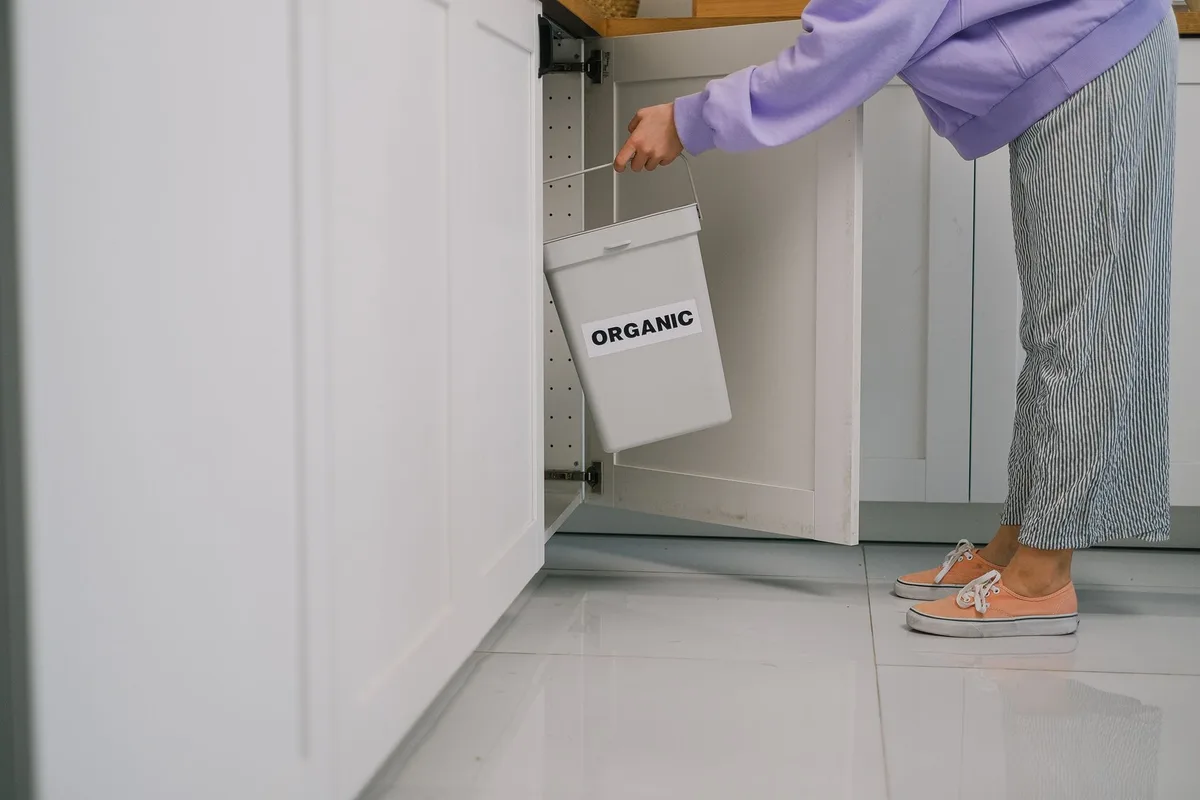
The kitchen is the number one indoor breeding zone. Start with the trash can, especially if you use a lidless bin or one with a foot pedal that doesn't seal completely. Even if you take the bag out daily, check the bottom of the can itself.
Juices from meat packaging, vegetable scraps, or spilled liquids pool there and create a perfect egg-laying site.
Next, check under and behind appliances. A piece of onion that rolled under the stove, grease buildup behind the fridge, or crumbs that fell into the gap between the counter and the dishwasher all decompose slowly and attract flies. Pull out your appliances twice a year and clean these zones thoroughly.
Look inside your garbage disposal and around the sink drain. Food particles stick to the rubber splash guard and the walls of the disposal, and they start to rot within days. If you notice a faint sour smell when you lean over the sink, you've found a likely breeding site.
Don't ignore the recycling bin. Cans and bottles with residual liquid, especially beer, juice, or soda, ferment quickly. Rinse everything before it goes into recycling, and clean the bin itself monthly.
Drains, Trash Bins, and Wet Areas
Bathroom and laundry room drains can harbor organic buildup that flies exploit. Shower drains collect hair, soap scum, and skin cells. Floor drains in basements or laundry rooms can accumulate lint and standing water.
If you see small flies near a drain, they might be drain flies (Psychodidae), but house flies will also breed in slower-moving drains if there's enough organic material.
Mop buckets, wet cleaning rags, and damp sponges left in a utility closet or under the sink are surprisingly common breeding spots. The combination of moisture and food residue creates an ideal environment. Rinse and dry all cleaning tools after every use, and replace sponges weekly.
Check under sinks for slow leaks. Even a tiny drip can create a damp spot where food particles or dust settle and decay. The dark, enclosed space is perfect for larvae to develop unnoticed.
If you have a water softener, sump pump, or utility sink in the basement, inspect the area around it. Stagnant water, salt residue, and debris can attract flies, especially in warmer months when basement temperatures rise.
Pet Zones and Litter Areas
Pet food and water bowls are a magnet for flies if you leave them out all day. Wet food spoils quickly, and even dry kibble can attract flies if it gets damp or if the bowl isn't cleaned daily. Wash pet dishes every evening and store dry food in airtight containers.
Litter boxes, especially if they're not scooped daily, are a known breeding site. Cat feces, damp litter, and the ammonia smell all draw flies. Place the litter box in a well-ventilated area, scoop it at least once a day, and do a full litter change weekly.
Dog waste in the yard is an even bigger issue. If you have a designated area where your dog goes, flies will breed there unless you pick up waste daily. Even dried feces can harbor eggs and larvae for days.
Consider setting up a small waste digester or using a scooper and sealed bin system.
Indoor accidents, if not cleaned immediately and thoroughly, can also become breeding sites. Urine soaked into carpet padding or feces tracked into a corner can stay moist enough for flies to exploit.
Less Obvious Indoor Sources
Houseplants with overwatered soil can attract flies, especially if organic fertilizer or compost has been mixed into the potting medium. The damp, nutrient-rich environment is ideal for larvae. Let the top inch of soil dry out between waterings, and avoid organic top-dressings indoors.
For more on managing indoor plant care, choose fertilizers that don't introduce excess moisture or decay.
Fresh produce left out on the counter, especially bananas, tomatoes, and stone fruits, starts to over-ripen and ferment within days in warm weather. Once fruit flies arrive, house flies often follow. Store ripe fruit in the fridge and discard anything that's starting to soften or bruise.
Check behind and inside storage areas. A bag of potatoes or onions stored in a dark pantry can rot from the inside out without you noticing until flies appear. Inspect all stored produce weekly and toss anything that's sprouting or softening.
Finally, look at less-trafficked areas like mudrooms, garages, and enclosed porches. A bag of birdseed with a torn corner, spilled pet treats, or even a cardboard box that got damp can become a breeding ground if it's ignored for a few weeks.
Outdoor Breeding Grounds That Feed Indoor Infestations
Even if your home is spotless inside, outdoor breeding sites within 100 feet of your doors and windows will send flies indoors every time someone opens a door. The closer the source, the worse the problem.
Trash and Compost Management Issues
Outdoor trash bins are the most common culprit. If your bins sit in the sun and don't get emptied for a week, the heat accelerates decomposition and creates an ideal breeding environment. Flies lay eggs directly on trash bags, in the gaps around the lid, and in the residue at the bottom of the bin.
Keep outdoor bins as far from entry doors as practical. Rinse them out with a hose and diluted bleach or vinegar every two weeks. If possible, store them in a shaded spot or a bin enclosure to keep temperatures down.
Compost bins are a double-edged sword. They're great for the garden, but if managed poorly, they turn into a fly factory. Flies are attracted to food scraps, especially meat, dairy, and anything fermenting.
If you compost, bury fresh scraps under a layer of browns (leaves, cardboard, sawdust) and turn the pile weekly to speed decomposition and reduce odors. For advice on managing outdoor composting without attracting pests, focus on balanced carbon-to-nitrogen ratios and proper aeration.
Open compost piles are worse than enclosed bins. If you don't have a lid or a tumbler, expect flies. Consider switching to a sealed system or moving the pile farther from the house.
Animal Waste and Livestock Proximity
Dog waste in the yard is one of the biggest outdoor contributors to house fly problems. A single pile of feces can support hundreds of larvae. If you have a dog, pick up waste daily and dispose of it in a sealed bag in the outdoor trash, not in a pile in the corner of the yard.
If you live near farms, stables, or neighbors with chickens, goats, or horses, you're dealing with a constant external source. Livestock manure is a primary breeding ground for house flies, and they'll travel from those sites into your home. You can't control what your neighbors do, but you can control your own entry points and sanitation.
Chicken coops in suburban backyards are a growing source of fly problems. If you keep chickens, clean the coop weekly, compost manure properly, and avoid letting feed spill onto the ground where it gets wet and ferments.
Decaying Organic Matter in Yards
Grass clippings, leaf piles, and garden waste left in heaps will attract flies as they decompose. If you mow and leave clippings in a pile instead of spreading them thin or bagging them, that pile becomes a breeding site within days in warm weather.
Mulch beds are usually fine, but if you use fresh, uncomposted organic mulch or pile it too thick, the bottom layer can stay damp and start to rot. Flies will move in. Stick with well-composted or hardwood mulch, and don't pile it more than three inches deep.
Fallen fruit is a major attractant if you have fruit trees. Apples, pears, plums, and figs that drop and split open ferment on the ground and draw flies by the dozens. Walk your yard daily during harvest season and pick up any fallen fruit.
For advice on fertilizing fruit trees to improve yield and reduce waste, proper feeding can actually reduce the volume of dropped, damaged fruit.
Check gutters and downspouts too. Clogged gutters filled with wet leaves and organic debris create standing water and decay, both of which attract flies. Clean gutters twice a year, more often if you're surrounded by trees.
Standing Water and Drainage Problems
House flies need moisture to survive and breed, so anywhere water collects becomes a potential site. Look for low spots in your yard that don't drain after rain, clogged French drains, or areas where sprinklers over-water and create puddles.
Birdbaths, pet water dishes left outside, and kiddie pools that aren't emptied daily all provide drinking water for flies. Change birdbath water every two days, and store pet dishes indoors when not in use.
Septic system issues can also cause fly problems. If your drain field is surfacing, or if there's a slow leak around the tank or pipes, flies will find it. Any smell of sewage outdoors is a red flag.
Have your septic system inspected if you notice flies concentrating in one area of the yard with no obvious food source.
Common Entry Points: How Flies Get Inside
Flies don't need much space to get indoors. A gap the width of a pencil is enough. Start with doors and windows, the two biggest access points in any home.
Check all window screens for tears, holes, or gaps where the frame has pulled away from the sill. Screens degrade over time from sun exposure and weather. Even a small rip near the corner is an open invitation.
Replace damaged screens or patch small holes with screen repair tape.
Door sweeps and weather stripping wear out quickly, especially on high-traffic doors. If you can see daylight under a closed door, flies can get through. Install or replace door sweeps on exterior doors, and check the weather stripping around the frame every season.
Garage doors are a major weak point. Most people leave the garage door open for ventilation or convenience, and flies pour in. If you work in the garage or use it as a storage area, consider installing a screen door system or keep the main door closed except when vehicles are entering or leaving.
Attic vents, dryer vents, and exhaust fan openings can all admit flies if the louvers are broken or the screens are missing. Inspect these annually and replace any damaged components. Make sure dryer vent flaps close fully when the dryer isn't running.
Seasonal Patterns: Why Fly Problems Spike in Summer and Early Fall
House fly populations explode when temperatures hit the 80 to 90°F range. Reproduction accelerates, eggs hatch faster, and outdoor breeding sites become hyperactive. That's why you see the worst infestations from June through September in most of the U.S.
Early fall is particularly bad because flies are trying to build up fat reserves before cold weather. They become more aggressive in seeking food and are more likely to push indoors. You'll also see cluster flies (Pollenia rudis) moving into wall voids and attics in September and October, preparing to overwinter.
In warmer climates like the southern U.S., flies stay active year-round. Indoor heating in winter keeps kitchens and bathrooms warm enough for continued breeding, so the problem never fully stops. In northern states, outdoor fly activity drops sharply once nighttime temperatures fall below 50°F, but any indoor breeding sites will keep producing flies all winter.
Spring brings a smaller spike as overwintering flies emerge and outdoor breeding resumes. If you had flies indoors in winter, expect a burst of activity in March and April as those populations expand.
House Flies vs. Other Flies: Identifying What You're Actually Dealing With
Not every small flying insect is a house fly. Misidentifying the species leads to wasted effort because different flies have different breeding sites and behaviors.
House flies are about a quarter-inch long, gray with four dark stripes on the thorax, and have large reddish compound eyes. They're relatively slow fliers and often land on walls, counters, and food. If you're seeing dozens of these, you've got classic Musca domestica.
Fruit flies (Drosophila) are much smaller, about an eighth of an inch, tan or light brown, with bright red eyes. They hover around overripe fruit, wine, beer, and vinegar. They breed in drains and garbage disposals but also in fruit bowls and recycling bins.
If your flies are tiny and congregating near the fruit bowl, they're fruit flies.
Drain flies are fuzzy, moth-like, and about an eighth of an inch long. They hold their wings in a roof-like position when at rest. You'll see them near sinks, showers, and floor drains.
They breed in the organic film that builds up inside pipes.
Blow flies and bottle flies are larger than house flies, metallic blue or green, and make a loud buzzing sound. They're attracted to meat, dead animals, and feces. If you see these indoors, check for a dead rodent in the walls or attic, or look for an outdoor carcass near the house.
Cluster flies are larger, sluggish, and often appear in large numbers in attics or upper floors in fall. They don't breed indoors and aren't attracted to food. They're a nuisance but not a sanitation issue.
The Fly Lifecycle: Why Timing Matters When You're Tracking the Source
Understanding the lifecycle explains why fly problems can explode so quickly and why cleaning once doesn't solve the issue. The full cycle from egg to adult takes seven to ten days in warm conditions, sometimes as fast as six days in peak summer heat.
A female fly lays 75 to 150 eggs at a time, usually in batches over several days. She deposits them directly onto moist organic material. The eggs hatch in 12 to 24 hours, releasing tiny white larvae (maggots).
Those larvae feed for three to five days, growing rapidly as they consume decaying matter.
Once larvae reach full size, they migrate away from the food source to pupate. That's why you sometimes find maggots crawling up walls or across floors. They're looking for a dry, protected spot.
The pupal stage lasts three to six days, during which the larvae transform into adult flies inside a hard brown casing.

When the adult emerges, it's ready to mate within two days. That means a new generation can start reproducing within about ten days of the original eggs being laid. In a single summer, you can see five or six overlapping generations if conditions stay favorable.
This cycle explains why surface cleaning doesn't stop an infestation. If you miss even one breeding site, the next generation appears within a week. You need to eliminate all active sites and monitor for at least two weeks to confirm the cycle is broken.
For serious indoor infestations, setting up effective traps can help monitor and reduce adult populations while you work on eliminating breeding sites.
Decision Guide: Diagnosing Your Specific Fly Situation
Use this framework to figure out what's driving your fly problem and where to focus your effort.
Step 1: Count and observe. If you're seeing fewer than five flies a day and they're mostly near doors or windows, you likely have passive entry with no indoor breeding. Focus on sealing gaps and managing outdoor sources.
Step 2: Check for larvae. If you find maggots anywhere indoors, you have active breeding. Identify and eliminate that site immediately, then search for additional sites.
Step 3: Assess timing. If flies appear suddenly in large numbers after being gone for days, you've either missed a hidden breeding site or there's a new outdoor source (like a neighbor's trash or a dead animal nearby). Expand your search radius.
Step 4: Species check. Use the identification guide above. If you've got fruit flies, focus on drains, produce, and recycling. If you've got house flies, focus on trash, pet waste, and general sanitation.
Step 5: Outdoor audit. Walk your property within 100 feet of all doors. Look for trash, compost, animal waste, or standing water. The closer the source, the worse the indoor problem.
Step 6: Entry point inspection. Check every screen, door sweep, and vent. Mark gaps with tape so you remember to fix them, and prioritize doors you use most often.
If you've worked through all six steps and still can't find the source, consider calling a pest control professional. They have tools and experience to locate hidden breeding sites in wall voids, crawl spaces, and other inaccessible areas.
Mistakes That Make Fly Problems Worse
Spraying insecticide without finding the breeding site just kills visible adults. New flies emerge within days because the eggs and larvae are protected. Always locate and eliminate the source first.
Using bug zappers indoors attracts more flies into your home than they kill. The UV light draws flies from outdoors, and many bypass the zapper entirely. Save zappers for porches and patios, not kitchens.
Leaving doors and windows open for ventilation during peak fly season invites mass entry. If you need airflow, install tight-fitting screens or use fans to create positive pressure that pushes air outward.
When a Fly Problem Signals a Bigger Sanitation or Structural Issue
A persistent fly problem that doesn't respond to cleaning often points to hidden decay or structural damage. Dead rodents in walls, attics, or crawl spaces produce blow flies and house flies for weeks as the carcass decomposes.
Plumbing leaks inside walls create damp zones where organic material accumulates and rots. If you see flies concentrated near one wall or floor area with no obvious food source, check for moisture damage or hidden leaks.
Septic system failures, cracked sewer lines, or poorly vented plumbing can all produce fly infestations that reappear no matter how clean you keep the house. These require professional inspection and repair.
Health Risks: Why House Flies Aren't Just Annoying
House flies land on feces, garbage, and decaying matter, then walk across your food and countertops. Their legs and mouthparts carry bacteria from those contaminated surfaces directly into your home.
Research from the Centers for Disease Control and Prevention confirms that house flies can transmit over 100 pathogens, including E. coli, Salmonella, Shigella, and parasitic worms. They feed by regurgitating digestive fluids onto food, then sucking up the liquefied material.
In food service environments, a single fly landing on prepared food can violate health codes and trigger closures. At home, flies pose a real risk to anyone with a compromised immune system, young children, or elderly family members.
Frequently Asked Questions
Can house flies breed indoors year-round?
Yes, if indoor temperatures stay above 50°F. Kitchens, bathrooms, and heated basements provide enough warmth for continuous reproduction even in winter.
How long do house flies live?
Adult house flies live 15 to 30 days depending on temperature and food availability. Females begin laying eggs within two days of reaching adulthood.
Do house flies bite?
No. House flies have sponging mouthparts and can't bite. If you're being bitten, you're dealing with stable flies or horse flies, which are different species.
Why do I suddenly have so many flies?
A sudden spike usually means a new breeding site appeared, like a bag of trash left out too long, a dead animal nearby, or outdoor waste that wasn't managed properly. Check your property within 100 feet of all entry points.
Will flies go away on their own in winter?
Outdoor flies die off or go dormant in cold weather, but indoor populations continue breeding as long as conditions stay warm. You still need to eliminate breeding sites even in winter months.