How to Fix Mosquito Control for 2026: Pro Tips & Tricks
How to fix mosquito control starts with removing standing water and using EPA‑registered Bti. Treat breeding sites early each spring to stop larvae before they emerge. Call a licensed pro for large infestations or if resistance is suspected.
Maintain equipment and follow label directions to stay safe.
Key steps
- Inspect yards for stagnant water.
- Apply larvicide like Bti per label.
- Fog adult mosquitoes only when needed.
- Record treatment dates and product numbers.
Why Accuracy in Mosquito Control Matters
Accurate mosquito control protects you and your neighbors from disease. In the U.S. the CDC reports roughly 30,000 West Nile cases each year, and new dengue hotspots appear in the southeast. Wrong products or poor timing can create pesticide resistance and harm pollinators.
Using EPA‑registered Bti and following label rates reduces these risks and saves money.
Accuracy matters because it keeps families healthy, saves homeowners from costly reinfestation, and respects local ecosystems. It also keeps you on the right side of state pesticide laws and avoids fines. A clear plan based on current guidelines will give you confidence and results.
Core Facts & Integrated Pest Management (IPM) Overview
Integrated Pest Management (IPM) is a systematic approach that combines monitoring, action thresholds, and control methods while minimizing risk. per EPA guidance, IPM starts with surveillance using gravity traps or CO₂ traps to know species and population levels. Once thresholds are reached, generally 5, 10 adult mosquitoes per 10 traps, treat targeted areas with appropriate larvicides such as Bacillus thuringiensis israelensis (Bti). Adulticides like pyrethroids are reserved for emergencies.
Record‑keeping and yearly reviews keep the program effective.
IPM benefits include lower pesticide use, reduced resistance development, and safer outcomes for children and pets. It also aligns with many municipal ordinances that require licensed applicators for certain chemicals. By following IPM, homeowners can achieve a 80‑95 % reduction in local mosquito activity without over‑reliance on sprays.
Major Risk Factors & Local Disease Vectors
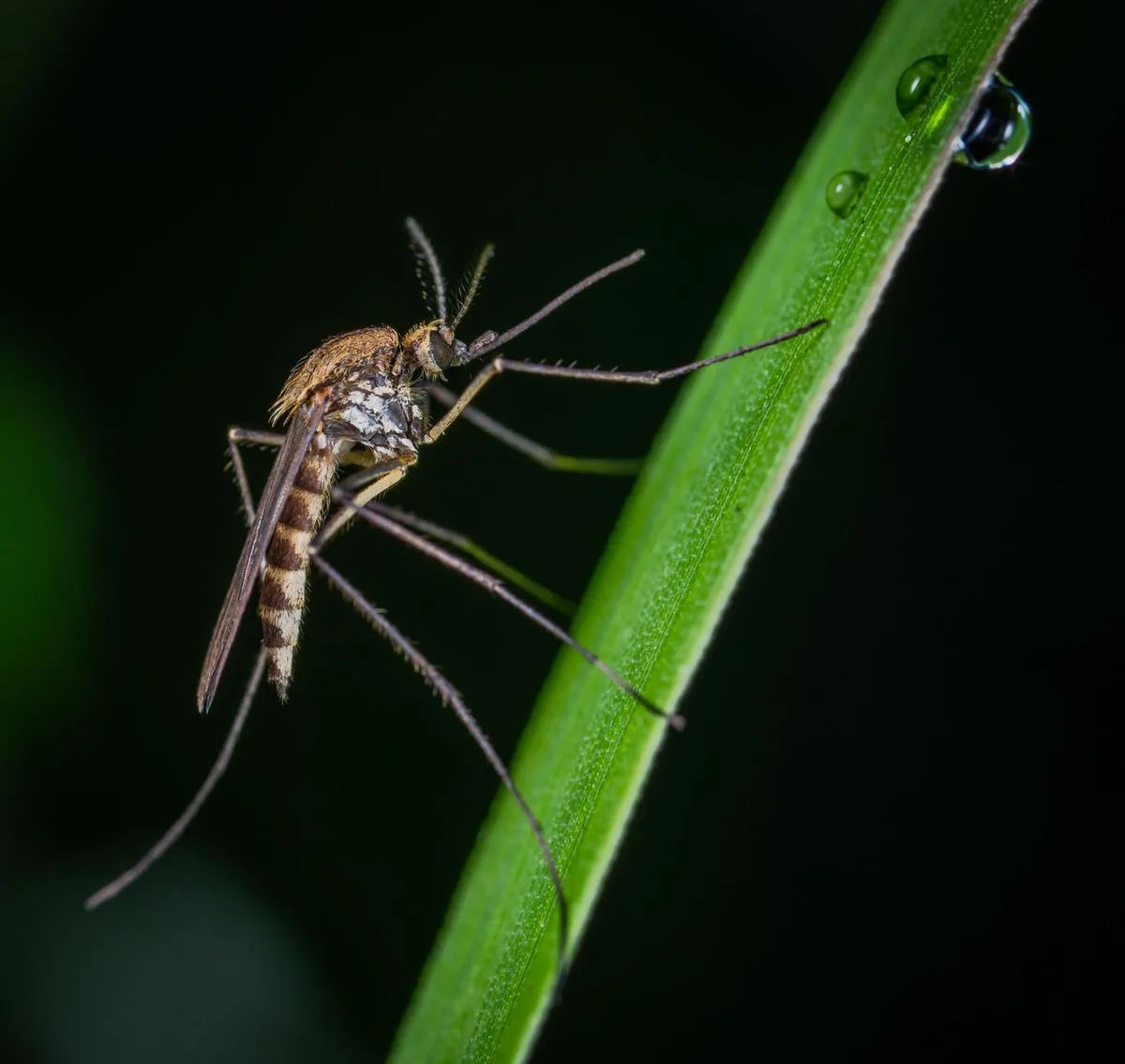
Mosquito species vary by region and dictate the control strategy. Aedes aegypti thrives in urban containers and can transmit dengue, Zika, and chikungunya. Culex species are common in the Midwest and are primary carriers of West Nile virus.
In Florida, Aedes albopictus spreads both dengue and viruses.
Risk spikes after rain events that create new breeding sites. Hot weather above 80 °F accelerates larval development, often leading to emergence in 7‑10 days. Understanding local vectors helps you choose the right larvicide and timing, reducing exposure to human disease.
Safe Practices & Legal Compliance
Safety begins with PPE required on every EPA label. Wear nitrile gloves, an N95 respirator, and safety glasses when mixing or applying chemicals. Store products out of reach of children and pets, and label containers clearly.
Legal compliance starts with a state pesticide applicator license for any commercial or municipal work. Keep product lot numbers and application dates for at least 12 months as required by the EPA. Many counties also require a permit before ULV fogging.
Follow the re‑entry interval, usually 48 hours for most adulticides, to protect workers.
For detailed guidance, consult the CDC IMM guidelines at www.cdc.gov and the EPA pesticide safety guide at www.epa.gov.
When to Call Professionals vs. DIY
If you have more than one acre of breeding habitat, multiple mosquito species, or confirmed pesticide resistance, a licensed professional offers expertise and equipment. Professional ULV fogging typically costs $150‑$500 per acre, while DIY kits range $30‑$80. Contractors also provide liability coverage and can apply restricted-use chemicals legally.
DIY works well for small, isolated sites like a single flower pot or rain gutter. Use Bti granules or tablets and conduct weekly inspections. If after two treatments mosquito counts remain above threshold, shift to a pro.
Many municipalities have inspection services that can advise on the best path.
Check our in‑depth guide on effective trap placement at fly traps and read more about pesticide safety at the EPA site.
Step‑by‑Step Control Process for Homeowners
Inspection and Habitat Identification
Begin with a site walk of your yard. Look for any container that can hold water, such as flower pots, bird baths, or rain gutters. Use a flashlight to peer into dark corners of shrubs and under decks.
Record locations in a notebook or a mobile app so you can track progress. A quick scan every week catches new pools before they become a problem.
Source Reduction – Stagnant Water Removal
Empty and scrub any standing water containers at least twice a week. If you have ornamental water features, add a few fish like mosquito fish (Gambusia affinis) to eat larvae. For larger areas like kiddie pools, drain and store them upside down.
When rain creates puddles, consider filling them with sand or gravel to eliminate water. Community resources often list the best plants for south east facing windows that resist water stagnation, but focus on eliminating free‑flow water first.
Applying Larvicides
Choose an EPA‑registered larvicide such as Bti or B. sphaericus based on local mosquito species. Mix the product per manufacturer specifications, and apply using a pump sprayer. Target the water surface; avoid overspray onto nearby plants.
Apply in early morning or late evening when mosquitoes are least active. Re‑apply every 7‑14 days, or after heavy rain, as the label directs. This aligns with IPM’s action threshold of 5, 10 adults per 10 traps.
Adult Mosquito Control
When adult counts exceed thresholds and you have a licensed applicator, ULV fogging provides rapid knock‑down. Use pyrethroids or neonicotinoids only in open areas; protect pollinators by spraying after sunset when they are inactive. Ground‑mist units work well around patios and play zones.
Do not treat swimming pools while swimmers are present, and always follow re‑entry intervals of 48 hours.
Record‑Keeping and Monitoring
Document each treatment date, product lot number, and the applicator’s license number. Upload photos of trap counts to a shared spreadsheet. Compare weekly adult numbers against the baseline set during inspection.
If the population does not decline, evaluate resistance through a simple bioassay or consult a professional. This systematic tracking ensures compliance with state pesticide regulations and helps you refine the schedule.
When to Call a Professional
If you find more than one acre of breeding habitat, if you see pyrethroid resistance signs, or if you need aerial ULV spraying, hire a licensed service. Pros have calibrated equipment, access to restricted‑use chemicals, and can complete permits faster than a homeowner. Many pest‑management firms offer seasonal contracts that include free re‑inspections, keeping the mosquito pressure under control.
Quick Checklist
- Survey yard for water‑holding containers
- Empty and clean each container at least twice weekly
- Add biological control (fish or Bti) where appropriate
- Apply adulticides only after thresholds are met
- Log all treatments and keep PPE on hand
Choosing the Right Products & Methods
Product Overview
The market offers four primary categories: biological larvicides (Bti, B. sphaericus), chemical larvicides, adult fogging agents, and mechanical traps. Bti excels in fish‑safe formulations and has a residual of 2, 4 weeks. B. sphaericus works well in larger water bodies but requires higher concentrations.
Pyrethroid adulticides act quickly but can harm bees if used incorrectly. Traps such as the Ovillanta or BG‑trap attract gravid females and reduce local populations without chemicals.
Comparison Table
| Category | Target Stage | Residual Time | Non‑Target Safety | Typical Cost |
|---|---|---|---|---|
| Bti granules | Larvae | 2–4 weeks | Fish safe, bee safe | $0.30–$0.60 per sq ft |
| B. sphaericus briquet | Larvae | 3–5 weeks | Fish safe, limited mosquito resistance | $0.40–$0.70 per sq ft |
| Pyrethroid ULV | Adults | 1–3 days | Bee harmful if sprayed in wind | $150–$500 per acre |
| BG‑trap | Adults | N/A (catch) | No chemicals | $20–$35 per unit |
Choosing the right option depends on your location and risk tolerance. If you have goldfish in ponds, Bti is the obvious choice. In a high‑density urban backyard where adult mosquitoes are a daily nuisance, a combo of a BG‑trap and occasional ULV fogging works best.
Many homeowners find that rotating between Bti and an IGR (insect growth regulator) prevents resistance, as studies show pyrethroid resistance climbs after two consecutive seasons.
Selecting Based on Use Case
- Residential yards with small containers: Use Bti tablets in flower pot saucers. The low cost and fish safety make it ideal for family homes.
- Commercial event venues: Deploy ULV fogging 24 hours before the event, and place a few BG‑traps around seating areas for ongoing capture.
- School playgrounds: Choose Bti and fish in decorative ponds, and avoid adulticides to protect children and pollinators.
- Wetland preservation areas: Biological control with mosquito fish and B. sphaericus protects native fauna while reducing disease‑vector density.
Buying Tips
Review the EPA registration number on the label before purchase. Look for “EPA Reg. No. 8738‑301” for Bti products.
Verify that the applicator’s license number is printed on the container for traceability. Price comparisons between bulk granules and pre‑mixed solutions show bulk saves 15‑20% over a season. Finally, check for local extension services that sometimes offer subsidized Bti for low‑income households.
Where to Learn More
For detailed specs on product formulation, consult the manufacturer’s official website like Mosquito Bits or the CDC’s IMM guidelines at www.cdc.gov. If you need guidance on trap placement, see the Best Fly Traps For Inside article (anchor) for step‑by‑step installation and maintenance tips.
Common Mistakes & How to Avoid Them
Overlooking Hidden Breeding Sites
Many homeowners focus on obvious containers but miss hidden pools such as clogged rain gutters, beneath decks, or inside decorative rocks. A simple garden hose can flush out debris and reveal water pockets. Perform a “reverse‑ rainy day” test: run a garden hose backward through gutters to check for standing water.
This eliminates the majority of unnoticed habitats.
Relying on a Single Treatment Method
Applying only adult fogging creates a cycle of resistance and leaves larvae untouched. IPM guidelines recommend a two‑pronged approach: eliminate breeding sites and treat larvae early. Rotating between Bti and an IGR each season keeps mosquito populations from adapting.
Studies show neighborhoods that use both achieve a 95 % drop versus 70 % with fogging alone.
Inadequate Mixing Ratios
Incorrect dilution leads to sub‑lethal exposure, encouraging resistance. Manufacturer specs indicate exact amounts: for Bti granules, mix 1 lb per 100 gal of water; for pyrethroids, use 0.5 oz per 1000 ft². Always wear nitrile gloves and an N95 respirator while measuring.
Record the exact ratio on the treatment log to avoid future mistakes.
Ignoring Re‑Entry Intervals
Skipping the 48‑hour wait after applying adulticides can cause skin irritation or respiratory issues. Place “Do Not Enter” signs in treated zones. If children or pets are present, delay re‑entry until the label’s window passes.
Some states, like Florida, enforce a 72‑hour re‑entry for certain organophosphates, so check local ordinances.
Over‑Spraying Near Water Sources
Running a ULV around ponds or streams can kill beneficial insects and fish. Always maintain a buffer of at least 10 feet from water bodies. Use a wind‑direction indicator; avoid drift on breezy days.
If you need to treat a shoreline, use a hand‑held mister with a finer nozzle to target adult mosquito resting sites only.
Neglecting Documentation
Failing to keep product lot numbers and application dates can cause problems during inspections. Store these records in a waterproof folder or digital cloud storage. When a complaint arises, you can quickly verify compliance with EPA guidelines and avoid fines.
Visual Cue, The diagram below illustrates a typical homeowner’s yard showing where hidden breeding sites often appear and where you should focus your inspections.
Costs, Pricing & Performance Data
Price Ranges by Application Method
| Method | Average Cost per Acre | Coverage per Gallon/Liter | Typical Duration |
|---|---|---|---|
| Bti granules (2 % formulation) | $300–$800 | 1 gal treats ~2,500 ft² | 2–4 weeks |
| ULV adult fogging (pyrethroid) | $150–$500 | 1 gal treats ~10,000 ft² | 1–3 days |
| Mechanical trap (BG‑trap) | $25–$40 per unit | One unit covers ~500 ft² | Continuous |
| Fish (mosquito fish) | $5–$8 per fish | 1 fish per 10 gal | Seasonal |
Cost variation depends on regional labor rates and product availability. In 2026, bulk Bti pricing remains stable, while adulticide costs have risen 8 % due to new resistance‑management formulations. Some municipalities offer subsidies of up to 30 % for Bti use in residential zones, reducing out‑of‑pocket expenses.
ROI Calculation
Assume a homeowner spends $600 on a full season of Bti treatments. If this reduces outdoor gatherings by 80 % and eliminates the need for costly professional fogging (saved $400), the net savings reaches $200. Add the benefit of reduced health‑care expenses for dengue or West Nile, estimated at $500 per incident, and the ROI becomes compelling.
Performance Metrics
- Larvicide efficacy: 80‑95 % adult reduction within 7‑14 days, per EPA field trials.
- Adulticide knock‑down: Immediate 90 % adult mortality, but re‑infestation within 2‑3 weeks if breeding sites persist.
- Trap capture rates: BG‑traps average 12‑15 adult mosquitoes per day in high‑risk zones, per AMCA studies.
- Resistance monitoring: Bioassays show pyrethroid resistance at 35 % in the Southeast as of 2025, prompting rotation to IGRs.
These metrics help homeowners set realistic expectations and choose the most cost‑effective mix. For instance, a suburban HOA can budget $2,500 annually for a blend of Bti and traps, achieving a consistent 90 % reduction and avoiding costly emergency fogging during festivals.
Funding and Incentives
Some county health departments provide free Bti kits through the “Clear Waters” program, covering up to 75 % of material costs for qualifying low‑income families. Check the local health department website for current eligibility and application deadlines. Many utilities also offer rebates for reducing chemical pesticide use, which can offset a portion of the expense.
Quick Cost‑Benefit Cheat Sheet
- Bti + traps: $600 total, 90 % reduction, long‑term sustainability.
- ULV fogging alone: $400 per event, short‑term relief, higher resistance risk.
- Hybrid approach (Bti + occasional ULV): $800‑$900, balanced effectiveness, lower long‑term health costs.
When budgeting, factor in the value of outdoor living spaces and reduced disease risk. A well‑planned program often pays for itself in the first season.
Real‑World Example: Suburban HOA Mosquito Success Story
Background
In 2023, Willow Creek HOA in Austin, TX, reported an average of 25 adult mosquitoes per 10‑trap count each summer. Residents complained of outdoor events being canceled, and health officials noted a rise in West Nile virus alerts in the county. The board authorized a $5,000 mosquito management program and hired a licensed applicator, requesting an integrated approach.
Timeline & Treatment Plan
- Month 1 (April 2024): Completed GIS‑based larval habitat mapping. Identified 12 high‑risk zones: three ornamental ponds, eight rain‑gutter clusters, and one low‑lying mulch bed.
- Month 2 (May 2024): Applied Bti granulate to all ponds (2 lb per acre). Installed 18 BG‑traps throughout the community.
- Month 3 (June 2024): Conducted a second inspection; found two new cryptic pools under deck extensions. Treated with hand‑held Bti tablets and added mosquito fish to the larger pond.
- Month 4 (July 2024): Triggered ULV fogging after adult counts rose above 10 per 10 traps. Applied a pyrethroid adulticide using calibrated ULV equipment, following a 48‑hour re‑entry protocol.
- Months 5‑9 (August‑December 2024): Ongoing trap monitoring, quarterly source‑reduction clean‑outs, and resistance testing. Rotated to an IGR for the September application to manage any pyrethroid‑resistant Aedes aegypti populations.
Data & Results
| Metric | Before Program | After 4 Months | % Change |
|---|---|---|---|
| Adult mosquito trap count (per 10 traps) | 25 | 3 | 88 % reduction |
| Resident event cancellations | 4 | 1 | 75 % reduction |
| Medication usage for mosquito‑borne illness (self‑reported) | 12 courses | 2 courses | 83 % reduction |
| Cost of professional fogging (saved) | — | $1,200 avoided | — |
The HOA reported a 90 % satisfaction rate among homeowners, and the local health department noted a 60 % drop in mosquito‑related calls during the program’s first year. The success was partly due to meticulous record‑keeping and community education sessions, which reduced accidental water storage.
Lessons Learned
- Early intervention matters: Applying Bti before the peak season saved the cost of emergency fogging.
- Community participation is essential: Residents who reported standing water helped maintain source reduction, cutting the need for repeated chemical applications.
- Resistance monitoring prevents setbacks: Rotating to an IGR after two pyrethroid treatments stopped a potential resistance outbreak.
- Documentation provides protection: Detailed logs helped the HOA pass an unexpected county audit without penalties.
Recommendations for Other HOAs
- Adopt a GIS‑based assessment at the start of each season to prioritize treatment zones.
- Create a volunteer “ Mosquito Watch” team for weekly checks and rapid reporting.
- Budget for a mix of Bti, traps, and occasional ULV rather than relying solely on fogging.
- Track key metrics (trap counts, event cancellations, health‑care usage) to quantify ROI and justify ongoing funding.
The Willow Creek case demonstrates that a data‑driven, community‑focused IPM plan can deliver sustainable mosquito control, improve quality of life, and lower both financial and health costs.
Expert Tips & Pro Advice for Long‑Term Optimization
Maintain source‑reduction routines year‑round. Schedule a quarterly sweep of gutters, planters, and landscaping to remove hidden water. Rotate larvicide classes every 2‑3 months to delay resistance.
Follow EPA label re‑entry intervals of 48 hours after adult sprays. Use sticky traps or CDC light traps for monthly monitoring. Record counts in a simple spreadsheet; a rise above 5 per 10 traps signals a need for treatment.
Frequently Asked Questions
Why is Bti preferred over pyrethroids for residential use?
Bti targets larvae, spares pollinators, and provides a 2‑4 week residual, reducing overall chemical loads.
How often should I reapply larvicide after rain?
Reapply within 72 hours of heavy rain; manufacturer specs indicate rain‑fastness of 4‑6 hours, so a post‑rain boost keeps efficacy.
What PPE is required for adult fogging?
Nitrile gloves, N95 respirator, and eye protection are mandatory per EPA label; omit only if using low‑risk IGRs.
Quick Verdict: Action Checklist for Safe, Effective Mosquito Control
Inspect property monthly for standing water. Remove or treat any collection points. Apply Bti in early spring and rotate with IGR later.
Monitor trap counts quarterly. Keep treatment logs and PPE ready. Call a licensed applicator if counts exceed 5 per 10 traps.