What Causes Mealybugs 2026
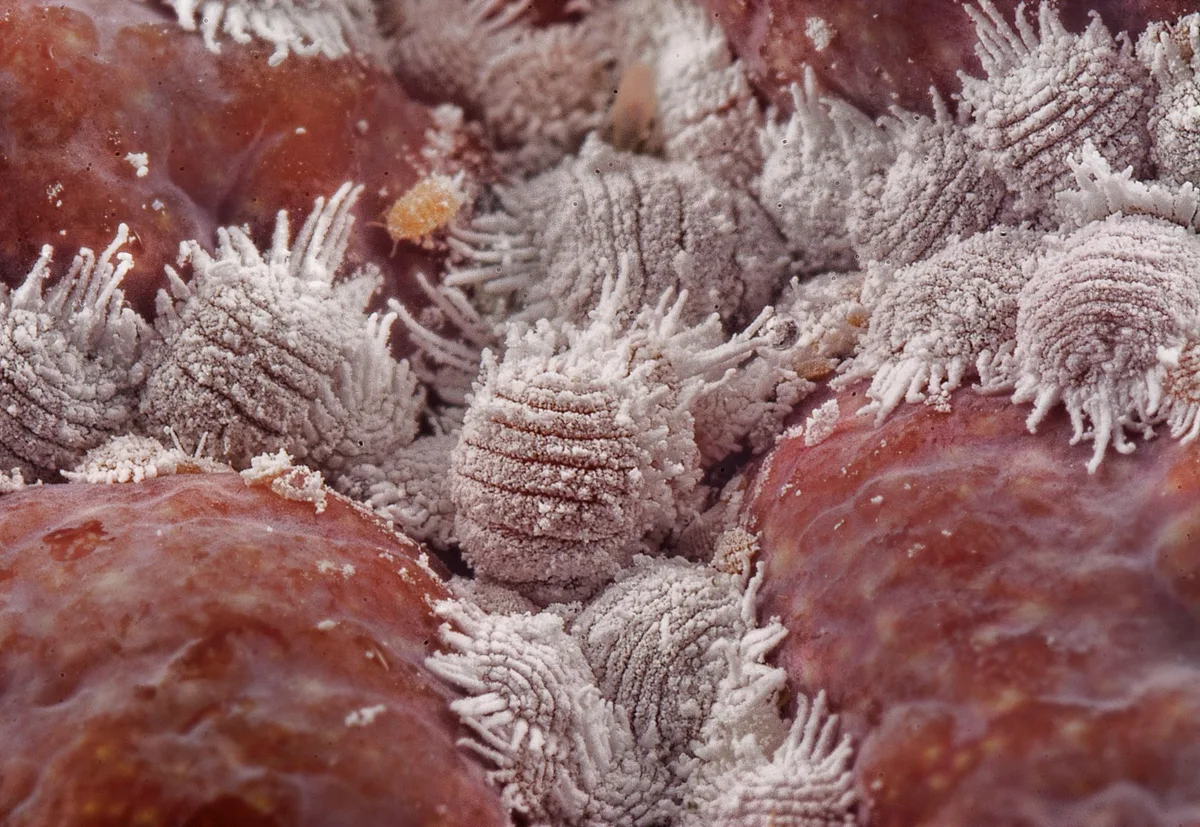
You walk into your favorite nursery, pick out a gorgeous new houseplant, bring it home, and two weeks later discover little white cottony clusters all over the leaves. What causes mealybugs to appear like this? The answer isn’t a single source but a combination of how the pests arrive and what conditions let them explode into a visible infestation.
Mealybugs (family Pseudococcidae) reproduce fast. A single female can lay 200 to 600 eggs, and under warm indoor conditions the life cycle completes in just three to four weeks. That means one missed crawler can turn into hundreds of adults in less than a month, especially when your plant is already stressed.
Quick Answer
Mealybugs show up through two main pathways. First, they hitch a ride on new plants, in potting soil, or via outdoor migration. Second, stressed plants and warm, humid environments create ideal breeding conditions.
The crawlers spread fast once introduced. Preventing infestations means quarantining new arrivals and keeping plants healthy.
What Actually Causes Mealybugs to Show Up on Your Plants
Mealybugs don’t spontaneously generate. They arrive through specific introduction routes, then thrive when environmental and plant-health conditions favor rapid reproduction. Understanding both pieces helps you figure out where your infestation came from and how to stop it from happening again.
The most common cause is bringing home an infested plant without realizing it. Nurseries and garden centers can harbor hidden colonies, especially on popular houseplants that pass through multiple distribution points. Even a single gravid female or a handful of crawlers tucked into a leaf axil is enough.
The second major factor is plant stress. Overwatered roots, low light, poor air circulation, and nitrogen-heavy fertilizers all weaken a plant’s natural defenses and encourage soft, sappy growth that mealybugs love. When you combine introduction with stress, you get an outbreak.
Location matters too. Indoor environments stay warm year-round, giving mealybugs consistent conditions to breed. Greenhouses amplify the problem with high humidity and crowded benches.
Outdoor plants in warm climates can pick up wind-blown crawlers or seasonal migrants, though temperate-zone gardens mostly see mealybugs as an indoor pest.
How Mealybugs Arrive in the First Place
New Plants From Stores, Nurseries, and Online Orders
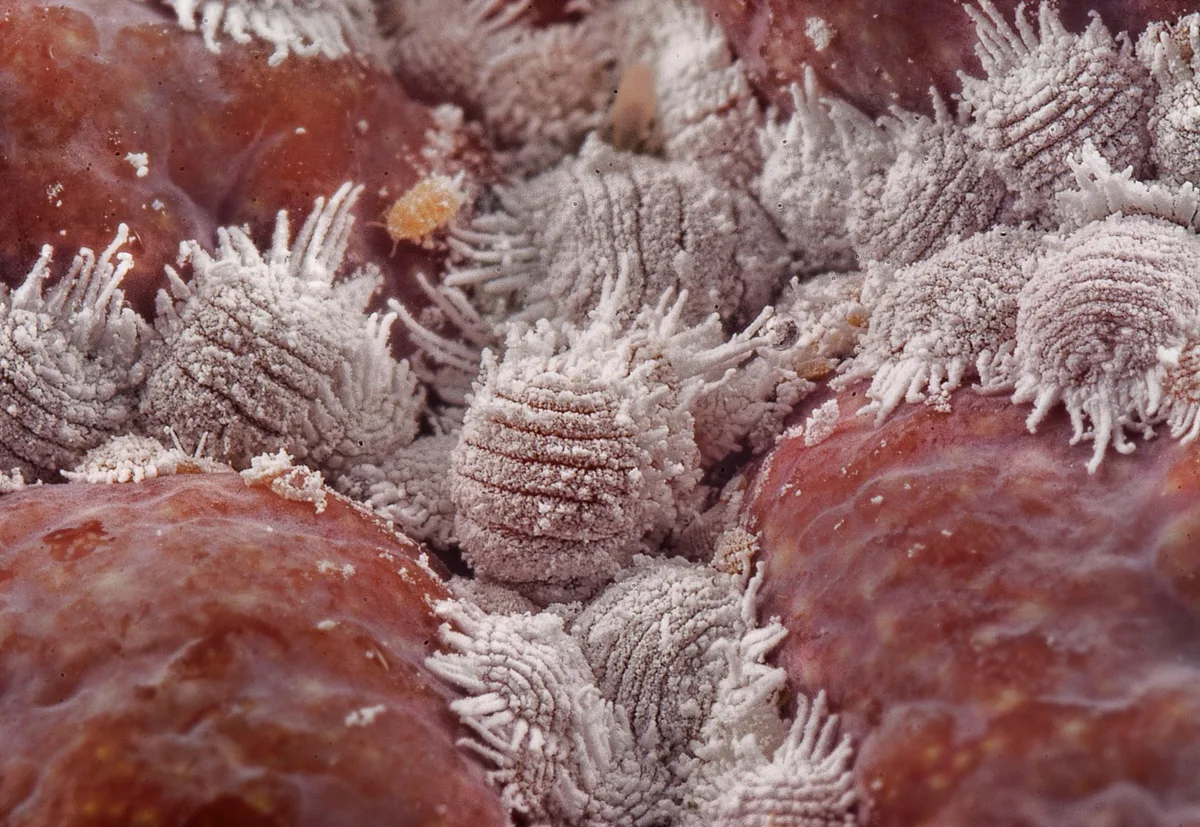
This is the number-one introduction pathway. Plants move through wholesale growers, distributors, and retail outlets, picking up hitchhikers at every stop. Mealybugs hide in places you don’t inspect closely: the undersides of lower leaves, inside curled foliage, deep in the crown, and along stems near the soil line.
Orchids, succulents, ficus, dracaena, and citrus are especially prone because they’re slow-growing and often kept in crowded greenhouse benches where pests spread easily. Online orders can be worse because the plants sit in boxes for days, and you can’t inspect them before purchase.
Even “clean-looking” plants can carry eggs or early-stage nymphs that haven’t developed their telltale white wax yet. By the time you see the cottony masses, the population has already been building for weeks.
The solution is a strict quarantine protocol. Keep every new plant completely separate from your collection for at least two to three weeks. Inspect the entire plant under bright light, paying special attention to leaf axils, stem joints, and the underside of every leaf.
If you spot even one mealybug, treat immediately and extend the quarantine.
Contaminated Potting Soil and Reused Containers
Root mealybugs live in the soil and feed on roots, making them nearly invisible until the plant starts declining. Bagged potting mix rarely arrives infested, but reused soil from an old pot absolutely can. If you repot a healthy plant into soil from a previously infested container, you’re seeding the new pot with eggs or crawlers.
Used pots are another vector. Mealybug eggs can survive dry conditions for weeks, tucked into crevices or stuck to the inner rim. Rinsing a pot isn’t enough.
You need to scrub it with soapy water and, ideally, let it soak in a diluted bleach solution (one part bleach to nine parts water) for at least ten minutes, then rinse thoroughly.
Root mealybugs are harder to detect than foliar species. You might only notice when the plant wilts despite regular watering or when you unpot it and see white cottony patches on the roots. By then the infestation is well established.
Always use fresh, sterile potting mix for new plantings. Never reuse soil from a plant that had pests or diseases. Sterilize every pot before planting, especially terracotta and plastic pots with textured surfaces where eggs can hide.
Outdoor Plants Brought Indoors for Winter
Seasonal moves are a common overlooked cause. Tropical houseplants summered outdoors, patio citrus brought in before frost, or garden herbs moved to a sunny windowsill can all carry mealybugs inside. Outdoor plants are exposed to wind-blown crawlers, ants farming honeydew producers, and natural reservoirs in nearby ornamentals.
The problem is that outdoor conditions often keep populations in check through rain, wind, and natural predators like ladybugs and lacewings. Once you bring the plant indoors, those controls vanish and the small hidden colony explodes in the warm, stable environment.
Before moving any plant indoors, inspect it thoroughly. Hose it down to dislodge pests, then let it dry in a transition zone (garage, porch) for a few days. Check again under bright light before introducing it to your indoor collection.
This two-stage inspection catches stragglers that survived the initial wash.
Wind-Blown Crawlers and Seasonal Migration
Newly hatched mealybugs, called crawlers, are mobile for one to three days before they settle and start feeding. During this window they can be carried by wind, especially in warm weather. If you keep plants on a balcony, patio, or near open windows, crawlers from a neighbor’s infested plant or a nearby ornamental shrub can drift onto your collection.
This is more common in southern climates where mealybugs persist outdoors year-round. In temperate zones, outdoor mealybugs typically don’t survive winter, so wind dispersal is a warm-season risk.
Crawlers are tiny (less than one millimeter) and pale yellow or white, making them almost impossible to see until they’ve settled and begun secreting their waxy coating. By the time you notice the classic white fluff, the crawlers have matured into nymphs or adults.
Screening open windows and keeping outdoor plants a few feet away from indoor ones reduces this risk. Regular inspections catch new arrivals before they establish. If you garden in a warm climate and grow susceptible plants outdoors, assume crawlers are a constant low-level threat and inspect accordingly.
Environmental Conditions That Trigger Mealybug Outbreaks
Mealybugs can arrive on a single leaf, but whether they explode into a visible infestation depends on your growing environment. Temperature, humidity, and air movement all influence how fast they reproduce and how well they thrive. These aren’t causes of introduction, but they’re causes of outbreak severity.
High Humidity and Poor Air Circulation
Mealybugs tolerate a wide humidity range, but they reproduce fastest in warm, humid, still air. This is why greenhouses, terrariums, and tightly packed plant shelves become mealybug hotspots. Humidity itself doesn’t attract them, but it supports faster egg development and nymph survival.
Poor air circulation amplifies the problem. When leaves stay damp and air doesn’t move, mealybugs can feed undisturbed and their waxy coatings protect them from desiccation. Stagnant air also stresses plants by reducing transpiration and encouraging fungal issues, which weakens overall plant health.
If you grow in a naturally humid space, add a small fan to keep air moving. Space plants so leaves don’t touch. Avoid misting foliage directly onto known mealybug-prone species.
Good airflow won’t prevent introduction, but it slows population growth and makes early detection easier because you’ll inspect plants more often.
Temperature Ranges Where Mealybugs Thrive
Mealybugs are most active between 75 and 85 degrees Fahrenheit. At these temperatures, the life cycle from egg to adult completes in three to four weeks, and females can lay multiple batches of eggs. Below 60 degrees, reproduction slows significantly.
Above 95 degrees, survival drops, though some species tolerate heat better than others.
Indoor environments stay in the ideal range year-round. Heated homes in winter and air-conditioned spaces in summer rarely dip low enough to slow mealybugs down. This is why indoor infestations persist through all seasons, unlike many outdoor pests that have dormant periods.
If you’re dealing with a recurring problem, check your thermostat. Keeping plants in a cooler room (low 60s at night) can slow reproduction enough to give treatments time to work. It won’t eliminate an infestation, but it buys you time and reduces the number of generations per year.
Low Light and Overcrowded Plant Spaces
Low light doesn’t directly cause mealybugs, but it stresses plants and makes them more susceptible. Stressed plants produce weaker cell walls and less defensive chemistry, which makes sap easier for mealybugs to extract. Low-light stress also slows growth, so the plant can’t outpace the damage.
Overcrowding creates two problems. First, it restricts airflow, as discussed above. Second, it lets mealybugs crawl from plant to plant without crossing open space.
A shelf of touching leaves acts like a highway for crawlers. Once one plant is infested, the colony spreads to neighbors in days.
If your collection is tightly packed, space plants at least a few inches apart. Rotate them regularly so all sides get light and you inspect all surfaces. Consider supplemental grow lights for low-light corners, not just for plant health but because strong light makes inspection easier and early detection is your best defense.
Plant Stress Factors That Make Infestations Worse
Healthy plants resist pests better. They grow fast enough to replace damaged tissue, produce thicker cell walls, and allocate resources to defense compounds. Stressed plants do the opposite, becoming mealybug magnets even when pest pressure is low.
Overwatering and Root System Problems
Overwatering is the most common houseplant mistake, and it directly contributes to mealybug problems. Saturated soil suffocates roots, killing the fine root hairs that absorb water and nutrients. The plant compensates by pushing sap into leaves to maintain turgor, but the sap becomes diluted and nutrient-poor.
Mealybugs thrive on this weak sap. It’s easier to suck out, and they have to extract less volume to get the nitrogen and sugars they need. Meanwhile, the plant’s immune response weakens because damaged roots can’t support it.
You end up with a plant that’s both more attractive to mealybugs and less able to fight them off.
Root mealybugs specifically target overwatered plants because the saturated soil makes it easier for crawlers to move and harder for roots to produce defensive chemicals. If you see wilting despite wet soil, unpot the plant and check for white cottony masses on the roots.
Fix watering habits before treating for pests. Let the top inch or two of soil dry between waterings. Use pots with drainage holes.
If the root system is damaged, trim off dead roots, repot into fresh mix, and reduce watering frequency until new roots establish.
Nitrogen-Heavy Fertilizers Creating Soft Growth
Excess nitrogen produces lush, dark green foliage that looks healthy but is actually more vulnerable to sap-sucking pests. High-nitrogen growth is soft and water-filled, with thin cell walls and high amino-acid content in the sap. Mealybugs and other piercing-sucking insects prefer this “junk food” sap because it’s easy to access and calorie-dense.
This is a bigger problem with synthetic fertilizers applied too frequently or at too high a concentration. Slow-release and organic fertilizers release nitrogen gradually, so plants build sturdier tissue. Fast-acting liquid feeds can push a growth spurt that outpaces the plant’s ability to lignify cell walls and produce secondary metabolites.
If you’ve been fertilizing heavily and suddenly see mealybugs, back off the nitrogen. Switch to a balanced or low-nitrogen formula, or cut feeding frequency in half. Let the plant harden off its new growth before resuming normal feeding.
For indoor plants, less is usually more.
Drought Stress in Outdoor Gardens
While overwatering is the indoor villain, drought stress is the outdoor equivalent. Plants under water stress produce less sap overall, but the sap they do produce becomes concentrated with sugars and amino acids as the plant tries to maintain osmotic balance. Mealybugs are attracted to this nutrient-dense sap.
Drought-stressed plants also drop their defenses. They stop producing new growth, shed older leaves, and divert energy away from pest resistance and toward survival. This makes them sitting ducks for any mealybugs in the area.
Trees in hot, dry climates are especially vulnerable during prolonged dry spells.
If you’re seeing mealybugs on outdoor ornamentals, check your irrigation. Deep, infrequent watering builds stronger root systems and healthier plants than frequent shallow sprinklings. Mulch around the root zone to conserve moisture and moderate soil temperature.
Well-watered plants resist pests better and recover faster from damage.
General Plant Health and Immune Response
Plants have immune systems, though they work differently from ours. When a mealybug pierces a leaf and starts feeding, the plant responds by producing phenolic compounds, thickening cell walls around the wound, and sometimes dropping the damaged leaf. Healthy plants do this efficiently.
Stressed plants don’t.
Any chronic stress, whether it’s poor light, wrong temperature, nutrient deficiency, root damage, or recent transplant shock, weakens the immune response. The plant can’t afford to waste energy on defense when it’s struggling to survive. Mealybugs sense this vulnerability, possibly through chemical cues in the sap, and colonize preferentially.
This is why a single stressed plant in a collection often gets hammered while its neighbors stay clean. The mealybugs are present everywhere as low-level background crawlers, but they only establish where conditions favor them. Fix the underlying stress, and the plant becomes a less attractive host.
Combine that with treatment, and you actually solve the problem instead of just knocking back symptoms.
The Ant Connection: Why Ants Make Mealybug Problems Worse
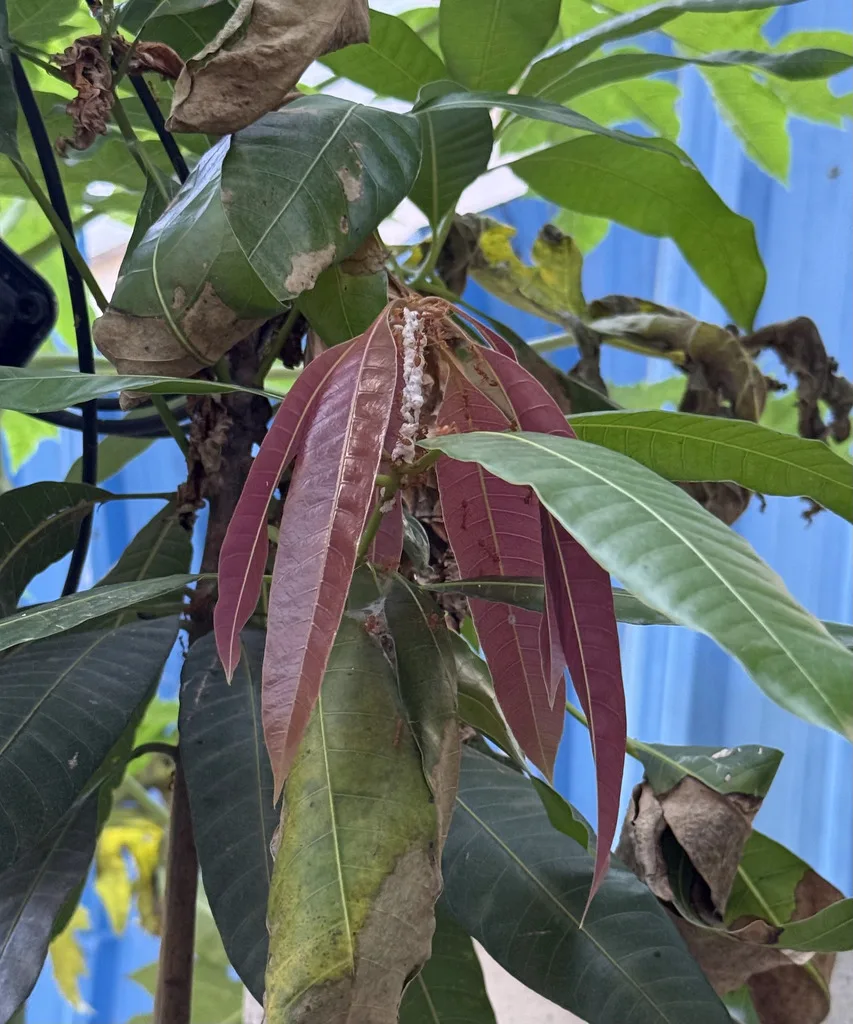
Ants and mealybugs have a mutualistic relationship that makes infestations much harder to control. Mealybugs excrete honeydew, a sticky, sugary liquid that ants feed on. In exchange, ants protect mealybugs from predators, move them to fresh feeding sites, and sometimes even carry them to new plants to start new colonies.
If you see ants trailing up and down your plant stems, check for mealybugs even if you don’t see the white fluff yet. The ants may be tending a small, hidden colony. Outdoor plants are more affected because ants have established nests nearby, but indoor plants near windows or doors can attract ants too, especially in warm months.
Ants actively interfere with biological control. Ladybugs, lacewing larvae, and parasitic wasps all prey on mealybugs, but ants chase them off or kill them to protect their honeydew source. This means an ant-tended mealybug colony grows unchecked by natural enemies.
The ants essentially farm the mealybugs like livestock.
Controlling ants is part of controlling mealybugs. Use ant baits around the base of outdoor plants or along indoor windowsills where ants enter. Sticky barriers on plant stems prevent ants from reaching the foliage.
Once ants are gone, natural predators can move in and populations drop naturally. For persistent outdoor ant problems near susceptible plants, consider a targeted insecticide formulated for ants, applied according to label directions around the nest site, not on the plant itself.
Hidden Colonies: Where Mealybugs Hide Before You Notice Them
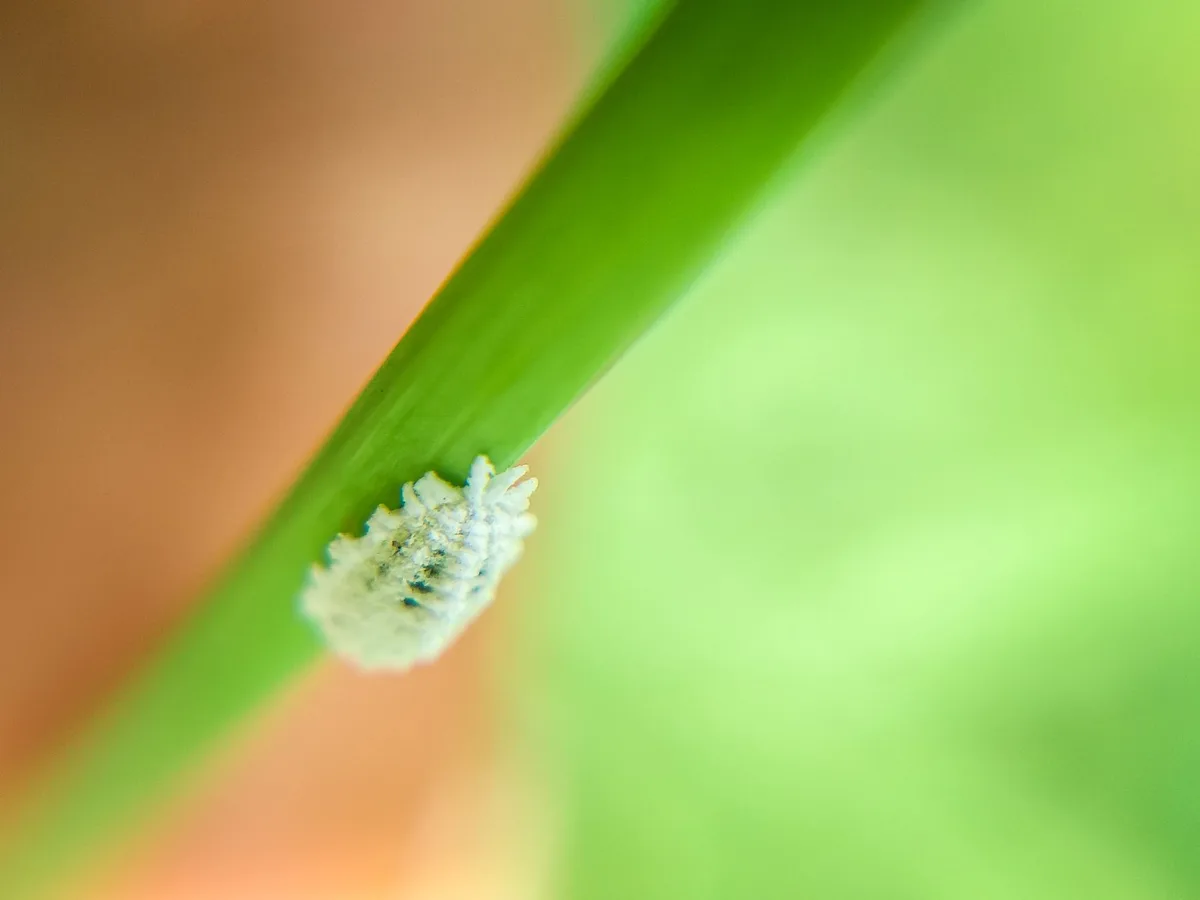
Mealybugs are masters at staying out of sight until their population explodes. They prefer tight, protected spots where their soft bodies are shielded from air currents and where you’re least likely to look during routine watering. Leaf axils, the angle where a leaf meets the stem, are prime real estate.
The bugs wedge themselves in, start feeding, and lay eggs in a sheltered pocket.
The undersides of lower leaves are another hotspot. Most people inspect the top surfaces and miss the crawlers clustered along the midrib or tucked into the crease where the petiole attaches. Older leaves near the base of the plant get even less attention, so colonies establish there first and spread upward as they mature.
Root mealybugs live entirely below the soil line, feeding on roots and root hairs. You won’t see them until you unpot the plant or notice unexplained wilting and stunted growth. They produce the same white waxy coating, but it clings to roots instead of foliage, making them nearly invisible until the infestation is severe.
Check inside flower bracts, under bark flaps on woody stems, and around new growth tips where leaves are still unfurling. Mealybugs seek out the newest, most tender tissue because the sap is richest there. Succulents hide colonies in the tight rosettes at the crown or between overlapping leaves.
Orchids harbor them in the leaf sheaths and inside flower spikes.
Why Some Plants Get Mealybugs While Others Don’t
Host preference plays a role. Mealybugs aren’t generalists that attack everything equally. Certain species favor citrus, others prefer succulents or tropical foliage plants, and some specialize in orchids.
If you have a mixed collection and only one type keeps getting hit, it’s probably a preferred host for the local mealybug species.
Soft-stemmed, fast-growing plants with high sap flow attract more mealybugs than woody, slow-growing species. Coleus, begonias, and soft-leaf ficus varieties get hammered, while tough-leaved sansevierias and ZZ plants rarely do. The sap content and cell-wall structure make a difference in how easily mealybugs can feed.
Plant placement matters too. A healthy plant sitting next to an infested one will catch crawlers simply through proximity. Mealybugs don’t fly (males do, but they’re rare and short-lived), but crawlers walk, and they’ll migrate to the nearest plant when their current host gets crowded or declines.
Individual plant health is the biggest variable. Two identical plants, same species, same pot size, can respond differently to mealybugs if one is stressed and the other isn’t. The stressed plant becomes a magnet while the healthy one resists colonization even when exposed to the same pest pressure.
The Diagnosis Path: Identifying What Caused Your Specific Infestation
Start with timing. If you added a new plant within the past month and mealybugs appeared shortly after, introduction via that plant is the likely cause. Check the new arrival first, then inspect its immediate neighbors.
Quarantine failures are the top cause in home collections.
If no new plants arrived, look at recent changes in care or environment. Did you move plants closer together? Change watering habits?
Turn off a fan? Increase fertilizer frequency? Any shift that stresses plants or creates warmer, stiller air can tip a low-level background population into outbreak mode.
Indoor Houseplant Scenarios
Indoor infestations nearly always start with an introduced plant or contaminated soil. If your collection has been stable for months and suddenly shows mealybugs, trace back to the last addition or repotting event. Check whether you reused a pot or soil from another plant.
Low light and overwatering are the indoor stress factors that most reliably trigger outbreaks. If your plants sit far from windows or you’ve been watering on a schedule rather than checking soil moisture, those conditions set the stage. Add a hidden mealybug introduction, and the population explodes.
Greenhouse and Enclosed Growing Spaces
Greenhouses combine all the risk factors: high humidity, warm temperatures, crowded benches, and constant new-plant traffic. Mealybugs spread faster here than anywhere else. Check benches for ants, which signal an established colony.
Inspect the undersides of benches and the edges of pots where crawlers hide during the day.
Air circulation is critical in greenhouses. Even with fans running, dead-air pockets form in corners and under dense canopies. Those spots become mealybug reservoirs.
Rotate plants regularly and space them so air reaches all sides.
Outdoor Garden and Landscape Plants
Outdoor mealybugs are usually tied to drought stress or ant farming. If you’re seeing them on ornamentals or citrus, check soil moisture first. Deep-water the affected plants and see if new growth comes in clean while the old infested growth gets pruned away.
Treat the ants at the same time, or the problem will cycle back.
Wind-blown crawlers are a secondary cause outdoors. If a neighbor has an infested hedge or your own flower beds include known mealybug hosts, crawlers can drift several yards on a breeze. You can’t eliminate outdoor exposure entirely, but you can reduce susceptibility by keeping plants well-watered and inspecting regularly.
Common Mistakes That Invite Repeat Infestations
Skipping quarantine is mistake number one. Every single new plant needs isolation for at least two weeks, no exceptions. One missed inspection costs you months of treatment and puts your whole collection at risk.
Make quarantine non-negotiable.
Treating visible bugs but ignoring eggs and crawlers guarantees a rebound. Mealybug eggs are protected by the waxy coating and many sprays don’t penetrate it. You kill the adults, miss the eggs, and two weeks later you have a fresh generation.
Repeat treatments at seven to ten day intervals for at least three cycles to catch newly hatched crawlers before they mature.
Reusing soil or pots without sterilization brings the problem right back. Even if the old plant is gone, eggs and root mealybugs persist in the medium and on pot surfaces. Always use fresh soil and scrubbed, disinfected containers for any plant that had pests.
Ignoring underlying stress means you’re only managing symptoms. If you treat mealybugs but keep overwatering or fertilizing heavily, the plant stays vulnerable and the next introduction will hit just as hard. Fix the cultural problems alongside the pest problem, or you’ll be treating forever.
Frequently Asked Questions About Mealybug Causes
Can mealybugs come from the air or just appear?
No, they don’t spontaneously generate. Mealybugs must be physically introduced via an infested plant, contaminated soil, or wind-blown crawlers. If you suddenly see them, trace back to a recent plant addition or outdoor exposure event.
Do mealybugs prefer certain plant species?
Yes, different mealybug species favor different hosts. Citrus mealybugs target citrus and tropical fruits, long-tailed mealybugs prefer orchids and ferns, and Pseudococcus species go after succulents and soft-stemmed houseplants. Knowing your local species helps predict which plants are at highest risk.
Why do mealybugs keep coming back after treatment?
Repeat infestations happen because eggs survive treatment, new crawlers arrive from untreated plants nearby, or the underlying stress factors remain. You need to treat on a schedule to catch all life stages, isolate treated plants, and improve growing conditions to reduce susceptibility.
Are mealybugs more common indoors or outdoors?
Indoors, especially in temperate climates. Outdoor populations are kept in check by rain, wind, temperature swings, and natural predators. Indoor environments stay warm and stable year-round, lack predators, and provide constant breeding conditions, so populations build faster and persist longer.
Does high humidity cause mealybugs?
Humidity doesn’t cause introduction, but it accelerates reproduction once mealybugs are present. Humid, still air lets them breed faster and protects their eggs. Lowering humidity alone won’t eliminate an infestation, but improving air circulation slows population growth and makes treatment more effective.
Decision Guide: Preventing Mealybugs Based on Your Growing Situation
Your prevention strategy depends on where and how you grow plants. Indoor collectors face different risks than greenhouse operators or outdoor gardeners, so tailor your approach to your specific setup.
Quarantine Protocols for New Plant Acquisitions
Every new plant gets isolated for 14 to 21 days, no exceptions. Place it in a separate room or at least six feet away from your main collection. Inspect thoroughly on arrival, then again at day seven and day fourteen.
Look under every leaf, inside the crown, and along stems near the soil line.
If you buy plants online or from big-box stores, assume they’re exposed and treat preemptively during quarantine. A gentle spray of insecticidal soap or neem oil at the start of quarantine catches any hidden crawlers before they mature. Repeat at day seven to hit newly hatched nymphs.
Environmental Controls for Different Growing Spaces
Indoor growers should space plants to allow air circulation and rotate them weekly so all sides get inspected. Run a small fan on low speed to keep air moving. Avoid misting high-risk plants like orchids and succulents directly on foliage.
Greenhouse operators need stricter protocols. Inspect new stock before it reaches the benches. Keep a designated quarantine bench away from production areas.
Monitor for ants daily, especially near doors and vents. Use sticky traps to catch crawlers and winged males, which signal an active breeding population.
Outdoor gardeners should focus on plant health and ant control. Mulch to conserve moisture and reduce drought stress. Water deeply and infrequently rather than shallow daily sprinkles.
Bait ant colonies before they discover your mealybugs, and prune off any heavily infested branches rather than trying to treat them in place.
Plant Care Adjustments to Reduce Susceptibility
Cut back on nitrogen fertilizer if you’ve been feeding heavily. Switch to a balanced or low-nitrogen formula, especially during slower growth periods. Let soil dry slightly between waterings instead of keeping it constantly moist.
Both changes toughen up plant tissue and make sap less attractive to mealybugs.
Improve light levels wherever possible. Brighter light means stronger growth and better pest resistance. If natural light is limited, add supplemental lighting to keep plants vigorous.
Strong, actively growing plants shrug off small mealybug introductions that would overwhelm weak, stressed specimens.
When Natural Predators Are Missing (And Why That Matters)
Outdoor mealybug populations stay in check partly because predators eat them. Ladybugs, lacewing larvae, and tiny parasitic wasps (Leptomastix and Anagyrus species) all feed on mealybugs. When these predators are present, mealybug colonies rarely explode into visible infestations.
Indoors, you have zero natural predators unless you introduce them deliberately. That’s why indoor infestations spiral out of control so quickly. There’s no ecological brake, just unlimited food and perfect conditions.
Greenhouse growers sometimes release commercial beneficial insects, but home indoor growers rarely do.
If you’re dealing with recurring outdoor mealybugs, consider whether pesticide use has wiped out your predator population. Broad-spectrum sprays kill beneficials along with pests, leaving mealybugs free to rebound without natural enemies. Switching to targeted treatments or mechanical removal preserves the predators that would otherwise keep things balanced.