Why Does Mealybugs 2026
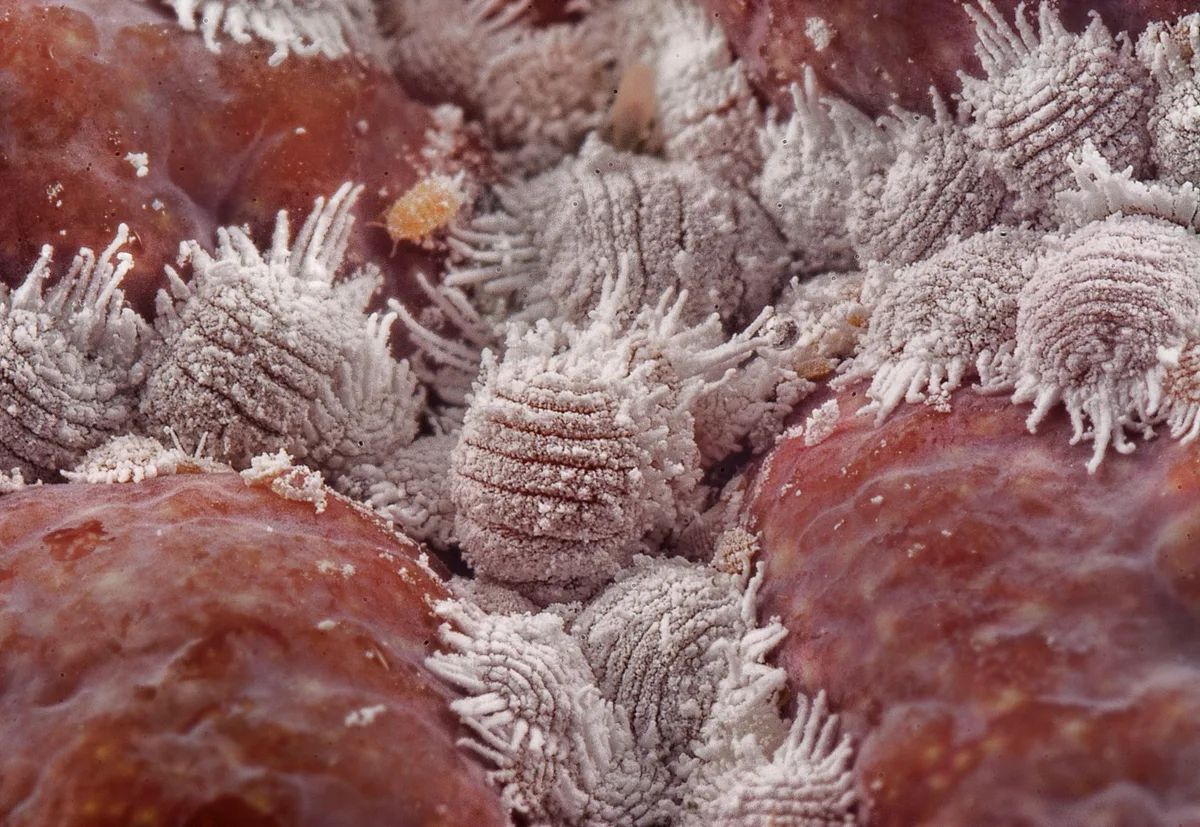
You've probably typed "why does mealybugs" into Google mid-panic, staring at white cottony fuzz creeping across your favorite houseplant. That incomplete search phrase tells the whole story. You're not looking for a textbook definition, you need to know why they appeared, why they won't go away, or why your treatment isn't working.
Mealybugs (family Pseudococcidae) are sap-sucking insects that reproduce fast, hide well, and resist most casual spray treatments. A single female can lay 100 to 600 eggs depending on species, and under ideal indoor conditions (70 to 90°F), they'll complete a full generation in six to ten weeks. Let's break down the most common "why" questions and walk through the decision tree that gets you to the right fix.
Quick Answer
Mealybugs appear because they hitchhike on new plants or contaminated soil. They keep coming back because eggs and crawlers survive your first treatment. They're hard to kill because their waxy coating blocks contact sprays.
They multiply fast because females lay hundreds of eggs every few weeks. They leave sticky honeydew that attracts ants and grows black sooty mold.
What "Why Does Mealybugs" Really Means — Diagnosing Your Actual Question
That incomplete search phrase branches into at least five distinct problems. Most people typing it are dealing with one of these scenarios.
You just spotted white fuzz and don't know where it came from. You're asking why mealybugs appeared in the first place. The answer usually points to a new plant, a bag of contaminated potting mix, or an outdoor plant you brought inside for the season.
You treated them two weeks ago and they're back. You're asking why mealybugs keep coming back. The answer is almost always hidden eggs, root mealybugs you didn't see, or reinfection from a nearby plant you forgot to check.
You've sprayed three times and nothing works. You're asking why mealybugs are so hard to kill. The answer lies in their waxy protective coating, their habit of hiding in leaf axils and soil, and the fact that most contact sprays don't reach eggs tucked inside cottony sacs.
Your plant looks worse every week despite no visible bugs. You're asking why your plant is dying when you can't find the pests. The answer is often root mealybugs, which live in the soil and drain the plant from below while staying completely invisible above ground.
You see ants and sticky leaves. You're asking why mealybugs leave residue. The answer is honeydew, a sugary waste product that attracts ants and provides a growth medium for sooty mold.
The rest of this guide walks through each scenario in order, then gives you a decision framework to match your situation to the right treatment protocol.
Why Do Mealybugs Appear on Your Plants in the First Place
Mealybugs don't materialize out of thin air. They arrive through three main pathways, and once you identify which one applies, you can close that door for good.
New plants are the number one source. Nurseries, big-box stores, and even specialty growers occasionally ship infested stock. Mealybugs hide in leaf axils, under pot rims, and along stems where casual inspection misses them. Crawlers (the mobile juvenile stage) are smaller than a pinhead and nearly invisible on green stems.
Always quarantine new plants for two to four weeks in a separate room. Inspect every leaf joint, the underside of every leaf, and the soil surface under bright light. If you skip this step and place a new plant directly into your collection, you've just introduced mealybugs to every plant within a few feet.
Contaminated potting soil is the second common entry point. Mealybug eggs and crawlers can survive in bagged potting mix, especially if the bag sat outdoors at the garden center or in a warehouse with poor pest control. Root mealybugs in particular travel this way, and you won't know they're present until the plant starts declining months later.
Use fresh, sealed bags from reputable brands. If you reuse soil or compost, sterilize it first by baking at 180°F for 30 minutes (spread it thin on a baking sheet). It smells terrible, but it kills eggs and crawlers.
Outdoor exposure during warm months is the third pathway. If you move houseplants to a porch or patio in summer, mealybugs can crawl onto them from garden plants, weeds, or even tree branches overhead. They're slow-moving but persistent, and once they find a host, they settle in and start reproducing.
Before you bring any plant back indoors in fall, inspect it thoroughly and treat it preventatively with insecticidal soap or horticultural oil. Let it dry, then quarantine it for two weeks. This simple step prevents the annual late-fall mealybug surge that hits so many indoor collections.
Stressed plants attract mealybugs more readily than healthy ones. Overwatering, underwatering, low light, and excess nitrogen all weaken a plant's defenses. Mealybugs sense chemical signals that stressed plants emit and preferentially colonize them.
Keep your indoor plants healthy and you'll reduce infestations even if a few bugs slip through quarantine.
Why Mealybugs Keep Coming Back After Treatment
You sprayed every visible bug, wiped down the leaves, and two weeks later you're staring at fresh white fuzz in the same spots. This is the most common and frustrating mealybug problem, and it happens because most treatments target only the adults you can see.
The Life Cycle Problem Most People Miss
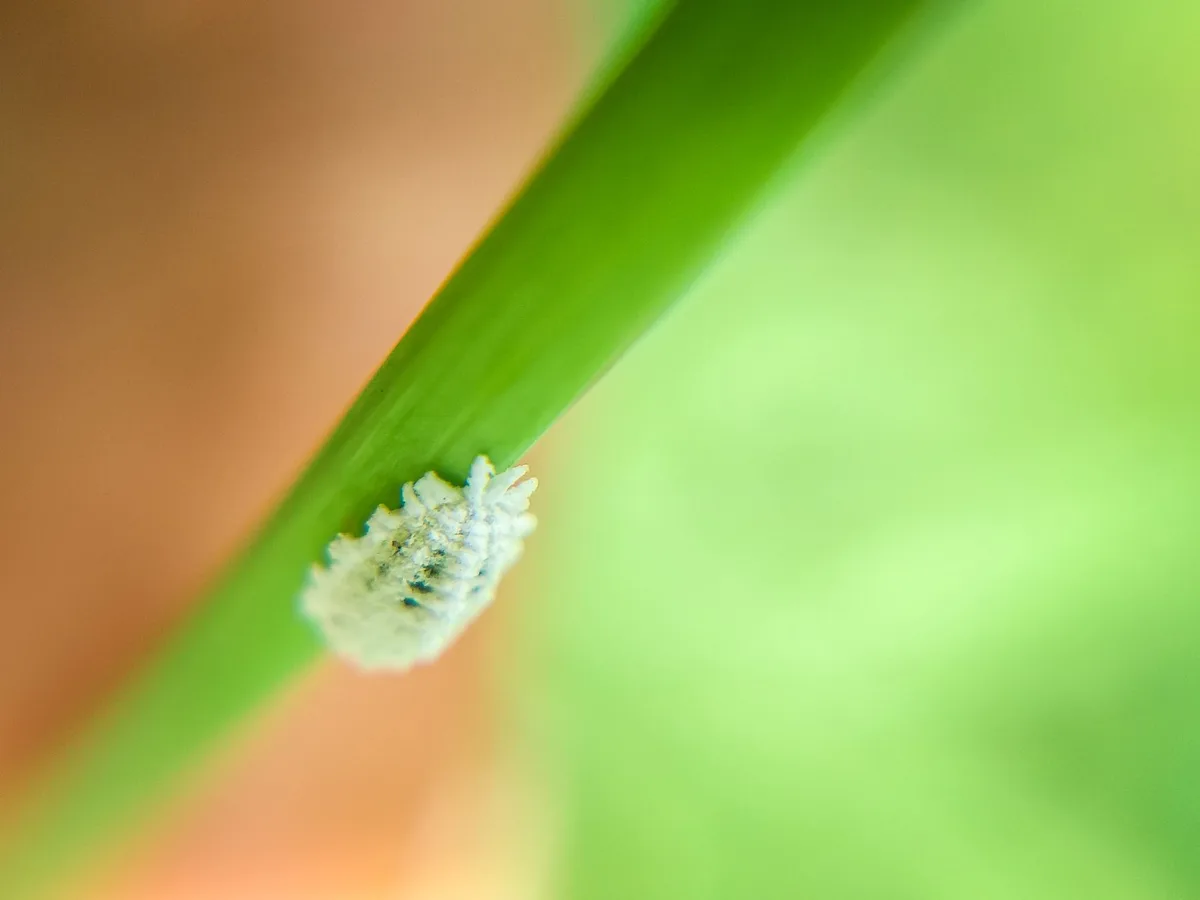
Mealybugs go through three life stages: egg, crawler (nymph), and adult. Eggs are protected inside cottony egg sacs that repel water and resist most contact insecticides. Crawlers are tiny, mobile, and often hidden in cracks or soil.
Adults are the white fuzzy bugs you see, but by the time they're visible, they've already laid eggs.
A single treatment kills the adults but leaves the eggs untouched. Those eggs hatch in five to ten days, and the crawlers mature into egg-laying adults in four to eight weeks depending on temperature. If you don't treat again during that window, you're right back where you started.
The fix is simple but non-negotiable: treat every five to seven days for at least three to four weeks. This catches each new generation of crawlers as they hatch, before they mature and lay more eggs. Mark your calendar.
Set phone reminders. Skip one treatment and the cycle resets.
Hidden Eggs and Crawlers You Didn't Kill
Mealybugs lay eggs in hard-to-reach spots. Check where the leaf meets the stem (the axil), along the underside of the midrib, inside curled leaves, under the pot rim, and in the top layer of soil. Eggs tucked into these crevices survive surface sprays.
Use a cotton swab dipped in 70% isopropyl alcohol to physically remove egg sacs and adults from tight spots. The alcohol dissolves the waxy coating and kills on contact. Follow up with a spray treatment (insecticidal soap, horticultural oil, or neem oil) to catch any crawlers you missed.
For root mealybugs, which live in the soil and feed on roots, you need a soil drench with a systemic insecticide like imidacloprid (as of 2026, still widely available for ornamental use). Spray treatments don't reach them, and they'll keep reinfesting the foliage from below.
Reinfection from Nearby Plants or Soil
If you treated one plant but left an infested neighbor sitting two feet away, crawlers will migrate over within days. Mealybugs are slow but relentless. They'll crawl across a table, up a windowsill, or along overlapping leaves.
Treat every plant in the same room at the same time, even if you don't see bugs on all of them. Isolate heavily infested plants during treatment if possible. Check the soil surface of every pot, mealybugs often congregate there, hidden under the rim or near the drainage holes.
Don't reuse old potting soil from an infested plant without sterilizing it first. Eggs can survive in soil for weeks. When you repot a treated plant, use fresh mix and wash the pot with hot soapy water and a bleach rinse (one part bleach to nine parts water).
Why Mealybugs Are So Hard to Kill
Mealybugs evolved to survive. Their defenses make them one of the most persistent houseplant pests you'll encounter, and understanding why they're tough helps you choose treatments that actually work.
The Waxy Coating That Blocks Sprays
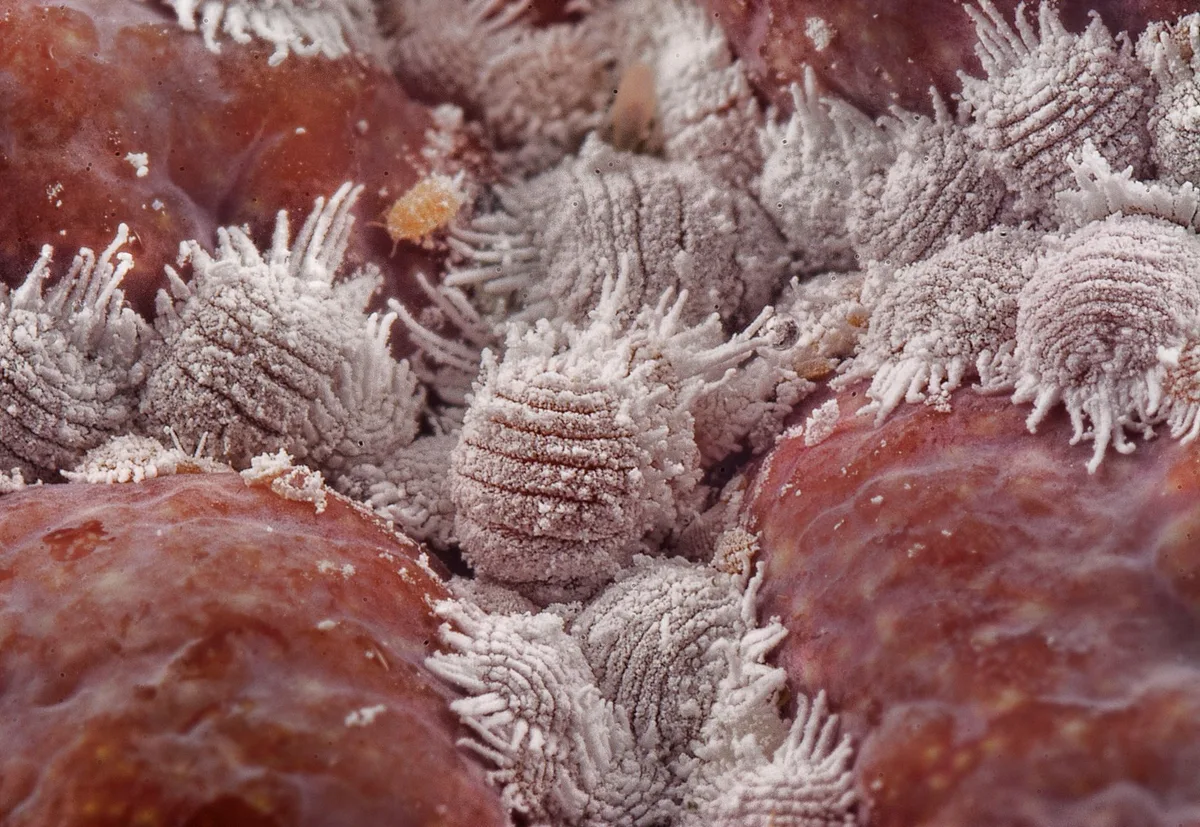
Mealybugs secrete a white, waxy powder that covers their bodies and repels water. This coating sheds contact insecticides like rain off a windshield. Most sprays bead up and roll off before they can penetrate to the insect's body.
Horticultural oil and insecticidal soap work because they break down the waxy layer. Neem oil does the same but slower. Plain water sprays do almost nothing, and many synthetic pyrethroids (common in household bug sprays) fail because they can't get through the coating.
Isopropyl alcohol (70% strength) dissolves the wax on contact and kills the bug instantly. It's the fastest manual method, but you have to apply it directly to each bug. Mix one part alcohol to three parts water in a spray bottle for a gentler option that's safer for sensitive plants, though less effective on heavy infestations.
Why They Hide in Impossible-to-Reach Spots
Mealybugs prefer crevices where leaves meet stems, the undersides of leaves, and the crotches of branches. These spots are hard to spray thoroughly, and they're also where the plant's sap flow is richest. Mealybugs use piercing-sucking mouthparts to tap into phloem vessels, and they congregate where the feeding is easiest.
On plants with dense foliage or rosette growth (like African violets, succulents, or bromeliads), mealybugs nestle deep inside where spray coverage is nearly impossible. You have to disassemble the plant, leaf by leaf, to treat effectively. For bromeliads, flush the central cup with soapy water and use a cotton swab to reach the leaf bases.
Systemic insecticides solve this problem by making the plant itself toxic to the bugs. When you drench the soil with imidacloprid, the plant absorbs it and transports it to every leaf and stem. Mealybugs feed on the sap and die within a few days, regardless of where they're hiding.
Systemic treatments are controversial for edible plants but highly effective on ornamentals.
Root Mealybugs — The Invisible Infestation
Root mealybugs (genus Rhizoecus and others) live entirely in the soil. They look like tiny white grains of rice clustered around roots and along the inside of the pot. You won't see them unless you unpot the plant, and by the time you notice symptoms (yellowing, wilting, stunted growth), the infestation is usually severe.
Root mealybugs are harder to kill than foliar mealybugs because soil insulates them from sprays. The only reliable treatment is a systemic soil drench. Mix the insecticide per label directions and pour it slowly into the soil until it drains out the bottom.
Repeat per the product schedule (usually every four to six weeks for two to three applications).
If the infestation is extreme, unpot the plant, rinse the roots under running water to wash off as many bugs as possible, trim away heavily infested roots, and repot in fresh, sterile soil. Drench the new soil immediately after repotting.
Why Mealybugs Multiply So Fast
Mealybugs are reproductive machines. Their life cycle is short, their egg production is high, and indoor conditions give them a year-round breeding season with no natural predators or winter die-off.
A single adult female mealybug lays 100 to 600 eggs over her lifetime, depending on species. Common species like Planococcus citri (the citrus mealybug) lean toward the higher end. She deposits the eggs in a cottony sac that protects them from desiccation and insecticides.
The eggs hatch in five to ten days.
Crawlers emerge, disperse across the plant, and begin feeding immediately. They molt through three nymphal stages (instars) over four to eight weeks, depending on temperature. Warmer temperatures accelerate development.
At 80°F, the life cycle completes in about six weeks. At 70°F, it stretches to ten weeks.
Once they mature, females begin laying eggs within a few days. Males are rare in most indoor infestations because many mealybug species reproduce parthenogenetically (females clone themselves without mating). This means a single female can start a population explosion on her own.
Indoor conditions are nearly ideal for mealybugs year-round. Homes stay warm (65 to 75°F), humidity is often moderate (especially near plants that you water regularly), and there are no natural enemies like ladybugs, lacewings, or parasitic wasps. Outdoor mealybug populations crash in winter in temperate climates, but indoors they breed continuously.
The math is brutal. One female produces 300 eggs. Half hatch into females (conservatively).
Those 150 females each produce 300 eggs six weeks later. That's 45,000 second-generation eggs from a single founder bug within three months. This is why early detection and repeated treatment are so critical.
Why Mealybugs Leave Sticky Residue (Honeydew) and Black Mold
Mealybugs feed on plant sap, which is rich in sugars but low in nitrogen and amino acids. To get enough nutrients, they ingest huge volumes of sap and excrete the excess sugar as honeydew, a clear, sticky liquid that drips onto leaves below and onto surfaces around the plant.
Honeydew itself doesn't harm the plant directly, but it attracts ants. Ants farm mealybugs, protecting them from predators and moving them to fresh feeding sites in exchange for honeydew. If you see ants marching up and down your plant, check for mealybugs (or aphids or scale, which also produce honeydew).
The sticky residue also provides a growth medium for sooty mold, a group of black fungi that colonize the honeydew. Sooty mold looks like a layer of soot or coal dust on leaves. It doesn't infect the plant tissue, but it blocks sunlight and reduces photosynthesis.
Heavy sooty mold can stress the plant enough to cause leaf drop.
Clean honeydew and sooty mold off leaves with a damp cloth or a gentle spray of soapy water. The mold wipes away easily once the honeydew is gone. More importantly, eliminate the mealybugs so they stop producing honeydew in the first place.
If ants are present, they'll interfere with your mealybug treatment by protecting the bugs and moving them to untreated areas. Use ant bait stations around the base of the plant (not in the soil) to eliminate the ant colony first. Once the ants are gone, the mealybugs lose their bodyguards and treatments work better.
Why Your Plant Is More Vulnerable to Mealybugs
Healthy plants resist mealybugs better than stressed ones. Mealybugs detect chemical signals that weak or damaged plants emit, and they colonize those targets first. If your collection keeps getting infested while your neighbor's plants stay clean, the problem may be your care routine, not bad luck.
Stress Factors That Invite Infestations
Overwatering is the top stressor for most houseplants. Roots sitting in soggy soil rot, nutrient uptake fails, and the plant weakens. Mealybugs sense this decline and move in.
Check your watering schedule and make sure pots have drainage holes.
Underwatering has the same effect from the opposite direction. A drought-stressed plant diverts resources away from defense compounds in leaves and sap. Mealybugs prefer these easier targets.
Water consistently based on each plant's needs, not on a fixed calendar.
Excess nitrogen from over-fertilizing produces lush, tender growth with thinner cell walls and higher sap sugar content. Mealybugs love this. They reproduce faster on nitrogen-rich plants.
Use a balanced fertilizer at half strength and feed less often than you think you need to.
Low light weakens plants slowly but steadily. A plant struggling in dim conditions can't afford the metabolic cost of producing defensive chemicals. Move susceptible plants closer to a window or add a grow light if natural light is limited.
Poor air circulation keeps humidity high around leaves and stems, which mealybugs prefer. Crowded plant collections with overlapping foliage create perfect microclimates for pests. Space plants apart, run a small fan on low, and prune dense growth to improve airflow.
New Plants, Contaminated Soil, and Seasonal Moves
We covered these as introduction pathways earlier, but they're also stressors. A new plant fresh from the nursery is already stressed from shipping, repotting, and lighting changes. It's more vulnerable during the first few weeks in your home.
Quarantine every new arrival for at least two weeks in a separate room. Inspect it twice during that period. If you see mealybugs, treat immediately and extend quarantine another two weeks after the last treatment.
When you move plants outdoors in spring or back inside in fall, the environmental shock (temperature swing, humidity change, light shift) stresses them. Treat preventatively with insecticidal soap or horticultural oil before and after the move. This catches hitchhiking pests before they establish.
Decision Guide: Identifying Which "Why" You're Actually Dealing With
Use this table to match your symptoms to the right diagnosis and jump to the corresponding treatment protocol.
| What You See | What It Means | Where to Focus |
|---|---|---|
| White fuzz on stems or leaves, no prior history | Fresh infestation from new plant, soil, or outdoor exposure | Inspect all plants, isolate the infested one, start treatment immediately |
| White fuzz returns 1-2 weeks after spraying | Eggs or crawlers survived, or reinfection from nearby plant | Treat every 5-7 days for 4 weeks, check neighboring plants, use alcohol swabs in crevices |
| Plant wilting or yellowing, no visible bugs above soil | Root mealybugs in soil | Unpot and inspect roots, apply systemic soil drench, repot in fresh soil |
| Sticky leaves, ants, black sooty coating | Active honeydew production from feeding mealybugs | Wipe leaves clean, eliminate ants first, then treat mealybugs with oil or soap spray |
| Repeated infestations across multiple plants | Stressed plants, contaminated soil, or incomplete quarantine | Improve care (watering, light, fertilizer), sterilize soil, enforce strict quarantine |
You See White Fuzz but Don't Know Where They Came From
Start with the newest plant in your collection. Check it first, then work backward through recent additions over the past three months. Mealybugs can hide dormant for weeks before populations explode.
If all your plants are old, check the soil. Root mealybugs can live undetected for months, then crawl to the surface when populations peak. Unpot the most symptomatic plant and examine the root ball and inner pot surface under bright light.
You Treated Them but They're Back in Two Weeks
You left eggs or crawlers alive. Increase treatment frequency to every five days and add manual removal with alcohol swabs to your spray routine. Focus on leaf axils, undersides, and the soil surface.
Check every plant within three feet of the infested one. Treat them all simultaneously even if they look clean. Mealybugs crawl slowly but cover surprising distances over a week or two.
Your Plant Is Dying and You Can't Find the Bugs
Unpot it and rinse the roots gently under lukewarm running water. Look for tiny white grains clustered on roots or clinging to the pot's inner surface. That's root mealybugs.
Trim away heavily infested roots, rinse again, and repot in fresh sterile mix. Drench the soil with a systemic insecticide (imidacloprid) immediately after repotting. Repeat per label directions, usually every four to six weeks for two more applications.
You Keep Getting Mealybugs on Every New Plant
Your quarantine protocol is failing. Extend it to four weeks and inspect twice, once at day seven and again at day 21. Treat every new plant preventatively with insecticidal soap or horticultural oil on day one, even if it looks clean.
Switch suppliers if the same nursery keeps sending infested stock. Some growers have endemic pest problems and can't ship clean plants reliably.
How to Actually Stop the Cycle (Workflow by Situation)
This section gives you step-by-step protocols for three common scenarios. Follow the one that matches your diagnosis from the decision guide above.
For Active Infestations: Treatment Protocol That Works
Step 1: Isolate the infested plant immediately. Move it to a bathroom, laundry room, or any space away from your main collection.
Step 2: Manually remove every visible adult and egg sac. Dip a cotton swab in 70% isopropyl alcohol and touch it directly to each mealybug. The alcohol dissolves the wax and kills on contact.
Work methodically, checking every leaf axil and stem joint.
Step 3: Spray the entire plant with insecticidal soap, horticultural oil, or neem oil. Drench every surface, top and bottom of leaves, stems, and the soil surface. These products work by smothering or disrupting the waxy coating, so coverage matters more than chemical strength.
Step 4: Repeat the spray treatment every five to seven days for at least four weeks. Mark your calendar. This catches newly hatched crawlers before they mature and lay more eggs.
Step 5: Monitor daily. Check for new white fuzz every morning. If you see any, repeat the alcohol swab treatment immediately and don't skip the next scheduled spray.
For Recurring Problems: Breaking the Reinfection Loop
Step 1: Treat every plant in the same room at the same time, even the ones that look clean. Mealybugs crawl between pots, and hidden infestations keep reseeding the population.
Step 2: Check for root mealybugs on the plant that keeps relapsing. Unpot it, rinse the roots, and inspect. If you see white grains on the roots, you've found the reservoir.
Switch to a systemic soil drench instead of foliar sprays.
Step 3: Eliminate ants if they're present. Ants protect mealybugs and physically move them to fresh feeding sites. Use bait stations around the base of plants (not in the soil).
Once the ant colony collapses, mealybugs lose their protection.
Step 4: Sterilize all pots and trays between uses. Wash with hot soapy water, then soak in a 10% bleach solution (one part bleach to nine parts water) for ten minutes. Rinse thoroughly.
Eggs can survive on pot rims and saucers for weeks.
For Prevention: Quarantine and Monitoring Routine
Step 1: Quarantine every new plant for four weeks in a separate room. No exceptions. This is the single most effective prevention step.
Step 2: Inspect twice during quarantine, at day seven and day 21. Use a flashlight and magnifying glass. Check leaf axils, undersides, stems, and the top inch of soil.
Step 3: Treat preventatively on day one with insecticidal soap or horticultural oil, even if the plant looks clean. Let it dry, then begin quarantine.
Step 4: Set a monthly inspection reminder for your main collection. Spend ten minutes checking the most vulnerable plants (succulents, orchids, citrus, bedroom plants with dense foliage). Early detection stops infestations before they explode.
Common Mistakes That Make Mealybug Problems Worse
Skipping follow-up treatments is the number one mistake. You kill the adults, feel relieved, and stop. Two weeks later the eggs hatch and you're back to square one.
Commit to the full four-week treatment cycle or accept that you'll fight this forever.
Using plain water sprays or weak homemade remedies wastes time. Mealybugs laugh at water. Their waxy coating sheds it instantly.
Dish soap mixed with water (the popular DIY spray) works only if you use true insecticidal soap concentration, which most people don't. Buy a real product or use 70% alcohol.
Treating only the visible bugs and ignoring the soil is another common failure. Mealybugs congregate on the soil surface, under the pot rim, and in drainage holes. Spray the soil surface thoroughly during every treatment.
For root mealybugs, foliar sprays do nothing.
Reusing contaminated soil or pots without sterilizing them guarantees reinfection. Eggs survive in soil for weeks and on pot surfaces even longer. Always use fresh potting mix and wash pots in hot soapy water with a bleach rinse before reuse.
Crowding plants together creates perfect conditions for mealybugs to spread. Space them at least six inches apart so leaves don't touch. This also improves air circulation and makes inspection easier.
Frequently Asked Questions
Can mealybugs infest all houseplants or only certain types?
Mealybugs can infest nearly any houseplant, but they prefer succulents, cacti, orchids, ferns, African violets, citrus, and tropical foliage plants like pothos and philodendron. Plants with dense growth or waxy leaves give them good hiding spots. Stressed or over-fertilized plants attract heavier infestations than healthy ones.
How long does it take to fully eliminate a mealybug infestation?
Plan on four to six weeks of consistent treatment, spraying every five to seven days. You're targeting multiple generations, so you need at least three to four spray cycles to catch all newly hatched crawlers before they mature and lay eggs. Root mealybugs take longer, often requiring two to three systemic soil drenches spaced four to six weeks apart.
Are mealybugs harmful to humans or pets?
Mealybugs themselves are harmless to humans and pets. They don't bite, sting, or carry disease. The treatments you use to kill them can be irritating or toxic, though.
Keep insecticidal soaps, horticultural oils, and especially systemic insecticides like imidacloprid away from children and pets. Always follow label safety instructions.
Can I use beneficial insects to control mealybugs indoors?
Yes, but with limitations. Ladybugs, lacewings, and parasitic wasps (Leptomastix dactylopii) all prey on mealybugs. They work well in greenhouses but struggle indoors because they need high humidity, multiple host plants, and a continuous pest population to sustain them.
For a single houseplant, manual removal and sprays are faster and more reliable.
Do mealybugs ever go away on their own without treatment?
No. Indoor mealybug populations grow exponentially because there are no natural predators, no seasonal die-off, and conditions stay favorable year-round. Ignoring them guarantees the infestation will spread to every plant in the room and eventually kill heavily infested specimens.
Early treatment is always easier than fighting an advanced infestation.
When the Infestation Is Too Far Gone — What to Do Next
Sometimes you catch an infestation too late. The plant is yellowing, dropping leaves, and covered in white fuzz despite repeated treatments. At this point you need to decide whether to save it or dispose of it.
If the plant has sentimental or monetary value, try one last aggressive protocol. Unpot it, rinse all soil off the roots under running water, and trim away any mushy or damaged roots. Submerge the entire root ball in a bucket of water mixed with insecticidal soap for ten minutes.
Repot in fresh sterile soil and drench immediately with a systemic insecticide.
If the plant is common, inexpensive, or severely damaged, disposal is often smarter than months of repeated treatment. Bag the entire plant (pot and all) in a sealed garbage bag and throw it away. Don't compost it.
Mealybug eggs survive composting unless your pile reaches 140°F for several days, which most home compost bins never do.
Sterilize the spot where the infested plant sat. Wipe down the windowsill, shelf, or table with soapy water and a 10% bleach solution. This kills any crawlers that escaped onto surrounding surfaces.