How to Mealybugs 2026
You just spotted tiny white fluff on your favorite houseplant, and it's spreading fast. Learning how to get rid of mealybugs isn't a one-spray job, it's a multi-step process that changes based on how bad the infestation is, where the bugs are hiding, and what kind of plant you're trying to save.
Mealybugs (family Pseudococcidae) complete a full life cycle in four to eight weeks, which is why a single treatment rarely works. The most effective approach follows a decision tree: assess the severity first, isolate the plant, then pick the right combination of physical removal, contact sprays, or systemic treatments based on what you're dealing with.
Quick Answer
Inspect your plant weekly for white cottony clusters on stems, leaf axils, and undersides. Isolate infested plants immediately to stop spread. Remove visible bugs with 70% isopropyl alcohol on a cotton swab.
Apply contact sprays or systemic insecticides every five to seven days for three to four rounds to catch newly hatched nymphs. Root mealybugs need a soil drench. Monitor for two weeks after the final treatment.
What Mealybugs Are and Why They're Hard to Kill
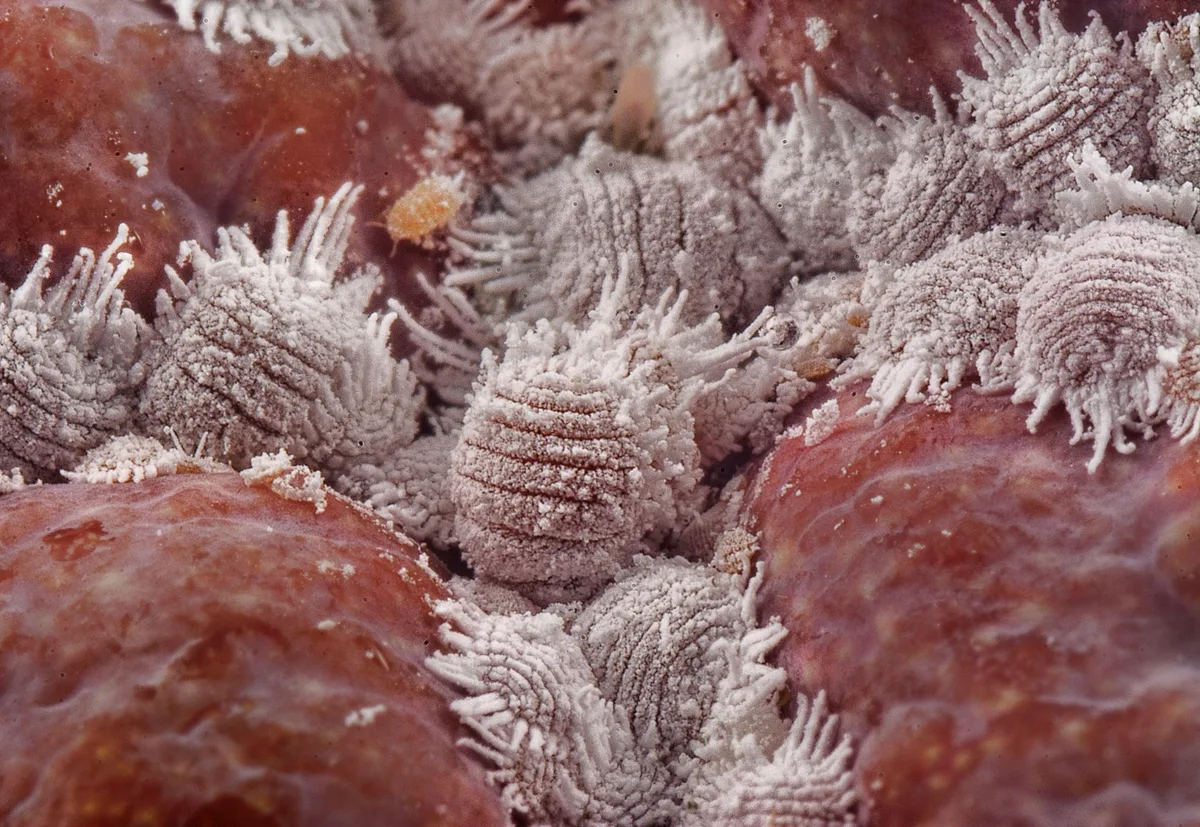
Mealybugs are soft-bodied, sap-sucking insects covered in a white waxy coating that looks like cotton or powder. Adult females and nymphs cluster in hard-to-reach spots, leaf axils, stem joints, and the undersides of leaves. They don't move much once they settle, but they reproduce quickly.
The waxy coating is the main reason mealybugs survive your first spray. It acts as a physical barrier that blocks contact insecticides from reaching the insect's body. That same coating also makes them easy to miss during a quick glance, you'll often only notice them once a colony has grown large enough to produce visible honeydew or sooty mold.
Mealybugs feed by piercing plant tissue and sucking out sap. The plant responds by yellowing, wilting, or dropping leaves. Heavy infestations stunt growth and weaken the plant enough that secondary infections take hold.
The sticky honeydew they excrete attracts ants and provides a substrate for black sooty mold, which blocks light and makes the plant look dirty.
Eggs are another problem. Female mealybugs lay hundreds of eggs inside cottony sacs, and those eggs hatch in one to three weeks depending on temperature. Spray treatments kill adults and nymphs but often leave eggs intact, which is why repeat applications every five to seven days are non-negotiable.
How to Know If You Actually Have Mealybugs
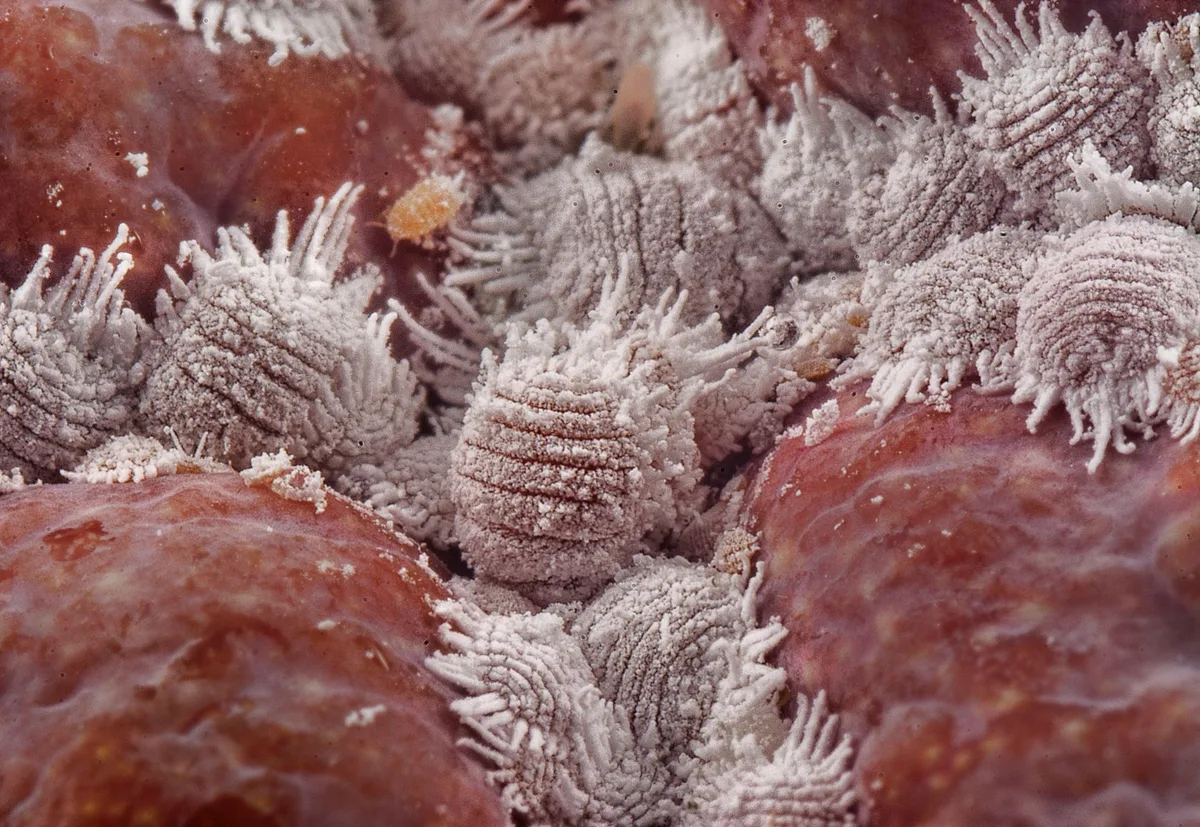
Look for white cottony or powdery clusters on your plant. Mealybugs prefer sheltered spots where leaves meet stems, along the main vein on the underside of leaves, at the base of new growth, and in the crown of the plant. They don't fly, so infestations usually start in one area and spread slowly outward.
Check for sticky residue on leaves or the surface below the plant. That's honeydew, a sugary waste product mealybugs excrete as they feed. If you see black smudges or a sooty coating on leaves, that's sooty mold growing on the honeydew.
Both are clear signs of an active infestation.
Mealybugs look different from other common pests. Scale insects are hard, dome-shaped, and stuck tight to the plant. Aphids are soft but mobile, usually green or black, and cluster on new growth or flower buds.
Whiteflies are tiny flying insects that scatter when you touch the plant. Mealybugs stay put, look fuzzy, and leave that telltale cottony residue.
Root mealybugs are harder to spot because they live in the soil and feed on roots. If your plant is wilting or yellowing without visible pests above ground, unpot it and inspect the root ball. Root mealybugs look like white powder or fluff clinging to roots and the inside of the pot.
Step 1: Assess the Severity of Your Infestation
Before you spray anything, figure out how bad the problem is. Treatment intensity and timing depend on whether you're dealing with a few bugs or a plant-wide infestation. The assessment also tells you whether you can save the plant or if it's better to discard it and protect the rest of your collection.
Light Infestation (Just a Few Bugs)
You see fewer than ten bugs, all in one or two spots. There's no visible honeydew, no sooty mold, and the plant still looks healthy. At this stage, physical removal alone often solves the problem if you stay consistent and monitor weekly.
Dab each bug with a cotton swab dipped in 70% isopropyl alcohol. The alcohol dissolves the waxy coating and kills on contact. Check the same spots every three to four days for two weeks.
If new bugs appear, move to a spray treatment.
Moderate Infestation (Multiple Clusters)
You see clusters in several locations, honeydew on multiple leaves, and possibly some yellowing or leaf drop. The plant is stressed but not collapsing. This level needs physical removal plus a contact spray or insecticidal soap applied on a repeat schedule.
Remove as many bugs as you can by hand first. Then spray the entire plant, hitting the undersides of leaves, stem joints, and the soil surface. Repeat every five to seven days for three to four rounds.
Monitor for another two weeks after the last spray.
Heavy Infestation (Widespread or Root Mealybugs)
The plant is covered in white fluff, leaves are dropping, growth is stunted, or you've found bugs in the soil and on the roots. At this stage, contact sprays alone won't reach every bug. You need a systemic insecticide that the plant absorbs and circulates through its tissues.
If the infestation is on a high-value plant (like an established orchid or rare succulent), treat it aggressively with a soil drench and foliar spray. If it's a common plant and you have others nearby, consider discarding it to eliminate the risk of spread. Some plants are too far gone to save, and continuing treatment just gives the bugs more time to migrate.
Step 2: Isolate Infested Plants Immediately
Move the infested plant away from all other plants as soon as you confirm mealybugs. Mealybugs don't fly, but they do crawl, and nymphs (called crawlers) are mobile enough to walk from one pot to another if leaves are touching or if plants share a tray.
Set the plant in a separate room, a bathroom, laundry room, or any space with adequate light where it won't contact other plants. If you don't have a separate room, place it on a different surface and keep at least three feet of clearance on all sides. Treat nearby indoor plants as exposed and inspect them daily for two weeks.
Check the surface under the original plant location. Wipe it down with soapy water or a diluted alcohol solution to remove any crawlers or honeydew. If the plant was sitting on a saucer or tray, wash it thoroughly or discard it if it's porous.
Ants often farm mealybugs for their honeydew, protecting them from predators and even moving them to new plants. If you see ants on or near the infested plant, deal with the ants first. Use an ant bait station or a targeted insecticide to eliminate the colony.
Without ants, mealybugs lose a major line of defense.
Quarantine any new plant you bring home for at least two weeks, even if it looks clean. Mealybugs hide in leaf axils and soil, and a light infestation can go unnoticed until the bugs multiply. Inspect the plant thoroughly before placing it near your collection.
How to Remove Mealybugs Physically (The First Strike)
Physical removal is your first move, not your only move. It knocks down the population immediately and lets you see where the bugs are concentrated. Even if you plan to spray, removing visible bugs first makes the spray more effective because there's less waxy coating to penetrate.
The Alcohol and Cotton Swab Method
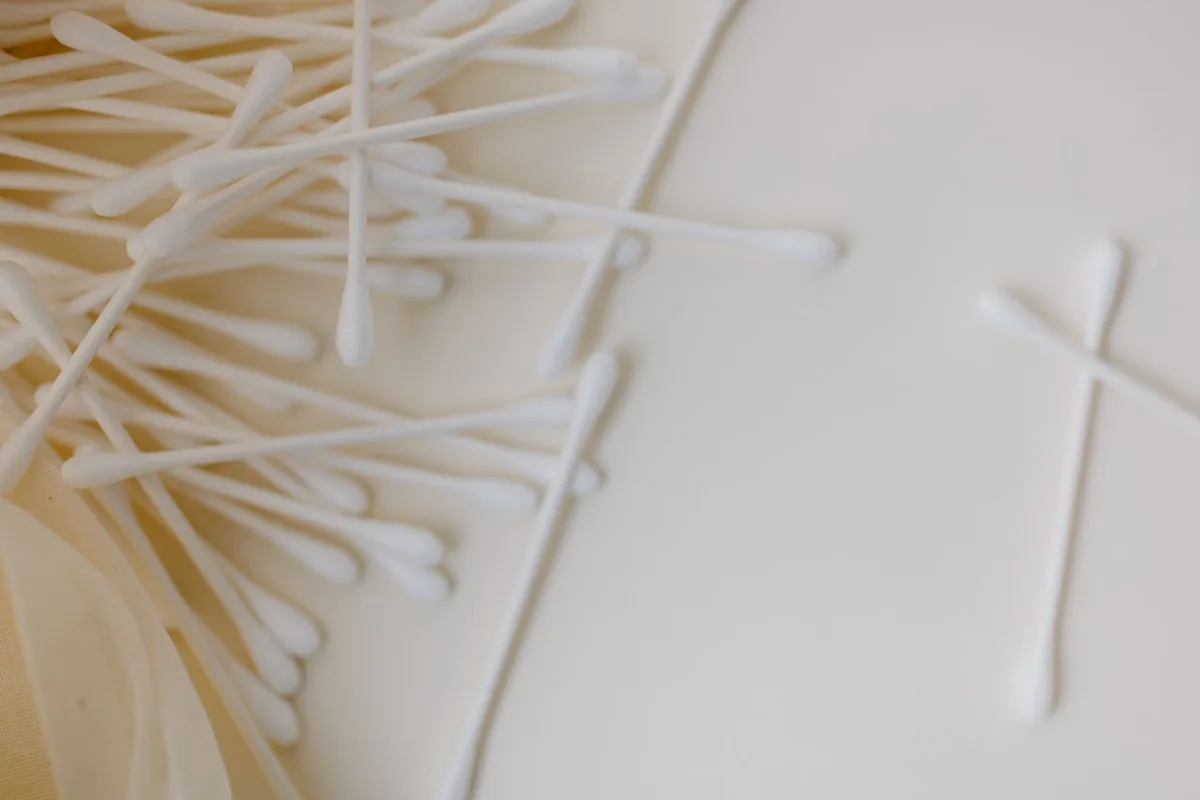
Dip a cotton swab in 70% isopropyl alcohol and touch it directly to each mealybug. The alcohol dissolves the waxy coating and kills the insect within seconds. Work slowly and check every leaf axil, stem joint, and the underside of each leaf.
Use a fresh swab for each cluster to avoid spreading bugs or eggs. If you're working on a large plant, keep a small bowl of alcohol nearby and swap out the swab frequently. For smaller bugs or tight spaces, a soft paintbrush dipped in alcohol works better than a swab.
After you've dabbed every visible bug, wipe down the leaves with a damp cloth to remove honeydew and dead insects. This also helps you spot any bugs you missed. Let the plant dry, then inspect it again under bright light.
You'll almost always find a few stragglers.
Alcohol can damage some plants if applied to foliage in direct sun or at high concentrations. Test it on one leaf first, especially on succulents, ferns, or plants with thin leaves. If the leaf shows browning or discoloration within 24 hours, dilute the alcohol to 50% or switch to plain water and mechanical removal.
When to Prune Heavily Infested Parts
If a stem or branch is covered in mealybugs and the rest of the plant looks clean, cut it off. Use clean pruning shears and make the cut below the infested area. Bag the pruned material immediately and dispose of it in the trash, not your compost.
Pruning works best on woody plants, hibiscus, citrus, jade plants, where new growth will replace what you remove. On soft-stemmed plants like pothos or philodendron, pruning can stress the plant further if you remove too much at once. In that case, focus on physical removal and spray treatments instead.
Disinfect your pruning shears with alcohol or a 10% bleach solution after each cut. Mealybugs and eggs can cling to the blades and transfer to the next plant you prune. A quick wipe between cuts prevents cross-contamination.
Frequently Asked Questions
How long does it take to get rid of mealybugs completely?
Plan for three to four weeks of active treatment with sprays or alcohol applications every five to seven days. After the final treatment, monitor the plant weekly for another two weeks. Total time from first detection to confirmed clear is usually six to eight weeks.
Can mealybugs infest soil?
Yes. Root mealybugs live in the soil and feed on roots. They look like white powder or cottony clusters around the root ball.
If you suspect root mealybugs, unpot the plant, rinse the roots under running water, and treat with a systemic insecticide soil drench before repotting in fresh soil.
Will neem oil kill mealybug eggs?
Neem oil disrupts insect feeding and reproduction but does not reliably kill eggs. It works best as a contact spray for nymphs and adults. Combine neem oil with physical removal and repeat applications to catch newly hatched crawlers over multiple life cycles.
Do I need to treat plants near the infested one?
Yes, inspect them daily for two weeks. Mealybug nymphs crawl, and if leaves were touching or plants shared a tray, bugs may have spread. Treat any plant that shows signs of infestation immediately, even if it's just a few bugs.
Can mealybugs live on humans or pets?
No. Mealybugs are plant-specific pests that feed only on plant sap. They don't bite, sting, or infest animals or people.
You can handle infested plants without risk of the bugs transferring to you or your pets.
What's the white fuzzy stuff on my plant?
That's the waxy coating mealybugs secrete for protection. It looks like cotton, powder, or fine webbing. If you see it on stems, leaf joints, or undersides of leaves, inspect closely for small oval insects underneath the fluff.
That's a mealybug infestation.
Treatment Options Based on Your Situation
Pick your treatment based on what you found during assessment. Light infestations respond to physical removal and gentle contact sprays. Moderate to heavy infestations need stronger products, often a combination of contact and systemic options.
Root mealybugs always require a soil drench.
Best Spray Treatments for Contact Kill
Insecticidal soap works by breaking down the waxy coating and dehydrating the insect. It's safe for most plants and kills on contact but has no residual effect. Spray every five to seven days, covering all surfaces until runoff.
Focus on leaf undersides, stem joints, and the soil surface.
Horticultural oil (also called dormant oil or summer oil depending on formulation) smothers mealybugs by coating their bodies and blocking their spiracles. It's effective on adults and nymphs but doesn't penetrate egg sacs well. Apply in early morning or late evening to avoid leaf burn, and never spray when temperatures exceed 85°F.
Neem oil contains azadirachtin, which disrupts insect feeding and molting. It acts as both a contact killer and a feeding deterrent. Mix according to label directions, typically two tablespoons per gallon of water, and spray every seven days.
Neem oil can cause phytotoxicity on ferns, succulents, and some flowering plants, so test a small area first.
Isopropyl alcohol at 70% concentration can be used as a spray, not just a swab. Mix one part alcohol to three parts water in a spray bottle and mist the entire plant. The alcohol evaporates quickly and won't harm most plants, but avoid spraying delicate or fuzzy-leaved species.
Repeat every three to four days for two weeks.
When You Need a Systemic Insecticide
If contact sprays aren't working after two rounds, or if you're dealing with root mealybugs or a heavy infestation, switch to a systemic product. Systemic insecticides are absorbed by the plant and circulate through its vascular system. When mealybugs feed on treated plant tissue, they ingest the toxin and die.
Imidacloprid is the most common systemic active ingredient available to home gardeners. It's sold as a soil drench or granular product. Apply it to moist soil, then water thoroughly so the plant can uptake the chemical.
The product becomes active in the plant within seven to fourteen days and remains effective for several weeks.
Systemic treatments work best on woody plants, citrus, jade, hibiscus, and large potted tropicals. They're less effective on fast-growing herbaceous plants because new growth may not contain enough of the active ingredient. Don't use systemics on edible plants unless the label specifically allows it and lists a pre-harvest interval.
Read and follow all label directions. Systemic insecticides can harm beneficial insects if the plant flowers and pollinators visit. If you're treating a flowering plant indoors, remove any open blooms before application.
Keep treated plants away from pets and children until the soil surface dries.
Organic vs. Synthetic: What Actually Works
Organic treatments (insecticidal soap, horticultural oil, neem oil, alcohol) kill mealybugs on contact but require multiple applications because they don't persist. They're safe for use around pets and on houseplants in living spaces, and they won't harm beneficial insects once the spray dries.
Synthetic treatments (pyrethrins, imidacloprid, other neonicotinoids) offer faster knockdown and longer residual protection. They're more effective on heavy infestations and root mealybugs. The trade-off is higher toxicity to non-target insects and stricter safety precautions during application.
If you have a small collection and catch infestations early, organic treatments are usually enough. If you manage a greenhouse, have recurring infestations, or deal with hard-to-treat species, synthetic options save time and reduce the total number of applications.
The Repeat Treatment Schedule (Why One Round Never Works)
Mealybug eggs hatch in one to three weeks. A single spray kills adults and nymphs but leaves eggs intact. Those eggs hatch into crawlers, and within days you're back to square one.
That's why every effective treatment plan includes multiple rounds spaced to catch newly hatched nymphs before they mature and lay more eggs.
Spray every five to seven days for a minimum of three rounds. Some sources recommend four rounds, especially if the infestation was moderate to heavy. Mark your calendar or set phone reminders.
Skipping even one application gives the population time to rebound.
Between treatments, inspect the plant every two to three days. Look for new crawlers (tiny, mobile, barely visible bugs) in the same spots where you saw adults. If you spot new activity before your next scheduled spray, dab them with alcohol immediately.
After your final spray, continue monitoring for two full weeks. If no new bugs appear, the plant is clear. If you see even one or two mealybugs during that monitoring window, restart the treatment cycle.
A single overlooked female can rebuild the infestation.
How to Treat Root Mealybugs
Root mealybugs are harder to detect and harder to kill because contact sprays don't reach them. If your plant is wilting, yellowing, or declining without visible pests above ground, unpot it and inspect the roots. Look for white cottony or powdery residue on roots, inside the pot, or clinging to the root ball.
Rinse the roots under lukewarm running water to dislodge as many bugs as possible. Use your fingers or a soft brush to remove visible clusters. This won't eliminate the infestation but it reduces the population enough for chemical treatment to work.
Treat with a systemic insecticide applied as a soil drench. Mix the product according to label directions and pour it slowly over the root ball until it drains from the bottom of the pot. The plant absorbs the chemical through its roots, and mealybugs die when they feed.
Repot the plant in fresh, sterile potting mix after treatment. Discard the old soil and wash the pot thoroughly with hot soapy water or a 10% bleach solution. Root mealybugs and their eggs can survive in soil and on pot surfaces, so reusing untreated materials will restart the cycle.
Monitor the plant closely for four to six weeks. Root mealybug infestations often require a second soil drench two to three weeks after the first. If the plant continues to decline or you see new bugs, treat again or consider discarding the plant to protect the rest of your collection.
Using Beneficial Insects for Long-Term Control
Biological control uses natural predators to manage mealybug populations without chemicals. It's most effective in greenhouses or outdoor gardens where predators can establish and reproduce. Indoors, you can release predators as a supplemental control after knocking down the infestation with sprays.
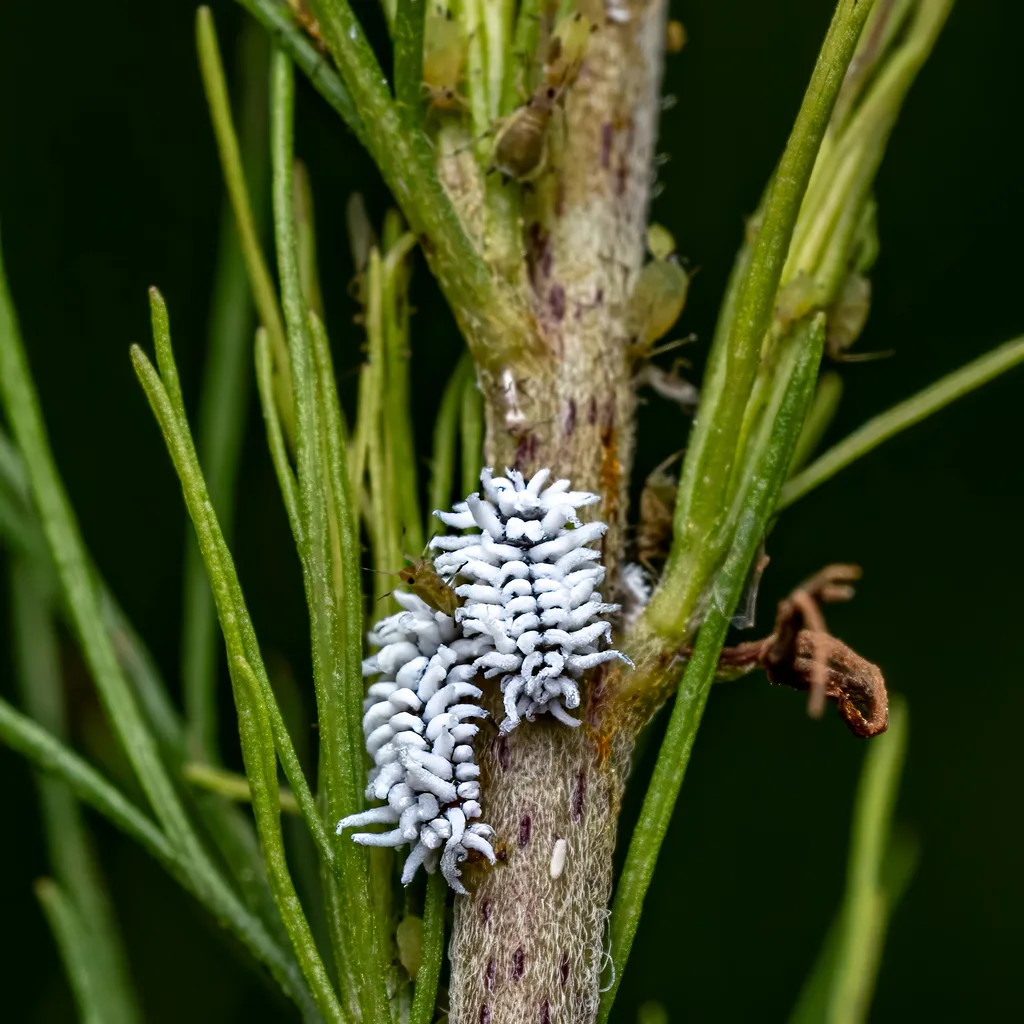
Cryptolaemus montrouzieri, commonly called the mealybug destroyer, is a small black ladybug whose larvae feed heavily on mealybugs. The larvae look like large mealybugs themselves (white and fuzzy), so don't mistake them for pests and remove them. Adult beetles also feed on mealybugs but the larvae do most of the work.
Green lacewing larvae are generalist predators that consume mealybugs, aphids, and other soft-bodied pests. They're aggressive feeders and work well in combination with mealybug destroyers. Release them when the infestation is moderate, not heavy, so they have enough prey to sustain themselves without being overwhelmed.
Parasitic wasps (species like Leptomastix dactylopii and Anagyrus pseudococci) lay eggs inside mealybugs. The wasp larvae consume the mealybug from the inside, killing it. These wasps are tiny, non-stinging, and harmless to humans and pets.
They work best in enclosed environments like greenhouses where they can build up populations over several generations.
Order beneficial insects from reputable suppliers and release them according to the provided instructions. Most require release in early morning or evening when temperatures are mild. Don't spray any insecticides (even organic ones) for at least a week before and after releasing predators, or you'll kill them along with the pests.
Common Mistakes That Let Mealybugs Come Back
Stopping treatment after one or two sprays is the most common mistake. You kill the visible bugs but leave eggs behind. Within two weeks, the infestation returns.
Always complete the full three to four round schedule even if the plant looks clean after the first spray.
Failing to isolate infested plants spreads the problem. Mealybugs crawl slowly, but nymphs are mobile enough to move from pot to pot if plants are touching or sharing a tray. Quarantine the affected plant immediately and inspect nearby plants daily for at least two weeks.
Skipping the undersides of leaves and stem joints leaves hidden bugs untouched. Mealybugs cluster in protected areas where spray coverage is poor. Lift every leaf, check every node, and spray until the solution drips off all surfaces.
Incomplete coverage guarantees survivors.
Reusing infested soil or pots without sterilization reintroduces mealybugs. Eggs and nymphs survive in soil and cling to pot surfaces. Always repot in fresh mix and wash or discard the old container.
If you're reusing a pot, soak it in a 10% bleach solution for ten minutes, rinse thoroughly, and let it dry completely.
Not treating new plants before adding them to your collection is how most infestations start. Quarantine every new plant for two weeks, inspect it thoroughly under bright light, and treat it preemptively with insecticidal soap or neem oil even if it looks clean. A single overlooked mealybug can infest an entire collection.
How to Prevent Mealybugs From Showing Up Again
Inspect every plant weekly, even after treatment ends. Check leaf axils, stem joints, and the undersides of leaves under bright light. Catching a new infestation at one or two bugs is far easier than treating a full colony.
Quarantine all new plants for two weeks before placing them near your collection. Inspect thoroughly and treat preemptively with insecticidal soap or neem oil. Most infestations trace back to a single newly purchased plant that looked clean at the nursery.
Avoid overwatering and overfertilizing. Stressed plants attract pests, and lush new growth from excessive nitrogen provides ideal feeding sites. Water only when the top inch of soil dries out, and fertilize appropriately for the species and season.
Keep plants spaced so leaves don't touch. Good air circulation reduces humidity around foliage, which slows mealybug reproduction. Clean fallen leaves and debris from pot surfaces and trays, these harbor pests and provide hiding spots.
What to Do If Treatment Isn't Working
If you've completed three rounds of spray treatment and still see active mealybugs, you're either missing hidden bugs or dealing with resistant populations. Unpot the plant and inspect the roots. Root mealybugs survive foliar sprays and reinfest the plant from below.
Switch to a different active ingredient. If you've been using insecticidal soap, move to horticultural oil or a systemic drench. Mealybugs can develop resistance to repeated applications of the same product, and rotating chemical classes improves control.
Check nearby plants again. If one plant keeps getting reinfested, the source may be a neighboring plant with a light infestation you haven't spotted yet. Treat all plants within a three-foot radius as if they're infested, even if they look clean.
When to Toss the Plant Instead of Treating It
If the infestation is so heavy that more than half the plant is covered in mealybugs, sooty mold, or honeydew, and the plant is already wilting or losing leaves, discard it. Continued treatment on a dying plant wastes time and gives mealybugs more chances to spread.
Common, low-value plants (pothos, spider plants, inexpensive succulents) are often not worth the effort of aggressive treatment. If you can replace the plant for less than the cost of systemic insecticides and multiple rounds of labor, replacement is the smarter choice.
Bag the plant completely before moving it to the trash. Don't compost infested plants. Mealybugs and eggs can survive in compost piles and reinfest your garden or other plants.
Decision Guide: Which Treatment Path Is Right for You?
Use this table to pick your approach based on what you found during assessment.
| Infestation Level | Visible Bugs | Root Involvement | Recommended Treatment | Frequency |
|---|---|---|---|---|
| Light | Fewer than 10, localized | No | Alcohol swab + weekly inspection | Every 3-4 days for 2 weeks |
| Moderate | Multiple clusters, honeydew present | No | Physical removal + contact spray (soap, oil, neem) | Every 5-7 days, 3-4 rounds |
| Heavy | Widespread, leaf drop, stunted growth | Possible | Systemic drench + foliar spray | Drench once, foliar every 5-7 days, 3-4 rounds |
| Root mealybugs | Few or none above ground, plant declining | Yes | Root rinse + systemic drench + repot | Drench at repot, repeat in 2-3 weeks |
If you're dealing with a high-value plant (rare orchid, mature bonsai, expensive tropical), treat aggressively with systemics and consider releasing beneficial insects after the chemical residue clears. For common houseplants, stick to organic sprays and physical removal unless the infestation escalates.