Guide to Common Whiteflies Mistakes for 2026: Simple Steps
You’re about to lose plants, money, and months of growing time if you keep making common whiteflies mistakes that turn a small problem into a full-blown infestation. Most growers treat only the adult whiteflies they see flying around, spray once, and assume they’ve won. Meanwhile, hundreds of eggs and nymphs sitting on leaf undersides hatch into the next generation, and the cycle repeats until the plant is covered in honeydew, sooty mold, and viral symptoms.
Whiteflies complete a full generation in as little as 21 days at 75°F, which means a single overlooked female can produce 200 to 400 eggs that mature into adults before your first treatment even wears off. Understanding which mistakes actually fuel resistance, population explosions, and treatment failure is the difference between control and catastrophe.
Quick Answer
Common whitefly mistakes include spraying only adult flies while ignoring immobile nymphs on leaf undersides. Using the same pesticide repeatedly breeds resistant populations fast. Skipping follow-up treatments lets survivors rebuild.
Not monitoring sticky traps means you miss the early warning window. Applying sprays during midday heat reduces product efficacy and wastes money.
Why Whitefly Mistakes Cost You More Than the Infestation Itself
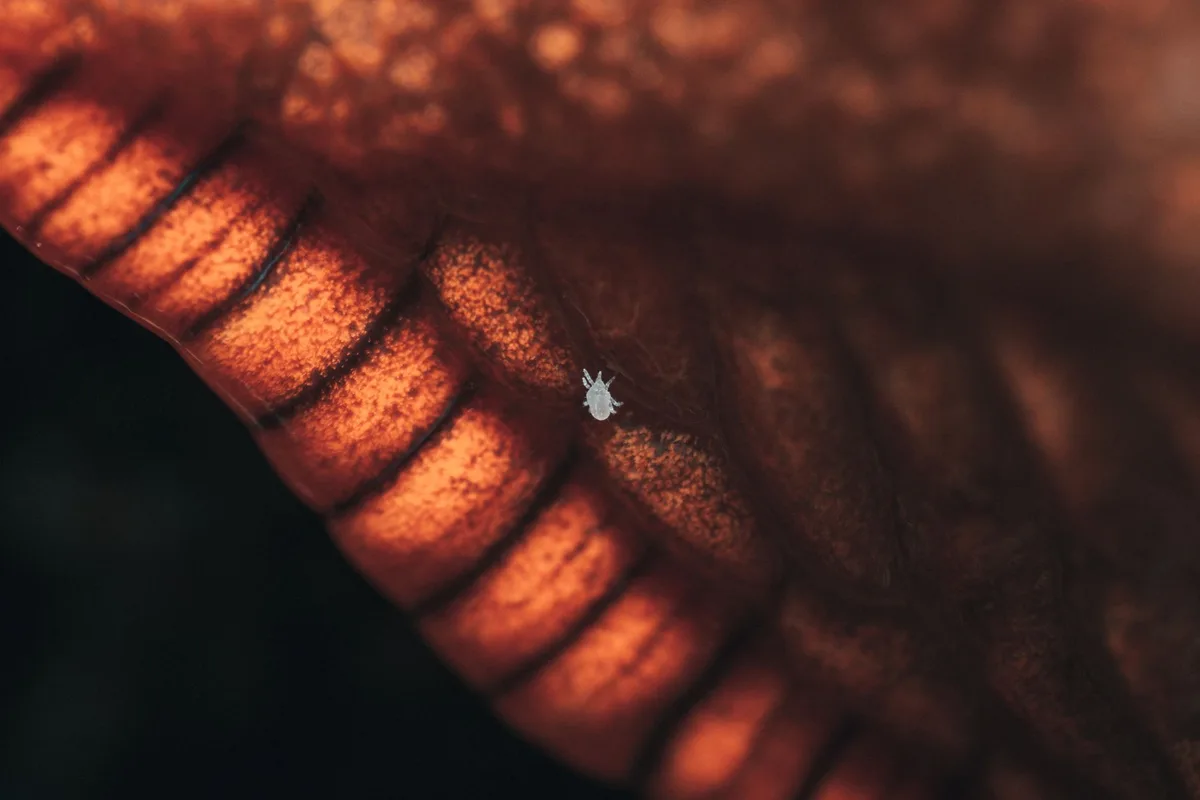
Whiteflies don’t just suck sap and weaken plants. They vector serious plant viruses like tomato yellow leaf curl virus (TYLCV), which can wipe out entire tomato crops with no cure once infection takes hold. A single viruliferous adult can infect a plant in under an hour of feeding, and that plant becomes a reservoir for the rest of the season.
The financial toll compounds when you factor in wasted pesticide applications, lost yields, and the time required to replant or nurse stressed plants back to health. Commercial greenhouse operators measure whitefly damage in thousands of dollars per bay when viral transmission starts, but even home gardeners lose entire seasons to mismanaged infestations.
Misapplied treatments also kill beneficial insects like ladybugs, lacewings, and parasitoid wasps that would otherwise keep whitefly populations in check naturally. You end up creating a biological vacuum where whiteflies rebound faster than their predators, a phenomenon called pest resurgence that makes every subsequent outbreak harder to control.
The Hidden Cost of Resistance
Whiteflies develop pesticide resistance faster than almost any other greenhouse pest. Silverleaf whitefly (Bemisia tabaci) populations in California and Arizona have documented resistance to pyrethroids, organophosphates, and neonicotinoids as of 2026, rendering entire chemical classes useless in some regions.
Once resistance genes spread through a local population, you’re left with fewer effective tools and higher costs per application. Rotating products by mode of action (MOA) from the start is cheaper than scrambling for exotic chemistries after resistance emerges.
The Single Biggest Mistake: Treating Only What You Can See
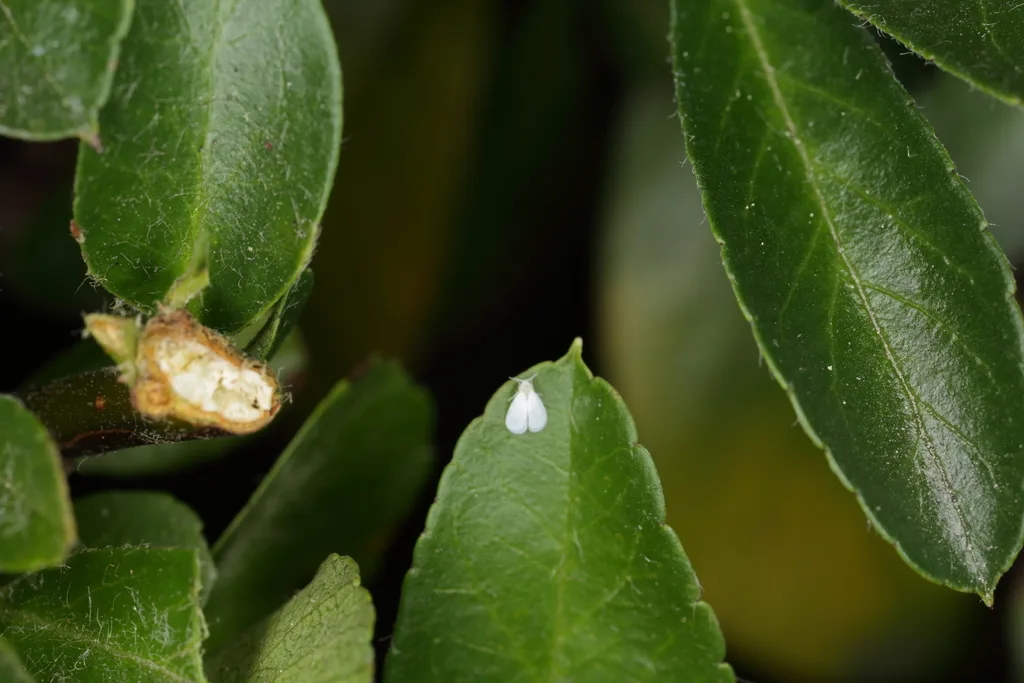
Adult whiteflies are the most visible stage because they flutter up when you brush a leaf. That’s exactly why most people spray them first and think the job is done. But adults represent less than 15% of the total whitefly population on an infested plant at any given time.
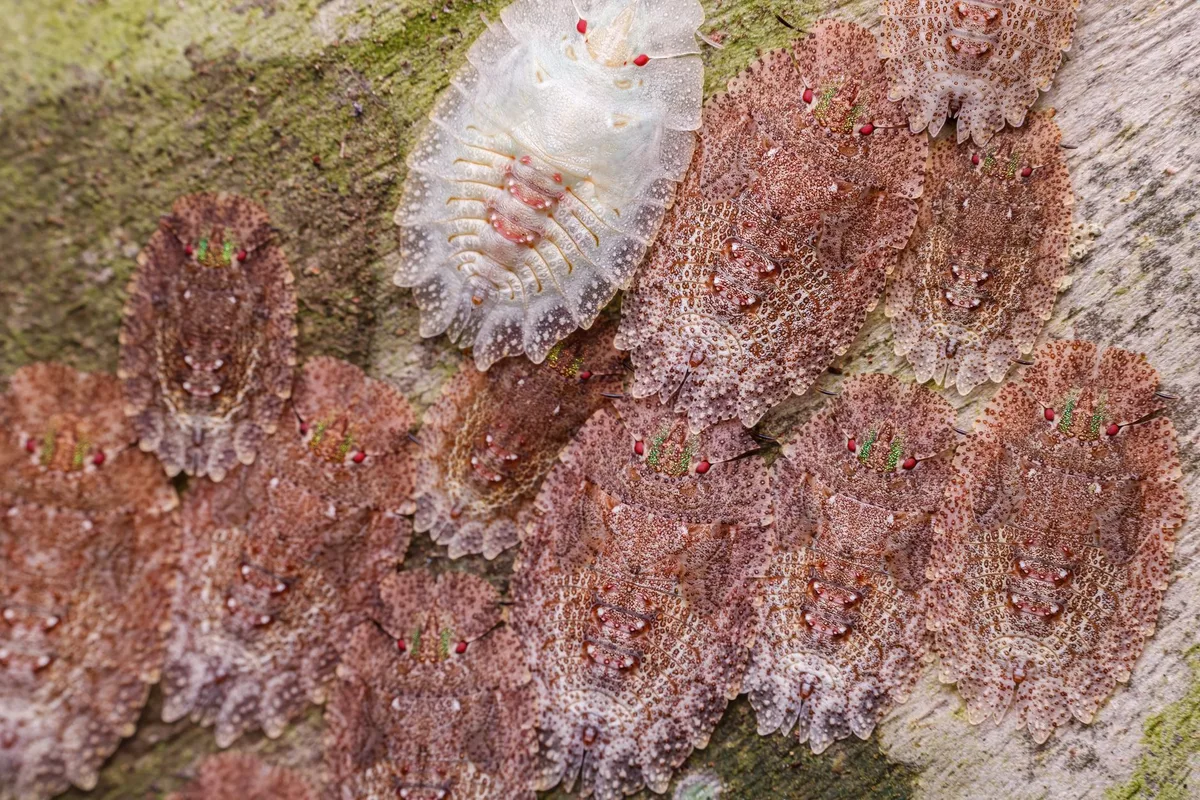
The real threat lives on the underside of leaves in the form of eggs, four nymphal instars, and pupae. These immature stages don’t move, don’t fly, and often don’t respond to contact sprays designed to knock down adults. They just sit there, protected by a waxy coating, developing into the next wave of flying adults.
Why Contact Sprays Miss Nymphs
Most knockdown insecticides like pyrethrins work on contact, meaning they kill what they touch. Nymphs glue themselves flat against the leaf surface under a protective waxy layer that sheds water and repels oil-based sprays. Unless you achieve thorough coverage on the underside of every leaf, you’re leaving 85% of the population untouched.
Systemic insecticides like imidacloprid move through the plant’s vascular system and can reach feeding nymphs, but they take days to circulate and won’t stop adults immediately. You need a combination approach that targets multiple lifecycle stages with different MOAs.
What a Complete Treatment Looks Like
Effective whitefly control hits eggs, nymphs, and adults in a coordinated sequence. Start with a contact spray or insecticidal soap to knock down the adult population and reduce egg-laying. Follow up three to five days later with a product that kills nymphs, such as horticultural oil or an insect growth regulator (IGR).
Repeat the cycle at five- to seven-day intervals for at least three applications to break the lifecycle. Each generation overlaps with the next, so stopping after one or two treatments leaves enough survivors to repopulate within two weeks.
Spraying at the Wrong Time Wastes Money and Lets Populations Explode
Timing your spray applications around temperature and whitefly biology makes the difference between 90% control and 30% control using the exact same product. Whiteflies are most active and vulnerable during early morning and late evening when temperatures are cooler and humidity is higher.
Spraying in the middle of a hot day causes several problems at once. High temperatures accelerate the breakdown of active ingredients in many insecticides, especially pyrethrins and horticultural oils. The spray evaporates before it penetrates the leaf surface or contacts the target insect.
And whiteflies respond to midday heat by sheltering under leaves in dense clusters where spray coverage is already poor.
Why Oil-Based Products Fail in Heat
Horticultural oils and neem oil are popular organic options, but they can cause phytotoxicity (leaf burn) when applied above 85°F. The oil traps heat against the leaf surface, and the combination of direct sunlight and oil residue scorches tender foliage within hours.
Even if you avoid visible burn, oils lose efficacy in high heat because they evaporate too quickly to smother nymphs and eggs. You’re left with streaky residue, stressed plants, and live whiteflies.
The Right Application Window
Apply treatments in early morning before 10 a.m. or late evening after 6 p.m. when temperatures drop below 80°F. Calm conditions help too, because wind drift wastes product and reduces the amount that reaches leaf undersides.
Check the forecast and avoid spraying if rain is expected within 24 hours. Most contact products need at least a few hours to dry and adhere before water washes them off.
Using the Same Product Over and Over Breeds Resistant Whiteflies
Whiteflies reproduce so quickly that resistant individuals can dominate a population in as few as four to six generations. If you spray the same active ingredient or even different products with the same mode of action, you’re applying selection pressure that weeds out susceptible insects and leaves only the resistant ones to breed.
The Insecticide Resistance Action Committee (IRAC) classifies pesticides by MOA using numbered groups. Pyrethrins are Group 3A, neonicotinoids are Group 4A, insect growth regulators are Group 7, and insecticidal soaps have a non-specific MOA. Rotating between different IRAC groups prevents any single resistance mechanism from taking over.
How Resistance Develops Fast
Imagine you spray a pyrethrin product and kill 95% of the whiteflies. The surviving 5% carry genetic mutations that make them less sensitive to pyrethroids. They reproduce, and their offspring inherit that resistance.
Three weeks later, you spray the same pyrethrin again. This time, it kills only 70% because more of the population is resistant. By the third application, you’re barely making a dent.
This isn’t a hypothetical. University of Florida research documented Bemisia tabaci populations in ornamental greenhouses that showed 500-fold resistance to certain pyrethroids after repeated use over two growing seasons.
Building a Rotation Schedule
Plan a three- or four-product rotation using different MOAs. For example, start with insecticidal soap (non-specific MOA) for knockdown, follow with an IGR like pyriproxyfen (Group 7C) to disrupt nymphal development, then use a systemic neonicotinoid soil drench (Group 4A) if needed, and finish with horticultural oil (non-specific MOA) to clean up stragglers.
Document which products you use and when. Label each application by IRAC group so you don’t accidentally repeat a MOA within the same cycle. This takes five minutes per treatment and saves you from building resistance.
Ignoring the Leaf Undersides Where Nymphs Actually Live
Whitefly eggs, nymphs, and pupae spend their entire immature life glued to the underside of leaves. If your spray wand never points up, you’re treating the wrong side of the plant. Topside applications might hit a few adults, but they do nothing to stop the next generation from hatching.
Most backpack sprayers and hose-end applicators are designed for downward spraying, which works fine for foliar fungicides or top-feeding caterpillars. Whiteflies require the opposite approach. You need to angle the nozzle up under the canopy and coat the underside of every leaf with enough product to reach the waxy nymphal scales.
Why Coverage Is So Hard to Achieve
Dense canopy plants like tomatoes, peppers, and ornamental poinsettias have overlapping leaves that shade each other. The bottom leaves and interior foliage get almost no spray unless you physically lift and separate branches. And whiteflies know it, they concentrate on the shaded lower leaves where conditions are humid and spray coverage is weakest.
Hand-held pump sprayers give you better control than hose-end units because you can adjust the angle and pressure for each section of the plant. A fine mist is better than a coarse stream, it covers more surface area and penetrates the leaf texture instead of beading up and rolling off.
Techniques That Actually Work
Start at the bottom of the plant and work your way up. Spray from below, angling the wand so the mist drifts upward onto leaf undersides. Move slowly and overlap each pass to avoid leaving dry spots.
For tall plants, use a step stool or extension wand so you can reach the canopy without straining.
Check your work by flipping a few leaves after spraying. They should be visibly wet but not dripping. If you see dry patches, go back and hit them again.
Thoroughness beats speed when you’re fighting an insect that hides in plain sight.
Waiting Until You See Damage Instead of Monitoring Sticky Traps
By the time you notice yellowing leaves, sticky honeydew, or sooty mold on your plants, the whitefly population has already exploded past the point where a single treatment will fix it. Visible damage means you’re weeks behind the infestation curve, and you’ll need multiple aggressive interventions to regain control.
Yellow sticky traps give you early warning when populations are still manageable. Adult whiteflies are attracted to bright yellow surfaces and get stuck when they land. Counting trapped adults each week tells you when numbers are rising, so you can treat before eggs hatch into the next generation.

What Action Thresholds Actually Mean
An action threshold is the population level at which treatment becomes cost-effective. For most vegetable crops, that threshold sits around one to five adult whiteflies per plant, depending on the crop value and the risk of viral transmission. Ornamentals and non-food plants can tolerate slightly higher numbers before economic damage occurs.
If your sticky traps show consistent counts below the threshold, you don’t need to spray yet. Once counts cross that line or start doubling week over week, it’s time to intervene. This approach saves you money on unnecessary treatments and reduces pesticide pressure on beneficial insects.
How to Use Sticky Traps Correctly
Hang one trap per 100 square feet of growing area, positioned just above the plant canopy. Whiteflies fly low and prefer the shade under leaves, so traps placed too high will miss them. Replace traps weekly or when they’re more than half covered with insects, because overcrowded traps lose their stickiness and stop catching new arrivals.
Record the count from each trap before you throw it out. You’re looking for trends, not just a single week’s number. A jump from five flies to 25 flies per trap in one week signals a population boom that needs immediate attention.
Choosing the Wrong Product for the Lifecycle Stage You’re Fighting
Not all whitefly products work on all lifecycle stages. Contact sprays kill adults and soft-bodied nymphs but do nothing to eggs or late-stage pupae with hardened waxy shells. Systemic insecticides applied as a soil drench take days to move through the plant and won’t give you immediate knockdown of flying adults.
Insect growth regulators (IGRs) like pyriproxyfen disrupt the molting process in nymphs, preventing them from maturing into adults. But they won’t kill adults that are already reproducing, so you need a different product to stop egg-laying while the IGR works on the next generation.
Matching Product to Target
If you’re seeing clouds of adult whiteflies, start with a fast-acting knockdown spray like pyrethrin or insecticidal soap. These products work within hours and reduce the number of egg-laying females immediately. Follow up three to five days later with an IGR or horticultural oil to kill the eggs and nymphs that survived the first treatment.
For heavy infestations on ornamentals or non-edible plants, a systemic neonicotinoid soil drench (imidacloprid) provides long-term suppression by making the entire plant toxic to feeding insects. Drench applications take seven to ten days to reach full efficacy, so pair them with a contact spray for short-term relief.
Reading the Label for Stage-Specific Claims
Every pesticide label lists the target pests and lifecycle stages it controls. Look for phrases like “controls eggs and nymphs” or “kills adults on contact.” If the label doesn’t mention a specific stage, assume the product won’t work on it. Mixing products without checking compatibility can cause them to degrade or separate, wasting both.
Some products explicitly state they’re incompatible with certain pH levels or water hardness. If your tap water is above 7.5 pH, acidify it with a buffering agent before mixing oil-based sprays, or you’ll end up with clumps that clog your sprayer.
Skipping Follow-Up Treatments and Losing All Your Progress
Whitefly eggs hatch over a period of days, not all at once. A single spray might kill 90% of the current population, but the remaining 10% will repopulate your plants within two weeks if you don’t follow through. Skipping the second and third applications is the most common way to turn a temporary victory into a long-term failure.
Most contact insecticides have no residual activity past 24 to 48 hours. Once the spray dries and degrades, newly hatched nymphs are free to feed and grow without exposure to the active ingredient. You’re essentially starting from scratch every time you let the treatment lapse.
Why Three Applications Is the Minimum
Whiteflies overlap generations, meaning you’ll always have eggs, nymphs, pupae, and adults present at the same time. The first application knocks down adults and soft nymphs. The second application (five to seven days later) catches the eggs that hatched after the first spray.
The third application (another five to seven days out) mops up any stragglers that were in the pupal stage during the first two treatments.
Stopping after one or two sprays leaves enough survivors to rebuild the population in 14 to 21 days. You’ll be back where you started, except now you’ve wasted time and product.
Scheduling Reminders That Actually Work
Set calendar alerts or phone reminders for each follow-up application. Write the product name, IRAC group, and application date in a notebook or spreadsheet so you don’t accidentally repeat the same MOA. Consistency beats intensity when you’re breaking a pest lifecycle.
If rain or scheduling conflicts force you to skip a day, apply the treatment as soon as possible. Don’t wait for the original schedule to resume, the whiteflies won’t wait either.
Killing Your Beneficial Insects While Trying to Kill Whiteflies
Broad-spectrum insecticides like pyrethroids, organophosphates, and carbamates kill everything they touch, including the parasitoid wasps, predatory beetles, and lacewings that naturally suppress whitefly populations. Once you wipe out the beneficials, whiteflies rebound faster because they have no natural enemies left to keep them in check.
Encarsia formosa is a tiny parasitoid wasp that lays eggs inside whitefly nymphs. The wasp larva consumes the nymph from the inside, turning it black as it dies. A single Encarsia female can parasitize 50 to 100 nymphs in her lifetime, providing long-term biological control without any chemical input.
How to Preserve Biological Control
If you’re using beneficials or want to protect naturally occurring predators, avoid broad-spectrum products and stick to selective options like insecticidal soap, horticultural oil, and certain IGRs that have minimal impact on parasitoids. Check the product label for toxicity ratings to beneficial insects. Many labels now include a section on non-target effects.
Release Encarsia or other beneficials after the initial knockdown spray has dried and degraded, usually 48 to 72 hours post-application. This gives you immediate relief from adults while setting up long-term biological suppression of nymphs. If you’re growing indoor plants, beneficials can establish and reproduce inside your home without escaping outdoors.
When Beneficials Won’t Work
Biological control works best in enclosed environments like greenhouses or indoor grow rooms where temperatures stay between 70°F and 80°F and humidity remains above 50%. Outdoor gardens in hot, dry climates see poor establishment because Encarsia can’t survive above 90°F for extended periods. In those conditions, you’ll need to rely more on chemical rotation and cultural controls.
Don’t release beneficials into an active heavy infestation. They can’t keep up with explosive populations. Use chemicals to knock the numbers down first, then introduce biocontrols to maintain suppression.
Not Quarantining New Plants and Importing the Problem
Every time you bring home a plant from a nursery, garden center, or friend’s yard, you’re rolling the dice on hidden pest hitchhikers. Whitefly eggs and early-stage nymphs are nearly invisible to the naked eye, and a single infested plant can seed your entire garden or greenhouse within weeks.
Quarantine means isolating new arrivals for 14 to 21 days in a separate space where you can monitor them for pest emergence without risking your established plants. This simple step prevents more infestations than any spray ever will.
How to Set Up a Quarantine Area
Choose a space physically separated from your main growing area, a garage, a spare room, a shadehouse, or even a corner of your yard at least 20 feet away from other plants. Inspect the new plant carefully before you bring it in. Flip leaves, check stems, and look for honeydew or sooty mold.
Place a yellow sticky trap near the plant and check it every two to three days. If you see even one whitefly on the trap, treat the plant immediately with insecticidal soap or horticultural oil before the population spreads. Don’t move the plant into your main area until you’ve gone two full weeks with zero new catches on the trap.
What If You Don’t Have Space to Quarantine
If you absolutely can’t isolate new plants, treat them prophylactically with a soil drench or foliar spray the day you bring them home. Use a product labeled for the pest you’re most worried about, usually aphids, whiteflies, or spider mites. This won’t catch every hitchhiker, but it reduces the risk significantly.
Avoid buying plants that already show signs of pest damage or stress. Yellowing leaves, sticky residue, or visible insects mean the plant is already infested and will require intensive treatment before it’s safe to integrate. For seedlings under grow lights, inspect them weekly during the vegetative stage when whiteflies are most likely to establish.
Mixing Incompatible Products or Applying Them at the Wrong pH
Combining two pesticides in the same tank without checking compatibility can cause them to separate, clump, or lose efficacy before they ever reach the plant. Oil-based products and sulfur-based fungicides react violently when mixed, forming phytotoxic compounds that burn foliage within hours. Always check product labels for tank-mix compatibility charts before you pour anything together.
Water pH also affects how well products dissolve and penetrate leaf surfaces. Most insecticidal soaps and horticultural oils work best in water with a pH between 5.5 and 7.0. If your tap water is alkaline (above 7.5), the active ingredients break down faster and coverage suffers.
Treating Greenhouse Whiteflies the Same as Outdoor Populations
Greenhouse whitefly (Trialeurodes vaporariorum) and silverleaf whitefly (Bemisia tabaci) look similar but behave differently. Greenhouse whiteflies prefer cooler, humid conditions and rarely survive hot outdoor summers in most climates. Silverleaf whiteflies thrive in heat and tolerate drier air, making them the dominant outdoor pest in southern states.
Treatment timing and product choice should match the species and environment. Greenhouse populations stay active year-round in controlled climates, so you need continuous monitoring and biological controls that establish long-term. Outdoor populations often crash in winter or during extreme heat, giving you natural breaks where less-intensive tactics work.
Spraying During Peak Heat When Products Break Down
High temperatures degrade pyrethrin-based sprays and cause horticultural oils to volatilize before they smother nymphs. Products labeled for temperatures below 85°F will fail if applied midday in summer heat. You’re wasting product and risking leaf burn at the same time.
Spray early morning or late evening when the air cools and humidity rises. Cooler conditions slow evaporation and give active ingredients time to penetrate the waxy nymph coating. Wind also matters, calm air keeps spray on target instead of drifting onto non-target plants.
Overlooking Ants That Farm and Protect Your Whiteflies
Ants feed on the honeydew that whiteflies excrete, and in exchange, they attack predators like ladybugs and lacewings that try to eat whitefly nymphs. This mutualistic relationship lets whitefly populations grow unchecked because their natural enemies get driven off by aggressive ant colonies.
If you see ant trails running up plant stems, treat the ants first with bait stations or a perimeter spray before you tackle the whiteflies. Eliminate the ant protection, and beneficial insects can move back in to help control the infestation. Outdoor flower beds and shade plantings often host ant-whitefly partnerships that growers miss entirely.
Relying on a Single Control Method Instead of an IPM Approach
No single product or tactic will give you permanent whitefly control. Integrated Pest Management (IPM) combines cultural practices, biological controls, monitoring, and selective pesticide use to suppress pests below damaging levels without creating resistance or killing beneficials.
Start with cultural controls like removing infested leaves, using reflective mulches to repel adults, and avoiding over-fertilization that produces lush growth whiteflies love. Add sticky traps for monitoring and early detection. Release beneficials when populations are low.
Use pesticides only when action thresholds are crossed, and rotate MOAs to prevent resistance.
This layered approach costs less over time and keeps whiteflies manageable without the treadmill of repeated chemical applications that stop working as resistance builds.
When to Call It: Recognizing an Infestation Beyond DIY Control
If you’ve cycled through three different product rotations, followed all application timing rules, and the population keeps rebounding stronger each time, you’re dealing with either severe resistance or an environmental factor you haven’t identified. At that point, bringing in a commercial pest management service with access to restricted-use pesticides and professional-grade application equipment often costs less than continuing to throw retail products at a losing battle.
Viral symptoms like yellow leaf curl, mosaic patterns, or stunted growth mean the damage is already done. No amount of whitefly control will reverse plant viruses once they’re established. Cut your losses, remove infected plants before they spread the virus further, and focus on protecting the remaining healthy stock.
The Right Way to Rotate Products and Prevent Resistance
Write down the IRAC group number from each product label and use a different group for each application in your treatment cycle. For example, start with Group 3A (pyrethrin), follow with a non-classified product (insecticidal soap), then use Group 7C (pyriproxyfen), and finish with horticultural oil (non-classified). Don’t return to Group 3A until you’ve completed the full rotation and gone at least four weeks without using that MOA.
University extension guidelines recommend no more than two consecutive applications of the same IRAC group per season. Once you hit that limit, switch to a different group even if the first product was working well. Resistance develops from repeated exposure, not from a single use.
How to Actually Monitor Whitefly Populations Using Action Thresholds
Count the number of adults on each sticky trap weekly and record the totals in a notebook or spreadsheet. Calculate the average across all traps to get a site-wide population estimate. If the average jumps 50% or more week over week, treat immediately regardless of whether you’ve hit the economic threshold yet.
Exponential growth means you’re days away from an unmanageable outbreak.
For high-value crops like tomatoes or indoor grow operations, consider treating at lower thresholds (one to two adults per plant) to prevent viral transmission. For ornamentals with no viral risk, you can wait until five to ten adults per plant before intervening.
Frequently Asked Questions
Can I use neem oil and insecticidal soap together?
Yes, but mix them in separate batches and apply them on different days. Both products work by smothering insects, so combining them doesn’t increase efficacy and may cause phytotoxicity if the total oil concentration gets too high. Space applications three to five days apart for best results.
How long does it take to get rid of whiteflies completely?
Expect three to four weeks minimum with proper treatment rotation and follow-up applications. Heavy infestations or resistant populations can take six to eight weeks of continuous management before you see consistent trap counts below the action threshold.
Do whiteflies come back every year?
Outdoor whiteflies die off in winter in temperate climates but reinfest each spring from weeds, volunteer plants, or new nursery stock. Greenhouse and indoor populations persist year-round unless you break the cycle with a combination of chemical control, beneficials, and sanitation.
What plants are most susceptible to whiteflies?
Tomatoes, peppers, cucumbers, poinsettias, hibiscus, and most tropical houseplants attract whiteflies because of their soft foliage and high sap content. Plants stressed by drought, over-fertilization, or poor light are more vulnerable than healthy, well-maintained specimens.