Guide to Seasonal Lawn Maintenance Tips 2026: Simple Steps
If your lawn looks great in spring but turns brown by August, you are not alone. The problem is not your grass. It is your timing.
Most people apply the same care year-round and wonder why their lawn does not cooperate. These Seasonal Lawn Maintenance Tips will walk you through exactly what to do and when, based on where you live and what is growing in your yard.
Per research from university turfgrass programs, the single biggest factor in lawn success is matching your schedule to your grass's natural growth cycle. Cool-season grasses and warm-season grasses have opposite active growth periods. Treat them the same and you are working against biology.
Let us fix that.
Quick Answer
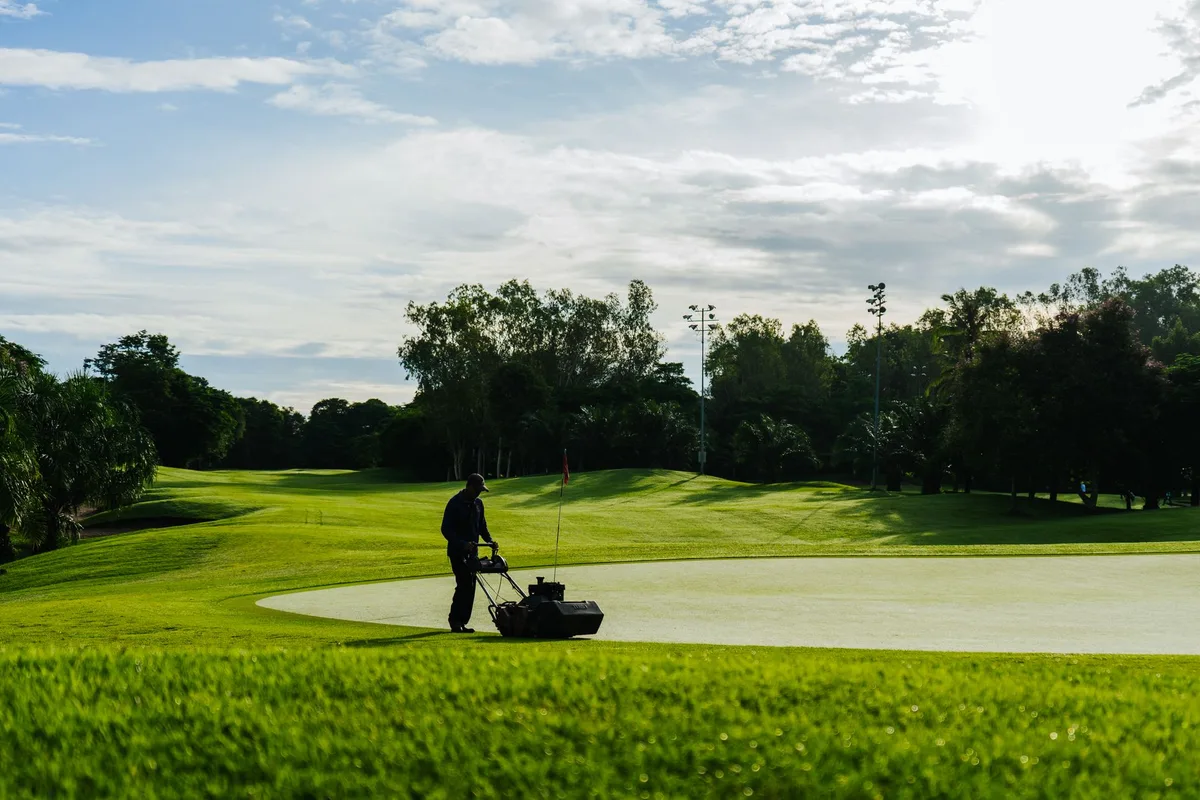
Seasonal lawn maintenance means changing your routine by season and grass type. Mow higher in summer and lower in fall. Water deeply but infrequently.
Fertilize only when grass is actively growing. Aerate and overseed in early fall for cool-season lawns. Test your soil once a year.
What Kind of Grass Do You Have? (The First Decision That Changes Everything)
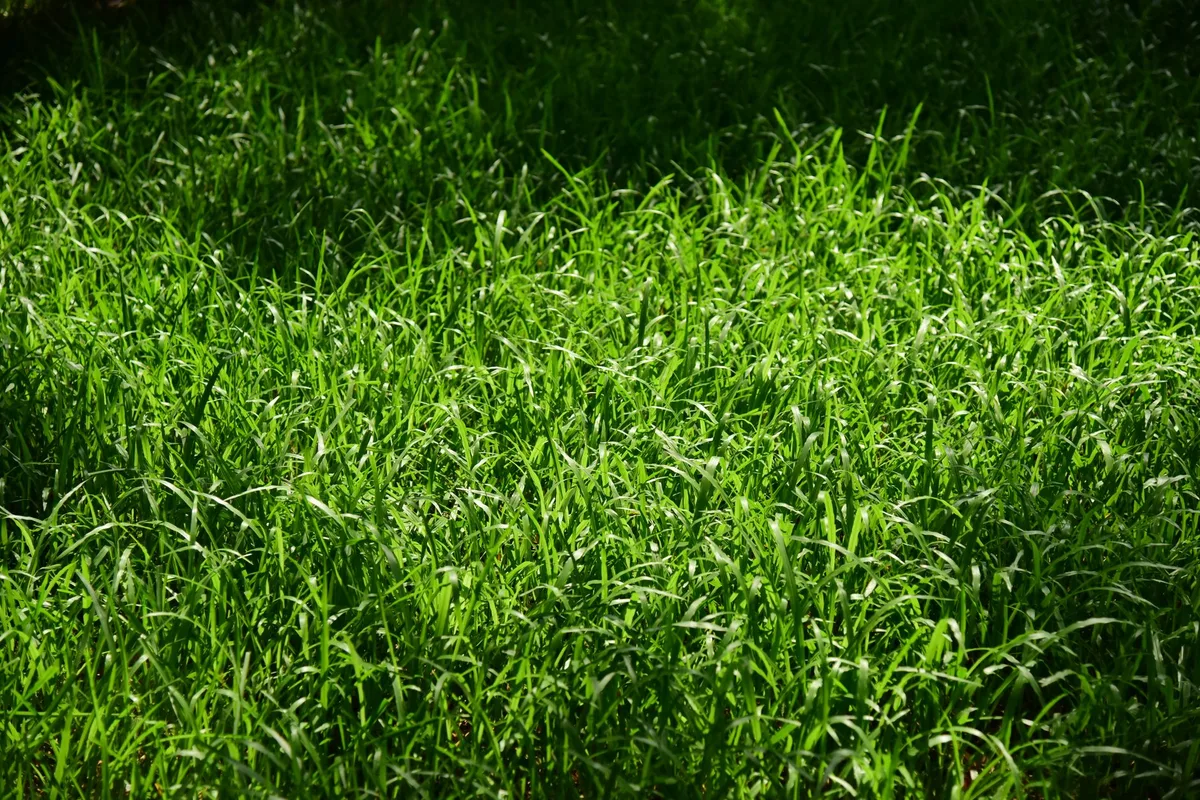
You cannot make good decisions about your lawn until you know what you are working with. It is like trying to cook a meal without knowing whether you have chicken or beef. The grass type determines when you fertilize, how high you mow, and whether you water in summer or let it rest.
Cool-Season vs. Warm-Season: Why It Matters
Cool-season grasses (Kentucky bluegrass, tall fescue, perennial ryegrass) grow fastest in spring and fall. They thrive when soil temperatures sit between 50°F and 65°F. They go dormant or struggle when summer heat pushes soil above 80°F.
Warm-season grasses (Bermuda, Zoysia, St. Augustine, Centipede) do the opposite. They love heat.
Their active growth hits peak when soil temperatures pass 70°F. They turn brown and sleep through winter.
If you fertilize a cool-season lawn in July, you are feeding the weeds while the grass suffers. If you fertilize a warm-season lawn in November, you are wasting money because the grass has already gone dormant. That is the kind of mistake that sets you back months.
Quick Test: How to Identify Your Grass Type in 30 Seconds
Pull a single blade. Look at the tip. Cool-season grasses usually have a pointed tip and a boat-shaped leaf.
Warm-season grasses often have a folded or rolled blade with a sharper tip. If you are unsure, check your state's extension office website. Most have a simple identification guide with photos.
Spring Lawn Care: Wake It Up Without Wrecking It
Spring is where most people make their first big mistake. They see green grass and want to help it grow. So they mow low, fertilize hard, and water daily.
That approach works against what the grass actually needs right now.
The Biggest Spring Mistake (And How to Avoid It)
Scalping. Cutting the grass too short in early spring exposes the soil to direct sunlight. That warms the ground faster, sure.
But it also stresses the grass, opens space for crabgrass, and shocks the root system. Grass needs its leaf surface to photosynthesize and recover from winter.
Set your mower deck one notch higher than you think you need. For cool-season grass, aim for 3 to 4 inches. For warm-season, 1.5 to 2.5 inches.
That extra height shades the soil, retains moisture, and crowds out weeds.
When to Rake, When to Leave It Alone
Light raking to remove dead debris is fine. But aggressive dethatching in spring can damage the grass crowns. If your thatch layer is less than half an inch thick, leave it.
If it is thicker, wait until fall to core aerate. Spring dethatching tears up the lawn when it is already trying to recover.
Fertilizer Timing: Feed the Grass, Not the Weeds
Wait until the grass is actively growing before you apply nitrogen. For cool-season lawns, that means waiting for two full mowings. For warm-season lawns, wait until the grass is fully green and growing strong.
Apply a slow-release fertilizer with an N-P-K ratio like 15-5-10 or something close. Do not use a high-nitrogen quick-release product unless you want to mow every three days and fight disease.
Summer Lawn Care: Surviving the Heat
Summer is a survival season. Especially for cool-season grass. Your goal is not growth.
Your goal is keeping the lawn alive until temperatures drop again.
Mowing Height: The One Adjustment That Saves Your Lawn
Raise your mower deck. For cool-season grass, go to 3.5 or 4 inches. For warm-season, go to 2 to 3 inches depending on the variety.
Taller grass shades the root zone. That keeps soil cooler and reduces water loss.
Do not cut more than one-third of the blade length at any single mowing. If you let the grass get too tall and then scalp it, you remove too much leaf area. That forces the plant to tap deep into its energy reserves to regrow.
It weakens the lawn.
Watering Deep vs. Watering Often (They're Not the Same)
Shallow daily watering creates shallow roots. The grass becomes dependent on you and dies the moment you skip a day. Deep infrequent watering forces roots to grow downward where soil stays cooler and moist longer.
Water once or twice per week. Apply 1 to 1.5 inches total per week. Put a tuna can or rain gauge on the lawn to measure output.
Run the sprinkler until the can fills to 1 inch. That is roughly 30 to 45 minutes for most oscillating sprinklers.
When to Let It Go Dormant (And When to Fight for Green)
If water restrictions hit or your schedule gets busy, it is okay to let cool-season grass go dormant. It turns brown. It looks dead.
But it is not. The crown stays alive. When rain returns, it typically greens up again within two weeks.
Dormancy is a natural survival mechanism. Do not fertilize dormant grass. Do not overseed it.
Just leave it alone. Water once every three weeks with about half an inch to keep the crown hydrated.
Fall Lawn Care: The Season That Actually Matters Most
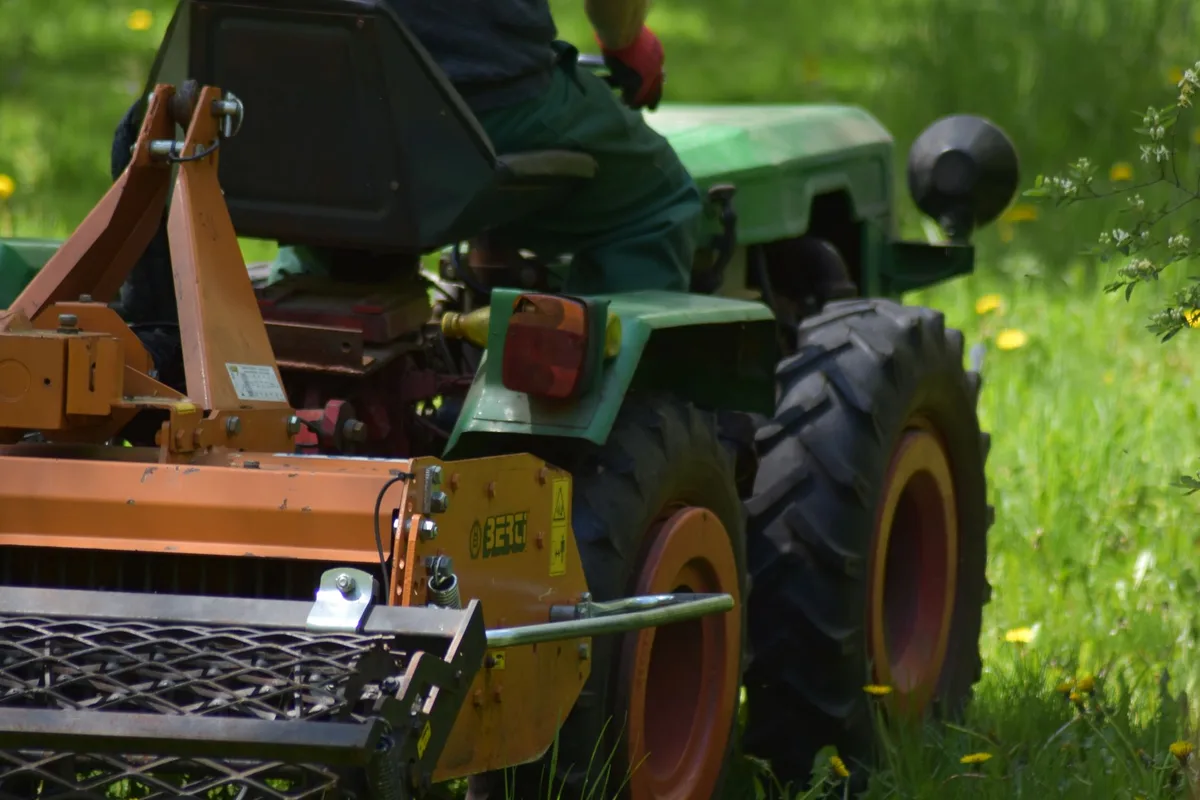
If you only have time to do one season right, make it fall. For cool-season lawns, this is the main event. Soil temperatures cool down, rain returns, and grass growth kicks into high gear.
Everything you do now pays off next spring.
Why Fall Is the Best Time to Fix Everything
Cool-season grass grows roots aggressively in fall. Air temperatures are mild so the top growth slows down. That means the plant directs energy below ground.
Overseeding in fall gives new grass six months of root development before the next summer hits.
Warm-season lawns need a lighter touch in fall. Stop fertilizing about six weeks before your average first frost. Let the grass slow down naturally.
Do not overseed warm-season lawns in fall unless you are trying to transition to a winter rye overseed.
Aeration and Overseeding: The One-Two Punch
Core aeration pulls out plugs of soil. That relieves compaction and opens channels for water, air, and nutrients. Overseeding immediately after aeration gives seeds direct soil contact and dramatically improves germination rates.
For cool-season lawns, aerate in early fall. Spread seed at the rate recommended on the bag (usually 3 to 5 pounds per 1,000 square feet). Keep the seed moist for the first two weeks.
Then gradually reduce watering as the seedlings establish.
The Last Mow: How Low Should You Go Before Winter?
Lower the deck for the final mow of the season. For cool-season grass, go to about 2 to 2.5 inches. Shorter grass reduces the risk of snow mold and vole damage.
Do not scalp it down to bare soil. Leave enough leaf area for photosynthesis on warm winter days.
Winter Lawn Care: Less Is More
Winter is the rest season. Your job is mostly about staying out of the way. The less you do, the better.
Dormancy Is Normal (Stop Panicking)
Cool-season grass slows down. Warm-season grass turns completely brown. That is normal.
Do not fertilize. Do not overseed. Do not rake aggressively.
The lawn is sleeping and it does not need coffee.
Foot Traffic and Frost: What Hurts and What Doesn't
Walking on frozen grass breaks the leaf blades. The damage shows up as brown footprints that last for weeks. Stay off the lawn when frost is on the ground or when the soil is waterlogged.
If you walk the same path every day to get the mail or take out the trash, lay down stepping stones or a temporary path for winter. The grass underneath will thank you in spring.
Equipment Storage and Prep for Next Year
Drain the gas tank on your mower or add fuel stabilizer. Change the oil. Clean the underside of the deck.
A clean machine starts easier next spring. Sharpen the blade or replace it. You can also check the right oil level and handle other simple DIY repairs like cleaning the air filter before storing it away.
The Decision Tree: What to Do Right Now, Based on Your Lawn
This section helps you figure out your next move in about 60 seconds.
Step 1: Check Your Grass Type
Look at your lawn. Is it green and growing right now? Or is it brown and dormant?
If it is green and actively growing in spring or fall, you likely have cool-season grass. If it is green and thriving in July, you likely have warm-season grass.
Step 2: Check Your Season
Spring, summer, fall, or winter? Each season changes the rules. Do not apply spring rules in summer.
That is how lawns get burned and stressed.
Step 3: Check Your Lawn's Condition
Is the soil compacted? Do you have bare patches? Is the color uneven?
Is crabgrass taking over? Each problem points to a different solution.
Step 4: Take the Right Action
Here is the simple version. If it is spring and you have cool-season grass, raise the mower and fertilize lightly. If it is summer and you have warm-season grass, water deeply and mow regularly.
If it is fall and you have cool-season grass, aerate and overseed. If it is winter, do nothing.
Common Mistakes That Set You Back Months
Mowing Too Short (Scalping)
Scalping removes too much leaf tissue. The grass has to use stored energy to regrow leaves instead of building roots. That makes the lawn weak all season.
Keep the mower high. It is the single easiest fix.
Fertilizing at the Wrong Time
Fertilizing a dormant lawn does nothing for the grass. It feeds weeds and can pollute runoff into local waterways. Apply fertilizer only when the grass is actively growing.
That means spring and fall for cool-season, late spring through summer for warm-season.
Watering on a Timer Without Checking the Weather
If it rained last night and your sprinkler runs the next morning, you are overwatering. Watch the forecast. Skip a cycle when rain is expected.
A simple rain sensor or smart controller can save water and prevent fungus problems. If you notice disease issues despite good watering habits, choosing the right fungicide early can stop the spread before it takes over the whole lawn.
Tools and Products Worth Your Money
Mower: What to Look For
A mulching mower with a sharp blade is better than any bagging mower for lawn health. Mulching returns finely chopped clippings to the soil. That returns nitrogen and organic matter.
Look for a mower with easy height adjustment so you can change settings between seasons.
Spreader: Drop vs. Broadcast
Drop spreaders give precise control along edges. Broadcast spreaders cover large areas faster. For most homeowners, a broadcast spreader works better for lawns.
Just sweep any granules off hard surfaces afterward to prevent runoff.
Aerator: Rent or Buy?
For a single treatment per year, renting a core aerator from a local tool rental shop makes more sense. A walk-behind model costs about $60 to $80 for four hours. Buying one costs hundreds.
If you have a large property or plan to aerate multiple times per year, buying can pay off.
Soil Test Kit: The Cheapest Fix You're Skipping
A home pH test kit costs under $15. A lab test through your extension office costs $10 to $25. It tells you exactly what your soil needs.
Without a test, you are guessing. Most lawns do not need as much fertilizer as people think. A single test can save you years of wasted product.
When to Call a Pro (And When to DIY)
Signs You're in Over Your Head
If you have large patches of dying grass and you cannot figure out the cause, a pro can diagnose it. If the thatch layer is over an inch thick and you cannot rent an aerator, hire someone. If you manage a rental property or an HOA common area, a professional service might save time and provide more consistent results.
What a Lawn Service Actually Does Differently
Professional lawn services use commercial-grade equipment and calibrated spreaders. They often apply products at rates homeowners cannot match with typical consumer products. But the trade-off is cost and control.
If you enjoy the work and want to save money, DIY works well for most lawns.
Quick Reference: Seasonal Lawn Calendar by Grass Type
Cool-Season Grass Calendar
| Season | Mow Height | Fertilize? | Water | Aeration | Overseed |
|---|---|---|---|---|---|
| Spring | 3–4 in | Yes, light | As needed | No | No |
| Summer | 3.5–4 in | No | Deep, 1x/week | No | No |
| Fall | 2.5–3 in | Yes, heavy | As needed | Yes | Yes |
| Winter | 2–2.5 in | No | Only if dry | No | No |
Warm-Season Grass Calendar
| Season | Mow Height | Fertilize? | Water | Aeration | Overseed |
|---|---|---|---|---|---|
| Spring | 1.5–2.5 in | Yes, light | As needed | No | No |
| Summer | 2–3 in | Yes, regular | Deep, 1x/week | Yes | No |
| Fall | 2–3 in | Reduce | Less | No | No |
| Winter | Do not mow | No | Only if dry | No | No |
Transition Zone Calendar
If you live in the transition zone (parts of the Midwest, Mid-Atlantic, and Upper South), you can grow both grass types. The trick is picking one and sticking with it. Warm-season lawns need aeration in late spring.
Cool-season lawns need it in early fall. Do not switch strategies mid-year.
Frequently Asked Questions
Should I water my lawn every day?
No. Watering every day keeps the soil surface wet but lets deeper soil dry out. That encourages shallow roots.
Water deeply once or twice per week for better root development.
When is the best time to plant grass seed?
For cool-season grass, early fall is best. The soil is warm enough for germination, but the air is cool enough to reduce stress. For warm-season grass, late spring works better.
Can I mow wet grass?
You can, but you should not. Wet grass clumps inside the mower deck. It leaves uneven clumps on the lawn.
It also increases the risk of spreading fungal diseases. Wait until the grass dries.
How often should I sharpen my mower blade?
At least once per season. A dull blade tears the grass instead of cutting it. That leaves brown ragged tips that stress the lawn.
If your grass looks torn after mowing, sharpen the blade.
What does lime do for my lawn?
Lime raises the soil pH. If your soil is too acidic, lime helps grass absorb nutrients more effectively. Do not apply lime unless a soil test confirms low pH.
Guessing can make things worse.
Should I bag grass clippings or leave them?
Leave them. Grass clippings are about 85 percent water and contain nitrogen. Mulching returns those nutrients to the soil.
Only bag clippings if the grass was too tall and you left clumps that could smother the lawn.
The Decision Tree: What to Do Right Now, Based on Your Lawn
This section helps you figure out your next move in about 60 seconds.
Step 1: Check Your Grass Type
Look at your lawn. Is it green and growing right now? Or is it brown and dormant?
If it is green and actively growing in spring or fall, you likely have cool-season grass. If it is green and thriving in July, you likely have warm-season grass.
Step 2: Check Your Season
Spring, summer, fall, or winter? Each season changes the rules. Do not apply spring rules in summer.
That is how lawns get burned and stressed.
Step 3: Check Your Lawn's Condition
Is the soil compacted? Do you have bare patches? Is the color uneven?
Is crabgrass taking over? Each problem points to a different solution.
Step 4: Take the Right Action
Here is the simple version. If it is spring and you have cool-season grass, raise the mower and fertilize lightly. If it is summer and you have warm-season grass, water deeply and mow regularly.
If it is fall and you have cool-season grass, aerate and overseed. If it is winter, do nothing.
Common Mistakes That Set You Back Months
Mowing Too Short (Scalping)
Scalping removes too much leaf tissue. The grass has to use stored energy to regrow leaves instead of building roots. That makes the lawn weak all season.
Keep the mower high. It is the single easiest fix.
Fertilizing at the Wrong Time
Fertilizing a dormant lawn does nothing for the grass. It feeds weeds and can pollute runoff into local waterways. Apply fertilizer only when the grass is actively growing.
That means spring and fall for cool-season, late spring through summer for warm-season.
Watering on a Timer Without Checking the Weather
If it rained last night and your sprinkler runs the next morning, you are overwatering. Watch the forecast. Skip a cycle when rain is expected.
A simple rain sensor or smart controller can save water and prevent fungus problems. If you notice disease issues despite good watering habits, choosing the right fungicide early can stop the spread before it takes over the whole lawn.
Tools and Products Worth Your Money
Mower: What to Look For
A mulching mower with a sharp blade is better than any bagging mower for lawn health. Mulching returns finely chopped clippings to the soil. That returns nitrogen and organic matter.
Look for a mower with easy height adjustment so you can change settings between seasons.
Spreader: Drop vs. Broadcast
Drop spreaders give precise control along edges. Broadcast spreaders cover large areas faster. For most homeowners, a broadcast spreader works better for lawns.
Just sweep any granules off hard surfaces afterward to prevent runoff.
Aerator: Rent or Buy?
For a single treatment per year, renting a core aerator from a local tool rental shop makes more sense. A walk-behind model costs about $60 to $80 for four hours. Buying one costs hundreds.
If you have a large property or plan to aerate multiple times per year, buying can pay off.
Soil Test Kit: The Cheapest Fix You're Skipping
A home pH test kit costs under $15. A lab test through your extension office costs $10 to $25. It tells you exactly what your soil needs.
Without a test, you are guessing. Most lawns do not need as much fertilizer as people think. A single test can save you years of wasted product.
When to Call a Pro (And When to DIY)
Signs You're in Over Your Head
If you have large patches of dying grass and you cannot figure out the cause, a pro can diagnose it. If the thatch layer is over an inch thick and you cannot rent an aerator, hire someone. If you manage a rental property or an HOA common area, a professional service might save time and provide more consistent results.
What a Lawn Service Actually Does Differently
Professional lawn services use commercial-grade equipment and calibrated spreaders. They often apply products at rates homeowners cannot match with typical consumer products. But the trade-off is cost and control.
If you enjoy the work and want to save money, DIY works well for most lawns.
Quick Reference: Seasonal Lawn Calendar by Grass Type
Cool-Season Grass Calendar
| Season | Mow Height | Fertilize? | Water | Aeration | Overseed |
|---|---|---|---|---|---|
| Spring | 3–4 in | Yes, light | As needed | No | No |
| Summer | 3.5–4 in | No | Deep, 1x/week | No | No |
| Fall | 2.5–3 in | Yes, heavy | As needed | Yes | Yes |
| Winter | 2–2.5 in | No | Only if dry | No | No |
Warm-Season Grass Calendar
| Season | Mow Height | Fertilize? | Water | Aeration | Overseed |
|---|---|---|---|---|---|
| Spring | 1.5–2.5 in | Yes, light | As needed | No | No |
| Summer | 2–3 in | Yes, regular | Deep, 1x/week | Yes | No |
| Fall | 2–3 in | Reduce | Less | No | No |
| Winter | Do not mow | No | Only if dry | No | No |
Transition Zone Calendar
If you live in the transition zone (parts of the Midwest, Mid-Atlantic, and Upper South), you can grow both grass types. The trick is picking one and sticking with it. Warm-season lawns need aeration in late spring.
Cool-season lawns need it in early fall. Do not switch strategies mid-year.
Frequently Asked Questions
Should I water my lawn every day?
No. Watering every day keeps the soil surface wet but lets deeper soil dry out. That encourages shallow roots.
Water deeply once or twice per week for better root development.
When is the best time to plant grass seed?
For cool-season grass, early fall is best. The soil is warm enough for germination, but the air is cool enough to reduce stress. For warm-season grass, late spring works better.
Can I mow wet grass?
You can, but you should not. Wet grass clumps inside the mower deck. It leaves uneven clumps on the lawn.
It also increases the risk of spreading fungal diseases. Wait until the grass dries.
How often should I sharpen my mower blade?
At least once per season. A dull blade tears the grass instead of cutting it. That leaves brown ragged tips that stress the lawn.
If your grass looks torn after mowing, sharpen the blade.
What does lime do for my lawn?
Lime raises the soil pH. If your soil is too acidic, lime helps grass absorb nutrients more effectively. Do not apply lime unless a soil test confirms low pH.
Guessing can make things worse.
Should I bag grass clippings or leave them?
Leave them. Grass clippings are about 85 percent water and contain nitrogen. Mulching returns those nutrients to the soil.
Only bag clippings if the grass was too tall and you left clumps that could smother the lawn.