Guide to Grubs Vs Chinch Bugs (2026) — Step-by-Step Guide
Your lawn looks rough. Brown patches are spreading, and you're not sure if grubs or chinch bugs are to blame. Getting the Grubs vs Chinch Bugs answer right matters because treating for the wrong pest wastes time and lets the damage get worse.
University extension research confirms that misdiagnosis is the number one mistake homeowners make. Apply a grub killer in July for chinch bugs, and you've spent money on a product that does nothing. The wrong call can set your lawn back by weeks.
Here's exactly what to look for.
Why This Comparison Matters for Your Lawn
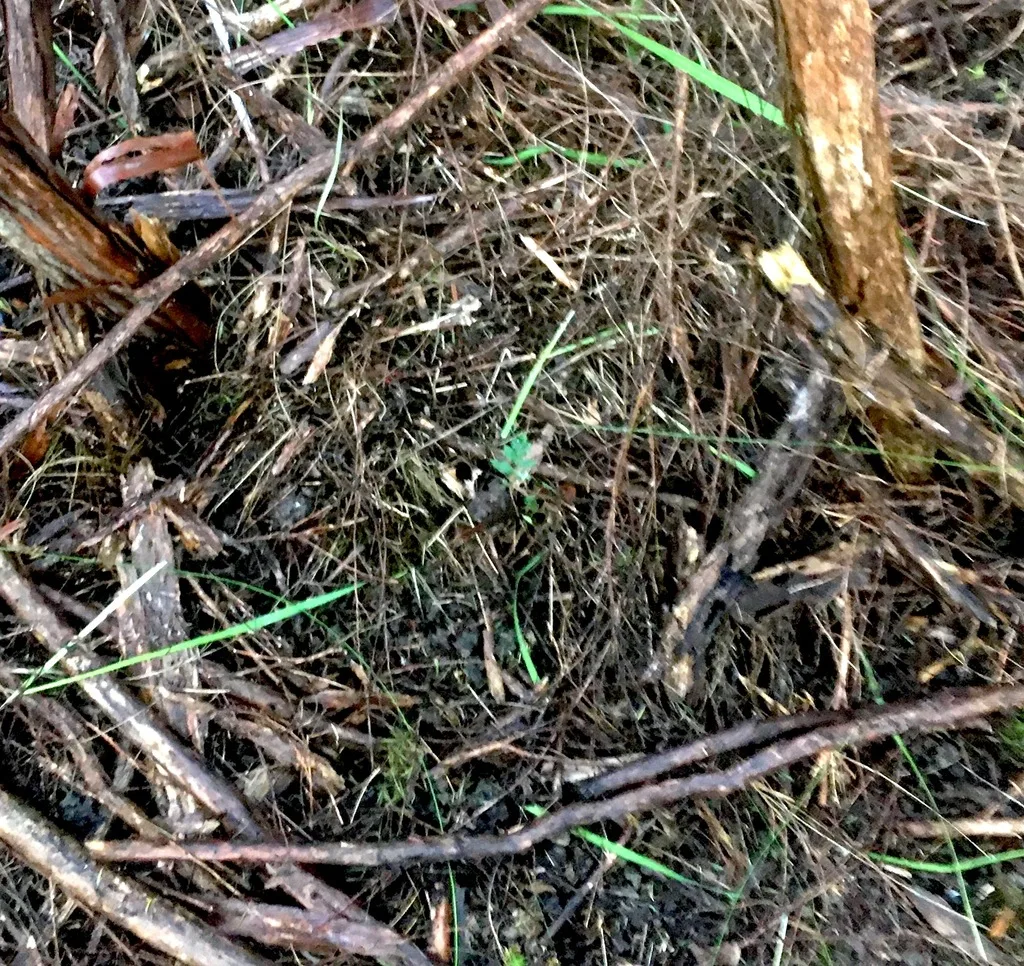
Grubs and chinch bugs both kill grass, but they work in completely different ways. Grubs eat roots underground. Chinch bugs suck sap from stems at the soil line.
You treat them with different products at different times of year. Mix them up and you'll watch the brown patches get bigger while your chosen insecticide sits useless on the lawn.
In our research, the most frustrated homeowners are the ones who guessed instead of tested. They bought a general "lawn insect killer" and hoped for the best. It rarely works.
The two pests respond to different active ingredients, and their life cycles demand specific application windows. A product that knocks out chinch bugs in June won't touch grubs in August.
The stakes are simple. Identify the pest correctly, apply the right treatment at the right time, and your lawn bounces back. Get it wrong, and you're starting over next season.
Quick Answer: Grubs vs Chinch Bugs at a Glance
Grubs are root-feeding larvae that live under the soil. Chinch bugs are sap-sucking insects that live at the grass base. Grub damage feels spongy and lifts like carpet.
Chinch bug damage looks like drought stress with advancing edges. The tug test and soap flotation test reveal which pest you have. As of 2026, these two diagnostic tests remain the gold standard for accurate identification.
How White Grubs Damage Your Lawn
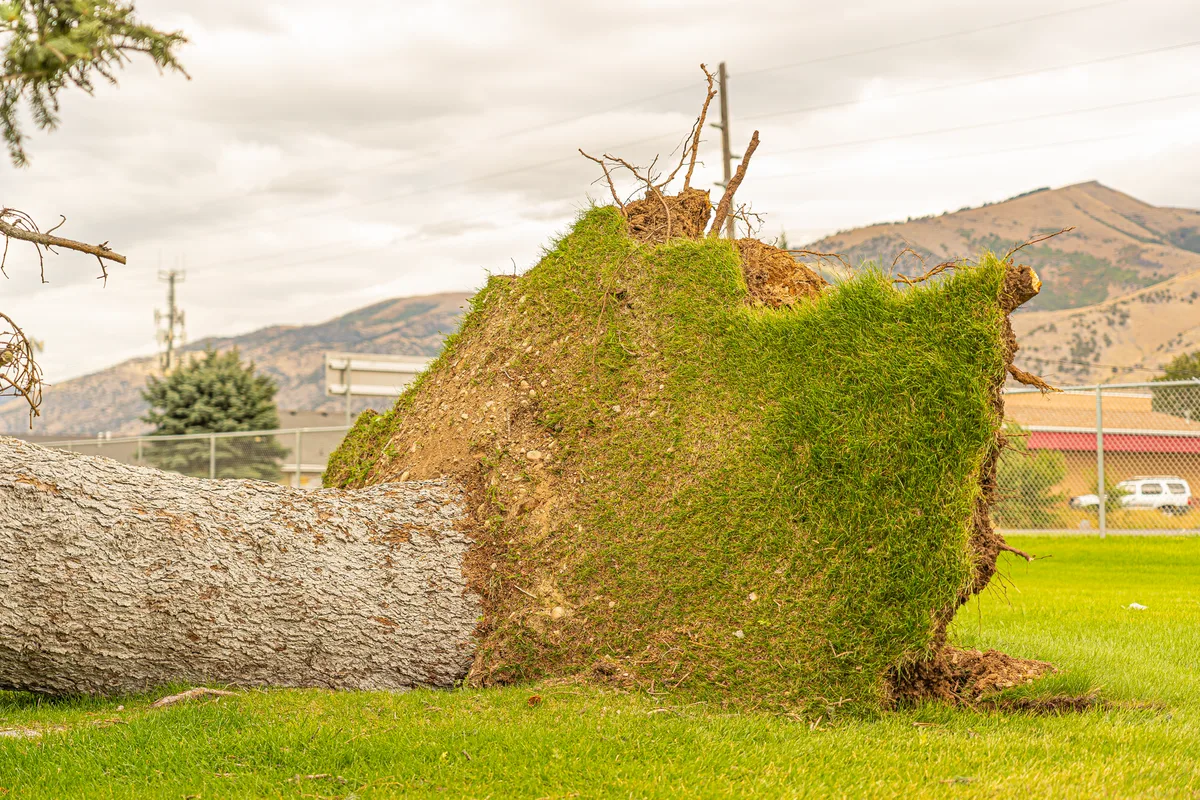
White grubs are the larval stage of scarab beetles. Japanese beetles, European chafers, and June beetles all produce grubs that feed on turf roots. The damage shows up when the roots are gone.
What Grubs Look Like and Where They Feed
Grubs are easy to spot once you know what to look for. They're C-shaped, creamy white, with a brown head and six visible legs near the front. Mature larvae reach about an inch long.
They live in the top few inches of soil, right where grass roots grow.
The feeding is relentless. A single grub can destroy the root system of a square foot of turf. When roots are gone, the grass can't take up water or nutrients.
The turf thins, turns brown, and eventually dies.
The Grub Life Cycle and When Damage Shows Up
Understanding the life cycle is key to timing your treatment. Adult beetles lay eggs in the soil during mid to late summer, usually July and August. The eggs hatch into small larvae that start feeding immediately.
By late summer and early fall, those larvae are big enough to cause visible damage.
The worst grub damage typically shows up in late August through October. You may also see damage in the spring, when overwintered grubs move back up through the soil to feed briefly before pupating. But fall is the prime window for damage and treatment.
Grub damage has a signature feel. Walk across the affected area and it feels spongy underfoot. Grab a handful of dead grass and pull.
If it lifts easily, like peeling up a piece of carpet, the roots are gone. That's grubs. You can roll back the dead turf like a rug and find the larvae right underneath.
How Chinch Bugs Damage Your Lawn
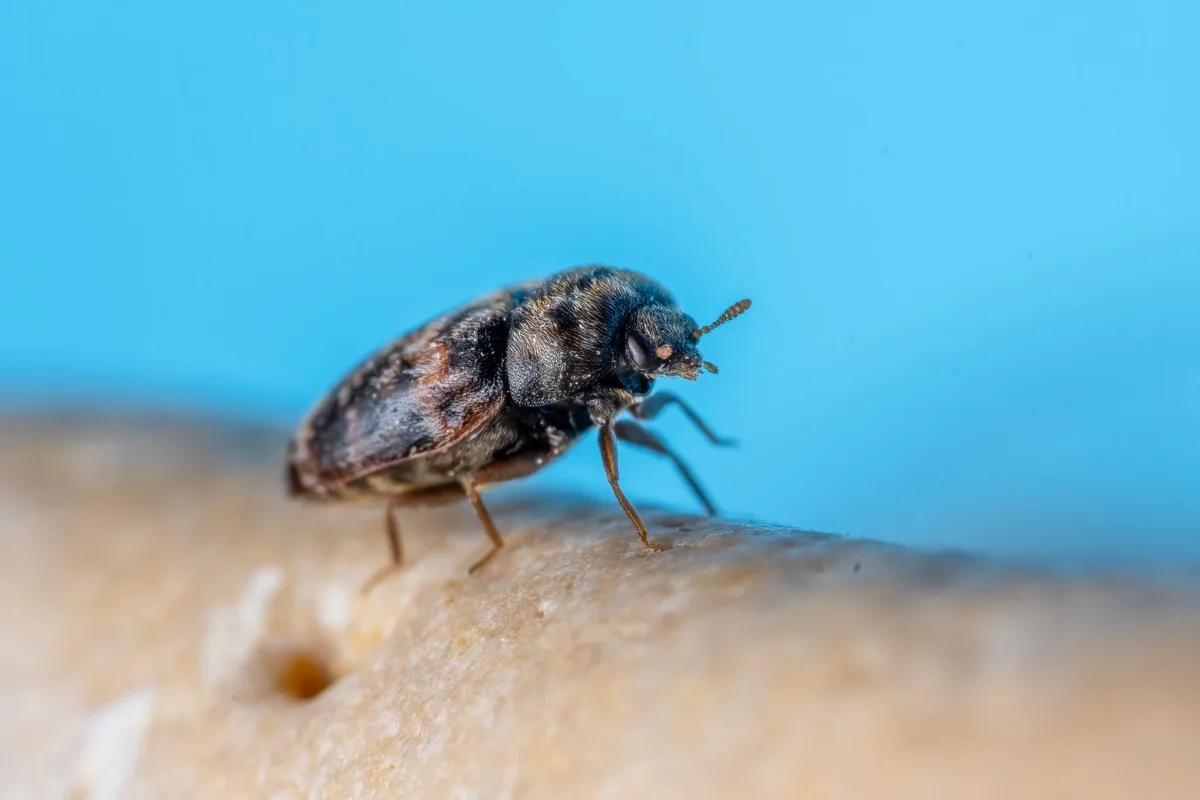
Chinch bugs work above ground. They're tiny insects that pierce grass stems and suck out the sap. While they feed, they inject a toxin that blocks the plant's vascular system.
The grass starves from the inside out.
What Chinch Bugs Look Like and Where They Feed
Adult chinch bugs are small, about a sixth of an inch long. They're black with distinctive white wings folded across their backs. Nymphs are even smaller and bright red with a white band across the midsection.
Both stages cause damage.
You'll find chinch bugs in the thatch layer and at the base of grass blades, right at the soil line. They prefer hot, dry conditions. When summer temperatures hit the mid-80s and stay there, chinch bug populations explode.
The Chinch Bug Life Cycle and When Damage Strikes
Chinch bugs overwinter as adults in thatch and plant debris. They emerge in spring when temperatures warm up. Females lay eggs in leaf sheaths and near the soil surface.
Nymphs hatch and begin feeding within days.
The population builds through spring and early summer. Damage becomes visible in mid to late summer, during the hottest, driest part of the year. Chinch bugs thrive in heat.
Stressed grass can't recover from their feeding.
Chinch bug damage looks different from grub damage. It starts as small yellow patches that turn brown and expand outward. The grass doesn't lift like carpet because the roots are still intact.
Instead, you see a distinct advancing edge between healthy grass and dead grass. Part the grass at that edge and look down at the soil line. If you see tiny black bugs with white wings or bright red nymphs scurrying away, you've found chinch bugs.
Side-by-Side Comparison: Grubs vs Chinch Bugs
This table shows the key differences at a glance.
| Feature | White Grubs | Chinch Bugs |
|---|---|---|
| What they are | Beetle larvae | True bugs (order Hemiptera) |
| Where they feed | Below soil on roots | At soil line on stems |
| Body shape | C-shaped, creamy white, brown head | Small, black, white wings (adults); red (nymphs) |
| Damage feel | Spongy, lifts like carpet | Firm root system, brown patches |
| Active season | Late summer through fall; spring | Mid-summer heat |
| Threshold for treatment | 8-15 per square foot | 20-30 per square foot (cool-season) |
| Best test | Tug test (lift dead grass) | Soap flotation test |
Key Differences in Damage Patterns
Grub damage shows up in irregular patches that grow larger as roots are consumed. The grass often dies in a scattered pattern rather than a clean circle. Skunks, raccoons, and birds digging up the lawn at night are a strong sign of grubs.
They can smell and hear the larvae moving under the soil.
Chinch bug damage creates more defined patches with a clear border between healthy and dead grass. The patches often appear first on the sunniest, driest parts of the lawn. South-facing slopes and areas near driveways or sidewalks are prime spots.
The damage spreads outward from these hot zones as the population grows.
If you've ruled out pests, it's worth checking whether a lawn fungus is the real cause. Fungal diseases can mimic pest damage, especially in wet weather.
Key Differences in Pest Appearance
You won't see grubs unless you dig. Chinch bugs are visible at the soil line. That's the biggest practical difference.
For grubs, cut a square foot of sod about three inches deep. Peel it back and sift through the soil and root zone. Count the C-shaped white larvae.
If you find eight or more per square foot on a cool-season lawn, it's time to treat.
For chinch bugs, the soap flotation test is faster. Mix two tablespoons of dish soap in a gallon of water. Pour it slowly over a square foot of suspect turf at the edge of the damaged area.
Wait five minutes. Chinch bugs will climb up the grass blades to escape the soap. Count the bugs.
If you see 20 to 30 or more, treatment is justified.
Both tests are simple and reliable. Doing them correctly is the difference between solving the problem and spraying blindly. For other targeted insect control situations, you might also consider specific products like those used against carpenter ants, but for lawns, the core approach starts with proper identification.
The Tug Test vs The Soap Flotation Test: How to Diagnose Which Pest You Have
This is the most important part of the whole process. Skip the guesswork. Run one or both of these tests before you buy a single product.
How to perform the tug test for grubs
Find the edge of a brown patch. Grab a handful of dead grass and pull firmly. If the grass lifts away from the soil easily with little resistance, you're looking at grub damage.
The roots have been eaten. The turf comes up like a piece of loose carpet.
Peel back the dead section and sift through the top two to three inches of soil. Look for the C-shaped white larvae. Count them across a full square foot.
If you find eight to fifteen or more on a cool-season lawn, treatment is justified. Warm-season lawns can tolerate higher numbers, around ten to fifteen per square foot.
How to perform the soap flotation test for chinch bugs
Mix two tablespoons of liquid dish soap with one gallon of water. Pour it slowly over a square foot of turf at the leading edge of the damage. Wait five minutes.
Chinch bugs hate the soap. They climb up the grass blades to escape. Look closely.
Adult chinch bugs are black with white wings, about one-sixth of an inch long. Nymphs are bright red with a white band. Count the bugs.
If you see twenty to thirty or more per square foot on a cool-season lawn, it's time to treat. Warm-season thresholds are higher, often fifty or more.
When to run both tests
If you're still unsure, run both tests in different spots. Grubs and chinch bugs can coexist in the same lawn, though it's rare. Testing both confirms your diagnosis and prevents wasted treatments.
Remember to first rule out other causes. Fungal diseases like brown patch and dollar spot produce similar symptoms. So does simple drought stress.
If you've already applied a fungicide without improvement, move to pest testing.
Best Treatment Options for Each Pest
Treatment timing matters more than the product you choose. Apply the right product at the wrong time and you've thrown your money away. Apply the wrong product at any time and you've done nothing at all.
Grub control: Preventers vs Curatives
Grub preventers are insecticides applied before the eggs hatch. They're designed to kill young larvae as they begin feeding. The active ingredient is typically imidacloprid or chlorantraniliprole.
Apply these in June or early July, depending on your region. Water them in with at least half an inch of irrigation. The chemical needs to reach the root zone where grubs feed.
Grub curatives are for active infestations. If you discover grubs in late summer or fall, you need a fast-acting product. Trichlorfon is the most common curative.
It kills grubs within days but breaks down quickly in sunlight. Apply it in late afternoon and water it in immediately. Do not use curatives preventively.
They don't last long enough.
For homeowners who prefer non-chemical options, beneficial nematodes are a legitimate alternative. These microscopic worms hunt and kill grubs in the soil. They require refrigeration before use and must be applied when the soil is moist and cool.
Timing is critical. Apply nematodes in late summer when grubs are small and soil temperatures are above 60 degrees Fahrenheit.
Chinch bug control: Fast-acting sprays vs Safer alternatives
Chinch bugs move fast. When summer temperatures spike, their populations explode. Fast action is critical.
Synthetic pyrethroids like bifenthrin and lambda-cyhalothrin are the standard choice. They kill chinch bugs on contact and provide residual protection for several weeks. Apply them when you first spot damage.
Focus on the leading edge of the brown patches where the bugs are most active. Water the product in lightly after application.
Safer alternatives include insecticidal soap and neem oil. These work best on nymphs and light infestations. They require thorough coverage and multiple applications because they break down quickly in sunlight.
They're a good option for small lawns or when you want to avoid synthetic chemicals. But in our research, they rarely stop a heavy infestation.
When you can use a single product for both
Some broad-spectrum insecticides list both grubs and chinch bugs on the label. Products containing bifenthrin plus imidacloprid are common. These can work if you have both pests.
But the timing still matters. You need to hit the grub window (summer for preventives, late summer for curatives) and the chinch bug window (mid-summer heat) simultaneously. That's a narrow overlap.
In most cases, it's better to target the pest you've confirmed. A combined product costs more and may not be effective for either pest if applied at the wrong time.
Pros and Cons of Organic vs Synthetic Control Methods
| Method | Effectiveness | Speed | Safety for Beneficials | Cost |
|---|---|---|---|---|
| Synthetic (imidacloprid) | High for grubs | Slow (preventer) | Low (kills bees and predators) | Moderate |
| Synthetic (trichlorfon) | High for grubs | Fast (curative) | Low | Moderate |
| Synthetic (bifenthrin) | High for chinch bugs | Fast | Low (very toxic to aquatic life) | Low to moderate |
| Beneficial nematodes | Moderate to high for grubs | Slow (7-14 days) | Very high | Moderate to high |
| Insecticidal soap | Low to moderate for chinch bugs | Fast (contact only) | High | Low |
| Neem oil | Low to moderate | Moderate | High | Low |
When to go organic
If you have a small lawn, a light infestation, or a strong preference for non-chemical methods, organic options can work. You just need patience. Nematodes for grubs take one to two weeks to show results.
Insecticidal soap for chinch bugs requires applications every few days. You also need to accept that a heavy infestation may outpace the organic treatment.
When synthetic makes more sense
Heavy infestations call for synthetic products. If you find fifty chinch bugs per square foot or twenty grubs per square foot, you don't have time for slow-acting options. The grass is dying now.
A fast synthetic spray or granular curative stops the damage quickly and saves what's left of the lawn.
Synthetic products also offer longer residual protection. A single application of bifenthrin can protect against chinch bugs for three to four weeks. That matters during a hot summer when a new generation of bugs hatches every week.
If you're managing an organic garden or flower beds nearby, be careful with drift. Synthetic insecticides can harm pollinators visiting hummingbird-friendly plants in adjacent areas.
Common Mistakes to Avoid When Treating
Treating at the wrong time
This is the most expensive mistake you can make. Applying a grub preventer in September when grubs are already large does nothing. Applying a chinch bug spray in April when temperatures are cool wastes product.
Always check the label for the target life stage and the recommended application window.
Not watering in the product
Most granular insecticides need water to activate. Imidacloprid requires half an inch of irrigation to reach the root zone. Bifenthrin needs a light watering to move it into the thatch layer.
Skip the water and the chemical sits on the surface where it breaks down in sunlight.
Nuking all insects
Broad-spectrum insecticides don't discriminate. They kill beneficial predators alongside the pests. Big-eyed bugs and minute pirate bugs are natural chinch bug predators.
Ground beetles eat grubs. Kill them off with a heavy spray and you create a vacuum that the next pest generation fills faster than ever.
Not reading the label
Every insecticide label contains specific instructions for mixing rates, application timing, re-entry intervals, and watering requirements. Ignoring these instructions reduces effectiveness and can damage your lawn. Always wear gloves and follow the safety precautions.
Assuming one treatment is enough
A single treatment rarely eliminates an entire pest population. Chinch bugs hatch in waves throughout the summer. Grub eggs can hatch weeks after a preventive application.
Check the label for retreatment intervals. Plan for a second application if needed.
Use Cases: Which Pest Is More Likely in Your Region and Grass Type
The Northern rule
If you live in the northern half of the United States with cool-season grass like Kentucky bluegrass, tall fescue, or perennial ryegrass, grubs are your primary concern. Chinch bugs are present, but they're less damaging in cooler climates. Focus your scouting on late summer and early fall.
That's when grub damage peaks.
The Southern rule
If you live in the southern United States with warm-season grass like St. Augustine, Bermudagrass, or Zoysia, chinch bugs are the bigger threat. They thrive in the heat.
St. Augustine grass in particular is highly susceptible. South-facing slopes, areas near pavement, and sections of lawn that get full sun are most at risk.
Start scouting for chinch bugs when summer temperatures hit 85 degrees Fahrenheit.
The Transition zone hybrid
If you live in the middle of the country where both cool and warm-season grasses grow, you can get both pests. Kentucky bluegrass in the same town as Bermudagrass means you need to know your grass type first. Then scout accordingly.
In the transition zone, annual scouting is essential because pest pressure varies year to year based on weather.
A simple way to reduce pest pressure is to maintain a healthy lawn. Thick, well-watered, properly fertilized grass resists damage better than stressed turf. Check your fertilizer regimen.
A balanced slow-release fertilizer applied at the right times keeps grass growing strong. Strong grass outgrows minor pest feeding. Weak grass dies from it.
Repairing Your Lawn After Pest Damage
Once you've eliminated the pests, the grass won't just bounce back on its own. Dead patches need to be removed. Rake out the dead thatch and loosen the soil underneath.
For small patches, overseed with a compatible grass type. Water lightly every day for two weeks to establish the new seed. For larger areas, consider sodding.
Remove the dead turf first, then lay fresh sod over bare soil.
Apply a starter fertilizer to give the new grass a boost. A balanced lawn fertilizer helps roots establish quickly. Avoid heavy nitrogen until the new grass is well rooted.
FAQ: Quick Answers to Common Questions
Can grubs and chinch bugs be in the same lawn at the same time?
Yes, it's uncommon but possible. Run both diagnostic tests in different areas. Treat each pest according to its specific timing.
A combined product may work, but targeted treatments are more reliable.
How long does it take for grass to recover after treatment?
With proper watering and fertilization, you'll see new growth in two to four weeks. Dead patches need reseeding or sodding. Full recovery takes a full growing season.
Is it safe to use insecticides around pets and kids?
Follow the label instructions exactly. Most products require the lawn to dry completely before allowing pets or children back on the grass. Re-entry intervals are listed on the label.
Do not skip them.
Should I apply preventative treatments every year?
Not unless you have a history of infestation. Scouting first saves money and reduces chemical use. Only treat when pest levels exceed the action thresholds.
Final Verdict: How to Decide and What to Do First
Start with the tests. Tug test for grubs. Soap flotation test for chinch bugs.
Do not buy a product until you know which pest you're dealing with.
Match your treatment to the pest, the season, and your lawn size. Apply at the right time. Water it in.
Monitor the results. A healthy lawn is your best defense. Keep it watered, mowed at the right height, and fertilized appropriately.
With the right diagnosis and prompt action, your lawn will recover.