When Should You Mealybugs in 2026 (Beginner-Friendly Guide)
You've spotted mealybugs on your houseplant, and now you're trying to figure out when to act. Treating too early wastes time and chemicals, but waiting too long lets the infestation spiral out of control. The answer hinges on understanding the pest's lifecycle, your plant's growth stage, and environmental conditions that determine whether treatment will actually work.
Mealybugs complete their lifecycle in roughly six to eight weeks under typical indoor temperatures, which means you have a narrow window to interrupt their reproduction before numbers explode. Getting the timing right means fewer applications, less plant stress, and a much higher success rate.
What "When Should You Treat Mealybugs" Actually Means
This isn't a question about whether to treat, it's about identifying the exact moment treatment will be most effective and least harmful to your plant. Mealybugs don't respond to treatment uniformly across their lifecycle. Eggs are protected by waxy coatings, adults have thick defensive layers, and plants in dormancy can't recover from the stress of aggressive intervention.
The timing question breaks into three variables. First, what stage is the infestation in? Second, what stage is the plant in?
Third, what are the current temperature and humidity conditions? All three determine whether you'll see results or just waste effort.
Treating at the wrong time doesn't just fail, it often makes things worse. You can damage stressed plants, trigger resistance by under-dosing, or miss the crawler stage entirely and watch the population rebound within weeks.
The Short Answer: Timing Is Everything
Treat mealybugs as soon as you confirm an active infestation during your plant's active growth phase, ideally targeting the crawler stage when nymphs are most vulnerable. Plan for three to four applications spaced seven to ten days apart to break the lifecycle. Avoid treatment during dormancy, extreme heat, or within two weeks of repotting.
If your plant is stressed, recently transplanted, or showing signs of cold damage, wait until it stabilizes. For minor infestations caught early, manual removal with 70% isopropyl alcohol on a cotton swab can work without full treatment cycles. Root mealybugs require immediate systemic soil drenches since you can't target them with sprays.
Temperature matters more than calendar dates. Mealybug activity slows dramatically below 50°F, making treatment far less effective in winter unless your home stays consistently warm.
How to Know If You're Dealing With an Active Infestation
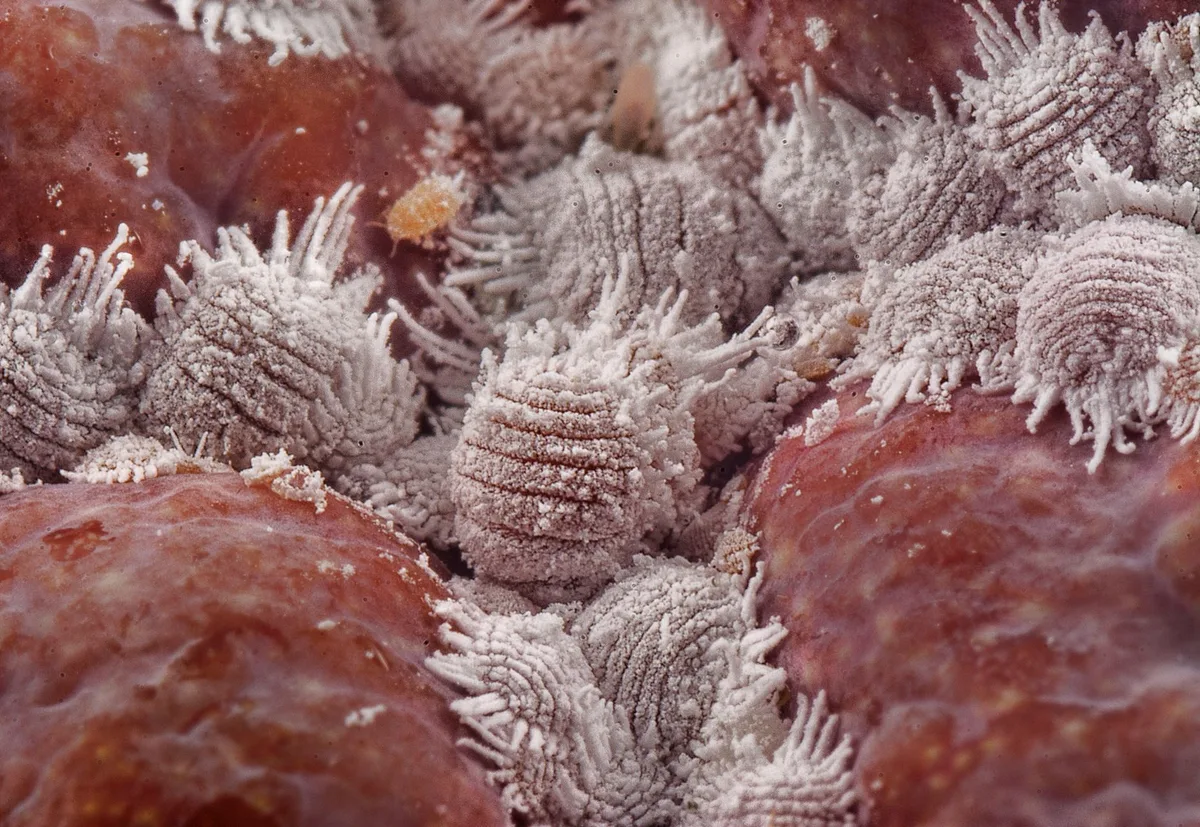
Active infestations show white cottony clusters on leaf axils, stems, or the undersides of leaves. You'll also see sticky honeydew droplets on leaves below the bugs and possibly black sooty mold growing on that residue. Fresh honeydew means the bugs are feeding right now.
Check for crawlers, the tiny mobile nymphs that look like pale dust or moving specks. They're easier to spot on dark leaves. If you see crawlers, the infestation is active and spreading.
Eggs appear as cotton-like sacs tucked into crevices, and adult females don't move once they settle.
Run your finger along stems and leaf joints. If you feel a sticky film or see webbing-like wax, you've got an active population. Isolated white spots that don't spread over a week might be old egg sacs or residue from a resolved infestation, but assume active until proven otherwise.
Look for secondary symptoms like yellowing leaves, stunted new growth, or leaf drop. These signal prolonged feeding stress. If you're seeing damage, the infestation has been active for at least two to three weeks.
Check neighboring plants within two feet of the affected one. Crawlers travel between pots, and ants farming the honeydew will carry mealybugs to new hosts. Finding bugs on multiple plants means you're past the early window.
Why Treatment Timing Depends on the Mealybug Lifecycle
Mealybugs go through three life stages: egg, crawler (nymph), and adult. Each stage has different vulnerabilities. Eggs are encased in waxy filaments that repel water-based sprays and even some oils.
Adults develop thick waxy coatings that protect them from contact insecticides. Crawlers, the newly hatched nymphs, have minimal wax and are soft-bodied, making them the most susceptible to treatment.

The entire cycle from egg to adult takes six to eight weeks at room temperature, faster in warm greenhouses and slower in cooler conditions. Females lay eggs continuously once mature, so you're dealing with overlapping generations. A single treatment hits only the crawlers and some adults present that day.
Eggs hatch over the next five to ten days, producing a new wave of crawlers that weren't exposed to the first application.
This is why repeat treatments at seven to ten day intervals work. You're targeting each new generation of crawlers as they emerge, before they mature and start laying their own eggs. Three applications minimum, four if the infestation was moderate to severe, ensures you catch every hatch cycle.
Miss the crawler window and you're treating hardened adults with limited success. Spray too infrequently and the gaps let a generation mature and reproduce. The lifecycle is the timer that dictates your treatment schedule, not your convenience.
When Treatment Works Best (And When It Doesn't)
Treatment success depends on three factors: pest vulnerability, plant resilience, and environmental conditions. All three need to align. Treating when even one factor is off guarantees poor results and possible plant damage.
Treating During Active Growth Season
Spring and summer are ideal because plants are actively photosynthesizing, producing new tissue, and can recover quickly from pest stress and treatment. Mealybugs are also more active in warm temperatures, meaning crawlers emerge predictably and adults feed heavily, making them easier to target.
Warm temperatures above 65°F speed up the mealybug lifecycle, which sounds bad but actually works in your favor. Faster hatching means crawlers appear on a tighter schedule, so your seven to ten day treatment intervals align better with new generations. Cold slows everything down, making it harder to time applications.
Active growth also means your plant can replace damaged tissue. Mealybugs pierce cells and drain sap. A plant in full growth mode compartmentalizes damage and pushes new leaves.
A dormant plant can't, so the same level of feeding causes visible decline.
If you're growing tropical houseplants indoors year-round, they may stay in active growth even in winter as long as your home stays above 65°F and they get adequate light. Timing treatment to active growth isn't calendar-based, it's condition-based.
Why Dormant Season Treatment Usually Fails
Many plants slow or stop growth in late fall and winter. Metabolism drops, sap flow decreases, and the plant enters a rest phase. Mealybugs also slow down but don't stop entirely.
They continue feeding at a reduced rate, and eggs can sit dormant for weeks.
Treating during dormancy means your plant can't bounce back from the dual stress of pest damage and chemical exposure. Horticultural oils and insecticidal soaps work by smothering or breaking down insect cuticles, but they also coat leaf surfaces and can interfere with gas exchange. An active plant handles this fine.
A dormant one doesn't.
Systemic insecticides applied as soil drenches rely on the plant's vascular system to distribute the active ingredient. In dormancy, sap movement slows to a crawl, so uptake is minimal and distribution is poor. You'll see little to no pest knockdown even with repeated applications.
If you're dealing with a true winter infestation on a dormant plant, your best bet is manual removal and isolation until spring. Use 70% isopropyl alcohol on a cotton swab to wipe off visible bugs weekly. It won't eradicate the population, but it keeps numbers in check until conditions favor proper treatment.
The Crawler Stage Window: Your Best Opportunity
Crawlers are the Achilles' heel of the mealybug lifecycle. They're mobile for only a few days after hatching, searching for a feeding site. During this window they have thin cuticles, no protective wax buildup, and are fully exposed on leaf surfaces.
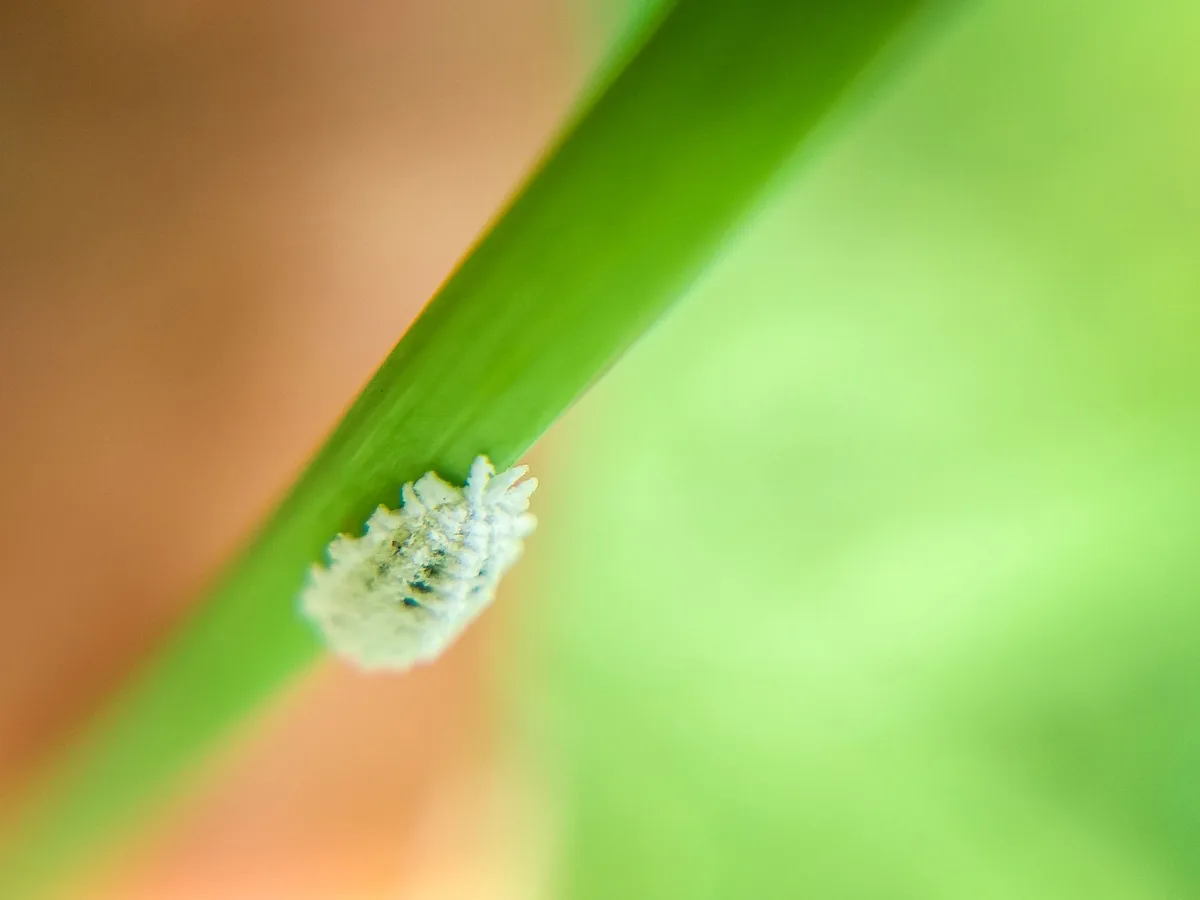
Contact sprays like insecticidal soap, neem oil, and horticultural oils work best on crawlers. They penetrate the soft body quickly and cause death within hours. Once a crawler settles and begins feeding, it starts secreting wax within 24 to 48 hours.
After a week it's nearly as protected as an adult.
Timing your spray to hit peak crawler emergence gives you maximum kill with minimum product. That's why the seven to ten day interval is standard. Eggs hatch roughly five to ten days after being laid, so treating every seven days catches each new generation right as they're most vulnerable.
You won't always see crawlers with the naked eye. They look like fine white or pale yellow dust on stems and leaves. A hand lens or phone camera zoomed in helps.
If you see cottony adults, assume crawlers are present or will be within days.
Some growers set sticky traps near infested plants to monitor crawler activity. A spike in trapped crawlers signals a hatch wave and tells you it's time to spray. This takes guesswork out of the timing.
Should You Treat Immediately After Discovery?
Not always. If you find a single adult or a small cluster on one leaf, immediate chemical treatment is overkill. Inspect the entire plant first, then check the soil line, undersides of all leaves, and neighboring plants within arm's reach.
If the infestation is limited to one or two spots with no crawlers visible and no honeydew, start with manual removal. Dip a cotton swab in 70% isopropyl alcohol and wipe off every visible bug and egg sac. Check again in three days.
If nothing new appears, keep monitoring weekly. You've caught it early enough that spot treatment may be sufficient.
If you see widespread colonies, multiple plants affected, or active crawlers, treat immediately. Waiting even a few days allows another generation to hatch and spread. The difference between a minor nuisance and a full outbreak is often just one missed week.
Check your plant's current condition before spraying. If it's wilting from underwatering, has crispy leaf edges from low humidity, or just came home from the nursery two days ago, give it a week to stabilize. Treating a stressed plant can push it over the edge.
Isolate it, remove visible bugs manually, and start full treatment once it's drinking water normally and shows no transplant shock.
When to Wait vs. When to Act Right Away
Waiting makes sense in three situations: very early detection with isolated bugs, a stressed or newly repotted plant, or when outdoor temperatures are below 50°F and the plant is semi-dormant. In these cases, manual removal and isolation buy time without risking plant damage.
Act immediately if you see any of these red flags. Multiple plants show infestation. You spot crawlers moving across leaves.
Honeydew is dripping onto lower foliage or the windowsill. Leaves are yellowing or distorted from prolonged feeding. Ants are present, which means they're farming the mealybugs for honeydew and will actively protect them from predators and treatments.
The presence of ants changes the equation. They'll move mealybugs to fresh feeding sites and interfere with biological controls. You'll need to address the ant problem alongside the mealybugs, often with bait stations placed near the pots.
Root mealybugs demand immediate action the moment you confirm them. If you see white cottony masses in the soil or clinging to roots during repotting, you can't wait. They're harder to reach with sprays, reproduce quickly below the soil line, and cause root damage that sprays can't address.
Drench the soil with a systemic insecticide or neem oil solution right away.
Minor Infestations: Manual Removal First
For fewer than ten visible bugs on a small to medium-sized plant, manual removal with alcohol is faster and less stressful than spraying. Use 70% isopropyl alcohol, not higher concentrations. Stronger alcohol evaporates too fast and can burn leaf tissue.
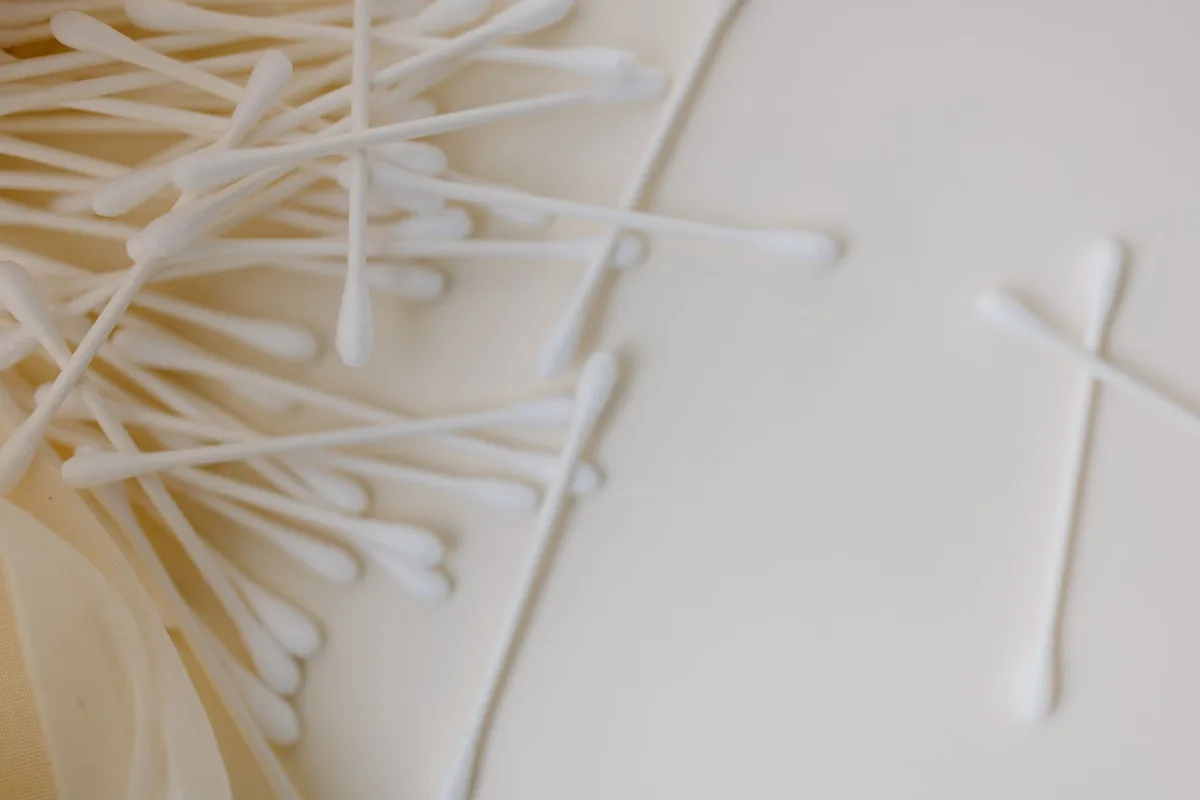
Dip a cotton swab in the alcohol and press it directly onto each bug. The alcohol dissolves their waxy coating and kills on contact. Wipe away the dead bugs and any egg sacs you see tucked into leaf joints.
Check the undersides of every leaf, the stem where it meets the soil, and any new growth tips.
Repeat every three days for two weeks. You're trying to catch any crawlers that hatch from eggs you missed. If new bugs keep appearing after four treatments, escalate to spray applications.
The infestation is larger than it looked, or you're missing hidden colonies.
Manual removal works well on plants with thick, waxy leaves like succulents and some orchids. It's less practical on plants with dense foliage, hairy leaves, or dozens of small stems where bugs can hide deep inside the structure.
Moderate to Severe Infestations: Immediate Intervention
If you count more than twenty bugs, see multiple affected leaves, or find colonies on more than one plant, manual removal won't cut it. You need full-coverage spray treatment targeting the entire plant and starting the repeat cycle immediately.
Choose your product based on plant type and location. Insecticidal soap works for most houseplants and is safe for indoor use with good ventilation. Neem oil offers some residual protection and disrupts mealybug reproduction but needs reapplication every seven days.
Horticultural oil smothers bugs effectively but can cause phytotoxicity on thin-leaved plants if applied in high heat or direct sun.
Spray until runoff, covering every surface including undersides of leaves, stems, and the top inch of soil where crawlers may be hiding. Do this in the early morning or evening when temperatures are moderate. High heat plus oil-based sprays equals leaf burn.
Start your seven to ten day repeat schedule the same day. Mark it on your calendar or set phone reminders. Missing even one application lets a generation mature and reproduce, resetting your progress to zero.
Root Mealybugs: Different Timing Rules
Root mealybugs live below the soil line and feed on roots, making them invisible until you see signs of severe stress or accidentally discover them during repotting. Symptoms include stunted growth, wilting despite wet soil, and yellowing leaves that don't respond to fertilizer.
If you suspect root mealybugs, unpot the plant and inspect the root ball. White cottony masses clinging to roots confirm the diagnosis. You'll also see the bugs themselves, which look similar to foliar mealybugs but may be slightly smaller and more mobile.
Treat immediately with a systemic soil drench. Imidacloprid-based products are most effective because the plant absorbs the insecticide through its roots and distributes it throughout its tissues. Any mealybug feeding on the plant ingests the chemical and dies.
Follow label rates exactly, as overdosing can damage roots.
Alternatively, drench with neem oil solution mixed at the rate specified for soil application, not foliar spray. Neem works more slowly but is safer for sensitive plants. You'll need to repeat the drench every two weeks for six weeks minimum.
After drenching, repot into fresh soil if the infestation is severe. Don't reuse the old soil, even if it looks clean. Eggs can survive for weeks, and repotting into the same medium guarantees reinfection.
Treatment Schedules That Actually Work
Effective treatment isn't one application, it's a timed series that interrupts the mealybug reproductive cycle at every stage. The schedule depends on the product you're using, the severity of the infestation, and the plant's tolerance.
Why Single Applications Always Fail
One spray kills only the crawlers and some adults present that day. Eggs survive because most contact insecticides can't penetrate the waxy filaments that protect them. Within five to ten days those eggs hatch, producing a new wave of crawlers that weren't exposed to your treatment.
If you don't spray again, that second generation matures, reproduces, and within six weeks you're back to a full infestation. Verified grower reports confirm that single treatments provide temporary knockdown but nearly zero long-term control.
Even systemic insecticides need repeat applications for root mealybugs. The first drench kills feeding adults, but eggs in the soil aren't affected. A second drench two weeks later catches the next generation before they can lay eggs.
The 7-10 Day Repeat Cycle Explained
This interval is based on the mealybug egg-to-crawler timeline. Eggs hatch roughly five to ten days after being laid, depending on temperature. Treating every seven days ensures you hit each new generation of crawlers within 24 to 48 hours of hatching, before they develop protective wax.
Week one is your baseline application. You're knocking down the current adult population and killing all visible crawlers. Week two targets the crawlers that hatched from eggs laid before your first spray.
Week three catches any stragglers from overlapping generations or eggs you missed. Week four is insurance against hidden colonies or slow-hatching eggs in cooler conditions.
Some growers stretch the interval to ten days to reduce plant stress, especially when using oils or soaps that coat foliage. This works if your home stays consistently warm and the plant is in active growth. In cooler conditions or with slower-growing plants, stick to seven days.
Track each application date and what you used. If you see new bugs appearing three days after a spray, your coverage was incomplete or the product isn't working. Switch to a different active ingredient for the next cycle.
How Many Treatments You'll Really Need
Expect three to four applications minimum for a moderate infestation caught relatively early. Severe infestations on large plants or in multi-plant collections may need five to six rounds before you see complete control.
Count treatments from the first application, not the day you discovered the bugs. Each treatment is one cycle. After the final application, monitor weekly for four more weeks.
If no new bugs appear, you've broken the lifecycle. If you see even one or two new crawlers, resume treatment immediately. They're either from missed eggs or a reinfection from an untreated nearby plant.
Don't stop early just because you don't see bugs anymore. The absence of visible adults doesn't mean eggs aren't still in the system. Stopping at two applications is the most common mistake growers make, and it's why mealybugs come back with a vengeance four weeks later.
When NOT to Treat Mealybugs
There are specific conditions where treatment does more harm than good. Knowing when to delay or use alternative methods prevents plant damage and wasted effort.
Treating Cold-Stressed or Dormant Plants
If your plant has been exposed to temperatures below 50°F, its cells are already stressed and more permeable to chemical damage. Spraying insecticidal soap or horticultural oil on cold-stressed tissue can cause cell rupture and leaf necrosis.
Let the plant warm up and stabilize for at least a week before treating. Move it to a warmer spot, maintain consistent watering, and watch for signs of recovery like firm leaves and upright stems. Once it's stable, start treatment.
True dormancy, where the plant has stopped producing new growth and may have dropped some leaves, is the worst time to treat. Metabolism is too slow for systemics to work, and the plant can't repair damage from contact sprays. Wait until spring when new growth resumes.
If you're dealing with a winter infestation on a dormant outdoor plant brought inside, your only option is weekly manual removal until growth resumes. It's tedious but safer than risking chemical damage during dormancy.
During Peak Bloom or Flowering
Flowers are more sensitive to insecticidal soaps and oils than leaves. Spray residue can cause petal browning, premature flower drop, or damage to reproductive structures. If your plant is in full bloom and the infestation is minor, wait until flowers fade.
If the infestation is severe and threatening the plant's health, you'll need to treat despite the blooms. In that case, avoid spraying flowers directly. Use a piece of cardboard or plastic to shield blooms while you spray the foliage and stems.
Accept that you may lose some flowers, but you're saving the plant.
For orchids in spike or bloom, spot-treat with alcohol swabs instead of spraying. Orchid flowers are particularly sensitive, and ruining a bloom you've waited months for is frustrating. Manual removal keeps bugs in check until the spike finishes.
Right After Repotting or Major Pruning
Repotting exposes roots to air, causes minor root hair damage, and temporarily disrupts water uptake. The plant needs at least a week to establish new root-to-soil contact before you add the stress of pesticide application.
Major pruning removes photosynthetic tissue and forces the plant to redirect energy toward wound healing and new growth. Treating within a few days of heavy pruning compounds stress and can slow recovery. Give it two weeks to push new shoots before starting treatment.
If you discover mealybugs during repotting, especially root mealybugs, you'll need to treat immediately despite the timing. In that case, use the gentlest option available, like a neem oil soil drench, and avoid foliar sprays for the first week.
Seasonal Timing for Indoor vs. Outdoor Plants
Year-Round Indoor Infestations
Indoor plants kept above 65°F stay in active growth year-round, which means mealybugs remain active too. You can treat any time you detect them, but spring and summer still offer better results because natural light levels support faster plant recovery.
Winter indoor treatments work if your home stays warm and you supplement with grow lights. Without adequate light, even a warm plant slows its metabolism, reducing the effectiveness of systemic treatments and delaying recovery from pest damage.
Outdoor Plant Treatment Windows
Outdoor plants are best treated from late spring through early fall when temperatures stay consistently above 60°F. Mealybugs become dormant or die off in freezing temperatures, so treating outdoor plants in late fall or winter is pointless unless you're in a frost-free climate.
If you're growing citrus or other outdoor trees in warm regions, you'll have a year-round risk. Monitor weekly during the growing season and treat at the first sign of infestation.
Timing When Bringing Plants Indoors
Quarantine any outdoor plant for two to four weeks before bringing it inside for winter. Inspect thoroughly for mealybugs, scale, and other pests. If you find bugs during quarantine, treat immediately and extend the isolation period until you've completed at least three spray cycles with no new bugs appearing.
Don't assume a plant is clean just because you don't see bugs. Eggs can be microscopic, and crawlers hide in leaf axils. A pre-emptive spray with insecticidal soap during quarantine catches problems before they spread to your indoor collection.
When to Quarantine Instead of Treat
Quarantine every new plant for at least two weeks, ideally four. Place it in a separate room away from your main collection. Inspect it every three days for mealybugs, spider mites, scale, and fungus gnats.
If you find mealybugs during quarantine, treat the plant in isolation. Don't move it near other plants until you've finished the full treatment cycle and seen no new bugs for two weeks. Quarantine prevents a single infested plant from becoming a collection-wide disaster.
Quarantine also applies to any plant you've treated for mealybugs. Keep it isolated until you're certain the infestation is eradicated. Reintroducing too soon risks spreading any remaining crawlers or freshly hatched nymphs to healthy plants.
How Plant Type Changes Your Treatment Timeline
Succulents and Cacti
Succulents tolerate alcohol swabs well and their waxy leaves make manual removal easy. Treat during active growth in spring and summer. Avoid oil-based sprays in full sun, which can cause burns on thick leaves that retain heat.
Orchids
Orchids are sensitive to oils and need gentler products. Insecticidal soap works well, but avoid spraying roots and flowers. Treat every seven days during active growth, typically after blooming.
Root mealybugs on orchids require a neem soil drench, applied carefully to avoid root rot.
Tropicals and Houseplants
Most tropical houseplants handle standard treatments well. Spray thoroughly, including undersides of leaves. Plants with dense foliage need extra attention to coverage.
Repeat every seven to ten days for three to four cycles.
Citrus and Fruiting Plants
Citrus tolerates horticultural oil and systemic treatments. For edible crops, check pre-harvest intervals on any pesticide label. Organic options like insecticidal soap and neem oil are safer if fruit is present.
Treat during active growth and avoid spraying open blossoms.
Temperature and Humidity: When Conditions Matter More Than Calendar
Mealybugs thrive in warm, dry conditions. If your home is above 70°F with low humidity, they reproduce faster and infestations escalate quickly. High humidity above 60% slows their activity slightly but won't stop them.
Cold slows everything. Below 50°F, mealybug metabolism drops and treatments become less effective because crawlers hatch slowly and adults feed less. Systemic insecticides rely on active sap flow, which decreases in cold conditions.
Treat when your indoor temperature is stable between 65°F and 75°F. This range keeps plants healthy enough to recover and ensures mealybugs are active enough for treatments to work. Avoid treating during heat waves above 85°F if you're using oil-based products, which can cause phytotoxicity in high heat.
Common Timing Mistakes That Make Infestations Worse
Stopping treatment after two applications is the biggest mistake. You'll see fewer bugs and assume you've won, but eggs are still hatching. Resume normal care, and within three weeks the population rebounds.
Treating only the visibly infested plant while ignoring neighbors is another failure point. Crawlers travel between pots. If one plant has mealybugs, inspect and treat every plant within two feet, even if they look clean.
Treating during dormancy wastes product and stresses plants without killing bugs. Wait for active growth unless you're dealing with root mealybugs, which require immediate intervention regardless of season.
When to Switch From Organic to Chemical Treatments
Start with insecticidal soap or neem oil for any infestation. If you see no reduction in bug numbers after three applications spaced seven days apart, the organic approach isn't working. At that point, switch to a synthetic contact spray or systemic insecticide.
Systemic products containing imidacloprid work well for persistent infestations because they're absorbed into plant tissue and kill bugs as they feed. Use these as soil drenches per label instructions. Reserve them for moderate to severe infestations where organic methods have failed, especially on high-value plants you can't afford to lose.
How to Know When Treatment Is Working (Or Failing)
You'll see fewer adults within 48 hours of the first spray if your coverage was good. Dead bugs turn brown or gray and fall off easily. New honeydew stops appearing on leaves.
These are signs treatment is hitting the population.
If you still see fresh white cottony masses and active crawlers three days after spraying, coverage was incomplete or the product failed. Inspect your technique. Did you spray undersides of leaves?
Did you hit the soil line and stem joints where bugs hide?
After three treatments, you should see almost no live bugs. If the population looks unchanged, you're either missing hidden colonies, dealing with pesticide resistance, or fighting a constant reinfection from an untreated nearby plant.
When to Isolate, When to Discard, When to Keep Trying
Isolate any infested plant immediately, even if you plan to treat it. This prevents crawlers from migrating to clean plants. Keep it isolated through the entire treatment cycle and for two weeks after the last application.
Discard the plant if the infestation is so severe that more than half the foliage is damaged, the plant is already declining, or it's a common, inexpensive species that's easy to replace. Fighting a losing battle on a cheap pothos isn't worth risking your entire collection.
Keep trying if the plant is rare, expensive, sentimental, or showing signs of recovery after two treatments. As long as new growth looks healthy and bug numbers are dropping, continue the treatment schedule. Some infestations take five or six cycles to fully eradicate, especially on large plants with dense foliage.
Decision Guide: Your Exact Timing Based on Situation
If you found fewer than ten bugs on one plant during active growth, start with alcohol swabs every three days. If you see more than twenty bugs, widespread colonies, or multiple affected plants, spray immediately and commit to four treatments every seven days.
For root mealybugs, drench the soil with a systemic insecticide right away regardless of season or plant condition. For plants in dormancy or recent transplants, isolate and use manual removal until conditions improve, then start spray treatments.
Treat outdoor plants only between late spring and early fall unless you're in a frost-free climate. Quarantine every new plant for four weeks and inspect twice weekly. If bugs appear during quarantine, treat in isolation before introducing the plant to your collection.
Stop treatment only after completing at least three cycles and seeing zero new bugs for two full weeks. Resume immediately if even one crawler appears.