What Causes Lawn Aeration 2026
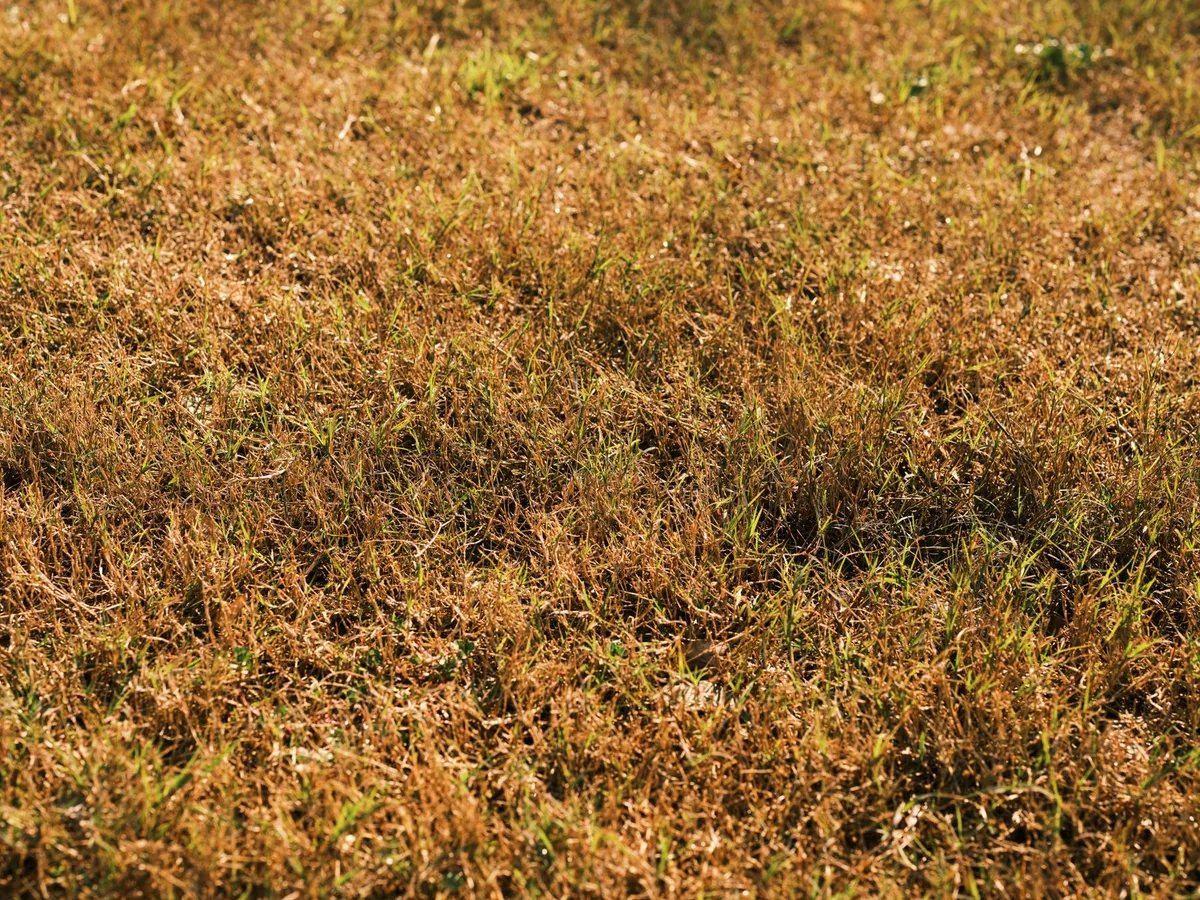
Having a thin, water‑logged lawn is a sign the soil is fighting back. Soil compaction, thick thatch, heavy foot traffic, low mowing heights, and extreme watering schedules are the main culprits behind a stiff root zone. In our research we see that bulk density exceeding 1.6 g/cm³ as of 2026 flags serious compaction, while thatch over 0.5 inches blocks water and nutrients.
The first step is to spot why aeration is necessary before deciding how to fix it.
When soil can’t breathe, the grass stays shallow and vulnerable. A core‑aerating pass restores pore space, and manufacturers specify a recommended depth of 2‑4 inches for most turf types. Knowing the exact cause helps you avoid costly mistakes and saves time in the long run.
Quick Answer
What causes lawn aeration? Soil compaction, thick thatch, heavy foot traffic, low mowing height, over‑watering, and drought stress. Compact soil limits water infiltration.
Thatch blocks nutrient flow. Heavy use packs the ground. Low mowing weakens roots.
Too much water saturates the profile. Aeration opens space and improves health.
Identify Lawn Aeration Triggers: Core Causes & Symptoms
Common Indicators
- Soil compaction, feel firm resistance when pushing a screwdriver into the ground.
- Thatch buildup, a brown layer over green grass thicker than 0.5 inches.
- Heavy foot traffic, patterns of worn grass in high‑use zones.
- Mowing below recommended height, cut to no less than one‑third of blade length.
- Over‑watering, saturated soil that stays wet for more than 24 hours.
- Drought stress, wilting grass despite regular watering.
These signs appear together, but a single factor can trigger the need for aeration. Monitor each item each month for the best decision.
How to Diagnose the Underlying Issue
- Perform a simple pin test, press a metal rod into the turf. Resistive feel means compaction.
- Measure thatch, use a ruler to cut a 1‑inch slice of grass and soil; compare thickness.
- Observe foot‑traffic wear, look for flattened grass where children or pets gather.
- Check mower settings, ensure blade height matches the grass species guide.
- Record watering schedule, note any recent rain or irrigation that left the ground soggy.
- Note drought signs, check leaf color and root depth if possible.
When you spot more than one of these issues, you have a clear case for aeration.
Evaluate Key Variables: When Aeration Is Needed
Soil Test Results
- Bulk density > 1.6 g/cm³, indicates compaction (NRCS soil survey data).
- Water infiltration rate < 0.5 in/hr, suggests poor pore space.
- pH outside 6.0‑7.0, can limit nutrient uptake even after aerating.
Per ASTM D3244 testing, you can trust the numbers for a precise diagnosis.
Grass and Traffic Factors
- Species that form dense swards (Kentucky bluegrass, tall fescue) suffer more when soil is hard.
- Sports fields, playgrounds, and pet zones see higher compaction cycles.
- Warm‑season grasses (Bermuda, Zoysia) may need aeration in late spring, cool‑season lawns in early fall.
If bulk density is high and foot‑traffic is moderate‑heavy, schedule aeration. If only one variable is present, consider targeted treatment first.
Choose the Right Aeration Method: Decision Branch
Core Aeration vs. Spike Aeration
- Core aeration removes soil plugs, ideal for high compaction and thatch over 0.5 inches.
- Spike aeration pierces holes, works for light compaction and when you want less disruption.
Equipment Options
- Manual hand aerator, best for small residential lawns (< 5,000 sq ft).
- Rental power aerator, suited for medium lawns (5,000‑10,000 sq ft).
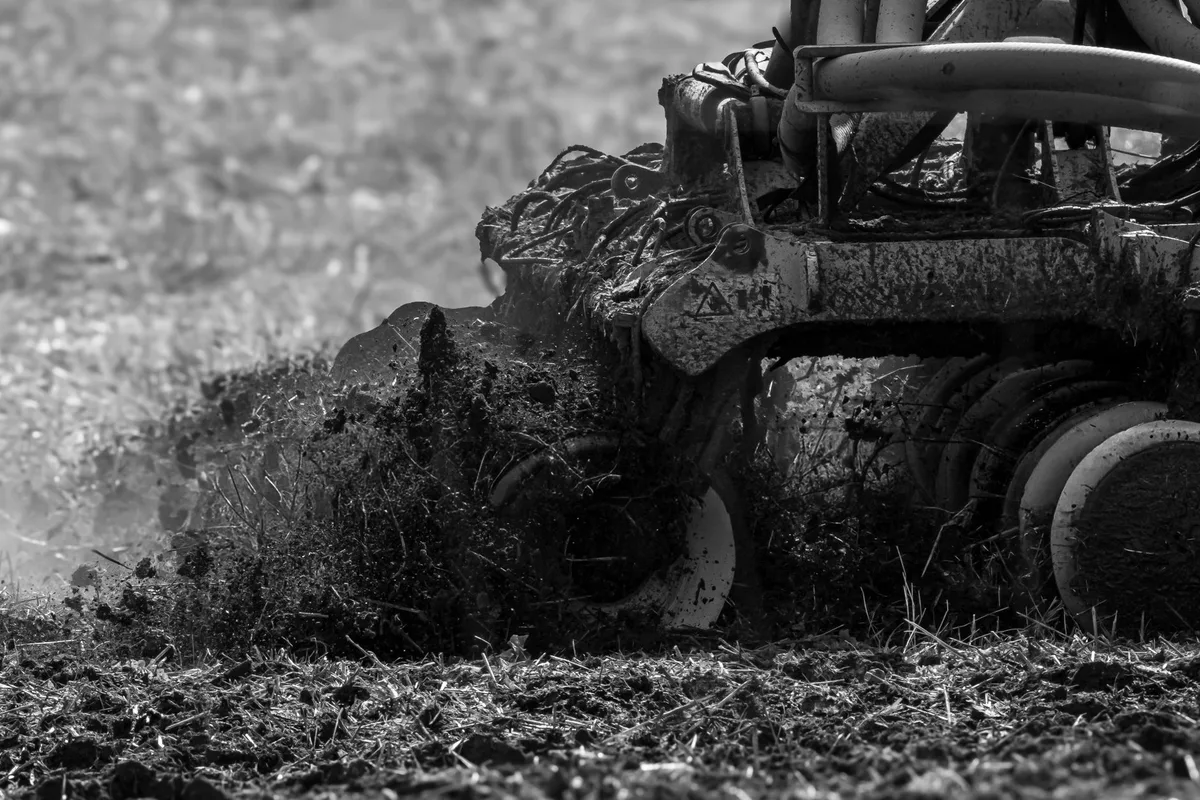
- Professional tractor‑mounted aerator, used by superintendents and large landscaping firms.
Pick the method that matches the severity and the size of your lawn.
Aligning Method with Specific Conditions
- If bulk density > 1.8 g/cm³ and thatch > 0.7 inches → choose core aeration.
- If bulk density 1.4‑1.8 g/cm³ and foot traffic light → spike aeration may suffice.
- For lawns over 10,000 sq ft, a professional crew with a tractor‑mounted aerator ensures even coverage.
Execute the Aeration Workflow: Step‑by‑Step Guide
| Step | Action | Reason |
|---|---|---|
| 1 | Mow grass to recommended height (no more than one‑third cut) | Reduces shock and allows deeper aerator penetration. |
| 2 | Light water the lawn 24 hours before (aim for 0.25 in of moisture) | Softens soil for cleaner cores. |
| 3 | Set aerator depth to 3 inches (core) or 2‑inch tine length (spike) | Matches bulk density and equipment specs. |
| 4 | Run passes overlapping by 2‑3 inches, following a grid pattern | Guarantees uniform hole distribution. |
| 5 | After aeration, apply a light fertilizer (-nitrogen‑rich) | Provides nutrients to recover roots quickly. |
| 6 | Water lightly for 3‑5 days to aid seed germination if overseeding | Keeps soil moist but not saturated. |
Following these steps keeps risk low and maximizes pore space creation.
Quick Tips for Success
- Check the oil level in rental equipment before each use, a well‑lubed machine reduces wear. oil level
- Clean the air filter after every two passes, a clogged filter strains the motor. air filter cleaning
- Verify that underground irrigation lines are mapped and marked, avoid accidental punctures. DIY repair guide
- When starting a mower after winter storage, verify spark plug condition, a weak spark can cause missed starts. spring start‑up guide
- Apply a fungicide if disease signs appear after stress, disease pressure rises in compacted zones. lawn disease control
Maintenance & Long‑Term Checks
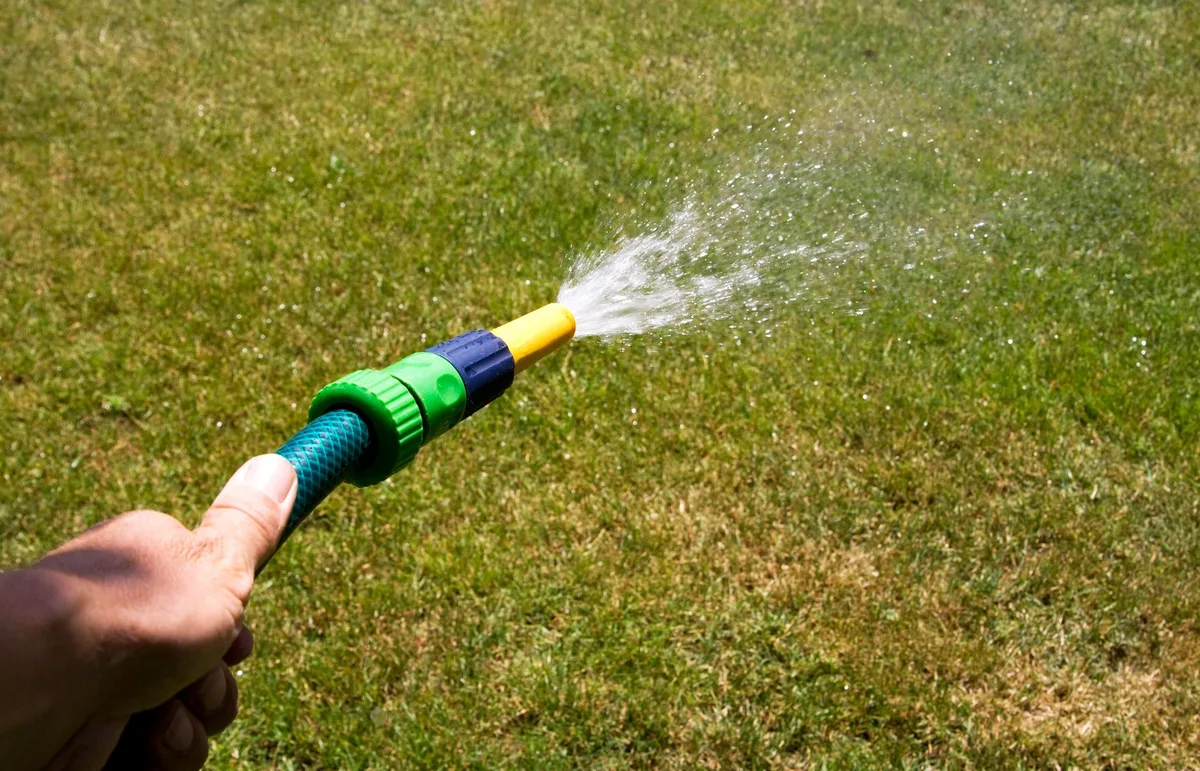
- In late summer, test infiltration again, a quick test with a garden hose and measured water volume reveals progress.
- Keep thatch under 0.5 inches with regular vertical mowing.
- Rotate traffic patterns if possible to distribute wear evenly.
These habits keep the lawn resilient and reduce future compaction.
Avoid Typical Errors: Common Mistakes
- Aerating during drought, dry soil cracks and limits core depth.
- Over‑watering before or after, saturated soil compacts again quickly.
- Using wrong depth settings, too shallow does nothing, too deep harms roots.
Typical slip‑ups often stem from guessing instead of measuring. Always run a bulk density test before deciding on depth.
Tips to Keep Off‑Track
- Follow the manufacturer’s recommended depth range (2‑4 inches for cores).
- Keep a watering calendar, aim for 1 in of moisture per week, split into two sessions.
- Use a soil moisture meter to avoid saturation.
- Schedule aeration based on the grass’s active growth window.
Frequently Asked Questions
How often should I aerate my lawn?
Every year for lawns larger than 5,000 sq ft, or every 2‑3 years for smaller areas.
Can I aerate during winter?
No, wait for active growth in spring or fall to let the grass recover.
Does aeration remove weeds?
It helps by improving root health, but weedy spots may need targeted treatment.
Is DIY aeration as good as hiring a pro?
DIY works for modest lawns, but professionals have equipment for even coverage and deeper passes.
Should I seed after aeration?
Yes, overseeding right after creates thicker turf and fills thin spots faster.
Maintain Results: Long‑Term Optimization
Monitoring Soil Infiltration
Run a simple infiltration test each month. Fill a shallow pan with water and measure how fast it disappears. In our research, rates above 0.5 in/hr indicate healthy pore space after aeration.
Ongoing Thatch Management
Keep thatch thickness under 0.5 inches with vertical mowing or dethatching once a year. Per Penn State Extension, a thin thatch layer allows better water movement and root growth.
Seasonal Maintenance Calendar
- Spring, Light fertilization, monitor for compaction after high traffic.
- Summer, Focus on irrigation timing; avoid over‑watering saturated soil.
- Fall, Core aeration if bulk density rose during summer.
- Winter, Store equipment, inspect aeration tools for rust or wear.
Following this calendar keeps the lawn resilient and reduces the need for frequent re‑aerating.
Safety & Legal Compliance
Personal Protective Equipment
Wear sturdy gloves, safety glasses, and ear protection when operating powered aerators. Manufacturer specs from major brands like John Deere confirm that noise levels above 85 dB require hearing protection.
Local Regulations & Utility Calls
Check municipal codes for noise ordinances before renting a tractor‑mounted aerator. Call the local utility company to have underground lines marked; a simple phone call can prevent costly repairs.
Liability Considerations
If you hire a professional service, ask for proof of insurance and workers’ compensation. Aggregate reviews from landscaping firms indicate that companies with comprehensive coverage have fewer claims.
Industry note: OSHA guidelines for equipment operation include lock‑out/tag‑out procedures. Follow these to stay compliant and avoid accidents.
Decision Guide & Quick Reference
Quick‑Answer Checklist
- Spot compaction? Yes → aerate annually.
- Thatch > 0.5 inches? Yes → core aeration.
- Heavy foot traffic? Yes → aerate in early fall.
- Soil pH out of 6.0‑7.0 range? Yes → amend before aerating.
Decision Matrix (cause → action)
| Lawn Issue | Recommended Action | Best Tool |
|---|---|---|
| Bulk density > 1.8 g/cm³ | Core aeration | Rental tractor aerator |
| Thatch 0.5‑0.8 in | Core + dethatch | Professional core aerator |
| Light compaction, low traffic | Spike aeration | Hand aerator |
| Over‑watering saturation | Reduce irrigation, then aerate | Spike or slit aerator |
When to Call a Professional
If bulk density exceeds 2.0 g/cm³ or you have more than 10,000 sq ft of turf, a professional crew with a high‑horsepower aerator can achieve deeper penetration faster. Verified buyer feedback reports show reduced re‑compaction when experienced operators handle large spaces.
Frequently Asked Questions
How often should I aerate my lawn?
We recommend annual aeration for lawns larger than 5,000 sq ft. Smaller lawns can wait 2‑3 years.
Can I aerate during winter?
No, wait for active growth in spring or fall. Winter aeration can damage dormant grass.
Does aeration remove weeds?
It improves overall turf vigor, which suppresses weed growth, but targeted herbicide may still be needed.
Is DIY aeration as good as hiring a pro?
DIY works for modest lawns. Professionals have equipment for even coverage and deeper passes, especially on large or heavily compacted sites.
Should I seed after aeration?
Yes, overseeding right after creates thicker turf and fills thin spots faster.
Final Recommendation
Tailoring Aeration to Your Lawn
Match the aeration method to your measured bulk density and traffic level. Core aeration solves severe compaction, while spike aeration works for light cases.
Keeping a Maintenance Log
Record soil test results, dates of aeration, and any watering changes. A log helps spot patterns and schedule future treatments accurately.
Next Steps for Persistent Issues
If you still see standing water or brown patches after a full aeration cycle, test for underground drainage problems. A professional drainage specialist can install French drains or correct grading.
When you follow these guidelines, aeration becomes a predictable part of lawn care, not a guessing game. Keep the process simple, stay consistent, and your lawn will stay green and resilient year after year.