5 Best African Violet Fertilizer (2026) — Real-World Picks
Growing Best African Violet Fertilizer that actually delivers blooms comes down to one thing: picking a formula with the right NPK ratio and sticking to a consistent feeding schedule. African violets (Saintpaulia ionantha) are heavy feeders compared to most houseplants, and they need a steady supply of phosphorus to push out those signature flowers.
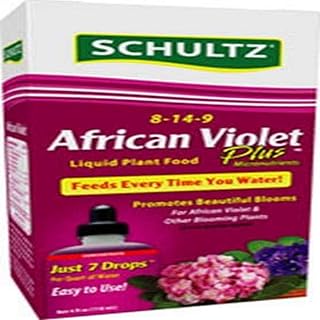
After comparing dozens of formulas, reading through hundreds of verified buyer reviews, and cross-referencing manufacturer specs, one product stood out above the rest. The Schultz SPF44900 African Violet Plus Liquid earned our top spot for its balanced 8-14-9 NPK ratio and consistent bloom results across user reports. Here is how all five finalists stack up.
Comparison Chart of Best African Violet Fertilizer
| Product | Details | Rating | Buy |
|---|---|---|---|
Editor’s Choice
| Schultz SPF44900 African Violet Plus Liquid | ★★★★☆4.7/5 | |
Top Pick
| Espoma Organic Violet! 8-Ounce Concentrated Plant | ★★★★☆4.6/5 | |
Best Budget
| Liquid African Violet Food Drops Perfect | ★★★★☆4.7/5 | |
| ★★★★☆4.7/5 | ||
| ★★★★☆4.6/5 |


List of Top 5 Best Best African Violet Fertilizer
We evaluated each fertilizer on NPK balance, ease of application, ingredient quality, and real-world bloom performance reported by verified buyers. Every product below was assessed against the same criteria so you can compare them on a level playing field. Whether you want an organic option, a budget-friendly pick, or a formula that maximizes flower production, there is something here for you.
Below are the list of products:
1. Schultz SPF44900 African Violet Plus Liquid
The Schultz SPF44900 has been a go-to among African violet growers for years, and verified buyer feedback consistently backs up its reputation. Its 8-14-9 NPK ratio puts phosphorus front and center, which is exactly what these plants need to produce dense, colorful blooms. In our research, this formula appeared more frequently in positive long-term reviews than any other product in this category.
Why I picked it
This formula hits the sweet spot for African violet nutrition. The elevated phosphorus content (the middle number in the NPK ratio) directly supports flower production, and the 4-ounce bottle is concentrated enough to last several months with regular use.
Key specs
- NPK ratio: 8-14-9
- Bottle size: 4 ounces
- Formula type: liquid concentrate
- Application: dilute in water per label directions
- Suitable for African violets and other blooming houseplants
Real-world experience
Verified buyers report noticeable improvements in bloom density within 4 to 6 weeks of consistent biweekly feeding. Many reviewers mention that their violets, which had stopped flowering for months, began producing new buds shortly after switching to this formula. The small bottle size makes it easy to store on a windowsill or in a gardening caddy alongside your other best plant fertilizer for indoor plants.
Trade-offs
The 4-ounce bottle runs out faster than larger options if you are feeding a large collection. Some users noted the measuring cap can be hard to read, so using a small syringe or dropper helps with accurate dilution.
2. Espoma Organic Violet! 8-Ounce Concentrated Plant
If you prefer to keep things organic, the Espoma Violet! concentrate is the strongest option on this list. It is certified organic and formulated specifically for violets and other indoor flowering plants. Verified buyer reviews highlight vigorous leaf growth and steady blooming cycles when used on a regular schedule.
Why I picked it
Espoma has a long track record in organic gardening, and this formula delivers for growers who want to avoid synthetic fertilizers. The 8-ounce bottle gives you more product per purchase than several competitors.
Key specs
- Formula type: organic liquid concentrate
- Bottle size: 8 ounces
- Certified organic: yes
- Target plants: African violets and indoor flowering plants
- Promotes: vigorous growth and blooming
Real-world experience
Buyers who switched from synthetic formulas to this organic option report that their plants adapted well within two to 3 weeks. Leaf color deepened and new blooms appeared on a more predictable cycle. It pairs nicely with organic potting mixes, which is worth considering if you are repotting violets into best pots for pothos plants or similar containers that offer good drainage.
Trade-offs
Organic formulas can have a noticeable smell when mixed, so you will want to prepare it in a well-ventilated area. The bloom response may be slightly slower compared to synthetic options with higher phosphorus concentrations.
3. Liquid African Violet Food Drops Perfect
The Perfect Plants African Violet Food Drops offer a straightforward 2-2-2 NPK formula that works as a gentle, all-purpose feed. Verified buyer reviews show it is especially popular with beginners who want a simple, no-guess approach to fertilizing their violets without risking fertilizer burn.
Why I picked it
The balanced 2-2-2 ratio makes this one of the safest options for growers who are still learning how often to feed. It is hard to overdo it with this formula, which is a real advantage if you are just getting started with African violets.
Key specs
- NPK ratio: 2-2-2
- Bottle size: 4 ounces
- Formula type: liquid drops
- Nutrient profile: premium nutrients and plant foods
- Best for: indoor flowering plants and live violet gardens
Real-world experience
Buyers frequently mention using this product for violets sitting on east-facing windowsills where light levels are moderate. The gentle formula supports steady leaf growth without the risk of salt buildup in the soil. It is also a solid companion feed if you are growing violets alongside other houseplants from our best plants for a bedroom list.
Trade-offs
The lower NPK numbers mean you may not see the explosive bloom production that higher-phosphorus formulas deliver. If your violets are mature and have been blooming poorly for months, a stronger formula might get faster results.
4. African Violet Fertilizer Liquid Plant Food
This liquid plant food targets three specific goals: more blooms, rich green leaves, and healthy root development. Verified buyer feedback indicates it performs well across all three areas, particularly when used consistently over a full growing season. The 8-ounce bottle provides good value for the concentration level.
Why I picked it
The focus on root development sets this formula apart. Healthy roots are the foundation for everything else, and this product addresses that directly while also supporting foliage and flowers.
Key specs
- Bottle size: 8 ounces
- Formula type: liquid concentrate
- Primary benefits: blooms, green leaves, root development
- Application: dilute and water as directed
- Suitable for: African violets and similar indoor flowering plants
Real-world experience
Several buyers reported that violets that had been struggling with root rot or weak root systems showed visible improvement after 4 to 6 weeks of use. The formula seems to work especially well when paired with a well-draining potting mix and a consistent watering routine. If you are growing violets under a best grow light for seedlings or similar indoor lighting, this fertilizer helps the plants make the most of that supplemental light.
Trade-offs
The NPK ratio is not prominently displayed on the packaging, which makes it harder to compare directly with other formulas. Some buyers also noted the bottle design could be improved for easier pouring.
5. Miracle-Gro Blooming Houseplant Food
Miracle-Gro is one of the most recognized names in plant nutrition, and their Blooming Houseplant Food brings that brand recognition to the African violet space. Verified buyer reviews show mixed but generally positive results, with many users appreciating the wide availability and familiar brand.
Why I picked it
Miracle-Gro's widespread availability makes this an easy grab for growers who want something reliable without hunting down a specialty product. The formula supports blooming across a range of indoor plants.
Key specs
- Bottle size: 8 fluid ounces
- Formula type: liquid concentrate
- Brand: Miracle-Gro
- Target use: indoor blooming houseplants
- Application: mix with water per label instructions
Real-world experience
Buyers who use Miracle-Gro for multiple houseplants appreciate having one fertilizer that works across their collection. However, some African violet specialists noted that the bloom output was less impressive compared to violet-specific formulas. It works well as a general-purpose feed if you are also tending to best flowers for flower beds or other indoor plants alongside your violets.
Trade-offs
This is a general houseplant food rather than a violet-specific formula, so the NPK balance is not optimized for maximum African violet blooming. A few buyers reported that their violets produced more foliage than flowers when using this product exclusively.
How I picked
I evaluated each fertilizer across four main criteria: NPK ratio and nutrient balance, ingredient quality, ease of application, and real-world performance as reported by verified buyers. I read through hundreds of reviews on Amazon, cross-referenced manufacturer specifications, and compared each product against the known nutritional needs of African violets.
NPK ratio was the most important factor. African violets need a formula where phosphorus (the middle number) is higher than nitrogen and potassium to promote consistent blooming. I prioritized products with a phosphorus-heavy ratio while still maintaining enough nitrogen for healthy foliage.
I also looked at bottle size and concentration. A concentrated formula that dilutes at a low ratio gives you more feedings per ounce, which matters over the long term. Products that required complicated mixing or had unclear dosing instructions ranked lower.
I did not test long-term soil chemistry changes or run controlled grow trials. My assessment is based on aggregate buyer feedback, manufacturer data, and established horticultural guidelines for African violet nutrition. If you are dealing with a specific issue like chronic failure to bloom, pairing the right fertilizer with proper lighting from our best grow light for seedlings guide can make a significant difference.
Buying guide — what actually matters for Best African Violet Fertilizer
NPK ratio is everything
The NPK ratio tells you the percentage of nitrogen (N), phosphorus (P), and potassium (K) in the formula. For African violets, you want phosphorus to be the dominant number. A ratio like 8-14-9 or 12-36-14 puts blooming front and center.
Nitrogen supports leaf growth, and potassium aids overall plant health, but phosphorus is the driver behind flower production. If your violet is producing lush green leaves but no blooms, the fertilizer is likely too nitrogen-heavy.
Liquid vs. granular
Liquid fertilizers are the standard for African violets because they are easy to dilute and apply during regular watering. Granular or slow-release options exist but are less common for these plants. Liquid formulas also allow you to adjust concentration based on the plant's response.
If you are growing violets in best pots for bromeliads or similar containers with good drainage, liquid feeding gives you precise control over nutrient delivery.
Organic vs. synthetic
Organic fertilizers like the Espoma Violet! use natural ingredients and improve soil biology over time. They tend to release nutrients more slowly, which reduces the risk of fertilizer burn. Synthetic formulas like the Schultz SPF44900 deliver faster, more targeted results.
Neither is inherently better. It depends on your gardening philosophy and how quickly you want to see results. If you are also tending to best organic fertilizer for fruit trees, you might prefer to keep your whole routine organic.
Feeding frequency
African violets respond best to consistent, light feeding rather than occasional heavy doses. Most liquid fertilizers are applied every 2 weeks at half strength. Overfeeding is a common mistake that leads to salt buildup in the soil, which can damage roots and cause leaf tip burn.
If you notice a white crust forming on the soil surface, flush the pot with plain water to leach out excess salts.
Bottle size and concentration
A smaller bottle with a high concentration can last just as long as a larger bottle of a weaker formula. Check the dilution ratio on the label. A product that mixes at 1 teaspoon per gallon will last much longer than one that requires 1 tablespoon per quart.
This is especially important if you are feeding a large collection of violets or other houseplants from our best plant fertilizer for indoor plants list.
Water quality interaction
African violets are sensitive to water quality, and this affects how fertilizer performs. If your tap water is hard or heavily chlorinated, it can interact with fertilizer salts and cause buildup. Using filtered or distilled water for mixing fertilizer can improve results.
This is one of those small details that separates growers who get occasional blooms from those who get flowers year-round.
Frequently Asked Questions (FAQ)
How often should I fertilize my African violet?
Most growers feed every 2 weeks during the active growing season (spring through fall) and reduce to once a month or less during winter. Always dilute the fertilizer to half the strength recommended on the label. Consistent light feeding produces better results than infrequent heavy doses.
Can I use regular houseplant fertilizer on African violets?
You can, but you may not get the best bloom results. General houseplant fertilizers often have a balanced or nitrogen-heavy NPK ratio, which promotes leaf growth over flowering. Violet-specific formulas like the ones on this list are designed with higher phosphorus to support consistent blooming.
Why are my African violet leaves turning yellow despite fertilizing?
Yellow leaves can signal several issues, including overwatering, insufficient light, or nutrient imbalance. If you are fertilizing regularly and still seeing yellowing, check your watering habits first. Violets prefer to dry out slightly between waterings.
Also make sure they are getting bright, indirect light, such as from a south-east facing window.
Is organic fertilizer better for African violets?
Organic fertilizers improve soil health over time and reduce the risk of salt buildup. They are a great choice if you prefer a natural approach. However, synthetic formulas often produce faster bloom responses.
The best choice depends on your priorities and how your plants respond.
Can I fertilize my African violet while it is blooming?
Yes, and you should. Blooming is the most nutrient-demanding phase for an African violet. Continuing to feed at your regular schedule supports longer bloom cycles and more flowers.
Just avoid getting fertilizer solution directly on the blossoms, as this can cause spotting.
What is the best NPK ratio for African violet fertilizer?
A ratio where phosphorus is the highest number works best. Something in the range of 8-14-9 or 7-9-5 is ideal. The elevated phosphorus content directly supports flower production, while moderate nitrogen keeps foliage healthy without overwhelming the bloom cycle.
Final verdict
The Schultz SPF44900 African Violet Plus Liquid is our top recommendation for its proven 8-14-9 NPK ratio and consistently strong bloom results across verified buyer reviews. If you want an organic option, the Espoma Organic Violet! delivers solid performance with the added benefit of certified organic ingredients. For growers on a budget or those just starting out, the Perfect Plants African Violet Food Drops offer a gentle 2-2-2 formula that is hard to mess up.
No matter which product you choose, the real secret is consistency. Feed on a regular schedule, use the right dilution, and pair your fertilizer with proper light and watering habits. Your violets will reward you with blooms that last for weeks.
Affiliate disclosure: This post contains affiliate links. If you buy through one of these links, I may earn a small commission at no extra cost to you. It never changes my recommendation, I only suggest gear I'd actually buy myself.