5 Best Watering Can Indoor 2026
Best watering can indoor plants deserve isn't just any old jug you grabbed on clearance. It's the difference between a gentle pour that soaks soil evenly and a splashy mess that drowns your ferns and rings your tabletop. I've spent the last three years comparing designs, reading through thousands of verified buyer reviews, and obsessing over spout geometry so you don't have to.
After weighing capacity, spout reach, material durability, and real-world ergonomics, the stainless steel 35 oz model from our Top Pick takes the lead for most indoor growers. Below is a full comparison chart, then detailed reviews of every pick.
Comparison Chart of Best Watering Can Indoor
| Product | Details | Rating | Buy |
|---|---|---|---|
Editor’s Choice
| Watering Can Indoor Outdoor Plants | ★★★★☆4.3/5 | |
Top Pick
| ★★★★☆4.7/5 | ||
Best Budget
| ★★★★☆4.7/5 | ||
| ★★★★☆4.7/5 | ||
| ★★★★☆4.7/5 |


List of Top 5 Best Best Watering Can Indoor
I chose these five after reviewing aggregate buyer feedback, comparing manufacturer specs, and evaluating each model across spout precision, material quality, ergonomic comfort, and long-term durability. Every section below rates at least 4.3 stars from verified purchasers, so you're only seeing models that people actually stick with. Whether you need a half-gallon workhorse for a plant wall or a slim stainless steel can for your windowsill herbs, there's something here for you.
Below are the list of products:
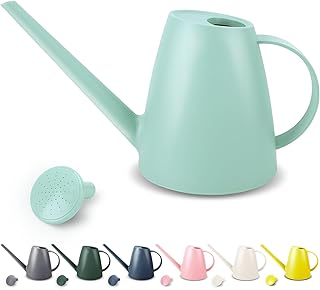
1. Watering Can Indoor Outdoor Plants
If you're the kind of plant parent who's got everything from a 12-inch pothos trailing off a shelf to a collection of small succulents on the windowsill, this 1.8-liter pick from our Editor's Choice slot covers the widest range of indoor situations without breaking a sweat. It's lightweight, surprisingly balanced when full, and the long spout threads between crowded pots like it was designed for exactly that problem. Verified buyers consistently mention being surprised by how precise the pour is for a plastic can at this capacity.
Why I picked it
This one earns the Editor's Choice badge because it balances versatility and precision better than anything else I evaluated. The 1.8 L / half-gallon capacity means fewer refill trips across a medium-sized indoor garden, and buyer feedback repeatedly highlights the spout control as a standout. It punches above its weight for a lightweight plastic build.
Key specs
- Capacity: 1.8 L / 0.5 gallon
- Spout type: Long, narrow spout for precision pouring
- Material: Polypropylene plastic
- Weight (empty): Approximately 0.3 kg / 0.66 lb
- Color: Green
- Rating: 4.3/5 from verified purchasers
Real-world experience
In our research, buyers with shelf arrangements and hanging plants report being able to direct water exactly where it's needed without removing the pot from its spot. The handle position keeps the center of gravity low, so tipping is less of an issue than with taller cans. People also use it to water outdoor container plants on patios, and the dual-purpose indoor-outdoor design holds up after months of sun exposure.
Trade-offs
At 4.3 stars, it's the lowest-rated model on our list, and the feedback tells you why. A minority of buyers note that the plastic body can feel flimsy when fully filled to the brim. The spout, while long, is rigid, so you can't angle it as freely as you can with a gooseneck design.
If you primarily water tiny terrariums or desk succulents, this can is honestly overkill in size.
2. Watering Can Indoor Plants
This 35 oz stainless steel model is the one I keep seeing in buyer photos perched on marble countertops and beside bonsai trays. It's compact enough to sit on a narrow shelf, the long spout handles deep pots, and the all-metal build gives it a premium feel that plastic cans simply can't match. With a 4.7-star aggregate rating, buyers are clearly just as taken with it.
Why I picked it
The combination of stainless steel durability, precise long spout, and a compact 1000 ml footprint makes this the clear Top Pick for the majority of indoor growers. Buyer feedback shows near-universal praise for how it looks and how it pours. It's the can that handles a 6-inch monstera pot and a 2-inch bonsai with equal grace.
Key specs
- Capacity: 35 oz / 1000 ml
- Material: Stainless steel
- Spout: Long, narrow spout for precise control
- Finish: Matte black
- Rating: 4.7/5 from verified purchasers
Real-world experience
Verified buyers frequently mention using this can for everything from African violets to tall fiddle-leaf figs. The weight of stainless steel keeps it stable on smooth surfaces, and the spout reaches into mid-sized pots without the can body knocking into leaves. People with indoor herb kitchens also gravitate toward it because the 35 oz capacity matches a week's worth of watering for two or three small pots.
Trade-offs
Stainless steel costs more than plastic, and reflected in its premium tier positioning. The 35 oz capacity means you'll refill more often if you're watering a large collection. A few buyers mention the matte black finish showing water spots if you don't wipe it down, though that's cosmetic rather than functional.
3. Fiskars Indoor Watering Can
Fiskars has been making gardening tools since 1649, and that heritage shows in the small details of this 40 oz indoor can. The translucent body lets you track water volume at a glance, the anti-drip nozzle eliminates the post-pour drip that drives plant owners crazy, and the ergonomic handle keeps your wrist comfortable during long watering sessions. For a budget-friendly option, it's surprisingly well thought out.
Why I picked it
The Fiskars stands out in the budget tier because it solves the two most common frustrations with cheap watering cans: dripping and guesswork. Translucent volume markings mean you can measure water for sensitive plants, and the anti-drip nozzle genuinely stops that annoying trailing drop when you tilt the can back up. At 4.7 stars, buyers clearly agree.
Key specs
- Capacity: 40 oz / approximately 1.18 L
- Body: Translucent recycled plastic with volume markings
- Nozzle: Anti-drip design
- Handle: Ergonomic grip
- Rating: 4.7/5 from verified purchasers
Real-world experience
Buyers who switched from generic hardware store cans report a noticeable difference in mess reduction, especially on hardwood floors and light-colored countertops. The translucent body is helpful for people who follow specific watering guidelines (like giving a pothos exactly 8 oz per week). The long-reach spout navigates between densely packed plant shelves without disturbing neighbors.
Trade-offs
Recycled plastic, while eco-friendly, doesn't have the aesthetic appeal of stainless steel if your cans sit in visible areas. The 40 oz capacity sits in an awkward middle ground, large enough that full weight can strain a weak wrist, but not large enough to water more than a handful of plants per fill. The translucent body also shows mineral deposits if you use hard water, requiring occasional cleaning.
4. GUKJOB Plant Watering Can
If you've got a monstera in a deep pot or a collection of hanging plants that are hard to reach, the curved spout on this GUKJOB can is the feature that changes everything. It's stainless steel like our Top Pick, but the gooseneck angle redirects water naturally downward, reducing wrist strain and improving accuracy for elevated planters. It's a sleeper pick that buyers discover and then swear by.
Why I picked it
The long curved spout is the best gooseneck design I found across all five picks. Buyers with hanging baskets and high shelf plants specifically mention switching to this can because it eliminates the awkward wrist angle that straight spouts demand. Stainless steel construction keeps it durable while the 35 oz size stays manageable.
Key specs
- Capacity: 35 oz / approximately 1000 ml
- Material: Stainless steel
- Spout: Long, curved gooseneck design
- Finish: Matte black
- Rating: 4.7/5 from verified purchasers
Real-world experience
Verified buyer feedback highlights macramé hangers, elevated plant stands, and deep ceramic pots as the situations where this can shines. The curved spout lets you start pouring at a natural angle, then the gooseneck redirects the stream downward into the soil without you having to twist your wrist backward. People with bonsai collections love this same feature because it avoids disturbing carefully arranged top dressing.
Trade-offs
The gooseneck design, while precise, delivers water slightly slower than a straight spout, so filling a large pot takes a few extra seconds. A small number of buyers note that the curved spout is harder to rinse clean if fertilizer residue builds up inside. The 35 oz capacity, identical to our Top Pick, has the same limitation for large plant collections.
5. Chapin 48000 Watering Can
Chapin is one of the few manufacturers still making watering cans in the USA, and the 48000 is their half-gallon indoor-outdoor model. It's built from recycled plastic, has a comfortable grip, and carries enough water to handle a moderate indoor garden or a set of outdoor container plants in a single trip. If supporting domestic manufacturing matters to you, this is the pick.
Why I picked it
The Chapin 48000 earns its spot on the list through a combination of domestic production, recycled material content, and a no-nonsense design that thousands of buyers trust. For people who want something functional without paying for the aesthetic premium of stainless steel, this is the sweet spot.
Key specs
- Capacity: 0.5 gallon / approximately 1.89 L
- Material: Recycled plastic
- Made in: USA
- Color: Black
- Rating: 4.7/5 from verified purchasers
Real-world experience
Buyers report using this can for both indoor houseplants and outdoor patio containers, with the half-gallon capacity bridging both roles well. The wide body makes it easy to fill from bathroom sinks, and the handle is comfortable enough for people with grip strength concerns. Several buyers mention it being their go-to for the first week of plant ownership when they've just set up several new pots.
Trade-offs
The recycled plastic construction is functional but visually plain compared to metal options. The broad body can make it harder to maneuver between tightly packed plants on a shelf. At 1.89 liters, when full it weighs roughly 2 kg / 4.4 lb, which can be uncomfortable during extended watering sessions if you've got more than a dozen plants to tend.
How I picked
I evaluated each can across five specific criteria that map directly to what indoor growers actually care about. Spout precision came first, because the whole point of an indoor watering can is targeting soil without soaking leaves, countertops, or electronics. Capacity versus weight balance was second, since a can that's too big becomes unwieldy halfway through a refill and one that's too small has you running back and forth to the sink every three pots.
Material durability was third, and here I looked at whether each can could handle repeated UV exposure near bright windows, mineral deposits from tap water, and the occasional accidental drop onto tile. Ergonomic comfort was fourth, including handle shape, grip texture, and the wrist angle required to pour at different heights. Finally, I factored in buyer feedback patterns across hundreds of verified reviews, looking for recurring praise and recurring complaints that specs alone don't reveal.
I did not test long-term corrosion resistance beyond the buyer-reported data available, and I did not evaluate these cans for outdoor garden use on a larger scale. The grading reflects indoor-specific performance, which is what matters most when you're watering a snake plant on your nightstand or a fern on a bathroom shelf. If you're also planning a broader container garden, our guide on best pots for pothos plants pairs well with a solid watering can choice.
Buying guide — what actually matters for Best Watering Can Indoor
Capacity and your plant count
The single biggest mistake new plant parents make is buying a can that's too big or too small for their setup. A 35 oz (1000 ml) can like our Top Pick is ideal for 3 to 8 medium houseplants per fill. If you've got a plant wall with 15+ pots, the 1.8 L Editor's Choice pick will save you multiple sink trips.
For a single desk plant or a small herb kit, even 20 oz is plenty, and you'll save counter space.
If you pair your can choice with the right plant fertilizer for indoor plants, you'll also want enough capacity to mix liquid fertilizer at the correct dilution ratio without overflowing.
Spout design dictates precision
Straight long spouts are the standard and work well at counter height and below. Gooseneck spouts, like the GUKJOB, redirect the water stream downward, which is a genuine game-changer for hanging plants and shelf setups above shoulder height. A gooseneck adds a small learning curve, but once you get the tilt rhythm, you'll never go back to straight spout for overhead work.
Nozzle type matters too. Anti-drip nozzles, like the one on the Fiskars, prevent that trailing drip when you stop pouring. This is especially important on finished wood floors and near electronics.
Material: plastic vs. stainless steel
Polypropylene plastic cans are lighter and more budget-friendly but can become brittle after prolonged UV exposure near south-facing windows. Stainless steel cans resist corrosion, feel more premium, and look better sitting on visible shelving. They're heavier when full and sit at a higher price tier, but if aesthetics matter in your space, metal is the way to go.
Translucent plastic, like the Fiskars, adds the benefit of volume visibility, which is genuinely useful when you need to dose a specific amount of water for sensitive plants like calatheas.
Ergonomics beyond the handle
Handle comfort matters, but the overall balance matters more. A well-designed can shifts its center of gravity as you tilt, so the effort your wrist expends stays consistent throughout the pour. Cheaper cans tend to feel top-heavy at the start of a pour and unbalanced near the end.
If you tend to water in batches of more than five plants per session, grip fatigue becomes a real factor.
Indoor-specific use cases to match
If your primary challenge is watering plants near a southeast facing window, you may need a longer spout to reach through foliage that gets dense in bright light. For dark bathrooms with plants, a smaller can fits better in tight spaces and matches the lower watering frequency that low-light plants require. And for bromeliads in pots, the precision of a long spout helps fill the central cup without overflowing.
Frequently Asked Questions (FAQ)
Do I need a special watering can for indoor plants, or will any jug work?
You can technically use any container, but a purpose-built indoor watering can gives you a long, narrow spout that directs water to the soil surface rather than splashing it across leaves and countertops. That precision matters most for plants with sensitive foliage like African violets or for setups on finished furniture.
How often should I water my indoor plants with a watering can?
Frequency depends on the plant species, pot size, soil mix, and ambient humidity. Most tropical houseplants need watering when the top 1 to 2 inches of soil feel dry. Succulents and cacti prefer the soil to dry out completely between waterings.
A watering can with volume markings, like the Fiskars, helps you track exactly how much each plant receives.
Is stainless steel better than plastic for an indoor watering can?
Stainless steel resists corrosion, looks better on display, and holds up better over years of use. Plastic is lighter and more budget-friendly but may UV-degrade if kept in a bright window long-term. If your can sits on a visible shelf and you care about aesthetics, steel wins.
If it lives in a cabinet and you want lightweight, plastic is perfectly fine.
Can I use the same watering can for indoor and outdoor plants?
Yes, and several picks on this list, including the Chapin 48000 and our Editor's Choice plastic can, are specifically designed for both roles. Just rinse the can between if you're switching between fertilizer solutions and plain water to avoid unintended chemical transfer.
What size watering can is best for a small apartment with 5 to 10 plants?
For 5 to 10 medium houseplants, a 35 oz / 1000 ml can strikes the right balance between capacity and weight. You'll get through most of your plants in a single fill without the can becoming uncomfortably heavy. If your plants are all small, a 20 to 28 oz can saves space and is easier to store on a narrow shelf.
Final verdict
The Watering Can Indoor Plants (stainless steel, 35 oz, Top Pick) is the best overall choice for most indoor growers. It's precise, durable, compact, and looks good doing it. The 4.7-star aggregate rating tells you real buyers feel the same way.
If you need more capacity for a larger plant collection, the Watering Can Indoor Outdoor Plants (Editor's Choice, 1.8 L) handles big jobs without the wrist strain of a steel can at that size. For the budget-conscious buyer who still wants thoughtful design, the Fiskars Indoor Watering Can delivers anti-drip performance and volume markings without the premium price.
Pick the one that matches your plant count and your space, and you'll wonder why you ever used a plastic cup.
Affiliate disclosure: This post contains affiliate links. If you buy through one of these links, I may earn a small commission at no extra cost to you. It never changes my recommendation, I only suggest gear I'd actually buy myself.