How to Prevent Scale Insects for 2026: Pro Tips & Tricks
If you spot those tiny brown or tan bumps on your plant stems, you already know the sinking feeling. They stick like they’re glued on, and once they spread, they’re tough to stop. That’s exactly why learning how to prevent scale insects beats fighting a full-blown infestation every time.
Research from multiple university extension programs consistently shows that a single, well-timed dormant oil spray in late winter can cut scale survival by over 80 percent. The catch is that a generic “spray every month” plan misses the mark. Your approach needs to match your specific situation, what kind of plant you have, where it lives, and what time of year it is.
Let’s walk through that together.
Quick Answer
Inspect plants weekly for bumps and sticky honeydew. Quarantine new plants for two to four weeks. Apply dormant oil in late winter before buds break.
Use insecticidal soap on young crawlers. Keep plants healthy and stress-free. Attract beneficial insects like ladybugs and parasitic wasps.
The Problem with Scale Prevention Advice
Search online for how to prevent scale insects, and you’ll see the same short lists repeated everywhere. Wipe leaves with alcohol. Spray neem oil.
Use a cotton swab. All of that works in specific situations, but none of it works for every plant or every scale species.
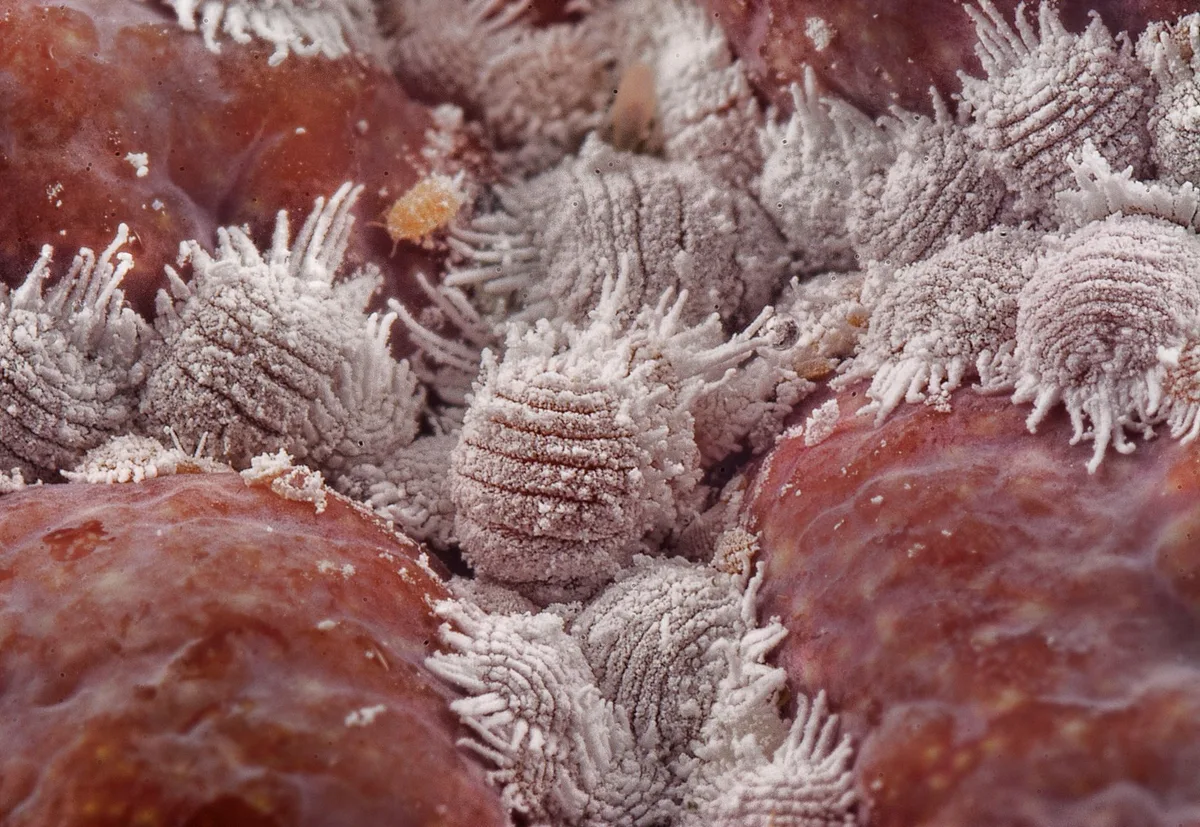
The real issue is that scale insects aren’t one single creature. You have armored scale with a waxy shell that resists sprays. You have soft scale that produces honeydew and attracts ants.
You have crawlers the size of dust specks. Each stage needs a different tactic. A dormant tree in winter can handle a strong oil coating.
A tender new shoot in summer cannot.
A good prevention plan has to start with a simple set of conditions. That’s the decision tree. It saves you time, money, and the frustration of trying something that doesn’t match your plant’s real situation.
Step 1: Identify Your Situation (The Decision Tree Starts Here)
The wrong first step can make scale worse or damage your plant. So let’s ask the right questions before you buy anything.
Are your plants indoors or outdoors?
Indoor plants give you more control. You can inspect them easily, isolate new arrivals, and hand-clean leaves. But the trade-off is that scale inside has no natural predators.
Once it gets established, it spreads to every pot in the room.
Outdoor plants have weather, wind, birds, and beneficial insects. But ants often farm scale outdoors, protecting them from sprays. You also have to match your application to the season and temperature.
Do you see armored or soft scale?
Armored scale looks like a tiny brown or gray shell. It does not produce honeydew. That makes it harder to detect early because there’s no sticky warning sign.
It also means insecticidal soap is less effective on adults, the shell blocks contact.
Soft scale appears as a smoother, slightly raised bump, often brown or yellow. It produces honeydew, a sticky, shiny substance that attracts ants and grows black sooty mold. Soft scale is easier to treat because the young crawlers are more exposed, and the adults are more vulnerable to oil.
Is the plant dormant or actively growing?
Dormant plants, think deciduous trees and shrubs in late winter, can handle a higher concentration of horticultural oil with no leaf damage. That’s your strongest prevention window.
Actively growing plants need lighter oil treatments, usually at a 1 to 2 percent dilution. You also avoid oil during high heat or full sun, or you risk burning leaves.
What time of year is it?
Late winter (before buds break) is your single most effective prevention window for outdoor woody plants. Spring through early summer targets the crawler stage, when the young scale are mobile and vulnerable. Summer and fall are harder for prevention because scale are mostly in waxy adult or egg stages.
But you can still manage them with repeated soap or oil applications if needed.
Step 2: Build Your Prevention Strategy Based on Your Conditions
Once you know your situation, pick the path that fits. Each one uses different tools and timing.
Path A: Indoor Houseplant Prevention
Your best tools here are routine and isolation.
- Inspect every plant once a week. Run your fingers along stems and check the undersides of leaves. Scale often hides in the leaf axils where the leaf meets the stem.
- Wipe leaves with a damp cloth every month to remove dust and any early crawlers.
- Quarantine any new plant for two to four weeks before putting it near your collection.
- If you spot scale early, dab it with a cotton swab dipped in rubbing alcohol. That kills the individual insect instantly.
- Keep your plants strong. A stressed plant is more vulnerable. Pay attention to watering, light, and a solid indoor plant care routine, because healthy foliage is harder for scale to colonize.
Path B: Outdoor Ornamental and Shrub Prevention
For shrubs, hedges, and ornamentals in garden beds, dormant oil is your heavy hitter.
- Apply dormant oil in late winter when temperatures are above 40°F and no rain is forecast for 24 hours. Coat the bark thoroughly, especially at branch joints and on the undersides of branches.
- Release beneficial insects like ladybugs or lacewings in spring. They target young crawlers.
- Use sticky barriers on the main stems or trunks if ants are present. Ants protect scale from predators.
- In early spring, spray insecticidal soap at the first sign of crawlers. Reapply every 10 to 14 days during the crawler window.
If you are planning your flower bed layout, consider grouping plants with similar water and light needs. Overcrowded beds trap humidity and make scale spread faster.
Path C: Orchard and Edible Crop Prevention
For fruit trees and crops, you need to balance prevention with food safety and pollinator protection.
- Dormant oil in winter is still your best first move. Apply it to the trunk and main branches of trees like citrus, apple, or stone fruit.
- Monitor crawler emergence with double-sided sticky tape wrapped around branches. Check it with a magnifying glass every few days.
- Spray insecticidal soap or neem oil when you see crawlers on the tape. Do not spray during bloom. Bees need that window clean.
- Avoid systemic insecticides on any crop that flowers. Neonicotinoids linger in pollen and nectar.
- Support tree health with proper nutrition. Feeding fruit trees organically builds stronger bark and foliage that resists initial scale attacks.
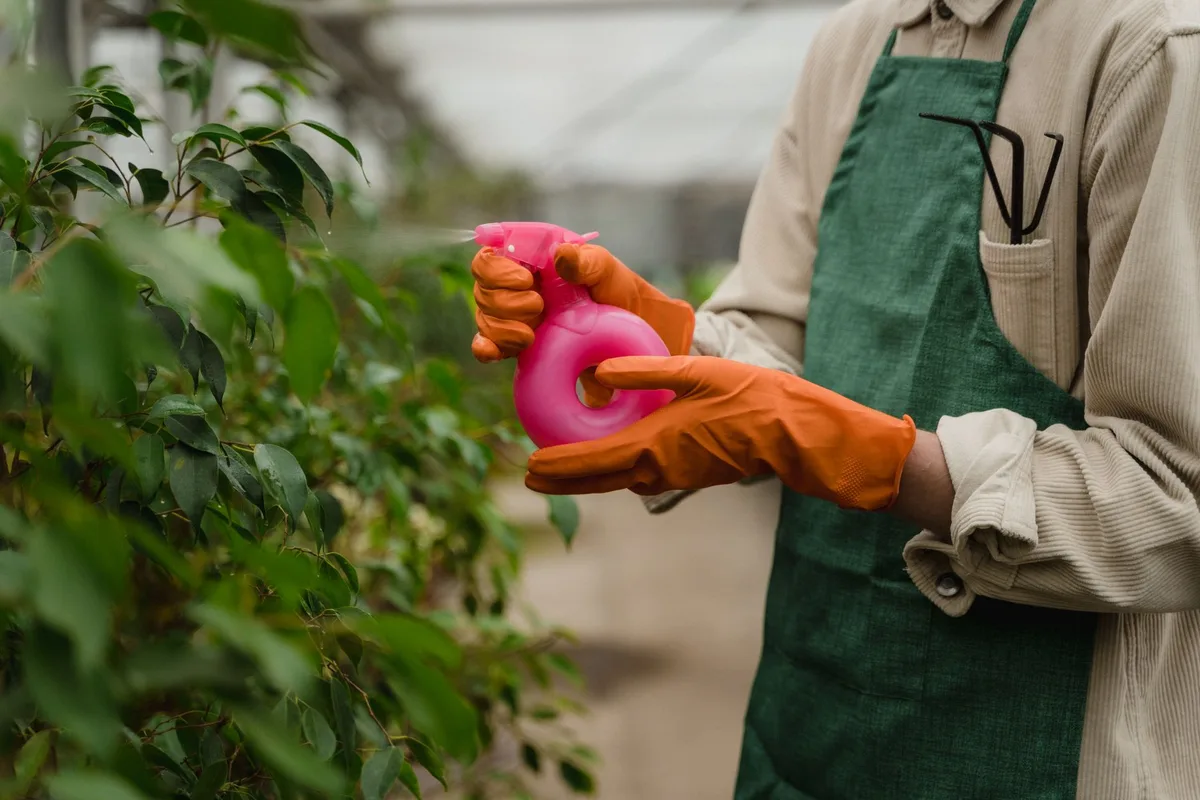
Step 3: Execute the Plan with Precision
Your strategy only works if you apply it correctly. Here’s how to get the details right.
How to inspect like a pro
Use a 10x or 15x hand lens. You can see crawlers and minor scale bumps that your eyes miss.
Check these spots on every plant:
- Leaf undersides along the midrib
- Branch crotches where limbs meet the trunk
- Along the stems, especially near leaf axils
- Under peeling bark on older woody plants
Look for three signs: bumps that don’t scrape off easily, sticky honeydew on leaves below, and sooty black mold on leaf surfaces.
How to apply dormant oil
Mix horticultural oil at the manufacturer’s recommended rate, usually 2 to 4 tablespoons per gallon of water for a 1 to 2 percent dilution.
Apply when:
- Air temperature is between 40°F and 90°F
- No rain is expected for at least 24 hours
- The plant is fully dormant (no green leaves or swollen buds)
Spray from all angles until the bark is wet and dripping. Target branch junctions, cracks, and the undersides of limbs. One thorough coating does the job.
You don’t need to repeat it every week.
How to use insecticidal soap on crawlers
Soap only kills on contact. It leaves no residual protection. So timing is everything.
Watch for crawlers in spring as temperatures warm. Use the sticky tape monitoring method to detect them. When they appear, mix insecticidal soap according to the label, usually 2 to 5 tablespoons per gallon.
Spray directly on the affected areas. Soak the stems and leaf undersides. Repeat every 7 to 14 days as long as you see crawlers.
Once the scale adults settle and form their waxy cover, soap stops working on them.
Neem oil vs. horticultural oil
Neem oil is slower. It works as a repellent and an anti-feedant, meaning it discourages scale from feeding and growing. It also has some smothering effect.
It’s good for mild prevention on indoor plants or light outdoor infestations.
Horticultural oil smothers all life stages, eggs, crawlers, and adults, on contact. It’s more aggressive and more effective for a thorough dormant-season cleanout. Use horticultural oil for your heavy prevention pass.
Use neem oil for spot treatments or ongoing maintenance on tender plants.
Managing ants that protect scale
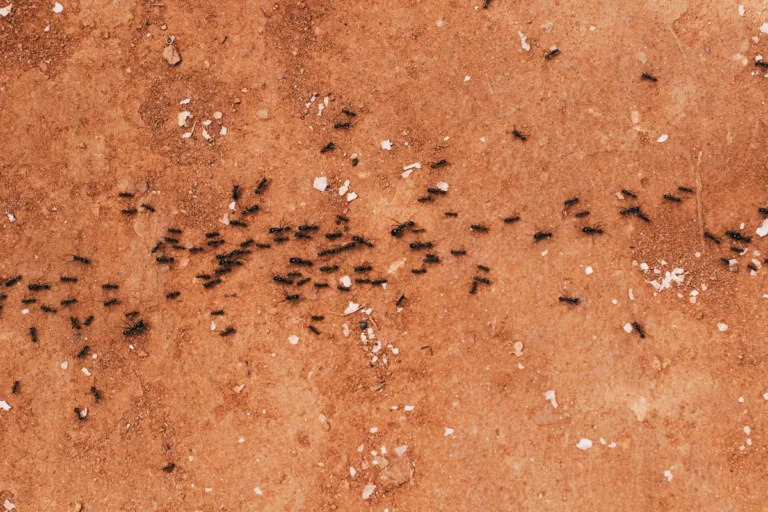
Ants and scale have a partnership. Ants drink the honeydew and in return they chase away predators. If you see ants on your plants, you almost certainly have scale or are about to.
Sticky barriers stop ants from climbing the trunk. Apply a band of tree tanglefoot or sticky tape around the base. If you have a large outdoor infestation, you may also need to manage the ant nest nearby.
For persistent ant problems, look into ant control methods that don’t harm beneficial insects.