Best Time to Overseed a Lawn 2026
The best time to overseed a lawn isn't a date on your calendar. It is a window that shifts based on your grass type, your local climate, and your soil temperature. Most people pick a weekend in spring or fall because that is what their neighbor does, and that mistake alone costs them thousands of wasted seeds and bare patches come summer.
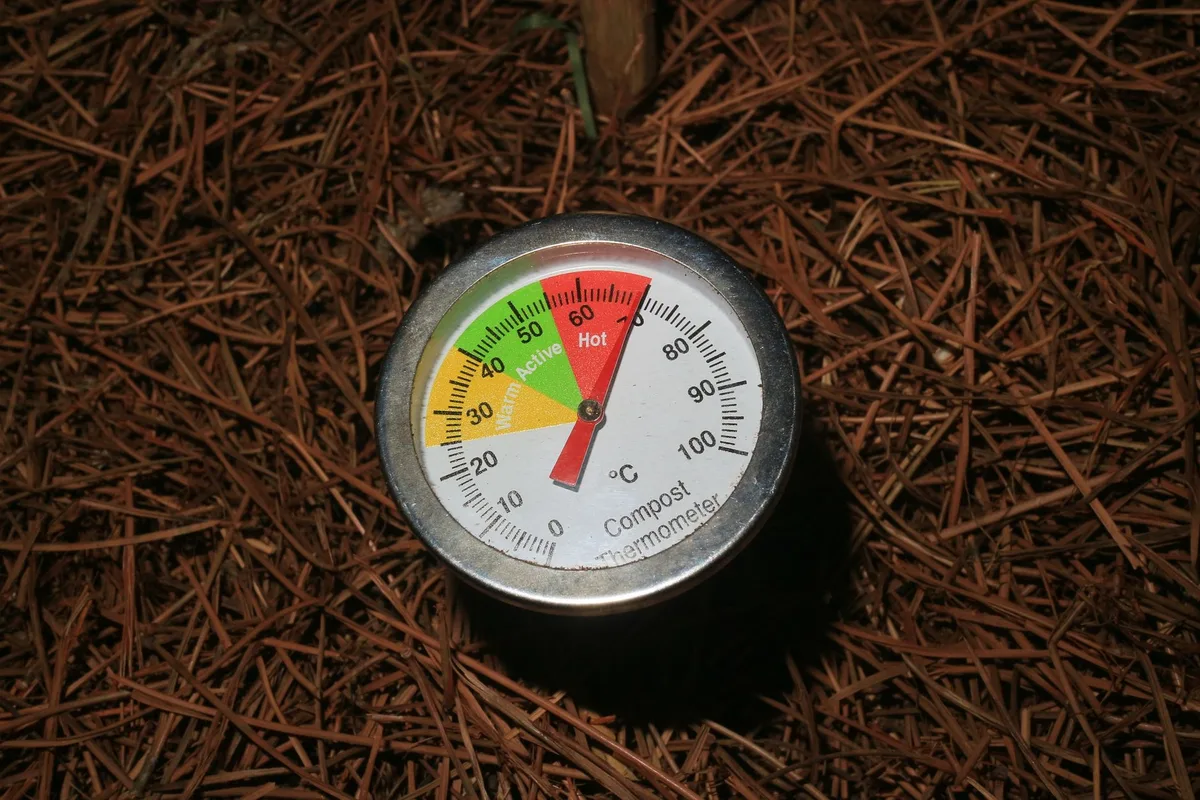
In our research across university turfgrass programs, the single most reliable guideline comes from measuring soil temperature at a 2-inch depth. Cool-season grasses germinate best when the soil sits between 50 and 65 degrees Fahrenheit. Warm-season grasses need 65 to 75 degrees.
That difference is where every timing decision starts.
Quick Answer
Overseed cool-season lawns in early fall, 6 to 8 weeks before the first frost. Overseed warm-season lawns in late spring, after soil hits 65 degrees. Use a soil thermometer.
Don't guess from air temperature. Your grass type decides everything.
Why Guessing the Timing Fails (And What Actually Works)
Overseeding is not like throwing seed on bare dirt and hoping. Seed needs consistent moisture, the right temperature range, and enough time to establish roots before extreme weather arrives. If you drop seed in June in a cool-season zone, the heat stress will kill the seedlings before they get a second mowing.
If you drop seed in October in a northern state, the first hard freeze turns the whole effort into bird food.
The biggest reason people get it wrong is simple. They use air temperature or a holiday weekend as their cue. Air temperature can be 75 degrees while the soil is still 55.
That matters because seeds respond to soil warmth, not the breeze on your face. A cheap soil thermometer from any garden center eliminates the guesswork entirely.
What actually works is a two-step check. First, identify your grass type. Second, confirm soil temperature in your specific yard.
That is it. The rest is about preparation and patience.
If you already deal with fungal pressure during wet germination windows, having the right products on hand matters. Good fungal disease prevention starts before you even open the seed bag.
The Two Seconds That Change Everything: Cool-Season vs. Warm-Season
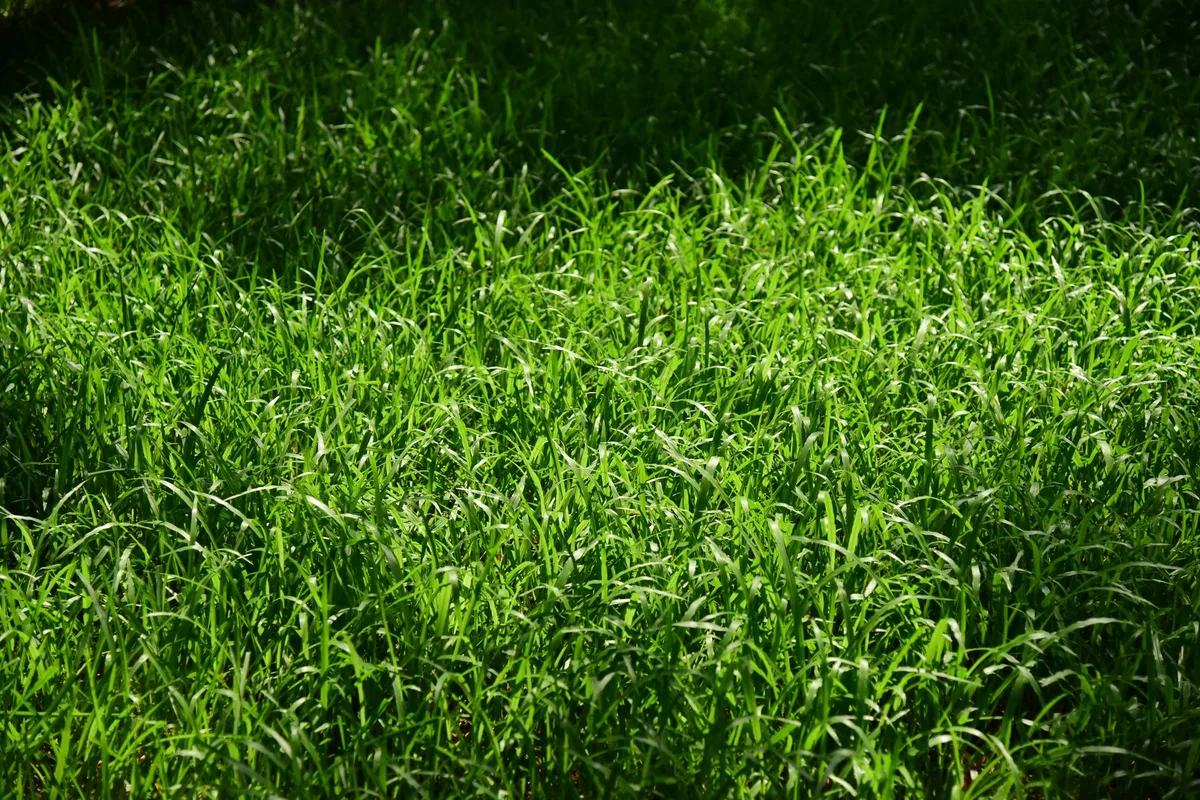
You need to know what is growing in your lawn before you buy a single pound of seed. Two broad families of grass exist, and they operate on completely opposite schedules.
Cool-season grasses thrive in northern climates with cold winters and moderate summers. They grow actively in spring and fall, then go semi-dormant during the hottest weeks of summer. Common species include perennial ryegrass, tall fescue, Kentucky bluegrass, and fine fescue.
These grasses do most of their growing when the soil is in that 50 to 65 degree sweet spot.
Warm-season grasses dominate southern lawns where summers are long and hot. They wake up late in the spring, grow furiously through summer, and go fully dormant in winter. Common species include Bermuda grass, zoysia grass, centipede grass, and St.
Augustine grass. They need soil temps above 65 degrees to germinate and establish.
The mistake people make here is trying to overseed a warm-season lawn in the fall because they heard "fall overseeding" is the rule. That advice only applies to cool-season grasses. For warm-season lawns, spring is the only viable window.
Doing it backward guarantees failure.
Where You Live Matters More Than You Think (USDA Zone Reality Check)
Your USDA Plant Hardiness Zone is your starting point, but it only tells you how cold your winters get. It does not tell you when your soil reaches the right temperature for seeding. That requires a bit of local knowledge.
For example, a homeowner in zone 5 (parts of the Midwest) might overseed cool-season grass in late August. A homeowner in zone 8 (Pacific Northwest) could overseed the same grass in mid-September. The difference comes down to how fast the soil cools in late summer and when the first killing frost typically arrives.
University extension services publish local frost date calendars for this exact reason. You can look up the average first fall frost date for your zip code. Count backward 6 to 8 weeks.
That is the start of your ideal cool-season overseeding window. For warm-season lawns, look up the average last spring frost date and start checking soil temps about two weeks after that.
Warm-season grass regions also need to watch for the transition zone. In states like Virginia, Kansas, and Kentucky, homeowners can grow either type, but the timing gets tricky. Many choose tall fescue (cool-season) overseeded in fall.
Others use Bermuda grass seeded in late spring. You cannot mix both schedules and expect a uniform lawn.
The Cool-Season Overseeding Window (Fall Is King, Spring Is Risky)
Fall is the undisputed champion for cool-season grasses. The soil is still warm from summer, the air is cool, and the weeds are slowing down. Seedlings get 6 to 8 weeks of ideal growing conditions before winter dormancy.
That is enough time to develop a root system that survives the cold and explodes in spring.
The specific window runs from mid-August to mid-September in the northern states and early September to mid-October in the mid-Atlantic. The exact start date depends on your local soil temperature. Wait until the soil at 2 inches deep reads between 50 and 65 degrees.
That is your go signal.
Spring overseeding is possible but much riskier. The soil warms slowly, and the seedlings only get a few weeks before summer heat hits. If you miss the window, you end up with tender young grass trying to survive July.
Spring overseeding works best as a patch repair, not a full lawn renovation.
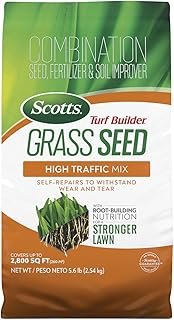
One practical tip: fertilize with a starter blend high in phosphorus right after seeding. That supports root development. For a general reference on slow-release options that work across various planting scenarios, starter fertilizer options often follow similar nutrient ratios.
The Warm-Season Overseeding Window (Late Spring Is Your Sweet Spot)
Warm-season grasses need to be seeded when the danger of frost has passed and the soil has warmed to at least 65 degrees. That typically falls between late April and early July across the southern United States. The earlier you seed within that window, the longer the grass has to establish before the next winter.
Do not rush it. If you seed into cold soil, the seed rots or gets eaten by birds. Wait until the soil thermometer reads 65 degrees consistently for a few days.
Then seed.
One common approach is to overseed Bermuda grass lawns in late spring when the existing grass is just coming out of dormancy. The new seed fills in thin spots while the lawn is actively growing. Zoysia and centipede grass follow the same schedule but germinate more slowly.
Plan for a longer establishment period.
The biggest mistake with warm-season overseeding is seeding too late. If you wait until July, the seedlings may not have enough time to mature before the first fall frost. For homeowners in warm-season grass regions, the window is real and narrow.
Miss it, and you wait a full year.
These regions often overlap with hot, dry climates where water management is critical. Understanding warm-season grass regions helps you plan irrigation during the germination phase.