How to Repair Bare Lawn Spots (2026) — Step-by-Step Guide
If you’ve ever stared at a patch of dead grass and wondered where you went wrong, you’re not alone. Knowing how to repair bare lawn spots isn’t about guessing, it’s about diagnosing the problem first. Most people skip that step and end up reseeding the same spot three times with the same results.
Per guidelines from university turfgrass programs, a healthy lawn needs a soil pH between 6.0 and 7.0 to absorb nutrients properly. If your soil is off, new grass won’t stand a chance. That’s why a quick soil test can save you months of frustration.

Why That Bare Spot Won't Fix Itself
Here’s the thing: grass doesn’t die for no reason. If you just toss seed on a bare spot and hope for the best, you’re treating a symptom instead of the disease. The root cause is still there, and it will kill your new growth just as fast.
Common culprits include pet urine, compacted soil, grubs, fungus, or too much shade. Each needs a different fix. Seeding over grub damage without killing the grubs first?
You’re feeding the enemy. Seeding under a dense tree canopy without thinning the branches? The seedlings will starve for light.
That’s why this guide starts with diagnosis. Skip it, and you’re just playing roulette with your lawn.
Quick Answer: The Three-Step Fix That Works 90% of the Time
Diagnose the cause. Fix the underlying issue. Then seed and care for the spot.
First, figure out what killed the grass. Second, solve that problem, whether it’s aeration, grub treatment, or a soil amendment. Third, prep the soil, apply the right seed, and water consistently until the new grass is established.
That’s it. The rest is detail.
Step 1: Diagnose the Real Cause (Don't Skip This)
This step separates a one-time fix from a recurring headache. Here’s how to tell what’s going on.
Is It Pet Urine, Shade, or Grubs?
Pet urine leaves a bright yellow center with a dark green halo. The edges green up because the nitrogen burns at high concentration but feeds the grass at lower levels. Spots are usually circular and about 6 to 12 inches across.
Shade creates a thinning, not a sudden bare patch. Grass under trees or next to buildings slowly fades. The soil stays damp longer, which invites fungus.
Grubs let you pull up dead sod like a loose rug. If the grass peels back easily and you see white C-shaped larvae underneath, you’ve got grubs. More than five per square foot is an infestation.
The Squeeze Test for Compaction
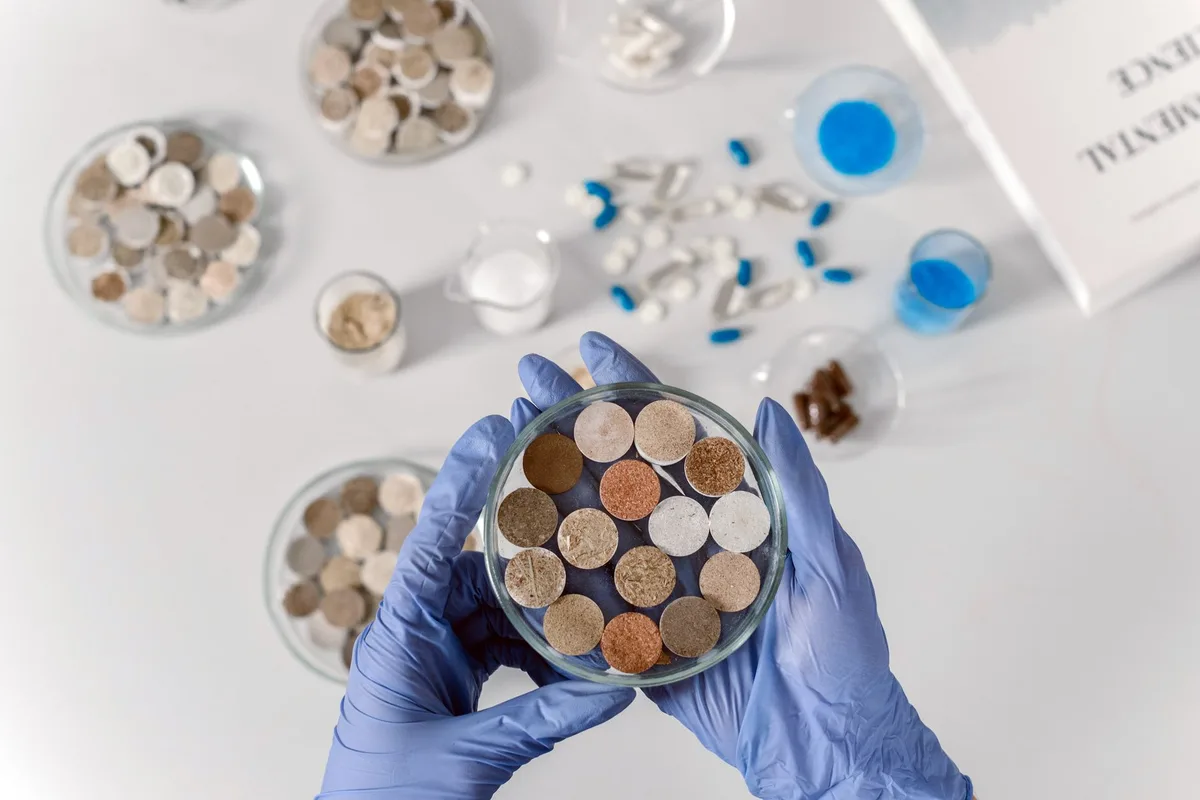
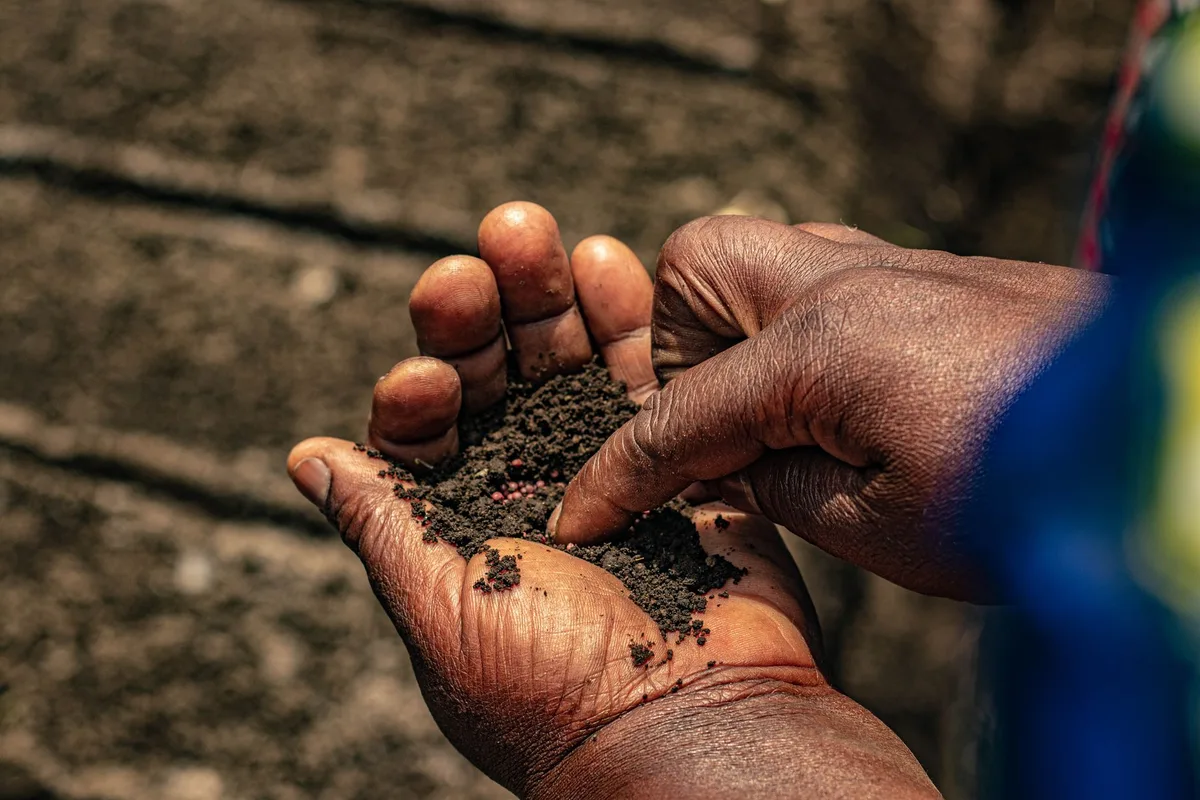
Compacted soil feels hard underfoot. Water pools instead of soaking in. To test it, take a handful of moist soil and squeeze it into a ball.
Give it a gentle poke. If the ball holds its shape and won’t crumble easily, you’ve got serious compaction. Grass roots can’t push through that.
How to Spot Lawn Disease vs. Simple Burn
Fungal disease shows up as patches that spread outward. Look for a gray or slimy ring around the edge of the dead area, especially after humid weather. If you see small black or brown spots on the leaf blades, that’s a fungal infection.
A burn from fertilizer or urine stays put and doesn’t spread.
If you’re dealing with a fungal issue, you’ll need to apply a fungicide before reseeding. Our guide on the best fungicide for lawns covers what to look for.
Step 2: The Decision Tree — Pick Your Repair Path
Now that you know what’s causing the spot, choose your path. Each branch has a different repair method.
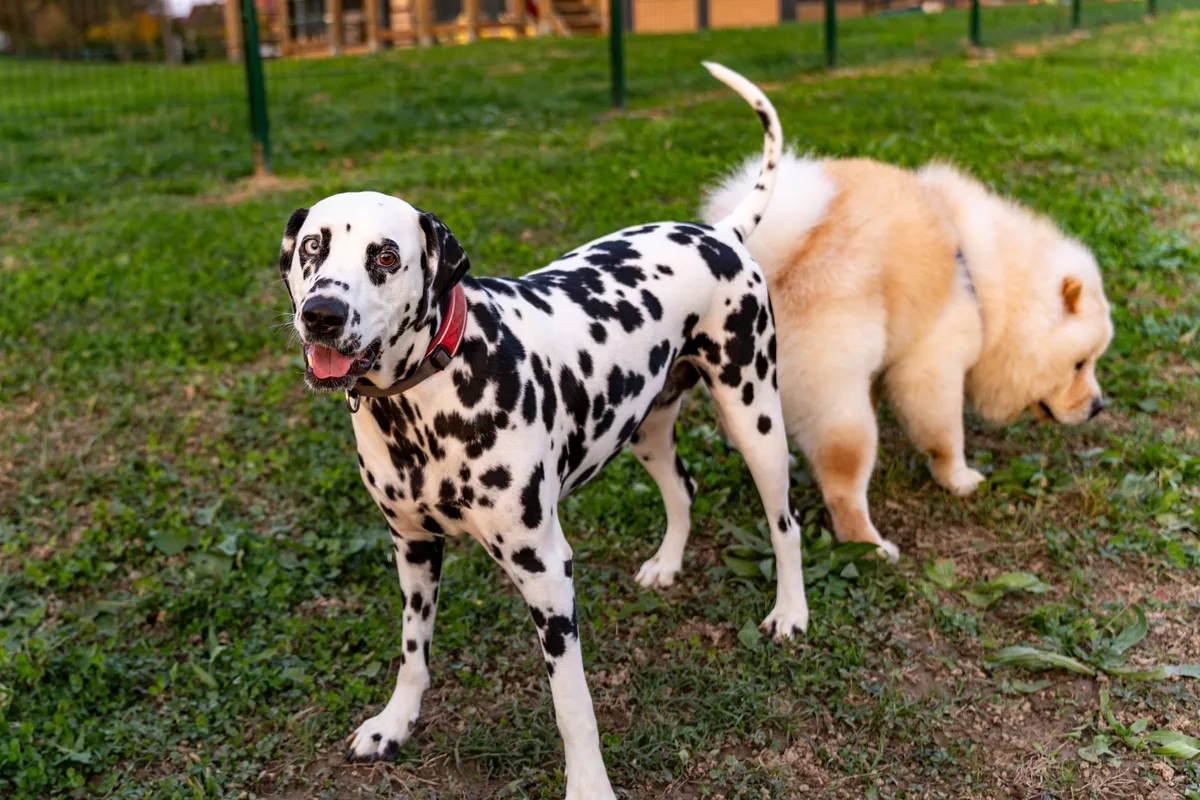
Branch A: Pet Urine Spots (Salt Burn)
The nitrogen in dog urine is concentrated enough to burn grass roots. The fix is to dilute the salt and flush the soil. Water the spot deeply, like, a full inch, as soon as you see the yellow.
Repeat a few times over the next week. Then rake out the dead grass, loosen the top inch of soil, and reseed with a shade-tolerant or tough perennial ryegrass blend.
Branch B: Deep Shade Under Trees or Structures
No grass thrives in total darkness. If the spot gets less than four hours of direct sunlight, consider switching to a shade-tolerant ground cover instead of fighting it. If you still want grass, choose a fine fescue seed mix.
Before seeding, prune lower tree branches to let more light through. Rake in a ½-inch layer of compost to improve moisture retention.
Branch C: Grub Damage (Loose, Peel-Back Sod)
You have to kill the grubs first. Apply a grub-specific insecticide, look for one containing chlorantraniliprole or imidacloprid, and water it in immediately. Wait 48 hours, then rake out the dead grass and reseed.
If the grubs are already active, you might need a curative treatment instead of a preventive one.
Branch D: Soil Compaction or Poor Drainage
Aerate the area with a core aerator or a garden fork. Punch holes every 2 to 3 inches. Spread a ½-inch layer of compost over the spot and rake it into the holes.
Then seed. The compost feeds the soil microbes that keep grass healthy.
Branch E: "I Don't Know — It Just Died"
If you can’t pinpoint the cause, start with the most common fix: aeration, compost, and a balanced start fertilizer. Use a soil test to rule out pH problems. Our guide on best slow release fertilizer for flowers isn’t for lawns per se, but the principle of balanced nutrition applies here.
If the spot doesn’t improve after two weeks, you likely have a hidden pest or disease.
Step 3: Step-by-Step Repair for Each Branch
How to Fix a Pet Urine Spot (The Gypsum Method)
What you’ll need: garden rake, gypsum (optional), topsoil, grass seed, starter fertilizer.
- Rake out the dead grass. Get down to bare soil.
- Apply gypsum. Sprinkle a thin layer (about 1 pound per 10 square feet) to neutralize salt buildup. Water it in.
- Loosen the top inch of soil with a rake or hand cultivator.
- Mix in a handful of compost to improve moisture retention.
- Broadcast seed at the recommended rate for your grass type.
- Rake lightly to cover the seed with ⅛ inch of soil.
- Water gently every morning and evening until germination (7 to 14 days for ryegrass).
How to Fix Shade Spots Without Replanting Every Year
What you’ll need: pruners, shade-tolerant seed mix, compost, straw (optional).
- Prune lower tree branches to allow dappled light through.
- Rake out debris, leaves, twigs, thatch. A good leaf rake from our best rakes for pine needles guide works here.
- Scarify the soil. Rough up the surface with a rake.
- Apply a ½-inch layer of compost.
- Sow fine fescue or a shade blend at double the normal seeding rate (shade makes grass compete harder).
- Cover lightly with straw if birds are a problem.
- Water less often but deeper, once every three days in shade to prevent fungus.
How to Fix Grub Damage (Kill First, Seed Later)
What you’ll need: insecticide (grub killer), garden hose, rake, seed, starter fertilizer.
- Apply grub killer according to label rates. Water in immediately.
- Wait 48 hours for the grubs to die and decompose.
- Rake out the dead and dying sod. You want clean soil.
- Loosen the top 2 inches with a rake or fork.
- Mix in a balanced starter fertilizer (high phosphorus, like 10-20-10).
- Sow seed at the normal rate.
- Water daily for the first two weeks.
How to Fix Compacted Soil (Aeration First, Seed Second)
What you’ll need: core aerator or garden fork, compost, seed, starter fertilizer.
- Aerate the spot. If it’s small, a garden fork works. Push it 3 to 4 inches deep and wiggle it. Space the holes 2 inches apart.
- Spread ½ inch of compost over the area.
- Rake the compost into the aeration holes. This feeds the roots.
- Broadcast seed over the top.
- Rake gently to cover seed with compost.
- Water twice daily until germination. Once established, water deeply once a week.
The "Mystery Spot" Recovery Protocol
- Do a soil pH test. If it’s below 6.0, add lime. Above 7.0, add sulfur. Adjust per test results.
- Aerate if you suspect compaction.
- Apply a broad-spectrum fungicide if you see any sign of disease.
- Amend with compost and reseed.
- Water consistently for 14 days.
- Monitor for recurrence. If it comes back in the same place, you missed the cause.
Common Mistakes That Keep Bare Spots Coming Back
You can follow every step perfectly and still fail. Here are the most frequent traps people walk into.
Seeding too deep. Grass seed needs light to germinate. Bury it more than a quarter inch and it won't break the surface. The fix is simple: rake the seed in gently, don't dig it in.
Watering like it's an established lawn. New seed needs consistent moisture. Once or twice a day, light misting, until germination. Let it dry out for six hours and the seedlings die.
Overwater it and the seed rots or washes into a clump.
Skipping the soil test. You patch the same spot every spring. It comes back every summer. That's a pH problem or a nutrient imbalance.
A $10 test kit from a local extension office saves years of frustration.
Using the wrong grass type. A shade-tolerant fine fescue won't survive in full sun. A sun-loving Bermuda grass will die under a maple tree. Match the seed to the light conditions.
Check the label, not just the pretty picture on the bag.
Mowing too soon. New grass needs time to establish roots. Mow when it reaches 3 to 4 inches, not before. Cut no more than one third of the blade height.
Scalping new grass kills it.
Ignoring the calendar. Cool-season grass seeded in July will cook. Warm-season grass seeded in October won't establish before frost. Timing matters as much as technique.
When to Seed vs. When to Sod (And When to Give Up on Grass)
Seeding is cheap and effective for small patches. Sod gives you instant results but costs more and requires more prep work.
| Method | Cost per square foot | Time to full lawn | Best for |
|---|---|---|---|
| Seeding | $0.01 to $0.03 | 3 to 6 weeks | Small spots, low budget, DIY homeowners |
| Sod | $0.40 to $0.80 | Instant (2 weeks to root) | Large bare areas, high traffic zones, impatient owners |
When to seed: You have a few isolated bare spots. You're willing to water daily for two weeks. You want the lowest cost fix.
When to sod: The bare area is bigger than a parking space. You need it to look good fast (before a party or open house). You have foot traffic that would destroy seedlings.
When to give up on grass: You've patched the same shady corner three times. It comes back every year with the same results. At that point, consider a shade-loving ground cover like creeping thyme, ajuga, or moss.
They don't need mowing, they handle low light, and they're more interesting to look at.
Also consider this: if you're fighting drought conditions, native ground covers adapted to your region can outperform grass without the water bill. Some landscapes just aren't meant for a turf lawn.
The Best Time of Year to Repair Bare Spots (By Grass Type)
Timing is everything. Seed in the wrong season and you're throwing money away.
Cool-season grasses (perennial ryegrass, Kentucky bluegrass, tall fescue, fine fescue)
- Best time: Late summer to early fall (mid-August through September). Soil is warm, air is cooling, and autumn rains help. Weeds are slowing down too.
- Second best: Early spring (March to mid-April). Works but you'll compete with spring weeds and summer heat.
- Avoid: Mid-summer. Germination fails in heat stress.
Warm-season grasses (bermudagrass, zoysia, centipede, St. Augustine)
- Best time: Late spring to early summer (May through June). Soil temperature above 70°F, long days, plenty of sun.
- Second best: Early to mid-summer. Still works if you water heavily.
- Avoid: Fall and winter. They go dormant and won't root.
If you're in the transition zone (where both cool and warm grass grow), stick with cool-season fescue for most repairs. It's more forgiving.
How to Water New Seed Without Washing It Away
This is the most common failure point. People either drown the seed or let it dry out.
The rule: Keep the top inch of soil consistently moist. Not soaked. Not dry.
Moist.
How to do it:
- Use a hose with a mist nozzle or a sprinkler set to a gentle spray.
- Water twice a day: morning and late afternoon. In hot weather, three times.
- Each session should last 5 to 10 minutes. Just enough to wet the surface.
- After germination (when you see green fuzz), reduce to once a day but water longer. This encourages roots to grow deeper.
- After the first mow, transition to a normal deep watering schedule: once a week, 1 to 1.5 inches.
What not to do:
- Don't use a pressure nozzle. It blasts seed into puddles.
- Don't water at night. Wet grass overnight invites fungus.
- Don't let the soil dry completely. Seed can die in a few hours of full sun after drying out.
Long-Term Care: Keep Those Repaired Spots Alive
You fixed the spot. Now make sure it stays fixed.
First Mow Timing
Wait until the new grass is 3 to 4 inches tall. Mow only when the soil is dry. Use sharp blades.
Remove no more than one third of the height. If you cut it too short, the roots stop growing. The spot will thin out again.
Fertilizer Schedule for Patch Repairs
Don't fertilize immediately after seeding. Wait until after the first mow. Then apply a balanced slow-release fertilizer (like a 15-15-15 or a lawn-specific formula).
Avoid high-nitrogen fertilizers until the grass is fully established. They burn young roots.
In fall, apply a winterizer fertilizer (higher potassium) to help roots store energy for the next season. If you're growing flowers or ornamentals near the patch, our guide on best slow release fertilizer for flowers covers similar principles of balanced feeding.
A simple maintenance schedule:
| Time | Action |
|---|---|
| At seeding | Starter fertilizer only |
| After first mow | Balanced slow-release fertilizer |
| 6 weeks later | Second application |
| Late fall | Winterizer fertilizer |
| Next spring | Standard lawn fertilizer |
Stick to that, and your patched spots will blend in within a season. Skip the follow-up and you'll be back to square one next year.
FAQs (Real Questions from People With Dead Lawns)
Can I just throw seed on bare dirt and hope for the best?
No. Seed needs soil contact to germinate. Without raking it in and keeping it moist, most of it will dry out or get eaten by birds.
Prep work matters.
How long until I see new grass growing?
Perennial ryegrass germinates in 5 to 10 days. Kentucky bluegrass takes 14 to 21 days. If you see nothing after three weeks, check soil moisture and temperature.
Cool soil slows everything down.
Will grass seed grow if I just water once a day?
Not reliably. New seed needs the top inch of soil to stay moist. Once a day isn't enough in warm weather.
Two or three light waterings per day work better until germination.
Should I put topsoil over the seed?
A light dusting is fine. A heavy layer buries the seed. The rule is ⅛ inch maximum coverage.
Barely cover it, then press it down for good contact.
Why does my dog keep peeing on the same spot after I reseed?
Dogs are creatures of habit. The scent stays in the soil even after you rake. Flush the area with water repeatedly before seeding.
Use a pet-safe repellent spray after the grass comes in.
Can I use regular lawn fertilizer on new seed?
No. Use a starter fertilizer with higher phosphorus (the middle number on the bag). Regular fertilizer has too much nitrogen and can burn tender seedlings.
Your Decision at a Glance: Quick-Reference Repair Chart
| Symptom | Likely Cause | Quick Fix | Best Time |
|---|---|---|---|
| Yellow center, green halo | Dog urine | Flush soil, apply gypsum, reseed | Any time |
| Grass peels back like carpet | Grubs | Kill grubs, wait 48 hours, reseed | Late summer |
| Thinning under trees | Deep shade | Prune branches, use fescue mix | Early fall |
| Water pools on surface | Compacted soil | Aerate, add compost, reseed | Spring or fall |
| Spreading dead patch with ring | Fungal disease | Apply fungicide, then reseed | Early fall |
| Same spot dies every year | pH imbalance or wrong grass | Soil test, adjust pH, match seed | Fall |
That chart covers 90% of the bare lawn spots you'll ever face. Diagnose the symptom, pick the fix, match the timing, and you're done. Your lawn will thank you.