How Long Does Grass Seed Take to Germinate: Complete Guide
Waiting for grass seed to sprout can feel like watching paint dry. You water, you wait, you check every morning. And sometimes nothing happens.
If you've been wondering how long does grass seed take to germinate, the honest answer is: it depends on conditions you can actually control.
Per USDA and university extension testing, most common lawn grasses germinate in a range of 5 to 30 days. Soil temperature is the biggest single variable, more important than the brand of seed or how much you spent on it. Cool-season grasses need a minimum of 50°F at the seed depth, while warm-season varieties won't move until the soil hits 65°F or higher.
Let's walk through exactly what's happening under the dirt and why your timeline might be off.
The Problem
You bought the seed. You spread it evenly. You watered it faithfully.
A week passes, two weeks go by, and the soil still looks bare. You start wondering if you got a bad batch, if the birds ate everything, or if you're just cursed when it comes to lawns.
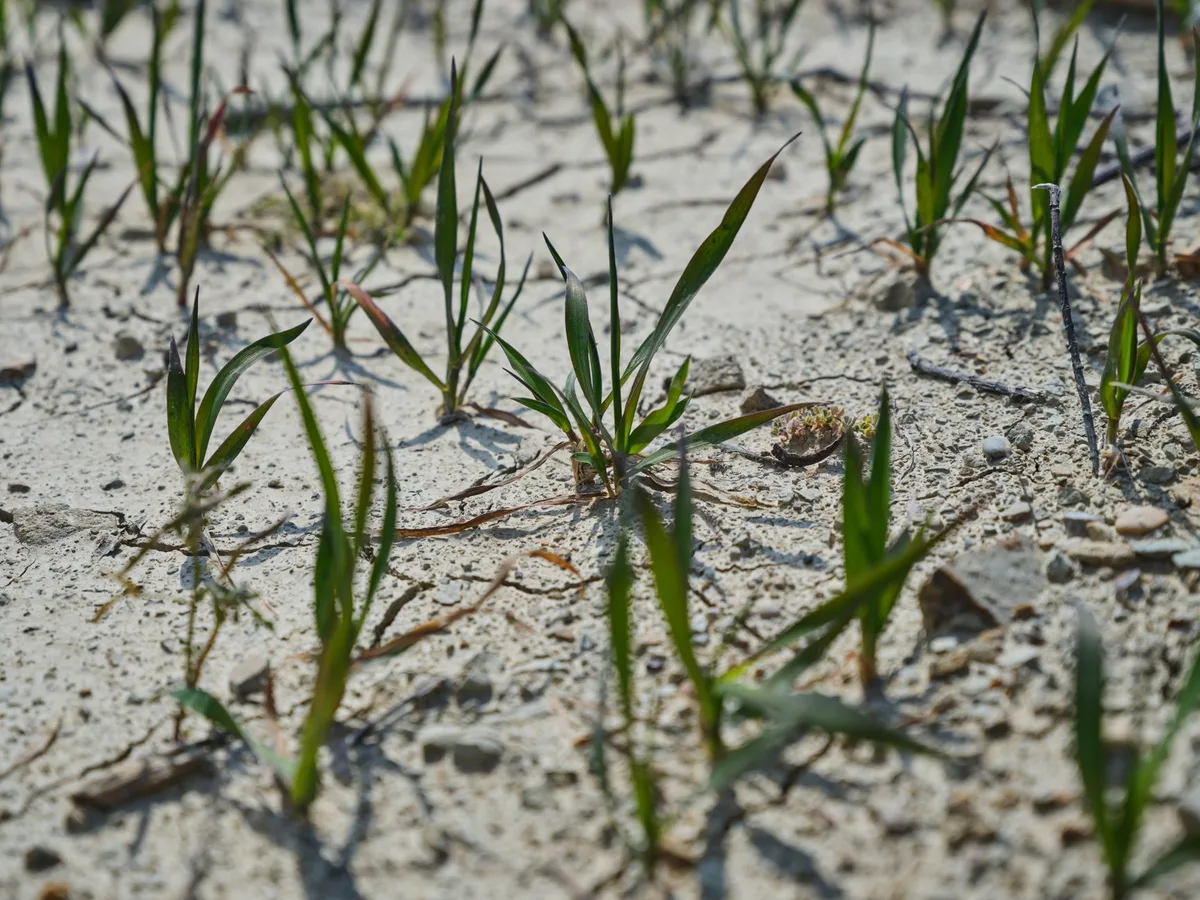
In our research, this is the most common frustration among homeowners. The reality is that grass seed germination follows a strict set of rules, and breaking any one of them pushes the timeline out or stops it entirely. The seed itself isn't the problem nine times out of ten.
The problem is that one or more environmental conditions aren't in the right zone.
A few hours of dry soil can kill a sprouted seed. A cold snap can halt germination mid process. Seeding a quarter inch too deep can trap the sprout underground where it runs out of energy and dies.
Every variable matters, and knowing which ones to check first is what separates a patchy lawn from a thick green carpet.
Quick Answer
Most grass seed germinates in 5 to 30 days depending on species and soil temperature. Perennial ryegrass is the fastest, often appearing in 5 to 10 days. Kentucky bluegrass is the slowest, taking 14 to 30 days.
Warm-season grasses like Bermudagrass fall in the middle at 7 to 14 days for hulled seed.
Here is the typical germination range for common lawn grasses as of 2026:
| Grass Type | Category | Germination Time | Minimum Soil Temp |
|---|---|---|---|
| Perennial Ryegrass | Cool-season | 5–10 days | 50°F |
| Tall Fescue | Cool-season | 7–14 days | 50°F |
| Fine Fescue | Cool-season | 7–14 days | 50°F |
| Kentucky Bluegrass | Cool-season | 14–30 days | 50°F |
| Bermudagrass (hulled) | Warm-season | 7–14 days | 65°F |
| Zoysiagrass | Warm-season | 14–21 days | 70°F |
| Centipedegrass | Warm-season | 14–21 days | 70°F |
The number on the bag is an estimate under perfect conditions. Real world germination almost always takes longer than the label suggests. Plan for the upper end of the range, not the lower end.
Condition Variable #1: Soil Temperature
Soil temperature controls everything. Grass seed contains a tiny embryo and a stored food supply. That embryo is dormant until the soil hits a specific temperature range.
If the soil is too cold, the seed sits there. It does not grow. It does not die.
It just waits.
This is where most people mess up. The air temperature might be 70°F on a nice spring afternoon, but the soil at two inches deep is still 45°F from a cold night. Seed placed in cold soil will not germinate until the soil warms up, no matter how much you water it.
What temperature do you actually need?
Cool-season grasses need a minimum soil temperature of 50°F. The ideal range is 55°F to 65°F. Warm-season grasses need a minimum of 65°F, with an ideal range of 75°F to 90°F.
The tricky part is that soil temperature lags behind air temperature by weeks. In northern climates, soil often doesn't reach 50°F until late April or early May. In southern climates, soil can hit 65°F by March.
The only way to know for sure is to measure it.
How to measure soil temperature correctly
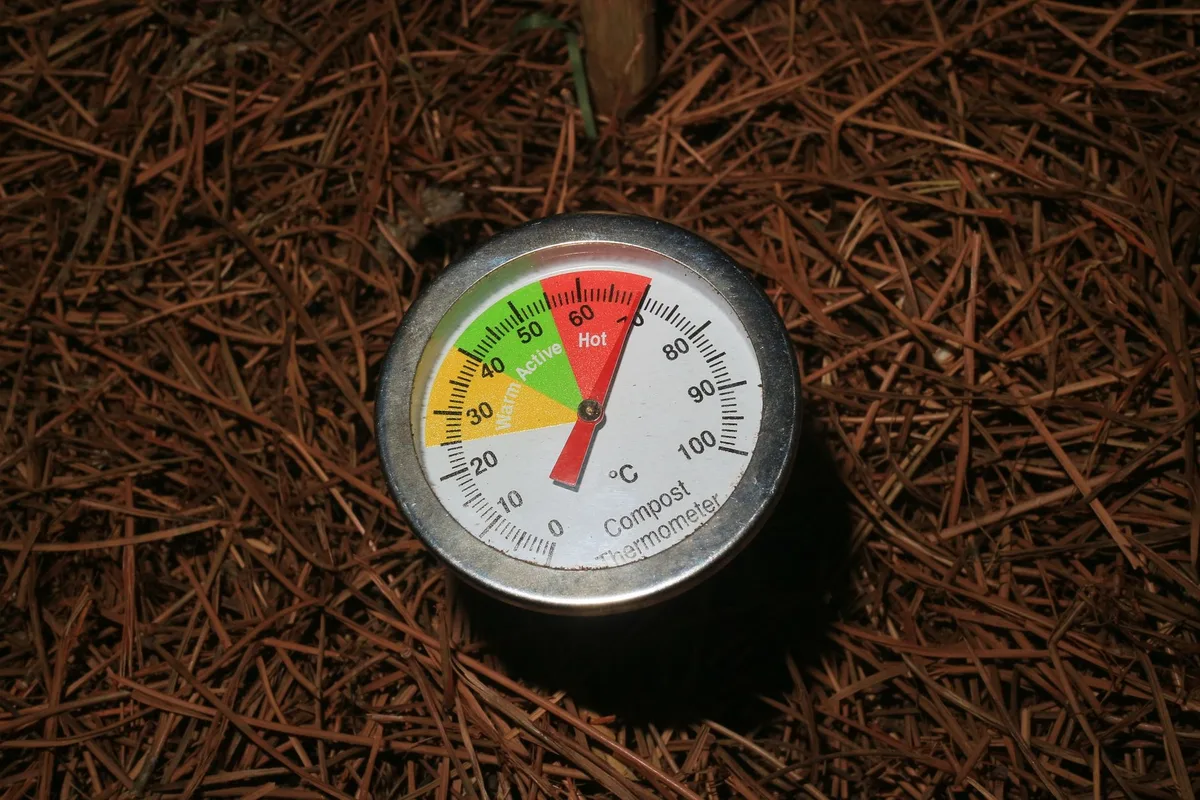
A simple soil thermometer costs under ten dollars. Insert the probe two inches deep, which is the average seeding depth for most grass types. Take the reading in the morning before the sun has a chance to warm the surface layer.
If the reading is below the minimum for your grass type, wait. You are not behind schedule. You are ahead of the seed that someone else planted too early.
What happens if you seed too early
If the soil is cold, the seed sits in the ground and waits. That waiting period is risky. Soil pathogens can attack the seed.
Birds and insects have more time to find it. Rain can wash it away or push it deeper. If you seed too early, you are not gaining time.
You are losing seed.
The better approach is to wait until the soil is consistently at or above the minimum temperature for several days in a row. One warm afternoon followed by a cold night doesn't count. Watch the ten day forecast and look for a stretch of stable warmth before you spread a single seed.
If you need to get a jump on the season, you can use a seed starter mat or a light layer of compost to hold warmth. But in our research, the simplest method is just waiting for the right soil temperature. Patience pays off in germination percentage.
Condition Variable #2: Moisture
Once the soil temperature is right, moisture becomes the critical factor. Grass seed needs consistent moisture to germinate. Not wet.
Not dry. Consistently damp at the top one inch of soil.
The seed absorbs water and begins the process of swelling and cracking open. A tiny root emerges, followed by a shoot. If the surface dries out at any point during that first week, the sprout dies.
It cannot recover. You do not get a second chance with that seed.
The first 14 days
For the first two weeks, you need to water lightly two to three times per day. The goal is to keep the top inch of soil damp at all times. A heavy soaking once a day is worse than a light misting three times a day.
Heavy water can wash seeds into low spots or push them too deep.
Use a hose end sprayer or a sprinkler on a timer. A watering can works for small areas but gets old fast for anything larger than a patch repair. The key is frequency, not volume.
Overwatering vs underwatering
Both are problems, and they look similar at first. Overwatered soil becomes waterlogged. The seeds rot instead of germinating.
Underwatered soil dries out and the sprouts die before they break the surface.
Here is how to tell the difference:
| Symptom | Likely Cause | What to Do |
|---|---|---|
| Soil surface is crusted and hard | Underwatering | Increase watering frequency |
| Soil is muddy and water pools on top | Overwatering | Reduce watering, improve drainage |
| Seedlings emerge but then die | Underwatering in the 48 hours after sprouting | Water more consistently during the first week |
| Seed never emerges, soil smells sour | Overwatering and rot | Let soil dry slightly, reseed with better drainage |
The finger test is the easiest way to check. Push your finger into the soil up to the first knuckle. If it feels dry, water.
If it feels wet, wait. If it feels damp but not muddy, you are in the zone.
Why the watering schedule changes after germination
Once the grass reaches about one inch tall, the roots are deep enough to handle a more normal watering schedule. You can switch to deeper, less frequent watering. But do not drop the frequency too fast.
Wean the lawn over a week or two by slowly extending the time between waterings. This encourages deeper root growth and a stronger lawn.
If you are dealing with a large area and consistent watering is a challenge, consider whether a different grass type might tolerate your conditions better. Some grasses are more drought tolerant than others, but no grass seed germinates without consistent moisture.
Condition Variable #3: Seed-to-Soil Contact and Seeding Depth
A seed needs to touch soil to germinate. That sounds obvious, but it is the most overlooked factor in failed lawns. Seed sitting on top of thatch, on hard packed dirt, or in a clump of mulch cannot absorb moisture consistently.
It cannot send roots down into the soil.
Why depth matters
The general rule is that grass seed should be covered with about an eighth to a quarter inch of soil. Too deep, and the sprout runs out of stored energy before it reaches sunlight. Too shallow, and the seed dries out or gets eaten.
Most homeowners plant too deep. They rake the seed in aggressively, burying it half an inch or more. That seed germinates, sends up a shoot, and dies three days later because it used up its food supply trying to escape the soil.
Here is the simple test. After you spread the seed and rake it lightly, you should still be able to see about ten to fifteen percent of the seeds on the surface. If you cannot see any, you buried them too deep.
How to fix poor contact
Good seed to soil contact starts with preparation. Loosen the top inch or two of soil before you seed. Remove debris, break up clumps, and level low spots.
If you are overseeding an existing lawn, mow it short and rake out the thatch first.
After spreading the seed, use the back of a rake or a lawn roller to press the seed into contact with the soil. Do not bury it. Just press it down.
This is especially important on slopes where runoff can move seed around. A light layer of straw or a seed starter blanket helps hold everything in place and keeps moisture consistent.
If you are dealing with compacted soil, topdressing with a thin layer of compost or screened topsoil can make a huge difference. Spread about a quarter inch over the seed and water it in. The compost holds moisture, adds nutrients, and gives the seed a perfect bed to germinate in.
The exception: slit seeding
For larger areas or thick existing lawns, a slit seeder is the most effective tool. It cuts grooves in the soil, drops the seed in at the correct depth, and covers it. If you are renting equipment, a slit seeder saves time and gives more consistent results than broadcasting and raking.
But for small patches and new beds, hand seeding with proper contact works just as well.
Decision Branch #1: New Lawn (Bare Dirt) vs. Overseeding vs. Patch Repair
Your starting point changes everything. The same seed behaves differently depending on what it's competing against and what the soil looks like underneath.
New lawn on bare dirt. This is the highest risk scenario. You have no existing grass to hold moisture, no root system to stabilize the soil. If it rains hard, the seed can wash into a pile at the bottom of the slope.
If it gets hot, the bare soil dries out faster. Expect germination on the slower end of the range simply because conditions are less forgiving. You need to water more frequently, use a light mulch like straw or a seed blanket, and stay vigilant about runoff.
The upside is that you have a blank canvas. No weeds, no thatch, no competition. If you get the conditions right, you get a perfect lawn.
Overseeding an existing lawn. This is faster and more forgiving. The existing grass helps hold moisture and moderates soil temperature. Seedlings have some shade from the older grass.
But you also have competition. The existing grass will take up water and nutrients. Mow it short before seeding, rake out the thatch, and make sure the seed touches soil.
That layer of dead grass between the seed and the dirt is why overseeding fails more often than new lawn seeding. If you need to dethatch, a good rake designed for pine needles also works well for small areas before overseeding.
Patch repair. By far the easiest scenario. Small area, focused attention. You can hand water, hand rake, and keep birds away with a little netting or moved pinwheels.
Patch repair seed germinates faster because you control every variable. The only risk is that you forget about it after a few days. A forgotten patch dries out in one afternoon and you are back to square one.
Set a phone reminder to water that spot twice a day for the first two weeks.
Step-by-Step: The First 30 Days of Grass Seed Germination
Here is what you can actually expect to see, day by day and week by week.
Week 1. If you planted perennial ryegrass or a mix with a high percentage of it, you may see tiny sprouts as early as day 5. For slower grasses like Kentucky bluegrass, week 1 is silent. Nothing breaks the surface.
Keep watering anyway. The roots are growing underground even if you cannot see them. Do not stop watering because you see no progress.
Week 2. This is when most grasses show themselves. The seedlings look like thin blades of green thread. They are fragile.
A single day of dry soil kills them. A heavy rain can smash them flat. Keep watering twice a day, and do not walk on the area.
Foot traffic compacts the soft soil and crushes the tiny roots.
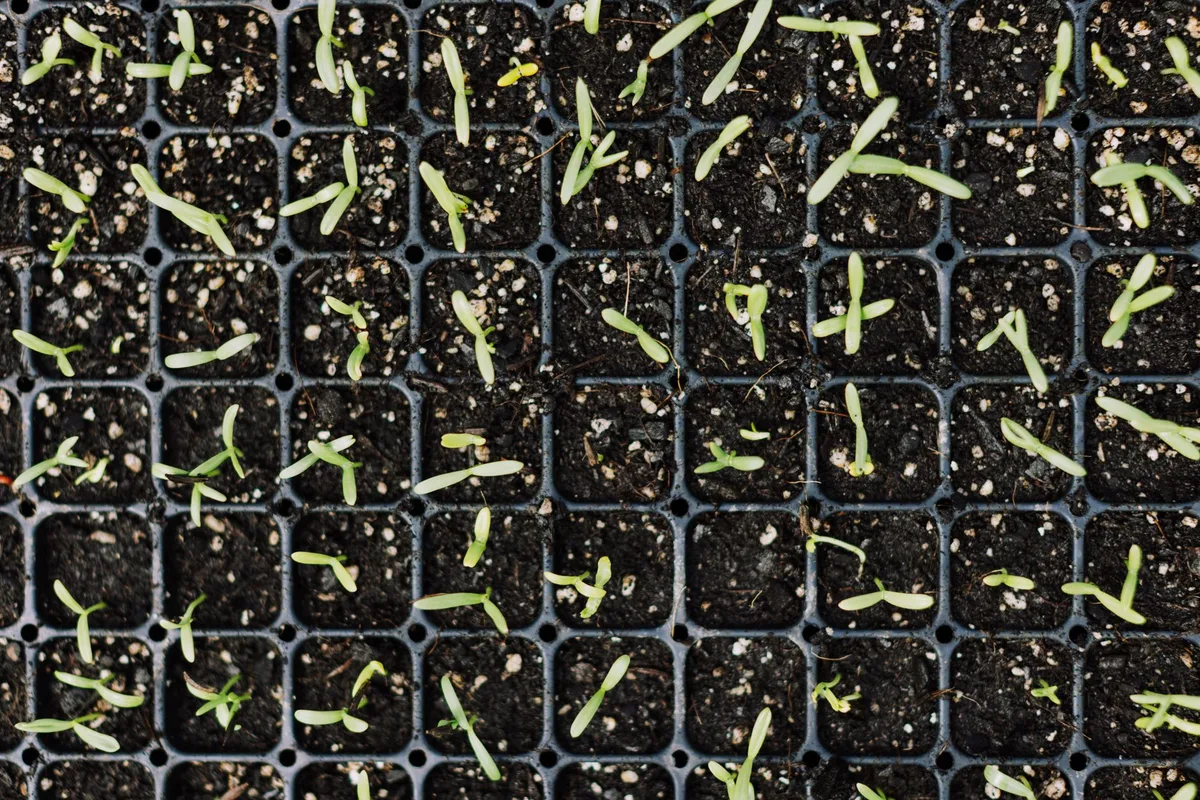
Week 3, 4. The grass reaches one to two inches tall. It starts to look like a real lawn instead of a patchy experiment. This is when you can stop babying it.
Reduce watering to once per day, then every other day. The roots are deep enough to handle a more normal schedule. Your first mow happens when the grass hits about three to three and a half inches.
Cut it to two and a half inches, and make sure the mower blade is sharp. A dull blade tears the seedlings instead of cutting them cleanly.
The sleep, creep, leap rule. Year one is mostly root development. In our research, grass seeded in the fall looks thin through the first spring. It spends the first season growing deep roots.
Year two is when it fills in and thickens. Do not expect a showroom lawn in the first six months. Be patient.
Troubleshooting: What to Do When Nothing Happens
Nothing appeared. You are staring at bare dirt. Here is how to diagnose the problem.
Scenario A: No germination after 7 days (cool-season) or 14 days (warm-season). Check soil temperature first. If the soil is below the minimum for your grass type, the seed is waiting. Do nothing.
Wait for it to warm up. If the soil is warm enough, dig up a few seeds. Are they still there?
Are they swollen and soft, or hard and dry? Soft and swollen means they tried to germinate and died. Hard and dry means they never got enough moisture.
Adjust your watering and try again.
Scenario B: Patchy germination. This usually means uneven moisture or poor seed to soil contact. The areas that got more water or better contact came up. The others did not.
Rake the bare spots, sprinkle more seed, and pay extra attention to watering those patches.
Scenario C: Seedling death after sprouting. This is heartbreaking. They came up, then laid over and died. The most common cause is drying out for a single day.
The second most common is fungal disease called damping off. If the seedlings look pinched at the soil line and fall over, that is damping off. Reduce watering frequency, improve airflow, and consider using a targeted lawn fungicide on the affected area before your next attempt.
The paper towel germination test. Take a sample of your seed, about 20 seeds, and place them on a damp paper towel. Fold it, put it in a plastic bag, and set it somewhere warm (70°F). Check after 7 days.
Count how many sprouted. If fewer than 60 percent sprouted, the seed itself is old or low quality. That is your problem, not your technique.
Buy fresh seed from a reputable supplier.
Common Mistakes That Wreck Germination
These four mistakes account for nearly all failed lawns.
Seeding too deep. This is the number one reason grass seed fails. People rake it in too aggressively. The seed germinates, the sprout runs out of energy before reaching the surface, and it dies.
The correct depth is one eighth to one quarter of an inch. If you cannot see a few seeds on the surface after raking, you buried them too deep.
Letting the soil dry out for even one day. A sprouted seed has no root reserve. It cannot survive a single dry day. The soil surface must stay damp at all times during the first two weeks.
If you go on vacation or skip a day of watering, do not be surprised when the seed fails.
Using pre-emergent herbicide too close to seeding. Pre-emergents prevent seeds from germinating. That includes grass seed. Do not apply a pre-emergent within eight weeks before seeding or within six weeks after the grass sprouts.
Read the label carefully. Some crabgrass preventers last in the soil for months and will kill your new lawn.
Raking seed in the wrong direction. Lightly rake the seed into the soil, but do not drag the rake aggressively across the surface. You will move the seed into piles and create bare spots. Rake gently in one direction, then gently across it.
That is enough.
Decision Guide: Should You Re-Seed, Wait, or Start Over?
If nothing happened, you have three options.
When to wait. If soil temperature is below the minimum for your grass type, wait. Check the 10 day forecast. If warmer weather is coming, let the seed sit.
It will germinate when the time is right.
When to re-seed. If the seed germinated but died, or if the soil was warm enough and nothing happened at all, re-seed. This time, fix what went wrong. If you suspect the seed is old, buy fresh stock.
If watering was inconsistent, set a timer. If you think fungal disease killed the seedlings, apply a fungicide first.
When to use sod or plugs instead. If you have tried twice and failed, if the area is small, or if you simply cannot water consistently enough for seed germination, use sod or plugs. They cost more but they eliminate the guesswork. Sod establishes in two to three weeks with proper watering.
For warm-season grasses like zoysia, plugs can also work well and still give you a natural look without the full seed timeline uncertainty.
Pro Tips: How to Speed Up Germination
If you need faster results, a few techniques can shave days off the timeline.
Pre-germination soaking. Soak seed in a bucket of water for 24 hours before spreading. Drain it, spread it immediately, and keep it constantly moist. This works best for perennial ryegrass.
Kentucky bluegrass does not respond as well.
Use a light mulch layer. A thin dusting of peat moss, vermiculite, or compost holds moisture at the surface. That keeps the seed damp longer between waterings.
Choose a faster grass. If you need quick ground cover, use a mix heavy in perennial ryegrass. It germinates in 5 to 10 days. You can overseed with a slower grass like fescue later.
Real Scenarios: Three Homeowners, Three Germination Outcomes
The fall seeder who did everything right. She seeded in mid-September when soil was 60°F. She watered twice daily for two weeks. Perennial ryegrass appeared on day 6.
Tall fescue filled in by day 12. By month three, the lawn was thick enough to walk on.
The spring seeder who planted too early. He seeded in April when air felt warm. Soil temperature was 45°F. Nothing happened for three weeks.
By then, some seed rotted. He reseeded in May and got uneven results.
The overseeder who forgot to water. He spread seed over a thinning lawn and watered once. Then he got busy. No sprouts at all.
The seed dried out before it could germinate. He learned that watering twice daily is non-negotiable.
Frequently Asked Questions
Can I speed up grass seed germination with fertilizer?
Starter fertilizer helps after germination but does not speed up the initial sprouting. The seed has enough stored energy to germinate on its own. Adding high nitrogen fertilizer too early can burn the seedlings.
Should I cover grass seed with straw?
Yes, a light layer of straw helps hold moisture and prevents birds from eating the seed. Use clean wheat straw, not hay. Hay contains weed seeds that will germinate alongside your grass.
Spread it thin enough that you can still see the soil.
What happens if grass seed gets too much rain?
Heavy rain can wash seed into low spots or push it too deep into the soil. If you expect heavy rain, use a seed blanket or erosion mat. For small areas, a light layer of straw is enough to protect the seed.
How long can grass seed sit before it goes bad?
Unopened bags stored in a cool dry place stay viable for one to two years. After opening, use the seed within the same season. The germination percentage drops by 10 to 20 percent each year after the test date on the label.
Can I walk on new grass seed?
No. Walking on freshly seeded areas compacts the soil and damages fragile seedlings. Mark off the area with string or flags.
Stay off it for at least three to four weeks after the first sprouts appear.
Is it better to seed in spring or fall?
Fall is better for cool-season grasses. The soil stays warm from summer, but the air is cooler. Fewer weeds compete, and rain is more consistent.
Spring seeding works but requires more careful watering and weed management.
Final Decision Flowchart: Your Next Step Based on Where You Are Now
If seed has not germinated after the expected window, check soil temperature first. If it is cold, wait. If it is warm, check moisture.
If the soil is dry, water more frequently. If the soil is wet, reduce watering. If the soil temperature and moisture are both correct, dig up a seed.
If it is hard and dry, the seed never activated. If it is soft and mushy, it rotted. Buy fresh seed and try again with better drainage.
If seedlings appeared but died, the cause is usually drying out. Increase watering frequency for the next attempt. If you have tried twice and failed, consider using sod for that area.
It costs more but removes nearly all the variables.
For those who succeed, the reward is a lawn grown exactly the way you wanted. Patience and consistency are the two tools that matter most. The grass will grow.
It just does it on its own schedule.