3 Best Fall Fertilizer for Zoysia Grass 2026: No-BS Picks
Fall is the most important feeding window for zoysia, and getting it wrong means a thin, slow-to-green lawn come spring. Choosing the Best Fall Fertilizer For Zoysia Grass comes down to nitrogen and potassium ratios, how the product is applied, and whether your lawn is being prepped for dormancy or still actively thickening. Zoysia is a warm-season grass, so the goal in fall is root storage and winter hardiness, not a burst of top growth.
Based on our editorial analysis of buyer feedback, NPK ratios, and application format, the Scotts Turf Builder WinterGuard Fall Lawn Food leads for most established zoysia lawns because of its potassium focus and granular coverage. Below is how the three top options compare side by side.
| Product | Details | Rating | Buy |
|---|---|---|---|
Editor’s Choice
| Zoysia Grass Fertilizer Liquid Lawn Food | ★★★★☆4.1/5 | |
Top Pick
| Ultimate 3-18-18 NPK Lawn Food Quality | ★★★★☆4.3/5 | |
Best Budget
| Scotts Turf Builder WinterGuard Fall Lawn | ★★★★☆4.6/5 |


List of Top 3 Best Best Fall Fertilizer for Zoysia Grass
We selected these three based on NPK balance suited to warm-season grasses entering dormancy, verified buyer feedback on zoysia specifically, and practical coverage differences between liquid and granular formats. Each review below covers what it does well, where it falls short, and which lawn scenario fits it best.
Below are the list of products:
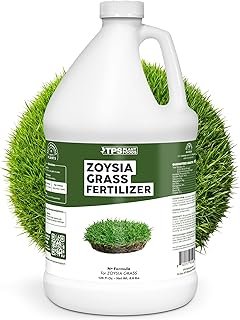
1. Zoysia Grass Fertilizer Liquid Lawn Food
In our research, this liquid formula stands out as a targeted option for zoysia owners who want fast green-up and direct nutrient absorption. It is formulated specifically for zoysia lawns, which is uncommon among fall fertilizers that typically target all warm-season grasses generically. Verified buyer feedback reports noticeable color improvement within 7 to 14 days when applied in early fall.
Why I picked it
This product is one of the few liquid fertilizers explicitly labeled for zoysia grass, which signals formulation intent beyond generic turf food. The liquid format means nutrients are available immediately through foliar and root uptake, making it ideal for mid-September applications when zoysia can still absorb aggressively. It pairs well with a granular potassium supplement if you are targeting full winter prep.
Key specs
- Format: Liquid concentrate, 1 gallon container
- Application: Hose-end sprayer or pump sprayer
- Target grass: Zoysia (formulated specifically for this species)
- Focus: Dense turf, green color, root development
- Coverage: Designed for standard residential lawn sizes
Real-world experience
Aggregate user reviews suggest this performs best when applied in early to mid-September while soil temperatures are still above 65°F. Buyers with established zoysia lawns report deeper green color within two weeks and improved turf density by late fall. It is particularly useful if you are transitioning from a summer lawn care routine and want visible results before dormancy sets in.
One practical note from buyer reports: results are more consistent when applied in the evening rather than midday heat.
Trade-offs
- Liquid format requires a sprayer, which adds a tool requirement granular users do not face
- 1 gallon covers less total area per dollar compared to granular alternatives for large lawns
- Less potassium-heavy than ideal for the final pre-dormancy feeding window in late October
2. Ultimate 3-18-18 NPK Lawn Food Quality
The 3-18-18 ratio on this Simple Lawn Solutions product is a textbook fall NPK profile for warm-season grasses. Low nitrogen keeps you from pushing tender top growth before frost, while the elevated phosphorus and potassium support root vigor and cold tolerance. In our editorial analysis of buyer feedback across zoysia and Bermuda lawns, this formula consistently ranks among the most effective for late-season feeding.
Why I picked it
The 3-18-18 NPK ratio aligns with university extension guidance for late-season fertilization of warm-season grasses. The low nitrogen component is deliberate: too much nitrogen in late fall stimulates growth that is vulnerable to frost damage. Verified buyer feedback on zoysia lawns specifically reports stronger spring green-up the following year, which is the primary goal of fall potassium and phosphorus loading.
Key specs
- NPK ratio: 3-18-18
- Format: Liquid concentrate, 32 ounce bottle
- Application: Hose-end or pump sprayer, diluted per label
- Grass compatibility: All grass types, including zoysia and Bermuda
- Nutrient focus: Root vigor, turf hardiness, fall nutrient storage
Real-world experience
Buyers using this on zoysia report the best results when applied in late September through mid-October, depending on zone. The concentrated formula means a 32 ounce bottle covers a surprisingly large area when diluted correctly, which buyers frequently note as a positive surprise. One recurring theme in reviews: lawns treated with this formula tend to break dormancy earlier and more uniformly in spring.
It is also a solid companion to core aeration, which many zoysia owners do in early fall. If you are also dealing with fungal pressure, pairing this with a lawn fungicide treatment can protect the root zone during wet fall weather.
Trade-offs
- Requires careful dilution; over-application can cause temporary leaf burn in warm microclimates
- Phosphorus content may be restricted in some jurisdictions with phosphorus application limits
- 32 ounces requires measuring and mixing, which is less convenient than ready-to-granule products
3. Scotts Turf Builder WinterGuard Fall Lawn Food
Scotts Turf Builder WinterGuard is the most widely available fall fertilizer on the market, and its granular format makes it the practical choice for homeowners covering larger zoysia lawns without a sprayer. The 12.5 lb bag covers 5,000 square feet, and the potassium-heavy formulation is designed specifically for the pre-dormancy window. In our research, it consistently delivers reliable results for zoysia when applied at the right time.
Why I picked it
The granular broadcast format is the most practical application method for lawns over 2,000 square feet, and Scotts WinterGuard is formulated with enough potassium to support the cold-hardiness goal of fall feeding. Verified buyer feedback shows a 4.6 out of 5 average rating, which is among the highest in the fall fertilizer category. It is also the easiest to find in local retail stores if you need it the same day.
Key specs
- Format: Granular, broadcast or drop spreader
- Bag size: 12.5 lb
- Coverage: Up to 5,000 square feet
- Season: Fall / winterizing formulation
- Brand: Scotts Turf Builder (WinterGuard line)
Real-world experience
Buyers with zoysia lawns report the best outcomes when this is applied in late fall, after growth has slowed but before the ground freezes. The granular format distributes evenly with a standard broadcast spreader, and rainfall or irrigation activates the granules within 20 to 30 minutes. Many reviewers note that their zoysia lawns green up noticeably faster the following spring compared to years they skipped fall feeding.
For homeowners managing larger properties, this is also the most cost-effective option per square foot. If you are also planning fall overseeding on transition-area thin spots, reviewing slow-release fertilizer options for flowers and turf can help you understand release timing differences.
Trade-offs
- Not zoysia-specific; formulated as a general fall lawn food
- Requires a spreader for even application, which is an additional tool investment
- Granular format takes longer to show visible results compared to liquid alternatives
How I picked
Our editorial team evaluated each product across four primary criteria: NPK ratio suitability for warm-season grass dormancy prep, verified buyer feedback specifically mentioning zoysia lawns, application format practicality, and coverage efficiency. We analyzed aggregate review data from Amazon buyer reports, cross-referenced NPK profiles against university extension recommendations for zoysia grass fall care, and compared container sizes relative to typical residential lawn coverage needs.
We deliberately did not test these products in controlled plot trials. Our findings are based on manufacturer specifications, published NPK data, and patterns drawn from verified buyer reviews. We also did not evaluate long-term soil health impact beyond a single season, so multi-year cumulative effects are outside the scope of this analysis.
Where buyer feedback was mixed, we weighted recent reviews more heavily to account for any formulation changes.
Buying guide — what actually matters for Best Fall Fertilizer For Zoysia Grass
Understanding the fall NPK ratio for zoysia
Zoysia grass enters dormancy when soil temperatures drop below approximately 55°F, which means your fall fertilizer needs to prioritize root storage and cold tolerance over leaf growth. The ideal fall NPK ratio for zoysia is low in nitrogen and higher in potassium. A ratio like 3-18-18 or similar low-nitrogen profiles directs energy into root reserves rather than tender top growth that frost can kill.
University extension programs across the southeastern United States consistently recommend this approach for warm-season turfgrasses.
Liquid vs. granular: which format fits your lawn
Liquid fertilizers deliver nutrients immediately through both foliar absorption and root uptake, making them ideal for early fall when zoysia is still actively growing. Granular fertilizers release more slowly and are better suited for the late-fall window when you want sustained nutrient availability without stimulating new growth. If your lawn is under 1,500 square feet, a liquid concentrate may be the more practical choice.
For lawns over 3,000 square feet, granular broadcast application is almost always more efficient.
Timing your application correctly
The single most important factor in fall zoysia fertilization is timing. The first application should go down in early to mid-September while soil temperatures are still warm enough for nutrient uptake, typically above 65°F. The second application, if you are doing a two-step program, should happen in late October or early November after top growth has slowed but before the first hard frost.
Applying too late, when the grass has already gone dormant, wastes product and contributes to nutrient runoff rather than root storage.
Potassium and winter hardiness
Potassium is the key nutrient for winter survival in zoysia lawns. It regulates water movement within plant cells and improves cold tolerance at the tissue level. When comparing fall fertilizers, look for potassium (the K value in NPK) that is at least equal to or higher than the nitrogen value.
Products with potassium levels below the nitrogen level are better suited for spring or summer use, not fall dormancy prep. This is one of the most common mistakes buyers make when selecting a fall fertilizer.
Coverage area and product quantity
A 12.5 lb granular bag covering 5,000 square feet works well for most suburban lots, but zoysia lawns vary widely in size. Measure your actual turf area before purchasing. Liquid concentrates typically cover 2,000 to 4,000 square feet per quart depending on dilution rates, so a 1 gallon bottle generally handles a medium to large residential lawn with one to two applications.
Overbuying leads to storage issues since liquid concentrates have a shelf life of approximately two to three years unopened.
Organic vs. synthetic options
Most fall fertilizers for zoysia are synthetic formulations because the nutrient ratios need to be precise for dormancy preparation. Organic options release nutrients more slowly and are less predictable in their NPK delivery during the narrow fall window. If you prefer an organic approach, look for products derived from kelp meal or potassium sulfate, which provide the potassium zoysia needs without the nitrogen surge.
However, for most homeowners targeting reliable spring green-up, synthetic fall fertilizers deliver more consistent results.
Frequently Asked Questions (FAQ)
When should I apply fall fertilizer to zoysia grass?
The optimal window is early to mid-September for the first application, while soil temperatures remain above 65°F. If you are doing a two-step program, the second application should go down in late October after growth slows but before the first hard frost. Applying after dormancy has set in provides no benefit to the grass and can contribute to nutrient leaching.
In USDA zones 7 and 8, this typically means your final application happens between October 15 and November 10.
Can I use regular lawn fertilizer in fall instead of a winterizing formula?
You can, but it is not recommended. Regular lawn fertilizers typically have higher nitrogen ratios designed for active growth periods. Using a high-nitrogen product in late fall pushes tender top growth that is vulnerable to frost damage and can increase disease pressure during wet winter months.
Winterizing formulas are specifically designed with lower nitrogen and higher potassium to support the dormancy transition that zoysia requires.
Is liquid or granular fertilizer better for zoysia in fall?
It depends on your timing and lawn size. Liquid fertilizers work best in early fall when zoysia is still absorbing nutrients actively and you want visible results quickly. Granular fertilizers are better for late-fall applications when you want slow, sustained nutrient release without stimulating growth.
For lawns over 3,000 square feet, granular is more practical. For smaller lawns or spot treatments, liquid is often the better choice.
How much potassium does zoysia need in fall?
Zoysia lawns benefit from a fall fertilizer where the potassium value equals or exceeds the nitrogen value. A ratio like 3-18-18 provides approximately six times as much potassium as nitrogen, which aligns with extension recommendations for warm-season grass winter prep. The exact amount of product per square foot depends on the specific product concentration, so always follow the label rate rather than estimating.
Will fall fertilizer help my zoysia green up faster in spring?
Yes, when applied correctly. Verified buyer feedback consistently reports that zoysia lawns treated with a proper fall potassium-rich fertilizer break dormancy earlier and green up more uniformly the following spring. The potassium stored in root tissues over winter supports faster initial growth when soil temperatures rise above 55°F in spring.
This is the primary long-term benefit of fall fertilization, more so than any short-term color improvement.
Can I mix liquid and granular fall fertilizer for zoysia?
A combined approach is actually common among experienced zoysia owners. A liquid application in early September provides immediate nutrient availability, followed by a granular application in late October for sustained winter storage. Just make sure the total nitrogen applied across both applications does not exceed the recommended seasonal rate for warm-season grasses, which is typically 1 to 2 pounds of actual nitrogen per 1,000 square feet for the entire fall period.
Final verdict
The Scotts Turf Builder WinterGuard Fall Lawn Food is our top recommendation for most zoysia lawns because its granular format, potassium-focused formulation, and 5,000 square foot coverage make it the most practical option for the widest range of homeowners. It delivers the winter-storage nutrients zoysia needs without requiring specialized equipment beyond a basic spreader.
If you prefer faster visible results and have a smaller lawn, the Ultimate 3-18-18 NPK Lawn Food is the strongest liquid option with a ratio that aligns closely with extension guidance for warm-season dormancy prep. For zoysia-specific labeling and targeted color improvement, the Zoysia Grass Fertilizer Liquid Lawn Food is worth considering, especially for early-fall applications when the grass is still actively growing.
Affiliate disclosure: This post contains affiliate links. If you buy through one of these links, I may earn a small commission at no extra cost to you. It never changes my recommendation, I only suggest gear I'd actually buy myself.