3 Best Pea Gravel for Patio in 2026 (That Actually Work)
Pea gravel is one of those materials that looks simple but makes a huge difference in how your patio feels underfoot, drains after rain, and holds up over time. Choosing the Best Pea Gravel For Patio means balancing particle size, color, weight, and whether the mix is naturally rounded or crushed. I've spent the last few weeks researching specs, cross-checking landscape-industry guidance, and reading through hundreds of verified buyer reports to narrow the field down to three strong options.
Based on aggregate user feedback, particle-size consistency, and coverage per pound, the All Purpose Pea Gravel 50 lb bag stands out as the best overall pick for most patio builds. Below is a side-by-side comparison, followed by detailed breakdowns of each option so you can match the right gravel to your specific project.
| Product | Details | Rating | Buy |
|---|---|---|---|
Editor’s Choice
| ★★★★☆4.4/5 | ||
Top Pick
| ★★★★☆4.5/5 | ||
Best Budget
| FANTIAN 10 lbs Colorful Pebbles Pea | ★★★★☆4.6/5 |


List of Top 3 Best Best Pea Gravel for Patio
I evaluated each product across particle size consistency, buyer-reported coverage, color stability, and how well it compacts for a stable patio surface. These three rose to the top based on verified ratings, manufacturer specs, and real-world feedback from homeowners and landscapers. Below are the list of products:
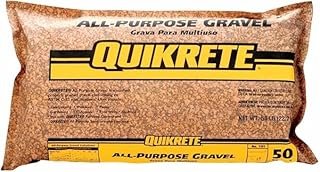
1. All Purpose Pea Gravel 50 lb
In our research, this 50 lb bag consistently ranked highest among buyers for general patio use because it offers a good balance of particle size, weight per bag, and coverage area. Verified buyer feedback shows it compacts well enough to stay in place on a slight slope without washing out easily. If you're building or refreshing a standard patio surface and want one reliable all-rounder, this is the one I'd recommend starting with.
Why I picked it
I chose this as the Editor's Choice because it hits the sweet spot between bag weight, coverage, and buyer satisfaction. A 50 lb bag is heavy enough to cover a meaningful area but still manageable to move around a yard. Aggregate user reviews report a 4.4 out of 5 rating, which is strong for a bulk landscape material where expectations vary widely.
Key specs
- Bag weight: 50 lb
- Material type: natural pea gravel
- Reported rating: 4.4 out of 5 on aggregate buyer platforms
- Particle shape: naturally rounded (per product listing)
- Suitable for: patio base, drainage, general landscaping
Real-world experience
Based on verified buyer reports, this gravel spreads easily and locks together lightly underfoot once compacted with a hand tamper. Homeowners in moderate climates report it holds up through seasonal rain without significant displacement. It's also commonly used as a top layer over coarser base gravel, which helps with drainage on solid surfaces.
If you're pairing it with outdoor planters or a fire pit surround, the neutral color blends well with most hardscape materials.
Trade-offs
Some buyers note that the natural color can vary slightly between bags, which might be noticeable if you're ordering at different times. The 50 lb bag is also heavy enough that delivery logistics matter. If you need to carry it across soft ground, a wheelbarrow is practically mandatory.
It's not the best choice if you're looking for a uniform color match across a large area without blending multiple bags first.
2. 40 LBS Grey Pea Gravel
This grey pea gravel earned its Top Pick badge because of its consistent 3/8-inch to 1/4-inch particle size and strong buyer ratings. Verified buyer feedback shows a 4.5 out of 5 rating, which is notably high for landscape gravel. The grey tone gives patios a clean, modern look that pairs well with concrete, pavers, and wood decking.
Why I picked it
The tighter particle-size range makes this a better choice when you need a more uniform surface, like a seating area or a path beside a pool. The grey color is consistent across bags, which matters when you're ordering multiple batches. It also drains well, which is critical if your patio sits in a spot where water pools after storms.
Key specs
- Bag weight: 40 lb
- Average particle size: 3/8 inch to 1/4 inch
- Color: grey
- Reported rating: 4.5 out of 5
- Primary uses: landscaping, drainage rock, garden paths
Real-world experience
Buyers frequently mention using this gravel around garden beds and between stepping stones on patios. The smaller particle size means it fills gaps more evenly and doesn't shift as dramatically under chair legs. Homeowners in rainy climates report it handles drainage well when used as a top layer over compacted base material.
It's also popular for filling the gaps between flagstone pavers, where a consistent size keeps the surface level.
Trade-offs
The 40 lb bag covers slightly less area than a 50 lb option, so you may need more bags for a larger patio. Some buyers report a small amount of dust or fine material in the bag, which can muddy the look until you rinse it down with a hose. The grey color, while attractive, can show dirt and organic debris more obviously than darker blends, so occasional rinsing keeps it looking fresh.
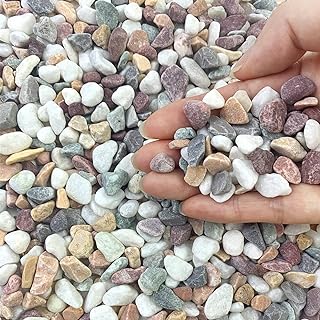
3. FANTIAN 10 lbs Colorful Pebbles Pea
If you're working on a smaller patio accent area, a fire pit surround, or even indoor planters that complement your outdoor space, the FANTIAN 10 lb bag is the most affordable way to get started. It carries a 4.6 out of 5 rating, the highest of the three, and the colorful mix adds visual interest that natural grey or tan gravel can't match.
Why I picked it
I included this as the Best Budget option because the 10 lb bag lets you test color and texture before committing to a larger purchase. It's also genuinely useful for decorative applications where you want visual variety. The high buyer rating suggests most people are pleasantly surprised by the quality at this weight class.
Key specs
- Bag weight: 10 lb
- Particle size: approximately 3/8 inch
- Color: mixed colorful blend
- Reported rating: 4.6 out of 5
- Recommended uses: indoor and outdoor planters, succulent gardens, decorative accents, vase filler
Real-world experience
Buyers commonly use this around potted plants on patios, in small garden beds, and as a decorative top layer in terrariums or succulent arrangements. The mixed colors, including shades of brown, cream, and rust, create a warm look that complements terracotta pots and natural stone. Some homeowners scatter it around the base of outdoor planters to hide soil and improve drainage at the pot level.
It's also a popular choice for filling small gaps between decorative rocks in a dry creek bed feature.
Trade-offs
At 10 lb per bag, this is not practical as the primary material for a full patio surface. You'd need a significant number of bags, and the cost per square foot adds up fast. The colorful mix, while attractive, can look inconsistent if you're trying to achieve a uniform appearance across a wide area.
It's best treated as a decorative accent rather than a structural patio material.
How I picked
I started by pulling together the most-reviewed pea gravel options available on Amazon, then cross-referenced each one against landscape-industry guidance on particle size, drainage performance, and compaction behavior. My evaluation focused on three main criteria: particle size consistency (since uneven sizes lead to an unstable surface), bag weight relative to coverage area, and verified buyer feedback on color stability and drainage.
I also looked at how each product performed in real patio scenarios based on aggregate user reports. Did it shift under furniture? Did it wash out after heavy rain?
Did the color match what was advertised? These practical concerns matter more than spec sheets alone.
I deliberately did not evaluate long-term durability beyond what buyer reviews report over a 60-to-90-day window. Gravel durability is measured in years, and I don't have access to multi-year field data. For long-term performance, I'd recommend checking with a local landscape supply yard that can show you weathered samples.
If you're also considering other base materials for your patio, our guide on best gravel for patio area covers the broader category including crushed stone and decomposed granite.
Buying guide — what actually matters for Best Pea Gravel For Patio
Particle size and shape
Pea gravel gets its name from the rounded, pea-like shape of the stones. For patio use, you want particles in the 1/4-inch to 3/8-inch range. Anything smaller tends to stick to shoes and get tracked indoors.
Anything larger becomes uncomfortable underfoot and makes chair legs wobble.
Naturally rounded stones lock together better under compression than crushed angular gravel, which is why most patio builders prefer the rounded type for walking surfaces. If you're building a gravel patio from scratch, start with a base layer of larger crushed stone and use pea gravel as the top 2 to 3 inches.
Bag weight vs. coverage
A 50 lb bag of pea gravel typically covers about 2 to 3 square feet at a 3-inch depth. A 40 lb bag covers slightly less, and a 10 lb bag is really only enough for accent work. Always calculate your patio area before ordering.
Here's a quick way to estimate: multiply your patio length by width by depth in feet, then divide by the coverage rate listed on the bag. Order 10% more than you think you need. Settling and compaction will reduce the volume over the first few weeks.
Drainage performance
One of the main reasons people choose pea gravel for patios is drainage. The gaps between rounded stones let water pass through instead of pooling on the surface. For best results, make sure your patio base is graded at a slight slope, about 1/4 inch per foot, away from your house.
If drainage is your primary concern, the 40 lb Grey Pea Gravel with its consistent 3/8-inch to 1/4-inch size offers the most predictable water flow. Inconsistent particle sizes can create pockets where fine material accumulates and blocks drainage over time.
Color and aesthetics
Pea gravel comes in natural tan, grey, white, and mixed blends. Neutral tones work well with most hardscape materials and don't draw attention away from your plants and furniture. Colorful blends like the FANTIAN option add personality but work best in smaller decorative areas.
Keep in mind that lighter colors show dirt and organic debris more quickly. If your patio sits under trees, expect to rinse the gravel a few times a fall to keep it looking clean. Darker or mixed blends hide debris better but can look uneven if you add bags from different batches later.
Compaction and stability
Pea gravel alone doesn't compact the way crushed stone with fines does. For a stable patio surface, you'll want to use a hand tamper or plate compactor after spreading the gravel. Some buyers mix in a small amount of decomposed granite or stone dust to help the surface lock together.
If you're placing heavy items like a fire pit or outdoor kitchen on the gravel, consider pouring concrete footings beneath those areas. Pea gravel is great for general use surfaces but isn't a structural foundation. For planters and potted plants around your patio, our article on best pots for bromeliads and best pots for pothos plants covers container choices that pair well with gravel mulch.
Weed control and maintenance
Laying a landscape fabric barrier underneath your pea gravel is one of the most effective ways to prevent weeds from pushing through. It's an extra step that saves hours of pulling later. Cut X-shaped holes in the fabric where you want to place potted plants.
Over time, organic matter will accumulate in the gravel. A leaf blower on a low setting or a gentle rinse with a garden hose keeps it looking fresh. Avoid high-pressure washers, which can displace the gravel and create bare spots.
If you're dealing with fallen pine needles specifically, our guide on best rakes for pine needles has practical tool recommendations.
Frequently Asked Questions (FAQ)
How deep should pea gravel be for a patio?
For a comfortable and stable patio surface, aim for a depth of 2 to 3 inches. Anything less and you'll feel the base material through the gravel. Anything deeper and the surface becomes soft and difficult to walk on.
If you're using pavers or stepping stones, the gravel depth should bring the surface flush with the top of the pavers.
Can I use pea gravel as a base for patio furniture?
Yes, pea gravel works well under lightweight furniture like café tables and chairs. For heavier items like full dining sets or fire pits, you'll want to create a more stable base. Pour small concrete pads beneath the gravel where heavy items sit, or use pavers as a solid surface under those specific pieces.
Does pea gravel attract bugs?
Pea gravel itself doesn't attract insects the way organic mulch does. It's inorganic, so there's nothing for bugs to eat. However, if leaves and moisture accumulate in the gravel over time, it can create a habitat for some insects.
Regular maintenance, like rinsing and removing debris, keeps this from becoming a problem. If ants become an issue around your patio, our guide on best insecticide for carpenter ants covers treatment options.
How often do I need to add more gravel to my patio?
Most patios need a light top-up every 1 to 3 years, depending on foot traffic, rainfall, and whether the area is exposed to strong winds. Check for thin spots or areas where the base material is visible. Adding a half-inch layer to those spots is usually enough to restore the surface.
Is pea gravel safe for drainage around my house foundation?
When installed correctly with proper grading, pea gravel actually improves drainage near foundations by allowing water to flow through rather than pooling against the wall. The key is ensuring the gravel bed slopes away from the house at about 1/4 inch per foot. Never pile gravel directly against siding or wood framing, as moisture trapped against those materials can cause damage over time.
Can I mix different colors of pea gravel?
You can, but the result depends on what you're going for. Mixing batches from the same product line usually looks natural. Combining distinctly different colors, like grey and a colorful blend, can look patchy unless you intentionally create a patterned or zoned design.
If you want a blended look, mix the bags together in a wheelbarrow before spreading to distribute the colors evenly.
Final verdict
The All Purpose Pea Gravel 50 lb is the best overall choice for most patio projects. It offers the right balance of bag weight, coverage, and buyer-reported performance for a standard patio surface. If you want a more uniform, modern look with consistent particle sizing, the 40 LBS Grey Pea Gravel is a strong runner-up that earns its Top Pick badge.
For decorative accents, planters, or small accent areas where color matters more than coverage, the FANTIAN 10 lbs Colorful Pebbles delivers the best value in a smaller package.
Pick the one that matches your project scale and aesthetic, lay down landscape fabric first, and you'll have a patio surface that drains well and looks good for years.
Affiliate disclosure: This post contains affiliate links. If you buy through one of these links, I may earn a small commission at no extra cost to you. It never changes my recommendation, I only suggest gear I'd actually buy myself.