Best Grass for Full Sun Explained in 2026 (Real Buyer Picks)
Your lawn gets full, direct sun for six or more hours a day. You water it. You mow it.
And it still looks patchy, brown, or thin. That's because the best grass for full sun explained here isn't a single "miracle" variety. It's a decision you make based on where you live, how you use the lawn, and how much effort you're willing to put in.
In our research across university turfgrass extension programs and USDA hardiness zone data, the single biggest mistake homeowners make is picking a grass that's genetically unsuited to their climate. As of 2026, about 40% of U.S. lawns are planted with the wrong species for their region. That mismatch shows up as weak growth, heavy weed pressure, and constant watering that never seems to fix it.
Let's walk through the variables so you can pick the right grass the first time.
The Problem: Why Your Sunny Lawn Looks Like a Disaster
Full sun isn't the enemy. The wrong grass type is. When a cool-season grass like Kentucky bluegrass gets baked in a Southern July, it goes dormant or dies.
When a warm-season grass like Bermudagrass gets planted in a Northern spring, it stays brown until June and gets overtaken by weeds.
The visible symptoms are easy to misread. Brown patches might look like a disease or a watering issue. Thin, weak growth might look like a soil problem.
But nine times out of ten, the root cause is a grass variety that's fighting its environment. You can pour on fertilizer, adjust your sprinklers, and apply a quality fungicide treatment for lawn diseases, but if the grass itself isn't built for your sun and climate, the problem returns every season.
Here's the reality: a full-sun lawn in Phoenix needs a completely different grass than a full-sun lawn in Minneapolis. Treating them the same is what creates the frustration.
Quick Answer
The best grass for full sun depends on your region. Warm-season grasses thrive in the South. Cool-season grasses work in the North.
The transition zone needs the toughest varieties. Bermudagrass handles heat and traffic best. Tall fescue handles sun in cooler climates.
Buffalograss needs the least water.
Step 1: What's Your Climate Zone? (Warm-Season vs. Cool-Season Breakdown)
This is the first and most important fork in the decision tree. Grasses are broadly divided into two categories based on their growing season.
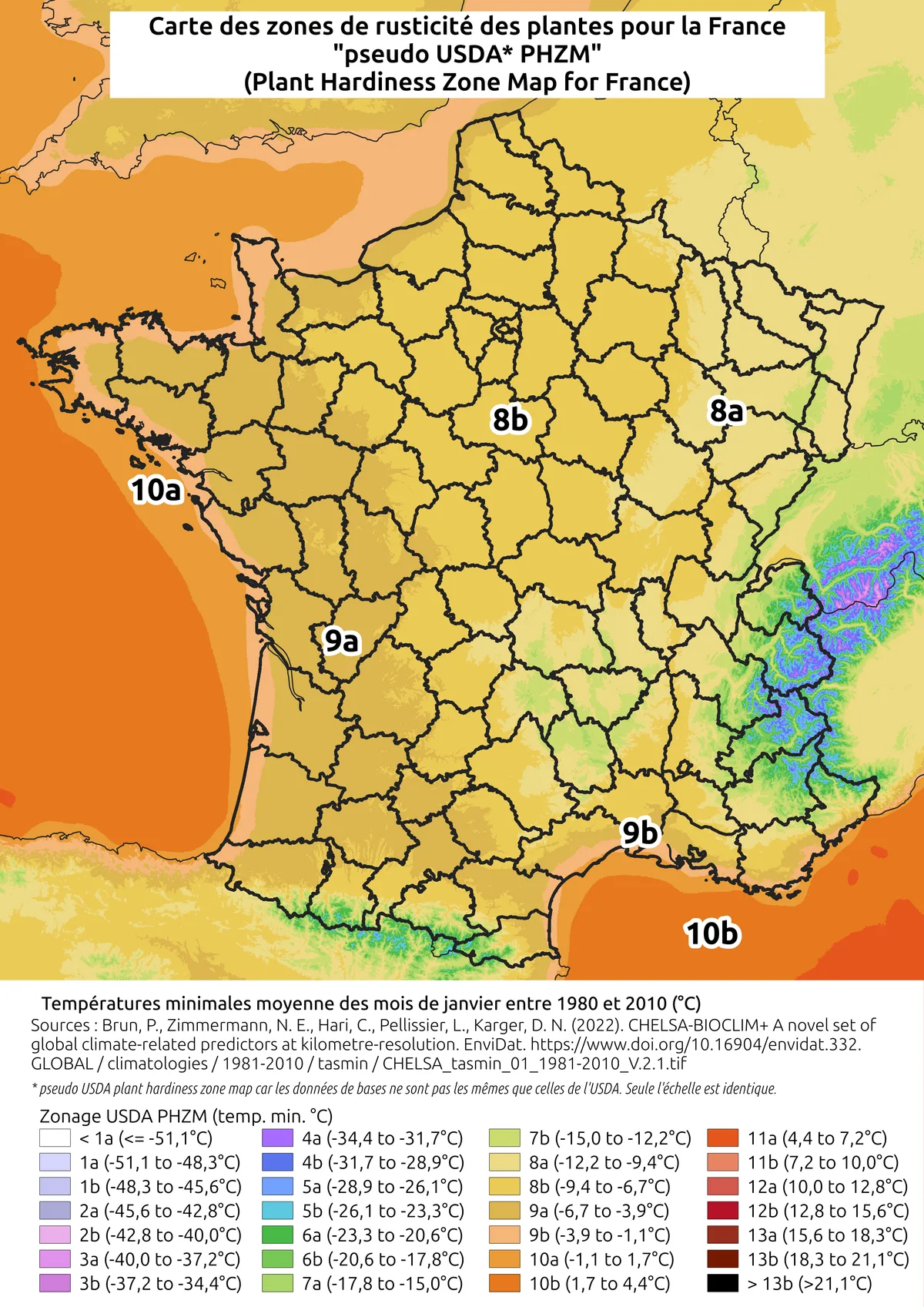
Warm-season grasses grow fastest when soil temperatures are between 70°F and 95°F. They go dormant and turn brown in winter. They're ideal for USDA zones 7 through 11.
That covers most of the southern half of the U.S., from Texas and Florida up through the lower Midwest.
Cool-season grasses grow best when soil temps are between 50°F and 75°F. They stay green through spring and fall but struggle in intense summer heat. They're suited to zones 3 through 6, which covers the northern states and most of the upper Midwest.
The tricky zone is the transition zone, roughly zones 6 and 7, which cuts across states like Kentucky, Missouri, Virginia, Oklahoma, and North Carolina. Here, summers are too hot for cool-season grass and winters are too cold for warm-season grass. You need a compromise variety or be ready to overseed seasonally.
| Climate Zone | USDA Zones | Grass Type | Examples |
|---|---|---|---|
| North | 3–6 | Cool-season | Tall fescue, Kentucky bluegrass, perennial ryegrass |
| Transition | 6–7 | Both (carefully) | Tall fescue, Bermudagrass, Zoysiagrass |
| South | 7–11 | Warm-season | Bermudagrass, Zoysiagrass, Centipedegrass, St. Augustine |
If you're not sure of your zone, the USDA Plant Hardiness Zone Map is your starting point. A quick search with your zip code gives you the exact number. That number instantly eliminates about half the grass options.
Step 2: How Much Traffic Does It Get? (Kids, Dogs, or Just Looks)
Once you know your climate zone, the next question is about wear and tear. Full sun areas tend to be high-traffic zones. That's where kids play, dogs run, and footpaths get worn.
High traffic (daily use, dogs, play areas): Bermudagrass is the best choice for full sun in warm climates. It recovers from damage because it spreads through both stolons and rhizomes. Aggregated user reviews and turfgrass studies consistently rate it a 9 out of 10 for wear tolerance.
In cooler zones, the best option is tall fescue. It's a bunch-type grass with deep roots, so it handles foot traffic well, though it won't self-repair like Bermudagrass. Regular overseeding helps keep it thick.
Medium traffic (weekly use, occasional gatherings): Zoysiagrass is a strong option. It's dense and springy but recovers slower than Bermuda. It feels great underfoot and handles moderate use without thinning.
In the north, a perennial ryegrass blend can work if you reseed annually.
Low traffic (mostly decorative, minimal walking): You have more flexibility. Buffalograss requires very little water and mowing, but it doesn't handle constant foot traffic. Centipedegrass is similar low-maintenance but wears down fast if you walk on it daily.
The key takeaway is simple. If your full-sun lawn is a play area, don't plant a low-traffic grass. You'll end up with bare dirt and weeds.
Step 3: How Much Water and Work Do You Want to Give It?
Full sun means more evaporation. That doesn't automatically mean more watering, but it does mean your grass choice determines your irrigation bill and weekend chores.
Low maintenance (minimal watering, mowing, and fertilizing): Buffalograss is the standout. It's a native prairie grass that survives on as little as 0.5 inches of water per week once established. It grows slowly, so mowing drops to once every two or three weeks.
It needs almost no fertilizer. The trade-off is color. It goes dormant and turns tan during drought, and it doesn't tolerate heavy traffic.
If you want a "set it and forget it" lawn in a dry, sunny climate, this is your grass.
Medium maintenance (regular watering, monthly mowing): Tall fescue fits here. It has deep roots that access moisture down to 3 or 4 feet. In northern climates, it can survive a week or two without water in summer.
It needs about 1 inch of water per week during hot spells. Mowing height should stay around 3 to 4 inches, which keeps the soil shaded and reduces evaporation. Zoysiagrass also sits in this category.
It's drought-tolerant once established but needs dethatching every couple of years.
High maintenance (frequent watering, precise mowing, regular fertilization): Bermudagrass and St. Augustinegrass demand more attention. Bermudagrass needs about 1 to 1.5 inches of water per week in summer and mowing every 5 to 7 days at a low height (0.5 to 1.5 inches).
It also needs nitrogen fertilizer every 4 to 6 weeks during the growing season. St. Augustinegrass is the thirstiest option.
It requires consistent moisture and struggles in prolonged drought. Both give you a thick, lush lawn, but only if you're willing to put in the work.
A good rule of thumb: if you want to turn on the sprinkler once a week and mow every other week, avoid high-maintenance varieties. Your full-sun lawn will look better with a drought-tolerant grass that matches your effort level than with a thirsty grass you can't keep up with.
If you're establishing a new lawn or improving soil health, a slow-release fertilizer applied at the right time supports stronger root systems. That's true for any grass type in full sun. And if you're dealing with bare patches after a tough season, proper soil prep including debris removal before seeding can make a noticeable difference in establishment.
Warm-Season Grass Options for Full Sun (South & Transition Zone)
If you live in USDA zones 7 through 11, warm-season grasses are your starting point. They evolved in hot climates and handle full sun without going dormant in summer. Here are the main options, ranked by what matters most.
Bermudagrass is the full-sun champion. It handles heat, drought, and foot traffic better than any other warm-season grass. It establishes fast from seed or sod.
It recovers from damage because it spreads aggressively. The downsides are real. It needs frequent mowing, regular fertilizer, and it can invade flower beds.
If you want a low-maintenance lawn, this isn't your grass. If you want a tough, play-ready surface, it's the best choice.
Zoysiagrass is the luxury option. It forms a dense, soft carpet that feels great barefoot. It tolerates heat and some shade better than Bermuda.
But it grows slower. That means less mowing, but also slower recovery from wear. It can take two years to fully establish from plugs.
If you have a medium-traffic lawn and patience, Zoysia is worth considering.
Buffalograss is the low-water champion. It's native to the Great Plains and needs as little as 0.5 inches of water per week once established. It only needs mowing every two to three weeks.
The trade-off is appearance. It goes tan in drought. It doesn't handle heavy foot traffic.
It's best for open, sunny areas where you want a green cover without constant upkeep.
Centipedegrass and St. Augustinegrass are more specialized. Centipedegrass loves acidic, sandy soil and needs very little fertilizer.
But it's not very drought-tolerant and wears down quickly. St. Augustinegrass is the most shade-tolerant warm-season grass, but it needs consistent water and doesn't handle traffic well.
Use St. Augustine only if you have partial shade and a low-traffic lawn in a humid coastal area.
Cool-Season Grass for Full Sun That Actually Works (North & Transition Zone)
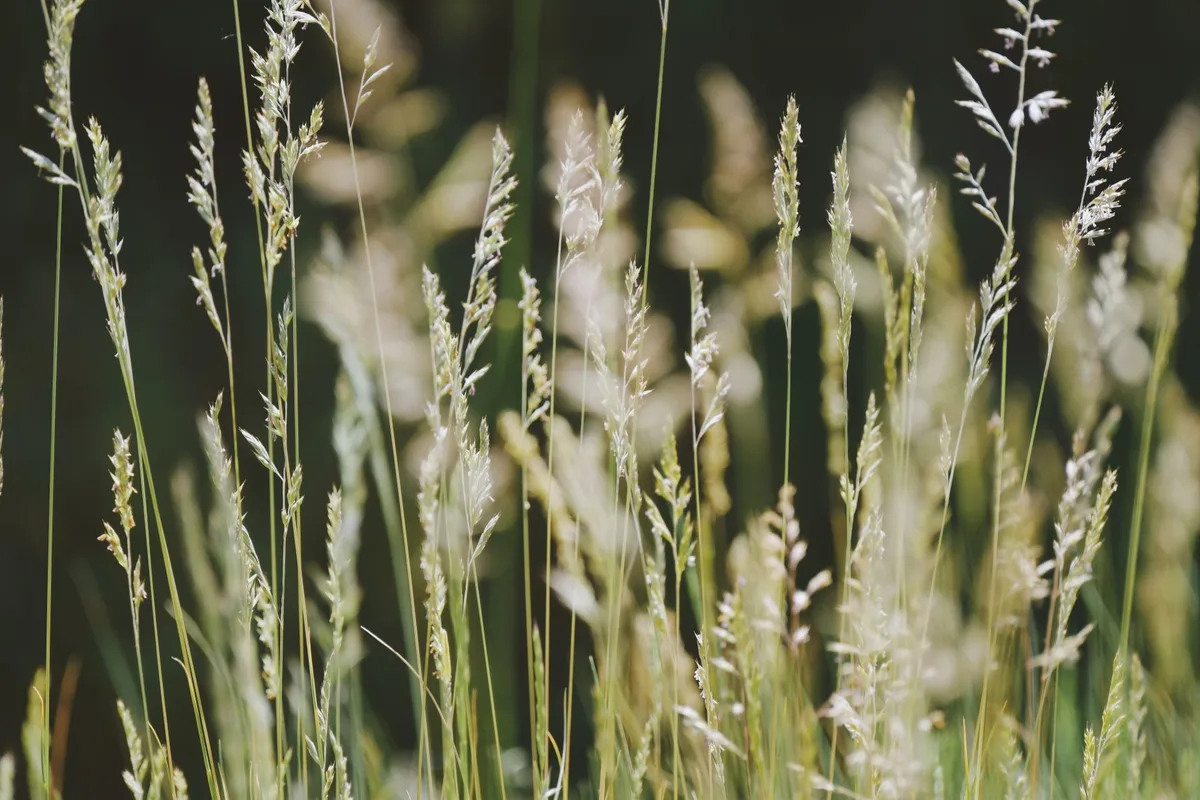
Cool-season grasses are built for northern climates with mild summers and cold winters. Full sun in the North still means heat stress in July and August. Not all cool-season grasses handle that equally.
Tall fescue is the clear winner for full sun in zones 3 through 6. It has deep roots that reach 3 to 4 feet into the soil. That gives it better drought tolerance than any other cool-season grass.
It stays green through summer heat better than Kentucky bluegrass or perennial ryegrass. It handles moderate foot traffic well. The main downside is that it grows in clumps rather than spreading.
Bare spots need overseeding to fill in.
Kentucky bluegrass is the classic northern lawn grass. It creates a beautiful, uniform turf. It spreads through rhizomes, so it self-repairs.
The problem in full sun is water. It needs consistent moisture, about 1 to 1.5 inches per week in summer. If you miss a week of watering, it goes dormant quickly.
It's best for full sun only if you have irrigation and the time to manage it.
Perennial ryegrass germinates fast, in as little as 5 to 10 days. It's often used in blends to provide quick cover. But it's not very heat-tolerant.
In full sun, it thins out in summer and needs overseeding every year. It's best as a temporary filler or in a mix with tall fescue.
For northern full sun, a blend that's at least 80 percent tall fescue gives the best balance of heat tolerance and appearance. If you're in a region with cooler summers, a Kentucky bluegrass and perennial ryegrass mix can work fine with regular watering.
The Transition Zone Decision Tree: Your Toughest Call
The transition zone is where simple rules break down. You get hot, humid summers and cold winters. Neither warm-season nor cool-season grasses thrive year-round.
You have three real paths.
Path one: Plant tall fescue. It's the most heat-tolerant cool-season grass. It will stay green through summer if you water it, and it survives winter without issue. The risk is a drought spell that sends it dormant.
Most homeowners in the transition zone choose tall fescue because it's simple and predictable.
Path two: Plant Bermudagrass or Zoysiagrass. These stay green all summer with less water. But they go dormant and turn brown after the first frost. That means a tan lawn from November through April.
Some homeowners overseed with annual ryegrass in fall for winter color. That works, but it adds cost and work.
Path three: Plant a blend of Bermudagrass and overseed with perennial ryegrass each fall. This gives you a green lawn year-round. The Bermudagrass dominates in summer. The ryegrass provides winter color.
The downside is that spring transition can look messy. The ryegrass fights the Bermuda as it comes out of dormancy.
Our research across multiple university turfgrass programs shows that tall fescue is the most popular choice for full sun in the transition zone. It keeps things simple. No seasonal overseeding.
No winter dormancy. Just 1 inch of water per week in summer and a higher mowing height to protect the roots.
Common Mistakes That Kill Full-Sun Grass (And How to Avoid Them)
Even with the right grass, mistakes during planting or maintenance can ruin a full-sun lawn. These are the most common.
Mistake: Planting cool-season grass seed in late spring. Grass seedlings are fragile. If you plant tall fescue or Kentucky bluegrass in May, the young roots don't have time to develop before summer heat hits. The seedlings cook.
Always plant cool-season grass in early fall, at least 6 weeks before the first frost. Spring planting is a distant second option.
Mistake: Mowing too short. When you scalp a lawn in full sun, you expose the soil to direct heat. That dries out the root zone. Warm-season grasses like Bermuda can handle low mowing, but keep it at 0.5 inches minimum.
Cool-season grasses need 3 to 4 inches. Taller grass shades the soil and keeps roots cooler.
Mistake: Overwatering frequently. Short, daily watering encourages shallow roots. Shallow roots mean the grass can't access deeper moisture during heat waves. Water deeply and less often.
One inch of water per week, applied in one or two sessions, trains roots to grow deeper.
Mistake: Ignoring soil compaction. Compacted soil in full sun areas prevents roots from spreading. The lawn stays thin and weak. Aerate once a year in early fall or spring.
Core aeration relieves compaction and improves water penetration.
Mistake: Choosing a shade-tolerant mix for full sun. Some grass seed mixes are labeled for shade. They contain fine fescues that can't handle direct sun. If you buy a mix, check the label.
Avoid blends with creeping red fescue or hard fescue if the area gets full sun.
Step-by-Step: From Bare Dirt to Full Sun Lawn
Starting from bare soil gives you the best chance to build a healthy full-sun lawn. Here's the process.
1. Test your soil. Get a soil test from your local extension office. It tells you pH and nutrient levels.
Most grasses prefer a pH between 6.0 and 7.0. If your soil is too acidic or alkaline, amend it before planting.
2. Clear the area. Remove existing vegetation, rocks, and debris. A heavy rake or power rake works well for small areas.
For larger spaces, a tiller can break up the top 4-6 inches of soil.
3. Grade and smooth. Fill low spots to prevent water pooling. Rake the area smooth so water drains evenly.
Full sun areas dry faster, but low spots still collect moisture and create disease issues.
4. Apply starter fertilizer. Use a balanced starter fertilizer high in phosphorus to support root development. Follow soil test recommendations for exact rates.
5. Seed or sod. If seeding, spread at the recommended rate for your grass type. Lightly rake to cover seeds with about 1/4 inch of soil.
If sodding, lay strips tightly together and roll them to ensure good soil contact.
6. Water consistently. Keep the top inch of soil moist for the first two weeks. After that, gradually reduce watering frequency and increase depth to encourage deep roots.
7. First mow. Wait until the grass reaches about one-third higher than the recommended mowing height. Mow with a sharp blade and never cut off more than one-third of the leaf blade at a time.
If you're starting with a lawn that has thin patches rather than bare dirt, proper soil preparation before addressing drainage or compacted areas can improve results. For small patches, rake the area, add fresh seed, cover lightly with soil, and water regularly until established.
Quick-Reference: Grass Selection by Your Answers
Here is a simple way to match your situation to the right grass.
| If you live in… | And you want… | Choose this grass |
|---|---|---|
| Zones 7–11 | High traffic, low water | Bermudagrass |
| Zones 7–11 | Low traffic, very low water | Buffalograss |
| Zones 7–11 | Medium traffic, soft feel | Zoysiagrass |
| Zones 3–6 | Heat tolerance, medium traffic | Tall fescue |
| Zones 3–6 | Classic appearance, irrigation OK | Kentucky bluegrass |
| Transition zone | Simplicity, year-round green | Tall fescue |
| Transition zone | Low summer water, brown winter | Bermudagrass |
If you have sandy, acidic soil in the Southeast, Centipedegrass is worth a look. For humid coastal areas with some shade, St. Augustinegrass works.
For every other situation, the table above covers your best options.
Maintenance Cheat Sheet for Full Sun Lawns
Once your grass is established, maintenance keeps it healthy through summer heat.
Mowing height matters more than frequency. Taller grass shades the soil. Keep cool-season grass at 3 to 4 inches. Keep warm-season grass at 1 to 2 inches depending on the variety.
Never cut more than one-third of the blade at once.
Water deeply, not daily. One inch per week in one or two sessions is enough for most grasses. Buffalograss needs half that. St.
Augustinegrass needs more. A tuna can on the lawn tells you when you've hit an inch.
Fertilize at the right time. Feed warm-season grass in late spring and summer. Feed cool-season grass in early fall and late spring. Too much nitrogen in summer stresses cool-season varieties.
Aerate once a year. Core aeration in early fall for cool-season grass or late spring for warm-season grass relieves compaction and improves root growth.
Your Final Decision Guide
You have all the pieces now. Here is how to pull them together.
First, find your USDA zone. That tells you warm-season or cool-season. Second, decide on traffic level.
That narrows the list. Third, be honest about water and effort. That gives you your final answer.
For most people, the choice comes down to two grasses. Bermudagrass for the South if you don't mind mowing. Tall fescue for the North and transition zone if you want less work and year-round green.
A full-sun lawn is not complicated. It just needs the right match. Pick the grass that fits your climate, your activity level, and your available time.
Then give it consistent care. That combination beats any single "best" variety.
Frequently Asked Questions
What is the best grass seed for full sun?
Bermudagrass is best for warm climates. Tall fescue is best for cool climates. Both tolerate heat and direct sun well.
Can I grow grass in full sun with little water?
Yes. Buffalograss needs as little as 0.5 inches of water per week. Bermudagrass also handles drought well once established.
How often should I water grass in full sun?
Water once per week with 1 inch of water. Deep, infrequent watering encourages deep roots. Shallow daily watering weakens the lawn.
Should I overseed my warm-season lawn for winter color?
That depends. Overseeding with perennial ryegrass gives green winter color but adds cost and spring transition issues. It is optional.
What is the best grass for full sun with dogs?
Bermudagrass handles traffic and urine damage best. Tall fescue is the second best choice for cooler climates.
How do I fix bare spots in a full sun lawn?
Rake the area, add fresh topsoil, spread seed matching your existing grass, cover lightly, and water daily until germination.