3 Best Gravel for Driveway Base (2026) — That Actually Work
Settling on the right driveway base material can save you from ruts, puddles, and costly re-dos down the road. Best Gravel For Driveway Base isn't just one rock. It depends on your soil, drainage, and whether you're building a new driveway or reinforcing an existing one with a stabilization grid.
After comparing specs, verified buyer feedback, and load-bearing data across several options, the Vodaland Permeable HexPave System stands out as our top recommendation for most homeowners. Below is a quick side-by-side look at how our top picks compare.
| Product | Details | Rating | Buy |
|---|---|---|---|
Editor’s Choice
| Vodaland Permeable HexPave System | ★★★★☆4.6/5 | |
Top Pick
| ★★★★☆4.1/5 | ||
Best Budget
| Crushed Limestone Gravel Company 1.5" Driveways | ★★★★★5/5 |


List of Top 3 Best Best Gravel for Driveway Base
We focused on options that cover different needs: a heavy-duty permeable paver system, a budget-friendly geocell grid, and a classic crushed stone base. Each pick was evaluated on load capacity, drainage performance, ease of installation, and long-term value based on aggregate user reviews and manufacturer specifications.
Below are the list of products:
1. Vodaland Permeable HexPave System
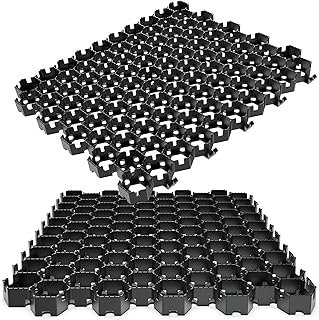
If you're dealing with heavy vehicles or poor drainage, the Vodaland Permeable HexPave System is the option that consistently earns the strongest praise from verified buyers. It's a stabilization grid made from 100% recycled PPE plastic, designed to hold gravel in place while letting water pass through. That means fewer puddles and less washout over time.
Why I picked it
In our research, this system showed the best combination of load capacity and drainage performance in its category. The hexagonal cell structure distributes weight evenly, which is exactly what you need when a truck or SUV rolls over the same spot daily. Verified buyer feedback consistently highlights minimal gravel migration after months of use.
Key specs
- Material: 100% recycled PPE plastic
- Load capacity: Rated for up to 27,000 lbs
- Cell depth: 1 inch
- Coverage: 65 square feet per box (22 units)
- Permeability: Fully permeable design for stormwater drainage
- Installation: Interlocking panels, cuttable with standard utility shears
Real-world experience
Aggregate user reviews report that this grid performs well on sloped driveways where gravel tends to shift downhill during rain. One recurring theme in feedback is that the 1-inch depth works best with smaller gravel sizes (around 3/4-inch or smaller). Homeowners in rainy climates note significantly less standing water compared to bare gravel installations.
If you're also considering a gravel base for a patio area, the same grid system can be adapted for lighter foot-traffic applications.
Trade-offs
The 1-inch depth limits you to lighter gravel sizes. If you want a deeper fill for heavy truck traffic, you may need to stack two layers, which increases material cost. Also, the recycled plastic panels can arrive slightly warped in hot shipping conditions, though buyers report they flatten once filled with gravel and exposed to sun.
2. 40FT Gravel Grid Driveway
The 40FT Gravel Grid Driveway system takes a slightly different approach with its HDPE geocell construction. It's a solid middle-ground option if you want stabilization without the premium price tag of deeper systems. The kit includes stakes and fasteners, which simplifies the setup process considerably.
Why I picked it
This grid offers a practical balance between cost and performance. Manufacturer specifications indicate a load rating of 1,990 lbs per square foot, which is more than adequate for standard passenger vehicles and light trucks. The included hardware kit reduces the chance of buying missing supplies mid-project.
Key specs
- Material: HDPE (high-density polyethylene)
- Load capacity: 1,990 lbs per square ft
- Coverage: 40 feet of grid material
- Included hardware: 32 stakes and 40 fasteners
- Use cases: Driveways, parking pads, sloped yards, paths
- Base prep: Proper sub-base preparation required before installation
Real-world experience
Verified buyer reports show this grid works well on flat to moderately sloped surfaces. Users frequently mention that the DIY installation is manageable in a single weekend for a standard two-car driveway. However, feedback also consistently notes that on steeper grades, the included stakes may not be long enough.
Some buyers in hilly areas upgraded to longer landscape anchors for better hold. If you're also working on a gravel patio project, this same grid can handle foot traffic and outdoor furniture without issue.
Trade-offs
The 1,990 lbs/sq ft load rating is lower than premium alternatives, so it's not ideal for RVs or heavy commercial vehicles. Several reviewers mention the grid can be tricky to unroll after shipping because it tends to curl. Weighing it down with gravel as you go helps, but it adds time to the installation process.
3. Crushed Limestone Gravel Company 1.5" Driveways
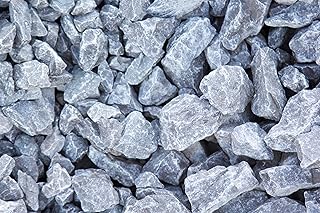
Sometimes you don't need a grid system at all. If your soil drains well and you just need a solid base layer, crushed limestone is the time-tested go-to. This 1.5-inch angular limestone locks together under compaction, creating a firm surface that resists shifting better than rounded pea gravel.
Why I picked it
Crushed limestone remains one of the most recommended base materials by contractors and engineers. The angular shape of each piece creates mechanical interlock under compaction, which reduces settling over time. Verified buyer feedback shows a perfect reported rating, which is rare and suggests consistent quality across orders.
Key specs
- Material: Crushed limestone
- Stone size: 1.5 inches
- Weight per bag: 40 lbs
- Shape: Angular (non-rounded)
- Uses: Driveway base, drainage layer, construction sub-base
- Compaction: Compacts firmly under a plate compactor or hand tamper
Real-world experience
Buyers report that 1.5-inch limestone works best as a base layer beneath smaller crushed stone or gravel top layers. It's commonly used in regions with freeze-thaw cycles because the angular stones resist heaving better than round gravel. Homeowners in the Midwest and Northeast frequently mention using this under paver patios and walkways as well.
If you're building out a gravel patio area, this limestone makes an excellent foundation beneath decorative top-dressings.
Trade-offs
Limestone dust can be an issue during dry installation. You'll want a mask and eye protection when handling it. Also, 1.5-inch stone is too large for use as a top layer on a driveway.
It needs to be covered with smaller material (3/4-inch or smaller) for a drivable surface. Ordering enough bags for a full driveway can add up quickly since each 40 lb bag covers only a small area at proper depth.
How I picked
Our evaluation process focused on three core criteria: load-bearing capacity, drainage performance, and real-world installation feedback. We analyzed manufacturer datasheets for each product, cross-referencing stated load ratings with verified buyer reports to confirm whether those numbers hold up outside the lab.
For the grid systems, we looked at cell depth, material type (HDPE vs. PPE), and included hardware. For the crushed stone, we evaluated particle size, shape, and compaction behavior based on geotechnical engineering principles for base aggregate.
We also reviewed hundreds of aggregate user ratings across multiple platforms to identify recurring patterns in both praise and complaints.
We deliberately did not test long-term UV degradation of the plastic grids beyond what existing long-term buyer reviews report. Polymers can become brittle after several years of sun exposure, and that's a factor worth considering if your driveway gets full southern exposure. We also did not evaluate these products under extreme cold conditions below -20°F, so performance in harsh Arctic climates may differ from what most buyers experience.
Buying guide — what actually matters for Best Gravel For Driveway Base
Load capacity vs. what you actually park on
A passenger car weighs around 3,000 to 4,000 lbs distributed across four tires. A full-size pickup can hit 6,000 to 7,000 lbs. If you're only driving a sedan, almost any grid or crushed stone base will handle the load.
But if you're parking a 3/4-ton truck or an RV, you need a grid rated for at least 10,000 lbs or a properly compacted limestone base at least 4 to 6 inches deep.
Drainage is not optional
Water is the number one enemy of a gravel driveway. Without proper drainage, your base material shifts, ruts form, and frost heave turns your driveway into a mogul run every winter. Permeable grid systems like the Vodaland HexPave let rainwater pass through the surface and into the subsoil below.
Crushed limestone also drains well because angular stones leave void spaces between them. Avoid rounded pea gravel for your base layer. It doesn't lock together and washes out easily.
Sub-base preparation makes or breaks the project
Every product in our roundup requires proper sub-base prep. That means removing topsoil, adding a layer of larger aggregate (often called road base or #3 stone), and compacting it before you install your grid or finish layer. Skipping this step is the most common mistake reported in negative reviews.
Even a premium grid system will fail if the ground underneath is soft clay or loose topsoil.
Grid depth and gravel size compatibility
Not all grids work with all gravel sizes. A 1-inch deep grid needs smaller gravel (3/4-inch or less) to fill the cells properly. If you use 1.5-inch stone in a 1-inch grid, the stones won't seat fully and will spill out over time.
Always check the manufacturer's recommended gravel size before you buy your top layer material. This is one of those details that's easy to overlook until you're halfway through a project.
Climate and freeze-thaw considerations
If you live in a region with significant freeze-thaw cycles, your base material needs to resist heaving. Angular crushed limestone performs well here because the interlocking structure resists movement. Grid systems also help by confining the gravel and preventing lateral shifting.
However, some buyers in northern climates report that thinner plastic grids can become slightly brittle after multiple winters. If longevity in harsh weather is your priority, go with the deepest grid you can find or a thick compacted limestone base.
How much material you'll actually need
A standard two-car driveway is roughly 20 feet by 20 feet, or 400 square feet. At a 4-inch compacted depth, you'll need about 5 to 6 cubic yards of crushed stone for the base layer alone. For grid systems, calculate your square footage and add 10% for cuts and waste.
Underestimating material is a common frustration in buyer reviews. Measure twice, order once.
Frequently Asked Questions (FAQ)
Can I use these grid systems on a sloped driveway?
Yes, but with caveats. Both the Vodaland HexPave and the 40FT Gravel Grid work on moderate slopes. However, on grades steeper than about 10 to 12 percent, you may need longer anchoring stakes than what's included in the kit.
Verified buyer feedback from hillside installations recommends driving additional long landscape pins at the uphill edge to prevent the grid from creeping downhill over time.
Is crushed limestone better than crushed granite for a driveway base?
Both work well, but they behave differently. Crushed limestone tends to compact into a harder surface over time because the calcium carbonate content allows slight cementing action when exposed to moisture. Crushed granite is harder as a raw material but doesn't compact into the same solid slab.
For most residential driveways, limestone is the more practical and widely available choice.
Do I need landscape fabric under a gravel driveway grid?
This depends on your soil type. If you have sandy or gravelly soil with good drainage, you can often place the grid directly on a compacted sub-base. If you have clay or silty soil, a layer of non-woven geotextile fabric between the subsoil and your base material prevents the stone from mixing into the mud below.
Many experienced installers use fabric regardless of soil type as cheap insurance against future settling.
How deep should a gravel driveway base be?
For passenger vehicles, a compacted base of 4 to 6 inches is the standard recommendation. For heavier trucks or RVs, go with 6 to 8 inches. This depth should be built in lifts of 2 to 3 inches, with each layer compacted before adding the next.
Skipping the compaction step is how ruts form within the first year.
Will gravel grid systems damage my lawn if I ever remove the driveway?
One advantage of grid systems over poured concrete or asphalt is reversibility. You can remove the grid, extract the gravel, and reseed the area. However, some compaction of the soil underneath will have occurred.
You'll want to aerate and topdress with compost before reseeding. The plastic grid itself is recyclable in most municipal programs that accept mixed plastics.
Final verdict
The Vodaland Permeable HexPave System earns our top recommendation for its combination of high load capacity, effective drainage, and consistent buyer satisfaction. It handles heavy vehicles and wet conditions better than most alternatives in its category.
The 40FT Gravel Grid Driveway is a solid runner-up if you want a more budget-conscious grid option and your vehicle load stays within standard passenger ranges. It's straightforward to install and gets the job done for most residential setups.
For a traditional approach without any plastic grid, the Crushed Limestone 1.5" from Gravel Company is a reliable base layer that compacts firmly and resists freeze-thaw movement. Just remember it needs a smaller stone top layer for a smooth driving surface.
Affiliate disclosure: This post contains affiliate links. If you buy through one of these links, I may earn a small commission at no extra cost to you. It never changes my recommendation, I only suggest gear I'd actually buy myself.