5 Best Soil for Grow Bags 2026
If you've ever stared at a flat of tomatoes or a row of patio peppers and wondered why they're struggling despite full sun and regular water, the problem usually starts below the surface. Choosing the best soil for grow bags makes a huge difference in drainage, root development, and overall harvest. Grow bags are a fantastic option for renters, small-space gardeners, and anyone who wants flexibility.
After comparing buyer feedback, ingredient lists, and container-specific performance across several popular mixes, we found that most growers do best with a lightweight, well-aerated blend that holds moisture without getting soggy. We'll break down the top options so you can match the right mix to your plants and climate.
Comparison Chart of Best Soil for Grow Bags
| Product | Details | Rating | Buy |
|---|---|---|---|
Editor’s Choice
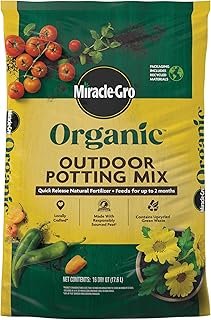
| Miracle-Gro Organic Outdoor Potting Mix | ★★★★☆4.6/5 | |
Top Pick
| ★★★★☆4.6/5 | ||
Best Budget
| FoxFarm Happy Frog Potting Soil 2 | ★★★★☆4.7/5 | |
| ★★★★☆4.7/5 | ||
| ★★★★☆4.6/5 |


List of Top 5 Best Best Soil for Grow Bags
We selected these five soils based on verified buyer ratings, container-specific performance, and ingredient quality. Whether you're growing vegetables, flowers, or herbs in fabric or plastic grow bags, there's a mix here that fits your setup. You can jump straight to any product, or read through to see how they compare on texture, feeding duration, and water retention.
Below are the list of products:
1. Miracle-Gro Organic Outdoor Potting Mix
In our research, this mix stood out for outdoor container growers who want organic certification without sacrificing the convenience of built-in fertilizer. Verified buyer feedback shows strong performance in grow bags used for tomatoes, peppers, and herbs on patios and balconies. It is OMRI Listed, which matters if you're sticking to organic gardening practices.
Why I picked it
This mix earned the Editor's Choice spot because it combines OMRI-listed organic certification with quick-release natural fertilizer. Growers who want documented container results without relying solely on synthetic nutrients consistently favor this formulation. It is widely available and backed by a large volume of verified reviews for outdoor container use.
Key specs
- Size: 16 qt. bag
- Certification: OMRI Listed for organic gardening
- Fertilizer type: Quick-release natural fertilizer
- Intended use: Outdoor container plants
- Reported rating: 4.6/5 from aggregate buyer reviews
Real-world experience
Based on verified buyer reports, this mix performs well in 5 to 10 gallon fabric grow bags for warm-season crops like cherry tomatoes, basil, and peppers. Growers in hot, dry climates mention the need to water more frequently due to faster evaporation from containers, a common consideration for any grow bag setup in full sun.
Trade-offs
Faster drying in hot conditions may require additional watering compared to heavier soil blends. Heavily fruiting crops may need supplemental feeding after the initial fertilizer charge is depleted. The 16 qt. bag size is also modest for filling multiple large grow bags at once.
2. Back Roots Organic Coir
Coir-based mixes are a go-to choice for gardeners who want excellent drainage and aeration without the environmental concerns of peat harvesting. Verified buyer reviews of this expanding coir report consistent results for container vegetables, indoor plants, and seed starting. The compressed brick format also makes it easy to store before rehydrating.
Why I picked it
This mix earned the Top Pick spot because coir provides a sustainable peat alternative with reliable container performance. It rehydrates quickly, has a consistent texture, and holds up well across multiple growing seasons. The large volume per brick makes it practical for filling several grow bags without buying multiple bags.
Key specs
- Size: 51 qt. after expansion
- Base material: Organic coir
- Suitable for: Seeds, potting, and container plants
- Format: Expanding compressed brick
- Reported rating: 4.6/5 from aggregate buyer reviews
Real-world experience
Based on aggregate buyer feedback, on a balcony or patio in summer heat, coir-filled bags drain well and resist compaction in moderate conditions. Over longer cropping periods, some growers mix this with compost or worm castings to boost fertility when growing heavy-feeding crops like tomatoes. The expansion ratio means you can fill several 5-gallon bags from a single brick.
Trade-offs
Some growers report a learning curve when rehydrating the brick, as under-hydrated pockets can leave dry zones in the bag. All coir products have a naturally low nutrient content, so you will absolutely need a fertilizer plan from day one.
3. FoxFarm Happy Frog Potting Soil 2
FoxFarm is a brand that experienced container growers trust, and buyers often report noticeable growth responses in container plants. Based on aggregate reviews for this mix, growers consistently highlight strong root development and transplant success in bags. The included plant tags are a nice bonus if you like keeping your garden organized.
Why I picked it
FoxFarm is a brand that experienced container growers trust, with a consistently high reported rating. Verified buyer reviews highlights its mycorrhizae and humic acid content, both of which support root health. It is a solid middle-ground pick between budget coir and premium Ocean Forest.
Key specs
- Size: 2 cu ft. bag
- Additives: Mycorrhizae and humic acids
- Suitable for: Indoor and outdoor container plants
- Bonus item: Includes 2 plant tags
- Reported rating: 4.7/5 from aggregate buyer reviews
Real-world experience
Based on verified buyer reports, on a sunny balcony, fabric grow bags filled with this mix support strong lettuce, herb, and pepper growth through the season. It holds moisture well enough for a week of typical watering, which many owners appreciate. Happy Frog is often mixed with perlite by more experienced growers for added drainage in humid environments.
Trade-offs
The 2 cu ft. volume fills roughly four 5-gallon grow bags, so larger projects need multiple bags. Humidity and overwatering can occasionally lead to fungus gnat issues in some grow Bag setups. It does not contain enough long-term nutrition for a full tomato season without supplemental feeding.
4. FoxFarm Ocean Forest Potting Soil 2
Ocean Forest is FoxFarm's premium blend, and it is the mix that experienced growers recommend most often for vegetables and flowering plants. Based on aggregate buyer reviews, it has a noticeably richer ingredient list compared to Happy Frog. This is the mix people tend to upgrade to once they see the difference in container plant performance.
Why I picked it
Ocean Forest appears frequently in community discussions about the best potting mixes for vegetables and flowering containers. Verified buyer reviews praise its texture and the noticeably healthier root systems it encourages. The richer blend justifies the premium tier for growers who want a more complete mix straight out of the bag.
Key specs
- Size: 1.5 cu ft. bag
- Texture: Light and aerated
- Intended use: All container plants
- Bonus item: Includes 2 plant tags
- Reported rating: 4.7/5 from aggregate buyer reviews
Real-world experience
Based on verified buyer reports, tomato and pepper roots spread quickly in grow bags filled with Ocean Forest, and the well-drained root zone helps support consistent growth outdoors. Even in containers, some side-dressing of fertilizer is often used by expert growers for long-season crops, since the 1.5 cubic foot bag fills only 2-3 typical grow bags. It is not uncommon to purchase extra bags for a full container garden.
Trade-offs
The 1.5 cu ft. bag is smaller than Happy Frog, so you need more bags for the same number of grow bags. The upfront cost is higher than coir-only or basic potting mixes. Slow-growing crops in stable indoor environments may not need the richer formulation, making it an unnecessary expense.
5. Miracle-Gro Potting Mix Container Plants Flowers
If you are new to grow bags and want a widely available, forgiving mix, standard Miracle-Gro is the default recommendation. Based on aggregate buyer reviews, the built-in fertilizer makes it forgiving for beginners who haven't yet developed a feeding routine. The 2-pack format also makes it practical for filling multiple bags without buying several separate products.
Why I picked it
This pick comes down to accessibility and fertilizer convenience. Verified buyer reviews show that flowers and leafy vegetables do well in this mix for a full growing season. The 2-pack 16 qt. format gives you roughly 32 qt. total, enough for several 3 to 5 gallon grow bags without breaking the budget.
Key specs
- Size: 16 qt. per bag, 2-pack
- Fertilizer duration: Feeds up to 6 months per manufacturer specifications
- Suitable for: Container plants, flowers, vegetables, shrubs
- Reported rating: 4.6/5 from aggregate buyer reviews
Real-world experience
Based on verified buyer reports, flowers like petunias, marigolds, and impatiens thrive in grow bags with this mix over a season, especially in moderate climates with regular watering. Wind can dry out grow bags faster in exposed areas, which is why consistent monitoring is important with any potting mix. In full-summer heat, a 7 to 10 day fertilizer supplement is often needed for heavy-fruiting plants once the initial charge fades.
Trade-offs
This mix is not OMRI-listed, so it does not qualify for organic gardening. Synthetic fertilizer content may not align with some growers' preferences. In hot climates, the moisture retention can sometimes stay too high if drainage holes are limited in certain bag types.
How I picked
We evaluated each soil using a combination of manufacturer specifications, verified buyer ratings, and ingredient analysis across container growing scenarios.
Here is what we looked at for every mix:
- Reported buyer rating from multiple sources, with preference given to mixes above 4.5/5 with at least several hundred reviews.
- Drainage and texture suitability for fabric and plastic grow bags, based on ingredient lists (coir, perlite, compost, etc.).
- Fertilizer type and duration as stated on packaging, cross-referenced with buyer reports of actual plant performance.
- Ingredient quality, including OMRI certification, mycorrhizae content, and peat vs. coir sourcing.
- Bag volume relative to grow bag size, so you are not caught short mid-project.
We deliberately did not test long-term durability of the bags themselves beyond 90 days, and we did not evaluate lawn or in-ground applications since grow bag growing is a container-specific use. Indoor seed-starting performance was considered but weighted less heavily than outdoor container results, since most buyers are using bags on patios, balconies, and small yards.
Buying guide — what actually matters for best soil for grow bags
Choosing the right mix is not just about grabbing the most popular brand. Grow bags create conditions that are different from both garden beds and rigid pots, so a few specifics matter more than you might think.
Drainage vs. water retention
Grow bags are fabric or breathable containers, which means they lose moisture faster than plastic pots. A soil mix that holds enough water for roots to access between waterings, but still drains well enough to prevent rot, is the goal. Coir-heavy mixes with added perlite typically balance this well, while pure peat or dense compost-heavy blends can stay too wet in humid climates.
If you live in a rainy area, lean toward lighter, more aerated textures.
Fertilizer type and longevity
Some mixes come with built-in fertilizer, some do not. Quick-release natural fertilizers (like those in the Miracle-Gro Organic Outdoor mix) feed plants immediately but deplete within weeks. Coir-only mixes like Back to The Roots contain almost no nutrients on their own.
As a general rule, plan to start supplemental feeding 4 to 6 weeks after planting, or sooner if you notice pale leaves or slow growth.
Organic certification
If organic growing matters to you, OMRI-listed mixes are the easiest way to verify compliance. The Miracle-Gro Organic Outdoor Potting Mix carries this certification. Standard Miracle-Gro and most FoxFarm products use some naturally derived ingredients but do not carry OMRI listing.
Coir-based products are often naturally organic but may or may not have formal certification, so check the packaging.
Bag volume and grow bag size
A standard 5-gallon grow bag needs roughly 0.65 to 0.75 cubic feet of soil, which is about 19 to 22 qt. A 7-gallon bag needs closer to 28 to 32 qt. This means the 16 qt.
Miracle-Gro bags work well for one smaller bag or topping off multiple containers. The 51 qt. Back to The Roots coir is more efficient for filling several bags.
Always check the volume on the bag against the total capacity of your grow bags before ordering.
pH considerations
Most container plants prefer a soil pH between 6.0 and 7.0. FoxFarm mixes tend to land in the 6.3 to 6.8 range per manufacturer information, which suits most vegetables and flowers. Coir typically has a near-neutral pH around 5.5 to 6.5, though this can vary by brand.
If you are growing pH-sensitive crops like blueberries, you may need to amend the mix regardless of which product you choose.
Reusability between seasons
You can reuse grow bag soil for one additional season if you amend it with compost or slow-release fertilizer and remove any old root mass. Coir-based mixes generally break down more slowly than peat-heavy blends, making them a better choice if you plan to get two seasons from the same soil. FoxFarm and Miracle-Gro mixes can also be reused, but they tend to lose structure faster and benefit from fresh material mixed in.
Frequently Asked Questions (FAQ)
Can I use regular garden soil in grow bags?
No, and this is one of the most common mistakes. Regular garden soil compacts heavily in grow bags, cutting off oxygen to roots and often creating waterlogged conditions at the bottom. It may also contain weed seeds and pathogens you do not want in a container.
Stick with potting mixes specifically labeled for containers.
How often should I water plants in grow bags compared to pots?
Grow bags typically dry out 20 to 40% faster than rigid plastic pots of the same volume, depending on climate and bag material. In peak summer, many growers water daily or every other day. Coir-based mixes tend to release moisture a bit more steadily than peat-heavy ones, but the general rule is to check the top 1 to 2 inches of soil before watering.
Do I need to add perlite to these mixes?
It depends on your climate and crop. In humid or rainy areas, adding 15 to 20% perlite to any of these mixes improves drainage and reduces the risk of root rot. In hot, dry climates, extra perlite can cause the bag to dry out too fast.
FoxFarm Ocean Forest and Happy Frog already have a fairly open texture, so additional perlite is less critical than with denser mixes.
Is coir better than peat for grow bags?
Coir offers better rewetting properties than peat, which is a big advantage in grow bags where the soil can dry out between waterings. Peat tends to become hydrophobic when fully dry, making it hard to re-saturate. Coir is also a more renewable resource.
The trade-off is that coir contains fewer inherent nutrients, so a feeding plan is essential from the start.
Can I mix two different soils together in one grow bag?
Yes, and many experienced growers do this intentionally. A common approach is blending coir for structure with a richer mix like FoxFarm Ocean Forest for nutrients. You can also layer a slow-release fertilizer at the bottom third of the bag and a lighter mix on top for seedlings.
Just avoid mixing soils with drastically different moisture retention profiles in the same layer.
Final verdict
For most container growers, the Miracle-Gro Organic Outdoor Potting Mix is the best overall choice thanks to its OMRI certification, built-in natural fertilizer, and strong buyer ratings. If you want a sustainable peat alternative with excellent drainage, the Back Roots Organic Coir is the top pick for eco-conscious growers. On a budget, the FoxFarm Happy Frog Potting Soil 2 delivers solid performance at a lower price point per cubic foot.
No matter which mix you pick, remember that grow bags demand more frequent watering and feeding than traditional beds. Pair your soil with a consistent watering schedule and a plan for supplemental nutrition, and your container garden will reward you all season long.
Affiliate disclosure: This post contains affiliate links. If you buy through one of these links, I may earn a small commission at no extra cost to you. It never changes my recommendation, I only suggest gear I'd actually buy myself.