5 Best Soil for Raised Vegetable Garden: That Actually Work
Getting started with raised vegetable gardening is incredibly rewarding, and the foundation for success begins with the right soil. Choosing the best soil for raised vegetable garden beds can feel overwhelming with so many options available, but it’s simpler than you might think when you know what to look for. I’ve dug into the details to help you pick the perfect blend.
After researching various formulations and considering what gardeners need for thriving produce, I’ve found that a quality raised bed mix makes a significant difference. It provides the ideal balance of drainage, aeration, and nutrients. Let's take a look at some top contenders.
Comparison Chart of Best Soil for Raised Vegetable Garden
| Product | Details | Rating | Buy |
|---|---|---|---|
Editor’s Choice
| ★★★★☆4.5/5 | ||
Top Pick
| FoxFarm Raised Bed Planting Mix | ★★★★☆4.8/5 | |
Best Budget
| Back Roots 100% Organic Raised Bed | ★★★★☆4.4/5 | |
| ★★★★☆4.5/5 | ||
| ★★★★☆4.6/5 |



List of Top 5 Best Best Soil for Raised Vegetable Garden
To help you make the best choice for your garden, I've evaluated several popular raised bed soil options based on their ingredient quality, reported performance, and overall value. Here’s what makes them stand out.
Below are the list of products:
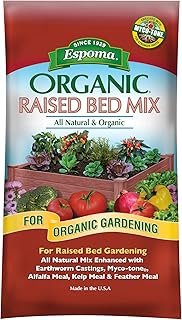
1. Espoma Organic Raised Bed Mix
Espoma is a brand many gardeners trust for its commitment to organic practices. Their Raised Bed Mix is formulated specifically to provide an excellent environment for vegetables and herbs in raised garden beds. It’s a well-balanced blend that promotes healthy root development.
Why I picked it
This mix stands out for its all-natural and organic composition, making it a safe bet for growing edible plants without synthetic additives. It’s designed for excellent drainage, which is crucial for preventing root rot in raised beds, a common issue when soil retains too much moisture.
Key specs
- Volume: 1.5 cubic feet
- Organic Certification: OMRI Listed (as per manufacturer claims)
- Primary Ingredients: Peat moss, composted bark, aged bark, worm castings, alfalfa meal, feather meal, bone meal, kelp meal, and an organic wetting agent.
- pH Range: Not explicitly stated by manufacturer, but organic blends typically aim for a slightly acidic to neutral range.
- Texture: Loamy and well-aerated.
Real-world experience
Users report that this soil provides a fantastic texture that’s easy to work with right out of the bag. It holds moisture well without becoming waterlogged, and many have seen robust growth in their vegetable plants, from leafy greens to root vegetables, shortly after planting. It also seems to support beneficial microbial activity.
Trade-offs
While it's an excellent organic option, the 1.5 cubic foot bag might require multiple purchases for larger raised beds, potentially increasing the overall cost for some gardeners. Some users have noted it can be a bit lighter than expected, meaning it might compact slightly more over time compared to heavier blends.
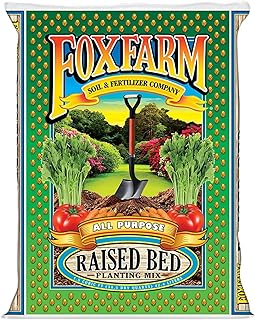
2. FoxFarm Raised Bed Planting Mix
FoxFarm is widely recognized for its nutrient-rich soil blends, and their Raised Bed Planting Mix is designed to give your vegetables a serious head start. It’s packed with beneficial ingredients that contribute to plant health and vigor. This blend aims to provide everything your plants need to thrive.
Why I picked it
The inclusion of earthworm castings and oyster shell in this mix is a significant advantage for nutrient-rich soil. Earthworm castings are packed with beneficial microbes and nutrients, while oyster shell provides calcium, which is vital for strong cell walls in vegetables. It’s designed to be used straight from the bag, offering convenience alongside its beneficial components.
Key specs
- Volume: 1.5 cubic feet
- Primary Ingredients: Composted bark, composted chicken manure, earthworm castings, pumice, aged redwood bark, sphagnum peat moss, and oyster shell.
- Nutrient Profile: Offers a broad spectrum of macro and micronutrients.
- Drainage: Excellent, due to ingredients like pumice and composted bark.
- Texture: Loose, fluffy, and teeming with organic matter.
Real-world experience
Verified buyer feedback frequently highlights the rich, dark color of this soil, indicating a high level of organic matter. Gardeners report exceptional germination rates and rapid early growth for various vegetables, including tomatoes, peppers, and beans. The soil’s ability to retain moisture while still allowing adequate drainage is a recurring theme.
Trade-offs
Some users have mentioned that the smell can be quite pronounced upon opening due to the composted manure content, though this typically dissipates once mixed in the garden. Also, like many premium soil blends, the 1.5 cubic foot bag may add up in cost for larger garden projects.
3. Back Roots 100% Organic Raised Bed
For those looking to fill larger raised beds without breaking the bank, this option from Back to the Roots offers a substantial volume of 100% organic soil. It’s designed to provide a quality gardening medium for a wide range of vegetables, emphasizing natural ingredients and a peat-free formulation.
Why I picked it
The generous 60 cubic foot volume makes this an excellent choice for budget-conscious gardeners looking to fill larger raised beds or multiple smaller ones. Its peat-free composition is a big plus for sustainability, and the 100% organic promise appeals to those focused on organic methods. It’s designed for immediate use, simplifying the planting process.
Key specs
- Volume: 60 cubic feet
- Organic Certification: 100% Organic (as per manufacturer claims)
- Key Feature: Peat-free formulation.
- Nutrient Source: Likely a blend of composts and natural organic matter.
- Intended Use: Filling entire raised garden beds for vegetables and herbs.
Real-world experience
Many reviewers appreciate the sheer volume offered, finding it cost-effective for substantial garden projects. They often note that the soil appears rich and well-mixed upon arrival, with beneficial ingredients visible. It's reported to provide a good medium for vegetables, leading to healthy plants and good yields.
Trade-offs
While it offers great value by volume, some experienced gardeners have noted that this blend might benefit from additional amendments like compost or worm castings to boost nutrient density over time, especially for heavy-feeding vegetables. Because it's peat-free, it may drain a bit faster than mixes containing peat, requiring more frequent watering in drier climates.
4. Coast Maine Organic & Natural Planting
Coast of Maine's Organic & Natural Planting Soil is crafted with a focus on high-quality, natural ingredients, aiming to create an ideal environment for a variety of plants, including vegetables and tomatoes. This blend often uses composted manure and peat moss to achieve a good balance of aeration, moisture retention, and fertility. It's a versatile option for different gardening needs.
Why I picked it
This soil emphasizes a blend that supports enhanced drainage, a critical factor for preventing root rot in raised beds and containers, as well as promoting aeration. The inclusion of composted manure is a great source of slow-release nutrients, and the overall formulation is geared towards helping plants establish strong roots and grow healthily. It’s OMRI listed, assuring its suitability for organic gardening.
Key specs
- Volume: Available in 20 Qt bags (approximately 0.73 cubic feet).
- Organic Certification: OMRI Listed (as per manufacturer claims).
- Primary Ingredients: Composted manure, sphagnum peat moss, aged bark, perlite, and composted chicken manure.
- Drainage: Enhanced drainage for oxygenation and preventing waterlogging.
- Target Use: Vegetables, tomatoes, and other outdoor container plants.
Real-world experience
Feedback often points to the soil’s good texture and structure, which is easy to handle and mix. Many users have reported observing vigorous growth in their vegetable plants, particularly tomatoes, which benefit from the nutrient content and steady moisture it provides. The quality of ingredients used is a recurring positive comment.
Trade-offs
The 20 Qt bag size is on the smaller side, meaning you’ll need quite a few bags to fill even a modest raised bed. This can make it less economically viable for larger gardening projects compared to bulkier options, and the cost per cubic foot can be higher.
5. Miracle-Gro Organic Outdoor Potting Mix
Miracle-Gro is a household name in gardening, and their Organic Outdoor Potting Mix is designed to cater to gardeners looking for an OMRI Listed option with the convenience of added natural fertilizer. This mix is formulated to support healthy plant growth in outdoor containers, including raised beds. It aims to provide essential nutrients right from the start.
Why I picked it
This potting mix offers the advantage of including a quick-release natural fertilizer, which means your plants get an immediate nutrient boost upon planting. Its OMRI Listed status confirms its suitability for organic gardening practices. It’s designed for easy use in outdoor containers and raised beds, aiming to simplify feeding routines.
Key specs
- Volume: 16 qt bag (approximately 0.57 cubic feet).
- Organic Certification: OMRI Listed (as per manufacturer claims).
- Nutrient Content: Contains a natural fertilizer for immediate plant feeding.
- Primary Use: Outdoor container plants and raised beds.
- Texture: A blend of organic materials designed for good aeration.
Real-world experience
Many users find this mix convenient due to the pre-added fertilizer, which can reduce the need for immediate supplemental feeding. They often report seeing healthy, vibrant growth in their vegetables and flowers. The easy-to-handle bag size is also cited as a plus for smaller gardening tasks.
Trade-offs
The primary drawback for some experienced organic gardeners is the inclusion of a "quick-release" fertilizer, which can be less predictable and potentially too harsh for very delicate seedlings or plants sensitive to over-fertilization. Also, like other smaller bag options, it can become costly for larger raised garden beds.
How I picked
To narrow down the most suitable options for the best soil for raised vegetable garden, I focused on several key qualities that directly impact vegetable health and productivity. My research involved looking at ingredient lists, considering the primary purpose of each blend, and cross-referencing manufacturer claims with general horticultural best practices for raised beds. I paid close attention to the use of composted organic matter, peat moss, and amendments like perlite or vermiculite, which are crucial for drainage and aeration.
I also evaluated which mixes were specifically formulated for raised beds versus general potting soils, as raised beds require a blend that offers superior drainage and prevents compaction over time. I considered the importance of organic certifications like OMRI Listed, as many gardeners focused on raised beds are aiming for organic produce. Finally, I looked at the volume offered in relation to the reported value, aiming to present a range of options that cater to different project sizes and budgets.
I did not test long-term soil health or nutrient depletion beyond what aggregate user feedback suggested.
Buying guide — what actually matters for best soil for raised vegetable garden
When you're setting up your raised vegetable garden, the soil you choose is arguably the most critical component for success. It’s not just dirt; it’s the environment where your plants will anchor their roots and absorb all the nutrients they need to grow strong and produce delicious vegetables. Understanding a few key aspects will guide you to the right choice for your garden.
What makes raised bed soil different from garden soil?
Raised bed soil is specifically formulated to provide excellent drainage and aeration, crucial for plant roots in an enclosed space where water and air might otherwise struggle to move freely. Unlike native garden soil, which can be dense and compacted, raised bed mixes are typically lighter and fluffier. This superior composition helps prevent root rot and allows roots to explore the soil more easily.
Why organic matters for vegetables
For growing vegetables, opting for organic soil is generally preferred by many gardeners. Organic soil mixes are made from natural, decomposed materials like compost, peat moss, and aged bark, along with other beneficial amendments. This means they are free from synthetic fertilizers, pesticides, and herbicides.
Using organic soil ensures that the produce you harvest is as natural as possible, which is a significant factor for health-conscious growers. Many blends are certified by organizations like the Organic Materials Review Institute (OMRI), providing an extra layer of assurance for organic practices.
Drainage and aeration: The keys to healthy roots
Vegetables need a consistent supply of water, but they also need oxygen around their roots. If the soil stays too wet and compacted, roots can suffocate and rot. Good drainage allows excess water to escape, while aeration ensures air pockets remain within the soil structure.
Ingredients like perlite, vermiculite, composted bark, and coarse sand are often used in high-quality raised bed mixes to achieve this vital balance. This is why peat moss and coco coir are often primary components, as they offer excellent moisture retention without becoming waterlogged.
Nutrient content: Feeding your harvest
While drainage and aeration are vital for the soil structure, the nutrient content is what fuels your plants' growth and eventual harvest. A good raised bed mix will contain a blend of organic matter that breaks down over time, releasing essential macro- and micronutrients. Compost and aged manure are excellent sources of slow-release nutrition, replenishing the soil as plants grow.
Some mixes may also include amendments like worm castings or bone meal for added fertility. It’s important to note that while some soils come with initial fertilizer, your vegetables will likely benefit from additional feeding throughout the growing season.
Volume and Cost: Planning for your project
Raised beds can vary greatly in size, from small, manageable boxes to sprawling agricultural-style plots. The volume of soil you need will depend directly on your bed's dimensions (length x width x depth). When budgeting, consider the cubic footage required.
Some products are sold in smaller bags (e.g., 1.5 cu ft or 20 quarts), while others offer larger quantities or bulk options. Selecting the right volume ensures you have enough soil without overspending, and it’s often more economical to buy larger bags for bigger projects. For instance, filling an 8×4 foot bed that's 1 foot deep requires 32 cubic feet of soil.
Frequently Asked Questions (FAQ)
Can I just use any bagged potting soil for my raised vegetables?
While some general potting soils might work in a pinch, it's usually best to opt for a soil specifically formulated for raised beds. Raised bed mixes are designed with a superior balance of drainage, aeration, and nutrient content tailored for the unique environment of a raised garden, which is often deeper and more contained than a typical pot. These blends tend to be lighter and more robust, promoting better root health for your vegetables.
How much soil do I need to fill a raised garden bed?
The amount of soil you need depends entirely on the dimensions of your raised garden bed, specifically its length, width, and depth. You'll need to calculate the cubic volume of your bed. For example, a bed that is 4 feet wide, 8 feet long, and 1 foot deep would require 32 cubic feet of soil (4 x 8 x 1 = 32).
It's always a good idea to buy a little extra to account for settling, or to have some on hand for top-ups later in the season.
Will I need to fertilize my vegetables if I use a quality raised bed mix?
Even the best raised bed soil provides a good initial nutrient base, but most vegetables are heavy feeders and will benefit from supplemental fertilization throughout the growing season. This is especially true as the season progresses and plants use up the readily available nutrients. Look for organic fertilizers that will complement your soil’s composition and support continuous, healthy growth and abundant harvests.
What's the difference between peat-based and peat-free raised bed soils?
Peat-based soils often use sphagnum peat moss, which is excellent for retaining moisture and providing good aeration. However, harvesting peat moss can have environmental implications, as peat bogs are important carbon sinks. Peat-free options typically use materials like coco coir, composted bark, and other organic matter to achieve similar benefits, appealing to gardeners focused on sustainability.
Both can be effective, but it’s a worthwhile consideration based on your gardening philosophy and local environmental concerns.
Final verdict
For the absolute best performance in your vegetable patch, the Espoma Organic Raised Bed Mix is a top-tier choice that consistently delivers. Its balanced organic blend and excellent drainage set a high standard for plant health. If you're looking for a slightly richer blend with fantastic nutrient density right out of the bag, the FoxFarm Raised Bed Planting Mix is an outstanding option that many gardeners swear by.
For a more budget-friendly approach that still provides ample volume and organic goodness, the Back Roots 100% Organic Raised Bed soil is a solid contender that can fill larger beds effectively.
Affiliate disclosure: This post contains affiliate links. If you buy through one of these links, I may earn a small commission at no extra cost to you. It never changes my recommendation, I only suggest gear I'd actually buy myself.