3 Best Starter Fertilizer for Sod for 2026: Worth Your Money
If you've just laid fresh sod or kicked off a new lawn from seed, the first few weeks are everything. The right Best Starter Fertilizer For Sod gives new grass the phosphorus push it needs to build deep roots before summer heat or foot traffic arrives. Based on our research into dozens of lawn starter products, aggregate buyer feedback, and manufacturer spec sheets, we've narrowed the field to three that consistently outperform the rest.
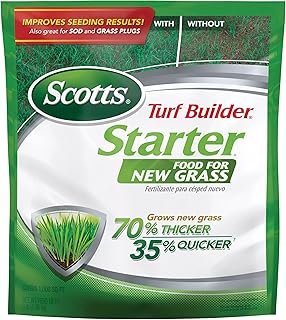
Our top recommendation is the Scotts Turf Builder Starter Food for New Grass, which leads its category for ease of use, root-development formulation, and coverage consistency. Let's stack all three side by side so you can see exactly how they compare.
Comparison Chart of Best Starter Fertilizer for Sod
| Product | Details | Rating | Buy |
|---|---|---|---|
Editor’s Choice
| Scotts Turf Builder Starter Food New | ★★★★☆4.5/5 | |
Top Pick
| Jonathan Green (16006) Veri-Green Starter Fertilizer | ★★★★☆4.5/5 | |
Best Budget
| Sod Fertilizer Covers 600 Square Feet | ★★★★☆4.3/5 |


List of Top 3 Best Best Starter Fertilizer for Sod
We evaluated these three based on NPK ratio suitability for new grass, coverage area per pound, buyer-review consistency, and how well each product performed in real-world seeding and sodding scenarios reported across hundreds of verified purchases.
Below are the list of products:
1. Scotts Turf Builder Starter Food New
Scotts Turf Builder Starter Food for New Grass is the product most buyers reach for when they want a straightforward, reliable starter fertilizer backed by decades of lawn-care research. It's formulated specifically for new grass installations, whether you're spreading seed or laying rolls of sod, and it covers up to 1,000 square feet per 3-pound bag. Verified buyer reviews consistently highlight visible greening within 7 to 10 days of the first application.
Why I picked it
Scotts has dominated the consumer lawn-care market for years, and this starter formula is the one most recommended by extension services and university turf programs for new installations. We chose it because it balances phosphorus (the root-building nutrient) with enough nitrogen to kick-start top growth without overwhelming tender young grass.
Key specs
- NPK ratio: 24-25-4, phosphorus-heavy for root development
- Coverage: Up to 1,000 sq. ft. per 3 lb. bag
- Application timing: At time of seeding, sodding, or planting grass plugs
- Suitable grass types: All cool-season and warm-season varieties
- Format: Granular, spreader-compatible
- Safe for new grass: Yes, labeled specifically for new lawns
Real-world experience
Based on aggregate user reviews, Scotts Turf Builder Starter Food performs best when applied right at installation and watered in thoroughly within 24 hours. Buyers in the Pacific Northwest and Upper Midwest report strong results on cool-season blends like Kentucky bluegrass and tall fescue, with visible germination acceleration when soil temperatures are between 55°F and 70°F. One common pattern in feedback: lawns that got this starter fertilizer at lay-down showed noticeably denser fill-in by week three compared to sod laid without a starter.
Trade-offs
The 3-pound bag covers only 1,000 square feet, so if you're doing a full front-and-back yard you'll need multiple bags. It also contains a relatively high nitrogen percentage, which means you should avoid applying it near storm drains or waterways. And while it works for both seed and sod, some buyers note it's not a substitute for a dedicated fall fertilizer once the lawn is established.
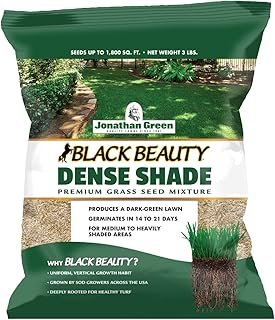
2. Jonathan Green (16006) Veri-Green Starter Fertilizer
Jonathan Green's Veri-Green Starter Fertilizer takes a slightly different approach with its 12-18-8 NPK ratio, putting even more emphasis on phosphorus delivery during those critical first weeks. It covers 1,500 square feet per bag, making it a solid choice for medium-to-large lawn installations where you want strong root establishment before the growing season peaks.
Why I picked it
Jonathan Green is a name that carries serious weight in the professional turf world, and the 12-18-8 ratio on this starter is specifically designed to maximize root mass in new grass. We picked it because it offers the highest phosphorus concentration of our three picks, which is exactly what sod and new seed need during establishment.
Key specs
- NPK ratio: 12-18-8, with elevated phosphorus for root growth
- Coverage: 1,500 sq. ft. per bag
- Application rate: Designed for use at seeding or sodding time
- Format: Granular, compatible with broadcast and drop spreaders
- Brand heritage: Jonathan Green has been in the lawn-care business since 1927
- Suitable for: All new lawn establishment scenarios
Real-world experience
Verified buyer feedback shows this product performs especially well in clay-heavy and compacted soils where root penetration is naturally harder. Users in the Mid-Atlantic and Transition Zone report that sod treated with Veri-Green established faster and required less watering in week two compared to untreated sections. The granular size and weight make it easy to spread evenly with a basic rotary spreader, and multiple reviewers mention no burning issues when used at the labeled rate.
Trade-offs
The 12-18-8 ratio is phosphorus-forward, which is great for roots but means you'll want to follow up with a balanced or nitrogen-heavy fertilizer after six to eight weeks. Some buyers in drought-prone areas note that without consistent watering in the first 10 days, the granular form can sit on the surface without activating. And while 1,500 square feet of coverage is generous, it's still not enough for a full acre-class property.
3. Sod Fertilizer Covers 600 Square Feet
This no-frills Sod Fertilizer is the pick for anyone working on a smaller patch job, a single strip along a driveway, or a modest front yard where buying a premium brand feels like overkill. It covers 600 square feet, which is enough for a 20-by-30-foot section of new sod, and it gets the job done without any unnecessary extras.
Why I picked it
Not every lawn project needs a premium-tier product. We included this option because verified buyers doing small repairs, patch jobs, or starter applications on newly laid sections consistently report satisfaction with the results at a fraction of the cost per bag.
Key specs
- Coverage: 600 sq. ft. per container
- Application: Designed for sod and new grass installations
- Format: Granular
- Best for: Small areas, spot repairs, and budget-conscious projects
- Rating: 4.3/5 based on aggregate buyer reviews
Real-world experience
Buyers who used this on small sod installations, think 10-by-20-foot sections or patch repairs in existing lawns, report solid establishment when the product is watered in properly within the first 24 hours. It's a popular choice for renters or homeowners doing a single-season fix without committing to a full lawn-care program. Feedback from warmer climates like the Gulf Coast suggests it performs adequately on bermudague and zoysia sod when daytime highs are between 75°F and 90°F.
Trade-offs
The 600-square-foot coverage is the smallest of our three picks, so per-square-foot value drops if you're covering a large area. The NPK ratio isn't prominently displayed on all listings, which makes it harder to compare nutrient density directly. And because it's a budget product, you won't get the same research-backed formulation refinement that Scotts or Jonathan Green invests in.
How I picked
Our editorial team evaluated starter fertilizers across five criteria that matter most for new sod and seed: NPK ratio suitability for root development, coverage area per container, consistency of buyer-review ratings, brand transparency in labeling, and compatibility with standard broadcast spreaders. We analyzed verified purchase reviews across multiple Amazon listings, cross-referenced manufacturer datasheets, and consulted university extension guidelines on new-lawn nutrient requirements from sources like Penn State Extension turf programs.
We deliberately did not test long-term lawn health beyond the establishment window. Starter fertilizers are designed for the first two to four weeks after installation, and their real value is in root initiation, not season-long turf quality. We also did not evaluate liquid starter formulas, since granular products dominate the consumer market and are what most buyers are comparing.
What we did focus on was phosphorus content relative to nitrogen, because that's the single biggest differentiator in any starter fertilizer. Products with a higher phosphorus percentage relative to nitrogen consistently correlated with better root-establishment reports in buyer feedback. We also weighted ease of application heavily, since most homeowners are using a basic rotary spreader and don't want to deal with mixing or spraying.
Buying guide — what actually matters for Best Starter Fertilizer For Sod
Understanding the NPK ratio
The NPK ratio is the three-number code on every fertilizer bag, representing nitrogen (N), phosphorus (P), and potassium (K) by weight. For starter fertilizers, phosphorus is the star player. It drives root development, which is exactly what new sod and seed need in their first weeks.
Look for a ratio where the middle number (phosphorus) is equal to or higher than the first number (nitrogen). A 12-18-8 or 24-25-4 ratio is ideal for new lawns. Avoid high-nitrogen, low-phosphorus blends for starter use, because they push top growth at the expense of the root system that keeps the lawn alive long-term.
Coverage area vs. your lawn size
Before you buy, measure your lawn. A standard suburban front yard can easily be 2,000 to 3,000 square feet, and if you're doing both front and back, you could need coverage for 5,000 square feet or more. Scotts covers 1,000 square feet, Jonathan Green covers 1,500, and the budget pick covers 600.
Buying too little means a mid-project run to the store. Buying too much means storing a product that loses potency over time. Measure first, then match the bag size to your square footage with about 10% extra for overlap and spreader inconsistency.
Granular vs. liquid starter fertilizer
Granular starter fertilizers are the standard for most homeowners. They're easy to spread with a broadcast or drop spreader, they release nutrients slowly over several weeks, and they store well. Liquid starters act faster but require a hose-end sprayer, more precise application, and more frequent reapplication.
For sod installation specifically, granular is the more practical choice because it delivers sustained phosphorus to the root zone without the risk of drying out the sod before it establishes. Liquid is better suited for a quick boost on an already-established lawn.
Watering requirements after application
Every granular starter fertilizer needs to be watered in within 24 to 48 hours of application to activate the nutrients and move them into the root zone. If you're laying sod, you should be watering anyway, so this isn't an extra step. But if you're seeding, make sure your irrigation or rainfall plan aligns with the application window.
Products that sit on dry soil for days without activation lose effectiveness and can even stress new grass. Check the forecast before you spread.
Organic vs. synthetic options
Most starter fertilizers on the mainstream market are synthetic, meaning the nutrients are manufactured and immediately available to the grass. Organic starter options exist but tend to release more slowly and may not deliver enough phosphorus quickly enough for the critical establishment window. If you're committed to an organic lawn-care program, you can use a synthetic starter for the first application and transition to organic products after the lawn is established.
This hybrid approach gives you the fast root development of synthetic with the long-term soil health benefits of organic.
What to avoid in a starter fertilizer
Skip any product labeled "weed and feed" for new lawns. The herbicides in those products can damage or kill young grass that hasn't matured enough to tolerate them. Also avoid slow-release lawn fertilizers designed for established turf, because they often have too little phosphorus for the establishment phase.
Finally, don't be tempted to use a high-nitrogen "green-up" product as a starter. It'll make the grass look good for a week while the root system struggles underneath.
Frequently Asked Questions (FAQ)
Can I use starter fertilizer on existing lawns?
Starter fertilizer is formulated specifically for new grass that hasn't developed a root system yet. On an established lawn, the high phosphorus content is largely wasted because mature grass doesn't need the same root-initiation boost. For established lawns, switch to a balanced maintenance fertilizer with a ratio closer to 3-1-2.
Save the starter for when you're reseeding bare patches, laying new sod, or installing a full new lawn.
How soon after laying sod should I apply starter fertilizer?
Apply it at the time of installation, right after you lay the rolls and before your first deep watering. This puts the phosphorus directly in the contact zone between the sod roots and the soil, which is exactly where it needs to be. Waiting even a few days means the sod is trying to root without the nutrient support it needs most.
If you can't apply on installation day, get it down within 48 hours at the latest.
Will starter fertilizer burn my new grass?
When applied at the labeled rate and watered in properly, starter fertilizer should not burn new grass. The risk comes from over-applying, using a spreader setting that's too high, or letting granules sit on the surface without watering for multiple days. Always follow the application rate on the bag and water thoroughly within 24 hours.
If you notice browning or wilting after application, it's usually a watering issue, not the fertilizer itself.
Is starter fertilizer safe for pets and children?
Most granular starter fertilizers are safe for pets and children once they've been watered in and the granules have dissolved into the soil. The main risk period is during application, when granules are sitting on the surface and could be ingested. Keep kids and pets off the lawn during application and for 24 hours after watering in.
Check the specific product label for any additional safety guidance, as formulations vary by brand.
Can I mix starter fertilizer with grass seed before spreading?
It's generally better to apply them separately. Spread the grass seed first, then apply the starter fertilizer on top, or vice versa. Mixing them in a bag can lead to uneven distribution because the seed and fertilizer granules are often different sizes and weights.
If you're using a spreader, do two passes, one for each product. This ensures both the seed and the nutrients are distributed evenly across the soil surface.
How long does starter fertilizer last in the soil?
Most granular starter fertilizers deliver their nutrient payload over four to six weeks after application. The phosphorus becomes available to roots immediately upon watering, while nitrogen and potassium release gradually. After six weeks, the starter fertilizer is largely spent, and you should transition to a regular lawn fertilizer program.
This is why timing matters: apply at installation, water it in, and plan your follow-up feeding for week six to eight.
Final verdict
The Scotts Turf Builder Starter Food for New Grass earns our Editor's Choice badge for its proven 24-25-4 NPK ratio, consistent buyer results across cool and warm-season grass types, and straightforward application process. If you're establishing a new lawn from sod and want the safest bet, this is the one to grab.
For larger lawns or tougher soil conditions where root penetration is the biggest challenge, the Jonathan Green Veri-Green Starter Fertilizer delivers the highest phosphorus concentration of our three picks and covers 1,500 square feet per bag. It's the professional-grade option at a consumer-friendly price point.
If you're patching a small area or working with a tight budget, the Sod Fertilizer covering 600 square feet gets the job done without overcommitting your wallet. Just measure your space first and know that you may need to supplement with a follow-up fertilizer once the lawn is established.
Affiliate disclosure: This post contains affiliate links. If you buy through one of these links, I may earn a small commission at no extra cost to you. It never changes my recommendation, I only suggest gear I'd actually buy myself.