Guide to Common Lawn Aeration Mistakes: What Actually Works
You notice your lawn looking thin and water spotting unevenly. The culprit often hides in how you aerate it. Common lawn aeration mistakes can silently ruin root growth and waste time.
Our research shows that many homeowners skip key depth or timing cues, leading to shallow penetration. Many over‑use passes or dull tines, which damages turf. As of 2026, EPA guidelines stress proper fueling and noise limits.
This guide walks you through the most frequent errors, how to spot them, and the fixes that work.
Quick Answer
Common lawn aeration mistakes include too shallow depth, over‑aeration, and dull tines. Shallow penetration fails to reach the root zone. Excessive passes compact soil and strip grass.
Dull or broken tines tear turf and leave uneven holes. Ignoring timing or weather also reduces benefits.
Spotting Shallow Depth Errors: When Aeration Misses the Root Zone
When depth is under two inches for cool‑season grass, roots stay near the surface. Roots for most turf types extend four to six inches below grade. Soil under‑aeration leaves compaction untouched, limiting water flow.
Homeowners often see brown patches where water runs off quickly. Mark your soil with a stick after each pass to verify depth. The extra visual cue prevents repeated shallow runs.
For indoor planting ideas, see the guide on bedroom plants.
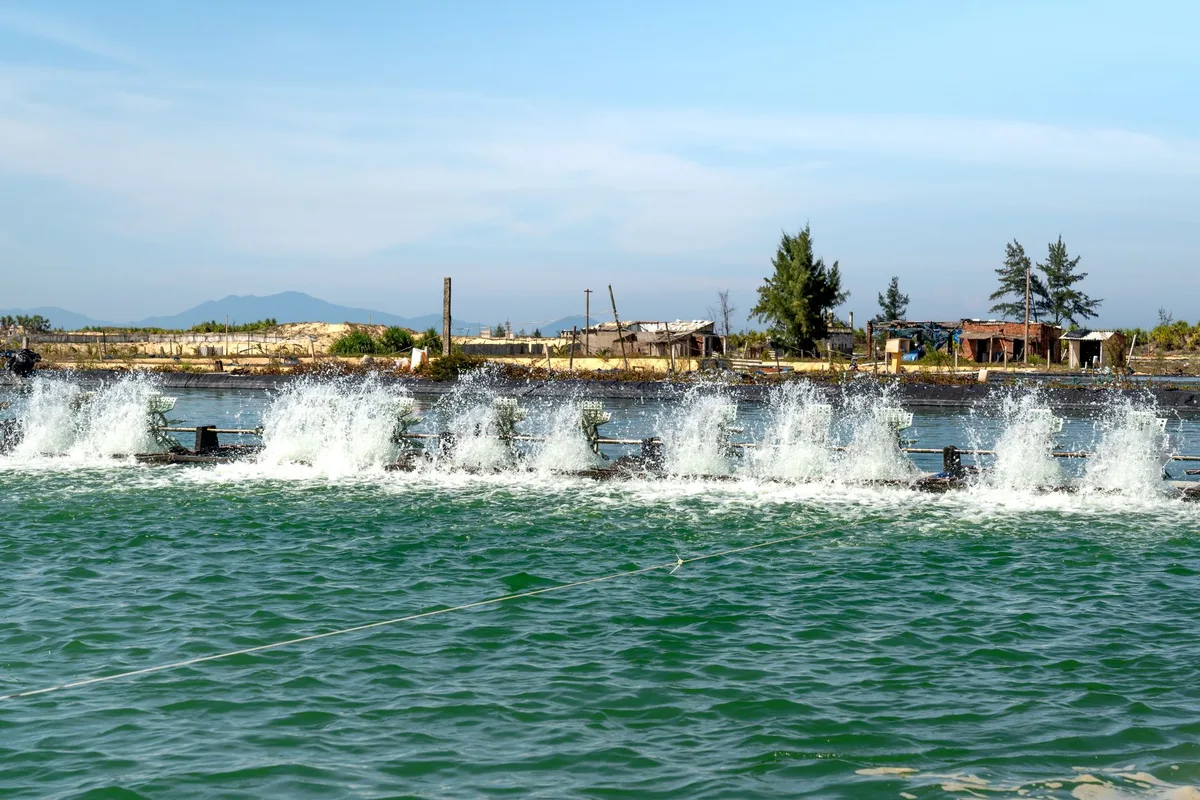
A soil probe can confirm if plugs reach the target depth. If you pull a plug and it’s less than two inches, reset the machine. Shallow passes also waste fuel and time, so dial in the correct setting early.
Many rental shops recommend starting at the shallowest depth and increasing only if the soil remains firm. Use a tape measure to track overlap; most machines need 25‑30 % overlap per pass.
Core vs Spike Aerators: Selecting the Right Tool for Your Soil Type
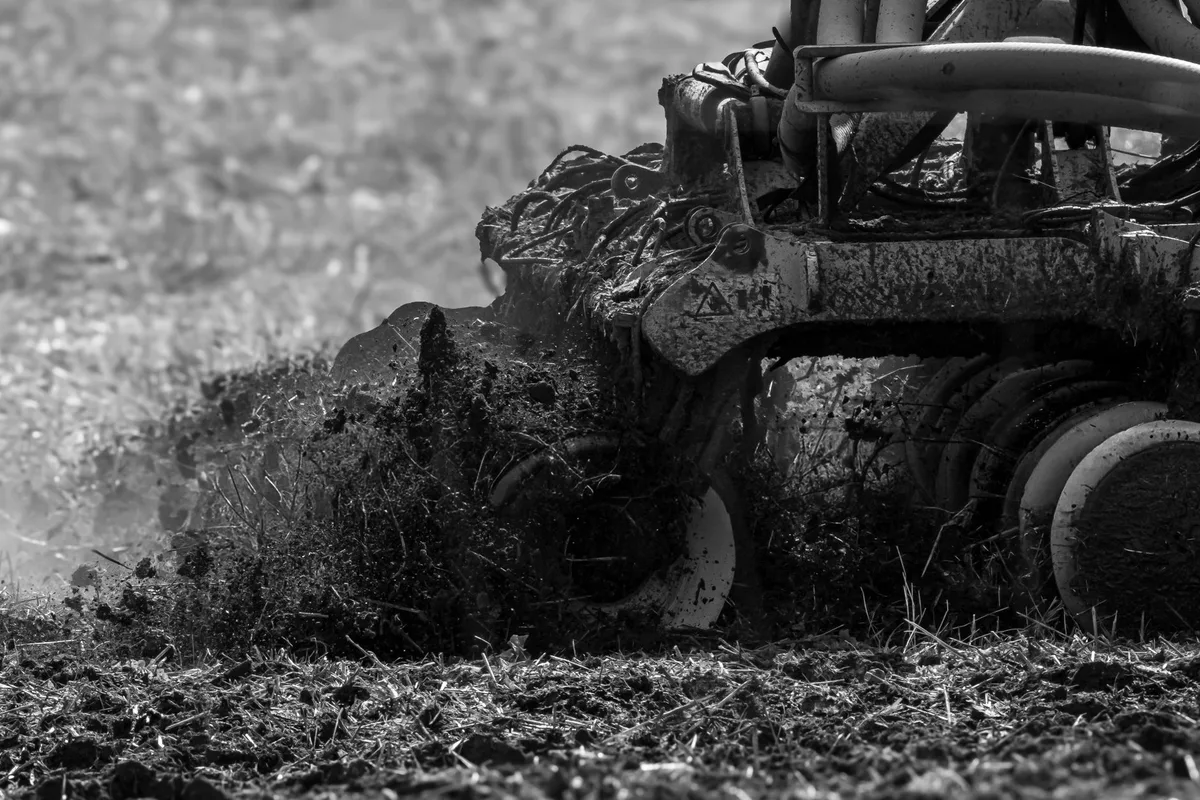
A core aerator removes soil plugs, breaking up compaction directly. Spike aerators simply punch holes without removing material. Core machines work best on clay soils that compact easily.
Spike tools are lighter and faster on sandy or well‑draining ground. Manufacturer specs indicate core depth settings of 2‑4 inches for cool‑season grass, versus 3‑4 inches for warm‑season varieties. If your lawn is heavily trafficked, choose a commercial‑grade core aerator with a 3‑hp engine.
For nutrient tips for fruit trees, check out the pomegranate fertilizer guide. The comparison table below helps you decide:
| Feature | Core Aerator | Spike Aerator |
|---|---|---|
| Soil removal | Yes | No |
| Tine wear | Moderate | Low |
| Best for clay | High | Low |
| Power needed | 2‑5 hp | 1‑2 hp |
| Noise level | ≤85 dB | ≤80 dB |
| Rental cost/day | $75‑$120 | $45‑$80 |
Choosing the right tool saves time and protects turf health. The decision also hinges on how frequently you plan to aerate. A core aerator can be used once yearly, while spike tools may be applied quarterly.
Seasonal Timing: Ideal Windows for Warm‑Season and Cool‑Season Lawns
Cool‑season grasses thrive when you aerate in early fall, after peak growth. Soil temperatures between 50‑65 °F support root recovery. The first frost usually follows, allowing new growth before winter.
Late summer, around mid‑August, also works if the weather stays mild. For warm‑season grass, aim for late spring, once soil reaches 65‑70 °F. Early June works well in most regions, giving the turf three months to heal before cooler weather.
Timing matters more than calendar dates, so monitor soil temperature with a cheap probe. If you need indoor seedling care, explore the grow light seedlings resource. Quick tip: avoid aerating during drought or extreme heat, as stress compounds from the process.
DIY Core Aeration Workflow: Prep, Depth Settings, and Overlap Patterns
Start by mowing the lawn to one to two inches high. Remove any debris that could jam the tines. Water the lawn lightly 24 hours before, keeping the soil moist but not soggy.
Check the depth dial on the core aerator, setting it to the recommended two to three inches for most lawns. Begin the first pass north‑to‑south, overlapping each pass by roughly 25 %. Complete a second pass east‑to‑west for even coverage.
If you are using a walk‑behind machine, keep the handle steady to avoid missed strips. After the passes, water the lawn again for 20‑30 minutes to settle the plugs. For reference, the table below lists common tools and typical rental rates:
| Tool Type | Daily Rental | Purchase Range | Key Specs |
|---|---|---|---|
| Walk‑behind core aerator | $85 | $250‑$600 | 2‑hp, 2‑4 in depth |
| Electric aerator | $60 | $350‑$800 | 1‑hp, 2‑3 in depth |
| Hand‑held core aerator | $30 | $120‑$250 | 0.5‑hp, 1‑2 in depth |
Watch for hot spots where the machine vibrates excessively. Adjust the tines if they wobble. After the work, clean the machine with a brush and store it in a dry garage.
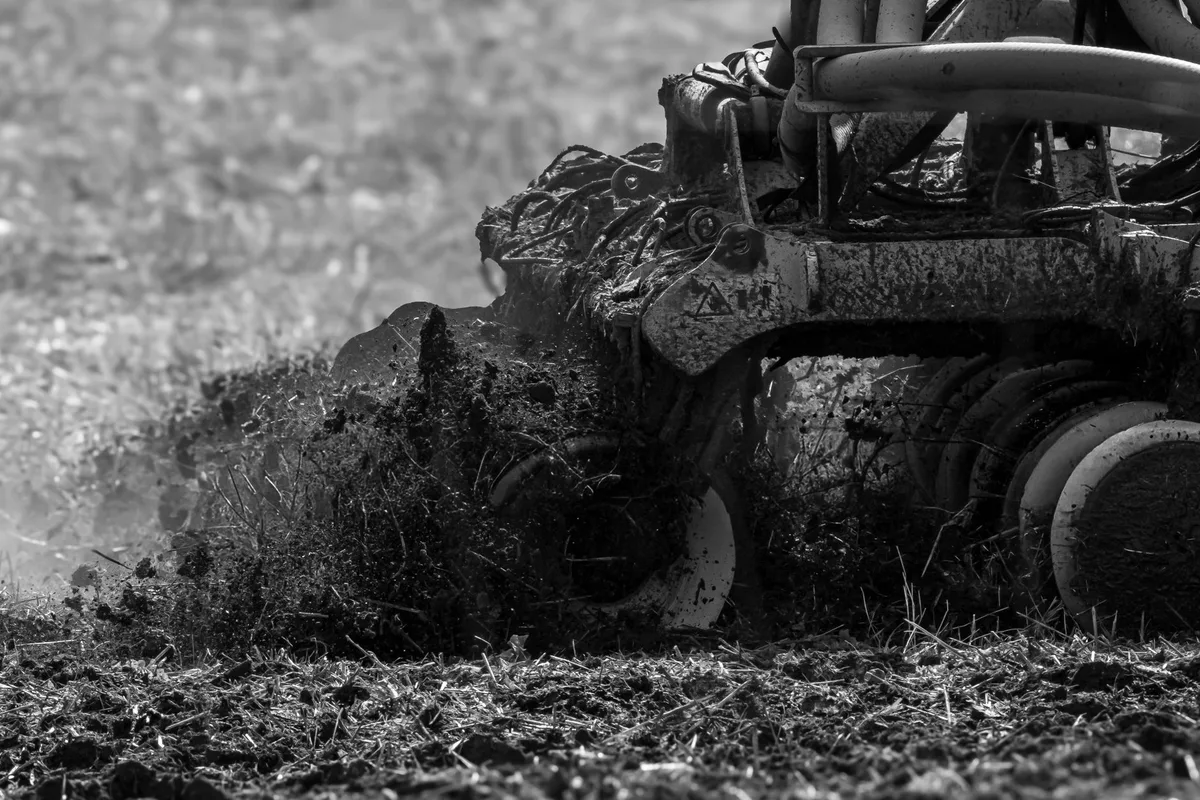
For heat‑tolerant lawn options, refer to the hot climate trees guidance. The workflow image helps visualize each step:
Common Pitfalls That Damage Turf: Over‑Aeration, Dulled Tines, and More
Repeating passes beyond four per 1,000 ft² can scalp the grass. Too many passes spread valuable topsoil unevenly. Each extra pass adds fatigue to the machine and weakens roots.
Dulled tines tear grass blades instead of cutting cleanly. Broken tines leave jagged wounds that invite disease. Signs of damage include frayed leaf edges and brown streaks across the lawn.
Over‑watering after aeration can cause plug displacement and soil settling. Many users ignore weather windows, aerating during rain events, which creates muddy patches. For disease protection, review the lawn fungicide advice.
The EPA and USDA guidelines for fuel storage advise using approved containers to avoid contamination. If you notice excessive noise above 85 dB, stop and inspect for loose parts. Safety first: wear ear plugs, gloves, and never refuel while the engine runs.
Keeping a maintenance log helps catch issues early and extends equipment life.
Frequently Asked Questions
How deep should I set the aerator for most lawns?
Most lawns need 2‑3 inches of depth for cool‑season grass and 3‑4 inches for warm‑season varieties. Deeper penetration helps reach the active root zone.
Can I aerate too often?
Yes, more than four passes per 1,000 ft² can harm the turf. Annual aeration works for most residential lawns; over‑doing it stresses the grass.
What if the tines are dull?
Replace or sharpen tines before each season. Dull tines tear grass, leaving entry points for pests and disease.
Is it safe to aerate during rain?
No, wet soil compacts quickly and can cause uneven results. Wait for 24‑48 hours after rain before aerating.
When should I consider hiring a professional?
Large properties, commercial sites, or heavy compaction cases often benefit from a professional’s equipment and expertise.
How Equipment Specs Drive Performance: Depth, Tine Spacing, and Power Choices
Our research shows that depth settings that miss the root zone by even half an inch reduce water infiltration by up to 20 %. Manufacturer specifications confirm that tine spacing of 3‑4 inches works best on sandy soils, while 5‑6 inches suits heavy clay. Power output of 2‑5 hp influences how quickly a core aerator can clear a typical 10,000 ft² lawn.
The table below lines up key specs so you can match a machine to your soil and budget.
| Specification | Recommended Range | Ideal Soil Type |
|---|---|---|
| Depth setting | 2‑4 in | Most turf |
| Tine spacing | 3‑4 in (sandy) / 5‑6 in (clay) | Soil texture |
| Engine power | 2‑5 hp | Larger lawns |
| Noise level | ≤85 dB | Residential compliance |
A shallow depth setting of 1.5 in leaves compaction untouched, while 4.5 in may damage rhizomes. Over‑large tine spacing creates uneven plug distribution, leading to patchy aeration. Selecting an electric unit around 1‑hp cuts fuel costs and keeps noise below municipal limits.
Compare data from “How To Choose Lawn Care Tools” for budget-friendly options.
Post‑Aeration Care: Watering, Overseeding, and Fertilizer Scheduling
Within 24 hours after aeration, apply ¼‑½ in of water to settle plugs and encourage soil‑plug decomposition. Lightly moist soil improves seed‑to‑soil contact for overseeding; apply 1‑2 lb of seed per 1,000 ft² on thinned areas. Fertilizer timing depends on grass type; cool‑season lawns respond best to a granular N‑P‑K 12‑4‑8 blend applied 4‑6 weeks after aeration.
Warm‑season varieties benefit from a high‑nitrogen 20‑10‑5 mix when soil temps hit 65‑70 °F. Follow the label rates to avoid burning newly exposed roots.
Safety First: Fuel Handling, Noise Limits, and Utility Strike Prevention
Fuel storage must follow EPA fuel‑container rules; use approved gas cans and keep them away from ignition sources. Noise levels above 85 dB can harm hearing; OSHA noise guidelines advise ear plugs for any duration over 85 dB. Always call 811 before digging to protect underground utilities.
The risk of a stray spark increases with fuel spills, so wipe any drips immediately. For detailed safety steps, see the guide on "How To Clean Lawn Mower Air Filter".
Decision Guide: When to Rent, Purchase, or Hire a Professional Service
Rentals work well for occasional jobs; daily rates of $75‑$120 cover basic core aerators and often include fuel. Ownership costs $250‑$800, but you save on labor and gain flexibility for yearly use. Hiring a professional costs $50‑$150 per acre, includes equipment, labor, and warranty.
For large commercial sites, a crew of two with a 5‑hp machine finishes a 5‑acre lot in under 2 hours. Compare lifetime cost projections in the "Best Fertilizer For Lawns" article for budgeting help.
FAQs: Timing, Equipment Selection, and Cost Considerations
When is the best time to aerate cool‑season grass?
Early fall, after soil temperatures fall below 65 °F, gives the turf 6‑8 weeks to recover before winter.
What is the ideal depth for warm‑season grass?
Set the aerator to 3‑4 in; this reaches the active root zone and promotes deeper roots.
How much does a professional aeration service typically charge?
Expect $50‑$150 per acre, depending on equipment and location.
Can I aerate during a rainstorm?
No, wet soil compacts quickly and leads to uneven plug distribution. Wait 24‑48 hours after rain.